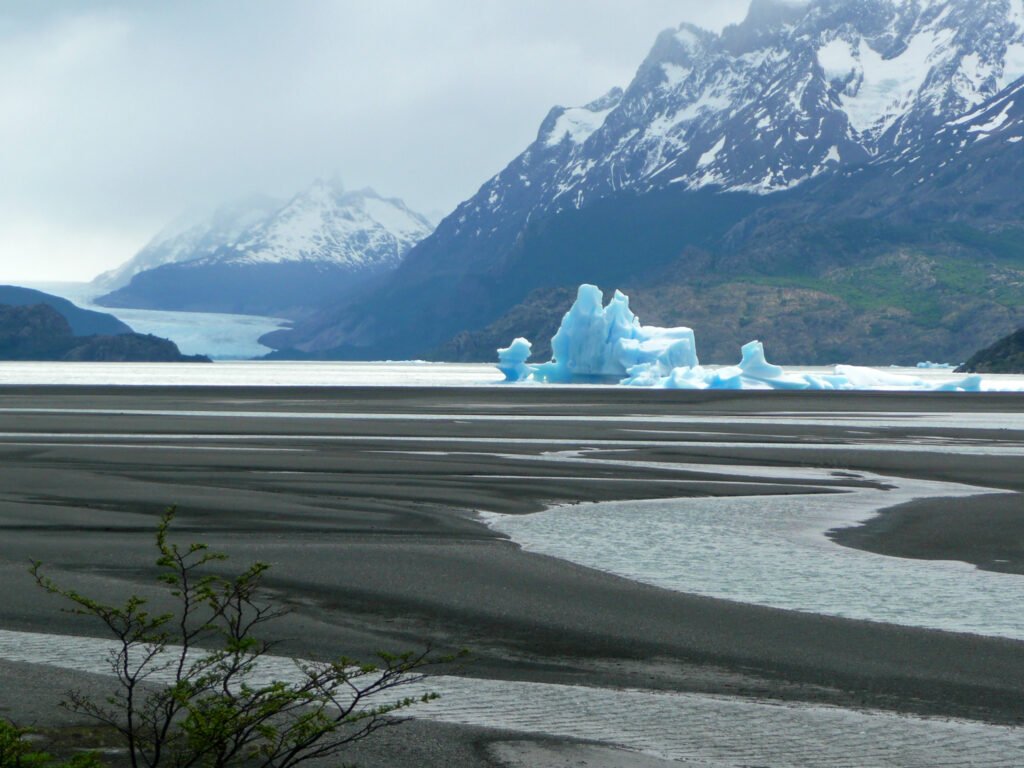
Imagine standing in the middle of a wide, flat plain that stretches as far as your eyes can see, dotted with lakes and rolling hills. It’s a place both dramatic and familiar—yet beneath your feet lies a story of unimaginable power and relentless transformation. The Midwest, with its fertile farms and bustling cities, owes its very shape to a time when colossal glaciers ruled the land. It was a world of ice and thunderous change, where nature’s icy hand carved out the heart of America. Are you ready to travel back in time and uncover how the last Ice Age left its lasting fingerprint on every hill, river, and prairie we see today?
The Glacial Giants Arrive

Long before highways and cornfields, a blanket of ice thicker than skyscrapers crept across the Midwest. These glaciers weren’t just snow—imagine mountains of frozen water, sometimes over a mile high, slowly grinding down the land beneath them. As the world’s temperature dropped around 20,000 years ago, northern ice sheets expanded, swallowing forests and rivers in their path. The pressure and weight of these moving giants reshaped the earth itself, bulldozing hills and crushing rocks into dust. The arrival of these glaciers was nothing short of apocalyptic for the ancient landscapes and the early creatures that called them home.
Carving Out the Great Lakes

When you look at a map of the Midwest, the Great Lakes stand out like shimmering jewels. But these lakes weren’t always there. Before the Ice Age, the region was filled with river valleys and rolling terrain. As the glaciers advanced, they gouged deep basins into the bedrock, scraping everything clean. When the climate warmed and the ice melted, these basins filled with water, giving birth to Lakes Superior, Michigan, Huron, Erie, and Ontario. Today, these lakes are a lifeline for millions, but they are really ancient scars—proof of the glaciers’ immense might.
The Fertility of the Prairie Soils

If you’ve ever driven across the Midwest, you’ve seen endless fields of corn and soybeans. But why is the soil here so rich? The answer lies in the Ice Age. As glaciers retreated, they left behind a thick layer of finely ground rock, called glacial till. This natural “fertilizer” is packed with nutrients, making the land perfect for farming. The dark, loamy soils that feed the world today are a direct gift from those grinding, icy bulldozers of the past.
The Birth of Rolling Hills and Moraines

Not all of the Midwest is pancake-flat. You’ll spot gentle hills and ridges, some curving for miles across the landscape. These are moraines—ridges of dirt and rock dumped at the edge of melting glaciers. Imagine the glacier as a conveyor belt, piling up debris as it retreats. Today, these moraines create beautiful, undulating hills, like those in Wisconsin’s Kettle Moraine, that make the land feel alive and textured.
Kettles, Potholes, and Prairie Ponds

Ever notice the strange, round lakes and potholes scattered across the Midwest? These features, called kettles, formed when blocks of glacial ice broke off and got buried in debris. When the ice finally melted, it left behind deep holes that filled with water. These ponds and lakes are now hotspots for wildlife, from migrating birds to playful otters, and serve as a living reminder of the chaos left behind by melting glaciers.
Shaping the Rivers and Valleys
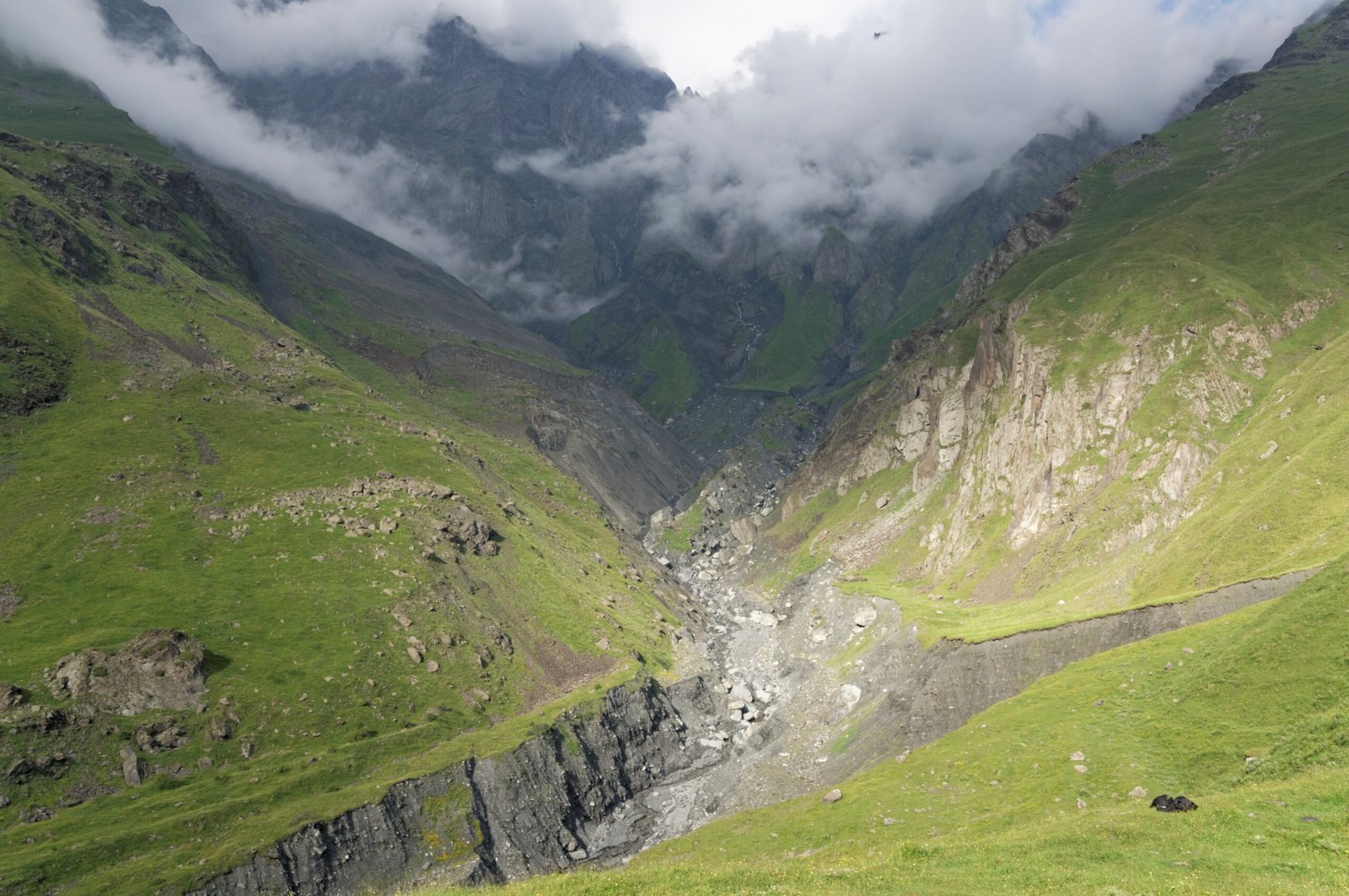
The mighty Mississippi, the Illinois, and the Ohio rivers all owe their courses to the Ice Age. As glaciers advanced and retreated, they blocked and redirected ancient rivers. When the ice melted, torrents of meltwater carved new valleys and channeled rivers into their current paths. Some rivers, like the Missouri, even switched directions, leaving behind abandoned valleys and dry riverbeds as silent witnesses to these monumental shifts.
The Creation of Loess Hills
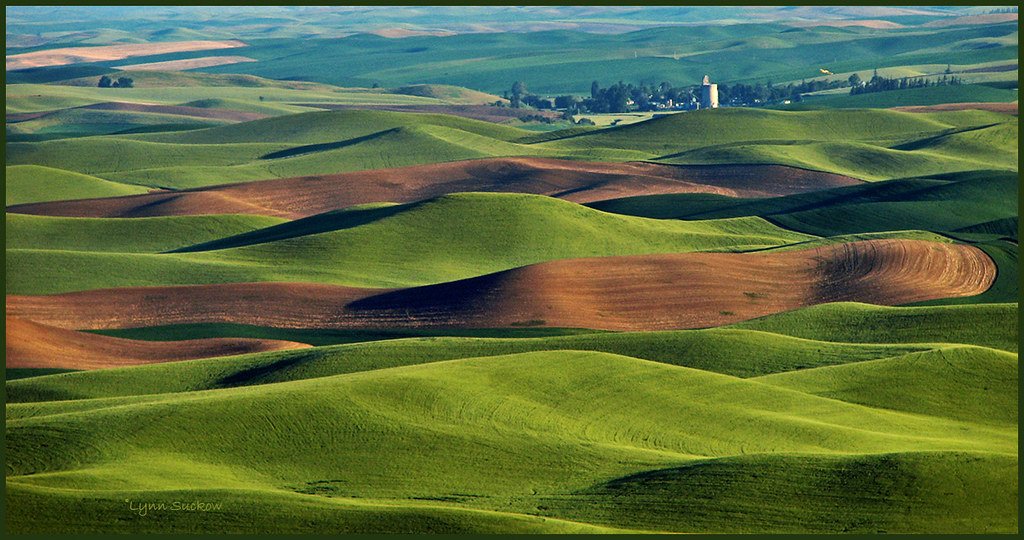
Bluffs of fine, powdery soil—known as loess—rise unexpectedly along parts of the Midwest, especially in Iowa and Missouri. These hills are made of windblown silt left behind as glaciers melted. Imagine the landscape as a giant sandblaster, with strong winds carrying dust for miles. Over thousands of years, this dust piled up into dramatic bluffs, creating unique habitats and breathtaking vistas that are a magnet for hikers and nature lovers today.
Formation of Glacial Erratics

If you stumble upon a massive boulder sitting alone in a field, you’ve found a glacial erratic. These rocks, often completely foreign to the local bedrock, were plucked by glaciers from distant places and carried for hundreds of miles. When the ice melted, the stones were dropped randomly across the landscape. Today, these erratics are like postcards from faraway lands, sparking curiosity and wonder at their mysterious journey.
Wetlands: The Midwest’s Icy Legacy

The Midwest is dotted with wetlands—marshes, swamps, and bogs—that are crucial for wildlife and clean water. Many of these wetlands formed in the low spots left behind by melting glaciers. As water pooled in these depressions, vibrant ecosystems sprang to life. Frogs croak, herons stalk, and dragonflies dance—thanks to the ancient ice that shaped their watery homes.
The Driftless Area: An Odd Survivor

One of the Midwest’s strangest features is the Driftless Area, stretching across parts of Wisconsin, Minnesota, Iowa, and Illinois. Unlike the flat plains around it, this region escaped the glaciers’ bulldozing touch. Here, you’ll find steep bluffs, deep valleys, and rugged hills. It’s like a time capsule, preserving the ancient landscape as it once was, and offering a stark contrast to the glacially-smoothed surroundings.
Formation of Sand Dunes and Beaches

When glaciers melted, they released torrents of water that carried sand and gravel across the land. These materials piled up along ancient shorelines, forming the sand dunes and beaches we see today. The Indiana Dunes along Lake Michigan are a perfect example—towering hills of sand shaped by wind and water, a playground for both plants and people.
Creation of Outwash Plains

As glaciers melted, rivers of meltwater flowed away from the ice. These rivers carried loads of sand and gravel, spreading them out in flat, broad plains called outwash plains. In states like Minnesota and Ohio, these plains now support towns, farms, and forests—quiet reminders of the raging torrents that once swept across the land.
Birth of the Midwest’s Iconic Lakes

Not just the Great Lakes, but thousands of smaller lakes dot the Midwest—Minnesota is even called the “Land of 10,000 Lakes.” These lakes filled depressions left behind by glaciers, some formed by kettles, others by scoured-out bedrock. They are beloved spots for fishing, boating, and summer vacations, all thanks to the icy chaos of the past.
Glacial Grooves and Striations

On some exposed rock surfaces, you can find deep scratches and grooves. These marks, called striations, were carved by rocks stuck in the bottom of moving glaciers. It’s like a giant icy file scraping across the land. Places like Kelleys Island in Ohio preserve these ancient tracks, connecting us directly to the primal forces that shaped the earth.
Influence on Midwest Weather Patterns

Believe it or not, the legacy of the Ice Age still affects the Midwest’s weather. The flatness of the land, shaped by glacial smoothing, allows cold Canadian air to rush south in winter and warm, moist air to surge north in summer. This clash fuels the region’s dramatic storms and tornadoes, making the Midwest a hot spot for wild weather.
Impact on Human Settlement Patterns

The landscapes sculpted by glaciers determined where people would eventually build towns and cities. Fertile soils attracted farmers, while the Great Lakes and rivers became trade routes and hubs for industry. Even today, the legacy of the glaciers can be seen in the layout of highways, cities, and farmlands.
Hidden Fossils and Ancient Life

Beneath the soils and rocks left behind by glaciers, scientists have discovered fossils of mammoths, mastodons, and even ancient humans. These finds paint a picture of a world teeming with life, now vanished. The Ice Age acted like a giant time capsule, preserving bones and artifacts for us to find thousands of years later.
Shaping the Midwest’s Unique Flora and Fauna
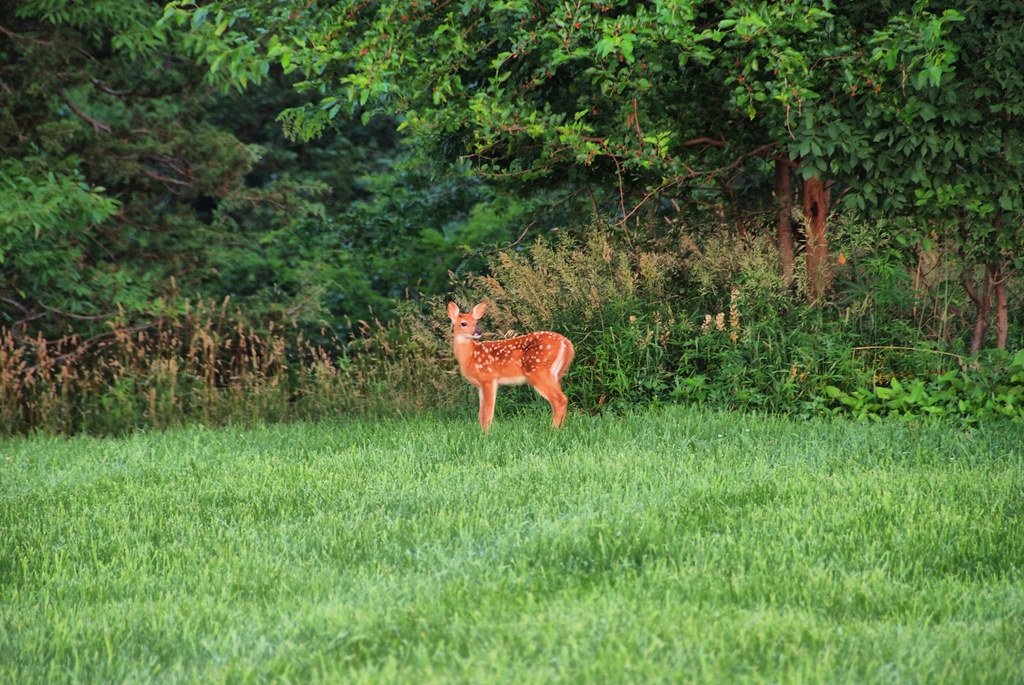
The coming and going of the glaciers forced plants and animals to adapt or move. Some species vanished, while others—like prairie grasses and bur oak trees—thrived in the new soils and climates. The diversity of wildlife in the Midwest today is a living record of survival and adaptation in the face of icy upheaval.
Modern Conservation Efforts and Glacial Heritage
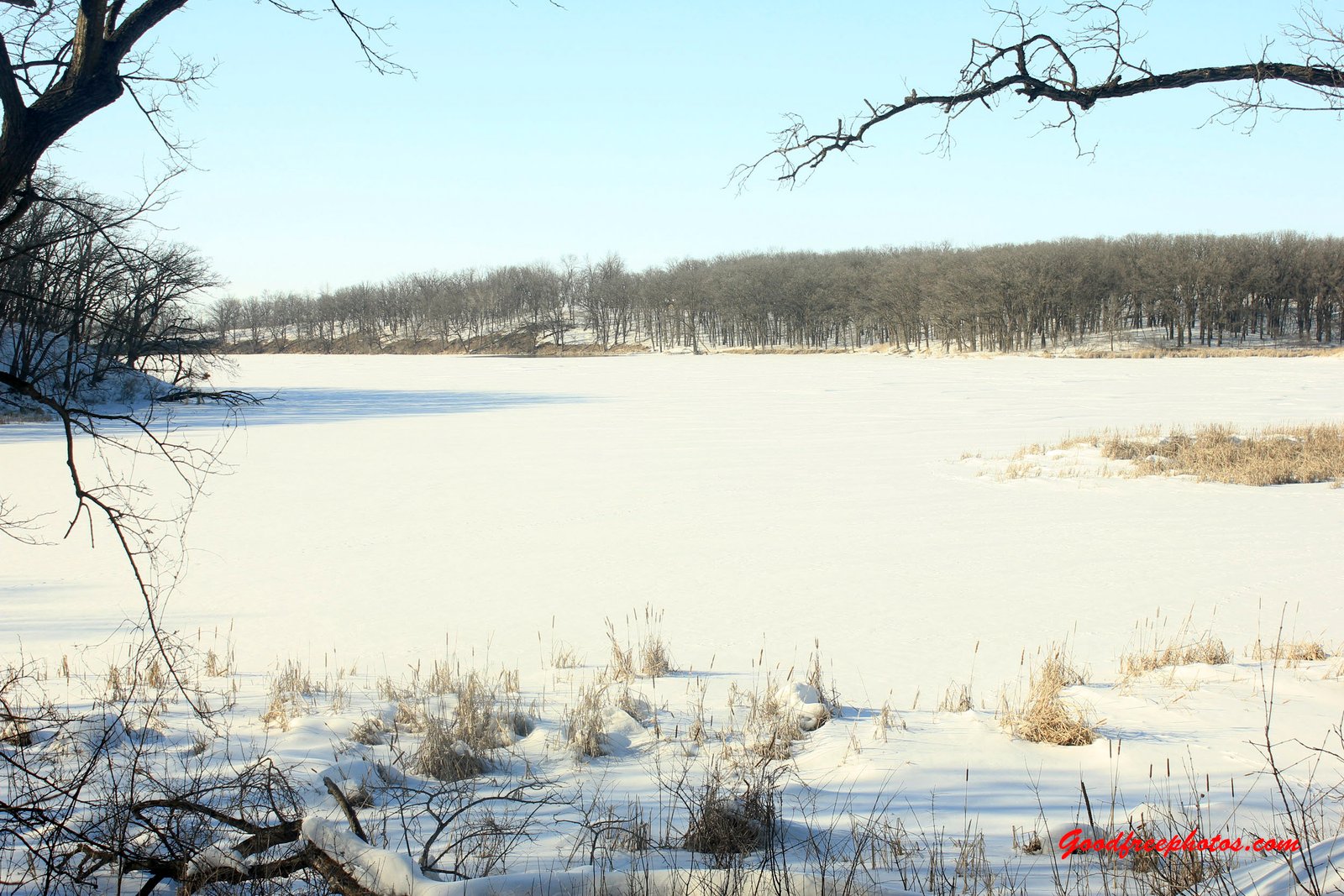
Today, people work to protect the natural wonders shaped by the Ice Age. Parks, nature preserves, and wildlife refuges dot the Midwest, safeguarding prairies, wetlands, and forests. These efforts help preserve not just the beauty, but the ancient stories written into every hill and pond.
A Living Legacy in Every Landscape
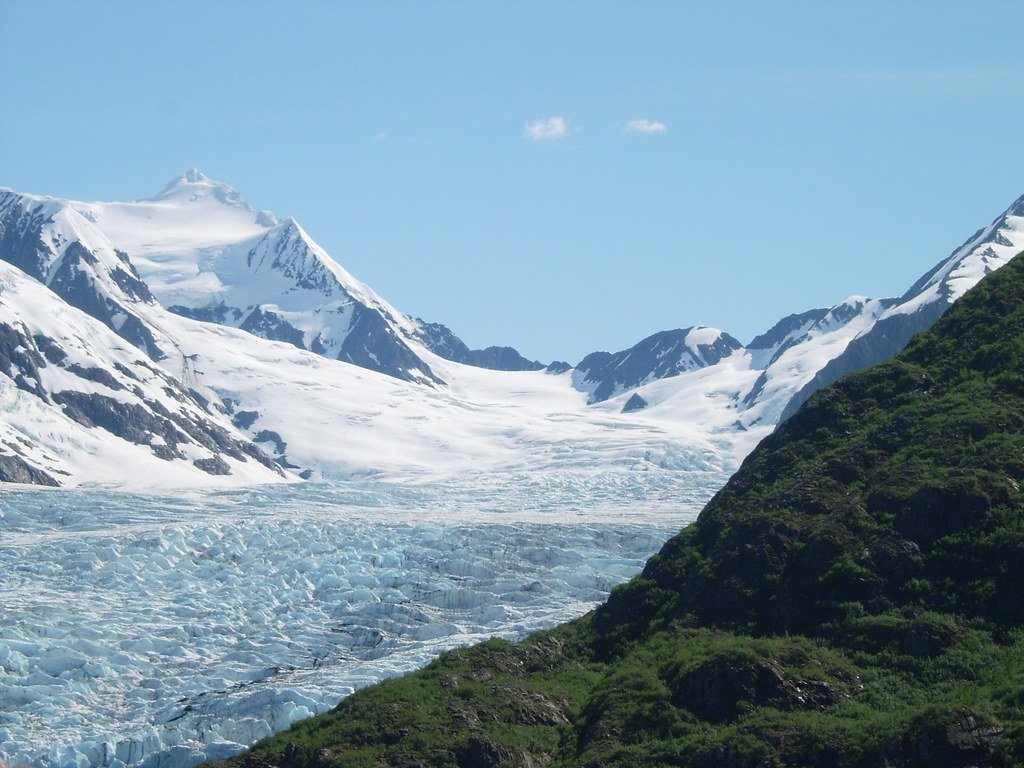
Every time you walk a forest trail, visit a lake, or drive across the vast prairies, you’re experiencing the work of ancient ice. The last Ice Age didn’t just leave behind cold memories—it shaped the very heart of the Midwest. From the soil beneath our feet to the rivers that define our borders, the glaciers’ legacy is alive in every corner of this remarkable region.