
When disaster strikes and buildings collapse, time becomes the most precious commodity. Every second counts in the race to find survivors trapped beneath tons of rubble. While human rescue teams work tirelessly with sophisticated equipment, an unlikely hero has emerged from the shadows of scientific research: the humble rat. These small, agile creatures are being transformed into highly trained search and rescue specialists through groundbreaking programs that challenge everything we thought we knew about animal intelligence and disaster response.
The Surprising Science Behind Rat Intelligence

Rats possess cognitive abilities that would make many humans envious. Their brains contain approximately 200 million neurons, allowing them to process complex information, learn intricate tasks, and remember solutions for extended periods. Scientists have discovered that rats can navigate three-dimensional mazes with remarkable precision, often outperforming computer algorithms designed for the same tasks. These rodents demonstrate metacognition – the ability to think about their own thinking – a trait once believed to be exclusively human. Their problem-solving skills extend beyond simple trial and error, showing evidence of strategic planning and adaptive reasoning that makes them ideal candidates for specialized training programs.
From Laboratory to Lifesaver

The journey from lab rat to rescue expert begins in controlled research environments where scientists first identified the potential for disaster response applications. Belgian researcher Bart Weetjens pioneered the concept after observing rats’ natural behaviors and exceptional sensory capabilities. His initial work focused on landmine detection, but the principles quickly expanded to search and rescue operations. The transition from controlled laboratory settings to real-world disaster scenarios required developing entirely new training methodologies. These programs combine behavioral psychology, positive reinforcement techniques, and gradual exposure to increasingly complex environments that simulate actual disaster conditions.
The Anatomy of a Rescue Rat

Nature equipped rats with physical characteristics that make them perfect for search and rescue missions. Their compact size allows them to navigate through spaces as small as two inches in diameter, accessing areas completely inaccessible to humans or traditional rescue equipment. Rats possess incredibly sensitive whiskers called vibrissae that can detect minute changes in air currents and vibrations, helping them navigate in complete darkness. Their lightweight bodies – typically weighing less than a pound – won’t trigger unstable debris that could endanger trapped survivors. Additionally, rats have excellent night vision and can see in near-total darkness, making them invaluable during nighttime rescue operations when visibility is severely limited.
Scent Detection Capabilities That Rival Dogs

While rescue dogs receive widespread recognition for their scent-tracking abilities, rats possess olfactory systems that are equally impressive and sometimes superior. A rat’s sense of smell is approximately 1,000 times more sensitive than a human’s, allowing them to detect specific human scents even when masked by dust, smoke, or chemical odors. Their small nostrils can pinpoint scent sources with remarkable accuracy, often within centimeters of the actual location. Unlike dogs, rats aren’t easily distracted by competing scents or environmental factors that might overwhelm larger animals. Their focused approach to scent detection makes them particularly effective in chaotic disaster environments where multiple odors compete for attention.
The Step-by-Step Training Process
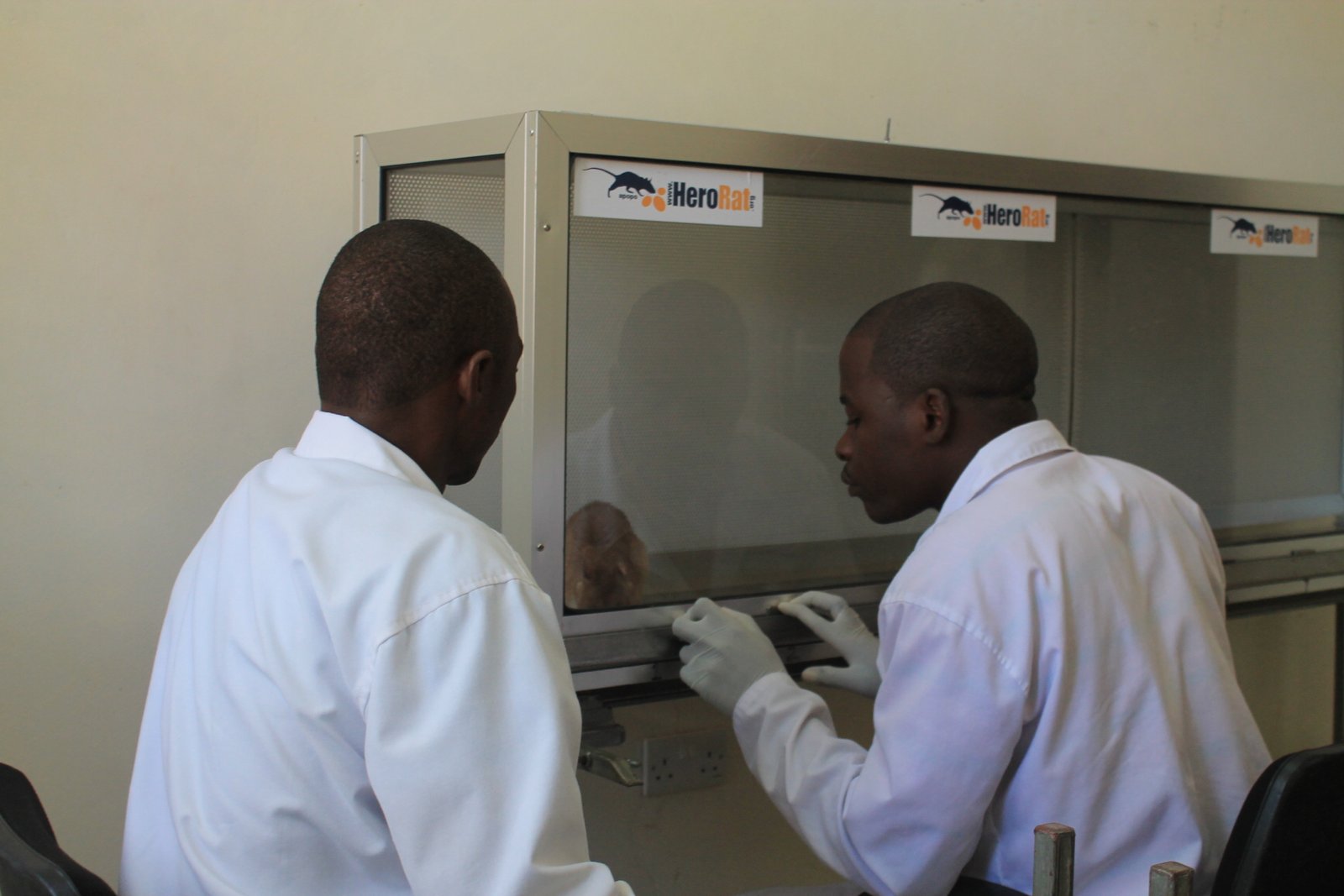
Training a rescue rat requires months of systematic conditioning that begins with basic behavioral modification. Trainers start by teaching rats to associate specific human scents with positive rewards, typically high-value food treats that motivate consistent performance. The initial phase involves simple scent recognition exercises in controlled environments, gradually increasing complexity as rats demonstrate mastery. Advanced training introduces obstacles, confined spaces, and simulated debris fields that mirror real disaster scenarios. Each rat undergoes approximately 200 hours of training before qualifying for active duty, with continuous assessment ensuring only the most capable individuals advance to operational status.
Technology Integration in Modern Rat Training

Modern rescue rat programs incorporate cutting-edge technology to enhance effectiveness and safety. Tiny GPS trackers and wireless cameras allow human handlers to monitor rat movements in real-time, even when the animals venture deep into collapsed structures. Some programs experiment with miniature communication devices that enable rats to signal discoveries through electronic beeps or radio transmissions. Advanced training facilities use virtual reality simulations and computerized obstacle courses to prepare rats for various disaster scenarios. These technological integrations represent a significant evolution from early training methods, creating more sophisticated and reliable rescue operations.
Real-World Success Stories

Rescue rats have achieved remarkable success in actual disaster situations around the world. During the 2015 Nepal earthquake, trained rats located survivors in collapsed buildings where traditional search methods had failed. Their small size allowed them to access pockets of space that remained intact despite massive structural damage. In urban search and rescue operations across Europe, rats have consistently reduced search times by an average of 40% compared to conventional methods. One particularly notable case involved a rat named Hero who located three survivors in a collapsed factory, guiding rescue teams to their exact positions within hours rather than days. These success stories have convinced skeptical emergency response agencies to seriously consider incorporating rats into their standard operating procedures.
The Psychology of Rat Motivation
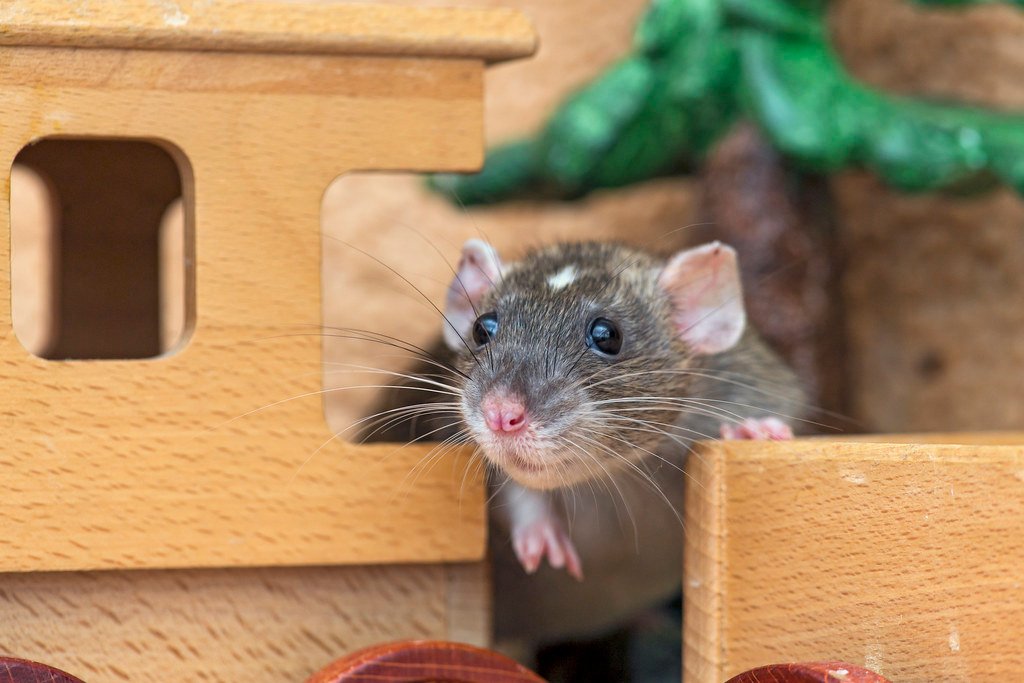
Understanding what drives rats to perform search and rescue tasks reveals fascinating insights into animal psychology and learning theory. Rats are naturally curious creatures with strong exploratory instincts that trainers harness for rescue operations. The key lies in creating positive associations between finding humans and receiving rewards, typically food or playtime. However, researchers have discovered that rats also seem to derive satisfaction from the search process itself, suggesting an intrinsic motivation beyond simple reward-seeking behavior. This psychological complexity makes rats more reliable than purely reward-driven animals, as they maintain enthusiasm for their work even when rewards are delayed or reduced.
Comparing Rats to Traditional Search Methods
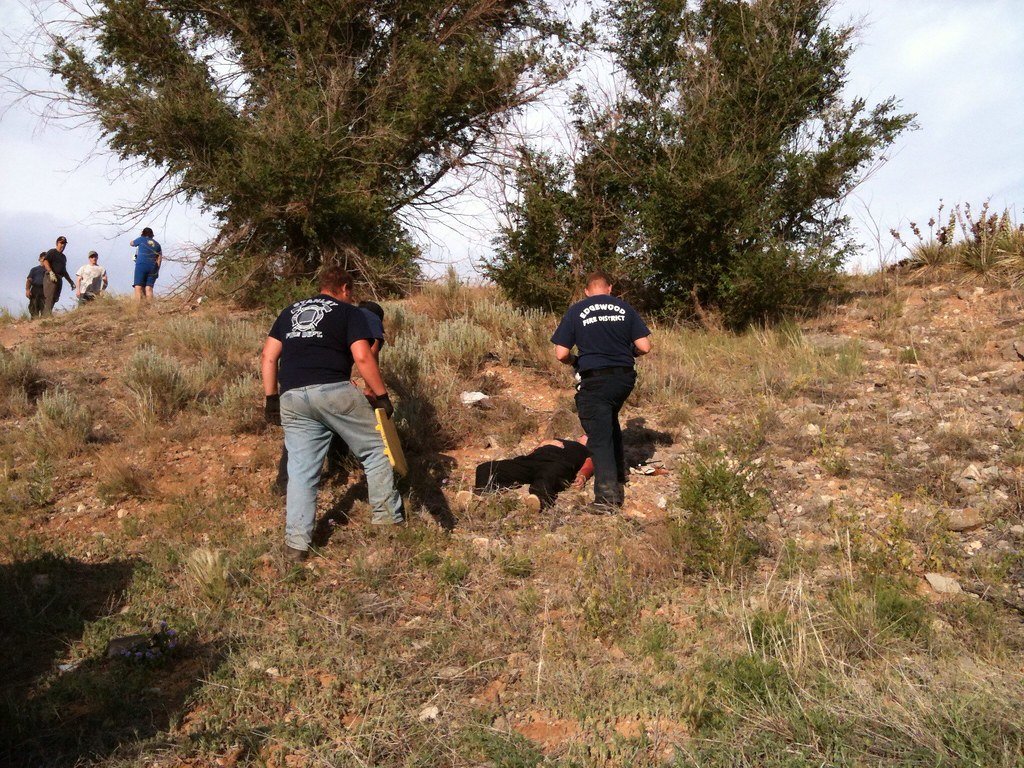
Traditional search and rescue operations rely heavily on human searchers, rescue dogs, and electronic detection equipment, each with inherent limitations. Human searchers face physical constraints in confined spaces and risk injury from unstable debris. Rescue dogs, while highly effective, require significant space to maneuver and can become overwhelmed by strong competing scents. Electronic equipment often fails in dusty, humid, or electrically charged environments typical of disaster sites. Rats overcome many of these limitations through their unique combination of size, sensory capabilities, and adaptability. They can access spaces impossible for other methods while maintaining effectiveness in challenging environmental conditions that would compromise traditional approaches.
The Cost-Effectiveness Factor

Economic considerations play a crucial role in emergency response planning, and rescue rats offer significant financial advantages over conventional methods. Training and maintaining a rescue rat costs approximately one-tenth the expense of training and keeping a rescue dog. Rats require minimal food, basic housing, and relatively simple equipment compared to the extensive infrastructure needed for canine programs. Their longer operational lifespan – typically 3-4 years of active service – provides excellent return on training investments. When calculating cost per successful rescue operation, rat programs consistently outperform traditional methods by substantial margins. These economic benefits make rescue rat programs particularly attractive for resource-constrained emergency response organizations in developing countries.
Overcoming Public Perception Challenges
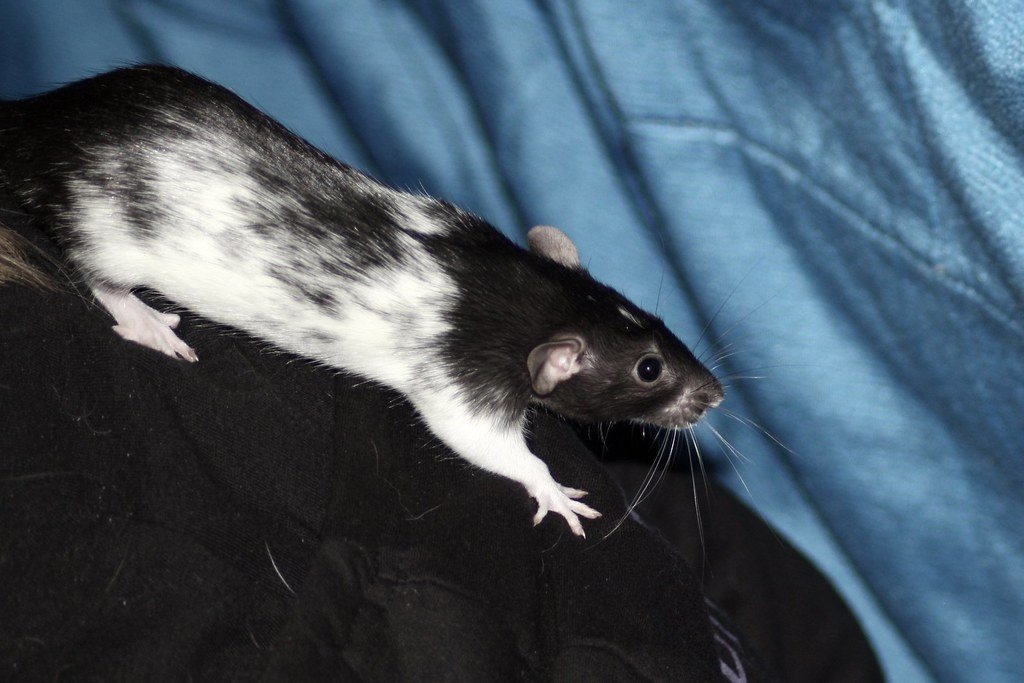
Perhaps the greatest obstacle facing rescue rat programs isn’t technical or logistical – it’s changing public perception of these remarkable animals. Many people harbor deep-seated fears or disgust toward rats, viewing them as disease-carrying pests rather than potential lifesavers. Educational campaigns highlighting rats’ intelligence, cleanliness, and heroic capabilities have slowly shifted opinions in some regions. Success stories and media coverage of actual rescues help humanize these animals and demonstrate their value. However, cultural attitudes toward rats vary significantly worldwide, creating ongoing challenges for program implementation and public acceptance.
Training Facility Requirements and Setup
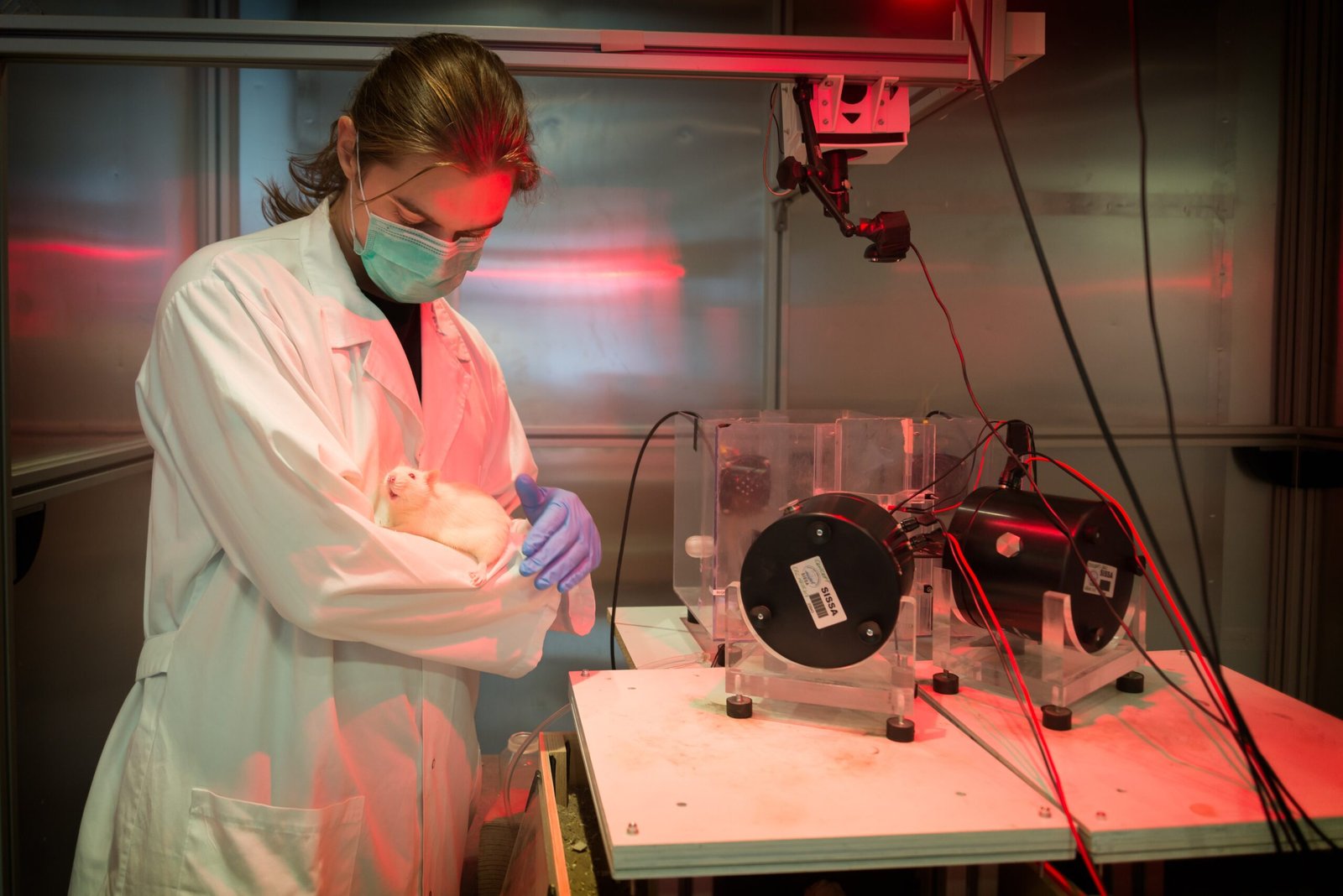
Establishing an effective rat training facility requires careful planning and specialized equipment designed to simulate disaster conditions. Training centers feature modular obstacle courses that can be reconfigured to represent different types of collapsed structures. Climate control systems create various environmental conditions rats might encounter, from dusty construction sites to humid basements. Sound systems reproduce the acoustic environment of disaster sites, helping rats adapt to the cacophony of rescue operations. Storage areas house various human scent samples used in training exercises, while veterinary facilities ensure rat health and welfare throughout the demanding training process.
The Selection Process for Candidate Rats

Not every rat possesses the temperament and abilities required for rescue work, making careful selection crucial for program success. Ideal candidates demonstrate high intelligence, strong food motivation, and calm demeanor under stress. Young rats between 6-12 weeks old adapt most readily to training, though older animals occasionally show exceptional promise. Genetic factors play a role, with certain strains showing superior scent detection abilities and learning capacity. Physical health assessments eliminate candidates with sensory impairments or mobility issues that would compromise effectiveness. The selection process typically evaluates 20-30 rats to identify 5-10 suitable candidates for intensive training.
Health and Welfare Considerations

Maintaining optimal health and welfare for rescue rats requires specialized veterinary care and monitoring protocols. Regular health checks assess physical condition, stress levels, and cognitive function throughout training and operational phases. Dietary programs provide balanced nutrition to support the high energy demands of training and rescue work. Environmental enrichment keeps rats mentally stimulated during downtime, preventing boredom and behavioral problems that could affect performance. Retirement planning ensures aging rats receive appropriate care when their active service concludes. These comprehensive welfare programs reflect growing recognition of the ethical responsibilities involved in working with animal partners.
International Cooperation and Standards

The growing success of rescue rat programs has sparked international cooperation and standardization efforts among training organizations worldwide. Countries share training methodologies, breeding programs, and deployment strategies to improve overall effectiveness. International conferences bring together researchers, trainers, and emergency response professionals to exchange knowledge and best practices. Standardized certification programs ensure consistent quality across different training facilities and national programs. These collaborative efforts accelerate program development and create opportunities for international assistance during major disasters. The emergence of global standards also helps legitimize rescue rat programs within the broader emergency response community.
Technology Development and Innovation

Ongoing technological development continues expanding the capabilities and applications of rescue rats in emergency situations. Researchers experiment with advanced sensor packages that could provide real-time physiological data about discovered survivors. Artificial intelligence systems analyze rat behavior patterns to improve handler interpretation of search results. Drone technology offers new deployment methods, potentially allowing rats to access disaster sites more quickly and safely. Communication systems under development could enable direct interaction between rats and human handlers, revolutionizing coordination during complex operations. These innovations represent the cutting edge of human-animal collaboration in emergency response.
Future Applications Beyond Search and Rescue

The success of rescue rat programs has inspired exploration of additional applications for trained rats in various fields. Medical detection programs train rats to identify diseases like tuberculosis through scent analysis, potentially revolutionizing diagnostic capabilities in resource-limited settings. Security applications could leverage rats’ detection abilities for finding contraband or explosives in areas inaccessible to traditional methods. Environmental monitoring programs use rats to detect pollution or contamination in ecosystems where other methods prove impractical. Archaeological applications could employ rats to locate artifacts or structural remains without risking damage from excavation equipment. These diverse applications demonstrate the versatility and potential of properly trained rats across multiple disciplines.
Training the Next Generation of Scientists

The interdisciplinary nature of rescue rat programs creates unique educational opportunities for students and researchers from various fields. Training programs combine animal behavior, engineering, emergency management, and veterinary science into comprehensive learning experiences. Universities increasingly offer specialized courses focusing on human-animal collaboration in disaster response applications. Student research projects contribute to ongoing program development while providing hands-on experience with cutting-edge scientific methods. These educational initiatives ensure continued innovation and improvement in rescue rat programs while inspiring the next generation of researchers to explore unconventional solutions to complex problems.
Global Impact and Recognition

The transformative potential of rescue rats has gained recognition from international humanitarian organizations and emergency response agencies worldwide. The United Nations has acknowledged the role of trained animals in disaster response, specifically mentioning rats as emerging assets in search and rescue operations. Insurance companies have begun factoring rescue rat capabilities into risk assessments and emergency response planning for major infrastructure projects. Scientific journals regularly publish research on rat training methodologies and effectiveness, lending academic credibility to these programs. This growing recognition represents a significant shift in how the global community views the potential contributions of small animals to large-scale humanitarian efforts.
Ethical Considerations and Animal Rights
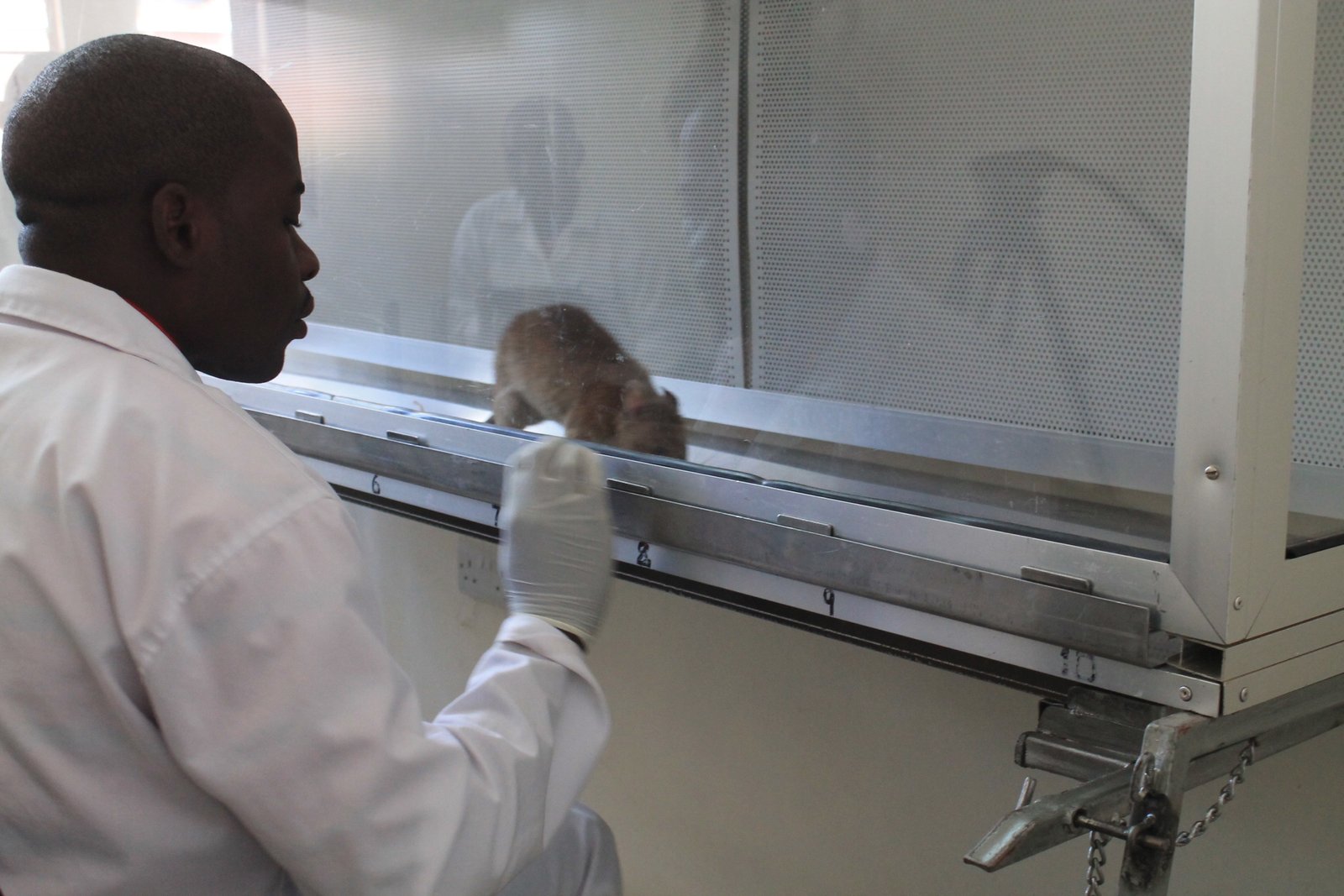
The use of animals in potentially dangerous rescue operations raises important ethical questions that program developers must address responsibly. Animal welfare advocates generally support rescue rat programs due to the positive living conditions and enrichment provided to working animals. The voluntary nature of rat participation – evidenced by their enthusiasm for training and work – distinguishes these programs from coercive animal use. Risk management protocols minimize danger to working rats while maximizing their safety during operations. Retirement programs ensure lifelong care for rats who complete their service, addressing concerns about post-operational welfare. These ethical considerations reflect evolving relationships between humans and animal partners in life-saving work.
When earthquake devastation struck Nepal in 2015, rescue teams thought they had exhausted every possibility for finding survivors beneath a collapsed textile factory. Traditional methods had failed, heavy machinery couldn’t safely access the unstable structure, and time was running out. Then a small brown rat named Gambit squeezed through a gap no larger than a smartphone and emerged twenty minutes later, having pinpointed the exact location of three trapped workers who were successfully rescued within hours. This wasn’t science fiction or a feel-good movie – it was the reality of how these incredible creatures are revolutionizing disaster response worldwide, one tiny paw print at a time. What would you have guessed about the true heroes working silently in the shadows of our most desperate moments?