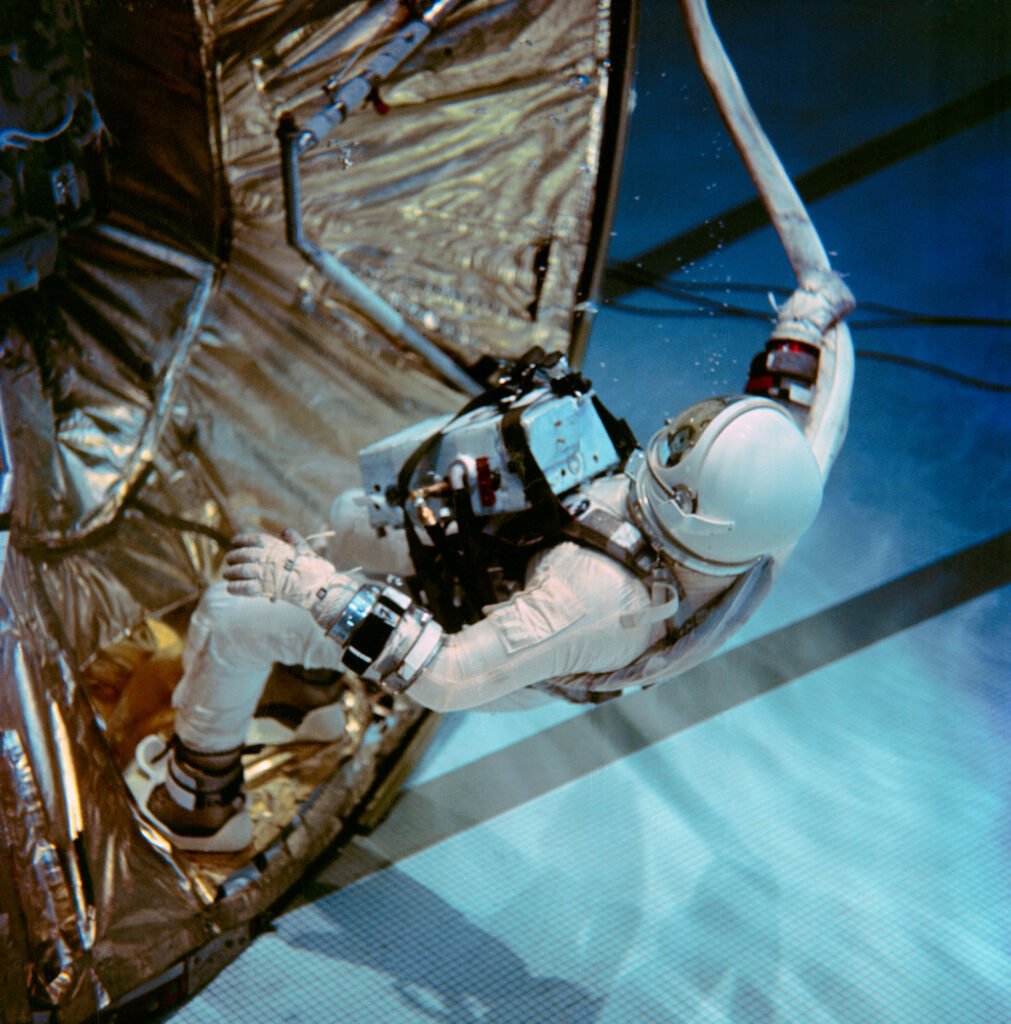

Imagine trying to fall asleep while floating in complete weightlessness, with nothing but the thin walls of a spacecraft separating you from the infinite vacuum of space. This is the reality for astronauts aboard the International Space Station, who must master the art of sleeping in an environment that defies every instinct our bodies have developed over millions of years of evolution. The absence of gravity doesn’t just affect how they move or eat – it fundamentally transforms one of our most basic human needs: sleep.
The Weightless Challenge of Falling Asleep

Without gravity to pull them down onto a bed, astronauts literally float while they sleep, creating a surreal experience that would leave most of us wide-eyed with wonder. Their bodies don’t receive the familiar pressure signals that tell our brains it’s time to rest, making the transition to sleep feel like trying to doze off while skydiving. The brain struggles to process this constant floating sensation, often interpreting it as falling, which can trigger the body’s natural startle response. This phenomenon explains why many astronauts report feeling like they’re perpetually tumbling through space during their first weeks in orbit. The human sleep cycle, evolved over millennia on Earth, suddenly finds itself in an alien environment where the most basic assumptions about rest no longer apply.
Sleeping Bags That Defy Gravity

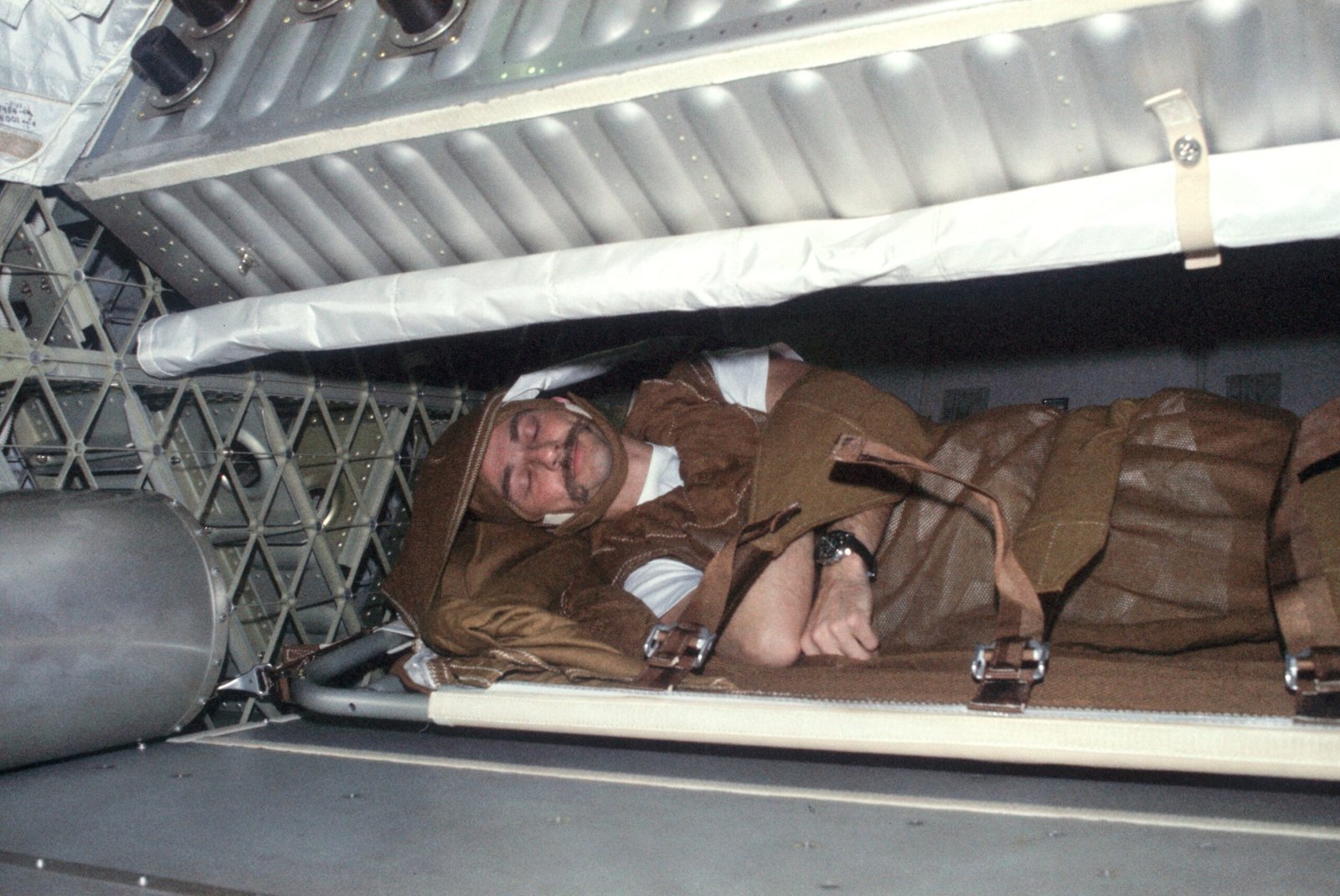
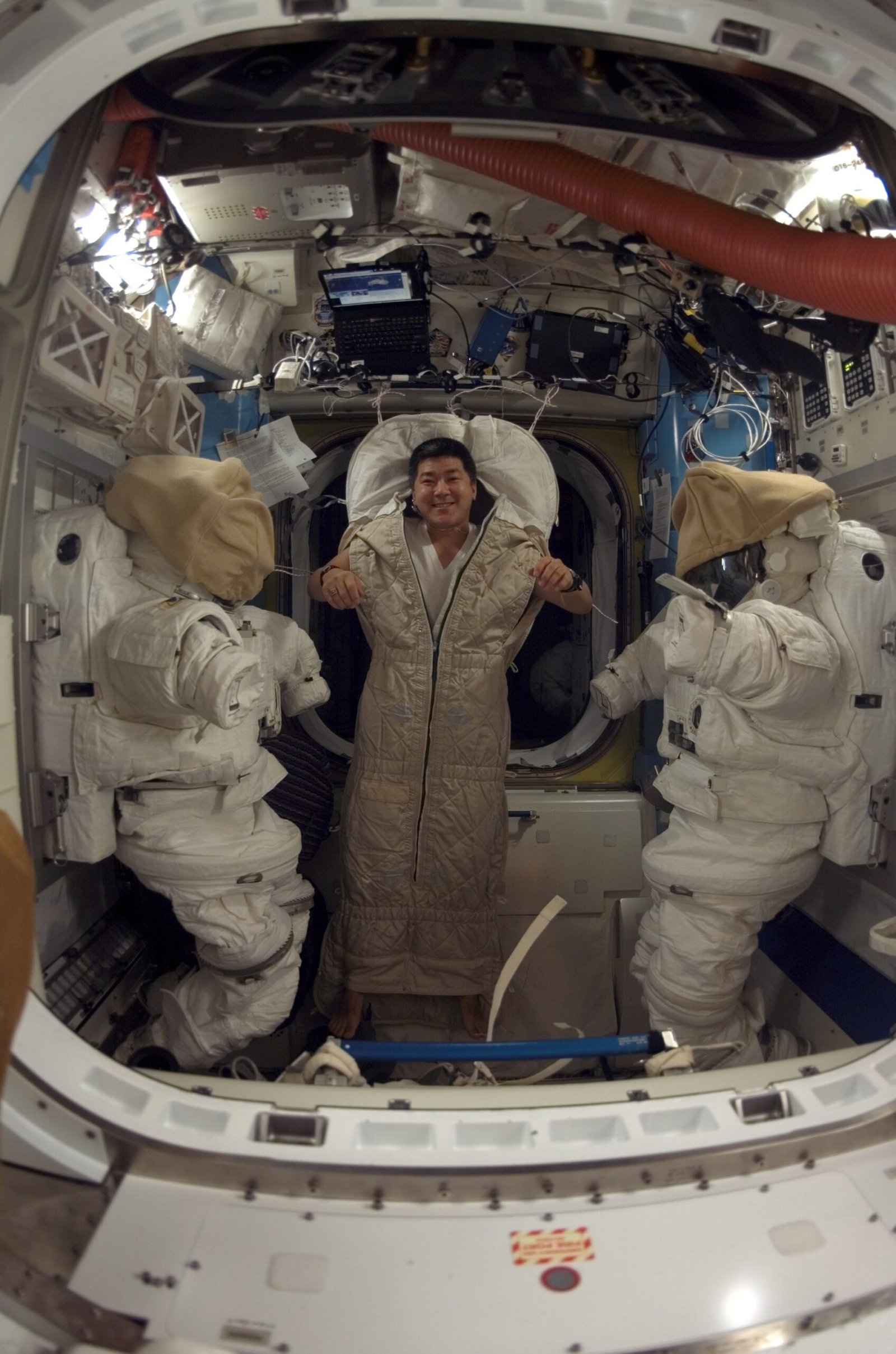
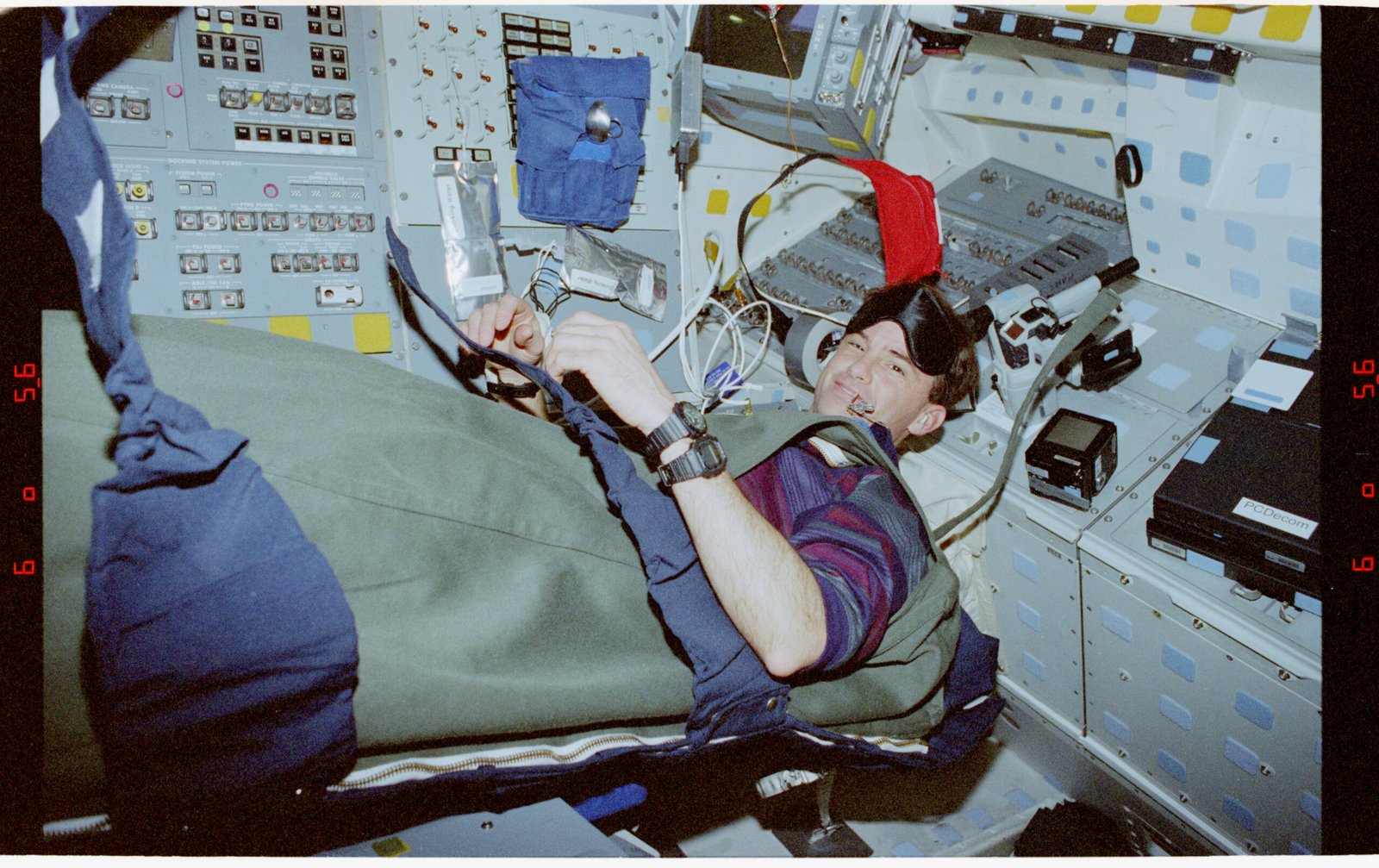
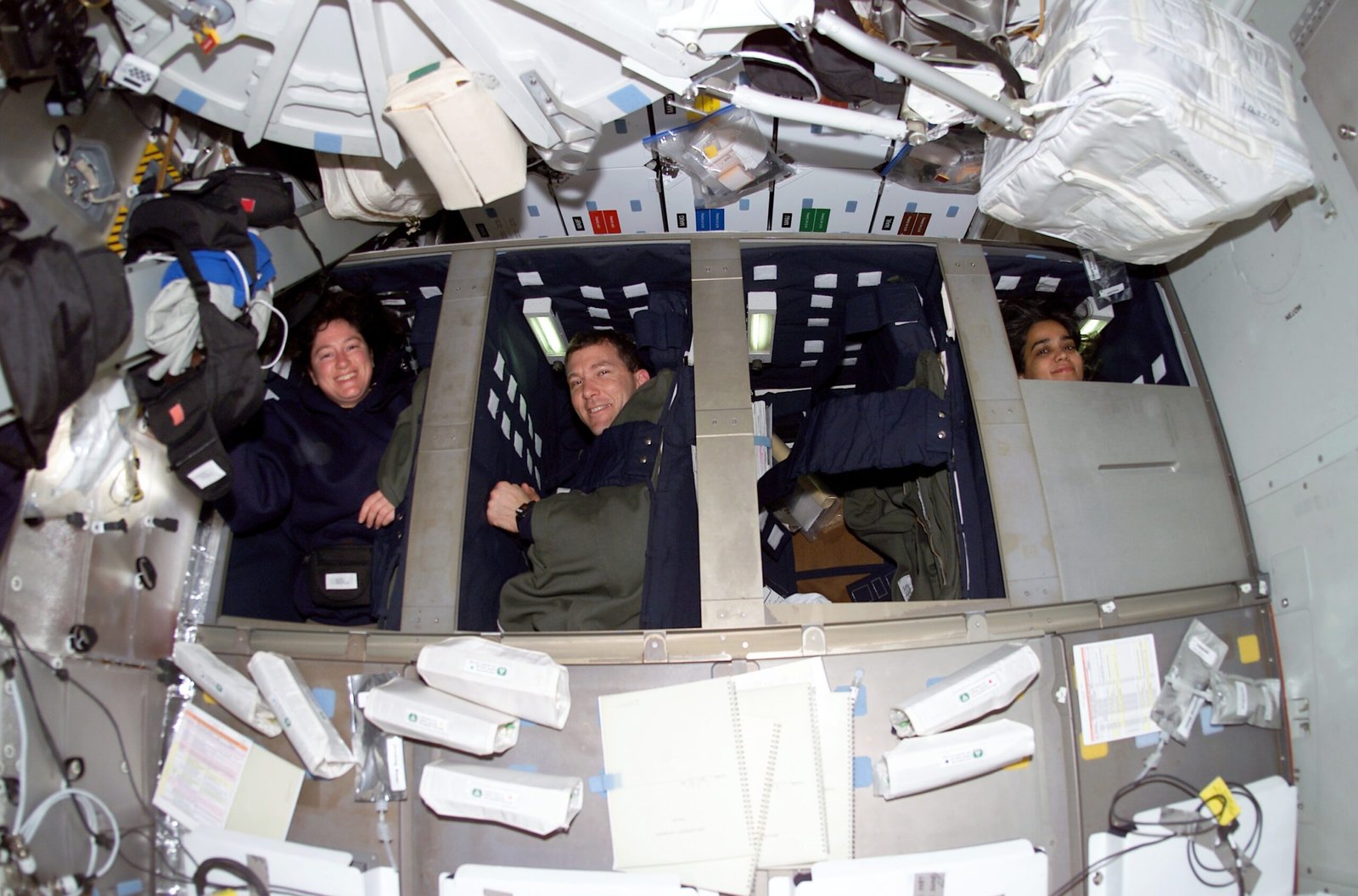
Astronauts don’t crawl under blankets like we do on Earth – instead, they zip themselves into specially designed sleeping bags that attach to the walls of the space station. These aren’t your typical camping gear; they’re engineered marvels that include ventilation systems, restraints, and attachment points to keep the sleeping astronaut from floating away during the night. The sleeping bag essentially becomes a personal cocoon that provides the psychological comfort of being enclosed while preventing the disorienting experience of drifting around the cabin. Some astronauts prefer to sleep with their arms inside the bag to prevent them from floating up and accidentally hitting switches or equipment. The simple act of getting into a sleeping bag becomes a careful choreography of zips, straps, and positioning that would look almost comical to Earth-bound observers.
The Space Station’s Bedroom Setup

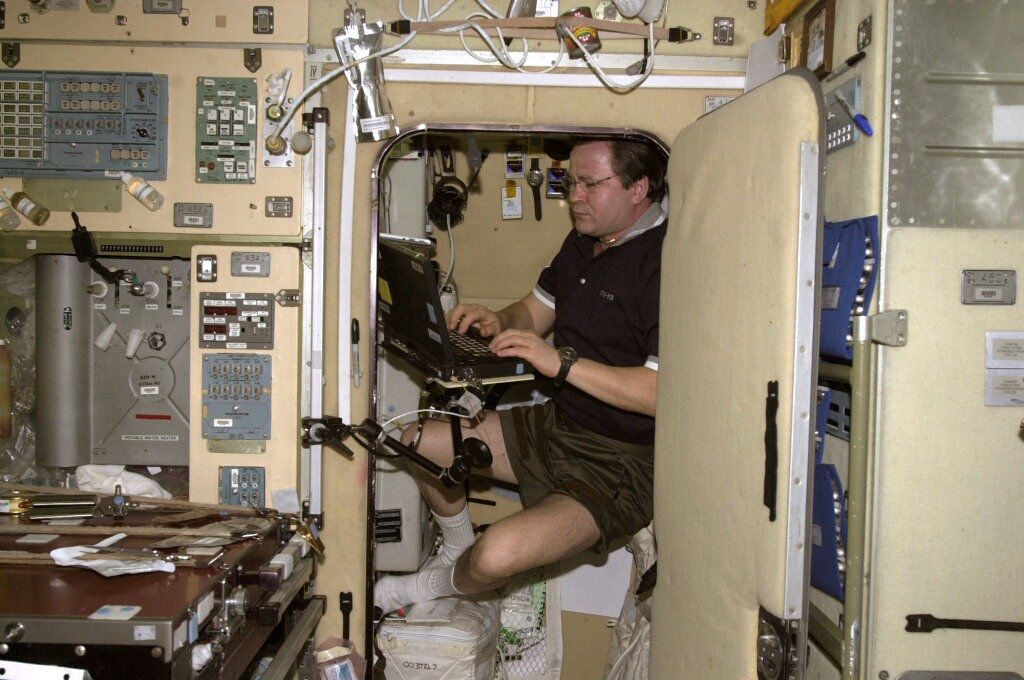
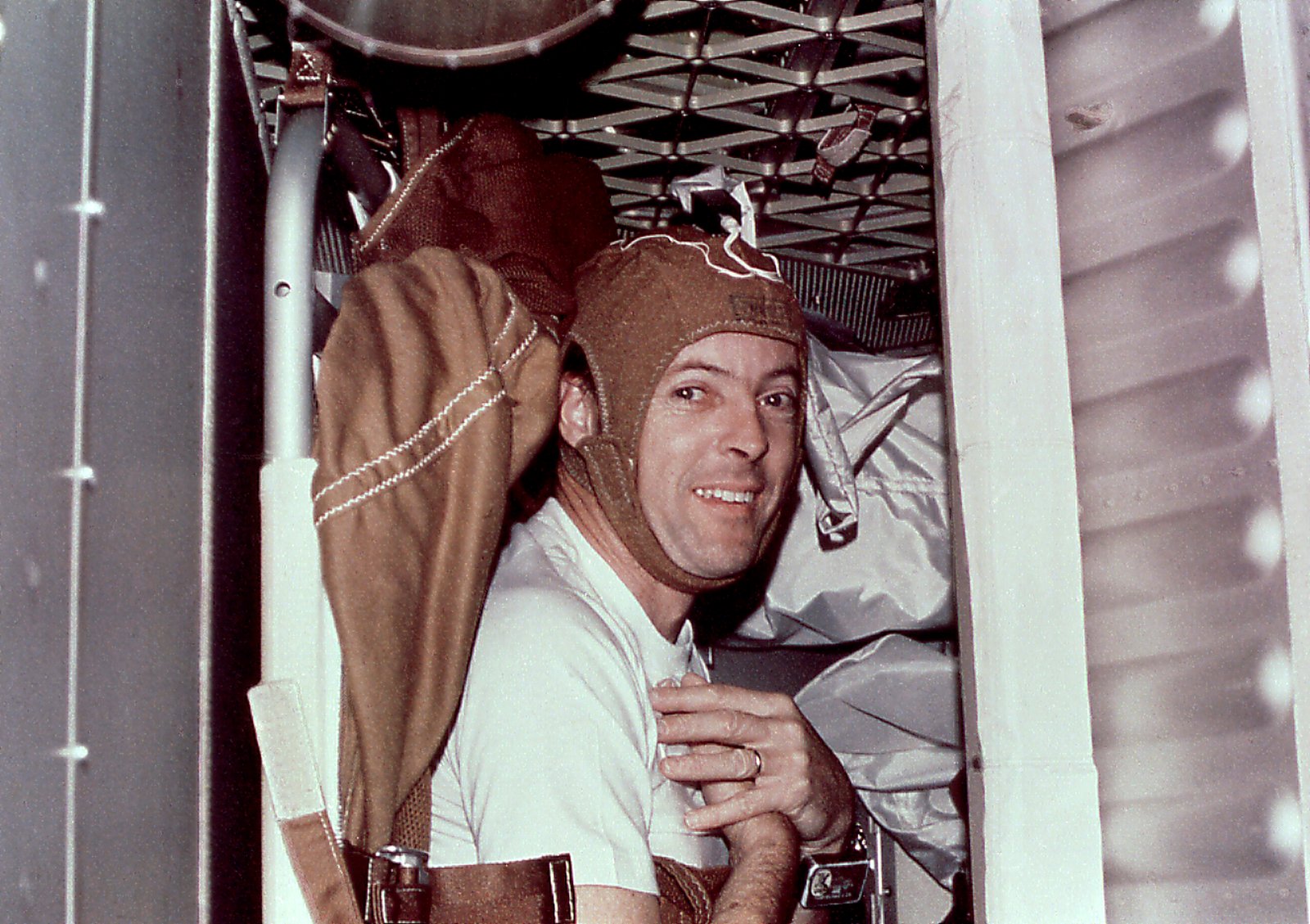
The International Space Station features four private crew quarters, each about the size of a phone booth, where astronauts can retreat for their personal sleep time. These tiny spaces contain a sleeping bag, a laptop, personal items, and enough room for one person to float comfortably while secured to the wall. The crew quarters are equipped with ventilation fans that ensure fresh air circulation, preventing the buildup of carbon dioxide that could be dangerous in such a confined space. Each astronaut can personalize their sleeping area with family photos, books, or other meaningful items that provide psychological comfort in the isolated environment of space. The quarters also include privacy screens, giving astronauts a sense of personal space that’s crucial for mental health during long-duration missions.
Why Astronauts Can’t Sleep on Their Backs

The familiar sleeping positions we use on Earth simply don’t work in space, where there’s no “up” or “down” to orient the body. Sleeping on your back becomes meaningless when gravity isn’t pulling you against a surface, and the absence of pressure points that normally help us feel grounded can create a disorienting sense of floating. Many astronauts report that they need to consciously position their bodies in ways that feel secure, often choosing to sleep in a fetal position or with their arms crossed. The brain, accustomed to interpreting sleeping positions based on gravitational orientation, struggles to process rest without these familiar reference points. This adjustment period can last several weeks, during which sleep quality often suffers as the body adapts to this new reality.
The Problem with Floating Limbs
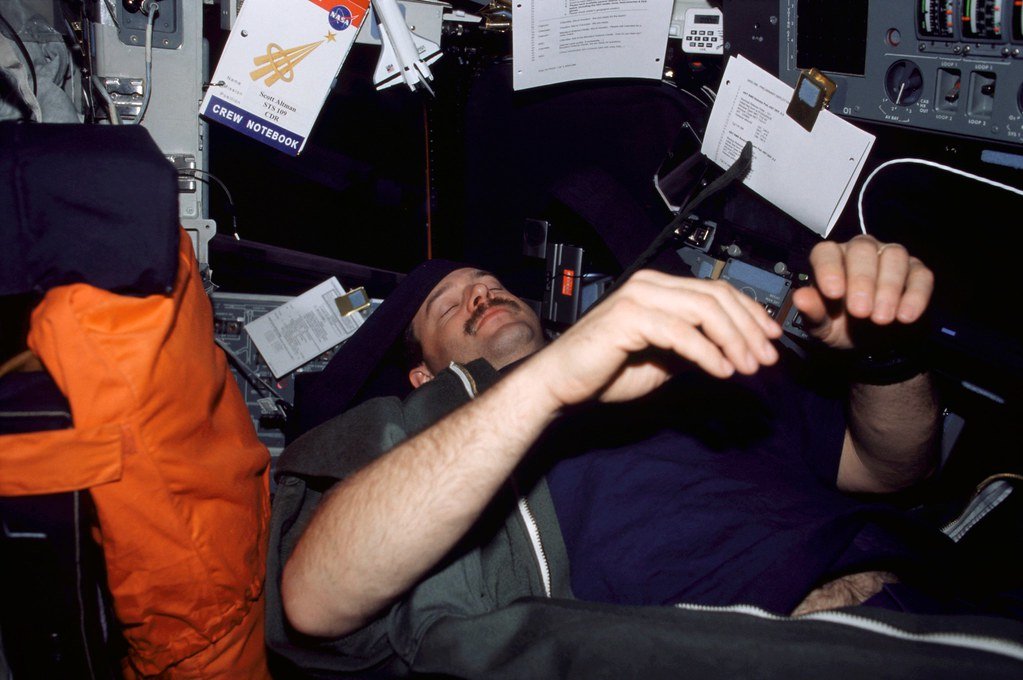
One of the most bizarre aspects of sleeping in space is dealing with arms and legs that want to float freely, creating what astronauts describe as an almost ghostly sensation. Without gravity to keep limbs naturally positioned, arms tend to drift upward and outward, sometimes floating in front of an astronaut’s face or reaching toward control panels. This floating can be so distracting that many astronauts choose to sleep with their arms secured inside their sleeping bags or use straps to keep them in place. The phenomenon can trigger subconscious worries about hitting important equipment, leading to restless sleep as the brain remains partially alert. Some astronauts compare the experience to trying to sleep while their limbs are being gently moved by invisible hands throughout the night.
Light Pollution in the Cosmos

The International Space Station orbits Earth every 90 minutes, meaning astronauts experience 16 sunrises and sunsets in a single 24-hour period. This constant cycle of light and darkness plays havoc with the human circadian rhythm, which evolved to respond to Earth’s natural day-night cycle. The brilliant sunlight streaming through the station’s windows can be more intense than anything experienced on Earth’s surface, as there’s no atmosphere to filter the solar radiation. To combat this, the station uses artificial lighting systems that can be dimmed or brightened to simulate a more Earth-like light cycle. Astronauts also use eye masks and window covers to block out the constantly changing light conditions outside their sleeping quarters.
The Sound of Space Sleep

Contrary to popular belief, space isn’t silent – at least not inside a spacecraft where astronauts must deal with the constant hum of life support systems, computers, and ventilation fans. The International Space Station generates a continuous background noise level similar to living next to a busy highway, with sounds ranging from 50 to 70 decibels throughout the day and night. This mechanical symphony includes the whirring of air circulation fans, the clicking of experiments running automatically, and the occasional creak of the station’s structure as it expands and contracts with temperature changes. Many astronauts report that they eventually find these sounds comforting, like a mechanical lullaby that confirms all systems are functioning properly. However, unexpected sounds – like the docking of a cargo vehicle or the operation of the station’s robotic arm – can wake sleeping crew members and disrupt their rest cycles.
Breathing Without Gravity’s Help
On Earth, gravity helps our lungs function efficiently by pulling the diaphragm downward and assisting with air circulation, but in space, astronauts must work harder to breathe properly while sleeping. The absence of gravity means that exhaled carbon dioxide doesn’t naturally fall away from the face, potentially creating a dangerous bubble of CO2 around the sleeping astronaut’s head. This is why the crew quarters are equipped with fans that ensure continuous air circulation, preventing the buildup of carbon dioxide that could cause headaches, dizziness, or more serious health problems. Some astronauts report feeling slightly short of breath during their first nights in space as their bodies adjust to breathing without gravitational assistance. The sleeping bags are designed with ventilation systems that work with the station’s air circulation to ensure fresh air reaches the astronaut throughout their sleep period.
Temperature Control in the Void
Managing body temperature while sleeping in space presents unique challenges, as the human body’s natural cooling mechanisms don’t work the same way in weightlessness. Without gravity to aid in air circulation around the body, heat tends to accumulate in pockets, making some astronauts feel uncomfortably warm even in a climate-controlled environment. The space station’s temperature regulation systems must work overtime to maintain comfortable sleeping conditions, as the station faces extreme temperature variations as it moves in and out of Earth’s shadow. Astronauts often adjust their sleeping bag ventilation and the station’s cooling systems to find their optimal sleeping temperature. Some report that they sleep better when slightly cooler than they would prefer on Earth, as the lack of air circulation can make even moderate temperatures feel stuffy.
The Psychology of Sleeping in Isolation

Beyond the physical challenges, sleeping in space carries profound psychological weight as astronauts drift off knowing they’re floating in a tiny bubble of life surrounded by the infinite vacuum of space. This awareness can create feelings of isolation and vulnerability that don’t exist for Earth-bound sleepers, even those in remote locations. Many astronauts develop bedtime rituals that help them feel connected to Earth, such as looking out the window at their home countries or listening to familiar music before sleep. The psychological impact of sleeping while traveling at 17,500 miles per hour can be overwhelming, leading some astronauts to experience vivid dreams about flying or falling. Mental health experts work with astronauts to develop coping strategies for these feelings, recognizing that quality sleep is crucial for both physical health and psychological well-being during long-duration missions.
Sleep Medications and Space Medicine
NASA carefully monitors and sometimes supplements astronaut sleep with medications, though the effects of common sleep aids can be unpredictable in the space environment. Sleep medications that work well on Earth may have different effects in weightlessness, as the body’s metabolism and circulation patterns change significantly in space. The space agency maintains strict protocols about which medications can be used and when, balancing the need for quality sleep against the requirement that astronauts remain alert for emergencies. Some astronauts find that natural sleep aids like melatonin are more effective in space than traditional sleeping pills, possibly because they work with the body’s circadian rhythms rather than against them. The medical team on the ground monitors astronaut sleep patterns through daily reports and can adjust medication recommendations based on individual responses and mission requirements.
Exercise and Its Impact on Space Sleep

The daily exercise routine required to maintain bone density and muscle mass in space significantly affects astronaut sleep quality, though the relationship is complex and sometimes counterintuitive. Astronauts must exercise for about 2.5 hours per day using specialized equipment that simulates the resistance normally provided by gravity, creating physical fatigue that can promote better sleep. However, the exercise must be timed carefully, as working out too close to bedtime can be stimulating rather than tiring, making it harder to fall asleep in the already challenging space environment. The physical exhaustion from fighting against the exercise equipment’s restraints and resistance systems often leaves astronauts feeling more tired than similar exercise would on Earth. Many astronauts report that their best sleep periods occur after particularly challenging workout days, suggesting that physical fatigue helps overcome some of the psychological barriers to sleeping in weightlessness.
Dreams and REM Sleep in Orbit
Research on astronaut sleep patterns reveals fascinating changes in dream content and REM sleep cycles during space missions, with many reporting unusually vivid or bizarre dreams during their time in orbit. The absence of gravity seems to affect the brain’s normal sleep architecture, sometimes leading to more frequent or intense REM periods where dreams occur. Common dream themes include flying without assistance, falling endlessly, or being back on Earth with an overwhelming sense of heaviness. Some astronauts report dreams where they’re floating through their childhood homes or trying to walk normally but finding themselves bouncing off walls and ceilings. Sleep researchers theorize that these dreams represent the brain’s attempt to process the radical sensory changes of living in weightlessness, creating a bridge between Earth-based memories and space-based experiences.
Adapting to Shift Work in Space
Life aboard the International Space Station operates on carefully coordinated schedules that don’t always align with natural sleep preferences, requiring astronauts to master the art of shift work in an already challenging environment. Mission Control schedules activities around the clock, meaning astronauts may need to sleep at different times depending on planned spacewalks, cargo deliveries, or scientific experiments. This shift work is complicated by the station’s 90-minute orbital period, which means traditional concepts of “day” and “night” become meaningless. Astronauts must develop flexibility in their sleep schedules while maintaining the discipline to get adequate rest regardless of when their sleep period is scheduled. The combination of irregular schedules and the space environment can lead to chronic sleep deprivation if not carefully managed, making sleep schedule adherence a critical safety issue.
The Role of Earth Views in Sleep Preparation

Many astronauts develop bedtime routines that include spending time looking at Earth through the station’s windows, finding that the sight of their home planet provides psychological comfort that aids in falling asleep. The breathtaking views of Earth rotating below can be both energizing and calming, depending on the astronaut’s mindset and the particular views visible at bedtime. Some report that watching weather patterns, city lights, or familiar geographical features helps them feel connected to home and more relaxed about sleeping in the alien environment of space. However, this same view can sometimes be overstimulating, as the beauty and wonder of Earth from space can make it difficult to tear oneself away from the window. Mission planners now consider window time as part of crew psychological health protocols, recognizing that these Earth connections play a crucial role in maintaining mental well-being during long-duration flights.
Emergency Protocols During Sleep
Even while sleeping, astronauts must remain prepared for potential emergencies, creating a unique tension between the need for rest and the requirement for constant vigilance. The space station’s alarm systems are designed to wake sleeping crew members immediately in case of fire, depressurization, or other life-threatening situations. Astronauts sleep with communication devices nearby and practice emergency procedures until they become second nature, ensuring they can respond effectively even when awakened from deep sleep. The psychological burden of sleeping while knowing that an emergency could occur at any moment adds another layer of stress to the already challenging task of getting quality rest in space. This constant state of semi-alertness can prevent astronauts from achieving the deep, restorative sleep phases that are crucial for physical and mental health.
Long-Duration Sleep Challenges
As missions extend from weeks to months, astronauts face evolving sleep challenges that go beyond the initial adjustment to weightlessness, including the cumulative effects of isolation, confinement, and distance from Earth. Sleep quality often deteriorates over time as the novelty of space travel wears off and the psychological strain of long-duration missions increases. Astronauts report that sleep becomes more fragmented during later stages of missions, with increased instances of waking during the night and difficulty returning to sleep. The mental fatigue of maintaining peak performance for months in a high-stress environment can paradoxically make it harder to achieve the deep rest needed for recovery. Mission planners now recognize that sleep support must evolve throughout long-duration missions, with different strategies needed for the adjustment phase, the stable middle period, and the final approach to return home.
Returning to Earth Sleep
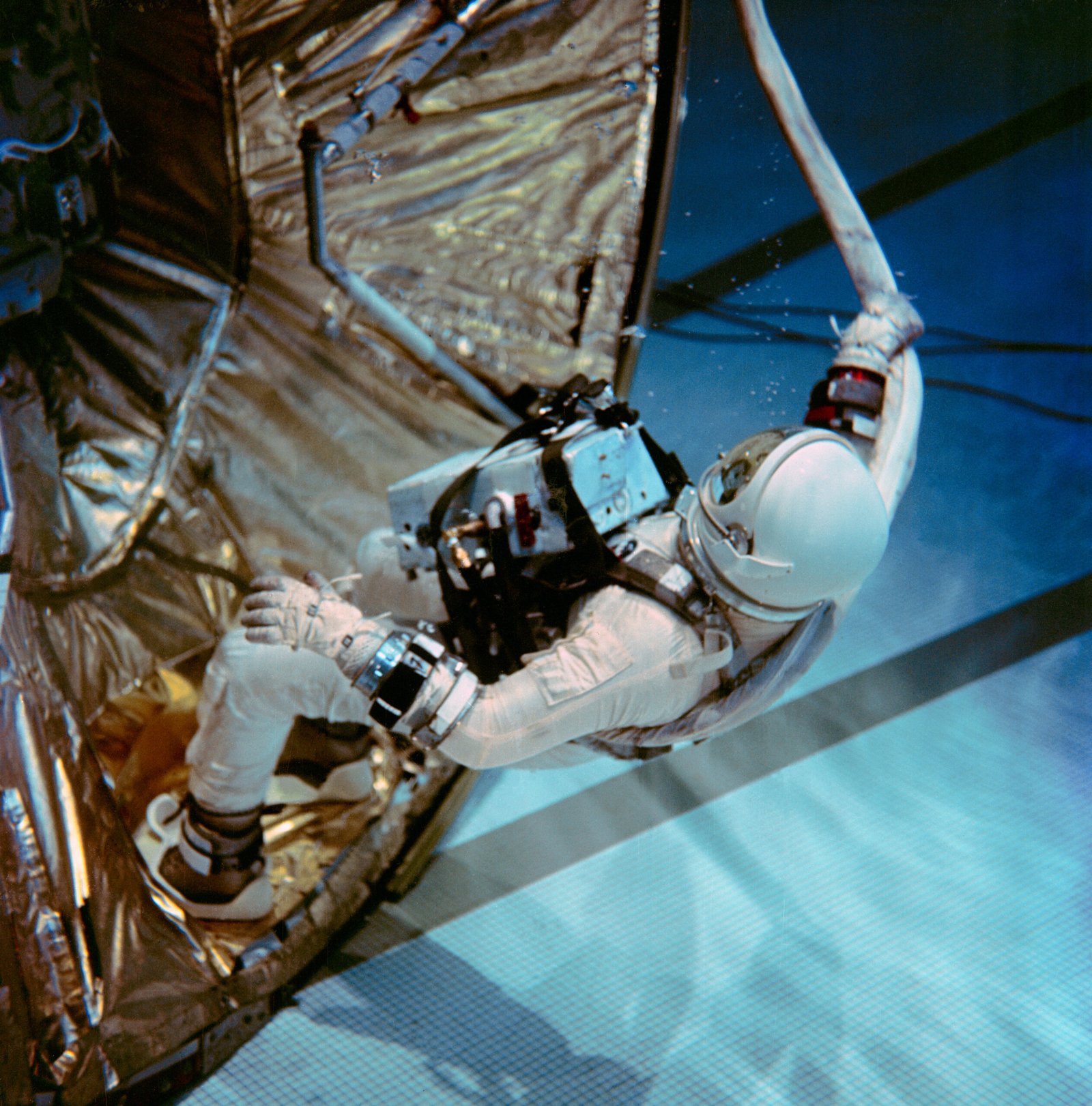
The transition back to sleeping on Earth after months in space presents its own unique challenges, as astronauts must readjust to the sensation of gravity pulling them down against a mattress. Many report feeling uncomfortably heavy when they first lie down in a bed, with the pressure of their own body weight feeling oppressive after months of weightless sleep. The sensation of pillows and blankets pressing against their bodies can be startling, and some astronauts experience a form of reverse culture shock as they readapt to terrestrial sleeping conditions. Sleep researchers have found that it can take several weeks for returning astronauts to fully readjust to Earth’s sleep environment, with some experiencing temporary insomnia or restless sleep. This readjustment period highlights just how profoundly the space environment changes our most basic biological functions, including the fundamental human need for rest.
Future Innovations in Space Sleep
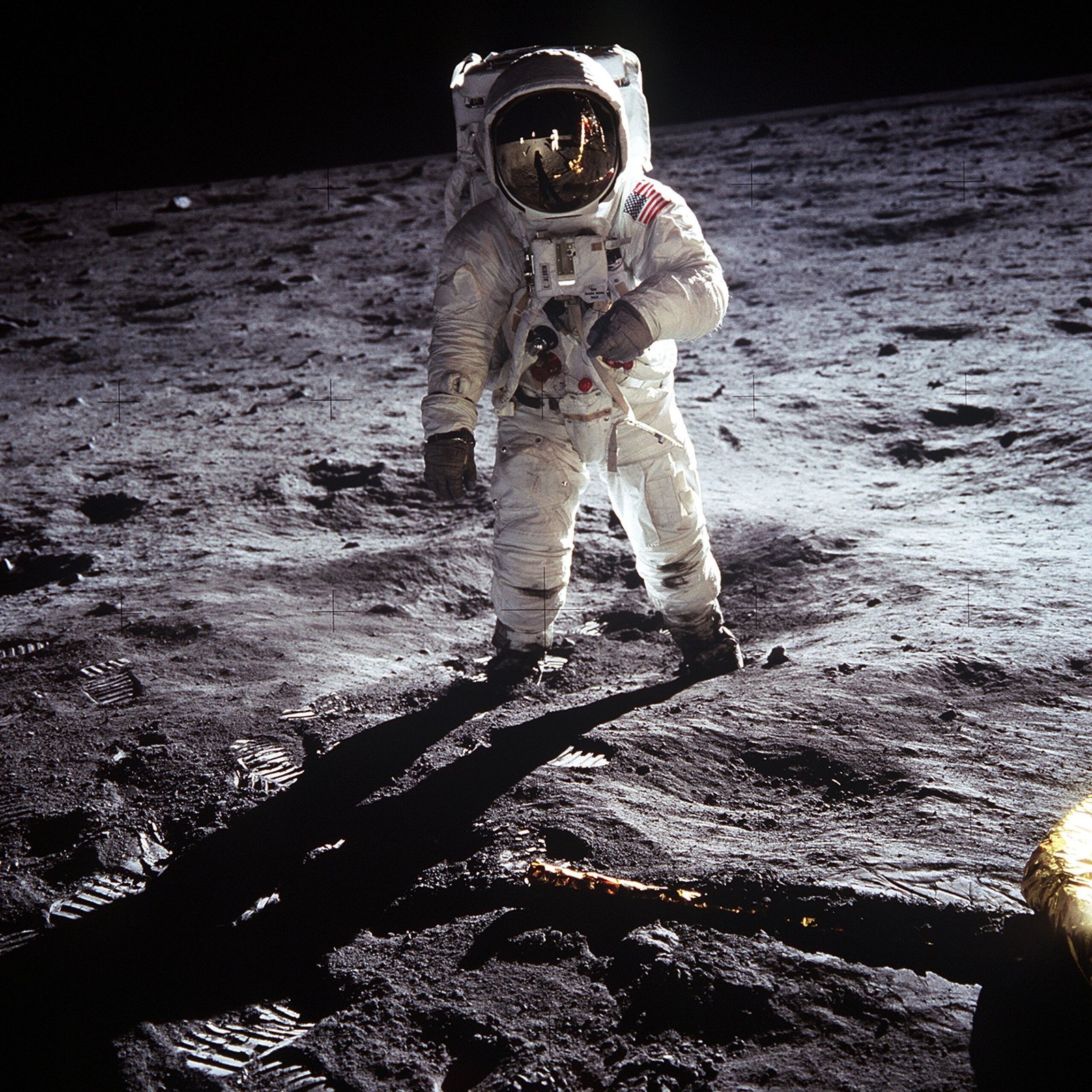
As space agencies plan for longer missions to Mars and beyond, researchers are developing new technologies and techniques to improve astronaut sleep quality during extended space travel. Proposed innovations include advanced sleep chambers that simulate Earth-like gravity through rotation, sophisticated lighting systems that can perfectly mimic natural circadian rhythms, and even virtual reality environments that could provide psychological comfort during sleep preparation. Some experimental approaches involve magnetic fields or acoustic environments designed to help the brain achieve more natural sleep states despite the absence of gravity. The challenges of sleeping during a months-long journey to Mars, where Earth becomes just another point of light in the sky, will require revolutionary approaches to maintaining crew psychological health and sleep quality. These future innovations may not only benefit astronauts but could also provide insights for improving sleep for people on Earth who struggle with insomnia or other sleep disorders.
The next time you struggle to fall asleep because your room is too warm or your neighbor’s dog is barking, remember the astronauts floating hundreds of miles above, mastering the art of rest while hurtling through space at unimaginable speeds. Their nightly challenge to find peace in weightlessness reminds us that sleep, one of our most basic needs, becomes an extraordinary feat when removed from the familiar embrace of Earth’s gravity. What dreams do you think you’d have floating among the stars?