Deep in the scorching deserts of the Middle East and North Africa, where temperatures soar beyond human endurance and water becomes more precious than gold, an extraordinary animal produces what might be nature’s most remarkable milk. For thousands of years, Bedouin tribes have known something that modern science is only beginning to understand – camel milk isn’t just a survival beverage, it’s a nutritional powerhouse that defies everything we thought we knew about dairy. While the rest of the world has been fixated on cow’s milk, these desert dwellers have been enjoying a superfood that contains three times more vitamin C than oranges, natural insulin-like proteins, and antibodies so powerful they’re being studied as potential treatments for autism and diabetes.
The Desert’s Liquid Gold Rush
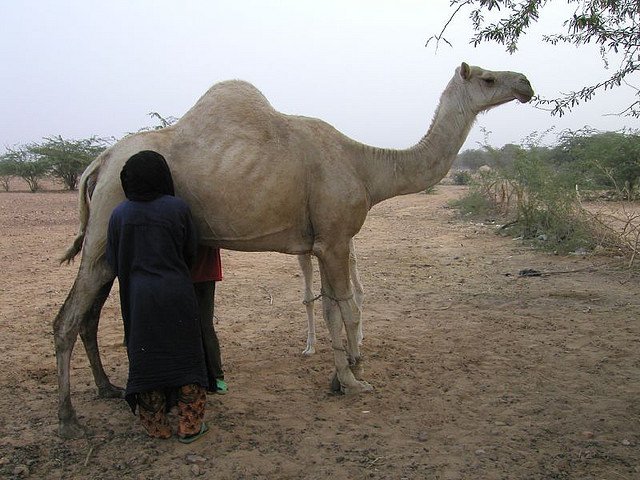
The global camel milk industry has exploded from a $10 million market in 2015 to over $180 million by 2024, and experts predict it could reach $500 million by 2030. This isn’t just another health fad – major food companies, pharmaceutical giants, and venture capitalists are pouring millions into camel dairy research and production facilities. Countries like the UAE have invested heavily in modern camel farms, while Australia has become an unexpected leader in camel milk production, with herds numbering in the hundreds of thousands. The shift represents one of the most dramatic agricultural transformations in recent history, as what was once considered an exotic curiosity has become a serious competitor to traditional dairy.
Why Camels Are Nature’s Perfect Milk Machines

Camels have evolved over 40 million years to thrive in conditions that would kill most other mammals, and their milk production reflects this incredible adaptation. Unlike cows, which need constant access to fresh water and green pastures, camels can produce milk even when they haven’t drunk water for days. Their three-chambered stomach system allows them to extract maximum nutrition from sparse desert vegetation, concentrating these nutrients into their milk. Most remarkably, camel milk production actually increases during droughts and extreme heat – the opposite of what happens with conventional dairy animals. This biological marvel means that camel milk could be the answer to dairy production in a world facing increasing water scarcity and climate change.
The Protein Profile That’s Rewriting Nutrition Science

Camel milk contains a unique protein structure that’s fundamentally different from cow’s milk, and this difference is causing excitement in medical research labs worldwide. The proteins in camel milk are smaller and more easily digestible, which is why many people with severe dairy allergies can consume it without problems. What’s truly groundbreaking is that camel milk contains lactoferrin levels that are 10 times higher than cow’s milk – a protein that boosts immune function and has antimicrobial properties. Scientists have also discovered that camel milk proteins remain stable at high temperatures, meaning they retain their nutritional value even in harsh processing conditions. These proteins are so unique that several pharmaceutical companies are now trying to synthesize them artificially for use in medical treatments.
Insulin-Like Magic for Diabetic Management

Perhaps the most exciting discovery about camel milk is its potential role in diabetes management, thanks to naturally occurring insulin-like proteins that behave remarkably similar to human insulin. Multiple clinical studies have shown that diabetic patients who consume camel milk regularly experience significant improvements in blood sugar control, with some able to reduce their insulin medication. The insulin-like proteins in camel milk are encapsulated in nanoparticles that protect them from stomach acid, allowing them to be absorbed directly into the bloodstream. In India, where diabetes rates are skyrocketing, several medical centers now recommend camel milk as part of comprehensive diabetes treatment plans. What makes this even more remarkable is that these proteins occur naturally – no genetic modification or artificial processing required.
The Vitamin C Phenomenon That Defies Logic
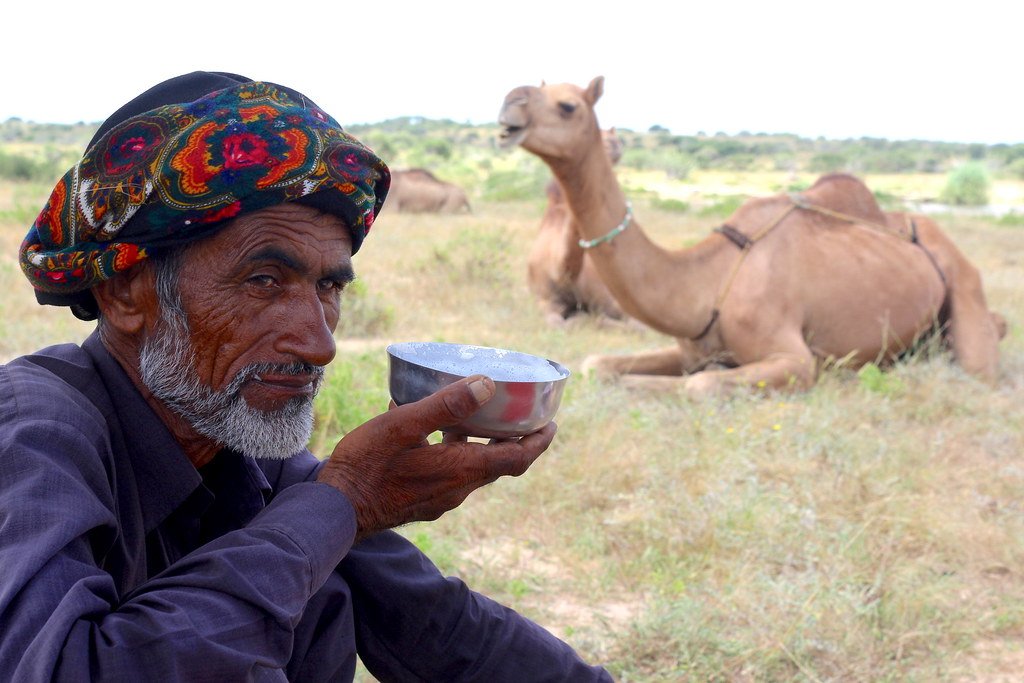
When nutritionists first tested camel milk for vitamin C content, they thought their equipment was malfunctioning – the levels were so high they seemed impossible for an animal product. Camel milk contains 3-5 times more vitamin C than cow’s milk and even exceeds the vitamin C content of many fruits and vegetables. This extraordinary vitamin C concentration exists because camels have evolved to synthesize and concentrate vitamin C in their milk as protection against the oxidative stress of desert living. For nomadic peoples who had limited access to fresh fruits and vegetables, camel milk literally prevented scurvy and other vitamin C deficiency diseases. Modern research suggests this high vitamin C content, combined with other antioxidants in camel milk, provides powerful anti-aging and immune-boosting benefits.
Antimicrobial Superpowers Hidden in Every Drop
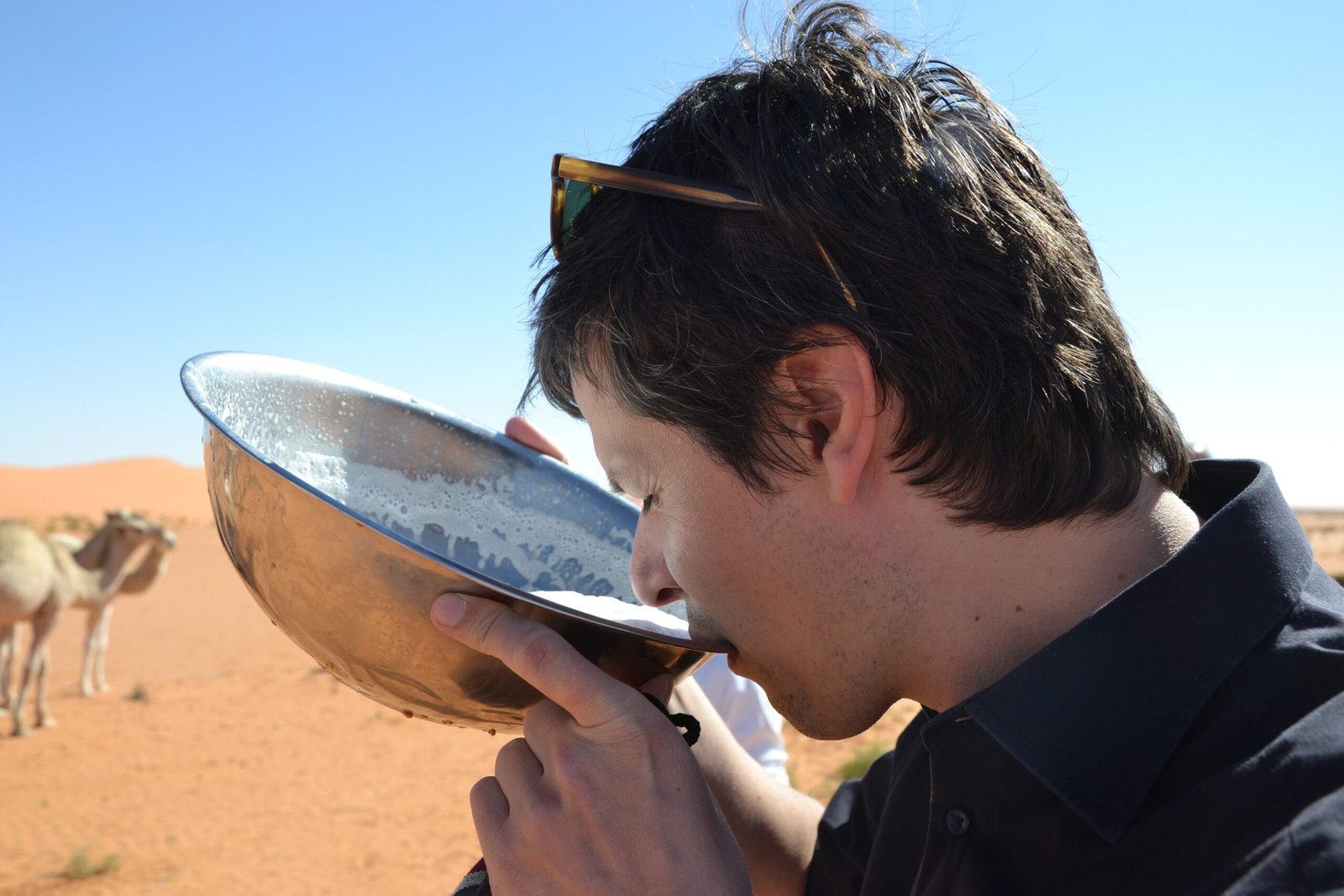
Camel milk contains a cocktail of natural antimicrobial compounds that would make any pharmaceutical company jealous, including lactoferrin, immunoglobulins, and lysozyme in concentrations far exceeding those found in human breast milk. These compounds work together to create what scientists call a “natural antibiotic system” that can fight bacteria, viruses, and even some fungi. In traditional Bedouin medicine, camel milk was used to treat everything from stomach infections to tuberculosis, and modern research is validating many of these ancient practices. Laboratory studies have shown that camel milk can inhibit the growth of dangerous pathogens like E. coli, Salmonella, and even some antibiotic-resistant bacteria. This natural antimicrobial activity means camel milk stays fresh longer than cow’s milk, even without refrigeration.
The Autism Connection That’s Changing Lives

One of the most controversial yet promising areas of camel milk research involves its potential benefits for children with autism spectrum disorders. Parents around the world report dramatic improvements in their autistic children’s behavior, communication, and social interaction after introducing camel milk into their diets. While the exact mechanism isn’t fully understood, researchers believe the unique protein structure and high levels of immunoglobulins in camel milk may help reduce inflammation in the brain and improve gut health. Several pilot studies have shown measurable improvements in autism-related symptoms, though larger clinical trials are still needed. Despite the lack of definitive proof, thousands of families have reported such significant improvements that camel milk therapy has become a growing movement in the autism community.
Digestive Tolerance That Breaks All the Rules

For the estimated 65% of the global population that suffers from lactose intolerance, camel milk offers something that seems almost too good to be true – the ability to enjoy dairy without digestive distress. Camel milk contains significantly lower levels of lactose than cow’s milk, and what lactose it does contain is structured differently, making it easier to digest. The smaller fat globules in camel milk are also more easily broken down by human digestive enzymes, reducing the bloating and discomfort associated with dairy consumption. Many people who haven’t been able to tolerate any form of dairy for years find they can drink camel milk without problems. This digestive tolerance opens up new nutritional possibilities for millions of people who have been forced to avoid dairy products entirely.
Mineral Density That Puts Supplements to Shame

The mineral profile of camel milk reads like a premium multivitamin supplement, with exceptionally high levels of iron, zinc, potassium, and magnesium. Camel milk contains 10 times more iron than cow’s milk, making it particularly valuable for treating anemia, especially in women and children. The bioavailability of these minerals is also superior, meaning the human body can absorb and utilize them more effectively than synthetic supplements. In regions where mineral deficiencies are common due to poor soil quality, camel milk serves as a crucial nutritional safety net. The high potassium content also makes camel milk beneficial for heart health and blood pressure regulation, while the zinc supports immune function and wound healing.
Fat Structure That Revolutionizes Nutrition

The fat composition of camel milk is so unique that it’s forcing nutritionists to reconsider everything they thought they knew about dairy fats. Unlike cow’s milk fat, which forms large globules that are difficult to digest, camel milk fat exists in tiny droplets that are naturally homogenized. This structure makes the fat more readily available for absorption and less likely to cause digestive upset. Camel milk also contains higher levels of beneficial unsaturated fats, including omega-3 fatty acids that support brain and heart health. The fat-soluble vitamins in camel milk are more bioavailable due to this unique fat structure, meaning you get more nutritional bang for your buck with every sip.
Temperature Stability That Defies Physics

One of the most remarkable properties of camel milk is its incredible stability under extreme conditions – it can remain fresh for days in desert heat without refrigeration, a feat that would be impossible for cow’s milk. This stability comes from the unique protein structure and natural preservative compounds that protect the milk from spoilage. Recent research has shown that even after pasteurization, camel milk retains significantly more of its nutritional value compared to processed cow’s milk. This heat stability makes camel milk ideal for regions with limited refrigeration infrastructure and suggests it could be a more sustainable dairy option in developing countries. The stability also means that camel milk products can be transported longer distances without losing their nutritional integrity.
Allergy-Free Promise for Sensitive Systems

For people with milk protein allergies, camel milk represents a potential dietary revolution, as it lacks the specific proteins that trigger most dairy allergic reactions. The beta-lactoglobulin protein that causes severe reactions in many people is completely absent from camel milk, while the casein proteins are structured differently enough to avoid cross-reactivity. Clinical studies have shown that children with severe cow’s milk allergies can often tolerate camel milk without any adverse reactions. This hypoallergenic quality extends beyond just milk proteins – people with multiple food sensitivities often find camel milk easier to tolerate than other dairy alternatives like soy or nut milks. For families dealing with multiple food allergies, camel milk can provide crucial nutrition that would otherwise be difficult to obtain.
Growth Factors That Support Human Development

Camel milk contains naturally occurring growth factors and hormones that closely mirror those found in human breast milk, making it particularly beneficial for child development. These growth factors support bone development, immune system maturation, and even brain development in growing children. The insulin-like growth factor (IGF-1) levels in camel milk are optimized for promoting healthy growth without the excessive levels that might cause concern in other dairy products. Traditional cultures have long recognized camel milk as ideal for weaning children and supporting growth during critical developmental periods. Modern research suggests these growth factors may also support healthy aging in adults, promoting tissue repair and maintaining muscle mass.
Probiotic Potential That Supports Gut Health

Fresh camel milk naturally contains beneficial bacteria that act as probiotics, supporting digestive health and immune function in ways that processed dairy products cannot match. These naturally occurring probiotics are particularly hardy and can survive the acidic environment of the stomach better than many commercial probiotic supplements. The prebiotic compounds in camel milk also feed beneficial gut bacteria, creating an optimal environment for digestive health. Studies have shown that regular consumption of camel milk can improve the balance of gut microbiota, potentially reducing inflammation throughout the body. This gut health benefit may explain why camel milk consumption is associated with improvements in conditions ranging from irritable bowel syndrome to autoimmune disorders.
Hydration Properties That Rival Sports Drinks

The electrolyte balance in camel milk is so perfectly calibrated for human needs that it rivals expensive sports drinks, but with the added benefit of complete nutrition. The natural sodium-potassium balance helps maintain optimal hydration, while the protein content supports muscle recovery after physical exertion. Bedouin warriors historically relied on camel milk during long desert journeys, finding it more sustaining than water alone. Modern athletes are beginning to discover these benefits, with some endurance competitors using camel milk as a recovery drink. The natural sugars in camel milk provide quick energy without the crash associated with artificial sports drinks, while the protein supports sustained energy release.
Environmental Sustainability That Could Save the Planet

As the world grapples with the environmental impact of conventional dairy farming, camel milk emerges as a remarkably sustainable alternative that actually benefits desert ecosystems. Camels require 90% less water than dairy cows and can thrive on vegetation that other livestock cannot digest, preventing overgrazing and soil erosion. Their manure is particularly valuable in desert environments, improving soil fertility and helping combat desertification. A single camel can produce milk for up to 18 months after giving birth, compared to 10 months for cows, making them more efficient milk producers over time. The carbon footprint of camel milk production is significantly lower than conventional dairy, as camels produce less methane and require no grain feed supplementation.
Processing Challenges That Demand Innovation

The unique properties that make camel milk so nutritionally superior also create significant challenges for large-scale processing and distribution. Traditional pasteurization methods can destroy many of the beneficial compounds that make camel milk special, forcing producers to develop gentler processing techniques. The foam stability of camel milk is different from cow’s milk, requiring specialized equipment for products like cappuccinos and lattes. Storage and transportation require different protocols due to the milk’s unique protein structure and mineral content. These processing challenges have led to innovations in dairy technology, with several companies developing specialized equipment designed specifically for camel milk production.
Economic Impact That’s Transforming Desert Communities

The growing global demand for camel milk is creating unprecedented economic opportunities for traditional nomadic communities and desert regions previously considered unsuitable for agriculture. In countries like Kenya, Somalia, and Mauritania, camel milk cooperatives are providing sustainable income for women and families who previously lived in poverty. The premium price that camel milk commands – often 3-5 times higher than cow’s milk – means that even small-scale producers can achieve significant income improvements. This economic transformation is helping preserve traditional cultures while providing modern opportunities, as younger generations see camel herding as a viable career path rather than an outdated lifestyle.
Future Research Frontiers That Promise Medical Breakthroughs
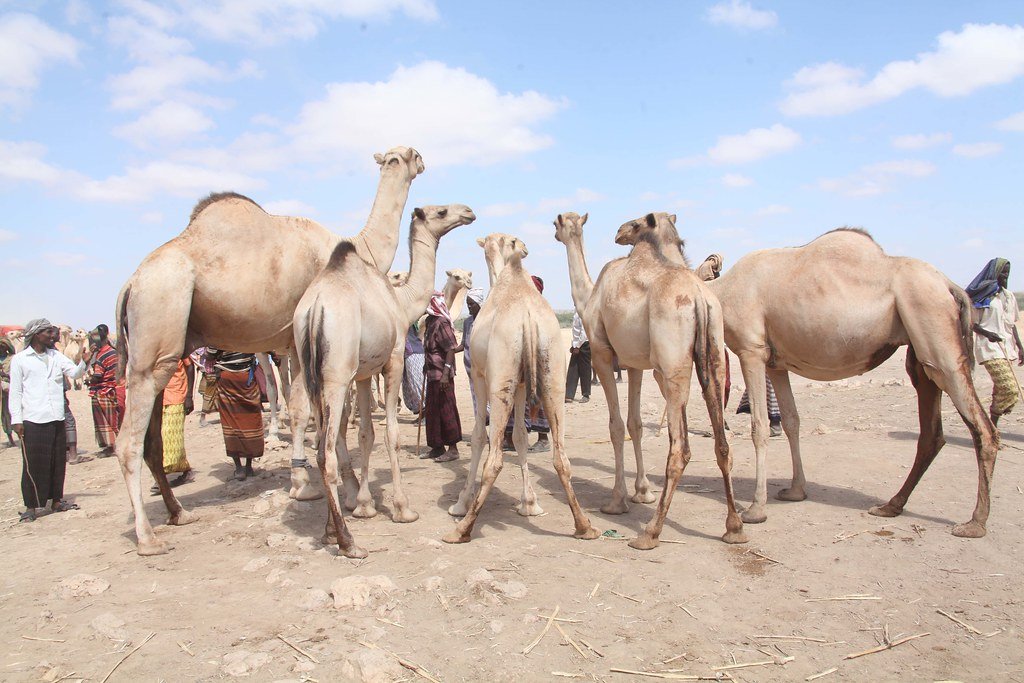
The medical potential of camel milk compounds is attracting research funding from pharmaceutical companies and government health agencies worldwide, with studies exploring applications from cancer treatment to neurological disorders. Researchers are investigating whether the unique antibodies in camel milk could be developed into treatments for HIV, hepatitis, and other viral infections. The anti-inflammatory properties of camel milk are being studied for potential applications in treating arthritis, inflammatory bowel disease, and other autoimmune conditions. Clinical trials are underway examining camel milk’s effects on everything from food allergies to age-related cognitive decline. Some researchers believe camel milk compounds could lead to breakthrough treatments for conditions that have proven resistant to conventional medicine.
From the ancient wisdom of desert nomads to cutting-edge medical research, camel milk continues to reveal secrets that challenge our understanding of nutrition and health. This remarkable liquid represents more than just an alternative to conventional dairy – it’s a bridge between traditional knowledge and modern science, offering hope for everything from sustainable agriculture to breakthrough medical treatments. As climate change threatens traditional farming and antibiotic resistance grows, the unique properties of camel milk may prove essential for human health and survival. Whether you’re seeking better nutrition, managing health conditions, or simply curious about nature’s most extraordinary adaptations, camel milk offers a glimpse into possibilities we’re only beginning to understand. What other secrets might be hiding in the milk of these incredible desert survivors?