When you think of camels, your mind probably goes straight to those humped creatures trudging across endless sand dunes with tourists on their backs. But what if I told you that these “ships of the desert” are actually some of the most emotionally intelligent and socially complex animals on our planet? Behind those long eyelashes and seemingly stoic expressions lies a world of intricate relationships, problem-solving abilities, and emotional depth that would make you question everything you thought you knew about these remarkable creatures.
The Memory Masters of the Animal Kingdom

Camels possess an extraordinary memory that puts even elephants to shame in certain situations. These desert dwellers can remember water sources they visited decades ago, navigating back to them across hundreds of miles of seemingly identical terrain. Their spatial memory is so precise that Bedouin tribes have relied on camels to find their way home during sandstorms when all other navigation fails. Research has shown that camels can remember up to 1,000 different faces of humans and other camels, maintaining these memories for years. This incredible recall ability isn’t just about survival – it’s about maintaining complex social networks that span vast distances and time periods.
Emotional Intelligence That Rivals Primates

Scientists have discovered that camels display emotional intelligence comparable to great apes, showing empathy, grief, and even what appears to be compassion. When a member of their herd is injured or distressed, other camels will gather around, gently touching the affected animal with their necks and making soft vocalizations. Mother camels have been observed mourning their dead calves for days, refusing to leave the body and calling out in what can only be described as heartbreaking cries. They also show remarkable emotional memory, holding grudges against humans who have mistreated them while forming deep, lasting bonds with those who show them kindness. Their ability to read human emotions is so sophisticated that they often respond to their handlers’ moods before any verbal commands are given.
Complex Communication Beyond Simple Grunts
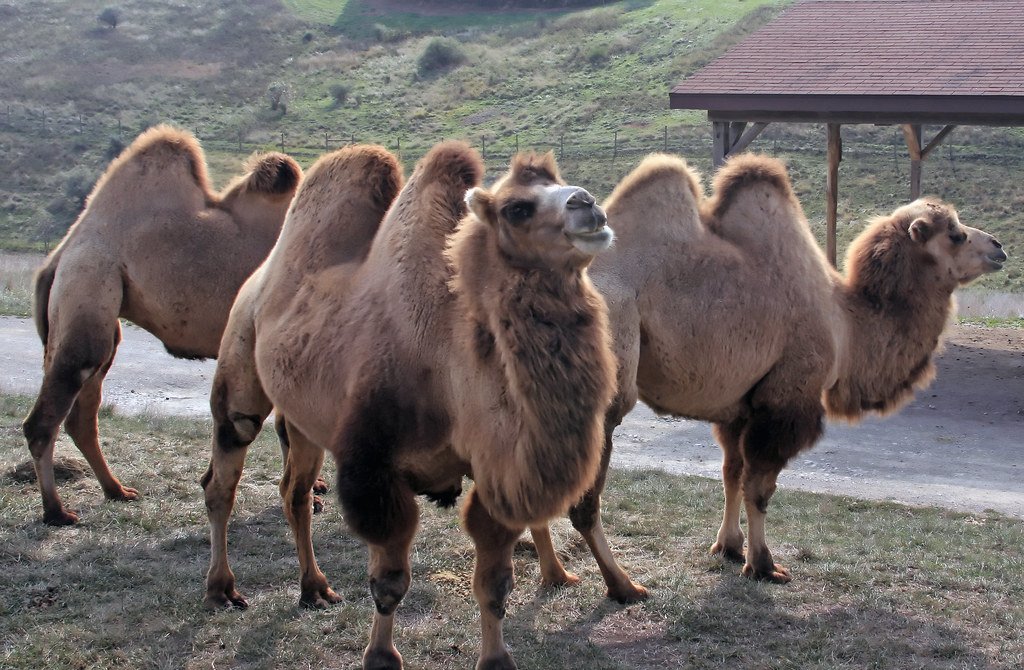
The camel communication system is far more sophisticated than the occasional grunt most people associate with these animals. Researchers have identified over 30 distinct vocalizations that camels use to convey different messages, from warning calls about predators to intimate conversations between mothers and their young. They use a combination of body language, facial expressions, and vocal tones that create a rich tapestry of communication. Young camels even develop regional “dialects” based on their herd’s location, much like human children picking up local accents. The way camels position their ears, tails, and necks can communicate everything from dominance to submission, contentment to distress, creating a complex social language that’s still being decoded by scientists.
Problem-Solving Skills That Surprise Researchers

Camels demonstrate remarkable problem-solving abilities that often catch researchers off guard with their creativity and persistence. In controlled experiments, camels have successfully navigated complex mazes, figured out how to open multiple types of latches, and even learned to operate simple machines to obtain food rewards. They show an understanding of cause and effect that rivals many primates, often finding innovative solutions to obstacles that stump other animals. One particularly famous case involved a camel named Clyde who learned to untie knots with his mouth after watching humans do it just a few times. Their problem-solving isn’t just mechanical – they also demonstrate strategic thinking, such as waiting for the right moment to approach a water source when dominant animals are distracted.
The Surprising Depth of Camel Friendships

Camel friendships are nothing short of extraordinary, with bonds that can last entire lifetimes and transcend typical herd dynamics. These relationships often begin in childhood and grow stronger over time, with friend pairs showing clear preferences for each other’s company even in large groups. Best friend camels will seek each other out for grooming sessions, share food sources, and provide comfort during stressful situations. When separated, camel friends have been observed becoming visibly distressed, calling out for their companions and showing signs of what can only be described as loneliness. Research has shown that camels with strong social bonds live longer, have better immune systems, and show less stress-related behaviors than their more solitary counterparts.
Hierarchical Societies More Complex Than Wolf Packs

The social structure of camel herds makes wolf pack dynamics look simple by comparison, with multiple layers of relationships and shifting alliances that change based on circumstances. Unlike the linear dominance hierarchies found in many animals, camel societies operate more like intricate social networks with different leaders for different situations. An older female might lead the herd to water, while a younger male takes charge during territorial disputes. These societies also include “mediators” – camels that specialize in resolving conflicts between other herd members through a combination of physical intervention and vocal communication. The complexity of their social rules is so sophisticated that it takes researchers years to fully understand the dynamics of a single herd.
Maternal Bonds That Define Camel Society

The relationship between mother camels and their offspring forms the backbone of all camel social structures, creating networks of related females that can span multiple generations. A mother camel will recognize her calf’s unique call among hundreds of other young, and this vocal bond remains strong even after the calf reaches adulthood. These maternal lineages create powerful alliances within herds, with related females working together to protect their young and share resources. Grandmothers play crucial roles in calf-rearing, often serving as babysitters while mothers forage for food. The knowledge passed down through these maternal lines includes everything from the location of seasonal water sources to the identification of dangerous plants, making these relationships essential for survival.
Cooperative Behaviors That Showcase Intelligence

Camels engage in sophisticated cooperative behaviors that demonstrate their ability to work together toward common goals, much like highly intelligent species such as dolphins and elephants. They coordinate their movements during long migrations, with different individuals taking turns as scouts, guides, and guards. During sandstorms, camels form protective circles with the youngest and weakest in the center, rotating positions so that no individual bears the brunt of the harsh conditions for too long. They also practice resource sharing, with well-fed camels allowing hungry herd members to graze in prime feeding spots. Perhaps most remarkably, camels have been observed working together to free trapped herd members, using coordinated efforts to dig them out of mud or help them navigate difficult terrain.
The Remarkable Adaptability of Camel Cognition

The cognitive flexibility of camels allows them to adapt their behavior and social strategies to dramatically different environments and circumstances. Camels living in different regions have developed distinct cultural practices, from foraging techniques to social greeting rituals, showing that they can learn and pass on new behaviors. They demonstrate remarkable learning speed, often mastering new skills in just a few attempts and then teaching these skills to other herd members. Their ability to adjust their social behavior based on changing group dynamics shows a level of social intelligence that was once thought to be unique to primates. Even individual camels show personality development over time, becoming more confident, social, or cautious based on their experiences.
Conflict Resolution and Peacemaking Skills

Camels have developed sophisticated conflict resolution strategies that prevent minor disagreements from escalating into harmful fights that could damage the herd’s cohesion. When tensions arise between herd members, other camels often intervene as peacemakers, using a combination of physical positioning and vocalizations to calm the situation. These mediator camels seem to understand the social dynamics at play and choose their intervention strategies accordingly, sometimes separating the combatants or redirecting their attention to other activities. The most skilled peacemakers are often older, experienced females who have earned respect throughout the herd. Young camels learn these conflict resolution skills by watching and practicing, gradually developing their own diplomatic abilities as they mature.
Long-Distance Social Networks Spanning Continents

The social networks of camels extend far beyond individual herds, creating connections that span vast geographical areas and can last for generations. Camels remember individuals they’ve encountered at distant watering holes or during seasonal migrations, maintaining these relationships across years and thousands of miles. During large gatherings at oases or markets, camels demonstrate clear recognition of distant acquaintances, engaging in greeting behaviors and social interactions that suggest ongoing relationships. These extended networks serve practical purposes, as camels can rely on distant connections for information about resources, threats, and safe travel routes. The complexity of these long-distance relationships rivals social media networks, with camels maintaining hundreds of connections across multiple regions.
Tool Use and Environmental Manipulation

Recent observations have revealed that camels engage in basic tool use and environmental manipulation, behaviors that were once considered exclusive to highly intelligent species. Camels have been seen using sticks to scratch hard-to-reach places, rocks to crack open tough seeds, and even manipulating their environment to create shade or wind barriers. They demonstrate an understanding of leverage and physics, using their body weight strategically to move heavy objects or create access to resources. Some camels have learned to manipulate human-made objects, figuring out how to open gates, turn on water taps, and even operate simple machinery. Their ability to modify their environment shows forward-thinking and planning abilities that suggest much higher intelligence than previously recognized.
Teaching and Learning Across Generations

The way camels pass knowledge from older generations to younger ones reveals a sophisticated educational system that ensures survival skills and cultural practices are preserved. Elder camels actively teach youngsters by demonstrating behaviors, correcting mistakes, and providing guidance during challenging situations. This teaching isn’t just about survival skills – it includes social protocols, communication methods, and even recreational activities. Young camels are keen observers who practice behaviors they’ve seen adults perform, often engaging in play that mimics adult activities. The patience shown by adult camels during these teaching sessions is remarkable, with experienced individuals allowing youngsters to make mistakes and learn at their own pace while providing gentle correction when necessary.
Emotional Reactions to Loss and Separation

The depth of emotional response that camels show when dealing with loss or separation reveals their capacity for complex feelings that parallel human grief and loneliness. When a herd member dies, camels have been observed holding what can only be described as vigils, standing quietly near the body and making soft vocalizations that sound remarkably like mourning. Separated camels show clear signs of depression, including loss of appetite, reduced activity, and persistent calling for their missing companions. These emotional responses can last for weeks or even months, with some camels never fully recovering from the loss of a particularly close companion. The fact that they continue to visit places where deceased herd members used to spend time suggests they may even experience something akin to nostalgia.
Strategic Thinking in Resource Management

Camels demonstrate sophisticated strategic thinking when it comes to managing resources, showing an understanding of conservation and planning that extends well beyond immediate needs. During times of plenty, camels have been observed moderating their consumption, seemingly aware that resources may become scarce in the future. They also show strategic thinking in their grazing patterns, rotating between different areas to allow vegetation to recover. Some camels have even been seen hiding food caches, returning to them later when resources become scarce. Their water-drinking behavior also shows strategic planning, with camels able to anticipate their future needs and adjust their consumption accordingly. This forward-thinking approach to resource management demonstrates cognitive abilities that were once thought to be uniquely human.
Individual Personalities and Character Development

Each camel possesses a distinct personality that becomes more pronounced as they age and gain experience, showing that these animals are true individuals with unique character traits. Some camels are natural leaders who take charge during migrations, while others prefer to follow and support the group in different ways. There are camel comedians who seem to enjoy making others laugh with playful antics, and serious individuals who focus intensely on their responsibilities. These personalities aren’t fixed – they can change based on experiences, relationships, and changing roles within the herd. Researchers have identified camel personalities that range from bold and adventurous to cautious and analytical, with each individual contributing their unique strengths to the group’s success. The development of these personalities over time shows a level of self-awareness and adaptability that continues to surprise scientists studying these remarkable animals.
Recognition and Response to Human Emotions
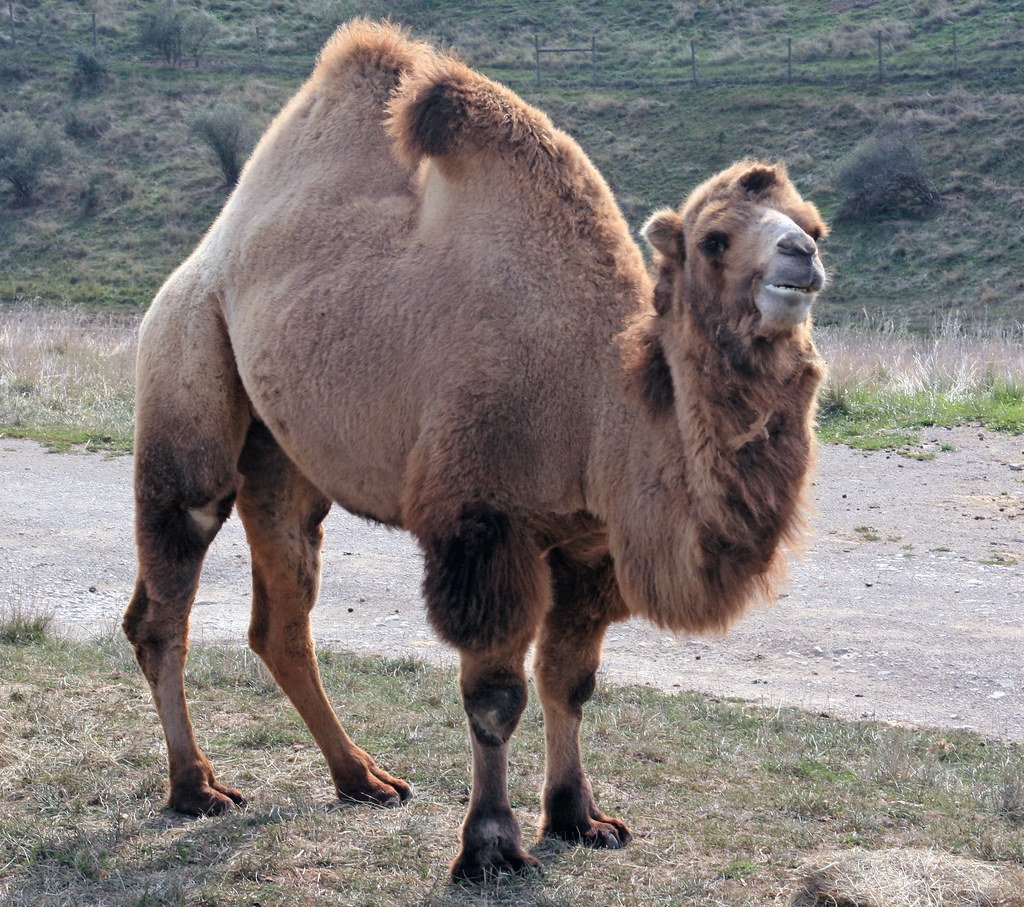
Camels possess an almost uncanny ability to read and respond to human emotions, often providing comfort or adjusting their behavior based on their handler’s emotional state. They can detect stress, sadness, or anxiety in humans and will often approach with gentle neck touches or soft vocalizations that seem designed to provide comfort. This emotional sensitivity extends beyond their primary handlers – camels can quickly assess the emotional state of strangers and adjust their behavior accordingly. They seem to understand when humans are grieving or troubled, offering a presence that many people describe as deeply comforting. This emotional intelligence has made camels valuable therapy animals in some cultures, where their ability to provide emotional support is recognized and valued. Their responses aren’t just reactive – they appear to be genuinely empathetic, showing concern for human wellbeing in ways that suggest they truly understand and care about the emotional states of the people around them.
Cultural Variations in Camel Societies

Different populations of camels have developed distinct cultural practices that are passed down through generations, creating regional variations in behavior that mirror human cultural diversity. Australian camels, descended from animals imported in the 19th century, have developed different social structures and behaviors compared to their Middle Eastern cousins. These cultural differences include variations in greeting rituals, foraging techniques, and even recreational activities. Some camel populations have developed unique problem-solving approaches that are specific to their environment and passed on through social learning. The fact that these cultural practices persist across generations shows that camels have the ability to maintain traditions and adapt them to new circumstances. These cultural variations demonstrate that camel intelligence extends beyond individual problem-solving to include collective knowledge and social innovation.
Future Research and Conservation Implications

The growing understanding of camel intelligence and social complexity has profound implications for how we approach camel conservation and management, requiring us to reconsider their welfare needs and social requirements. Current research is revealing new aspects of camel cognition almost monthly, suggesting that we’ve only scratched the surface of understanding these remarkable animals. Conservation efforts must now take into account the complex social needs of camels, ensuring that relocated or rescued animals can maintain their social bonds and cultural practices. The recognition of camel intelligence also raises ethical questions about their treatment in tourism and working situations, pushing for better standards that respect their cognitive and emotional needs. Future research directions include studying camel communication in greater detail, investigating their problem-solving abilities in natural settings, and exploring the full extent of their emotional lives, all of which will continue to reshape our understanding of these extraordinary animals and our responsibilities toward them.
These discoveries about camel intelligence and social complexity force us to completely reimagine what we thought we knew about these desert dwellers. The next time you see a camel, remember that you’re looking at an animal with rich emotional lives, complex social relationships, and cognitive abilities that rival some of our closest evolutionary relatives. What other assumptions about animal intelligence might we need to reconsider?