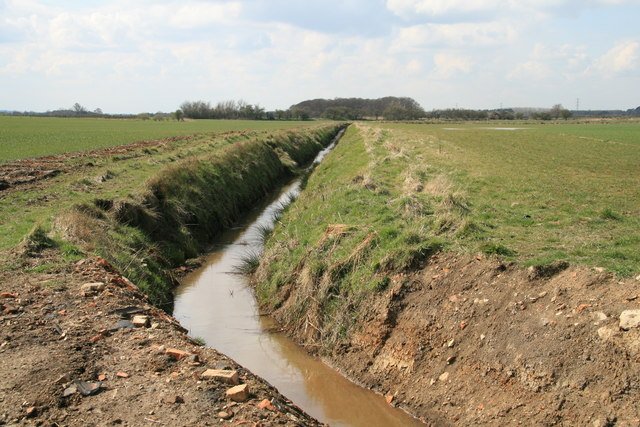

Picture a river so massive it could swallow the Mississippi whole, flowing where Los Angeles now sprawls under endless concrete. Imagine waterways that once carved through what we call Silicon Valley, their banks lined with ancient oaks instead of tech campuses. These aren’t fantasy landscapes from another planet—they’re the ghost rivers of America, waterways that vanished so completely that most people don’t even know they existed.
The Great Vanishing Act

When European settlers first arrived in North America, they encountered a continent laced with over 3.2 million miles of rivers and streams. Today, we’ve lost nearly half of those waterways—approximately 1.5 million miles of flowing water simply gone. It’s like erasing every river from New York to California and back again, twice over. Most Americans drive over buried streams daily without realizing that concrete and asphalt hide ancient channels that once supported entire ecosystems. The scale of this disappearance makes it one of the most dramatic environmental transformations in human history.
California’s Phantom Giants

The Los Angeles River stands as perhaps America’s most famous vanished waterway, though technically it still exists in concrete form. Before urbanization, this river system stretched over 50 miles and supported massive wetlands teeming with grizzly bears, elk, and millions of migratory birds. The river was so wide and powerful that it regularly changed course, creating a dynamic floodplain that nourished the entire region. Early Spanish explorers named the area “El Rio de Nuestra Señora la Reina de los Angeles de Porciúncula”—the River of Our Lady Queen of the Angels of Porciúncula. Now, most visitors to LA never even know they’re crossing what was once one of the West’s mightiest waterways.
New York’s Buried Streams
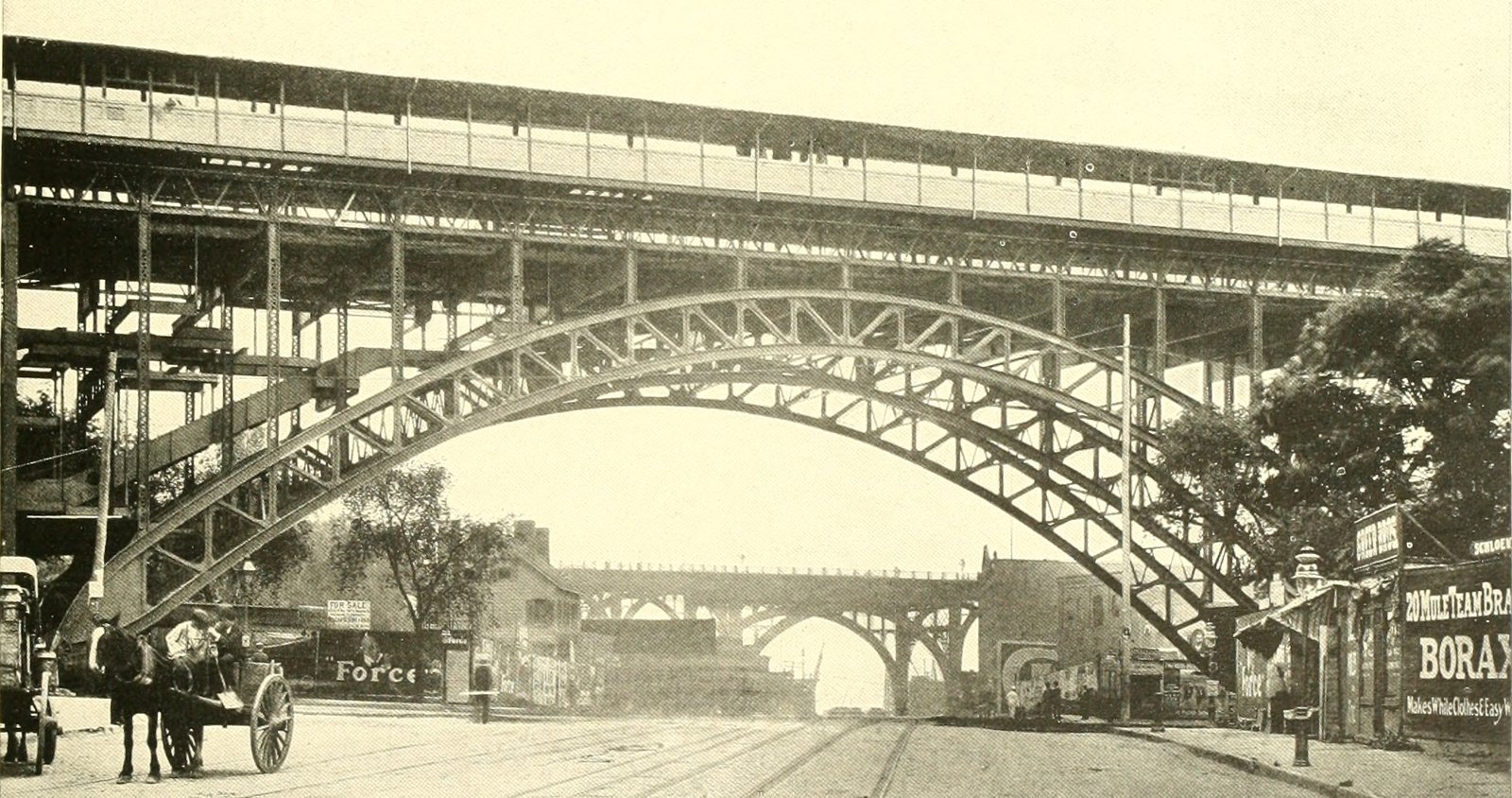
Beneath Manhattan’s busy streets flow dozens of streams that once carved through hills and valleys across the island. The Collect Pond, a 48-acre freshwater lake, sat where City Hall now stands, fed by underground springs and surrounded by streams with names like Lispenard Creek and Minetta Brook. These waterways were so clean that early Dutch settlers used them as their primary water source. Native Americans had established villages along these streams for thousands of years before European colonization. Today, you can still hear Minetta Brook gurgling beneath Greenwich Village sidewalks after heavy rains, a ghostly reminder of the water world that once defined the island.
The Mississippi’s Lost Tributaries
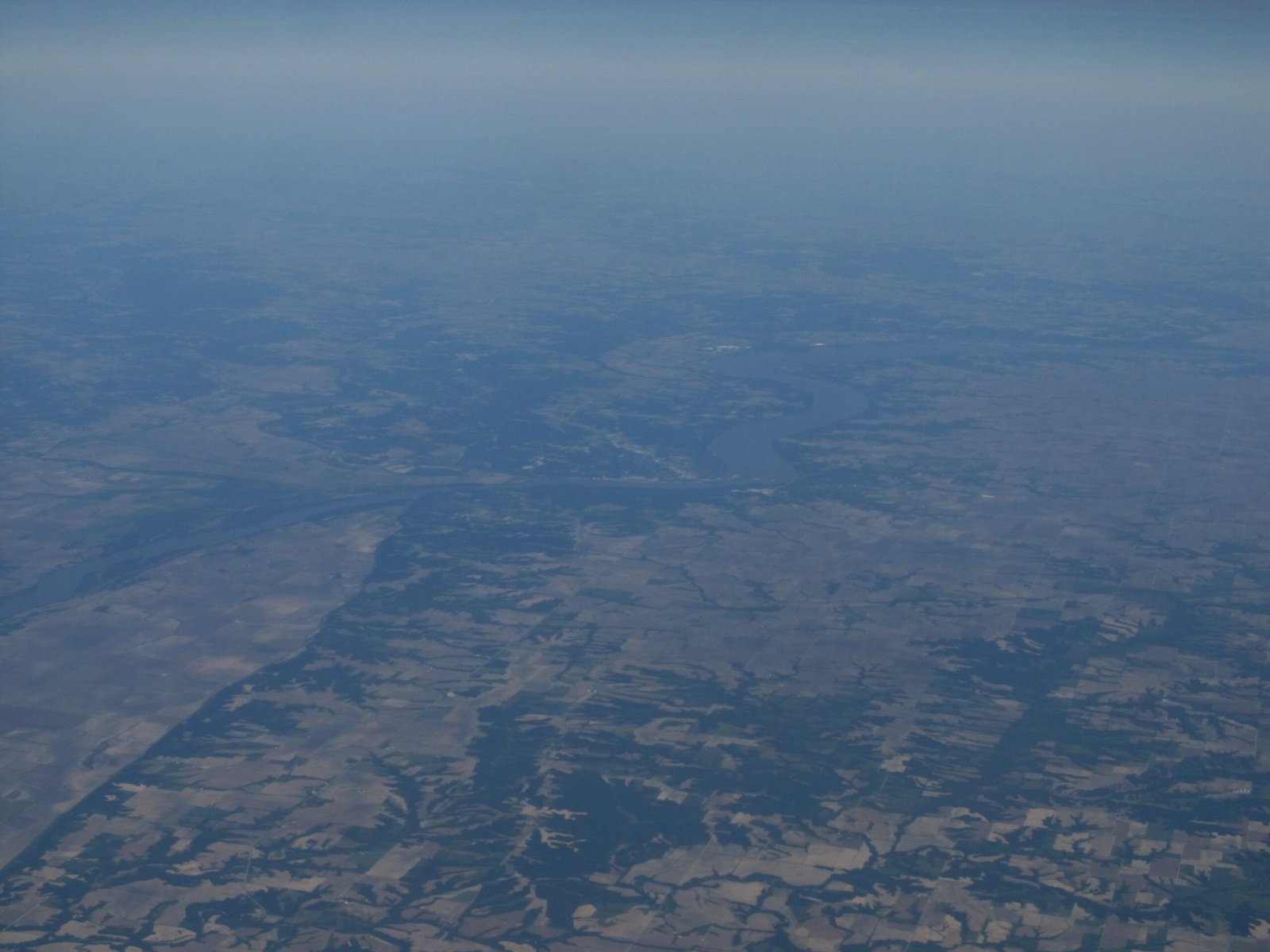
The mighty Mississippi River system has lost over 300,000 miles of tributaries since European settlement began. In Iowa alone, 159,000 miles of streams have disappeared—enough waterways to circle the Earth more than six times. These weren’t tiny trickles but substantial creeks and rivers that supported thriving fish populations and created rich bottomland forests. Farmers drained these waterways to create more agricultural land, channeling their flows into underground tiles and ditches. The loss has created a cascade effect, reducing the Mississippi’s natural flood control capacity and eliminating crucial wildlife habitat across the entire Midwest.
Texas Water Mysteries
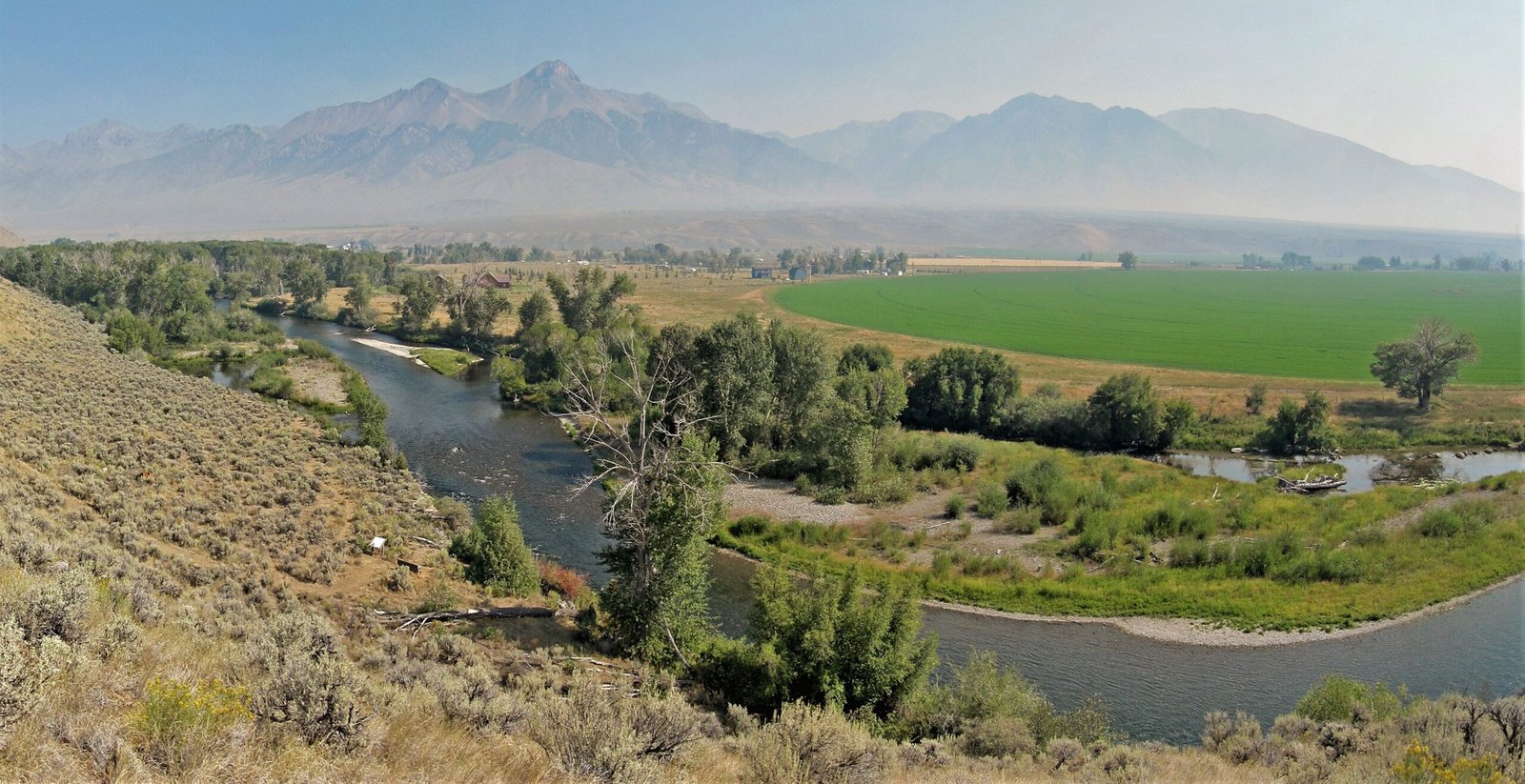
The Brazos River, one of Texas’s longest waterways, has lost over 40% of its original tributaries to agricultural development and urban expansion. San Antonio Creek, which once flowed year-round through what is now downtown San Antonio, has been buried under layers of concrete and buildings. The creek supported Native American settlements for over 10,000 years and was the reason Spanish missionaries chose the location for their famous missions. Today, flash floods in the area often occur because the natural drainage patterns have been disrupted, and water has nowhere to go except through overwhelmed storm drains. The creek still flows underground, occasionally emerging in basement floods and sinkholes that puzzle modern residents.
Industrial Revolution Waters
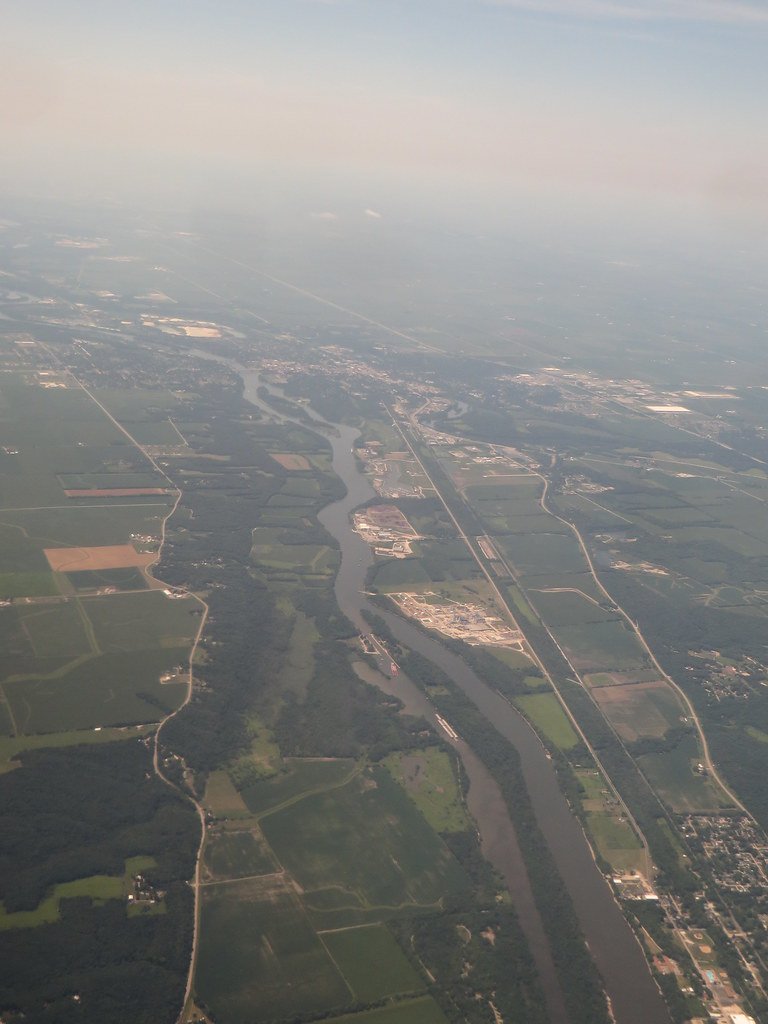
The Industrial Revolution marked the beginning of America’s most aggressive period of waterway destruction. Mill owners dammed streams to power their factories, while growing cities channeled rivers underground to make room for buildings and streets. In New England, over 14,000 dams were built on rivers and streams, fundamentally altering water flow patterns that had existed since the last ice age. Many streams were also used as open sewers, becoming so polluted that communities chose to bury them rather than clean them up. This period established the precedent that waterways were obstacles to progress rather than natural treasures worth preserving.
Agricultural Transformation
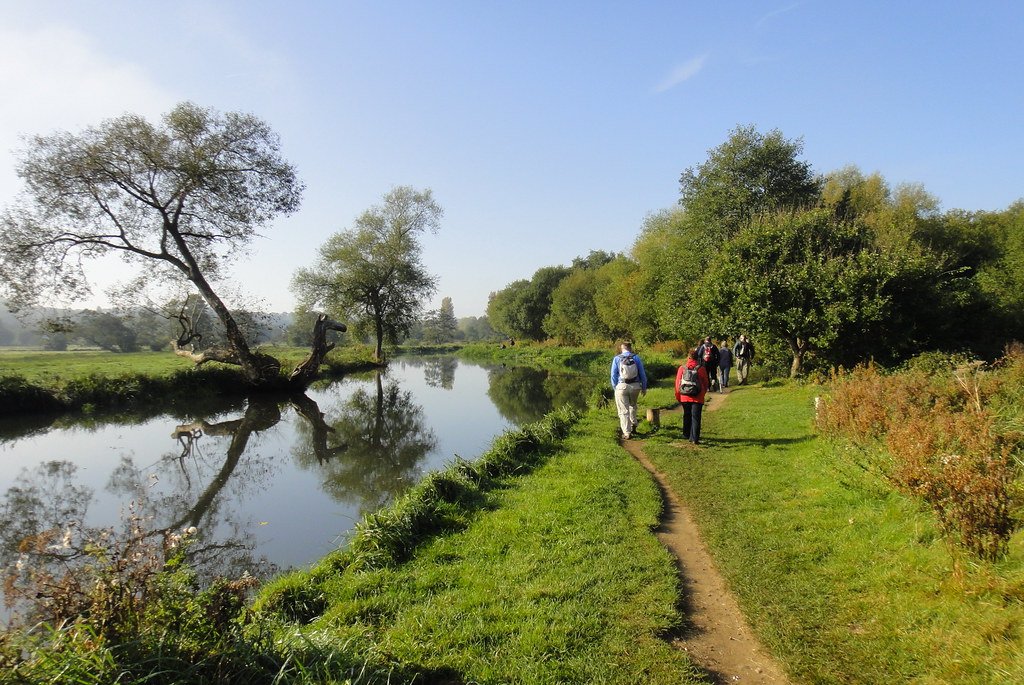
The conversion of American prairies to farmland eliminated more waterways than any other single cause. Wetlands that covered an estimated 220 million acres when Europeans arrived have been reduced to just 103 million acres today. Farmers installed drainage tiles—perforated pipes buried in fields—to channel water away from cropland, effectively making thousands of streams disappear underground. This process, called “ditching and draining,” was so extensive in the Midwest that entire watersheds were redesigned. The economic incentives were powerful: drained wetlands could increase farm productivity by 20-30%, making the destruction seem logical at the time.
Urban Burial Grounds

As American cities grew, waterways became inconveniences to be eliminated rather than features to celebrate. Boston buried over 60 streams and ponds, including the Mill Pond that covered much of what is now downtown. Chicago covered the Chicago River with buildings and streets, creating a second story to the city that most residents never see. Seattle built over dozens of creeks, including Ravenna Creek, which still flows beneath the University District. The practice became so common that civil engineers developed specialized techniques for “daylighting”—the process of uncovering buried streams decades or centuries later.
The Dust Bowl Connection
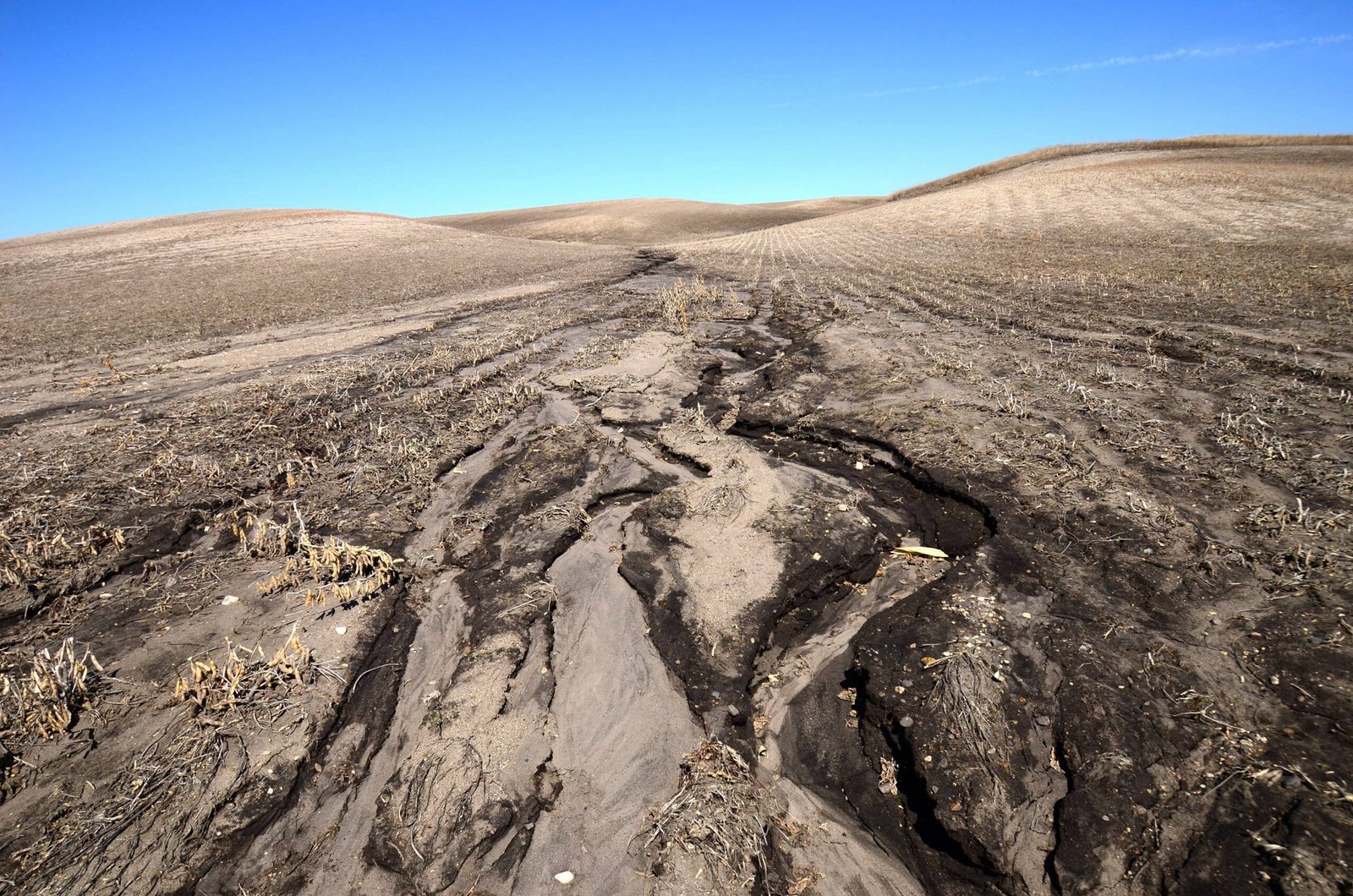
The disappearance of prairie streams and wetlands contributed significantly to the environmental disaster known as the Dust Bowl in the 1930s. When farmers drained the natural water storage systems across the Great Plains, they eliminated the landscape’s ability to retain moisture during dry periods. Streams that had flowed reliably for thousands of years simply dried up, taking with them the riparian forests that had helped stabilize soil. The result was catastrophic erosion that buried entire towns under dust and forced mass migration from the region. This connection between lost waterways and environmental disaster demonstrated the crucial role that streams play in maintaining regional climate stability.
Native American Water Wisdom

Before European colonization, Native American tribes maintained sophisticated relationships with waterways that sustained both human communities and natural ecosystems for millennia. Tribes like the Ojibwe practiced “wild rice cultivation” in Minnesota’s stream-fed lakes, creating sustainable food systems that enhanced rather than destroyed aquatic habitats. The Cherokee built fish weirs—stone structures that allowed fish to pass upstream while creating pools for fishing—that actually improved stream ecology. Many tribal names reflect this intimate relationship with water: the Chippewa name “Gichi-Gami” for Lake Superior means “Great Water,” while countless tribal settlements were named for specific stream characteristics. This traditional knowledge about living with, rather than against, natural water systems was largely ignored by European settlers focused on land conversion and resource extraction.
Economic Drivers of Destruction
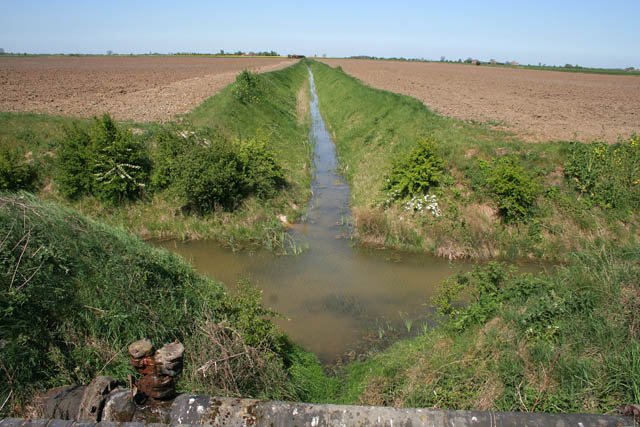
The systematic elimination of American waterways was driven primarily by short-term economic calculations that ignored long-term environmental costs. Land speculation made wetland drainage incredibly profitable—investors could buy “worthless” swampland for pennies per acre and sell it as prime farmland for dollars per acre after drainage. Government policies actively encouraged this destruction through acts like the Swamp Land Acts of 1849-1860, which gave states millions of acres of wetlands with the requirement that they be drained for agriculture. Railroad companies received massive land grants that included thousands of miles of streams and wetlands, which they immediately sold to farmers and developers. The true economic value of these waterways—their role in flood control, water filtration, wildlife habitat, and climate regulation—wasn’t calculated until it was too late to reverse the damage.
Technological Enablers
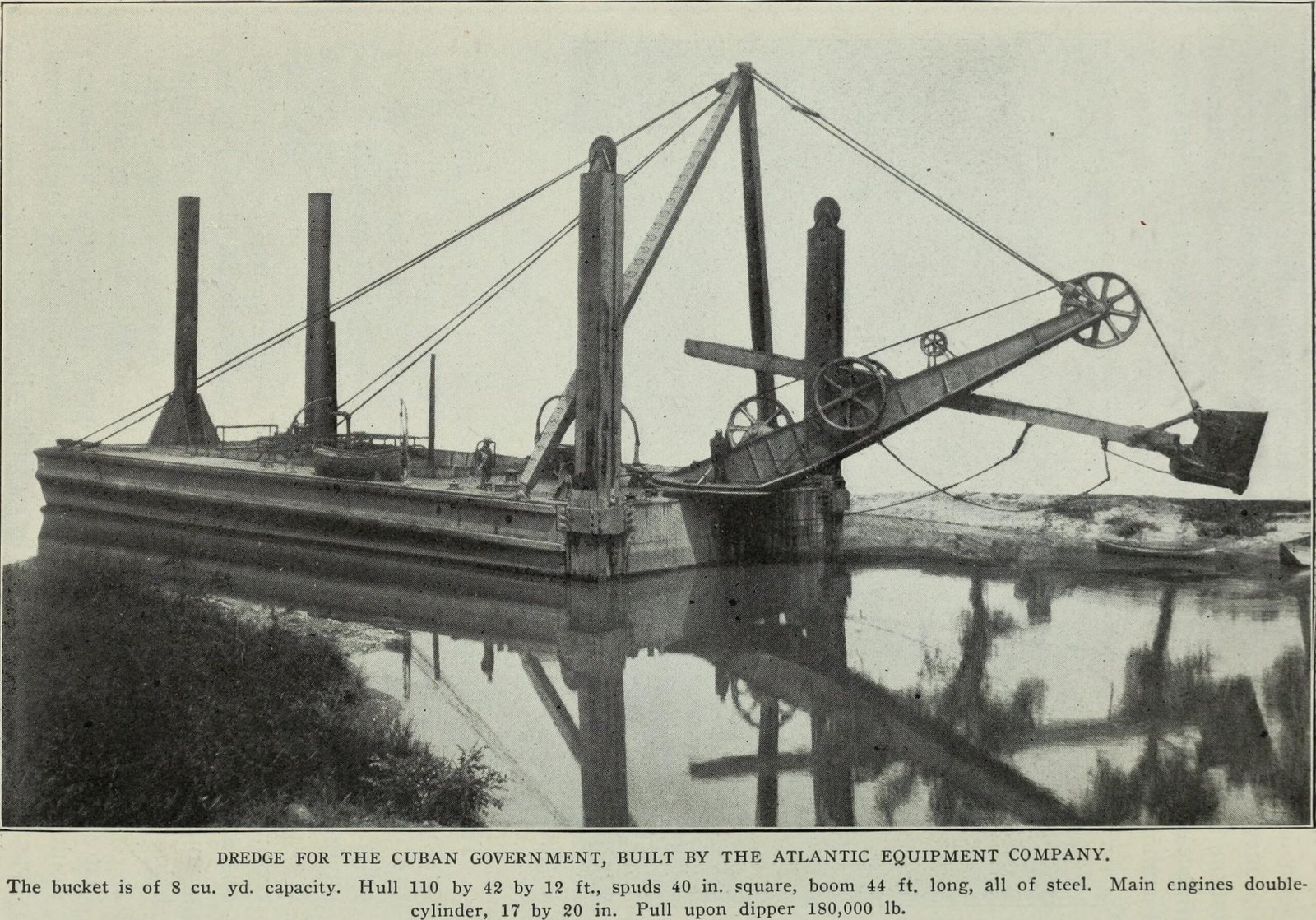
The development of powerful steam-powered dredging equipment in the mid-1800s made large-scale waterway destruction economically feasible for the first time in human history. These machines could move more earth in a day than hundreds of workers with hand tools could move in a month. Concrete technology allowed engineers to bury streams permanently, creating underground channels that could support heavy buildings and roads above. The invention of dynamite made it possible to blast through rock formations that had channeled streams for millions of years. Perhaps most significantly, the development of gasoline-powered pumps allowed farmers to drain wetlands and redirect streams on an industrial scale, transforming entire landscapes within just a few decades.
Climate Consequences

The loss of America’s waterways has created profound changes in regional and local climate patterns that scientists are only beginning to understand. Streams and wetlands act as natural air conditioners, cooling surrounding areas through evaporation and creating microclimates that support diverse plant and animal communities. When these water bodies disappear, the result is often increased temperature extremes and reduced humidity. Urban areas that buried their streams typically experience more intense heat islands, with temperatures 5-10 degrees higher than areas where waterways remain visible. The elimination of wetlands across the Great Plains has reduced the region’s ability to generate rainfall, contributing to longer and more severe droughts. Some climate scientists believe that restoring lost waterways could help moderate the effects of climate change in many regions.
Wildlife Casualties

The disappearance of American waterways represents one of the largest wildlife habitat losses in the planet’s history. Over 81% of North American freshwater fish species have experienced population declines, with many extinctions directly linked to stream elimination. The California grizzly bear, which once numbered over 10,000 individuals, went extinct partly because the streams where they caught salmon were diverted or buried. Migratory bird populations that depended on wetland stopovers have crashed by over 70% since the 1970s. Amphibians, which require both aquatic and terrestrial habitats, have suffered particularly severe losses—over 40% of North American amphibian species are now considered threatened or endangered. Each lost stream represents not just the disappearance of water, but the collapse of entire food webs that had evolved over millions of years.
Pollution’s Hidden Legacy

Many buried waterways continue to carry pollution loads that accumulated over decades of industrial and agricultural use, creating underground contamination that can persist for centuries. In Detroit, buried streams still transport heavy metals from old automotive plants through underground channels, occasionally surfacing in unexpected locations during floods. Agricultural chemicals applied to fields drain into buried stream systems, where they can concentrate to toxic levels without the dilution and filtration that natural stream channels provide. Some buried streams have become essentially underground sewers, carrying contaminated water through populated areas where residents have no idea of the potential danger flowing beneath their feet. The cleanup costs for these hidden pollution sources often exceed the original economic benefits gained from burying the streams in the first place.
Flood Control Failures

Cities that buried their waterways often experience more severe flooding than areas where streams remain visible and manageable. When natural channels are forced underground, they cannot expand during heavy rains, causing water to back up and flood streets and buildings. New Orleans’ flooding problems are partly caused by the burial of natural drainage channels that once carried water safely to the Gulf of Mexico. The 2005 flooding in New York City during Hurricane Sandy was worsened by the burial of natural streams that could have helped carry storm water away from populated areas. Engineering studies consistently show that buried streams create more flooding problems than they solve, yet the practice continued for decades because the immediate benefits of land development outweighed concerns about future flood risks.
Modern Restoration Efforts
Some American cities are now spending millions of dollars to “daylight” streams that were buried decades or centuries ago, recognizing the environmental and economic benefits of restored waterways. Seoul, South Korea’s Cheonggyecheon restoration project inspired similar efforts in cities like Yonkers, New York, where Saw Mill River was recently uncovered after being buried for over 100 years. These restoration projects often face enormous technical challenges, as buildings, roads, and utilities have been constructed over the buried streams. However, successful restorations typically increase property values, reduce flooding, improve air quality, and create recreational opportunities that benefit entire communities. The economic benefits of stream restoration often exceed the costs within just a few years, making these projects increasingly attractive to city planners and taxpayers.
The Price of Progress

The total economic cost of losing America’s waterways is estimated at over $23 billion annually in flood damage, water treatment costs, habitat restoration expenses, and lost recreational opportunities. This figure doesn’t include the incalculable value of lost biodiversity, cultural heritage, and ecosystem services that vanished waterways once provided for free. Property damage from flooding in areas where streams were buried or diverted often exceeds the original economic benefits gained from developing those areas. The hidden costs of maintaining buried stream systems—pumping stations, storm drains, flood barriers—are rarely calculated when cities make decisions about waterway management. Perhaps most significantly, the loss of natural water systems has made many American communities more vulnerable to climate change, requiring expensive technological solutions to problems that healthy watersheds once solved naturally.
Lessons from the Lost
The story of America’s vanished waterways offers crucial insights for how we manage natural resources in an era of rapid environmental change. The short-term economic thinking that drove stream elimination has created long-term costs that far exceed any temporary benefits. Communities that preserved their waterways consistently show better environmental health, economic stability, and quality of life than areas where streams were destroyed. The most successful modern development projects work with, rather than against, natural water systems, creating sustainable communities that can adapt to changing conditions. Indigenous knowledge about living with waterways, largely ignored during the period of greatest stream destruction, is now being recognized as essential for creating resilient communities.
The ghost rivers beneath our cities and fields tell a story of ambition and shortsightedness, of prosperity built on the destruction of natural systems that had sustained life for millennia. Every time you walk across a city street or drive through farmland, you might be crossing the path of a stream that once sparkled in the sunlight, supported fish and wildlife, and helped regulate the climate of an entire region. These lost waterways remind us that progress isn’t always about moving forward—sometimes the wisest path leads back to the wisdom of working with nature rather than against it. What other natural treasures are we burying today that future generations will spend fortunes trying to restore?