Imagine standing face to face with a being both familiar and utterly alien—someone who once walked alongside our ancestors, sharing the same lands, living through the same storms, yet ultimately vanishing from the world. The Neanderthal, with its haunting gaze and robust frame, has become a symbol of our shared human story. But what if, armed with today’s scientific power, we could not only decode their DNA but even consider bringing their essence back to life? The very thought sends a shiver down the spine, blurring the lines between past and future, science and ethics. Let’s dive deep into the possibilities, challenges, and dilemmas behind reconstructing a Neanderthal genome—and whether we should even try.
The Neanderthal Legacy: Our Lost Cousins
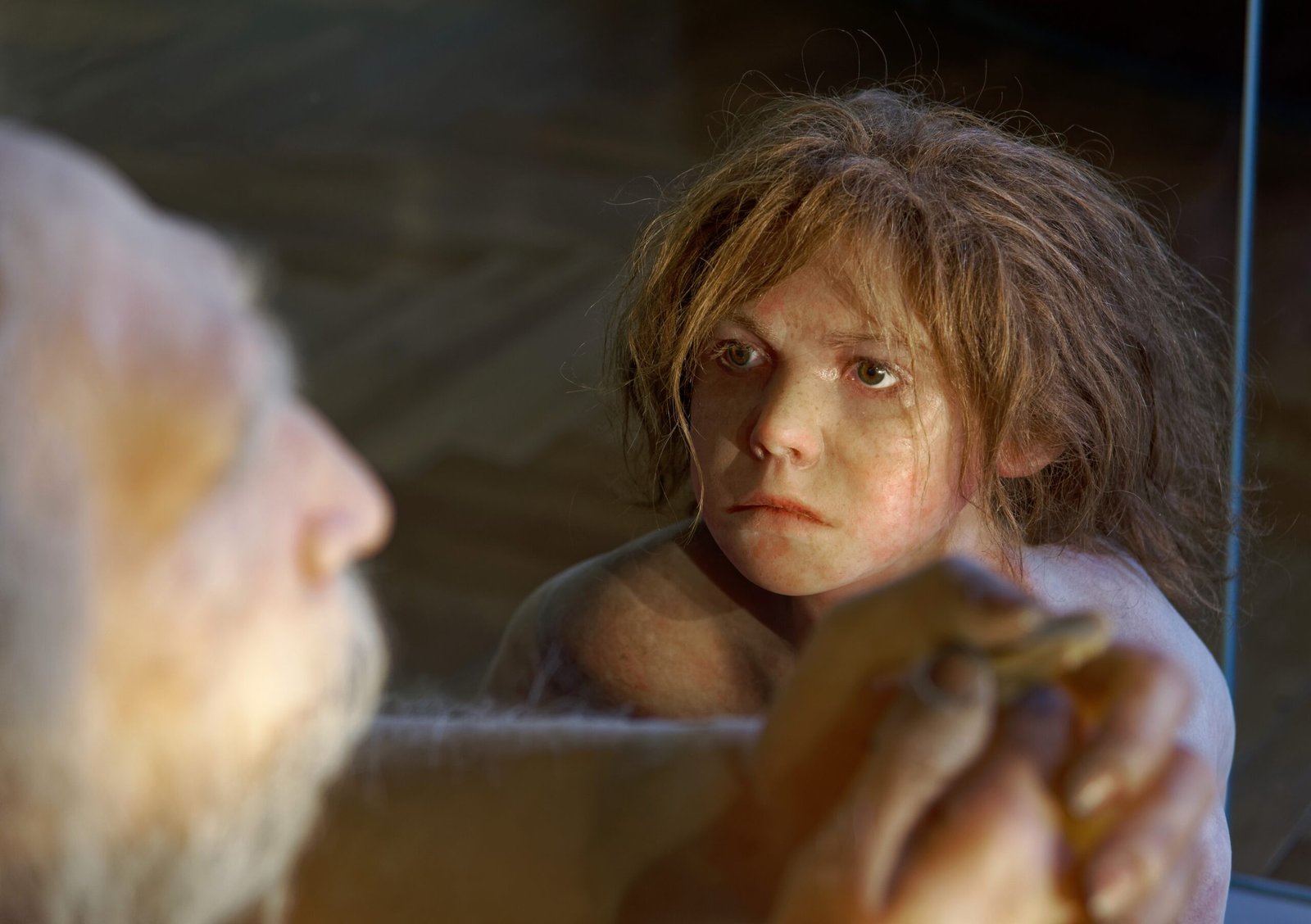
Neanderthals, once spread across Europe and parts of Asia, disappeared around 40,000 years ago. Yet, they’re not just distant shadows—science has shown that modern humans carry traces of Neanderthal DNA, a living echo of ancient encounters. This connection fuels curiosity and even a sense of responsibility, as if we’re peering into the family album of humanity’s earliest chapters. Their survival skills, art, and even emotional depth have been unearthed through fossils and archaeological discoveries, making their story as compelling as our own.
The Science of Ancient DNA

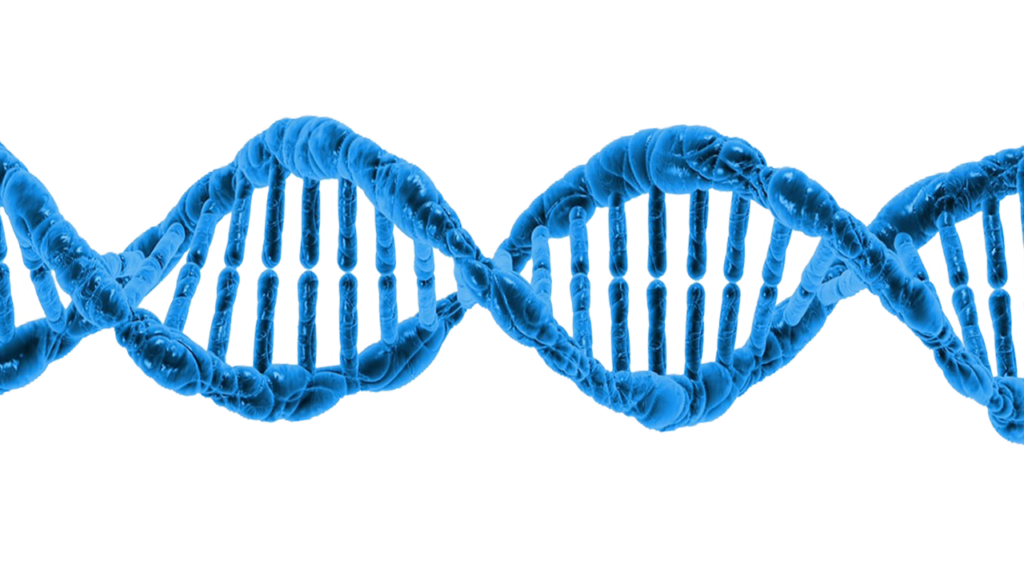
Extracting DNA from bones tens of thousands of years old sounds like magic, but it’s a painstaking process. Ancient DNA is typically fragmented and contaminated, like trying to piece together a shredded, stained book that’s been buried for millennia. Modern techniques, such as polymerase chain reaction (PCR) and high-throughput sequencing, have made it possible to read these genetic scraps. Still, every sequence is a small miracle, offering a window into a vanished world.
Piecing Together the Puzzle: Genome Sequencing

The first draft of the Neanderthal genome was published in 2010, a breakthrough that felt as if we’d uncovered a treasure map. Scientists compared Neanderthal sequences with those of modern humans and found surprising overlaps. But reconstructing a full genome is like assembling a jigsaw puzzle with pieces missing, faded, or chewed up by time. Data from multiple Neanderthal remains and advanced computational methods have helped fill in the blanks, but gaps and uncertainties remain.
De-Extinction: Beyond DNA Decoding

Reconstructing a genome isn’t just about having a genetic “blueprint”—it’s about breathing life into it. De-extinction, the idea of reviving extinct species, has captured imaginations and sparked fierce debate. For Neanderthals, the challenge is even greater: there’s no living surrogate species close enough to serve as a host, and the ethical questions loom large. It’s not just a technical hurdle; it’s a moral labyrinth.
The Cloning Conundrum

Cloning a Neanderthal would require not just a complete genome, but also an egg and a surrogate mother. While cloning mammals like sheep and dogs has been achieved, no one has ever cloned a primate, let alone a human or a Neanderthal. The differences in early development, immune systems, and even the basic biology between species make this a massive, perhaps insurmountable, challenge.
Genetic Engineering: CRISPR and Beyond

Tools like CRISPR have revolutionized genetics, making it possible to edit DNA with unprecedented precision. In theory, scientists could modify a human genome to match that of a Neanderthal in key places. But this raises tough questions about identity, consent, and the boundaries of what it means to be human. Would the result be a true Neanderthal, or something new and unpredictable?
The Ethics of Resurrection
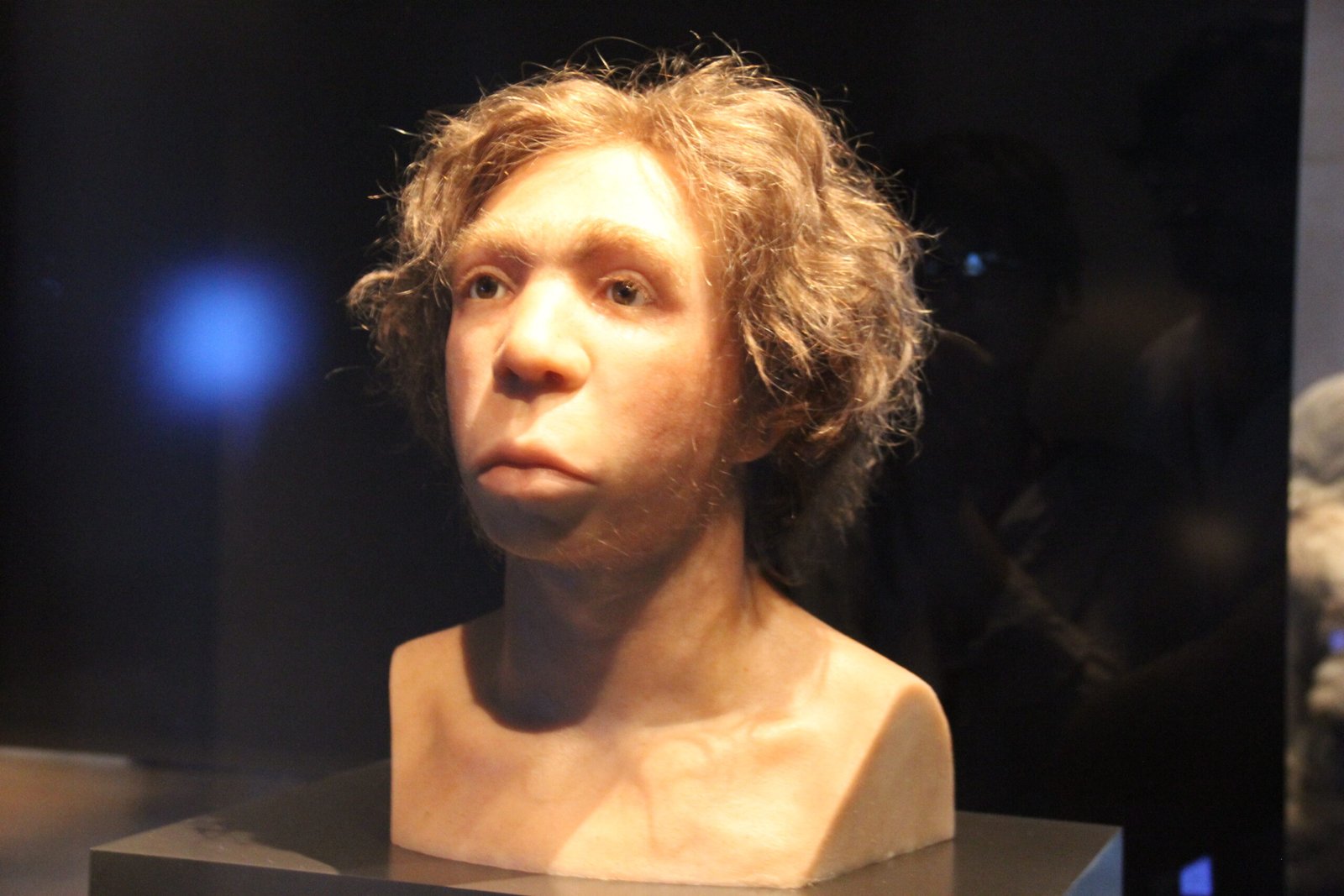
Even if we could reconstruct a Neanderthal genome, should we? The ethical debates rage on: is it right to bring back a species that lived in a different time, with no place in today’s world? What rights would a Neanderthal have? Would they be treated as a scientific curiosity, a living relic, or a person deserving dignity? These questions echo through the corridors of science and philosophy.
The Psychological Impact on a Reconstructed Neanderthal

Imagine being the only one of your kind, surrounded by a world that sees you as an experiment. The loneliness and confusion could be overwhelming. Experts warn that any attempt to create a Neanderthal individual would have profound psychological implications—not just for the Neanderthal, but for society as a whole. No amount of scientific curiosity should outweigh the potential for suffering.
Lessons from the Past: Human-Neanderthal Interactions

When modern humans and Neanderthals met, the results were complex—sometimes violent, sometimes intimate. The legacy of these encounters lives on in our genes, but also in our cultural memory. Understanding these interactions can help frame the risks and responsibilities of any attempt at Neanderthal reconstruction.
Implications for Human Identity
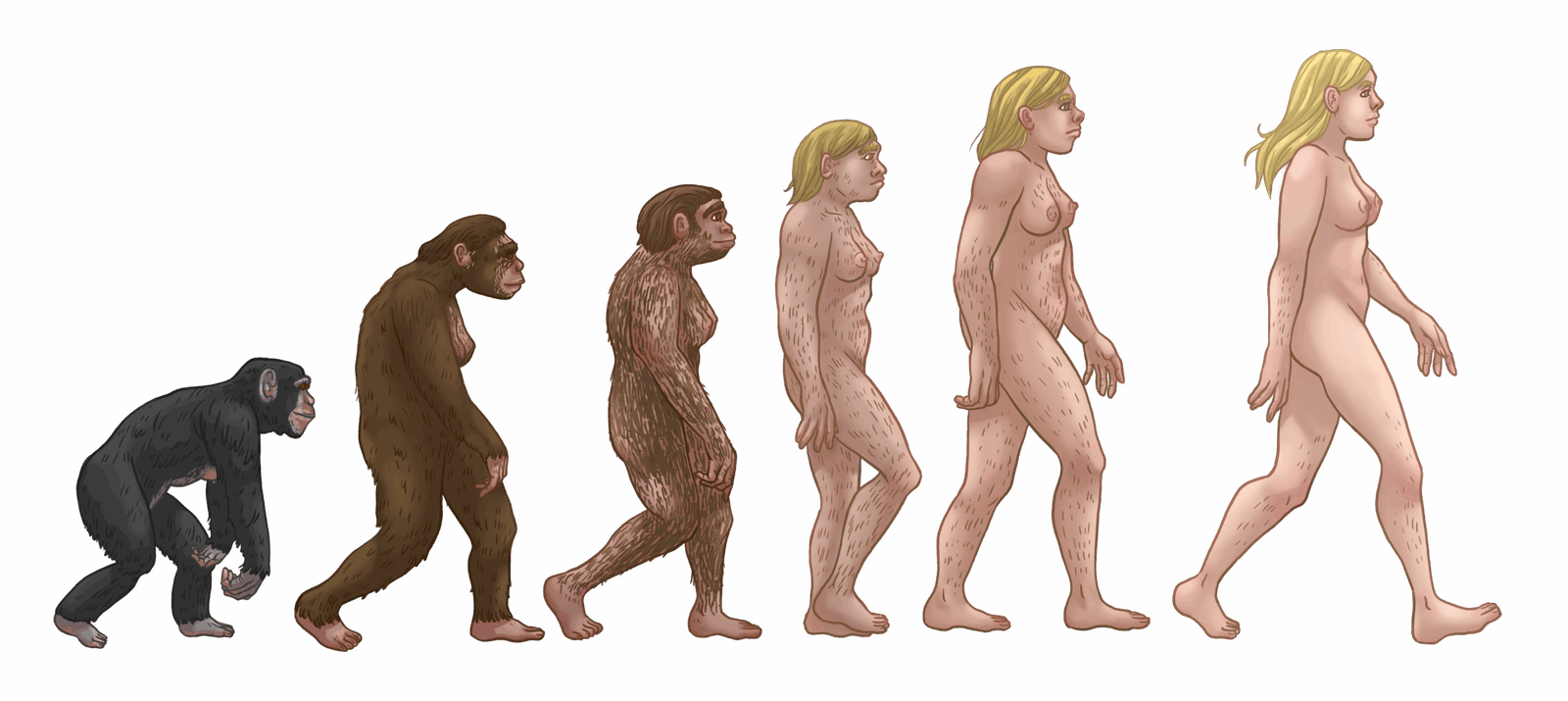
Our fascination with Neanderthals is about more than science—it’s about who we are. If we could bring them back, would it change the way we see ourselves? Would it blur the boundaries between species, or reinforce them? The answers aren’t simple, but they matter deeply as we grapple with our place in nature.
The Role of Technology in Shaping the Debate

Advances in genomics, bioinformatics, and synthetic biology have made the idea of Neanderthal resurrection seem less like science fiction and more like a real possibility. But technology moves faster than ethics or public understanding. As the tools become more powerful, the need for thoughtful debate grows ever more urgent.
Voices from the Scientific Community

Scientists themselves are divided. Some see enormous potential for learning about human evolution, disease, and adaptation. Others warn that the risks—biological, ethical, and social—are simply too great. As geneticist Svante Pääbo once said, “Just because we can do something doesn’t mean we should.” This tension animates every discussion about the future of ancient DNA.
Public Opinion and Societal Impact
The idea of resurrecting Neanderthals stirs strong feelings. Some see it as a triumph of human ingenuity; others as a dangerous overreach. Polls suggest that most people are wary, with concerns ranging from religious beliefs to practical worries about safety and fairness. Social acceptance may ultimately shape what is possible, just as much as the science itself.
Biodiversity and Conservation Lessons

De-extinction raises questions about our responsibilities toward living species. Should we focus on bringing back the extinct, or protecting the endangered? Conservationists argue that resources might be better spent preserving what we have, rather than chasing the ghosts of the past. The Neanderthal debate becomes a mirror for our values and priorities.
The Slippery Slope: Where Do We Draw the Line?
If we bring back Neanderthals, what’s next? Mammoths? Dodos? The line between scientific exploration and playing god is razor-thin. Each step forward opens up new possibilities—and new dangers. It’s a slippery slope that demands caution and humility.
A Glimpse into the Future

As of June 2025, reconstructing a full Neanderthal genome remains an extraordinary scientific achievement, but the leap from code to living being is vast. The questions we face are not just technical, but deeply human. Will we choose to remember, respect, and learn from our ancient cousins—or seek to rewrite their story in our own image?