Picture this: every step you take, you’re walking over a teeming, invisible city filled with creatures so small you could fit millions on the head of a pin. It’s easy to think of soil as just dirt, but beneath our feet lies a universe full of life, energy, and secrets. This is not science fiction; these are Earth’s hidden microbial worlds—a wild, pulsing frontier that scientists are only beginning to understand. If you’ve ever dug your fingers into fresh earth or caught the earthy scent after rain, you’ve brushed up against this hidden world. The real question is: how much don’t we know about the ground that supports us all?
The Living Soil: More Than Meets the Eye

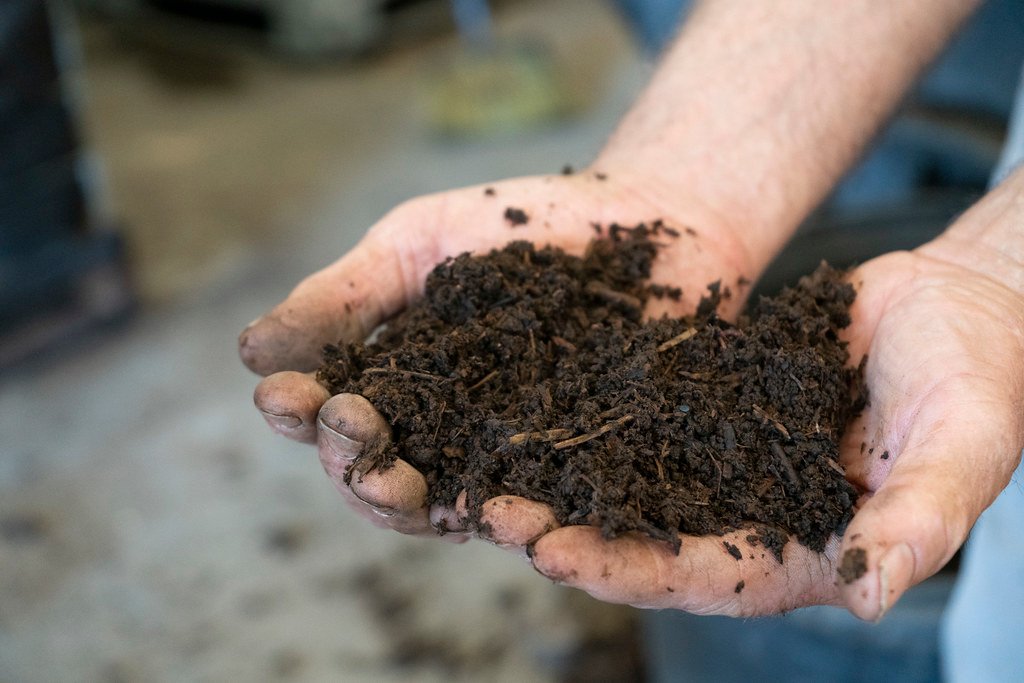
Beneath the grass, the forest floor, and even city sidewalks, soil is alive. It’s not just ground-up rock and decayed leaves. Every handful is crowded with bacteria, fungi, archaea, and tiny animals, all working together in ways that boggle the mind. In fact, a single gram of healthy soil can hold billions of microorganisms. These microscopic beings are responsible for recycling nutrients, building soil structure, and even helping plants communicate. Without them, plants would wither, ecosystems would collapse, and life as we know it would be impossible.
Microbial Diversity: A Hidden Treasure Trove

The diversity of life in soil is staggering. Some researchers say we know more about the surface of Mars than we do about the microbes in the dirt beneath our shoes. There are thousands—sometimes millions—of different microbial species in a single teaspoon of soil. Many of these have never been named, let alone studied. Some microbes form intricate networks, sharing food and information like a microscopic internet. Others live solitary lives, thriving in tiny pockets of water and air. Every corner of the soil is a patchwork of different microhabitats, each with its own unique community.
The Invisible Architects of Ecosystems

Soil microbes are the silent architects of the world’s ecosystems. They break down dead plants and animals, turning yesterday’s leaves into tomorrow’s fertile ground. Mycorrhizal fungi form partnerships with plant roots, helping them draw in water and nutrients. Nitrogen-fixing bacteria take nitrogen from the air—a gas that plants can’t use—and transform it into a form that feeds everything from wildflowers to wheat. Without these microbial architects, forests would shrink, farms would fail, and wild landscapes would slowly starve.
Soil Microbes and Climate Regulation
The role of soil microbes in the Earth’s climate is both surprising and powerful. As they break down organic matter, they release carbon dioxide and other gases into the air. But they also lock carbon away in the soil, acting as a vast underground carbon sink. The balance between these two processes is delicate. If too much carbon escapes, it can speed up global warming. If enough stays put, soils could help slow climate change. Scientists are racing to understand how these tiny creatures could tip the scales of our planet’s future.
Underground Chemical Conversations

The soil isn’t just a place for silent growth; it’s alive with chemical chatter. Microbes talk to each other through molecules, sending signals that coordinate everything from defense to cooperation. Some bacteria release antibiotics to keep competitors away, while others use scents to attract helpful partners. Plants even eavesdrop on these conversations, tuning in to signals that warn of pests or call for help. The underground world is like a busy marketplace full of deals, alliances, and sometimes, fierce rivalries.
Symbiotic Partnerships: The Plant-Microbe Dance

Some of the most enchanting relationships in nature happen underground. Take legumes, for example—beans, peas, and lentils. Their roots form nodules that house special bacteria capable of fixing nitrogen. This partnership allows plants to thrive in poor soils and feeds countless animals (including us). Fungi, too, weave their threads around and into plant roots, trading nutrients for sugars. These symbiotic partnerships are so vital that without them, most plants would struggle to survive.
Microbial Warriors: Defenders Against Disease

Soil microbes are nature’s first line of defense against plant disease. Many produce natural antibiotics, outcompeting or killing harmful invaders before they can strike. Others work with plants to strengthen their immune systems, making them more resistant to infection. When farmers or gardeners use too many chemicals, they often disrupt these protective networks—sometimes with disastrous results. Harnessing the power of these microbial warriors is one of the most promising frontiers in sustainable agriculture.
Extreme Survivors: Life at the Limits

Some soil microbes are tough as nails. They thrive in harsh environments—from the freezing tundra to scalding deserts, salty flats to toxic waste sites. These extremophiles hold clues to how life survives in the most unlikely places. Their unique abilities are inspiring new approaches in medicine, agriculture, and even space exploration. If life can thrive deep underground, could it survive on other planets? The answer might be lying just under our feet.
The Underground Economy: Trading Nutrients and Energy

Microbial life in soil operates like a bustling economy. Microbes trade carbon, nitrogen, phosphorus, and other nutrients through complex networks. They “pay” for what they need by sharing resources or forming alliances. Some even cheat, taking more than they give. This underground economy keeps entire ecosystems running smoothly—feeding plants, fueling food webs, and recycling waste.
Soil Viruses: The Ghosts in the Machine

Viruses aren’t just enemies of people and animals—they’re everywhere in soil, infecting bacteria and fungi. These soil viruses, or bacteriophages, play hidden but crucial roles. They can control microbial populations, drive evolution, and even influence how nutrients cycle through the ground. Scientists are just beginning to uncover their secrets, but one thing is clear: soil viruses are powerful, mysterious forces in the unseen world below.
The Role of Soil Microbes in Agriculture
Without healthy soil microbes, farming would be a losing battle. They help crops grow strong, fight off pests, and bounce back after drought or disease. Modern agriculture often disrupts these delicate underground communities with heavy tilling, pesticides, and fertilizers. But a new wave of farmers is learning to work with soil microbes—using cover crops, compost, and minimal disturbance to unlock the power of the living soil. It’s a quiet revolution that could change how we farm forever.
Microbial Mysteries: Unsolved Puzzles and Big Questions

Despite decades of research, the soil is still packed with mysteries. Why do some microbes cooperate while others compete? How do underground communities respond to changing climates? What secrets are hidden in the DNA of microbes we’ve never grown or seen? Each discovery opens up new questions, turning the soil into a living puzzle just waiting to be solved.
Discovering New Medicines Underground

Some of the world’s most important medicines were first found in soil microbes. Penicillin, the first antibiotic, came from a humble mold. Today, researchers are digging deep—literally—to find the next big cure. With antibiotic resistance on the rise, scientists hope that unexplored soils will yield new drugs to fight infections and diseases. The next medical breakthrough might be just a shovel’s depth away.
Soil Health and Human Well-Being
Healthy soil means healthy food, clean water, and vibrant communities. Soil microbes play a role in breaking down pollutants, purifying water, and helping plants grow nutrient-rich crops. When soils are damaged—by pollution, erosion, or careless farming—our own health can suffer. The link between soil and human well-being is direct, powerful, and often overlooked.
New Technologies for Exploring the Underground

Exploring the invisible world beneath our feet takes creativity and cutting-edge technology. DNA sequencing, powerful microscopes, and computer models allow scientists to peer into the soil’s tiniest corners. These tools have revealed new species, unexpected behaviors, and complex networks that were once unimaginable. As technology advances, our ability to understand and protect these hidden worlds grows ever stronger.
The Future of Earth’s Last Frontier
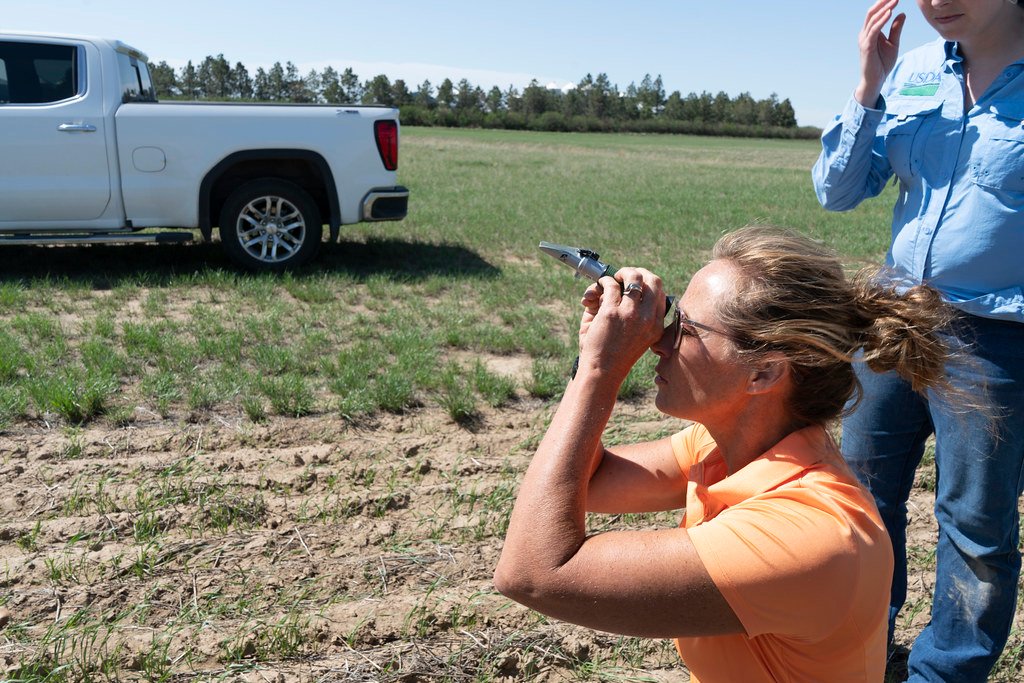
The soil beneath us is a frontier as wild and mysterious as the deep sea or distant planets. Its microbial worlds are essential to life, yet fragile in the face of change. As we search for answers and new solutions to global challenges, the ground we walk on may hold the keys to our future. If we care for these hidden worlds, they will care for us in ways we’re only beginning to imagine.