Imagine waking up to a dawn chorus that once echoed across Australia’s wildest frontiers, only to realize that half those voices have fallen silent. It’s easy to forget that every lost species leaves a hole in the world, like a missing puzzle piece that can never quite be replaced. Yet, in the rugged hills of New South Wales, an unlikely team of scientists, conservationists, and dreamers are determined to bring those missing pieces back. Their mission—nothing short of revolutionary—is to revive extinct ecosystems and give Australia’s most threatened animals a fighting chance. Welcome to the extraordinary world of Aussie Ark, where hope is as wild as the landscape itself.
The Heart of Aussie Ark: A Mission Fueled by Hope

Aussie Ark began as a bold idea—what if we could actually reverse extinction, at least in part? It’s more than just a sanctuary; it’s a lifeline for creatures teetering on the edge. Founded in 2011, Aussie Ark has grown from humble beginnings to become one of Australia’s leading conservation organizations. Their focus is simple yet ambitious: to protect, breed, and reintroduce native species that have vanished or are vanishing fast. This mission is powered by people who refuse to accept extinction as inevitable, proving that hope can be just as contagious as despair.
Where Extinction Hits Hardest: Australia’s Unique Biodiversity Crisis

Australia is a land of wonders—kangaroos, koalas, and cockatoos, all icons of a country brimming with life. But beneath this vibrant surface, Australia faces one of the highest extinction rates on the planet. Over 100 species have vanished since European settlement, and many more are now at risk. Habitat destruction, invasive predators, and climate change have all played their part in this crisis. Aussie Ark confronts these challenges head-on, refusing to let Australia’s unique wildlife become nothing more than a memory.
The Barrington Wildlife Sanctuary: A Safe Haven for the Forgotten

Nestled in the dramatic Barrington Tops, the Aussie Ark sanctuary is something out of a conservationist’s dream. Stretching over 400 hectares, this isolated patch of wilderness acts as a fortress for threatened species. Here, animals are shielded from the dangers that nearly wiped them out—feral cats, foxes, and habitat loss. Inside the sanctuary, you’ll find creatures living as they once did, from the elusive eastern quoll to the cheeky brush-tailed rock-wallaby. It’s not just a refuge; it’s a place where second chances grow wild.
Eastern Quolls: Bringing Back the Shadow Cats
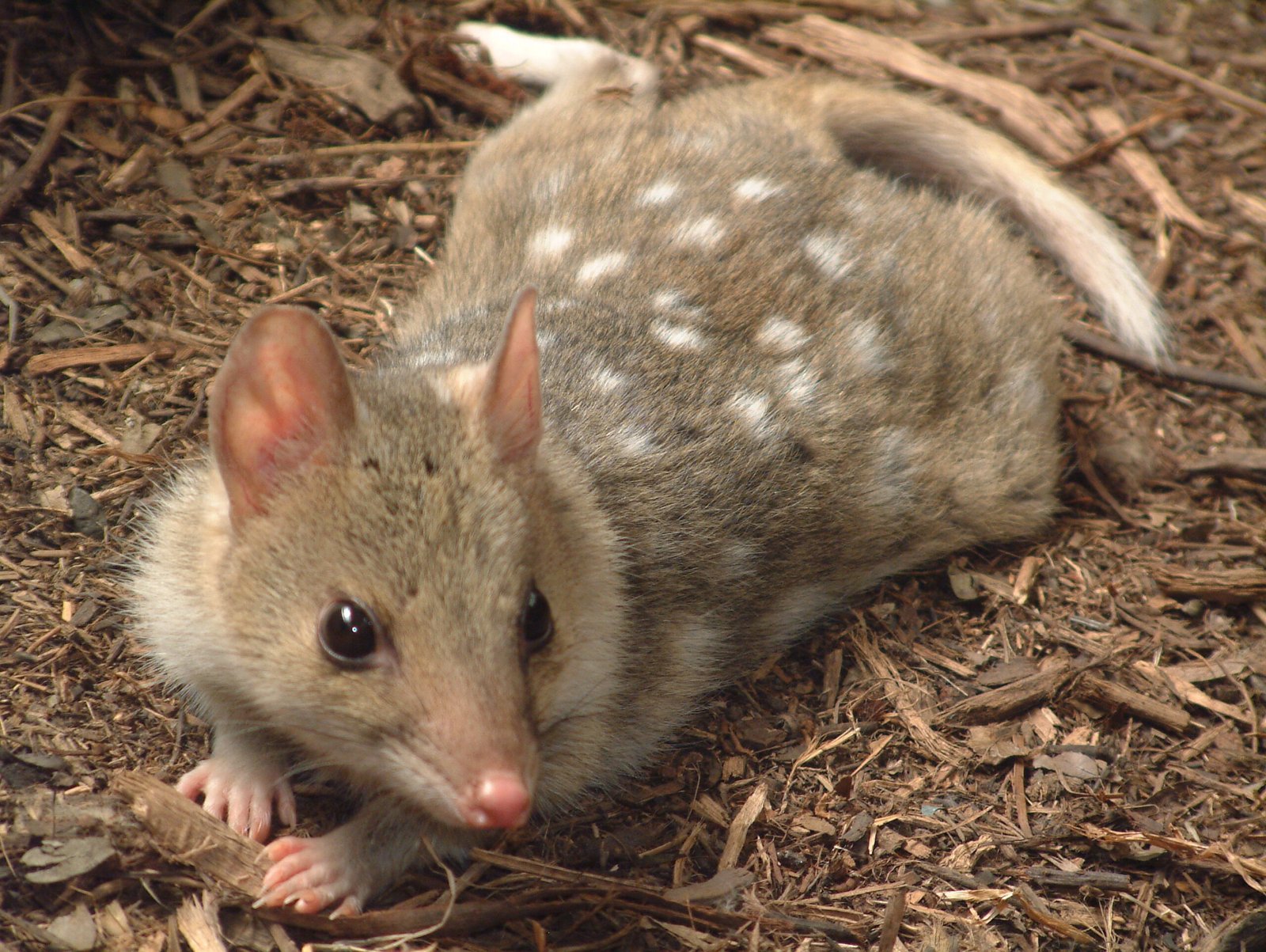
Few stories are as heartwarming—or as heartbreaking—as that of the eastern quoll. Once common across southeastern Australia, these spotted, cat-sized marsupials disappeared from the mainland decades ago. Aussie Ark has made it their mission to bring them back. Through careful breeding and meticulous habitat management, the team has released quolls into protected areas, watching as they adapt, hunt, and—most importantly—thrive. Seeing a quoll’s eyes light up in the moonlight is a potent reminder of what’s possible when science meets determination.
Devil’s Comeback: The Return of the Tasmanian Devil

The Tasmanian devil is a symbol of both Australia’s wildness and its fragility. Ravaged by a contagious facial tumor disease, devils have vanished from many places where they once ruled. Aussie Ark has created a critical insurance population, breeding healthy devils in safe, disease-free enclosures. In 2020, they made history by releasing devils onto the Australian mainland—something that hadn’t happened in over 3,000 years. Each release is a gamble, but so far, these devils are adapting, hunting, and even raising young, sparking hope for a true comeback.
Bringing Back the Brush-tailed Rock-wallaby

Clinging to rocky outcrops and steep cliffs, the brush-tailed rock-wallaby is an acrobat of the Australian bush. But habitat loss and feral predators have pushed them to the brink. Aussie Ark’s approach is hands-on: they breed wallabies in secure enclosures and then carefully reintroduce them into the wild. By tracking their movements and survival, the team learns what it takes for these wallabies to reclaim their home. It’s a lesson in patience and persistence, as every successful reintroduction is a small victory for wild Australia.
The Power of Predator-Proof Fencing

One of Aussie Ark’s secret weapons is the unassuming, but incredibly effective, predator-proof fence. Stretching for kilometers, these barriers keep out invasive species like cats and foxes—Australia’s public enemy number one for native wildlife. Inside these enclosures, native animals can roam, breed, and behave naturally, free from constant threat. It’s a simple idea with massive impact, a line in the sand that says, “Here, extinction stops.”
Restoring the Lost: Ecosystem Engineers at Work
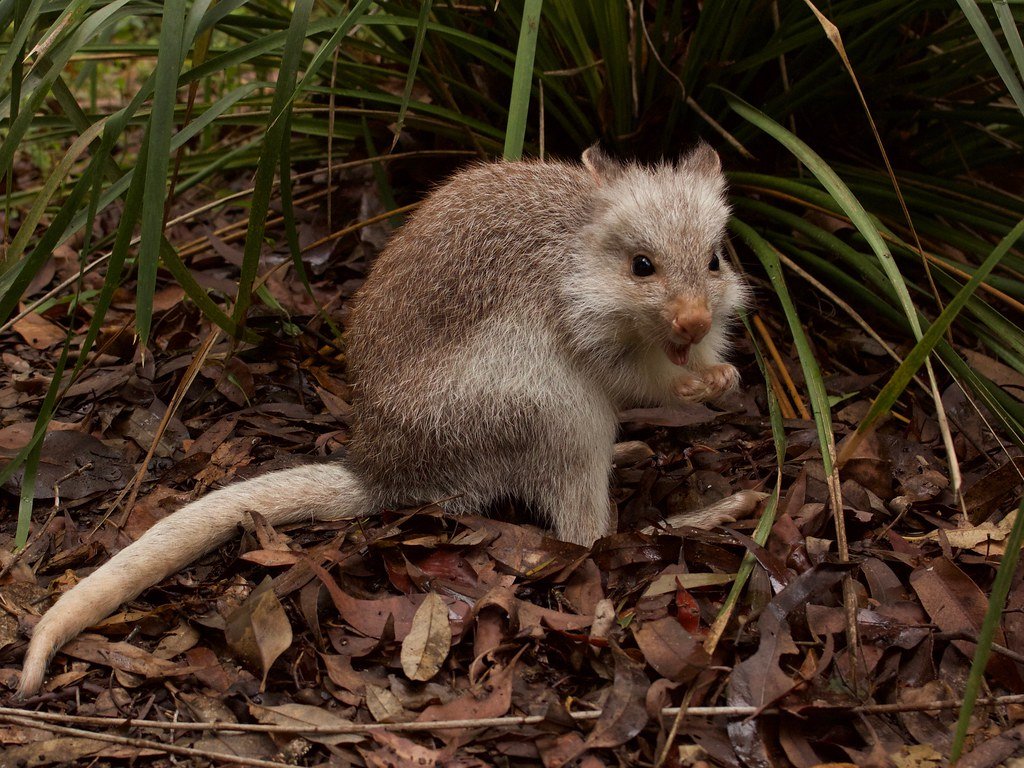
When a species disappears, it’s not just the animal that’s lost—the entire ecosystem changes. Aussie Ark understands this deeply. By reintroducing animals like the bettong and the long-nosed potoroo, they’re actually rebuilding the land itself. These small mammals are “ecosystem engineers,” turning over soil, dispersing seeds, and creating homes for other creatures. Their presence transforms the landscape, proving that saving a species means saving everything that depends on it.
Science on the Frontlines: Research Drives Every Decision

Aussie Ark is more than a rescue mission—it’s a living laboratory. Every animal release, every breeding program, is guided by rigorous science. Researchers track survival rates, genetic diversity, and even how reintroduced species reshape their environment. This commitment to data ensures that each step forward is built on solid ground. The team partners with universities and global experts, ensuring their methods are as innovative as their goals are ambitious.
Fighting Feral Invaders: The Battle Against Cats and Foxes

Australia’s native animals evolved without the threat of cats and foxes. When these predators arrived, chaos followed. Aussie Ark’s war against these invaders is relentless—trapping, fencing, and constant monitoring are all part of the battle plan. It’s not glamorous work, but it’s absolutely vital. Without these efforts, even the most heroic breeding programs would be doomed to fail. The fight is ongoing, but every cat or fox kept out is another chance for a native animal to survive.
Climate Change: Adapting to a Hotter, Drier Future

Australia’s climate is changing fast—bushfires, droughts, and heatwaves are becoming the new normal. Aussie Ark faces this challenge head-on by designing enclosures that mimic natural refuges and by selecting release sites that can withstand extreme weather. They’re also studying how climate change affects everything from food sources to breeding cycles. Preparing for the future means thinking ahead, so that these species have a fighting chance no matter what tomorrow brings.
Community Power: Volunteers and Local Heroes
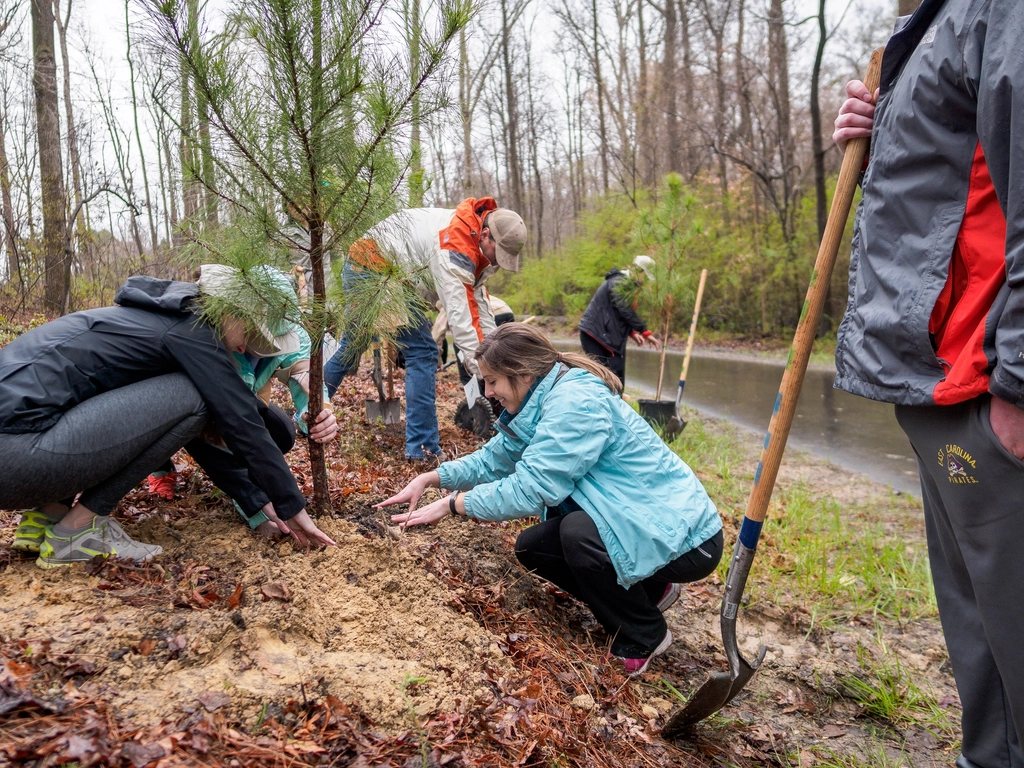
Conservation can’t succeed in a vacuum. Aussie Ark relies on an army of volunteers, local landowners, and school groups to make their work possible. These everyday heroes help with everything from animal care to habitat restoration, proving that anyone can make a difference. Community involvement also builds a sense of ownership and pride, turning conservation into a shared mission. When people see their efforts pay off—like spotting a quoll on a nighttime walk—it’s a reward that money can’t buy.
Education and Inspiration: Sparking a Love for Wildlife

Aussie Ark knows that real change starts with knowledge. They run education programs, host open days, and share their successes and struggles with the public. By inspiring the next generation of conservationists, they’re planting the seeds for a more hopeful future. When a child holds a tiny joey or hears the story of a devil’s return, it sparks a lifelong connection to the wild. Igniting that passion is just as important as any scientific breakthrough.
Genetic Diversity: Building Stronger Populations

Genetic diversity is the secret weapon of survival. Without it, species are much more vulnerable to disease, environmental change, and inbreeding. Aussie Ark goes to great lengths to mix and match breeding pairs, sometimes even collaborating with other sanctuaries and zoos across Australia. By keeping their populations genetically healthy, they’re future-proofing these species against the unknown. It’s like building a stronger, more resilient safety net for some of the world’s rarest animals.
Cultural Connections: Working with Indigenous Knowledge

Australia’s First Nations people have managed and understood this land for tens of thousands of years. Aussie Ark is increasingly partnering with Indigenous communities, drawing on traditional ecological knowledge to guide their work. From fire management to animal tracking, these collaborations blend ancient wisdom with modern science. The result is a deeper, more respectful approach to conservation—one that honors both the land and those who have cared for it for generations.
Dreaming Big: Ambitious Plans for a Wilder Tomorrow

Aussie Ark isn’t content with small victories. Their vision is to restore entire ecosystems, not just isolated species. This means expanding sanctuaries, rewilding larger landscapes, and even aiming to reintroduce species like the platypus and the bandicoot to places where they’ve vanished. It’s a dream that requires courage, creativity, and a willingness to face setbacks. But each milestone—every animal born, every habitat restored—brings that dream a little closer.
Why It Matters: The Ripple Effect of Saving Species

When Aussie Ark succeeds, it’s not just animals that benefit. Healthy ecosystems clean water, store carbon, and provide inspiration and wonder for everyone. The ripple effects of saving a single species can spread far and wide, touching people and places in ways we might never expect. In a world where bad news often feels overwhelming, Aussie Ark’s work is a powerful reminder that change is possible. It’s proof that, with enough grit and heart, we really can tip the scales back toward hope.