

Dreaming of turning base metals into gold, alchemists for millennia combined mysticism, chemistry, and pure ambition in their quest. Scientists have turned lead into gold today at CERN’s Large Hadron Collider (LHC), surpassing what medieval alchemists could not accomplish. But this modern transmutation is not at all what we know of from mythology. It provides a deep understanding of the basic forces forming our world rather than riches. In a novel experiment, the ALICE collaboration found the fleeting generation of gold nuclei from high-energy lead collisions—a process spanning just microseconds and generating quantities undetectable to the unaided eye. This scientific achievement, however, transcends nuclear physics and shows how matter can be rewritten under very hostile environments.
The Alchemists’ Dream, Realized Through Physics
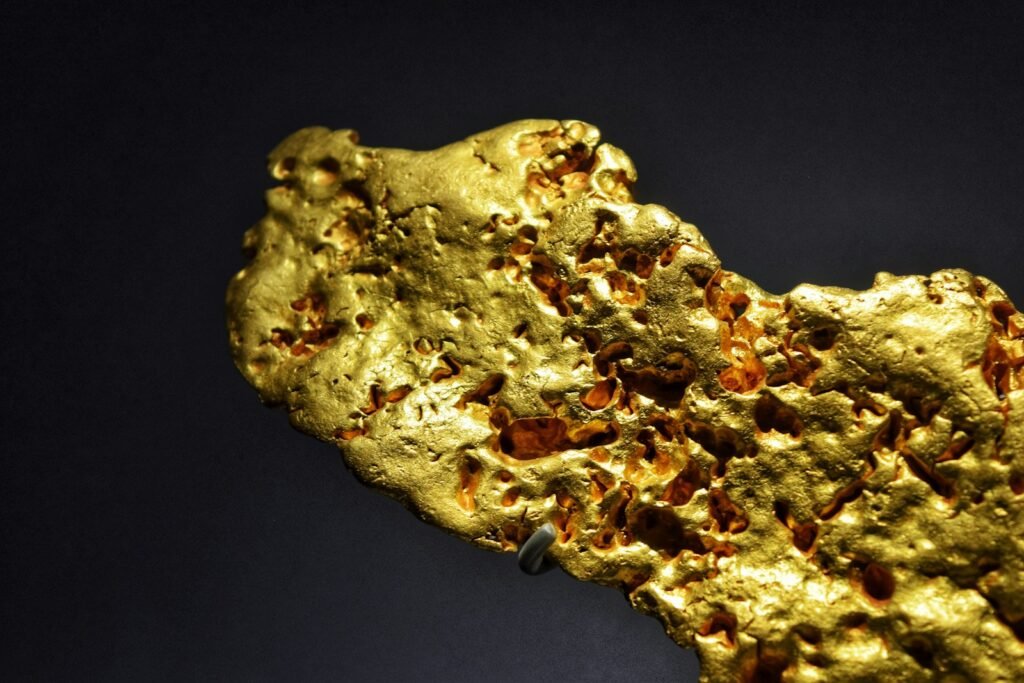
Once written off as pseudoscience, the ancient search for chrysopoeia the transmutation of metals into gold was But the impossible became reasonable with the arrival of nuclear physics. Unlike chemical reactions, which reorganize electrons, nuclear transmutation adds or subtracts protons, changing the very core of atoms. Scientists like Ernest Rutherford and Patrick Blackett accomplished artificial transmutation with particle accelerators in the 20th century, but gold stayed elusive outside of specialized laboratory environments.
Physicists pushed this further at the LHC. Lead nuclei accelerated to 99.999993% the speed of light generated electromagnetic fields so strong they could strip protons from lead atoms, transforming them into gold. When nuclei almost miss each other, a process known as electromagnetic dissociation takes place whereby photon interactions knock out protons. Thus, the outcome Before it broke into subatomic trash, a brief glance of gold 79 protons instead of lead’s.
A Microscopic Gold Rush: 86 Billion Atoms and Counting
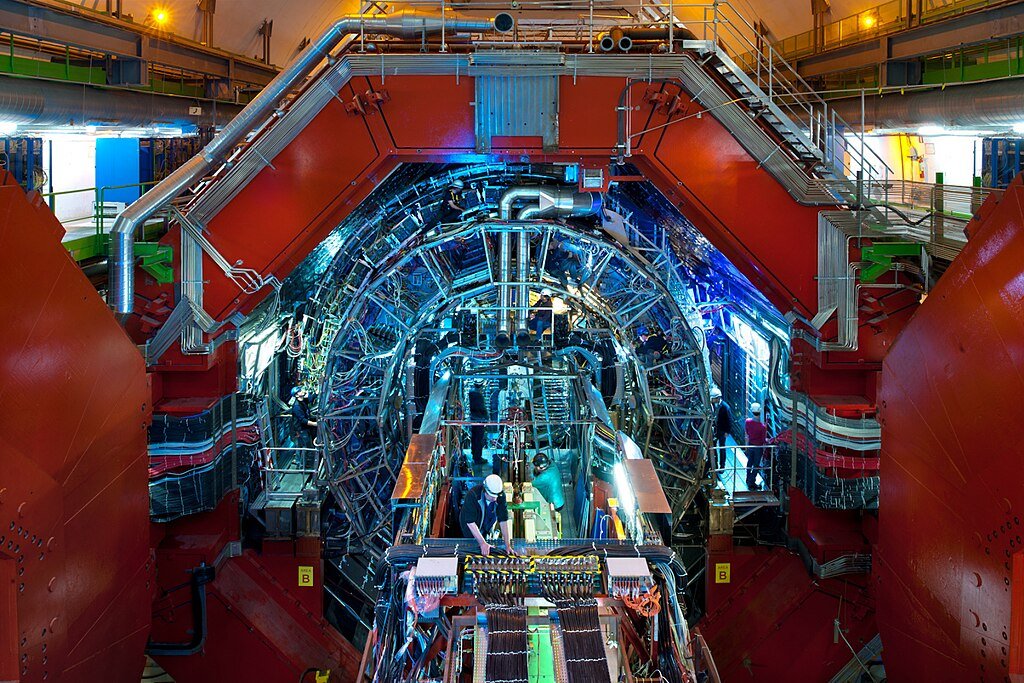
The ALICE detector recorded astonishingly high 86 billion gold nuclei during LHC’s Run 2 (2015–2018), but their total mass was just 29 picograms (0.000000000029 grams). Put another way, a single grain of sand weights roughly 50,000 times more.
From ultra-peripheral collisions, where lead ions passed near enough for their electromagnetic fields to interact but avoided direct impact, the gold emerged. Tracking these rare events, ALICE’s Zero Degree Calorimeters (ZDCs) identified gold from other byproducts including thallium and mercury. Although gold output peaked at 89,000 nuclei per second, the true victory of the LHC was precision: capturing a process once thought to be theoretical.
Why Gold Vanishes in a Microsecond
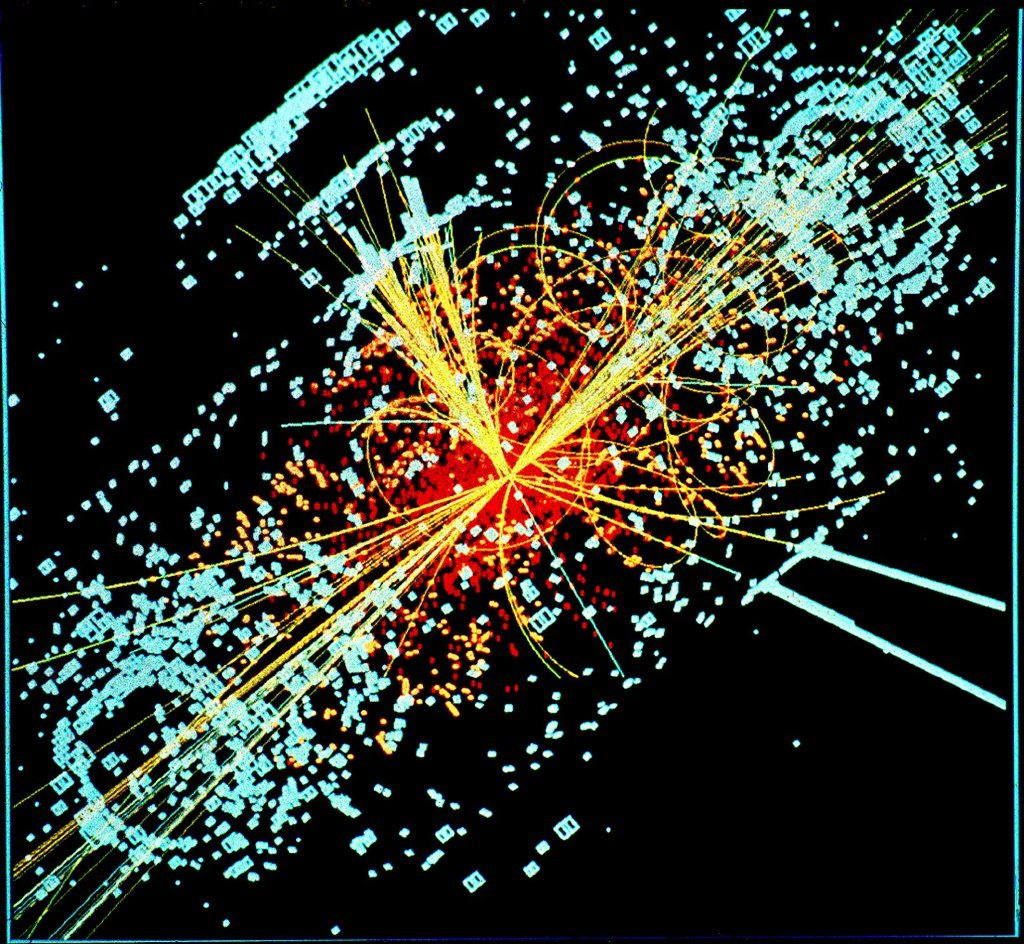
Gold’s fleeting presence in the LHC draws attention to a fundamental difficulty in nuclear physics: stability. The recently created gold nuclei, flying almost at light speed, either:
- Broken upon impact on the beam pipe, strewn in protons and neutrons.
- Decayed right away from their high energy state.
This instability mirrors cosmic processes, where heavy elements like gold are forged in supernovae or neutron star collisions only to be flung into space or absorbed by celestial bodies. The LHC essentially rebuilt a minuscule bit of stellar alchemy.
Beyond Gold: The Physics of Electromagnetic Dissociation
The experiment tested theoretical models of photonuclear interactions, not only about gold. These ultra-peripheral interactions replicate:
- Cosmic ray influence the atmospheric condition of Earth.
- Beam losses in particle accelerators, so restricting LHC capability.
Through bettering these models, researchers can design next colliders and even investigate nuclear waste transmutation with accelerators to neutralize radioactive isotopes.
ALICE’s Role in the 2025 Breakthrough Prize
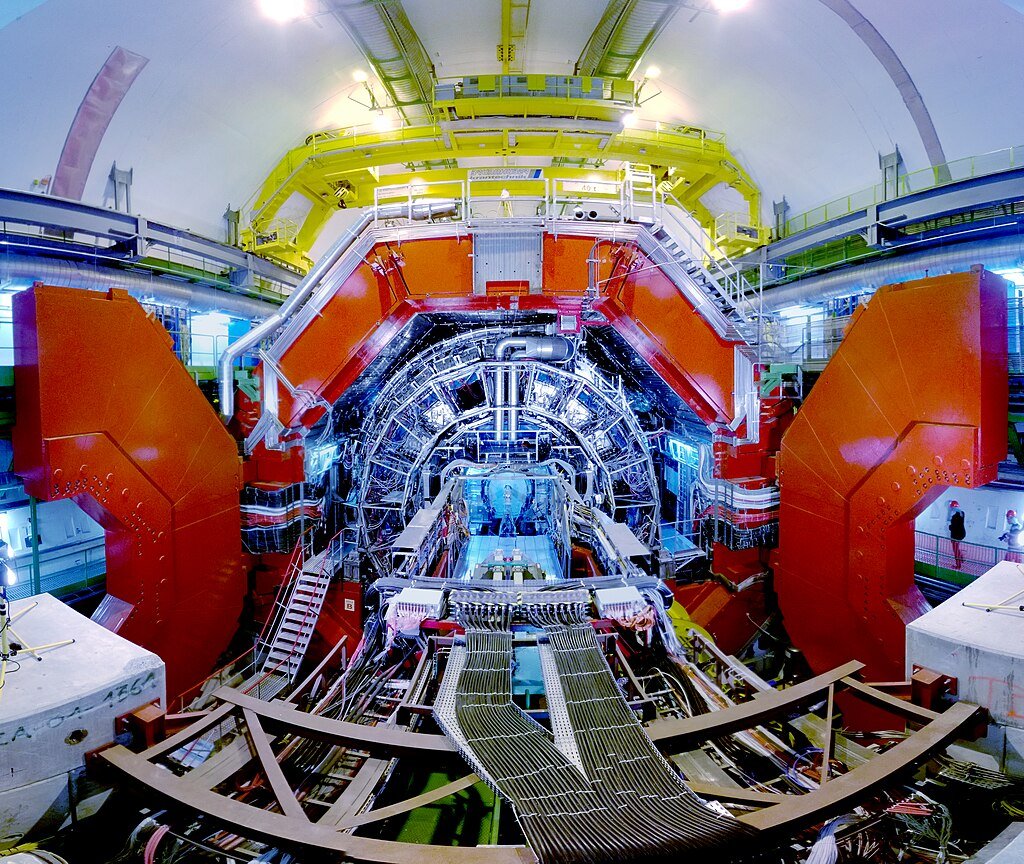
Shared with ATLAS, CMS, and LHCb, this finding helped ALICE earn its 2025 Breakthrough Prize in Fundamental Physics. The honors went to the collaborations for rare particle interactions, Higgs boson properties, and probing quark-gluon plasma. Though a footnote, ALICE’s gold synthesis demonstrated how well LHC could investigate “extreme matter” conditions similar to those of the early universe.
The Future: More Data, More Transmutations
With LHC’s Run 3 (2022–2025) doubling gold production and upgrades like ALICE 3 on horizon, the partnership seeks to investigate:
- Low-energy nuclear reactions toward more environmentally friendly transmutation.
- The part quark-gluon plasma plays in elemental synthesis.
As ALICE spokesman Marco van Leeuwen pointed out, the experiment’s dual sensitivity to both subtle nuclear shifts and chaotic head-on collisions makes it a special weapon for revealing the most fundamental secrets of physics.
Conclusion: Science’s Answer to Alchemy
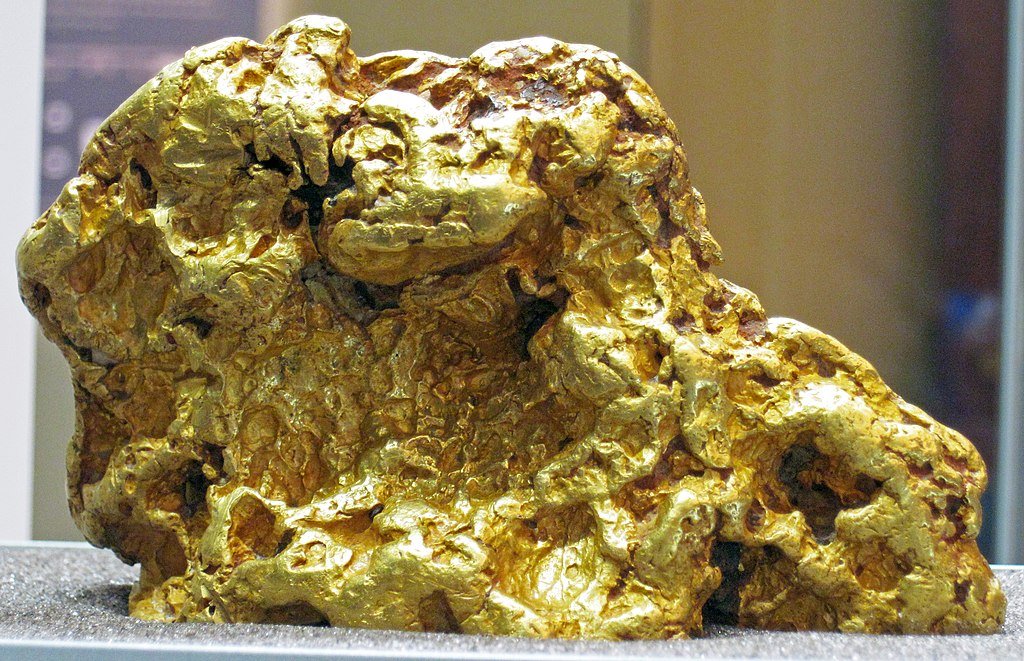
The lead-to-gold experiment of the LHC is a victory of inquiry over need. It changes our knowledge of the mutability of matter rather than flooding markets with bullion. Science has attained what alchemists only imagined transmutation, not for profit but for knowledge in a universe where stars create elements and particle colliders replicate those fires.
Sources:
Jan loves Wildlife and Animals and is one of the founders of Animals Around The Globe. He holds an MSc in Finance & Economics and is a passionate PADI Open Water Diver. His favorite animals are Mountain Gorillas, Tigers, and Great White Sharks. He lived in South Africa, Germany, the USA, Ireland, Italy, China, and Australia. Before AATG, Jan worked for Google, Axel Springer, BMW and others.