
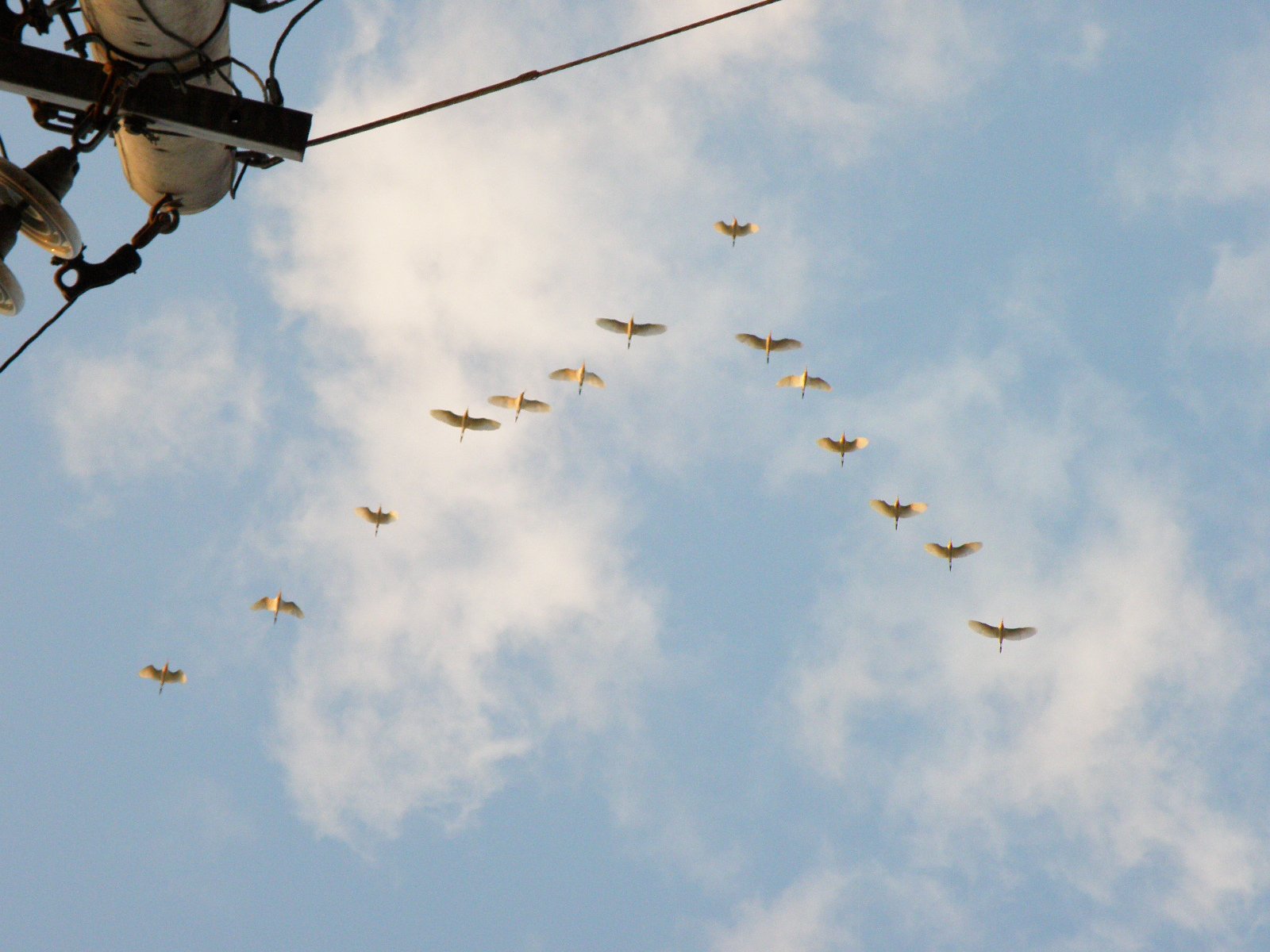
Imagine looking up on a crisp autumn afternoon and seeing a flock of geese soaring overhead in a perfect V. The formation is so striking, so mathematically precise, that it almost feels like nature is leaving us a secret message in the sky. But what’s really going on up there? Why do birds choose this remarkable pattern, and how does it help them cover thousands of miles without wearing out? The answer is a story of survival, science, and a dash of avian teamwork that will leave you marveling at what’s possible when nature gets creative.
The Mystery of the V Formation
For centuries, people have gazed up at migrating birds and wondered about their V-shaped flight. It’s not just a random pattern; it’s a deliberate, calculated move. Early scientists thought birds did this to keep an eye on each other or avoid bumping into wings. But as research has soared, it’s become clear this shape is all about efficiency and energy. Watching a flock in the sky is like seeing an intricate dance, choreographed for maximum gain and minimum loss.
How Air Moves Around Bird Wings

To understand the V, you need to know a bit about how air works. When a bird flaps its wings, it pushes air down and back, which lifts the bird up. But that movement also creates swirling air, called vortices, at the wingtips. These swirling currents can be a problem — they sap energy. But birds have figured out how to turn this challenge into an advantage by positioning themselves perfectly in the V.
Riding the Upwash: The Hidden Boost
Here’s where it gets clever: The bird at the front creates a swirling upwash of air right behind and to the side of its wings. The next bird positions itself at just the right spot to catch this upwash, getting a little lift for free. It’s like drafting behind a truck on the highway, but in the sky. Each bird in the V is essentially riding the slipstream of its neighbor, saving precious energy as they go.
The Leader Takes the Brunt
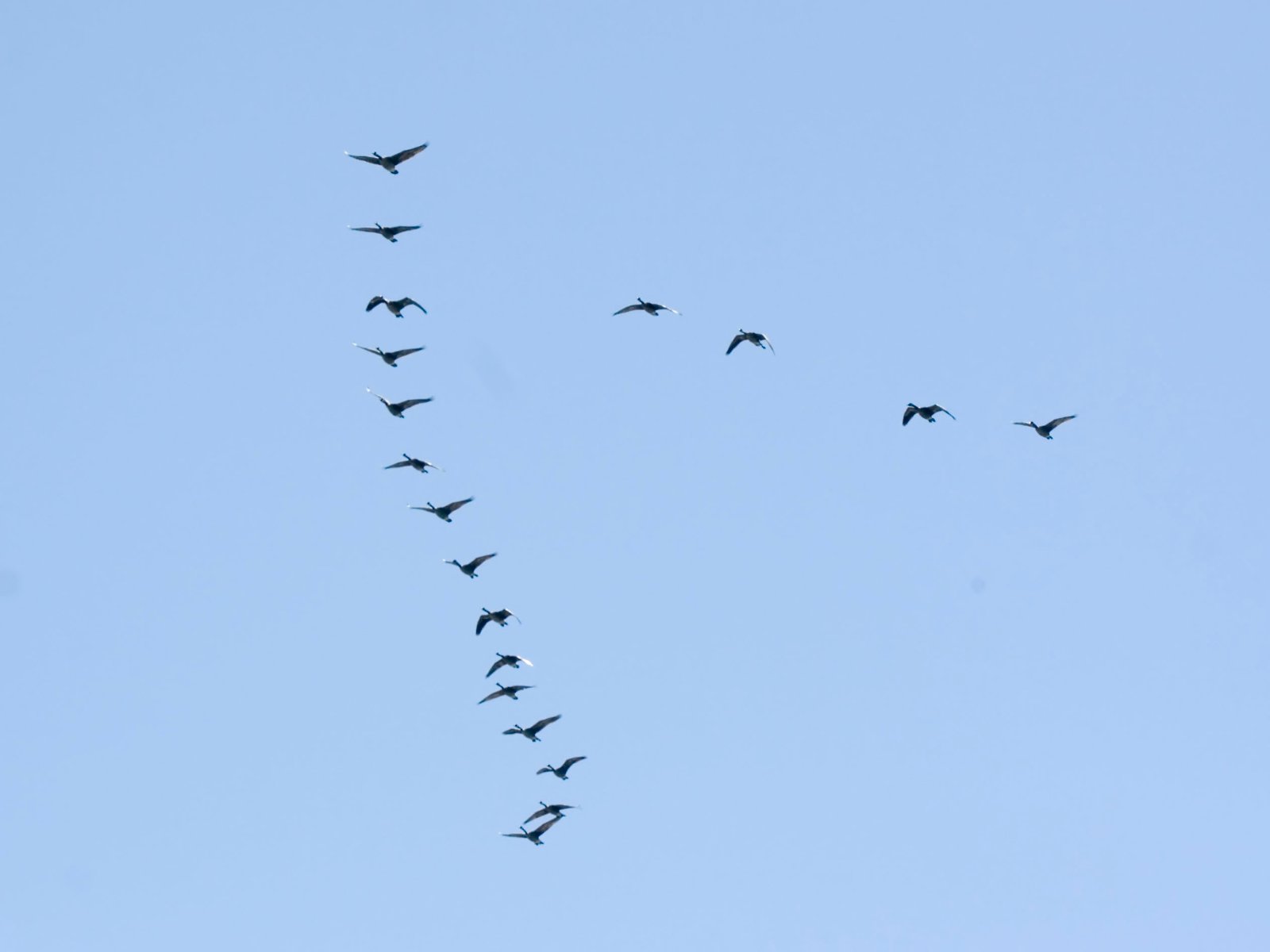
Being at the point of the V is tough work. The front bird doesn’t get any help from upwash — it’s plowing through the air, breaking the resistance for everyone else. That’s why birds take turns at the front. When one gets tired, another steps up, and the tired leader drops back to rest. This rotation keeps the whole flock moving efficiently, with no one bird burning out early.
Teamwork: The Secret Ingredient
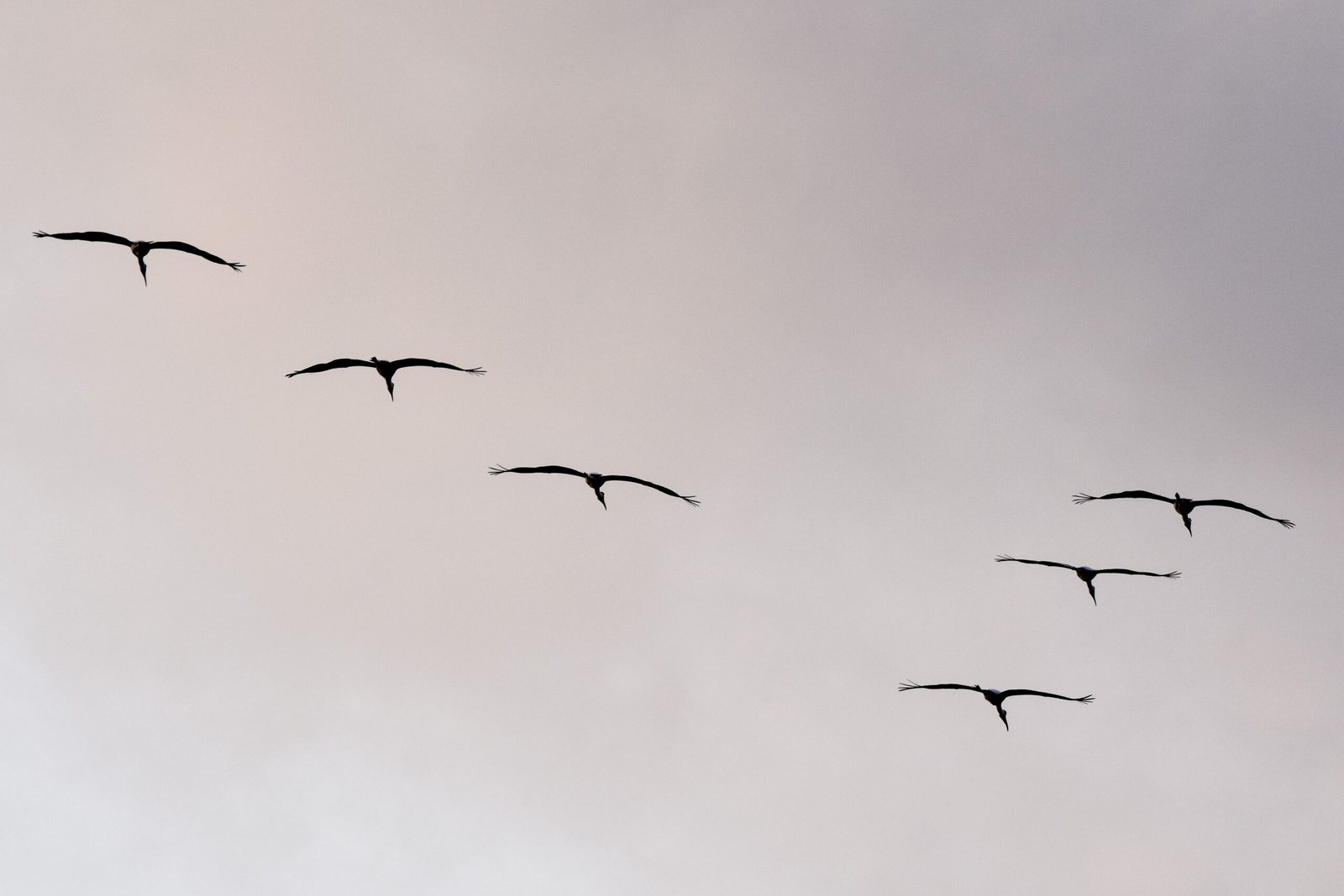
If you think birds are just following instinct, think again. Studies have shown that birds in a V formation communicate constantly. They adjust their positions by tiny amounts, keeping the perfect angle to maximize their lift. It’s a bit like a cycling team working together in a race — except these teammates have feathers and wings.
Energy Savings: The Science Behind the Numbers

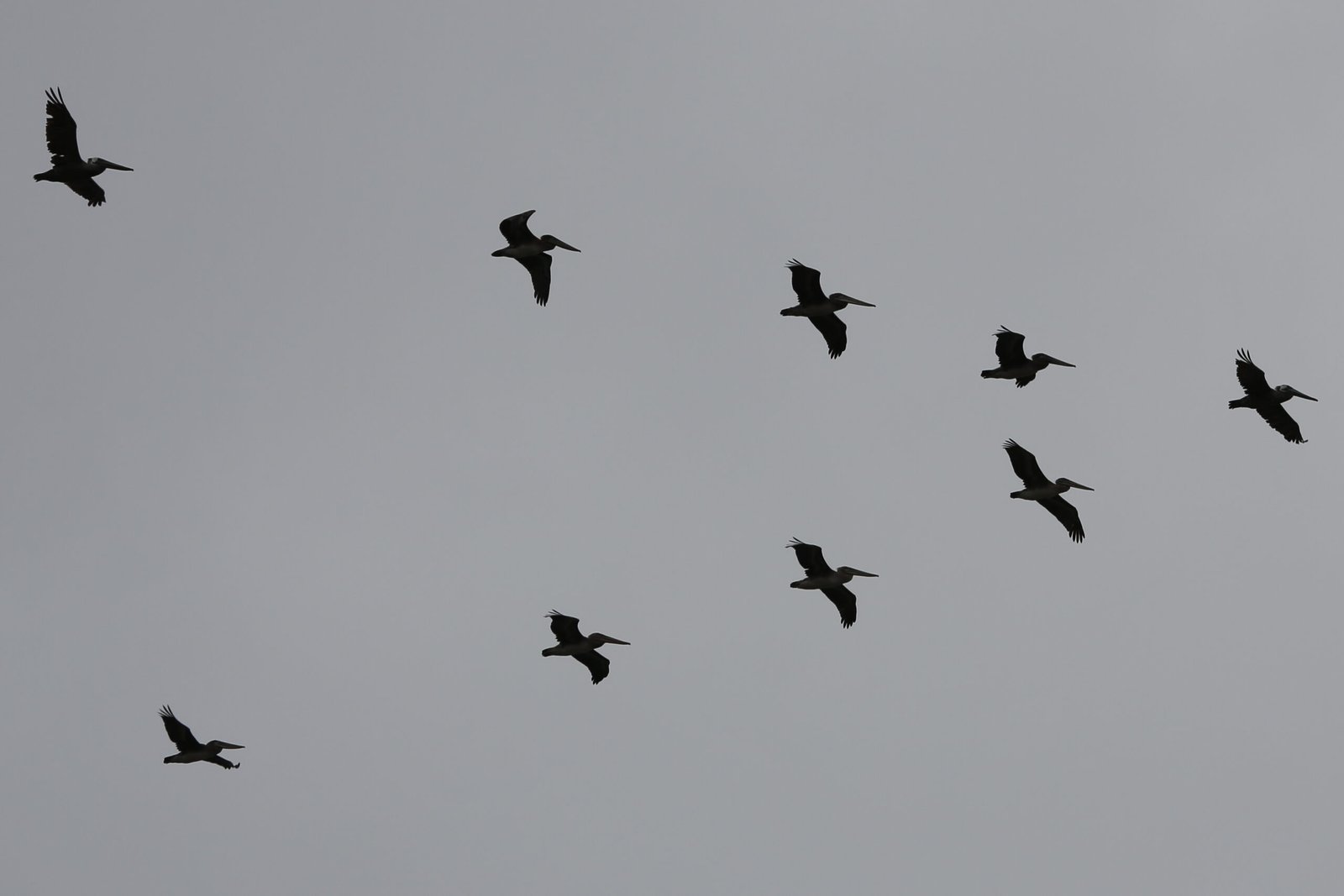
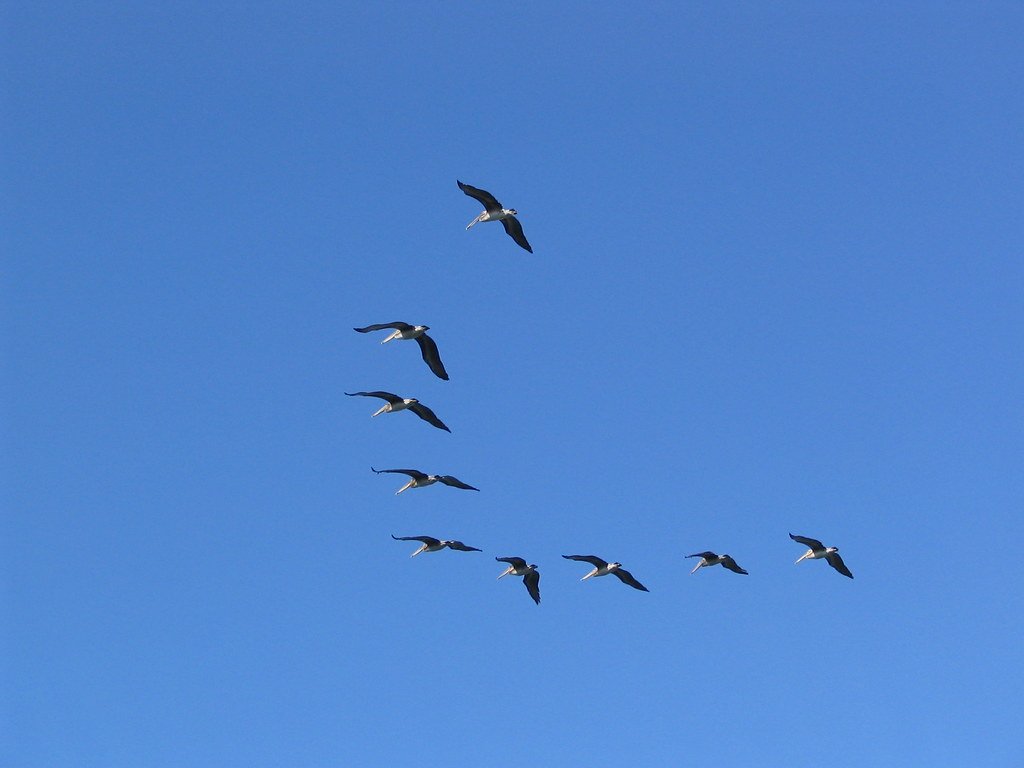
Scientists have crunched the numbers, and the results are impressive. Birds flying in a V can save up to 20–30% of their energy compared to flying solo. That’s the difference between making it across continents or falling short. In some experiments with pelicans, the birds’ heart rates dropped significantly when flying in formation, proving just how real the savings are.
The Mathematics of the Perfect Angle

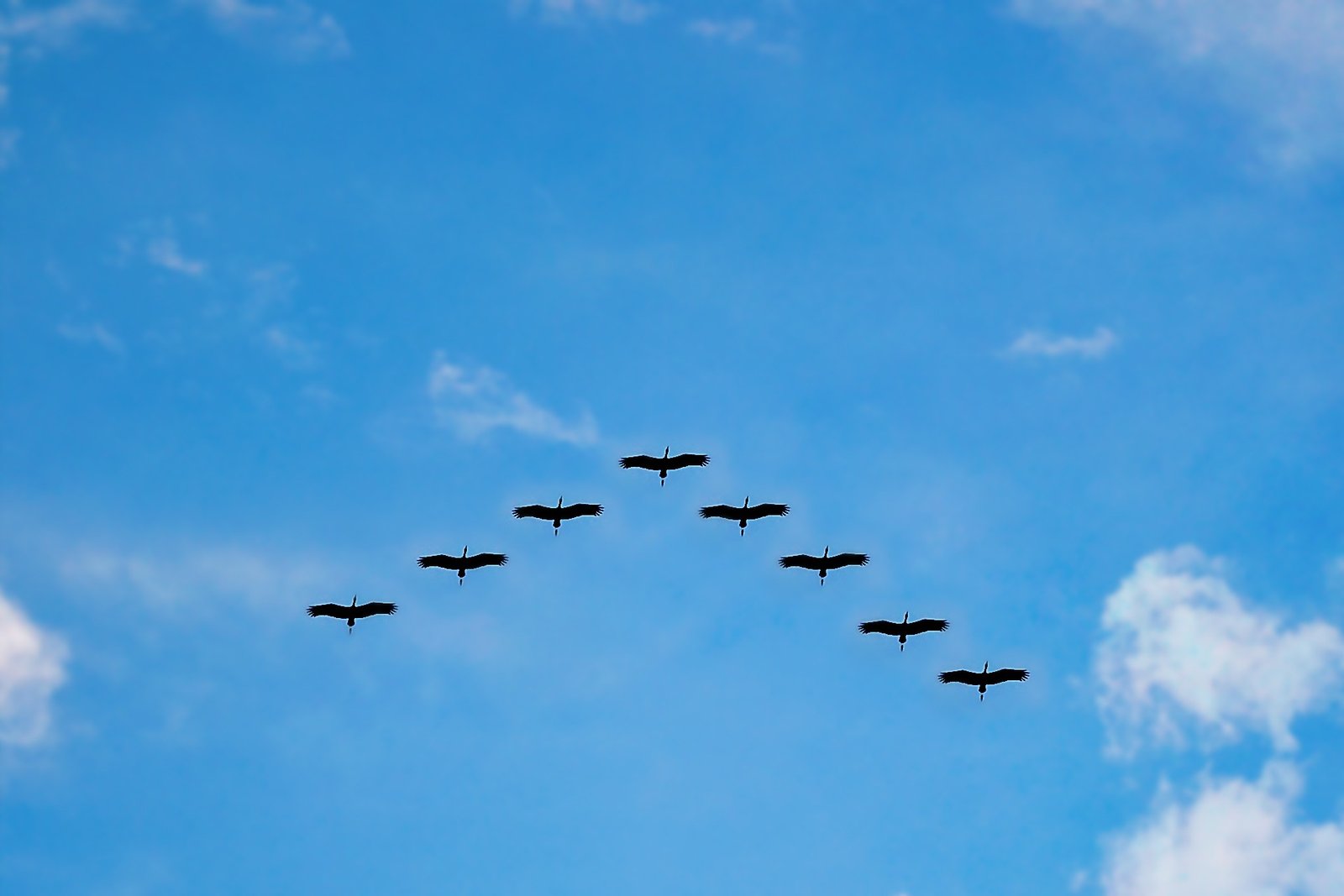
The classic V isn’t just any angle — it’s usually about 25 to 30 degrees between each bird. This angle isn’t random. It’s the sweet spot where each bird catches the most upwash from the one in front. Too close, and their wings would tangle; too far, and they’d miss the lift. Birds instinctively find this balance, no calculators needed.
Why Don’t All Birds Fly in a V?

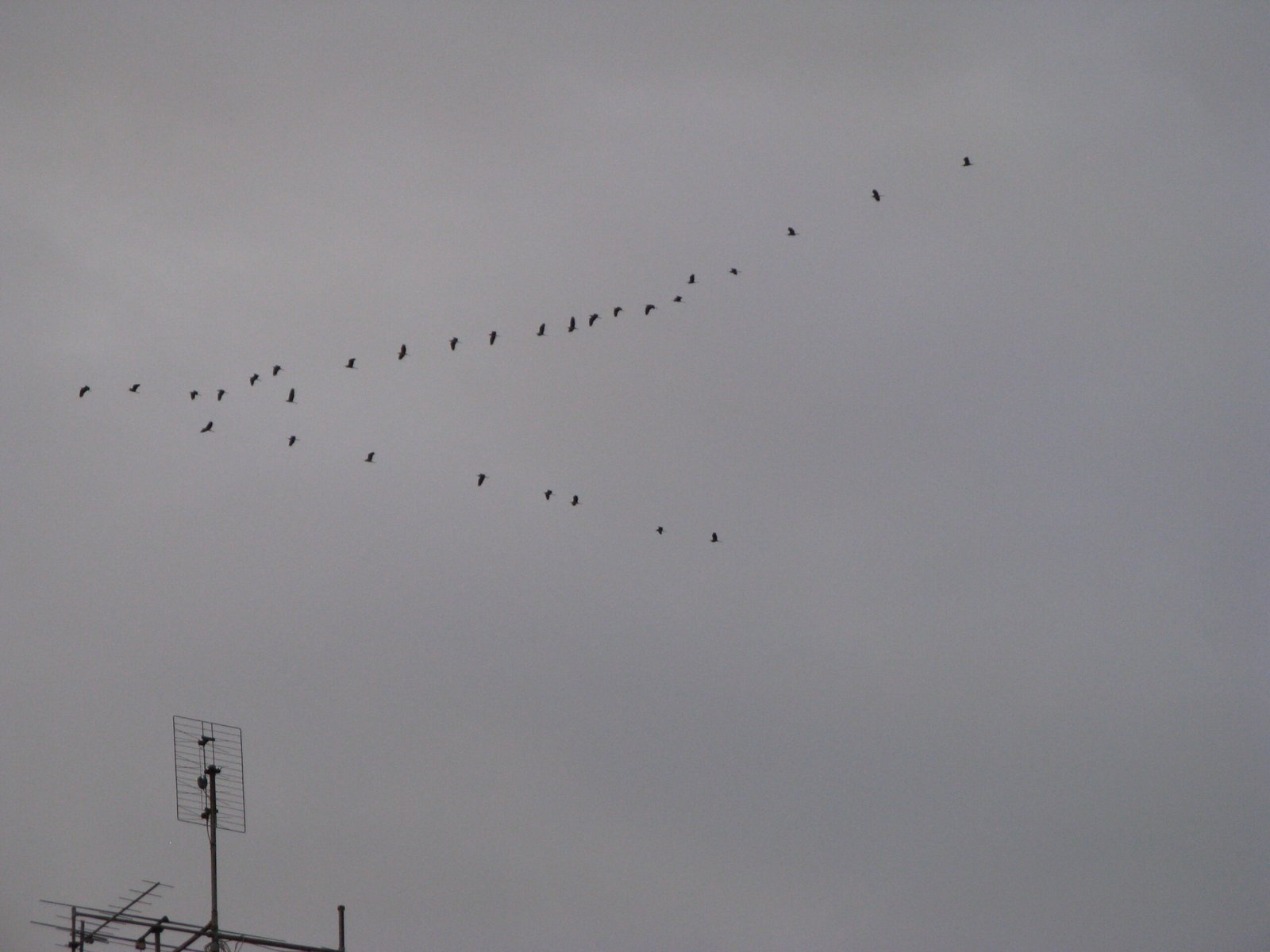
You might notice that not every bird species flies in this way. The V formation is mostly for larger, strong-flying birds like geese, pelicans, and cranes. Smaller birds, or those that dart and weave, don’t need such long-distance tricks. The V is a strategy for endurance flyers, not quick flappers.
What Happens When the Formation Breaks?

If a bird falls out of line or the V gets disrupted — maybe from wind or a sudden turn — the group quickly reforms. This isn’t just habit; it’s necessity. Any break in the chain means wasted energy and more work for everyone. So, birds hustle to get back into position, just like runners moving into a slipstream after losing pace.
Learning to Fly in the V
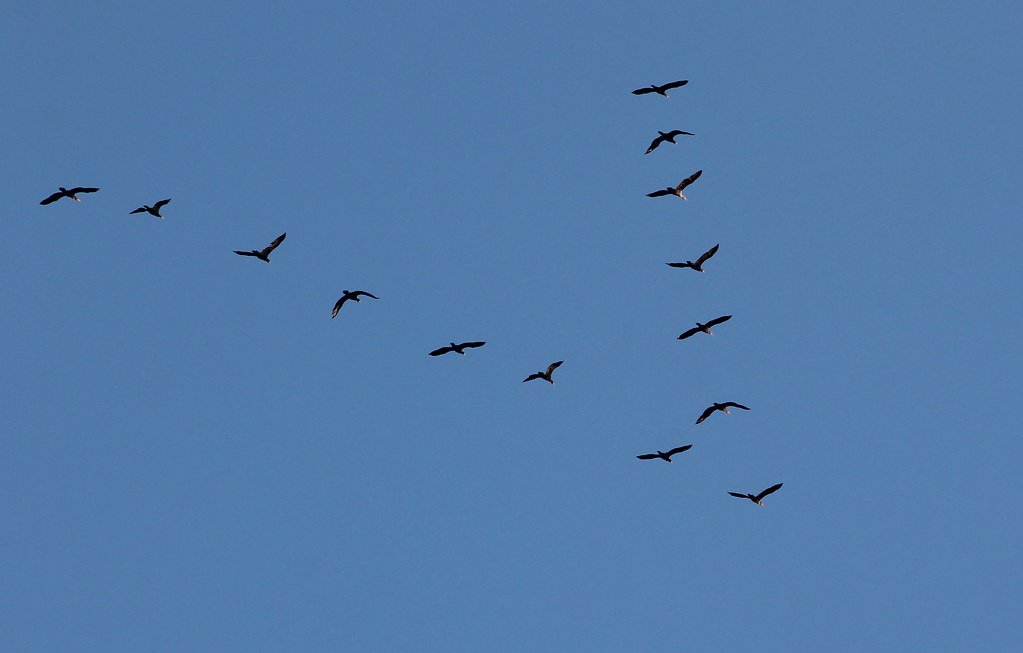
Young birds don’t hatch knowing how to fly in a V. They learn by watching their elders and practicing during their first migrations. There’s a lot of awkward zigzagging before they master the art. This learning curve is a reminder that even in the animal kingdom, teamwork and skill take time to develop.
V Formations in Other Parts of Nature
Birds aren’t the only ones to discover the magic of the V. You’ll see V-shaped patterns in fish schools and even in groups of cyclists during races. The same aerodynamic principles apply: by lining up just right, everyone gets a boost, and the group moves faster with less effort.
Inspired by Birds: Human Technology
Engineers and pilots have long looked to bird formations for ideas. Military jets sometimes fly in a V, called “echelon” formation, to save fuel and keep tight control. Scientists are even experimenting with drone swarms that mimic bird formations to fly farther and use less power.
Migratory Marvels: Record-Breaking Flights

Some bird migrations are nothing short of epic. Bar-headed geese cross the Himalayas, and Arctic terns travel from pole to pole. Without the V formation, these journeys would likely be impossible. The energy savings add up, allowing birds to make trips that would exhaust even the hardiest solo flyers.
The Role of Instinct and Intelligence
It’s tempting to chalk all this up to instinct, but evidence suggests birds are making conscious choices. They monitor their neighbors, adjust positions, and even recognize when it’s their turn to lead. It’s a blend of hardwired behavior and learned intelligence — a perfect marriage of nature and nurture.
Challenges in a Changing World

Climate change, habitat loss, and pollution are making migration harder for many birds. As their ancient routes shift and weather patterns grow unpredictable, the energy benefits of the V become even more vital. Flocks must work together to survive in a world that’s not as steady as it once was.
V Formation and Group Safety
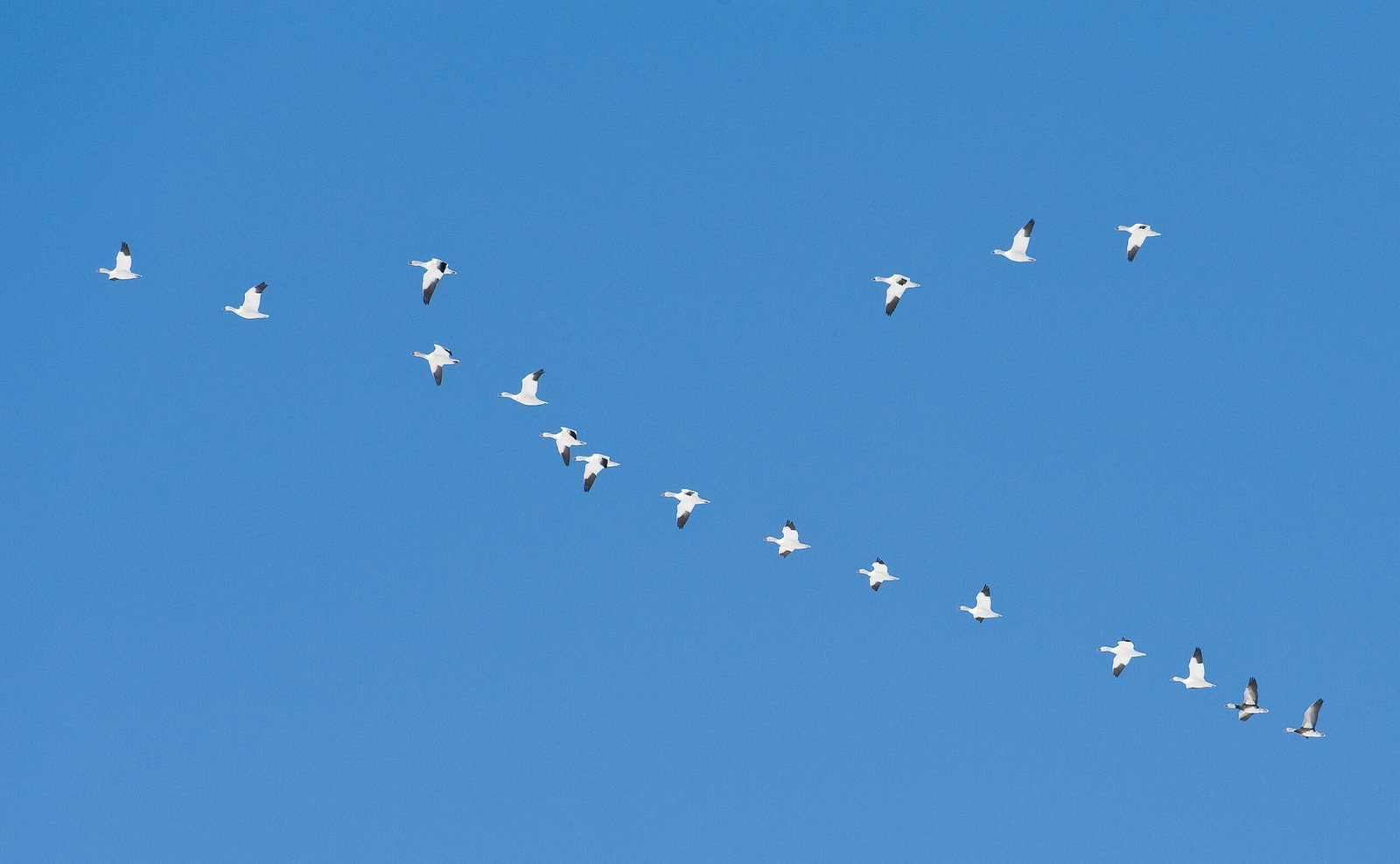
The V isn’t just about energy. It also helps birds keep track of each other and spot danger, like predators or obstacles. With a clear line of sight, the whole group can react quickly to threats. It’s a flying safety net, keeping every member just a wingbeat away from help.
Sound and Communication in the Flock

Birds flying in formation are rarely silent. They honk, squawk, and call out, keeping everyone in sync. These sounds aren’t just background noise — they’re vital signals, helping birds maintain formation and stay coordinated, especially in poor visibility or during night flights.
A Lesson From Nature’s Playbook

The V formation isn’t just a curiosity — it’s a masterclass in teamwork, efficiency, and adaptation. Birds have turned the sky into a place where math, physics, and biology meet in perfect harmony. Next time you look up and see that elegant shape, remember: it’s not just birds going somewhere. It’s nature’s best example of how a little cooperation can take you a very, very long way.