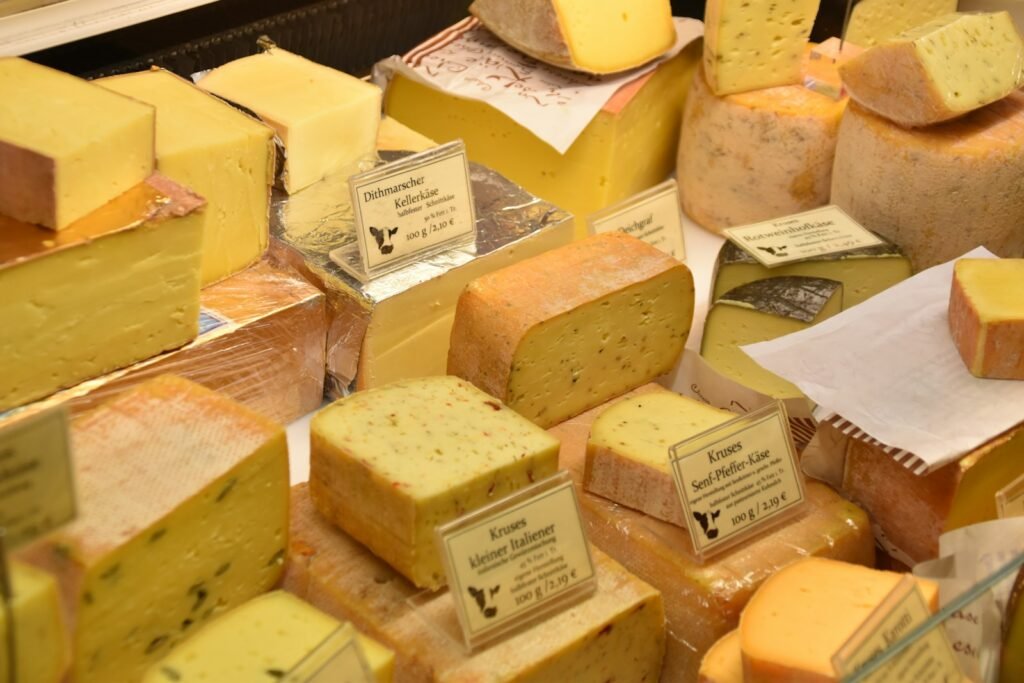
Picture this: you slice into a wedge of Swiss cheese, and those pale golden holes—so perfectly round, so mysterious—seem to wink at you from beneath the rind. For centuries, people have puzzled over these bubbles, inventing wild tales about mice, secret recipes, or even tiny cheese elves. But the real story is far more fascinating, woven from the invisible world of European microbes and the passion of generations of cheesemakers. Dive in, and let’s explore the magic that turns simple milk into a bubbling icon of flavor and tradition.
The Birth of a Cheese Legend in the Swiss Alps

The story of Swiss cheese begins high in the Alpine meadows, where cows graze on wildflowers and herbs, infusing their milk with a richness you can almost taste in the air. For centuries, Swiss farmers would gather this milk and transform it into wheels of cheese, a way to preserve their bounty for the winter months. The unique climate, altitude, and flora of the Alps set the stage for a cheese unlike any other in the world. Even today, the region’s traditions and natural beauty are inseparable from the taste and texture of Swiss cheese.
The Curious Case of the Cheese Holes
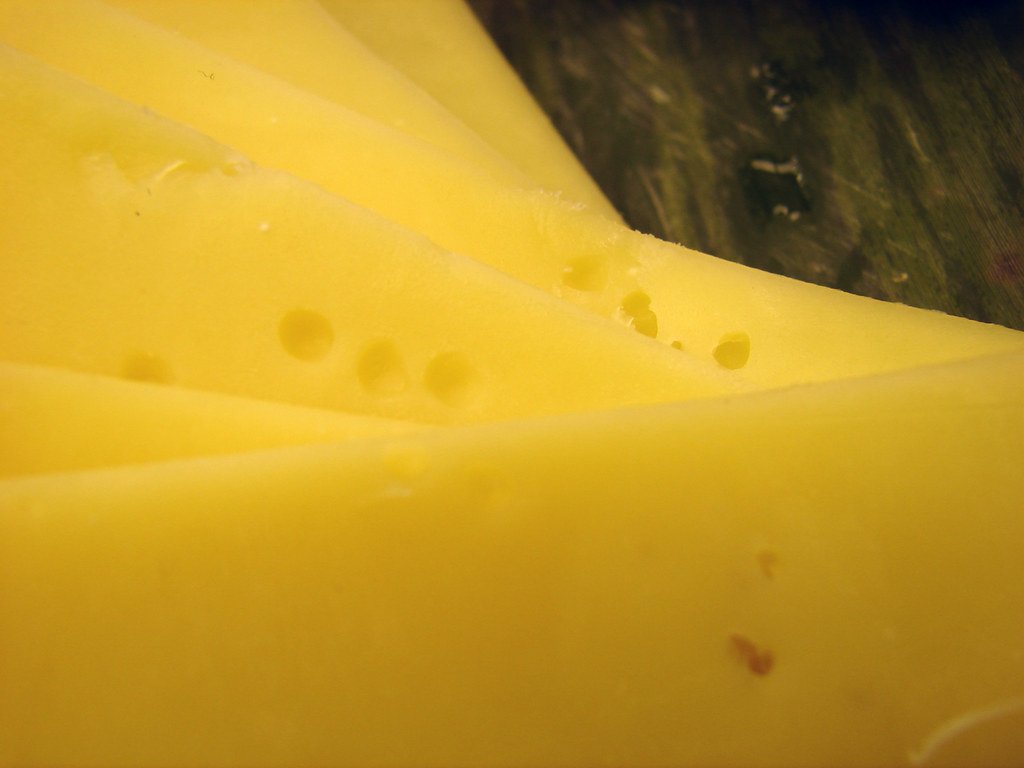
Those famous holes—called “eyes” by cheesemakers—aren’t just for decoration. They’re the fingerprints of the cheese’s microbial inhabitants, each one a tiny bubble of gas trapped as the cheese matures. For years, scientists and cheese lovers alike wondered why some Swiss cheeses had more holes than others, or why they sometimes vanished altogether. It wasn’t until modern research shone a light on the microbes behind the scenes that the full story emerged.
Meet the Microbial Cast: Propionibacterium freudenreichii

At the heart of Swiss cheese’s transformation is a remarkable bacterium called Propionibacterium freudenreichii. These tiny organisms thrive in the warm, humid caves where cheese wheels are aged, happily feasting on the lactic acid left behind by other bacteria. In the process, they produce carbon dioxide gas, which forms bubbles as it tries to escape the dense cheese. Without these microbes, Swiss cheese would be flat, flavorless, and missing its signature character.
The Dance of Fermentation: How Bubbles Are Born

Fermentation is like a slow-motion dance, choreographed by microbes that turn milk’s sugars and proteins into a symphony of flavors and textures. First, starter cultures such as Lactococcus and Streptococcus convert lactose into lactic acid, lowering the pH and setting the stage for the next act. Then, Propionibacterium steps in, digesting the lactic acid and releasing carbon dioxide. The bubbles form slowly, creating the eyes that give Swiss cheese its playful look and airy, elastic texture.
A Symphony of Flavors: The Role of Microbes

But the magic doesn’t stop with bubbles. As Propionibacterium and its microbial companions work their way through the cheese, they release a bouquet of aromatic compounds—nutty, sweet, and just a little bit funky. It’s an ever-changing balance, where each microbe brings its own note to the mix. These flavors are impossible to replicate with artificial additives alone; they’re the living legacy of the cheese’s microbial community.
European Terroir: The Taste of Place
Just like wine, cheese is a product of its terroir—the unique combination of soil, water, climate, and tradition. Swiss cheese owes its identity to the cows’ diet of Alpine grass, the pure mountain air, and the age-old practices handed down through generations. Even the specific strains of bacteria and molds in a cheesemaker’s cellar can influence the final flavor, making each wheel a unique expression of its environment.
Traditional Techniques: Wooden Vats and Aging Caves

Many Swiss cheesemakers still use wooden vats and natural caves to craft their cheese, resisting the lure of modern stainless steel. The porous wood harbors friendly bacteria that help jumpstart fermentation and add depth to the flavor. Aging caves, often carved into the mountainside, maintain the perfect temperature and humidity for the cheese to mature slowly, allowing the microbes to work their magic over months or even years.
The Evolution of Swiss Cheese: From Emmental to Gruyère

Swiss cheese isn’t just one thing—it’s a family of cheeses, each with its own personality. Emmental is the classic “holey” cheese, with eyes the size of cherries and a mild, nutty flavor. Gruyère, on the other hand, is denser and creamier, with smaller holes and a deeper, more complex taste. Both owe their unique textures and flavors to the subtle interplay of microbial cultures and traditional techniques.
Modern Mysteries: Why Fewer Holes Today?

You might have noticed that some modern Swiss cheeses seem to have fewer holes than those from decades past. Recent research suggests that this isn’t just a matter of luck—it’s linked to the cleanliness of today’s milk. In the past, tiny particles of hay or dust in the milk gave the carbon dioxide bubbles a place to form. With ultra-clean production methods, there are fewer “nucleation sites,” so the bubbles don’t get trapped as easily, and the cheese ends up with smaller or fewer eyes.
The Art and Science of Cheese Tasting

Tasting Swiss cheese is more than just a snack—it’s a journey through time, tradition, and biology. Each bite reveals layers of flavor, from the sweet creaminess of the milk to the earthy tang of fermentation. Close your eyes and you might taste the wildflowers of the Alpine meadows or the musty coolness of an aging cave. Cheese experts train for years to identify subtle notes and textures, but anyone can appreciate the complexity that comes from this microbial masterpiece.
Nutrition and Health: More Than Just a Treat

Swiss cheese isn’t just delicious—it also offers a host of nutritional benefits. It’s rich in protein, calcium, and vitamins, supporting strong bones and muscles. Some studies even suggest that the live cultures in traditionally made Swiss cheese may promote gut health, though more research is needed. Of course, like any indulgence, it’s best enjoyed in moderation, but its wholesome ingredients have fueled Alpine communities for generations.
Cheese and Culture: A Symbol of Swiss Heritage

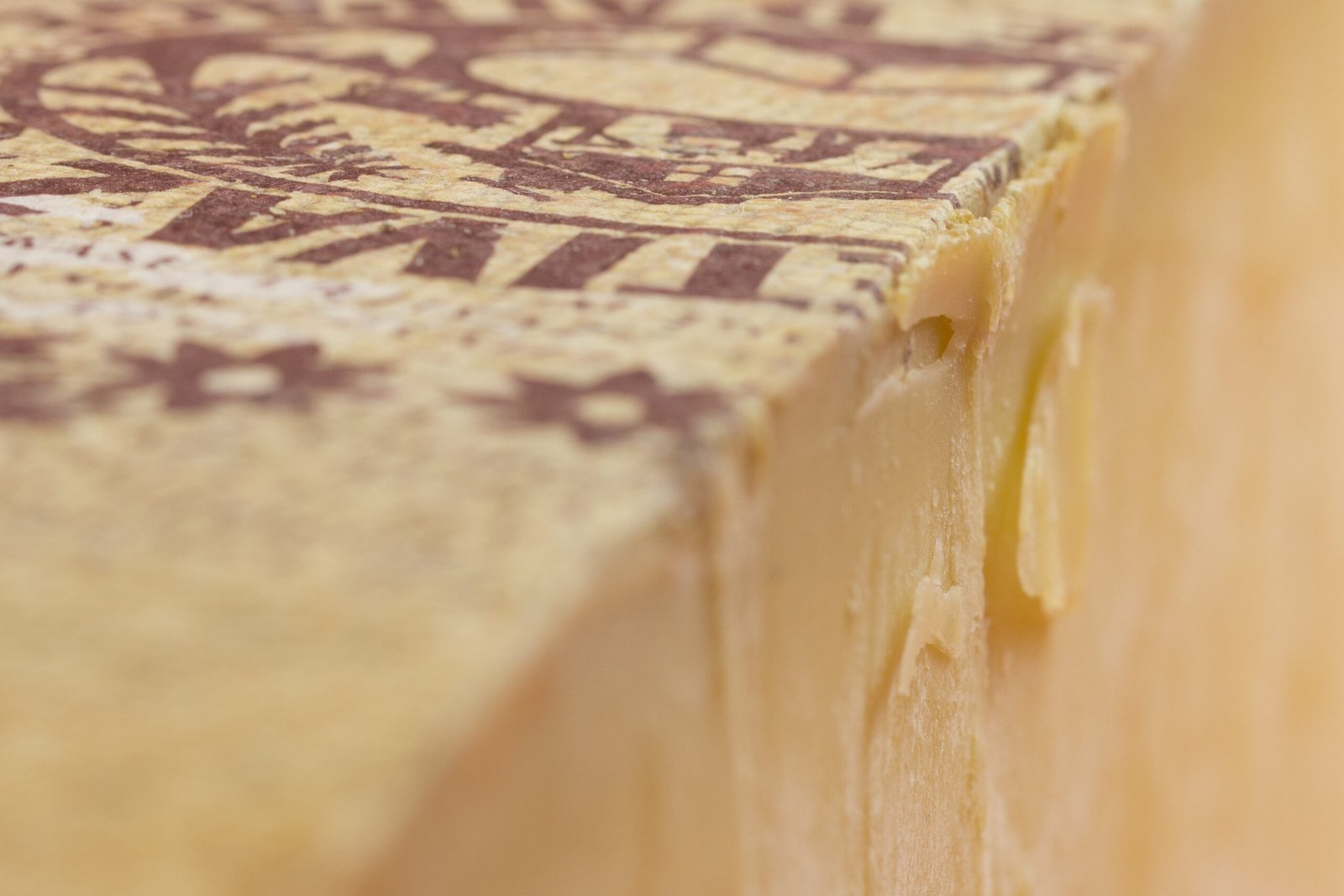
For many Swiss people, cheese is more than a food—it’s a symbol of national identity and pride. Festivals celebrate the first wheels of the season, and cheesemaking is a cherished family tradition. Even the shapes and markings on the cheese can tell you where it was made and by whom. In a world of mass production, Swiss cheese remains a testament to the power of craft, patience, and respect for nature.
Microbial Diversity: The Invisible Artists

The world of cheese is a playground for microbes, each strain leaving its own fingerprint on the final product. Scientists continue to discover new bacteria and yeasts in traditional cheese cellars, many of which are found nowhere else on Earth. This microbial diversity not only drives flavor but also protects the cheese from spoilage and disease. It’s a delicate balance, maintained by careful stewardship and a little bit of luck.
Global Influence: Swiss Cheese Goes Abroad

Swiss cheese’s reputation has spread far beyond the Alps, inspiring cheesemakers on every continent. Whether it’s American “Swiss,” French Comté, or even cheeses in Japan and Australia, the techniques and microbes that make Swiss cheese unique have been adopted and adapted worldwide. Despite these variations, the heart of the process remains the same: a dance between milk, microbes, and time.
Cheesemaking in the Age of Science

Today, cheesemakers blend tradition with cutting-edge science, using DNA analysis to track microbial populations and fine-tune their recipes. This fusion has led to new varieties and improved consistency, while still honoring the essence of what makes Swiss cheese special. Yet, many experts agree that true magic happens when nature is allowed to take the lead, guided by the wisdom of generations.
Challenges and Innovations in the Cheese World

Modern Swiss cheesemakers face new challenges, from changing climate patterns to shifting consumer tastes. Some are experimenting with different breeds of cows or new aging techniques to adapt, while others double down on tradition. Innovations like environmentally friendly packaging or plant-based rennets are also gaining traction, reflecting a growing awareness of both sustainability and health.
Fun Facts: Swiss Cheese Trivia to Amaze Your Friends

Did you know that the largest wheel of Emmental ever made weighed over 1,200 kilograms? Or that cheese holes were once considered a flaw, leading some producers to press them out by hand? In Switzerland, a special cheese called “Sbrinz” is so hard it’s often eaten as a snack rather than sliced. These quirky details remind us that cheese is as much about culture and history as it is about science.
How to Enjoy Swiss Cheese at Its Best
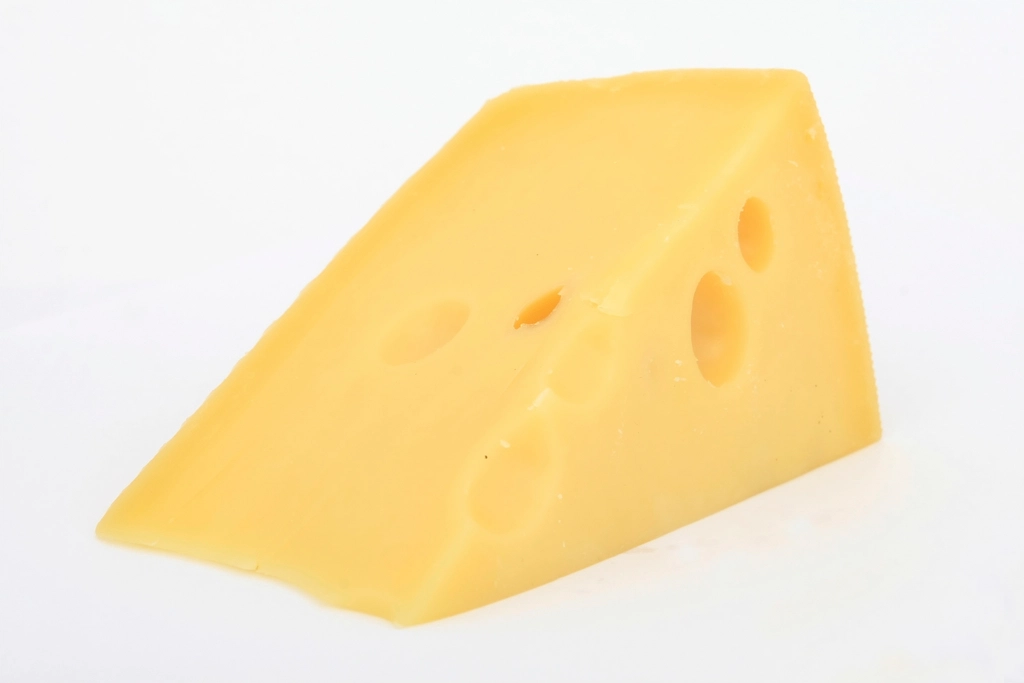
Swiss cheese shines in everything from classic fondue to a simple sandwich. For the purest experience, try it at room temperature, paired with fresh bread, crisp apples, or a glass of white wine. Let the texture melt on your tongue and notice how the flavors change with every bite. Whether you’re an adventurous foodie or just curious, there’s a world of discovery in every slice.
Home Cheesemaking: Bringing Swiss Traditions to Your Kitchen
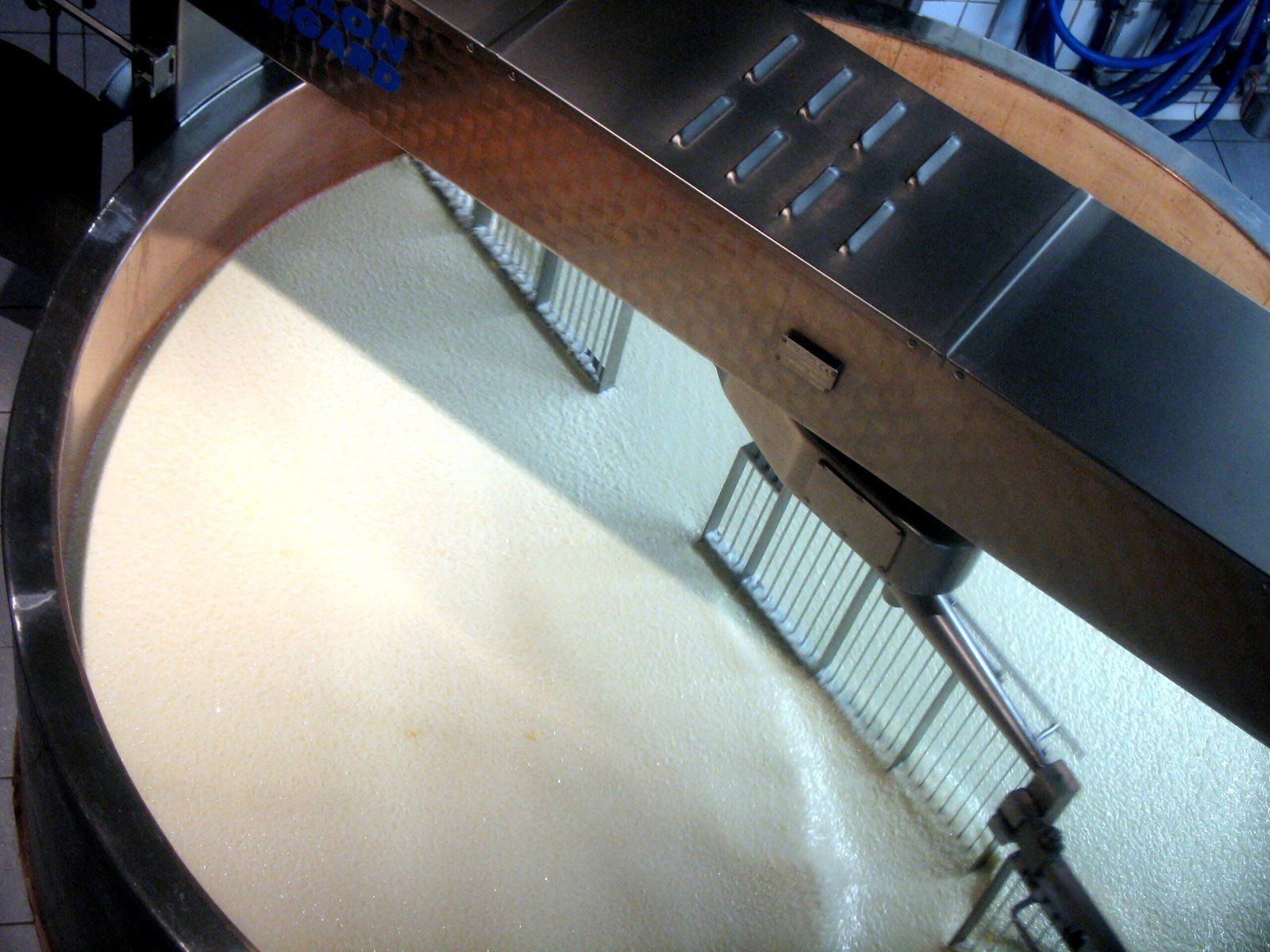
If you’re feeling brave, you can even try making Swiss-style cheese at home. All you need is fresh milk, a few special cultures, and a lot of patience. The process is part science experiment, part art project, and entirely rewarding. Watching those first tiny holes appear in your own wheel is a moment of pure delight—a connection to centuries of cheesemakers and the microbes that make it all possible.
Looking Ahead: The Future of Swiss Cheese

As we look to the future, Swiss cheese continues to evolve, shaped by new discoveries and enduring traditions. Researchers are exploring how climate change will affect Alpine pastures, while artisans experiment with new flavors and textures. Yet at its core, the magic of Swiss cheese bubbles on—an enduring symbol of the invisible partnerships that create some of the world’s most unforgettable flavors.