Florida’s sandy beaches and bustling theme parks hide one of the most remarkable fossil records on Earth. Beneath the Sunshine State’s modern landscape lies a treasure trove of ancient life that has rewritten our understanding of prehistoric North America. From massive marine reptiles to early mammals, Florida’s fossil discoveries have consistently shocked paleontologists and revealed stories of a world that existed millions of years before humans walked the planet. These aren’t just scattered bones in the dirt – they’re complete chapters of Earth’s history that have fundamentally changed how we view the ancient past.
The Shocking Discovery of Massive Marine Reptiles in Central Florida

In 1998, construction workers digging near Gainesville stumbled upon something extraordinary – the complete skeleton of a 40-foot marine reptile that lived 95 million years ago. This wasn’t just any fossil; it was one of the most complete mosasaur specimens ever found, revealing that Florida was once covered by a warm, shallow sea teeming with predators. The discovery shattered the previous belief that these massive marine lizards were limited to the western United States. Scientists realized that Florida’s ancient seas were hunting grounds for some of the most fearsome predators ever to swim the oceans. The specimen, now known as the “Gainesville Giant,” showed bite marks from other marine reptiles, painting a picture of an underwater battlefield where titans clashed in prehistoric waters.
When Florida Was Home to Giant Ground Sloths

The first evidence that Florida hosted massive ground sloths came from a surprising source – a sinkhole in Alachua County that revealed bones the size of tree trunks. These weren’t the small, tree-dwelling sloths we know today, but massive creatures that stood over 10 feet tall and weighed as much as a small car. The discovery in the 1970s completely changed our understanding of Ice Age Florida, showing it wasn’t the tropical paradise we imagined but a diverse ecosystem supporting megafauna. These giant sloths, called Eremotherium, had claws longer than baseball bats and could strip entire trees of their leaves. The fossil evidence revealed that Florida was a crossroads where North and South American species met and thrived together during the Great American Biotic Interchange.
The Bone Valley Formation Reveals an Ancient Shark Paradise

Florida’s phosphate mines in the Bone Valley Formation have yielded more shark teeth than anywhere else on Earth, but the real shock came when scientists realized what these fossils were telling us. The sheer diversity of shark species – over 100 different types – revealed that 15 million years ago, Florida was completely submerged under a shark-infested sea that made today’s oceans look tame. Among the finds were teeth from Carcharocles megalodon, the legendary giant shark, but also dozens of species never seen before. The discovery showed that Florida’s ancient seas were a evolutionary laboratory where sharks experimented with bizarre body plans and hunting strategies. Some species had teeth shaped like can openers, others had jaws that could crush turtle shells, and a few had teeth so small they likely fed on plankton like modern whale sharks.
Ancient Horses That Rewrote Evolutionary History
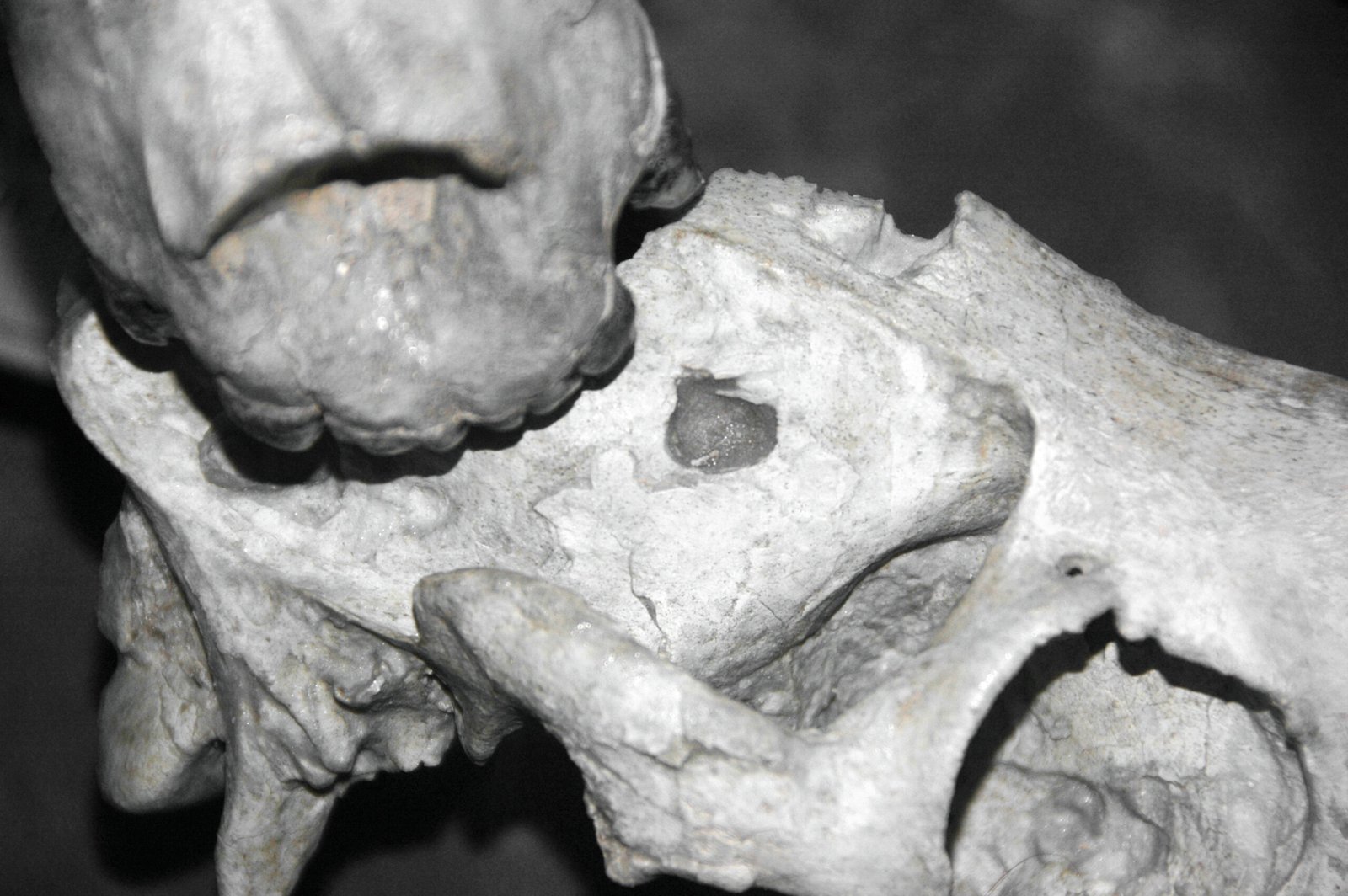
The Thomas Farm fossil site in Gilchrist County delivered one of paleontology’s biggest surprises when it revealed that Florida was home to some of the earliest horse ancestors in North America. These weren’t the magnificent stallions we know today, but tiny, multi-toed creatures no bigger than house cats that lived 18 million years ago. The discovery of Parahippus, a three-toed horse ancestor, showed that Florida played a crucial role in horse evolution, serving as a stepping stone between the primitive forest horses and the modern plains runners. What made this discovery truly shocking was the preservation – scientists found complete skeletons with soft tissue impressions, revealing that these ancient horses had striped patterns like zebras. The fossils showed that Florida’s ancient landscape was a mosaic of forests and grasslands that drove the evolution of one of humanity’s most important animal partners.
The Surprising World of Florida’s Ancient Elephants
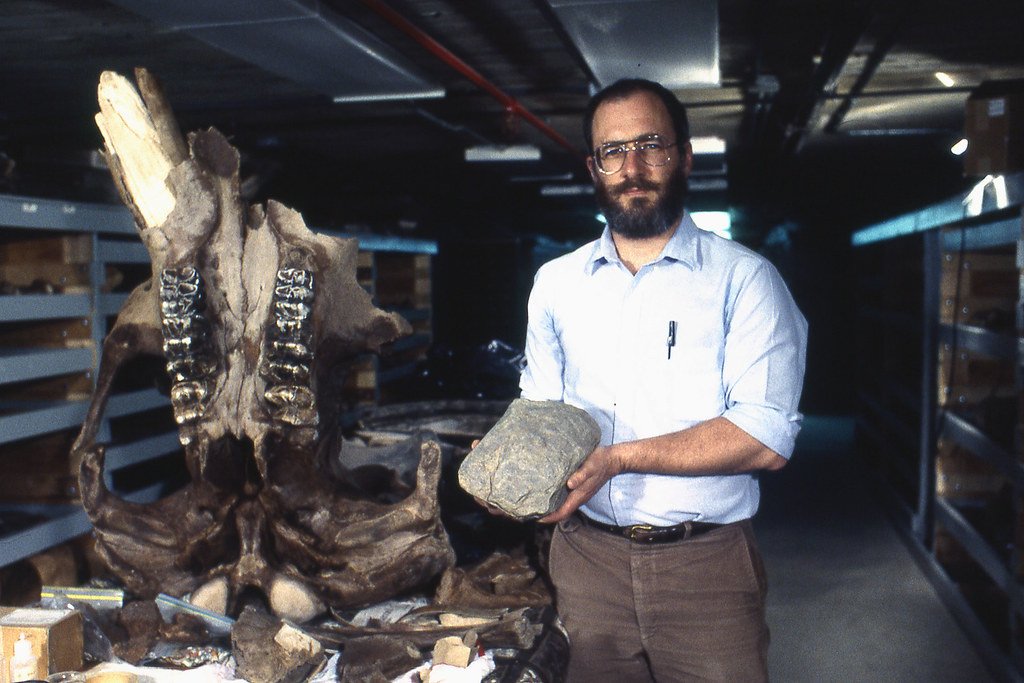
When the first mastodon bones were discovered in the Peace River in the 1960s, scientists expected to find typical Ice Age megafauna. Instead, they uncovered evidence of a unique Florida species that had adapted to the state’s unique environment in remarkable ways. These Florida mastodons were smaller than their northern cousins but had longer, more curved tusks that seemed designed for stripping bark from cypress trees. The discovery revealed that Florida’s ancient elephant population had evolved in isolation, developing traits found nowhere else in North America. Fossil evidence showed that these elephants lived in massive herds that migrated between coastal areas and inland forests, following seasonal food sources. The most shocking revelation came from coprolite analysis, which showed these ancient elephants had a diet that included seaweed and salt marsh plants, making them the only known semi-aquatic elephants in Earth’s history.
Revolutionary Discoveries in Florida’s Underwater Cave Systems

Florida’s underwater cave systems have preserved fossils in ways that seem almost impossible, creating time capsules that have revolutionized our understanding of ancient life. The discovery of complete skeletons in caves like Devil’s Den and Blue Spring revealed that Florida’s ancient landscape was dotted with massive sinkholes that trapped animals during droughts. These weren’t just random casualties – the caves preserved entire ecosystems, showing predator-prey relationships and migration patterns with unprecedented detail. Scientists found evidence of pack hunting behavior in dire wolves, family groups of ground sloths, and even ancient human artifacts alongside extinct megafauna. The most remarkable discovery was a cave system that contained fossils spanning 50,000 years, creating a timeline of environmental change that showed how Florida’s climate shifted from wet to dry and back again.
The Bone Bed That Revealed Florida’s Ancient Rainforest
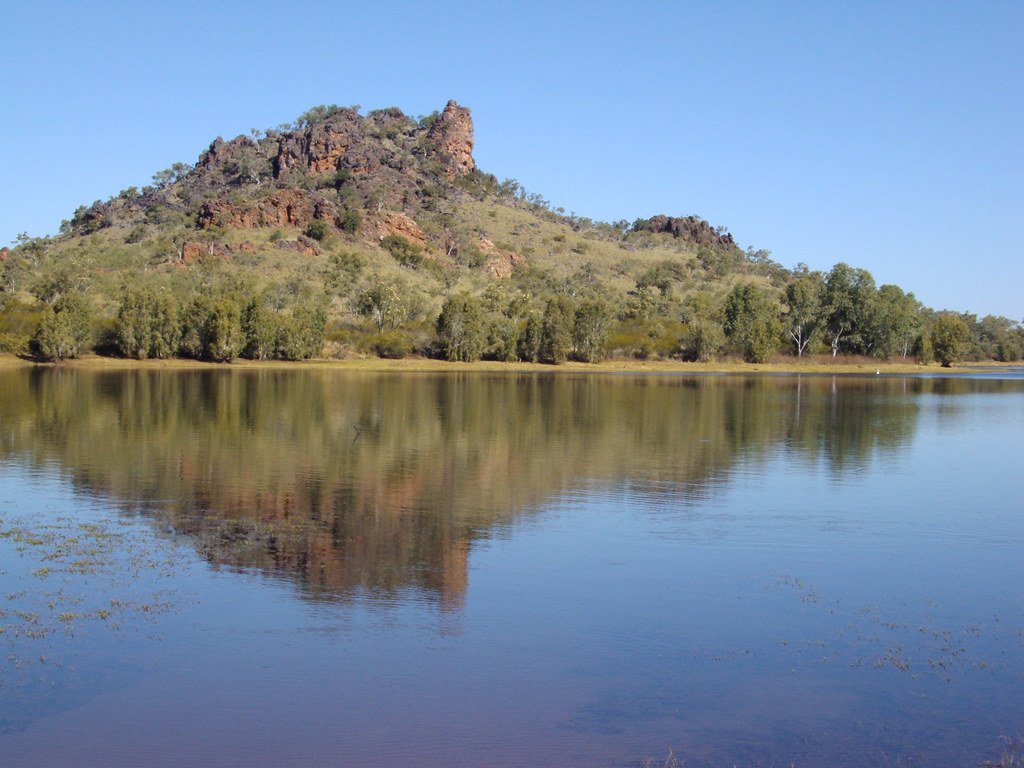
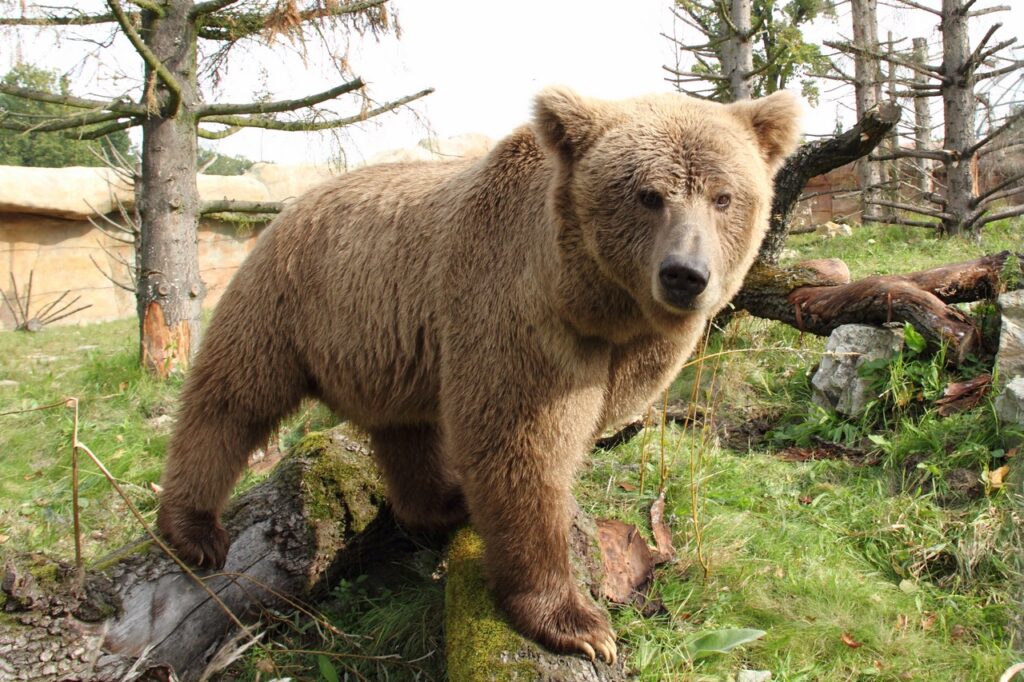
The Leisey Shell Pit in Hillsborough County delivered one of the most complete pictures of ancient Florida ever discovered – a bone bed containing over 50 species of extinct animals that lived together 1.5 million years ago. This wasn’t just a collection of random fossils; it was a snapshot of an entire ecosystem that showed Florida was once covered by a tropical rainforest more diverse than the Amazon. The discovery included everything from tiny shrews to massive bears, revealing a food web complexity that scientists never imagined. Among the finds were species of tapirs, jaguars, and giant tortoises that painted a picture of Florida as a prehistoric paradise. The bone bed showed that Florida’s ancient rainforest supported a density of large mammals that has never been equaled in North America, making it one of the most biodiverse places on ancient Earth.
When Florida’s Skies Were Ruled by Terror Birds
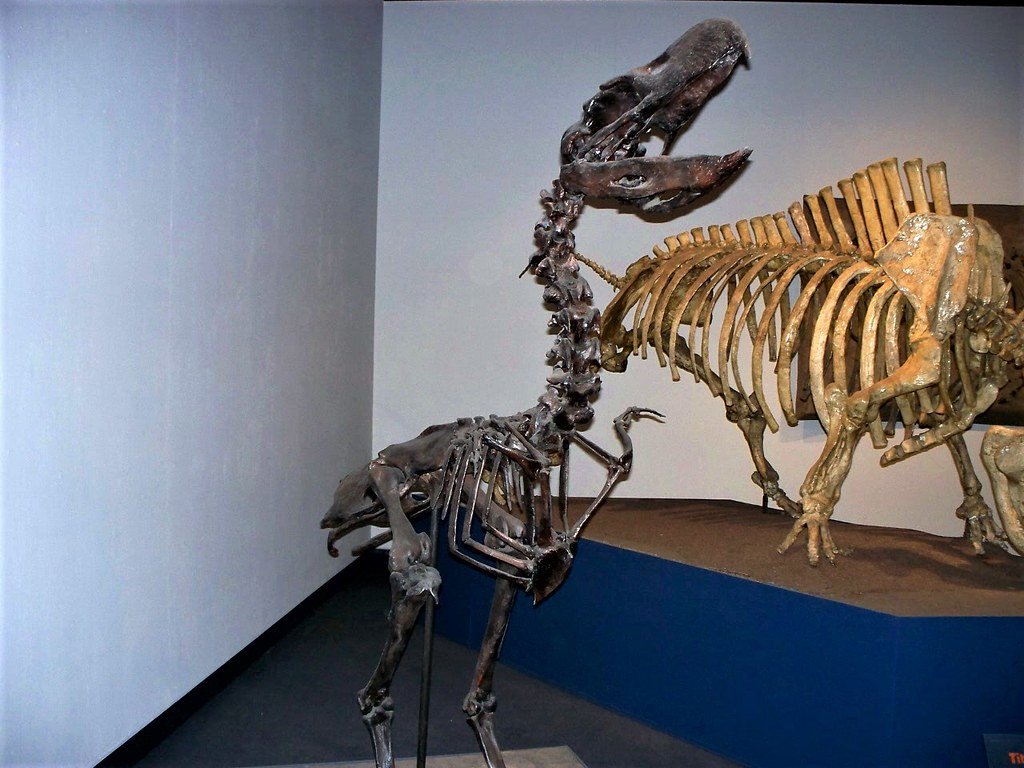
The discovery of Titanis walleri fossils in the Santa Fe River shocked the paleontological world because it revealed that Florida was once home to the most terrifying predators ever to walk North America. These “terror birds” stood 8 feet tall, had massive hooked beaks, and could run faster than a racehorse, making them the apex predators of ancient Florida. The discovery was revolutionary because it showed that South American terror birds had successfully invaded North America, bringing their unique hunting strategies to unsuspecting prey. Fossil evidence revealed that these birds hunted in packs, using their powerful legs to chase down prey and their massive beaks to deliver crushing blows. The most shocking aspect of the discovery was the timeline – these terror birds lived in Florida just 2 million years ago, meaning they shared the landscape with early human ancestors who had recently arrived from Africa.
Ancient Florida’s Surprising Connection to South America

The discovery of giant armadillo fossils in Florida provided the first concrete evidence of the Great American Biotic Interchange, the massive migration of species between North and South America 3 million years ago. These weren’t just any armadillos – they were Glyptodon, massive creatures the size of Volkswagen Beetles with club-like tails that could shatter bones. The discovery revealed that Florida served as the primary gateway for South American species entering North America, fundamentally changing the continent’s biodiversity. Fossil evidence showed that these armored giants lived alongside giant ground sloths, creating an ecosystem unlike anything seen in North America before. The most remarkable aspect was the preservation of complete shells, showing that these ancient armadillos had intricate patterns and colors that helped them blend into Florida’s ancient grasslands.
The Fossil That Rewrote Crocodile Evolution
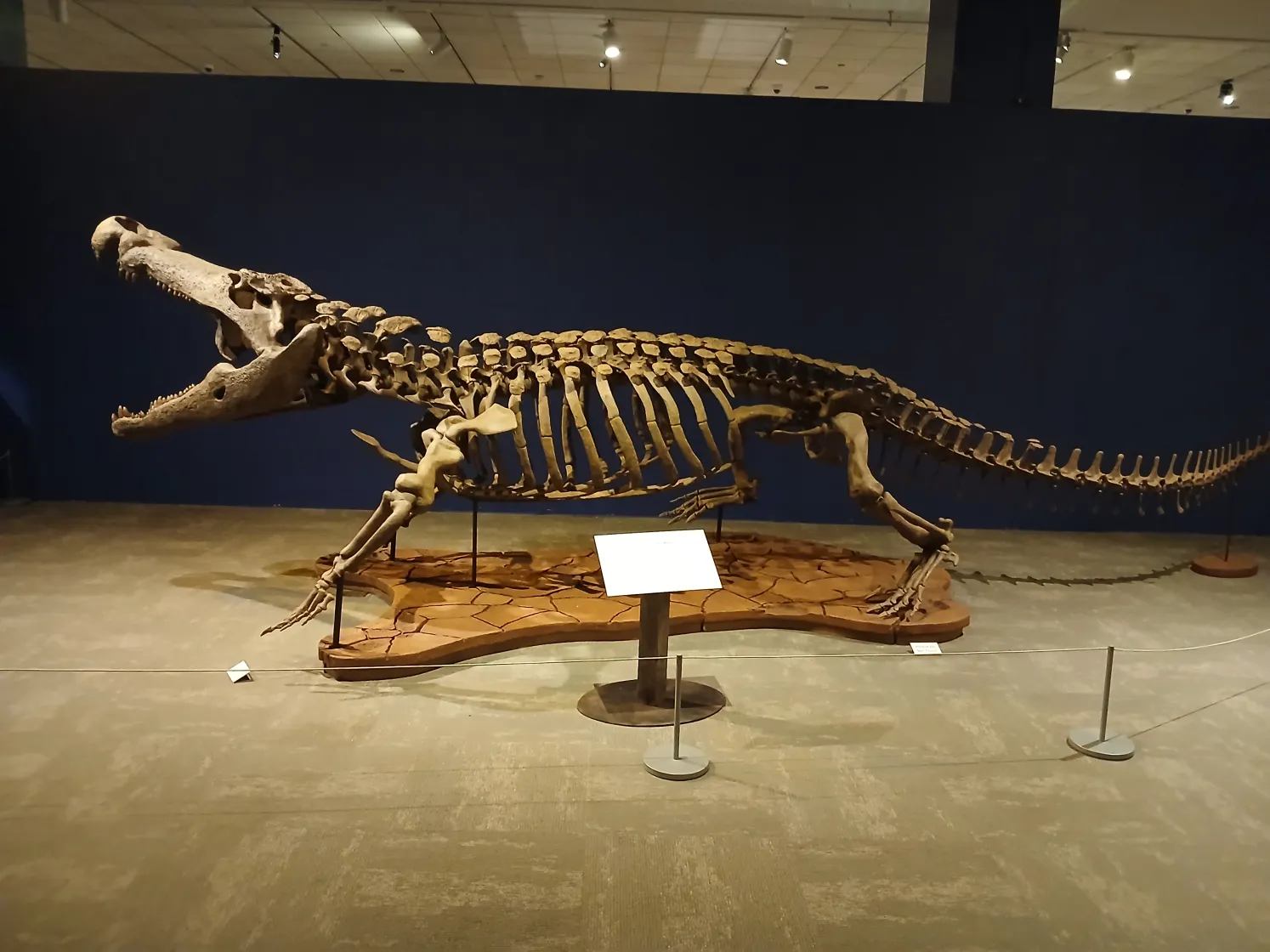
The discovery of Deinosuchus fossils in Florida’s Aucilla River revealed that the state was once home to crocodiles that dwarfed anything alive today. These prehistoric monsters reached lengths of 40 feet and had skulls larger than compact cars, making them capable of preying on dinosaurs. The discovery was groundbreaking because it showed that Florida’s ancient river systems supported the largest crocodilians ever to exist, challenging our understanding of prehistoric food webs. Fossil evidence revealed that these giant crocodiles had specialized hunting techniques, using their massive size to ambush prey at river crossings. The most shocking revelation came from bite mark analysis, which showed that these ancient crocodiles regularly fought each other, creating a prehistoric battle royale in Florida’s ancient waterways.
Florida’s Hidden Treasure Trove of Ancient Sea Turtles
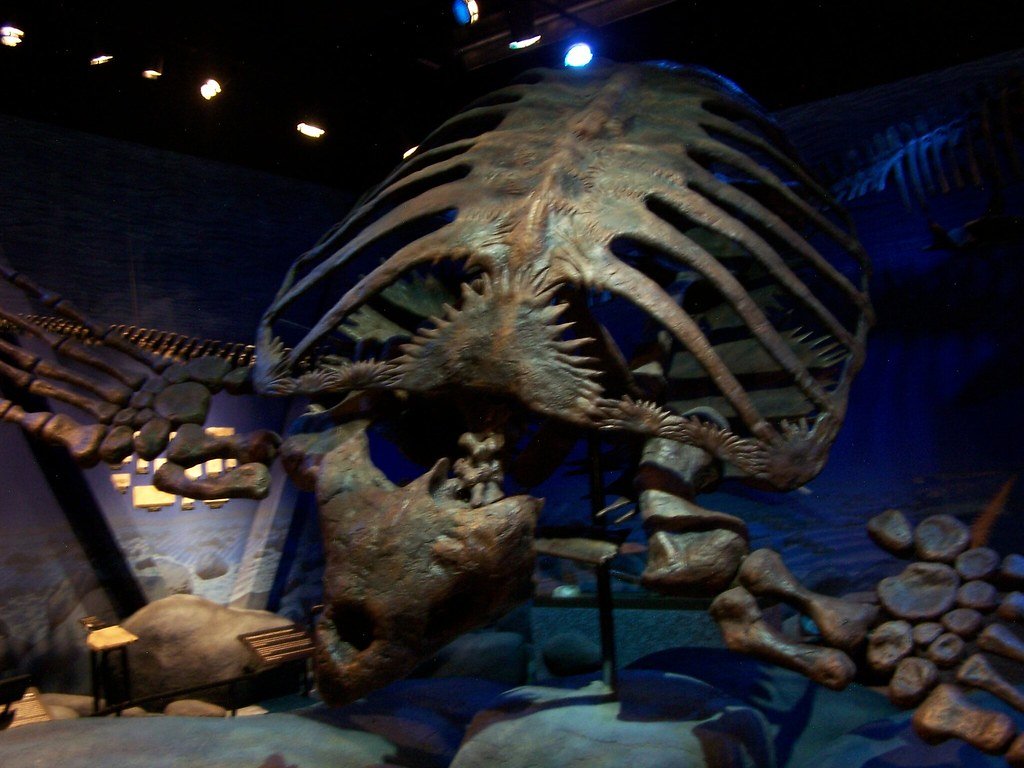
The Inglis fossil site revealed that Florida was once home to sea turtles that make today’s leatherbacks look like toys, with shells spanning 8 feet and weights exceeding 2,000 pounds. These ancient giants, called Archelon, showed that Florida’s ancient seas were nurseries for some of the largest reptiles ever to swim the oceans. The discovery revealed intricate nesting behaviors, with fossil evidence showing that these massive turtles returned to Florida’s beaches to lay eggs just like their modern descendants. Scientists found complete nesting sites with fossilized eggs, showing that Florida’s beaches have been sea turtle nurseries for over 70 million years. The most remarkable aspect was the discovery of predation evidence, showing that even these armored giants faced threats from marine crocodiles and sharks in Florida’s ancient waters.
The Shocking Discovery of Florida’s Ancient Coral Reefs

Florida’s limestone bedrock tells the story of massive coral reefs that once rivaled the Great Barrier Reef in size and diversity, but the fossil evidence revealed something even more spectacular. These ancient reefs, preserved in places like the Florida Keys, showed that Florida was once at the center of a tropical paradise that supported marine life found nowhere else on Earth. The discovery of complete reef ecosystems in limestone revealed species of corals, sponges, and fish that had evolved unique adaptations to Florida’s ancient environment. Fossil evidence showed that these reefs stretched from present-day Georgia to the Caribbean, creating a marine highway that connected tropical ecosystems across vast distances. The most shocking revelation was the discovery of reef-building organisms that have been extinct for millions of years, showing that Florida’s ancient reefs were constructed by creatures that modern science is only beginning to understand.
Ancient Florida’s Surprising Volcanic Past

The discovery of volcanic ash layers in Florida’s sedimentary rocks revealed that the state experienced massive volcanic eruptions that shaped its ancient landscape in ways never before imagined. These weren’t local volcanoes – the ash came from massive eruptions in the western United States that covered Florida in a blanket of volcanic debris. The discovery showed that Florida’s fossil record was influenced by catastrophic events thousands of miles away, creating unique preservation conditions that captured snapshots of ancient life. Fossil evidence revealed that these volcanic events triggered mass migrations of animals seeking refuge in Florida’s stable environment. The most remarkable aspect was the discovery that these ash layers acted like time markers, allowing scientists to date Florida’s fossils with unprecedented precision and revealing the true timeline of ancient life in the state.
The Fossil Site That Revealed Florida’s Ancient Primate Connection

The discovery of early primate fossils in Florida’s Oligocene deposits shocked the scientific community because it revealed that the state was once home to some of North America’s earliest monkey-like creatures. These tiny primates, no larger than modern squirrels, showed that Florida’s ancient forests supported a diversity of arboreal life that connected North America to global primate evolution. The fossils revealed specialized adaptations for life in Florida’s ancient canopy, including grasping hands and forward-facing eyes that marked the beginning of primate intelligence. Scientists found evidence of social behavior, with multiple individuals preserved together in what appeared to be family groups. The most shocking discovery was the preservation of brain tissue, showing that these ancient Florida primates had relatively large brains for their body size, suggesting they were among the most intelligent animals of their time.
Florida’s Ancient Climate Revealed Through Fossilized Plants

The discovery of perfectly preserved plant fossils in Florida’s Miocene deposits revealed that the state once supported a tropical rainforest ecosystem more diverse than anywhere on modern Earth. These weren’t just leaf impressions – scientists found complete flowers, fruits, and seeds that showed Florida was a botanical paradise supporting thousands of plant species. The fossil evidence revealed that Florida’s ancient climate was remarkably stable, allowing plants to evolve into forms never seen before or since. Scientists discovered evidence of giant ferns, massive flowering trees, and climbing vines that created a three-dimensional forest structure of incredible complexity. The most remarkable aspect was the discovery of fossilized pollen grains that showed how Florida’s ancient plants reproduced and spread, revealing pollination strategies that were millions of years ahead of their time.
The Discovery That Changed Everything About Florida’s Age

The Avon Park Formation fossil discoveries revealed that Florida is far older than anyone imagined, with marine fossils dating back over 50 million years showing that the state has been above water much longer than previously thought. These ancient fossils revealed that Florida was once a series of islands in a warm, shallow sea that supported unique ecosystems found nowhere else on Earth. The discovery showed that Florida’s geological history was far more complex than the simple story of a recently emerged landmass. Fossil evidence revealed multiple periods of emergence and submersion, creating a dynamic landscape that drove rapid evolution and speciation. The most shocking revelation was that Florida’s unique position at the crossroads of ocean currents made it a evolutionary laboratory where new species could develop and spread throughout the Atlantic and Gulf of Mexico.
Ancient Florida’s Connection to the Caribbean Revealed
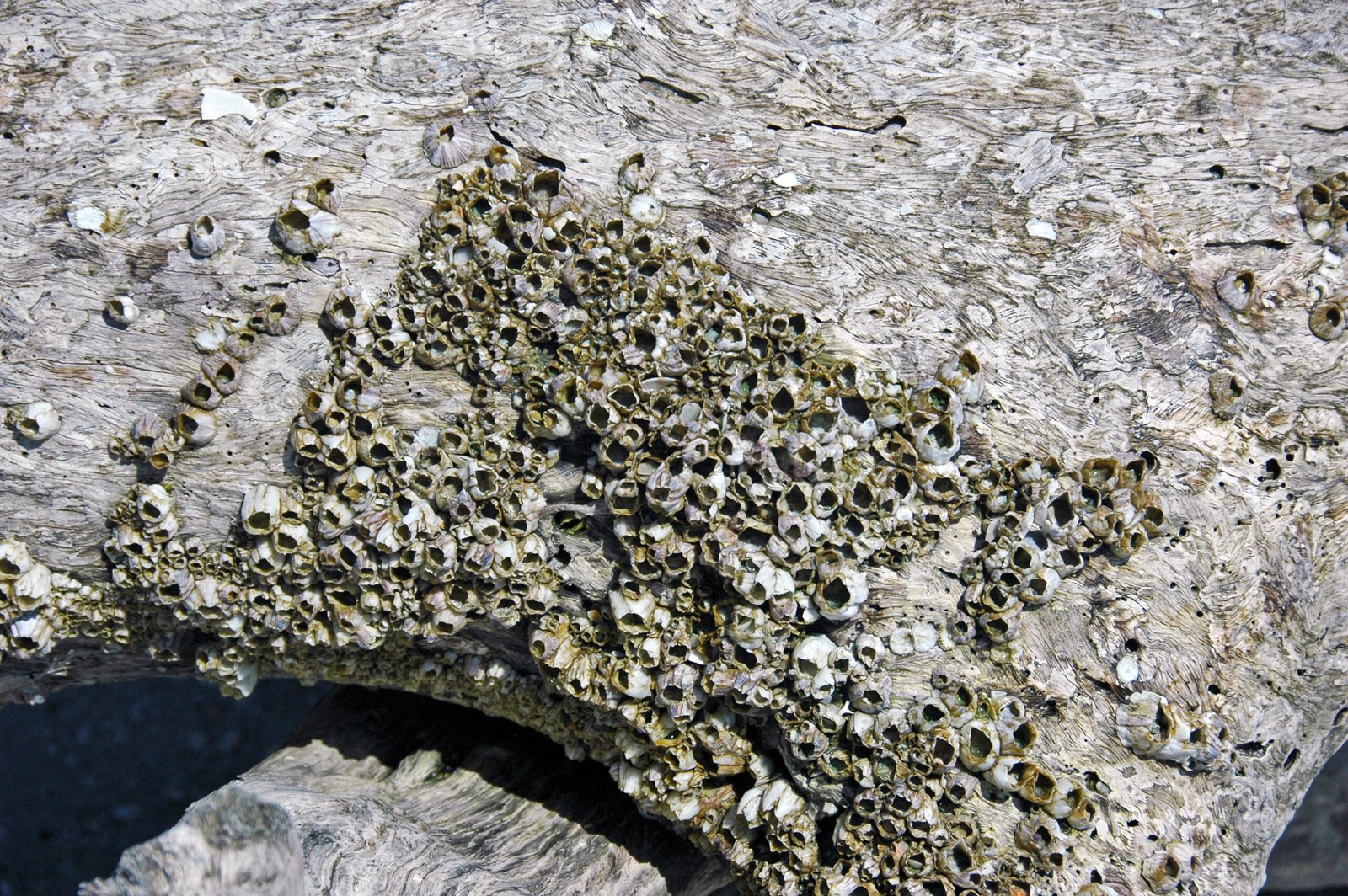
The discovery of Caribbean species fossils in Florida’s Pliocene deposits revealed that the state once had direct connections to tropical islands that allowed species to migrate freely between regions. These fossils showed that Florida served as a stepping stone for Caribbean species entering North America, bringing tropical diversity to the continent. The discovery included everything from tropical fish to exotic birds that painted a picture of Florida as a tropical paradise connected to the broader Caribbean ecosystem. Fossil evidence revealed that this connection lasted for millions of years, allowing for complex evolutionary relationships that shaped both Florida and Caribbean biodiversity. The most remarkable aspect was the discovery of species that evolved in Florida and then colonized the Caribbean, showing that biological exchange flowed in both directions and made Florida a center of tropical evolution.
The Fossil Evidence of Florida’s Ancient Wetland Ecosystems

The discovery of complete wetland ecosystems preserved in Florida’s Pleistocene deposits revealed that the state’s famous Everglades are just the latest chapter in a story of wetland evolution spanning millions of years. These ancient wetlands supported a diversity of life that made modern Florida look simple by comparison, including giant wading birds, massive freshwater turtles, and crocodiles that specialized in wetland hunting. The fossil evidence showed that Florida’s wetlands were dynamic systems that expanded and contracted with climate change, creating evolutionary pressure that drove rapid speciation. Scientists found evidence of unique wetland adaptations, including birds with specialized beaks for filter feeding and mammals with webbed feet for swimming. The most shocking discovery was the preservation of complete food webs, showing how energy flowed through these ancient ecosystems and revealing the incredible complexity of Florida’s prehistoric wetland life.
Florida’s Ancient Past Continues to Surprise Scientists

Every new fossil discovery in Florida continues to challenge our understanding of ancient life, revealing that the state’s prehistoric past was far more complex and diverse than anyone imagined. Recent discoveries of soft tissue preservation, complete behavioral sequences, and even fossilized DNA have opened new windows into ancient Florida that seemed impossible just decades ago. The state’s unique geological conditions continue to preserve fossils in ways that provide unprecedented insights into how ancient ecosystems functioned and evolved. Scientists now realize that Florida’s fossil record represents one of the most complete archives of ancient life in North America, with new species being discovered regularly. The most exciting aspect is that Florida’s fossil sites are far from exhausted – millions of years of Earth’s history still lie buried beneath the state’s surface, waiting to reveal new secrets about our planet’s incredible past.
Florida’s fossils have fundamentally transformed our understanding of ancient North America, revealing a land of giants, tropical paradises, and evolutionary experiments that shaped the modern world. Each discovery has peeled back another layer of Earth’s history, showing us that Florida was far more than a simple peninsula – it was a crossroads of evolution where species from across the globe met, adapted, and thrived. The state’s fossil record continues to surprise scientists with its completeness and diversity, proving that some of the most important chapters in Earth’s story were written in Florida’s ancient landscapes. These discoveries remind us that the ground beneath our feet holds secrets that can change everything we think we know about the past. What other incredible stories might be waiting just beneath Florida’s surface, ready to rewrite history once again?