
Imagine holding a piece of history that’s older than Earth itself – a cosmic time capsule that traveled through space for billions of years before being carefully collected by a Japanese spacecraft smaller than a washing machine. That’s exactly what happened when the Hayabusa2 mission successfully returned samples from asteroid Ryugu in December 2020, marking one of humanity’s most ambitious space exploration achievements. The tiny black particles, no bigger than grains of sand, have revolutionized our understanding of how planets form and how life might have originated in our solar system.
The Daring Journey to a Diamond-Shaped Wanderer
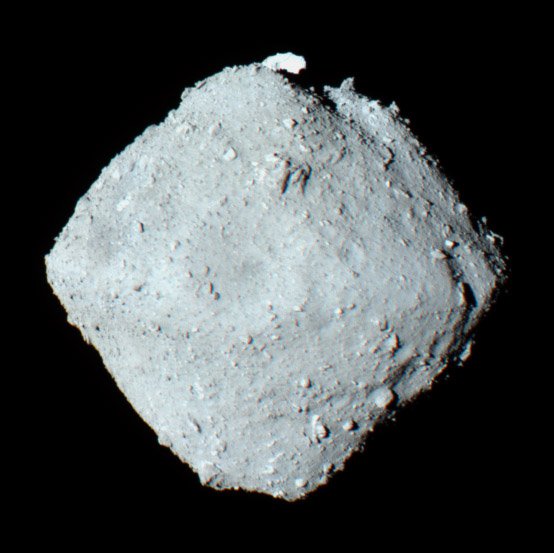
Ryugu isn’t your typical space rock – it’s a spinning diamond-shaped asteroid that measures about 900 meters across, roughly the size of a small mountain. This ancient wanderer orbits the Sun between Earth and Mars, completing one rotation every 7.6 hours while tumbling through the cosmic void. The asteroid’s unusual shape, resembling a spinning top or a traditional Japanese lantern, immediately caught scientists’ attention when Hayabusa2 first arrived in 2018. What makes Ryugu even more fascinating is its extremely dark surface, which reflects only about 2% of the sunlight that hits it – darker than charcoal. Scientists believe this diamond-shaped asteroid is actually a “rubble pile,” formed when a larger asteroid was shattered by a collision millions of years ago, with the fragments reassembling under their own weak gravity.
Touchdown Success: The Most Precise Landing in Space History
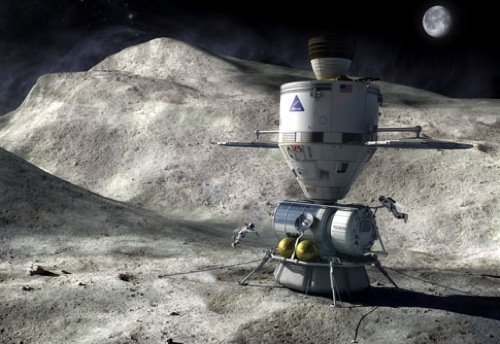
Landing on Ryugu wasn’t just difficult – it was like trying to land a paper airplane on a spinning basketball while both are moving at thousands of miles per hour. The Hayabusa2 spacecraft had to navigate to within centimeters of the asteroid’s surface, fire a projectile to kick up dust and debris, then quickly collect the material before backing away to safety. The mission required two separate touchdown attempts, with the first occurring in February 2019 and the second in July of the same year. Each landing lasted only a few seconds, but those precious moments were enough to gather samples that would change our understanding of the early solar system. The precision required for this mission was so extreme that engineers had to account for the asteroid’s weak gravity, which is about 60,000 times weaker than Earth’s gravity.
Creating Artificial Craters: The Explosive Science Experiment

In one of the most dramatic moments of the mission, Hayabusa2 deployed a copper projectile that slammed into Ryugu’s surface at 4,500 miles per hour, creating an artificial crater about 33 feet wide. This wasn’t destruction for destruction’s sake – it was a carefully planned scientific experiment designed to expose fresh material from beneath the asteroid’s weathered surface. The impact was so powerful that it scattered debris across the asteroid’s surface, giving scientists their first look at what lay hidden beneath millions of years of space weathering. The newly exposed material revealed important clues about Ryugu’s internal structure and composition, showing that the asteroid’s interior is just as dark and carbon-rich as its surface. This experiment essentially allowed scientists to perform geology on an asteroid, something that had never been attempted before on such a scale.
Water Everywhere: The Surprising Discovery of Ancient Oceans
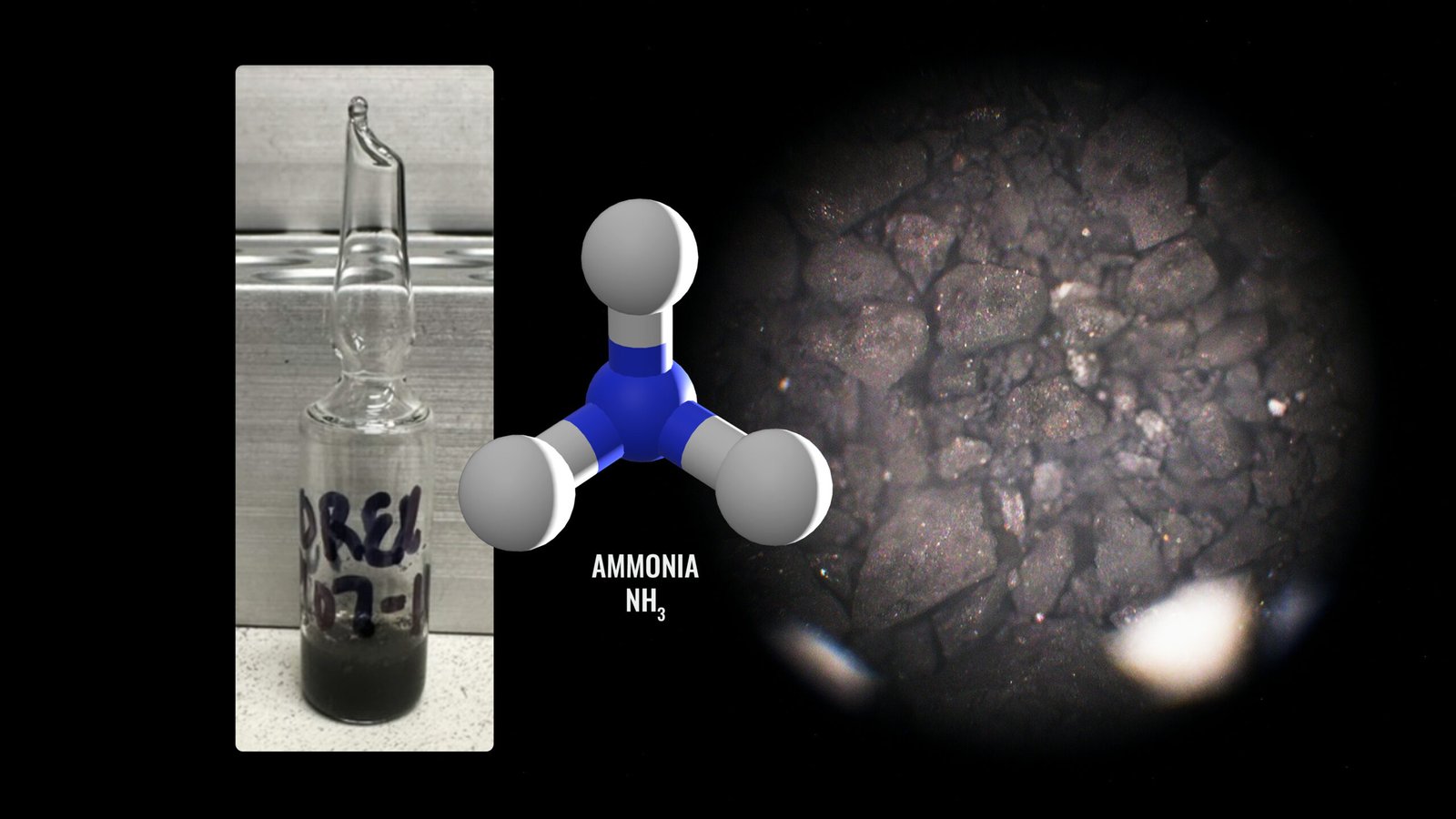
Perhaps the most shocking discovery from Ryugu’s samples was the presence of water – not liquid water, but water molecules locked away in the asteroid’s minerals for billions of years. Scientists found that nearly 3% of the sample’s weight consisted of water, suggesting that asteroids like Ryugu could have been the delivery trucks that brought water to early Earth. This finding supports the theory that our planet’s oceans didn’t form from water vapor in the early atmosphere, but rather from countless asteroid and comet impacts over millions of years. The water in Ryugu’s samples shows a chemical signature that closely matches Earth’s oceans, providing strong evidence for this cosmic connection. Even more remarkably, the water appears to be distributed throughout the asteroid’s structure, not just concentrated in specific pockets or veins.
Organic Compounds: The Building Blocks of Life in Space
The samples from Ryugu contained more than 20 different amino acids – the fundamental building blocks of proteins and, by extension, life as we know it. These organic compounds weren’t contamination from Earth; they showed clear signs of having formed in space under conditions vastly different from anything on our planet. Among the amino acids discovered were both common varieties found in Earth’s biology and exotic types that don’t naturally occur in terrestrial life. The presence of these compounds suggests that the raw materials for life were widespread in the early solar system, possibly seeding multiple worlds with the chemical foundations necessary for biological processes. Scientists were particularly excited to find that some of these amino acids showed a “handedness” or chirality that matches the preference seen in Earth’s biology, hinting at deep connections between cosmic chemistry and the origins of life.
Microscopic Marvels: What High-Powered Analysis Revealed
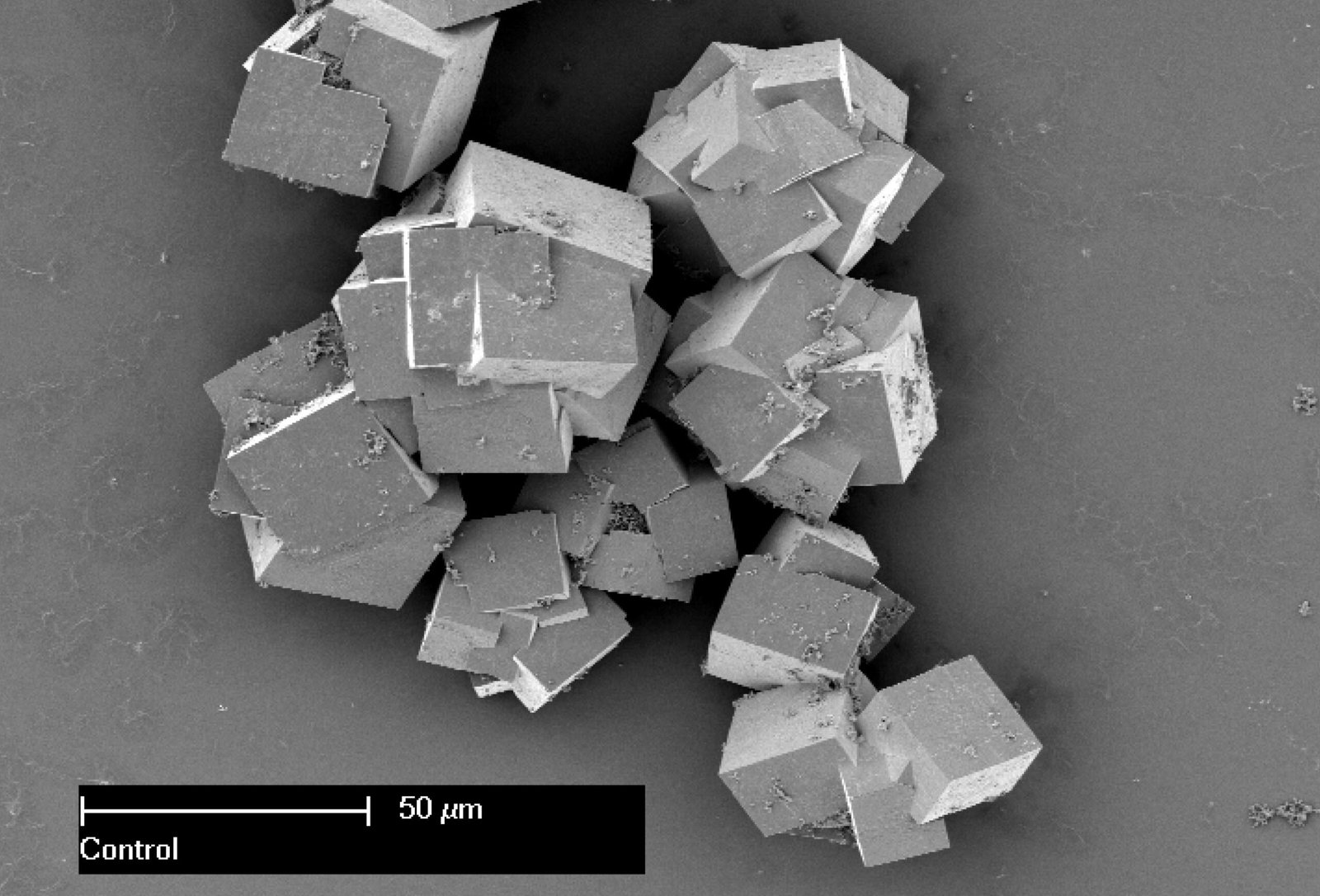
When scientists placed Ryugu’s samples under powerful electron microscopes, they discovered a hidden world of complexity that defied expectations. The samples contained microscopic crystals, tiny spheres called chondrules, and intricate mineral structures that told the story of the asteroid’s formation and evolution. Some of these structures were so small they could only be measured in nanometers, yet they contained crucial information about conditions in the early solar system. The analysis revealed that Ryugu’s materials had been altered by liquid water at some point in the distant past, transforming the original minerals into clay-like substances. This discovery provided direct evidence that liquid water existed on the asteroid’s parent body billions of years ago, long before Earth had developed complex life forms.
Solar System Archaeology: Reading the Timeline of Cosmic History
Every grain of Ryugu’s material serves as a tiny archive of solar system history, preserving information from more than 4.5 billion years ago. Scientists used radioactive dating techniques to determine that the asteroid’s materials formed during the earliest days of our solar system, when planets were still taking shape from the cosmic dust cloud. The samples showed evidence of multiple heating and cooling cycles, suggesting that Ryugu’s parent asteroid experienced dramatic changes in temperature as it orbited closer to and farther from the young Sun. These thermal histories are written in the crystal structures of the minerals, like tree rings that record environmental changes over vast periods of time. By studying these microscopic records, scientists can reconstruct the dynamic and often violent processes that shaped our solar system during its formative years.
The Parent Body Mystery: Clues to a Shattered World
Ryugu’s samples have helped scientists piece together the story of its parent asteroid, a much larger body that was destroyed in a catastrophic collision millions of years ago. The evidence suggests that this parent body was at least 20 kilometers in diameter and had a complex internal structure with different layers, much like the rocky planets. The collision that created Ryugu and countless other fragments was so violent that it completely shattered this mini-world, scattering debris across the inner solar system. Some of this debris eventually found its way to Earth as meteorites, but Ryugu represents a rare opportunity to study relatively pristine material that hasn’t been altered by passage through Earth’s atmosphere. The parent body appears to have been rich in water and organic compounds, making it a potential haven for the chemical processes that might lead to life.
Comparing Cosmic Neighbors: Ryugu vs. Other Asteroids
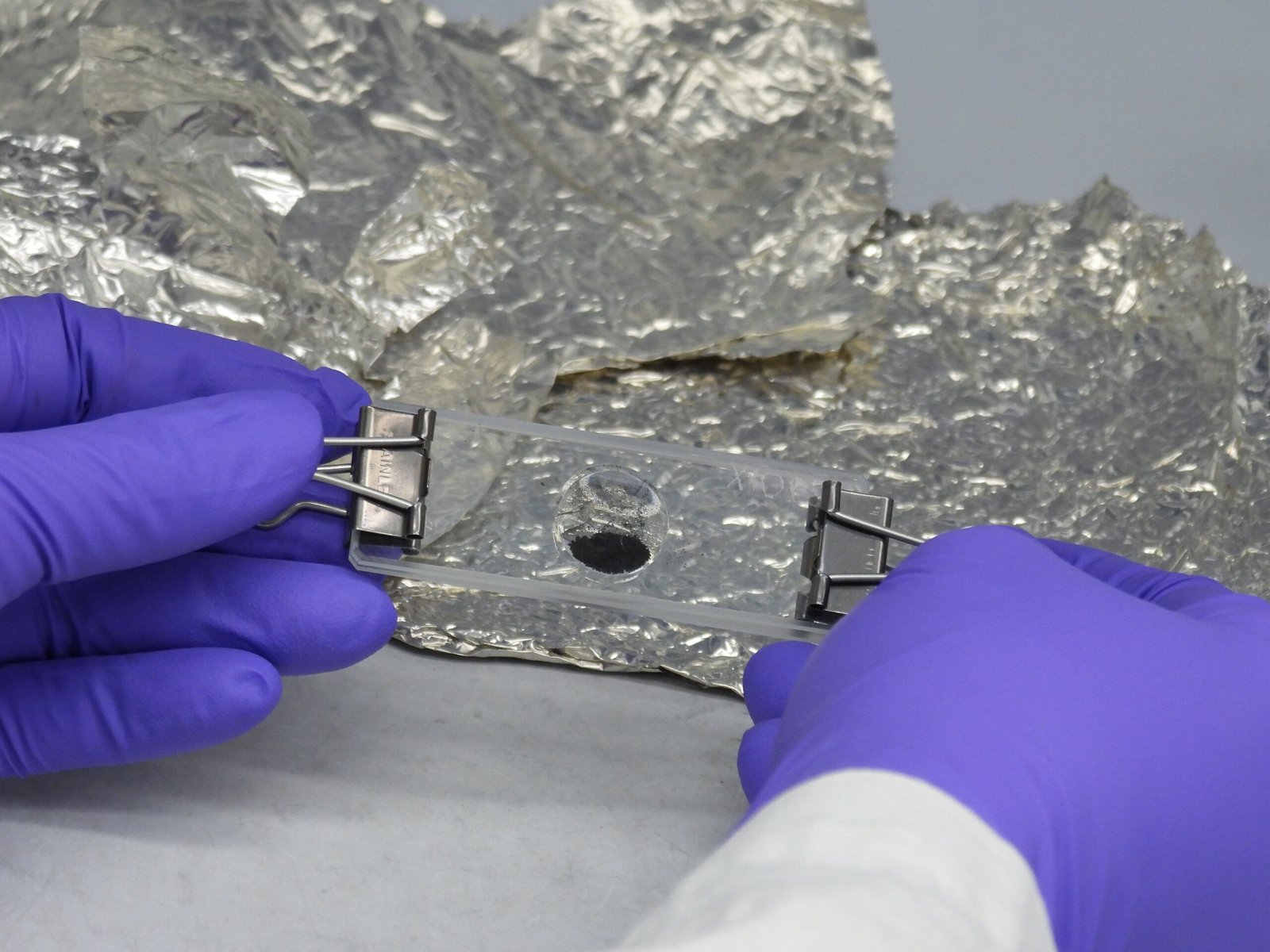
When compared to samples from other asteroids and meteorites, Ryugu’s materials show both similarities and striking differences that reveal the diversity of conditions in the early solar system. Unlike the metallic asteroids that formed closer to the Sun, Ryugu’s carbon-rich composition indicates it originated in the outer regions of the asteroid belt, where temperatures were cool enough for water ice and organic compounds to survive. The asteroid’s materials are remarkably similar to a class of meteorites called carbonaceous chondrites, but with some key differences that suggest unique evolutionary pathways. Scientists found that Ryugu’s samples are less altered by heat than many meteorites, providing a more pristine record of early solar system conditions. This comparison work has revealed that asteroids are not just leftover debris from planet formation, but complex worlds in their own right with their own geological histories.
Magnetic Mysteries: The Absent Magnetic Field That Speaks Volumes
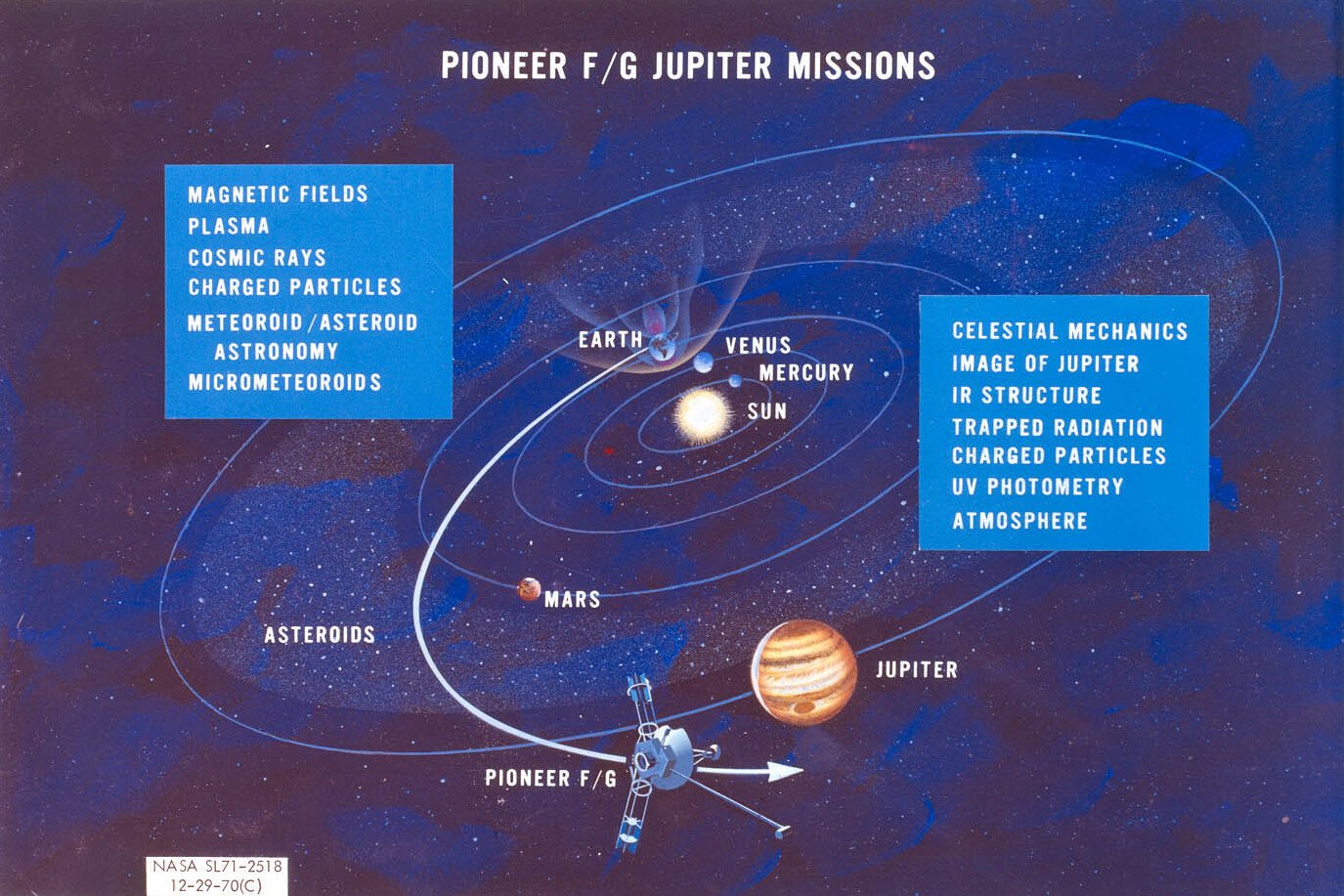
One of the most intriguing discoveries from Ryugu’s samples was what wasn’t there – any evidence of a strong magnetic field during the asteroid’s formation. This absence tells a crucial story about the early solar system’s magnetic environment and the processes that shaped small bodies like asteroids. The lack of magnetic signatures in Ryugu’s materials suggests that the asteroid formed in a region where the young Sun’s magnetic field was weak or absent, providing important constraints on models of early solar system evolution. This finding has implications for understanding how planets acquired their magnetic fields and how magnetic processes influenced the distribution of materials during the solar system’s formation. The magnetic “silence” of Ryugu’s samples also helps scientists distinguish between different formation scenarios for small bodies in the outer solar system.
Weathering in the Void: How Space Changes Everything
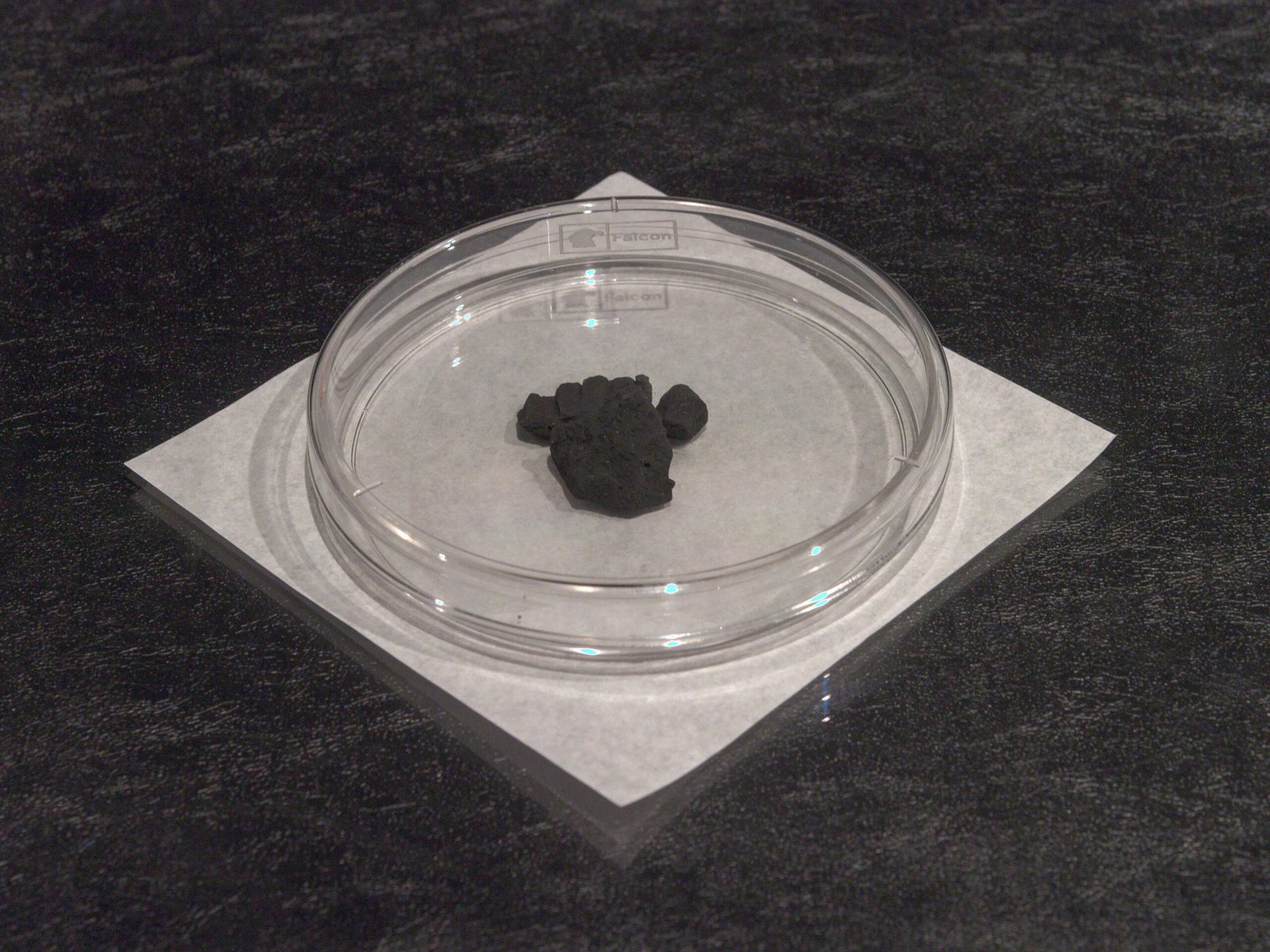
Ryugu’s surface materials showed clear evidence of space weathering – the gradual alteration of asteroid surfaces by solar wind, cosmic rays, and micrometeorite impacts over millions of years. This weathering process darkens the surface and changes its composition, creating the extremely dark appearance that initially puzzled scientists. The samples revealed that space weathering on Ryugu operates differently than on the Moon or other airless bodies, producing unique mineral alterations that preserve information about the space environment. Scientists found that the weathering process actually concentrates certain elements on the surface while depleting others, creating chemical gradients that tell the story of the asteroid’s exposure to space. Understanding space weathering is crucial for interpreting observations of other asteroids and for planning future missions to these ancient worlds.
The Nitrogen Connection: Atmospheric Clues from a Tiny World
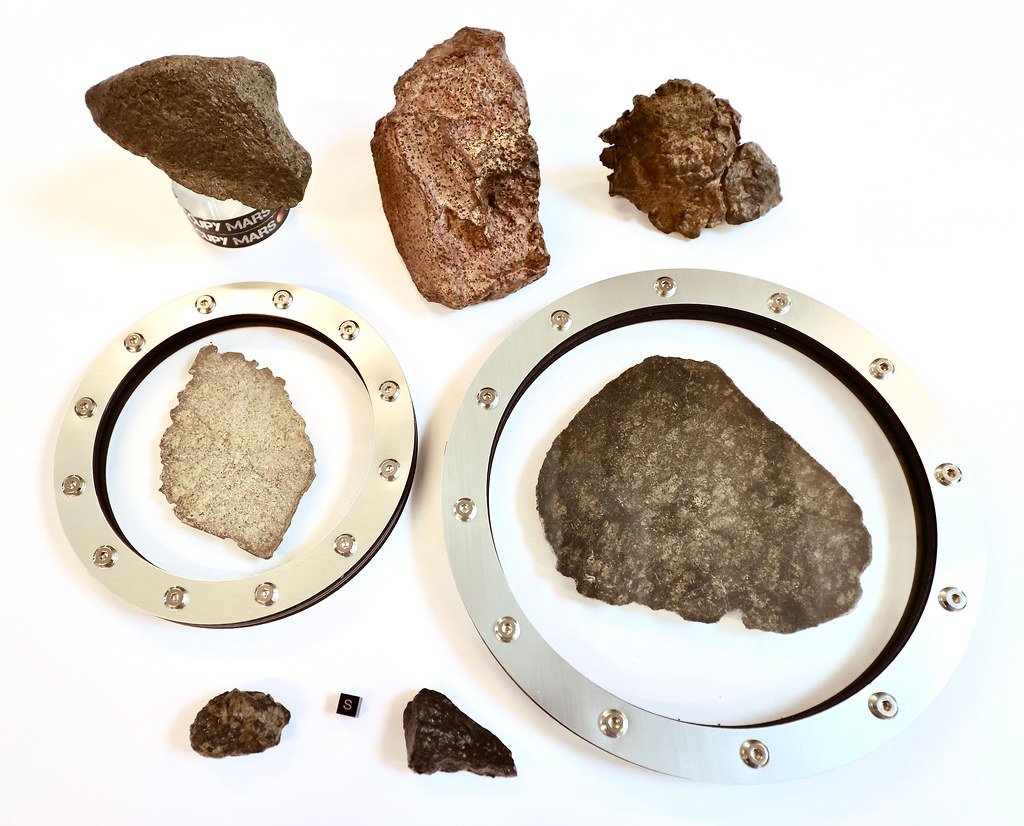
Although Ryugu has no atmosphere today, its samples contained nitrogen compounds that provide clues about atmospheric processes in the early solar system. The nitrogen isotope ratios found in the samples are similar to those seen in Earth’s atmosphere, suggesting a common origin for the nitrogen in both worlds. This discovery supports the idea that asteroids like Ryugu contributed not just water and organic compounds to the early Earth, but also the gases that would eventually form our planet’s atmosphere. The nitrogen compounds in Ryugu’s samples appear to have formed under conditions that required the presence of both water and organic materials, creating a complex chemistry that mirrors processes important for life. Scientists believe that understanding these nitrogen signatures could help identify other asteroids that might have contributed to Earth’s atmospheric evolution.
Crystalline Secrets: The Formation of Minerals in Space
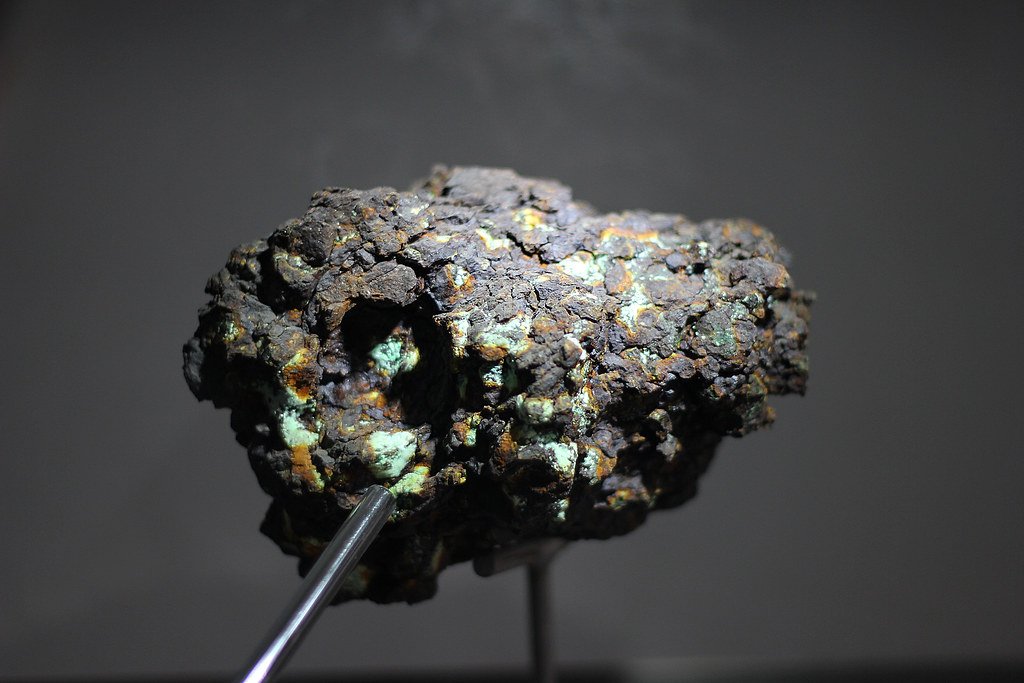
The mineral crystals found in Ryugu’s samples reveal a fascinating story of formation under conditions completely unlike anything on Earth. These crystals grew in the zero-gravity environment of space, where convection currents and gravitational settling don’t occur, leading to unique crystal structures and compositions. Some of the minerals found in the samples are so unusual that they don’t have terrestrial equivalents, representing entirely new pathways for mineral formation. The crystals preserve information about the temperature, pressure, and chemical conditions that existed during their formation, providing a direct window into the physical processes that shaped the early solar system. Scientists found that many of these crystals formed in the presence of liquid water, but under conditions of extremely low gravity and pressure that created mineral structures unlike anything found in Earth’s rocks.
Isotopic Fingerprints: Chemical Signatures of Cosmic Processes
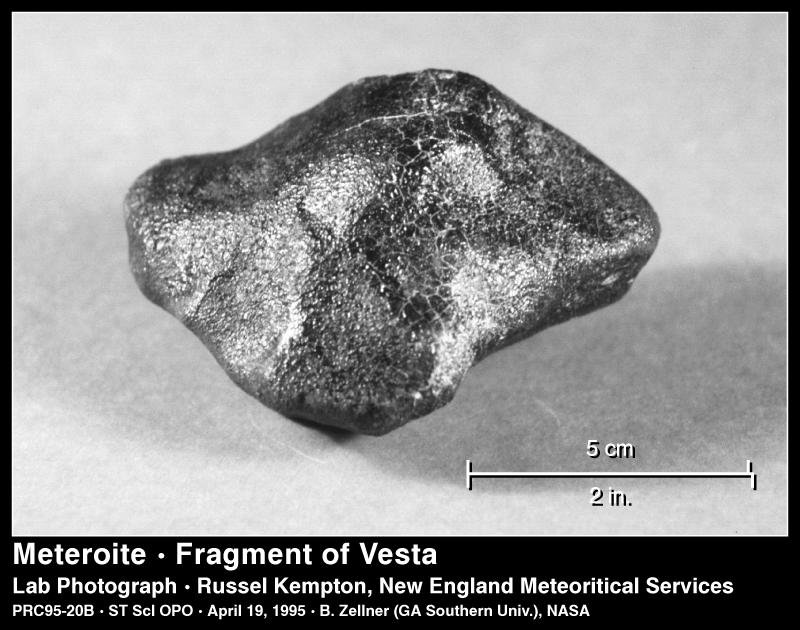
The isotopic composition of Ryugu’s samples provided a unique fingerprint that revealed the asteroid’s place in the grand scheme of solar system formation. Isotopes are variations of the same element with different numbers of neutrons, and their ratios can reveal information about the nuclear processes that created them. The isotopic signatures in Ryugu’s materials showed that the asteroid formed from a mixture of materials with different origins, some coming from the inner solar system and others from the outer regions. These chemical fingerprints helped scientists trace the movement of materials during the early solar system’s chaotic period, when gravitational interactions scattered debris across vast distances. The isotopic data also provided evidence for the timing of various formation processes, helping to establish a chronology for the events that shaped our cosmic neighborhood.
Thermal Evolution: The Hot and Cold History of a Small World

Ryugu’s samples revealed a complex thermal history that included both heating and cooling phases, suggesting that the asteroid’s parent body experienced dramatic temperature changes over its lifetime. The heating appears to have been caused by the decay of radioactive elements, particularly aluminum-26, which was abundant in the early solar system but has since decayed away. This internal heating was sufficient to melt ice and drive chemical reactions that altered the original minerals, creating the clay-like substances found in the samples. The cooling phases preserved these altered minerals and locked in the chemical signatures that scientists can read today. The thermal evolution of Ryugu’s parent body provides insights into how small worlds develop and change over time, even without the dramatic geological processes that shape larger planets.
Contamination Challenges: Keeping Earth Out of Space Samples
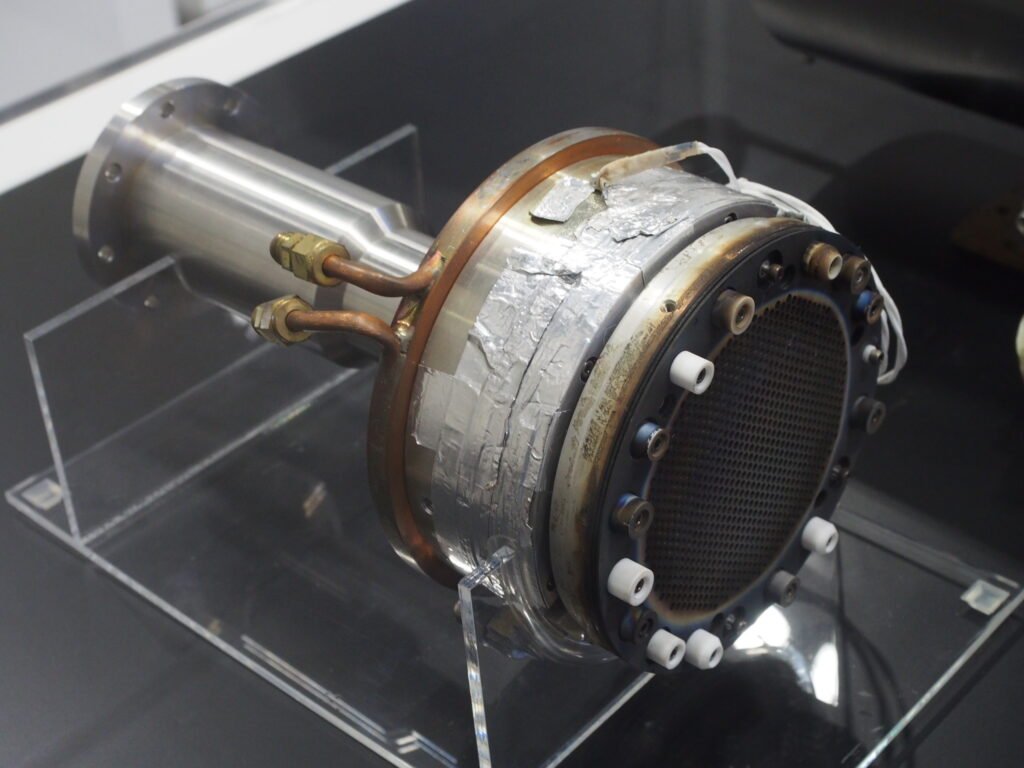
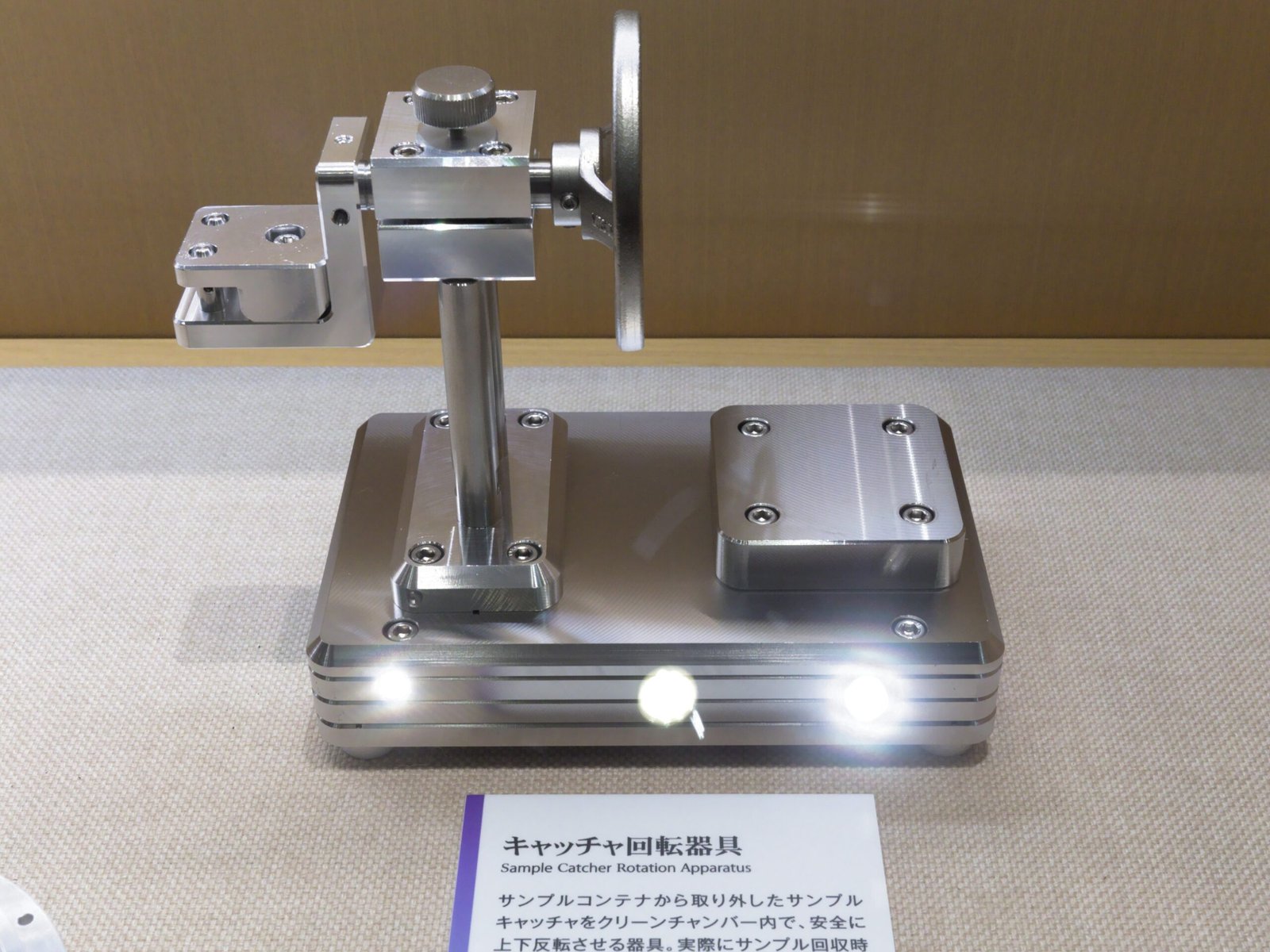
One of the biggest challenges in studying Ryugu’s samples was ensuring that they weren’t contaminated by Earth materials, which could compromise the scientific results. The samples were handled in ultra-clean facilities using specialized tools and techniques designed to prevent any contact with Earth’s atmosphere or biosphere. Despite these precautions, scientists had to carefully distinguish between organic compounds that came from Ryugu and those that might have been introduced during sample processing. The discovery of amino acids that don’t occur naturally on Earth provided strong evidence that the organic compounds in the samples were indeed extraterrestrial in origin. This contamination challenge highlights the incredible precision required for sample return missions and the sophisticated techniques needed to study materials from other worlds.
Future Implications: What Ryugu Teaches Us About Planet Formation
The discoveries from Ryugu’s samples have profound implications for our understanding of how planets form and evolve, extending far beyond our own solar system. The presence of water and organic compounds in the asteroid’s materials suggests that the building blocks of life may be common throughout the universe, not rare accidents of cosmic chemistry. The complex thermal and chemical processes revealed in the samples provide new models for how small bodies can serve as laboratories for prebiotic chemistry, potentially creating the conditions necessary for life to emerge. These findings also inform our search for life around other stars, suggesting that asteroid-like bodies might play crucial roles in seeding planets with the materials needed for biological processes. The mission’s success has paved the way for future sample return missions to other asteroids and comets, each of which could reveal new chapters in the story of cosmic evolution.
Laboratory on Earth: The Ongoing Analysis Revolution
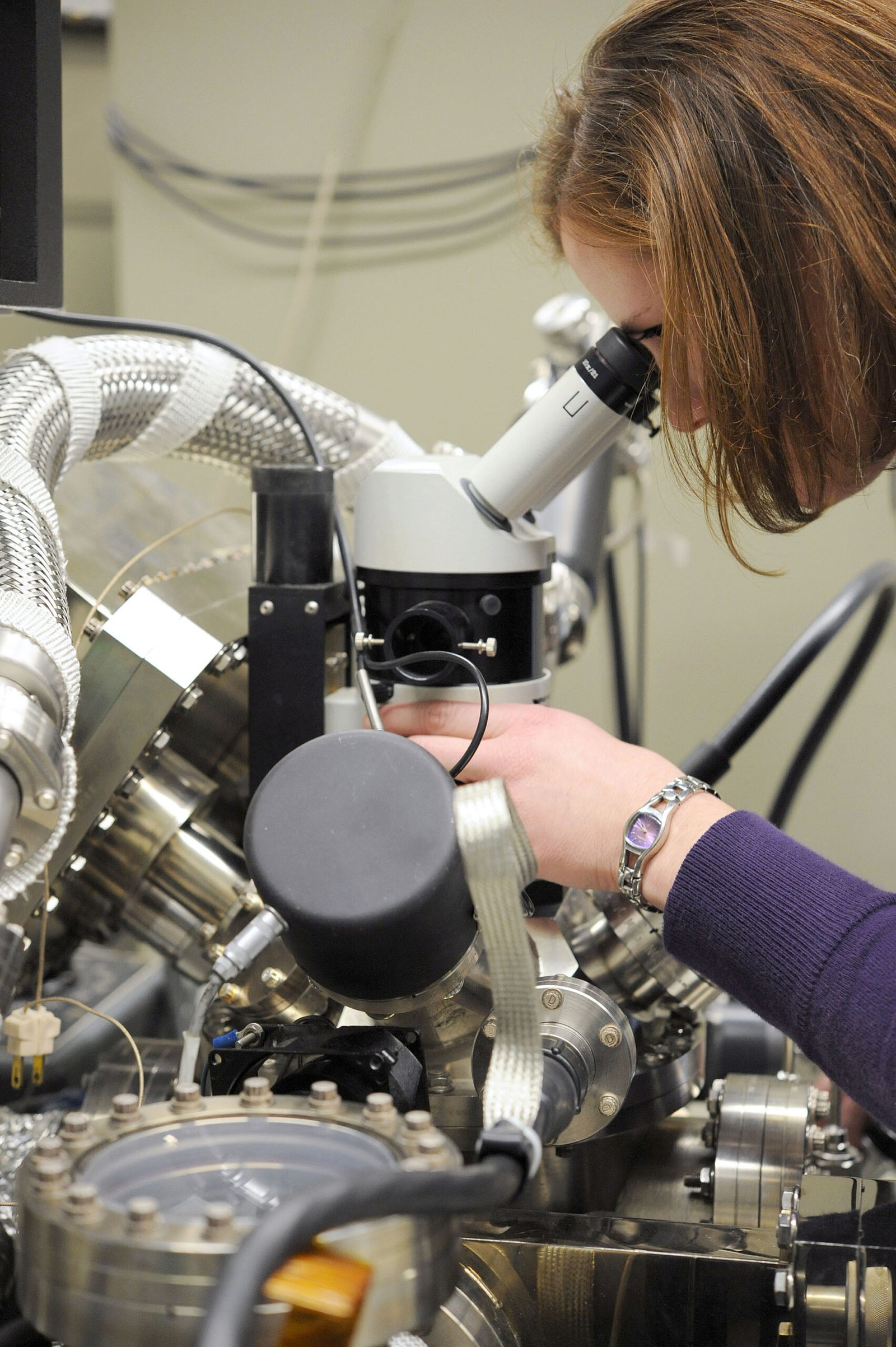
The analysis of Ryugu’s samples is far from over, with scientists around the world continuing to make new discoveries using increasingly sophisticated techniques. Advanced mass spectrometry, electron microscopy, and X-ray analysis are revealing details about the samples that were impossible to detect from spacecraft observations alone. Each new analytical technique applied to the samples has the potential to unlock additional secrets about the asteroid’s history and composition. The samples are being shared with researchers worldwide, creating a global collaboration that is advancing our understanding of solar system formation. As analytical techniques continue to improve, scientists expect to be making new discoveries from Ryugu’s samples for decades to come, ensuring that this mission will continue to pay scientific dividends long into the future.
The Next Chapter: Missions Inspired by Ryugu’s Success
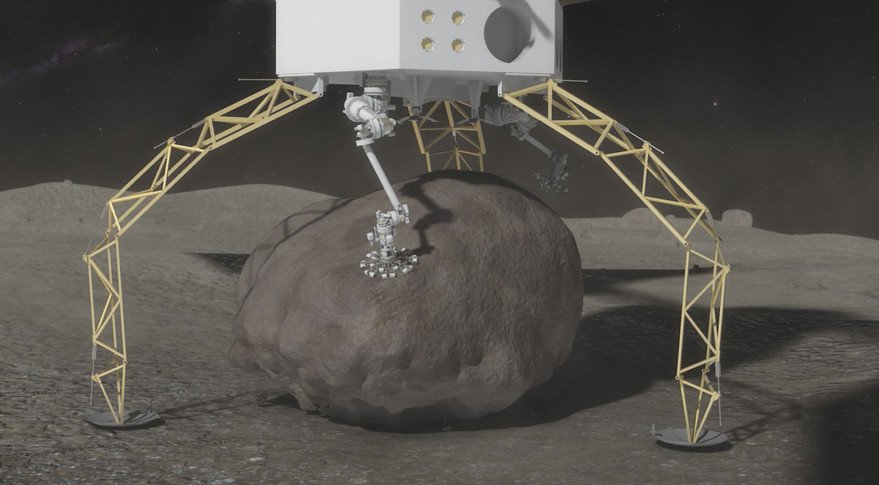
The remarkable success of the Hayabusa2 mission has inspired a new generation of asteroid sample return missions, each designed to explore different types of small bodies in our solar system. NASA’s OSIRIS-REx mission successfully returned samples from asteroid Bennu in 2023, providing a complementary dataset to compare with Ryugu’s materials. Future missions are being planned to visit metallic asteroids, icy bodies, and even comets, each of which could reveal different aspects of solar system evolution. The techniques developed for Hayabusa2 are being refined and improved for these future missions, promising even more detailed and comprehensive sample collections. These missions represent a new era in solar system exploration, where bringing pieces of other worlds back to Earth allows for the kind of detailed analysis that transforms our understanding of cosmic processes.
The tiny grains of dust and rock that Hayabusa2 brought back from Ryugu have opened a window into the deep past of our solar system, revealing processes and conditions that shaped the world we live in today. From the presence of water and organic compounds to the complex thermal history preserved in microscopic crystals, every aspect of these samples tells part of the story of how our cosmic neighborhood evolved from a chaotic disk of dust and gas into the structured system of planets and small bodies we observe today. The mission’s success has not only advanced our scientific knowledge but also demonstrated humanity’s growing capability to reach out and touch other worlds, bringing pieces of the cosmos back to Earth for detailed study. As we continue to analyze these precious samples and plan future missions to other asteroids and comets, we’re building a comprehensive picture of solar system formation that will guide our understanding of planetary systems throughout the universe. What other secrets might be waiting in the countless small bodies that populate our solar system?