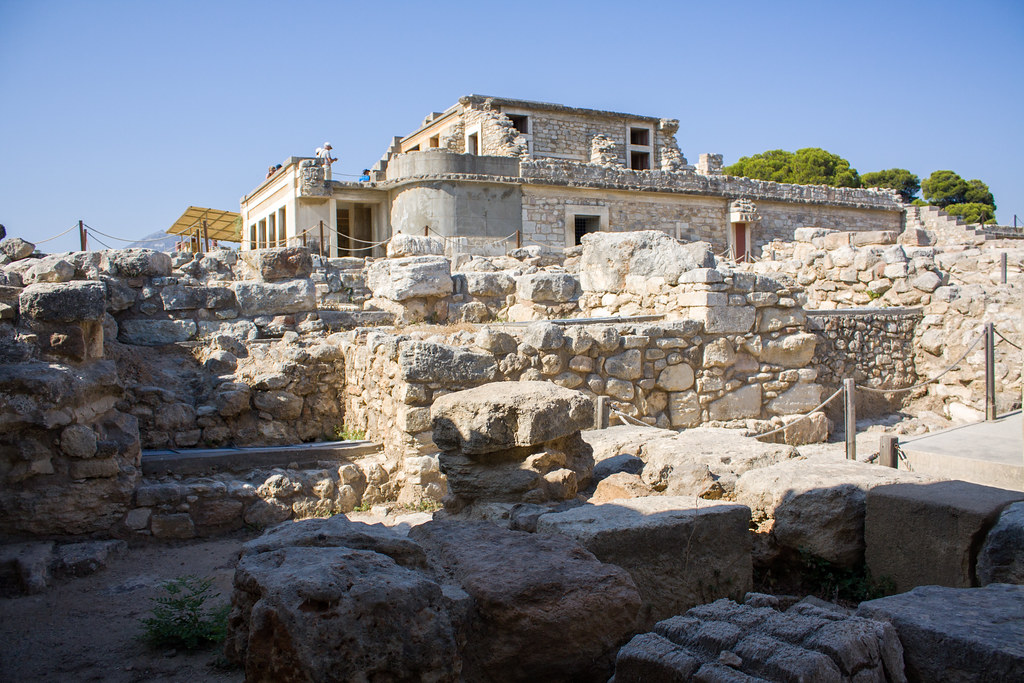
Imagine stepping out onto a black, jagged landscape where just years ago, molten rock flowed like a river, burning everything in its path. Now, against all odds, the sharp stones are dotted with bursts of green—ferns unfurling, tiny trees bravely taking root, and birds flitting above it all. How can life possibly return to a place that seemed utterly destroyed? The story of forests growing on lava is one of nature’s most awe-inspiring comebacks. It’s a tale that’s as dramatic as any blockbuster, showing us the surprising power of resilience and renewal. If you’ve ever wondered how life gets a second chance after disaster strikes, you’re about to find out.
Lava Landscapes: A Blank Slate for Life

When a volcano erupts, it can seem like the end for everything in its way. Rivers of lava bury forests, fields, and homes under thick, scorching rock. The ground becomes an alien landscape—hot, barren, and lifeless. Yet, this destruction is also a strange kind of beginning. The cooling lava creates a fresh canvas, free from competition and disease. It’s as though nature has pressed a reset button. In places like Hawaii’s Kīlauea and Iceland’s volcanic fields, what looks like devastation is actually the first step in the remarkable journey of ecosystem rebirth.
The First Pioneers: Life’s Daring Advance Party
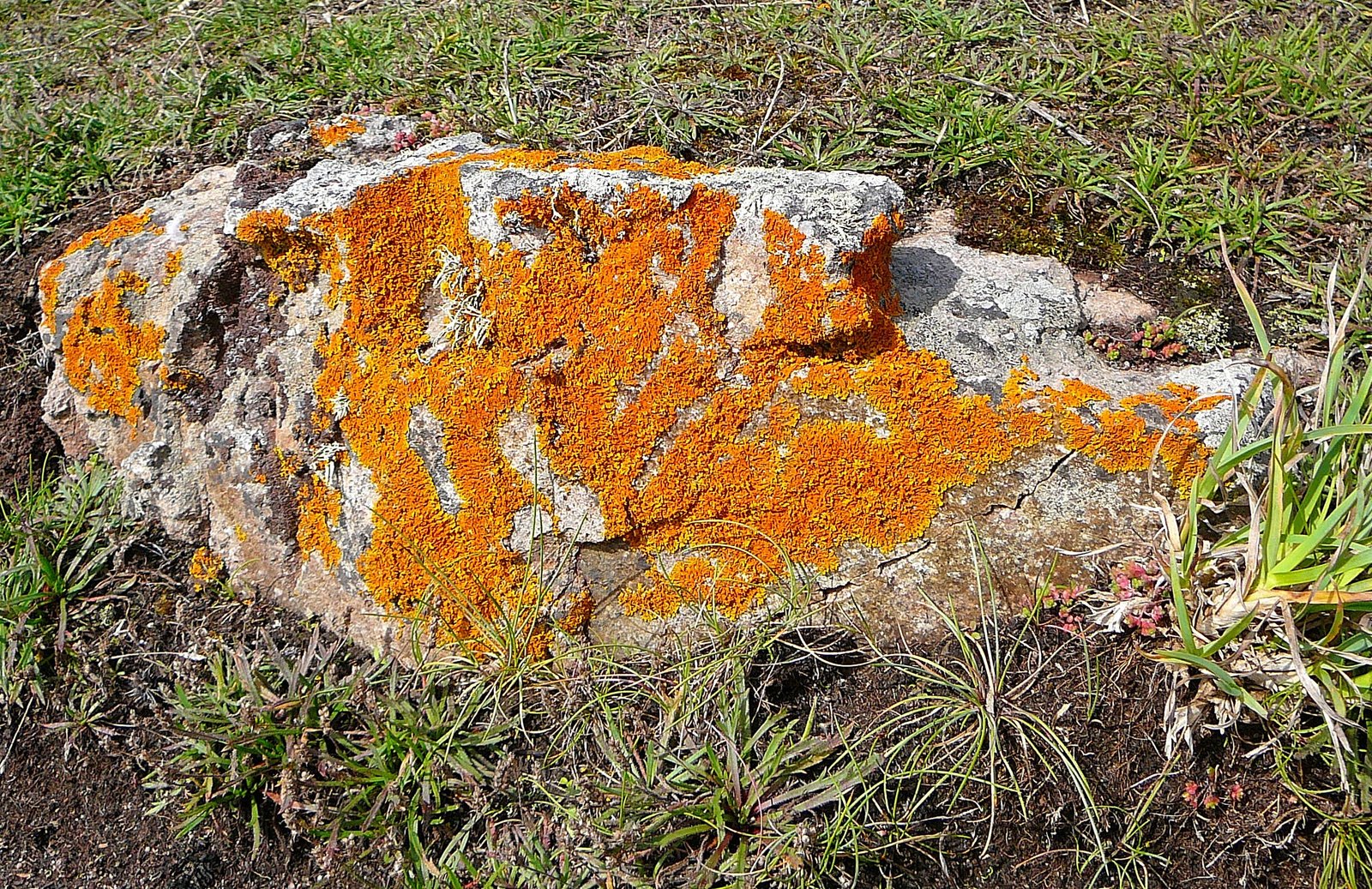
Surprisingly, the first living things to show up on fresh lava aren’t trees or animals, but tiny, tough organisms called pioneer species. Lichens—part fungus, part algae—are the ultimate survivors. They cling to bare rock, slowly breaking it down with acids they produce. Mosses and some bacteria follow, making the surface just a little softer, a little more hospitable. These pioneers are like the first drops of rain on a drought-stricken landscape: small, but full of promise. Over years, their presence creates the first hints of soil, setting the stage for bigger life to follow.
Soil Genesis: Building from the Ground Up

Making soil on lava is no easy feat. The process is painstakingly slow, sometimes taking decades. The breakdown of lava rock by lichens, weather, and time creates the first grains of dust. Dead pioneers add organic material, mixing with the mineral bits to form a thin, gritty layer. This soil is poor compared to established forests, but to a seed blown in by the wind, it’s a golden opportunity. Over centuries, this layer thickens, eventually supporting the roots of ferns, grasses, and even shrubs. The soil’s evolution is like a slow-cooked stew—every new ingredient changes the flavor, making it richer and more complex.
Seed Arrival: Carried by Wind, Water, and Wings
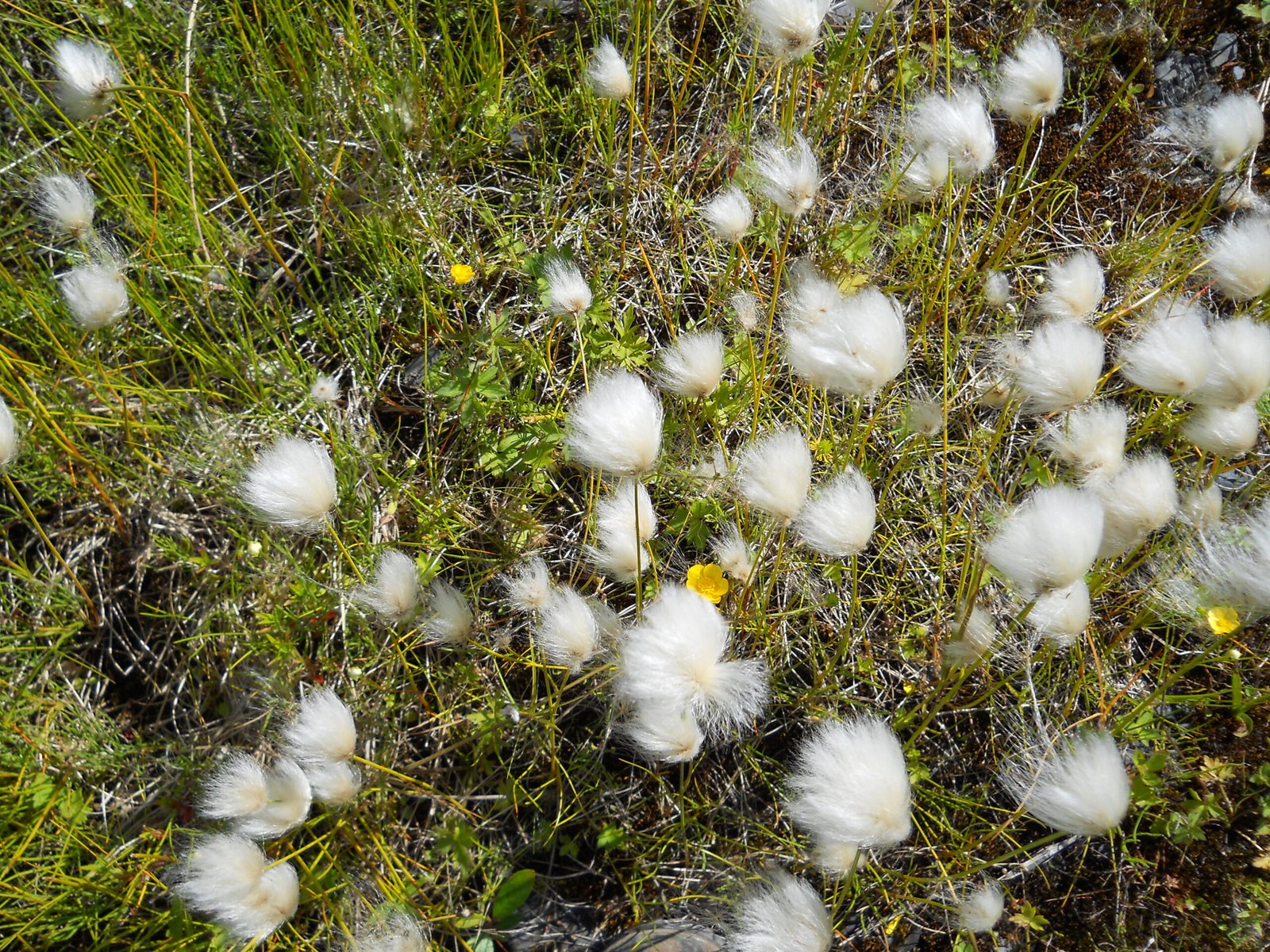
Seeds are the hopeful travelers of the plant world, always searching for a place to call home. On new lava, they arrive in all sorts of creative ways. Some float in on the wind, others hitch rides on birds or get washed in by rainwater. In Hawaii, for example, native ohia seeds are so light they soar on the breeze, landing miles from their parent trees. Birds often drop seeds with their droppings, providing ready-made fertilizer. This constant trickle of seeds is like a lottery—most never make it, but a lucky few find just enough to survive.
Ohia Lehua: The Red-Flowered Symbol of Resilience
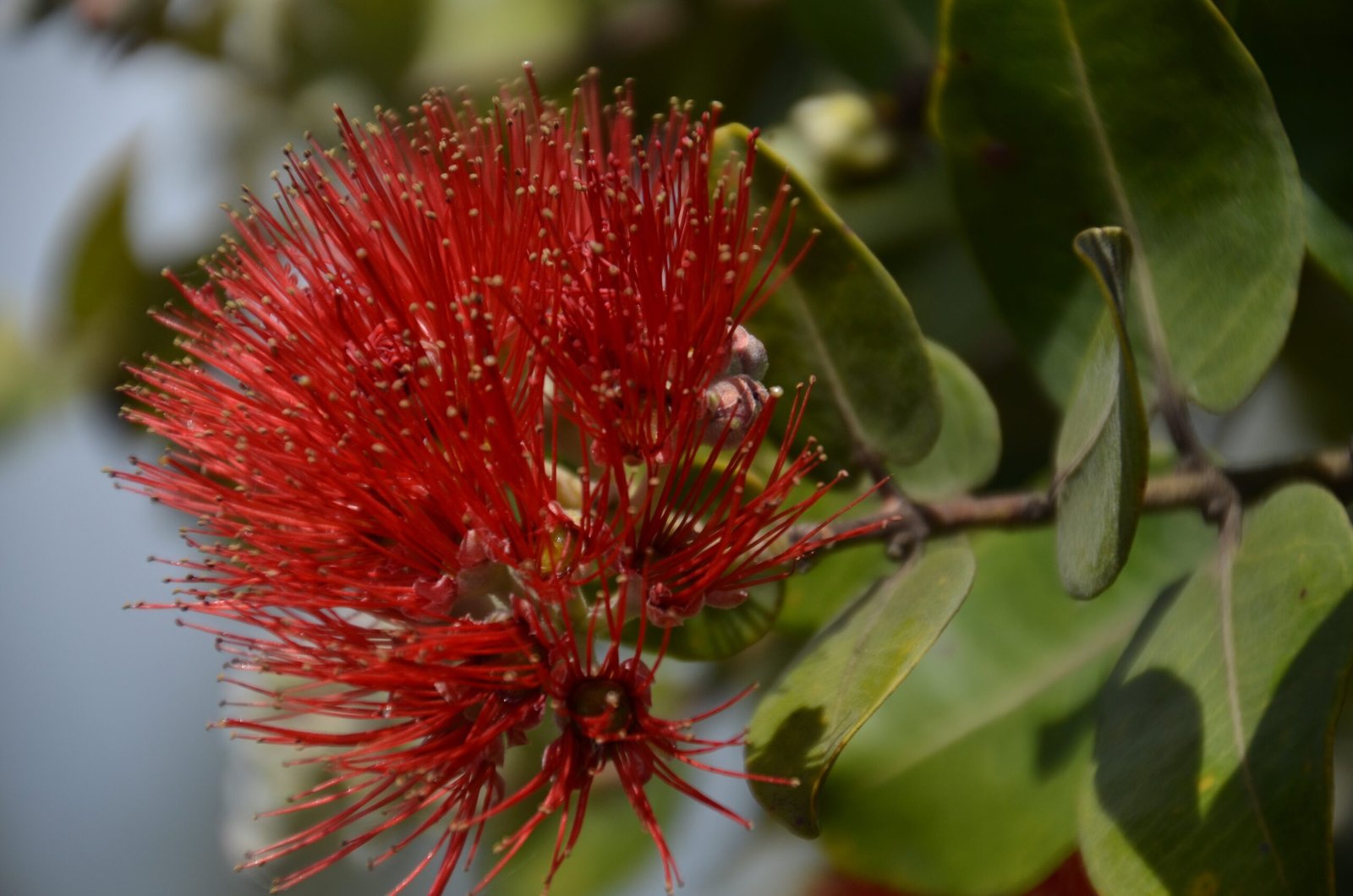
One of the most iconic trees to colonize new Hawaiian lava is the ohia lehua. Its bright red blossoms stand out like embers against the black rock. Ohia is a botanical daredevil, able to sprout in the tiniest cracks with minimal soil. Its roots anchor deep, breaking up the lava further, and its fallen leaves enrich the soil below. This tree is often the first to create shade and shelter, inviting other plants and animals to join the party. In the local culture, ohia lehua is a symbol of strength and persistence—proof that beauty can arise from hardship.
Ferns and Their Ancient Wisdom

Ferns are among the oldest plants on earth, and they’re experts at colonizing tough places. On fresh lava, species like the Hawaiian hapu’u tree fern quickly follow the ohia. Their feathery fronds catch moisture and their roots weave through the cracks, stabilizing the fragile soil. Ferns improve humidity and trap leaf litter, helping to create a microclimate where more delicate seedlings can thrive. Their presence is like a green invitation, signaling that this once-hostile ground is becoming a true forest.
Insects: The Unsung Architects

No forest can grow without insects, and on new lava, the first arrivals are often ants, beetles, and spiders. These tiny creatures break down dead plant material, speeding up soil formation. Some insects pollinate pioneer plants, while others become prey for birds and reptiles. They are the original recyclers, turning death back into life. Think of them as the backstage crew at a theater—rarely seen, but absolutely essential for the show to go on.
Birds and Bats: Nature’s Seed Couriers

Birds and bats play a starring role in bringing diversity to lava-born forests. They carry seeds in their beaks or guts, flying long distances before dropping them on barren rocks. In places like the Galápagos and Hawaii, fruit-eating birds and nectar-loving bats are responsible for introducing dozens of new plant species to young lava flows. Their droppings fertilize the ground, giving new seedlings a head start. Without these winged visitors, the speed of forest recovery would slow to a crawl.
Microclimates: Pockets of Hope Amid Hardship

Not all lava is created equal. Cracks, pits, and shaded spots can hold moisture and shield young plants from harsh sun and wind. These little refuges—called microclimates—act like nursery beds. A single boulder might cast enough shade to keep a sapling alive through a drought. Rainwater pools in crevices, giving thirsty roots a chance to drink. Over time, these sheltered pockets expand, merging into larger patches of vegetation that anchor the growing forest.
Competition and Cooperation: The Dance of Survival

As more plants take root, the real drama begins. Some species grow quickly, grabbing sunlight and nutrients before others can catch up. But it’s not all competition—many plants also cooperate. For example, nitrogen-fixing shrubs enrich the soil for their neighbors. Roots intertwine, sharing water and stabilizing the ground against erosion. The evolving forest is a blend of rivalry and teamwork, with every species playing a part in the unfolding story.
Animal Return: From Insects to Mammals

With plants come animals, each adding new layers to the ecosystem. Insects attract lizards and small birds, which in turn become prey for larger animals. As the forest matures, mammals like bats or even wild pigs might move in, further shaping the landscape. Their movements spread seeds and disturb the soil, helping new plants to germinate. The arrival of each new animal is like a piece falling into place in a living puzzle.
Succession: Nature’s Slow March Toward Stability

The process of change in a lava-born forest is called ecological succession. It starts with bare rock and ends, sometimes centuries later, with a mature, self-sustaining forest. Early colonizers give way to slower-growing, long-lived trees. The diversity of plants and animals increases, and the ecosystem becomes more stable and resilient. Ecological succession shows us that nature works in slow, steady waves—each stage building on the last, each disaster paving the way for new beginnings.
Human Interaction: Both Threat and Ally
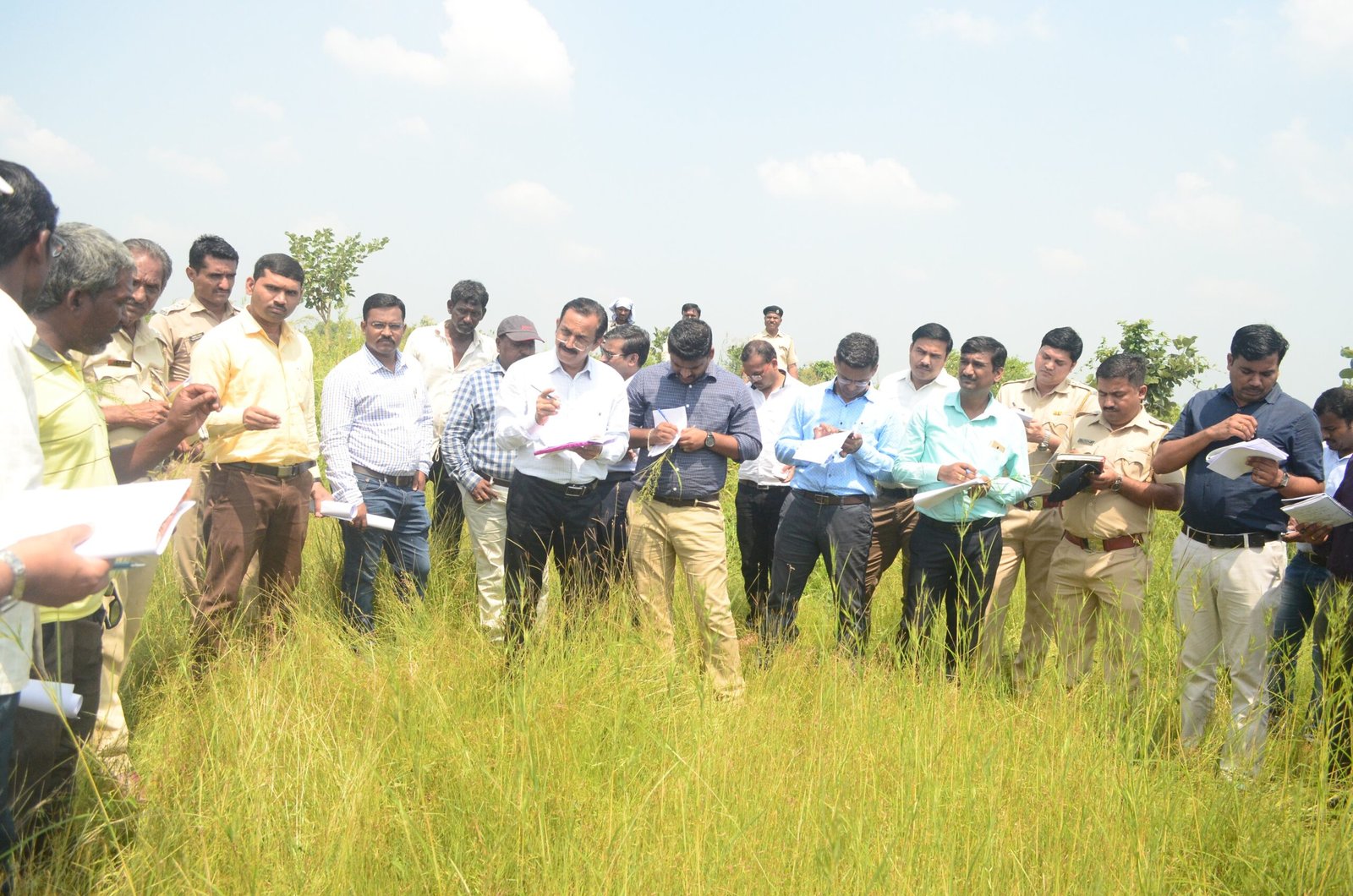
Humans are part of this story, too. Sometimes, our activities—like introducing invasive species or clearing land—hinder forest recovery. But we can also help. Conservation projects, like planting native seeds and controlling invasive predators, speed up the natural processes at work. In Hawaii, community groups and scientists work side by side to nurse young forests on lava, blending traditional wisdom with modern science. Our choices, big and small, shape the fate of these remarkable ecosystems.
Learning from Lava: Lessons for the Future

The resilience of lava-born forests offers powerful lessons for our changing world. As climate change brings more fires, floods, and disasters, these ecosystems remind us that recovery is possible—even from the worst devastation. They show the importance of patience, diversity, and persistence. Scientists study these forests to learn how life adapts to harsh conditions, hoping to apply these lessons elsewhere, from urban rooftops to post-fire landscapes.
Global Examples: More Than Just Hawaii

While Hawaii’s lava forests are famous, similar stories play out around the globe. Iceland’s moss fields, born from volcanic eruptions, are a green wonder in a bleak landscape. In Indonesia, tropical rainforests reclaim volcanic ash after eruptions. Even Mount St. Helens in the United States, devastated in 1980, now boasts thriving patches of young forest. Each place has its unique cast of species and challenges, but the underlying tale of resilience is universal.
The Emotional Impact: Awe, Hope, and Humility

Standing in a young forest on lava, it’s hard not to feel a rush of emotion. There’s awe at nature’s inventiveness, hope in every new leaf, and humility in the face of forces far bigger than ourselves. These forests remind us that life is stubborn and creative—it finds a way, even when the odds seem impossible. For many people, these places become symbols of renewal, offering inspiration in times of personal or global crisis.
Why It Matters: The Bigger Picture

The story of forests rising from lava isn’t just about plants and rocks—it’s about the resilience woven into the fabric of life itself. These ecosystems store carbon, protect soil from erosion, and offer habitat for countless creatures. They are living laboratories, teaching us about adaptation, recovery, and the interconnectedness of all things. By protecting and learning from these forests, we invest in a future where hope can always take root, even in the harshest ground.