Picture this: you’re walking down a tree-lined street in Manhattan on a scorching summer day, seeking refuge under the leafy canopy above. But what if I told you that those very trees providing you shade are fighting a silent, microscopic war that they’re slowly losing? Scales are sap-sucking insects common on backyard trees and ornamental shrubs, and they’re not mobile during most of their lives and blend into the bark or leaf tissue of the tree. These tiny invaders might look harmless, but they’re gradually weakening New York’s urban forest in ways most people never notice. From Central Park’s towering oaks to the modest street trees in Queens, a battlefield stretches across all five boroughs where nature’s tiniest warriors are winning against some of our most vital green allies.
The Hidden Army Living on Your Street Corner

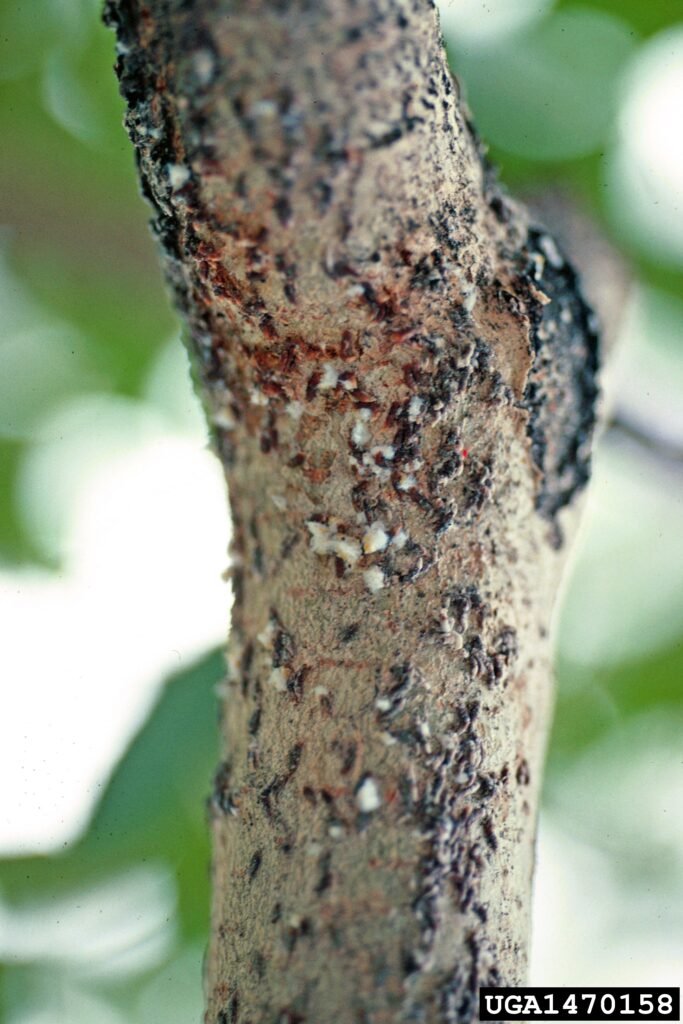
Most New Yorkers walk past thousands of scale insects every day without ever knowing they exist. Resembling small bumps on twigs and branches, scales don’t look like most insects; therefore, they can easily go undetected, and they are such oddly shaped and immobile pests that they often resemble shell-like bumps rather than insects. Think of them as nature’s ultimate stealth bombers – so perfectly camouflaged that they look like tiny pieces of bark or random plant growths. Scale insects are common on many trees and shrubs, and natural enemies help keep them in check but scales sometimes can injure plants. These creatures have mastered the art of hiding in plain sight, making them one of the most underestimated threats to urban forestry. There are more than 8,000 species of scale insects in the world and over 1,000 in North America alone, and in many cases, heavy infestations build up unnoticed before plants begin to show damage. It’s like having thousands of microscopic vampires attached to every tree, slowly draining their life force while remaining virtually invisible to the human eye.
Two Types of Trouble: Soft vs. Armored Destroyers

There are two types of scales: soft scales or armored scales, and both types live under a covering they produce. Soft scales are the messier troublemakers of the bunch. Some types of soft scales include lecanium scale, cottony maple scale, and magnolia scale, and these insects absorb a lot of sap and they excrete this sap as a sticky substance called “honeydew” or “ghost rain.” Imagine walking under an infested tree and feeling mysterious sticky drops falling on you – that’s not tree sap, that’s scale insect waste! Armored scales, on the other hand, are the silent assassins. Some types of armored scales include pine needle scale, oyster shell scale, and euonymus scale, and armored scale insects are typically more damaging to their hosts than soft scales. They don’t make the sticky mess, but they’re often deadlier to their host trees. Their feeding on branch tissues kills individual cells, and cell death disrupts the transportation of materials through the tree limb and can cause the branch to die, and in heavy infestations armored scales feeding on branch tissues can cause the death of entire plants.
The Great New York Scale Census: Numbers That Shock

Here we produced an individual tree dataset including tree locations, height, crown area, crown volume, and biomass over the entire New York City, USA for 6,005,690 trees. With over six million trees across the five boroughs, New York City hosts an astronomical number of potential scale insect homes. Research has shown that urban environments create perfect breeding grounds for these pests. Gloomy scales on hot urban trees produce more eggs than their counterparts in forests, especially if host trees are simultaneously water stressed, which they often are. The math is staggering when you consider that a single female scale can produce hundreds or even thousands of eggs. Soft scale females lay 1,000–2,000 eggs and produce only one generation per year. Multiply that by millions of trees, each potentially hosting dozens or hundreds of scale insects, and you’re looking at a reproductive explosion that would make rabbits jealous. The scale population in NYC likely numbers in the billions, making them one of the most abundant life forms in the urban ecosystem.
Climate Change: The Scale Insect’s Best Friend
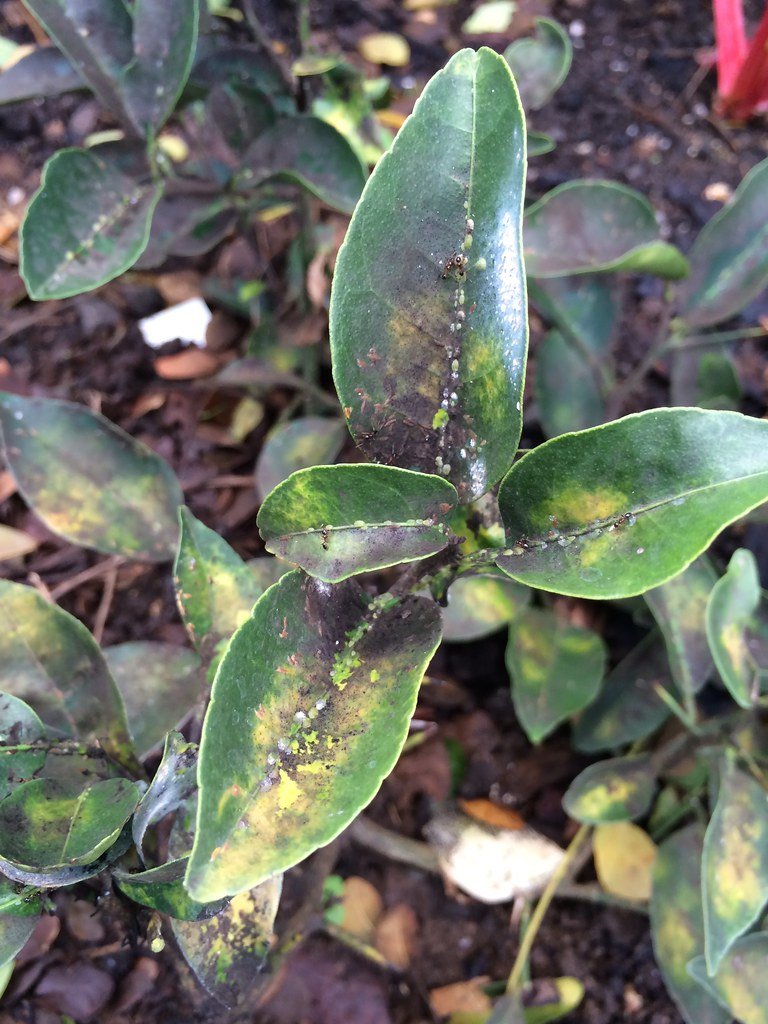
Rising temperatures have become scale insects’ greatest ally in their war against urban trees. The researchers found that scale insects and spider mites — well known tree pests — were more abundant at hotter sites, and scale insects, however, showed a linear relationship with temperature – in other words, the hotter it got, the more scale insects there were. New York City is warming faster than many people realize. According to the New York City Panel on Climate Change, the mean annual temperature has been increasing by 0.3°F per decade, a total of 3.4°F. This might not sound like much, but for cold-blooded insects, it’s like switching from regular coffee to espresso – everything speeds up. Warmer temperatures will result in the proliferation of more mosquitoes and ticks, (and the diseases they spread), more insect generations per year and more pathogens surviving the winters, and an increase in pests will affect the health of trees, which could compromise the biodiversity of forests. Climate change isn’t just helping individual scale insects thrive; it’s allowing them to complete more life cycles per year, creating a compounding effect that overwhelms urban trees’ natural defenses.
Water Stress: When Trees Can’t Fight Back

Perhaps the most devastating factor in this urban warfare is water stress, which leaves trees defenseless against scale invasions. A recent study finds that urban trees can survive increased heat and insect pests fairly well — unless they are thirsty, and insufficient water not only harms trees, but allows other problems to have an outsized effect on trees in urban environments. It’s like being sick with the flu while running a marathon – trees simply can’t muster the energy to fight off scale attacks when they’re already struggling to survive. The researchers found that higher temperatures could actually have a positive effect on tree growth, as long as the trees had adequate water, and scale insects had little or no adverse effect on the trees if the trees were not water stressed. The cruel irony is that urban environments, with their concrete jungles and limited soil space, create the perfect storm of conditions that stress trees while simultaneously providing ideal breeding grounds for their scale insect enemies. The researchers also found that water stress limited tree growth all by itself, but the presence of increased heat and/or scale insects, when combined with water stress, had a multiplier effect — curtailing growth far more than water stress.
The Honeydew Highway: A Sticky Situation
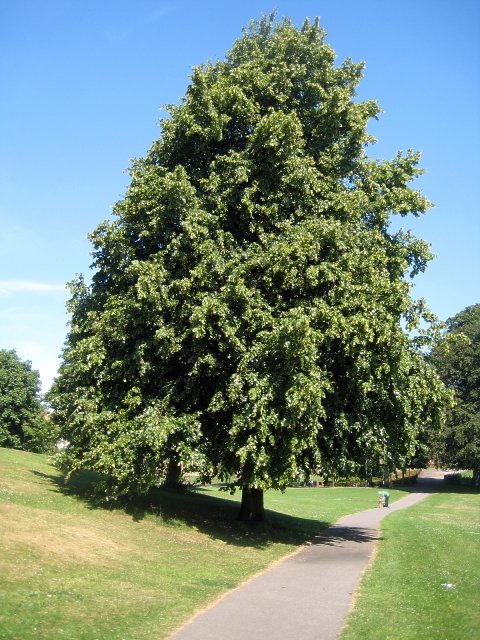
One of the most visible signs of scale insect victory is the sticky, sugary substance called honeydew that coats everything beneath infested trees. A sign of a soft scale infestation is a coating of the sticky honeydew substance that they secrete on picnic tables, walkways, and parked cars below the infected tree, and while it’s merely an annoyance on these surfaces, honeydew is detrimental to the trees and plants it coats. If you’ve ever wondered why your car feels sticky after parking under certain trees, or why some sidewalks seem perpetually grimy, you’re witnessing the aftermath of scale insect feeding frenzies. Honeydew is both a nuisance and a threat to plant health, and parked cars, walks, and benches beneath infested trees often become a sticky mess, and the sugary liquid attracts ants, flies and wasps. But the real damage comes from what grows on this sweet coating. The syrupy secretion can attract a fungus, called sooty mold, which covers and discolors infested trees and plants, as well as sidewalks, roofs, and other surfaces, and plants become unsightly when this liquid becomes a food for a black fungus called sooty mold, and this mold can shade leaves and reduce plant growth. It’s like the trees are being slowly suffocated by a blanket of black fungus, all thanks to scale insect waste.
Natural Enemies: The Failing Defense Force

Nature does provide some help in the fight against scale insects, but it’s proving insufficient in urban environments. Scale insects are usually kept below damaging numbers by natural enemies like lady beetles and tiny parasitic wasps, however, when biological control is not sufficient, scale numbers can become abundant, requiring management. Think of these beneficial insects as nature’s SWAT team, but they’re severely outnumbered and outgunned in the urban battlefield. Gloomy scales are targeted by multiple parasitoid wasp species and are consumed by many generalist insect predators such as lady beetles and lacewing larvae, however, these natural enemies (the collective term for insect predators and parasitoids) rarely reduce gloomy scale populations below damaging densities on urban red maples. The problem is that cities are hostile environments for beneficial insects too. The stationary life of scales makes them easy targets for many natural enemies including lady beetles and microscopic wasps, and these beneficial insects can keep the numbers of scales quite low in a natural woodland setting. Urban environments lack the biodiversity and habitat complexity that would support robust populations of scale predators and parasites.
The Chemical Warfare Dilemma
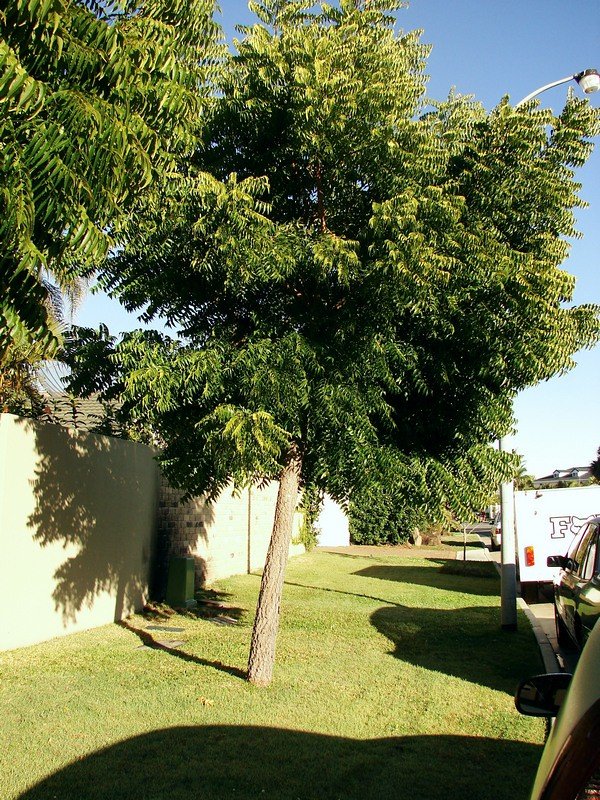
When natural controls fail, many property managers turn to chemical treatments, but scale insects have evolved impressive defenses against these attacks. Scale insects are hard to treat because their protective shells or coatings serve as a barrier for pesticides and other chemical treatments, and they are most vulnerable to treatments after they hatch, in the crawler stage, when they are looking for a place to feed. It’s like trying to poison someone wearing a hazmat suit – the armor that protects them from natural enemies also protects them from human intervention. Conventional pesticides cannot penetrate a scale’s tough skin or waxy cover, and thorough coverage on tall trees is difficult and these materials do not kill scales after they settle. Even worse, the cure can be worse than the disease. More importantly, these materials kill the scale’s natural enemies responsible for lasting control in the landscape. Using broad-spectrum insecticides is like dropping a nuclear bomb to kill mosquitoes – you might eliminate some pests, but you’ll also wipe out all the beneficial insects that were helping fight the problem naturally.
The Timing Challenge: Missing the Window of Vulnerability

Successfully combating scale insects requires precision timing that most urban tree care programs simply can’t achieve consistently. The best time to treat most scale insects is after eggs hatch when the crawlers are first active and are searching for feeding sites, but before they begin producing their shells. This vulnerable crawler stage is like a brief window when enemy soldiers are changing shifts – there’s only a short moment when they’re exposed and defenseless. Start to look for the presence of crawlers just before they are expected to appear, shake infested branches over a white sheet of paper or white paper plate to look for reddish or yellowish colored crawlers, and check for crawlers at least once a week until you find them. The challenge is that with millions of trees across New York City, and different scale species emerging at different times throughout the growing season, it’s virtually impossible to monitor and treat every tree at exactly the right moment. This difference in overwintering habits as well as timing of the crawler stages of each of the scale species is very important to determine the best management methods as well as the best timing of management, and scale numbers can increase rapidly after just a few seasons.
Urban Heat Islands: Turning Cities into Scale Insect Paradise

New York City’s urban heat island effect creates the perfect climate for scale insect reproduction and survival. Cities profoundly alter biological communities, favoring some species over others, though the mechanisms that govern these changes are largely unknown, and herbivorous arthropod pests are often more abundant in urban than in rural areas, and urban outbreaks have been attributed to reduced control by predators and parasitoids and to increased susceptibility of stressed urban plants. The concrete, asphalt, and buildings that define urban landscapes absorb and retain heat much more effectively than natural surfaces, creating microclimates that can be several degrees warmer than surrounding rural areas. Tree moisture stress and insect damage in urban trees in relation to heat island effects. For scale insects, this is like moving from a cool basement apartment to a heated penthouse – everything becomes more comfortable and conducive to rapid reproduction. Built environments can boost risks associated with extreme heat and heavy rainfall events made more likely in a warming world, and cities are generally warmer than surrounding landscapes due to the urban heat island effect, which occurs because pavement and buildings retain heat and reflect it back into the surrounding air. The temperature difference can be dramatic enough to allow multiple generations of scale insects per year in the city, while their rural cousins might only manage one or two generations in the same timeframe.
The Compounding Effect: When Multiple Stressors Collide

Urban trees face a perfect storm of stressors that make them sitting ducks for scale insect attacks. Stress factors of urban trees and their relevance for vigour and predisposition for parasite attacks. Beyond heat and water stress, city trees must contend with soil compaction, air pollution, salt from road de-icing, limited root space, and physical damage from construction and foot traffic. Urban trees can suffer from substantial water stress due to high temperatures, modified precipitation patterns, and unfavorable soil conditions due to impervious surfaces and compacted soils in urban areas, and along with mechanical impacts and reduced gas diffusion within the rhizosphere, these effects may reduce root growth and in turn hamper a tree’s water uptake. It’s like asking someone to fight off an infection while they’re malnourished, dehydrated, and suffering from multiple chronic illnesses. During much of the year, the growth rates of oak trees in Boston and New York suffered more from hot, dry weather than the growth rates of trees in surrounding areas, the researchers found, and for all trees in Massachusetts and New York, the distance between rings grown during hot, dry years was smaller than between those grown during wetter, cooler years, but that distance was reduced more significantly for city trees than for their rural counterparts. When trees are already struggling to survive basic urban conditions, they simply don’t have the resources left over to mount effective defenses against scale insect invasions.
The Diversity Solution: Why Monocultures Spell Disaster

One promising strategy emerging from recent research suggests that diversifying urban tree plantings could help tip the scales back in favor of the trees. Our study indicates that diversifying urban tree plantings may be a sustainable and effective cultural management strategy for otherwise difficult-to-manage pests such as scale insects. The problem with many urban landscapes is that they resemble giant outdoor cafeterias designed specifically for scale insects – rows of identical trees offering the same menu to hungry pests. In urban settings, red maples (Acer rubrum) are often planted in rows with few other tree species surrounding them, and increasing the diversity of tree species in such locations could improve gloomy scale biological control by natural enemies. Research conducted in Raleigh, North Carolina, provides compelling evidence for this approach. To test this, we designed a study to see if red maples surrounded by many other tree species were less likely to be infested with gloomy scales and if this effect was attributable to increased biological control by natural enemies, and to do so, we recorded all tree species present within a 25-meter radius of 95 red maple trees in the city of Raleigh, North Carolina, and we then recorded gloomy scale density and natural enemy abundance in these trees. The results suggest that when trees are part of diverse communities rather than monocultural plantings, they experience lower pest pressure and better natural pest control.
Economic Consequences: The Hidden Cost of Scale Victories
The economic impact of scale insect damage extends far beyond the obvious costs of tree removal and replacement. The researchers then plugged these results into a model to determine the extent to which urban warming impacted carbon storage for all of the willow oaks in Raleigh, and “We found that urban warming reduced carbon storage by all of Raleigh’s willow oaks by 12 percent, or 27 metric tons per year,” Meineke says. When you scale this up to include other cities experiencing similar urban heat effects and insect outbreaks, the cumulative loss of carbon storage becomes substantial—potentially amounting to thousands of metric tons annually. This not only reduces the climate-mitigating benefits provided by urban trees but also adds to long-term public costs associated with declining air quality, increased energy usage, and greater health risks tied to urban heat islands.