Picture this: You’re lying on your back under a canopy of stars, watching streaks of light dance across the sky as meteors blaze their fiery trails overhead. Or perhaps you’re standing on a beach, feeling the ground rumble beneath your feet as a rocket tears through the atmosphere, carrying humanity’s dreams into the cosmos. These aren’t just bucket list moments—they’re transformative experiences that remind us we’re part of something infinitely larger than ourselves.
America offers some of the world’s most spectacular locations for witnessing both rocket launches and meteor showers, from designated Dark Sky Parks to coastal vantage points where rocket launches can be visible as far as Santa Barbara and Los Angeles on clear days and nights. The key is knowing exactly where to go and when to look up.
Cape Canaveral and Kennedy Space Center, Florida: America’s Gateway to the Stars

Located on Merritt Island in Brevard County, Florida, near Cape Canaveral, Kennedy Space Center is one of the leading USA rocket launch sites, held by NASA and known for the Space Shuttle, Apollo, Mercury, and Gemini programs, while Cape Canaveral Air Force Station is technically a separate launch site in the same location. This iconic location serves as America’s premier spaceport, where history has been made countless times. From here, the first American satellite, Explorer 1, was launched in 1958, manned programs Mercury and Gemini also started from Cape Canaveral, and the Apollo 7 mission in 1968 and the first Mars Pathfinder rover in 1996 also took off from here. The sheer volume of launches makes this location unmatched—Cape Canaveral Air Force Base has a total of 38 launchpads, but only four of those are operational, and currently, Delta II and IV, Falcon 9, and Atlas V rockets are launched from these pads. What makes this spot truly special isn’t just the frequency of launches, but the accessibility for public viewing and the electric atmosphere that builds before each mission.
Vandenberg Space Force Base, California: The Pacific Coast’s Rocket Theater

Vandenberg Air Force Base, in central California northwest of Los Angeles, is a 99,600-acre facility that launches rockets from both its North and South Base, and the location allows the base to both launch test missiles over the Pacific Ocean and launch satellites into polar orbit. This West Coast launch site offers something completely different from its Florida counterpart. Vandenberg is more suitable for launching into retrograde or polar orbits, with launch limits at 201 and 158 degrees, and at a 201-degree launch azimuth, the spacecraft would be orbiting at a 104-degree inclination because VAFB is preferable because of the ease of polar orbit attainment. The beauty of watching a launch from Vandenberg isn’t just technical—it’s visual. Rocket launches are visible as far as Santa Barbara and Los Angeles on clear days and nights. Multiple viewing locations around the base offer spectacular vantage points, including the 13th St. & Arguello Blvd viewing site and Surf Beach, which offers an unparalleled vantage point.
Wallops Flight Facility, Virginia: The East Coast’s Hidden Gem
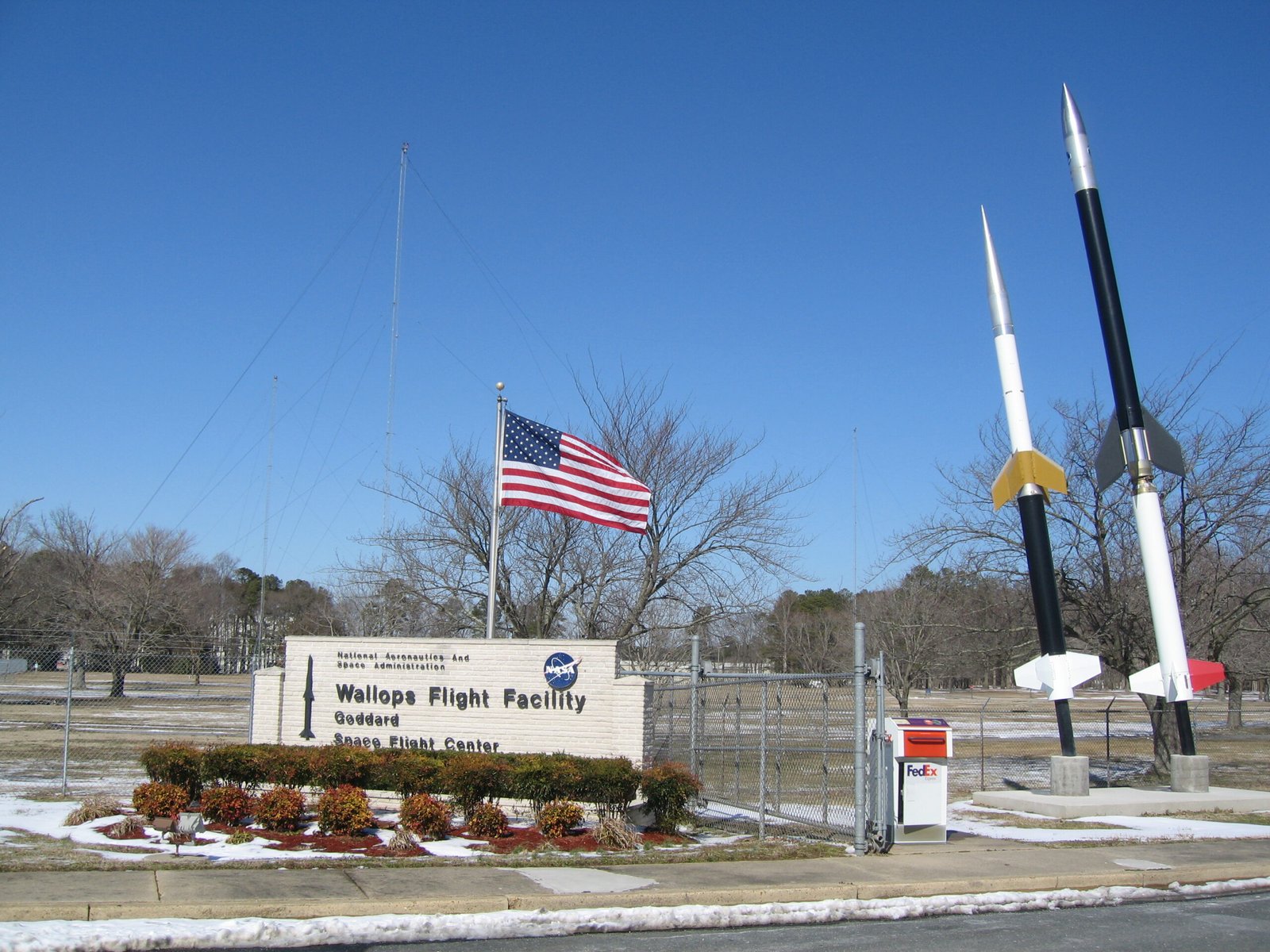
Wallops Flight Facility, formerly WITC, Wallops Island Test Center, is one of the oldest US spaceports that has been operational since 1945, consisting of 3 separate sections: the main base, the mainland center, and the Wallops Islands launch site. This Virginia facility holds special significance in space history. Test flights of a manned Mercury capsule with two monkeys on board took place here, and the first successful launch from Wallops took place on 16th February 1961, when the Scout X-1 launch vehicle successfully deployed the Explorer-9 satellite into LEO. What makes Wallops particularly appealing for spectators is its accessibility and welcoming approach to public viewing. “Our launches here at Wallops are open, whether it be a sounding rocket or something like an Antares, the larger vehicles, and all those can be seen from the visitor’s center,” said Koehler, a Wallops communications specialist, explaining that you can listen to the audio going on in the control room, watch the screens showing cameras on the launch pad, and folks can go right down towards the edge of the marsh to see the rocket take off, with no tickets required on a first-come, first-served basis.
Big Bend National Park, Texas: Where Darkness Meets Infinity

The world’s best places to see meteor showers are going to be untouched environments, such as national parks, and Big Bend National Park in far west Texas has night skies that are nothing short of magical, making it a great place to watch a meteor shower. This remote Texas treasure offers something that’s increasingly rare in our modern world—true darkness. Big Bend National Park is an International Dark Sky Park where visitors can see meteor showers at designated stargazing areas providing unobstructed views. The park’s isolation works in its favor, creating conditions that amateur astronomers can only dream of. Big Bend National Park is one of the most remote parks in America, and the night sky here is well known for being some of the darkest and most pristine, making it an ideal place for viewing meteor showers. During peak meteor shower seasons, visitors often witness spectacular displays that seem to transform the entire sky into a cosmic light show, with meteors appearing every few seconds during the most active periods.
Death Valley National Park, California: The Desert’s Celestial Canvas

If you’re looking for the best place to watch a meteor shower in California, Death Valley National Park should be at the top of your list, as the park has some of the darkest skies in North America. Despite its forbidding name, Death Valley transforms into a celestial paradise after dark. Straddling California and Nevada, Death Valley – with its naturally dark skies – is another hot spot for meteor showers and stargazing. The park’s unique geography creates perfect viewing conditions year-round. You can head to Big Bend National Park in Texas, which has the least light pollution of any national park, or Death Valley National Park in California, a designated Dark Sky Park, where expansive vistas and clear skies provide the perfect conditions for observing celestial events. The combination of high altitude, dry desert air, and minimal light pollution means that even faint meteors become visible, creating displays that can include dozens of shooting stars per hour during peak shower periods.
The Science Behind Peak Viewing Times
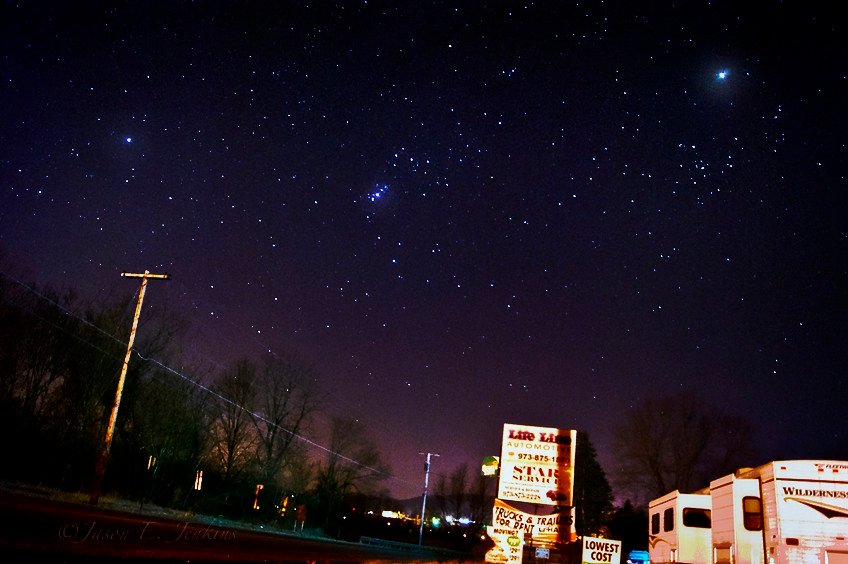
Understanding when to look up can make the difference between seeing a few scattered meteors and witnessing a full-blown celestial spectacle. Perseid meteors tend to strengthen in number as late night deepens into the wee hours before dawn, and the shower is often best just before dawn. This timing isn’t coincidental—it’s based on Earth’s rotation and our planet’s movement through space. The best time to view the Orionids is around 2 a.m. when the radiant is highest in the sky, and the peak also occurs at the same time as the new moon, providing ideal dark skies for meteor hunting. For rocket launches, timing depends entirely on mission requirements, but launches often occur during specific windows that optimize trajectory and lighting conditions. Let your eyes adjust to the dark for about 30 minutes, and try to use only red light to preserve your night vision, then simply lean back, relax and look up!
2025’s Most Spectacular Meteor Showers to Watch
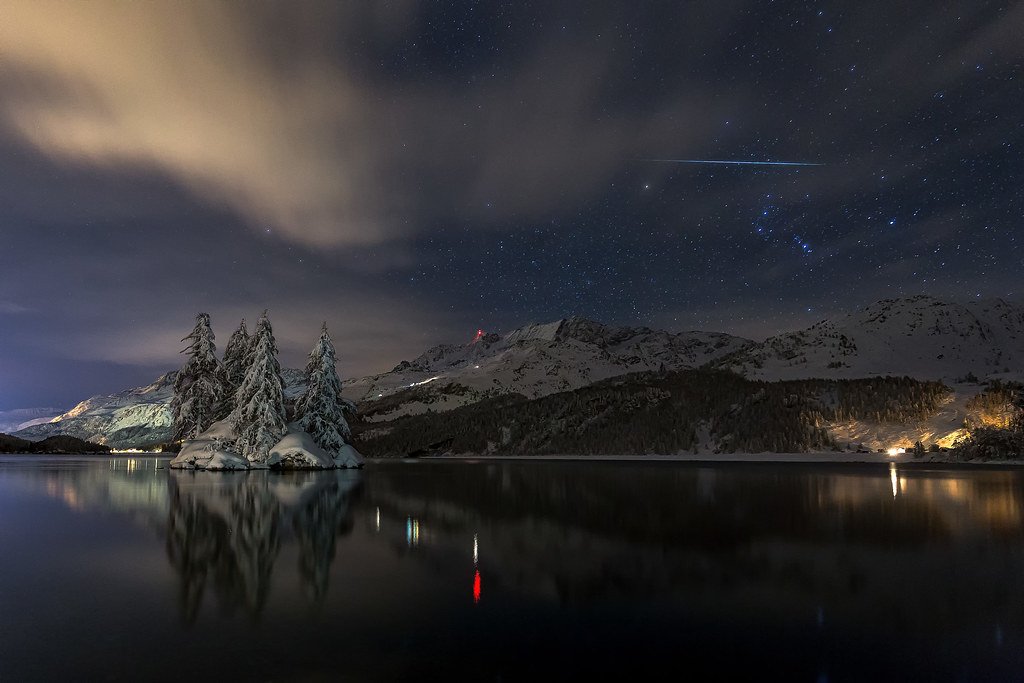
The Perseids are the most popular meteor shower as they peak on warm August nights as seen from the northern hemisphere, are active from July 14 to September 1, reach a strong maximum on August 12 or 13 depending on the year, and normal rates seen from rural locations range from 50-75 shower members per hour at maximum. However, 2025 presents some challenges for this favorite shower. In 2025, the waning gibbous moon will severely compromise this shower at the time of maximum activity. But don’t despair—other showers offer better viewing conditions this year. The Geminid meteor shower occurs between Nov. 19 to Dec. 24 and will next peak overnight on Dec. 13-14, 2025, can produce up to 120 meteors per hour under perfect dark sky conditions, and the Geminids are one of the most prolific meteor showers of the year, second to only the Perseid meteor shower in August. The Geminids are THE biggest meteor shower of the year, and the shooting stars streak across the sky the entire night with 75 meteors per hour at its peak, plus, it gets dark early, so you don’t have to stay up until the early hours to see the king of the meteor showers.
Preparing for Your Celestial Adventure
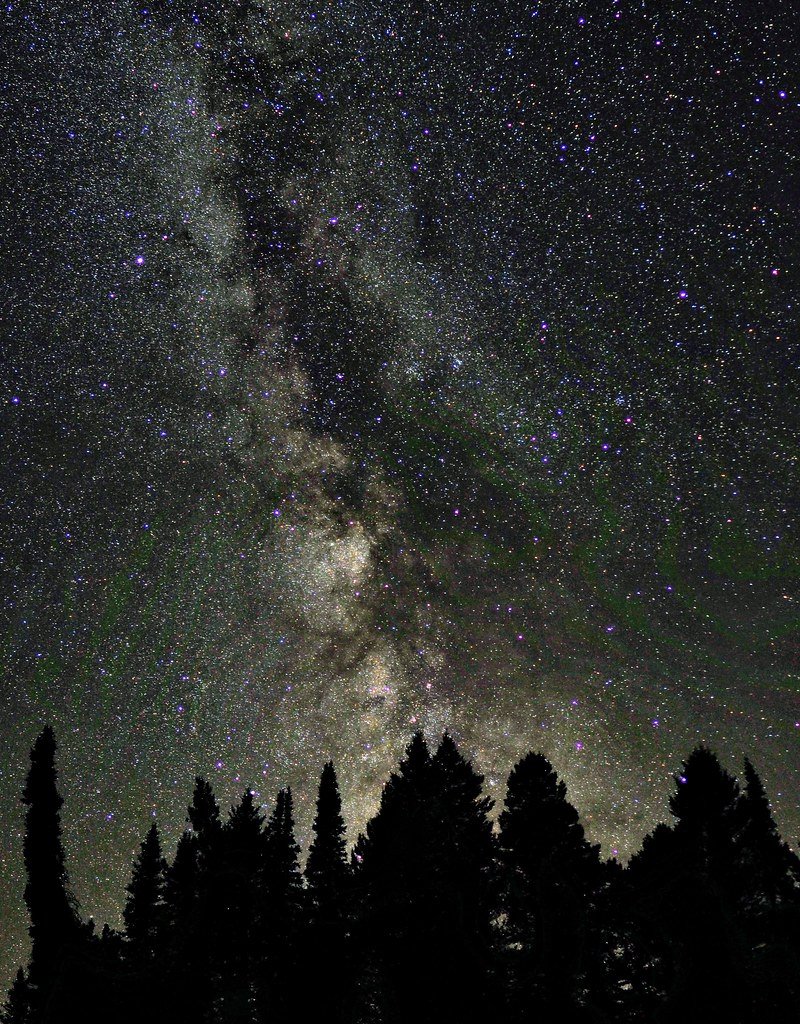
Success in celestial viewing comes down to preparation and patience. To see the most meteors, find the darkest sky you can, try and escape city lights and head to a rural location, a designated dark sky park, or even a quiet stretch of beach or mountain trail, but remember to stay safe and always let someone know where you are heading. The equipment needed is surprisingly minimal—your eyes are often the best instruments for meteor viewing. You don’t need telescopes or binoculars to see a meteor shower, as the key to a great viewing experience is taking in as much of the sky as possible, and make sure to allow at least 30 minutes for your eyes to adjust to the dark for optimal visibility. For those wanting to capture the moment, modern technology offers new possibilities. Capturing a meteor shower with your phone is possible with the right setup and techniques, use a tripod to keep your phone steady and set a timer to minimize vibrations, and adjust your camera settings to long exposure (5 to 30 seconds) and, if available, use Night Mode or RAW format for higher-quality images.
When Moon Phases Work For and Against You

The moon can be your best friend or worst enemy when it comes to celestial viewing. Pay attention to moon phases as these can hinder the visibility of meteor showers, a bright full moon can obscure the view so you ideally want to travel during crescent or new moon phases. Some 2025 meteor showers benefit from favorable lunar conditions. In 2025, the Orionids will be at their best as they happen during a new Moon, which will make for optimal viewing conditions. Similarly, in 2025, the Moon will be merely 5% full, giving us a gorgeous view of the Leonids. Understanding these lunar cycles helps you plan trips when darkness will be at its deepest, revealing meteors that would otherwise be washed out by moonlight.
The Unique Experience of East Coast Rocket Viewing

The East Coast offers a different rocket-viewing experience that’s often underestimated. Rocket Lab’s first-ever launch from U.S. soil will light up the skies for much of the East Coast when it launches from NASA’s Wallops Island facility in Virginia, with viewers in Richmond, Virginia able to see the rocket between 60 and 90 seconds after launch, while viewers in Ohio should expect to catch a glimpse between 150 and 180 seconds after launch. The visibility extends much further than many realize. “We routinely have folks be able to clearly see our launches from rooftops in the Washington, D.C. area,” according to NASA officials. “For those along the East Coast, weather permitting, you may catch a glimpse of Electron’s flight. From a distance, Electron will appear like a bright, fast-moving star in the sky,” NASA Wallops wrote on Twitter.
Dark Sky Designations: Your Guide to the Darkest Locations

Since you want the darkest skies, the best places to go are recognized dark sky parks, the International Dark Sky Association designates dark sky places throughout the world, and if you find an international Dark Sky Park, you know you’re getting the darkest spot away from bright lights for viewing meteor showers. These designations aren’t just honorary titles—they represent measurable differences in light pollution that directly impact what you can see. Cherry Springs State Park in Potter County, Pennsylvania is a well-known meteor viewing hotspot, and Cherry Springs has been named a Dark Sky Park by the International Dark-Sky Association (IDA), meaning they have strict lighting regulations to minimize light pollution, therefore allowing the meteor showers to be seen. Some of the most-known meteor showers that can be seen from this park in Pennsylvania are the Quadrantids in January, Perseids in August, and Geminids in December. The regulations and community commitment behind these designations ensure that these locations will remain prime viewing spots for generations to come.
Regional Advantages: Matching Showers to Locations

Not all meteor showers are created equal across different regions of the United States. The Delta Aquariids are another strong shower best seen from the southern tropics, and north of the equator the radiant is located lower in the southern sky and therefore rates are less than seen from further south. This means that southern locations like Big Bend offer advantages for certain showers throughout the year. The Eta Aquariids are a strong shower when viewed from the southern tropics, and from the equator northward, they usually only produce medium rates of 10-30 per hour just before dawn. Understanding these regional differences helps you choose the right location for specific celestial events. This meteor shower is visible from both the Northern and Southern Hemisphere but is much more active in the Northern Hemisphere, where the meteors’ radiant is high in the sky.
The Growing Popularity and What It Means for Viewers
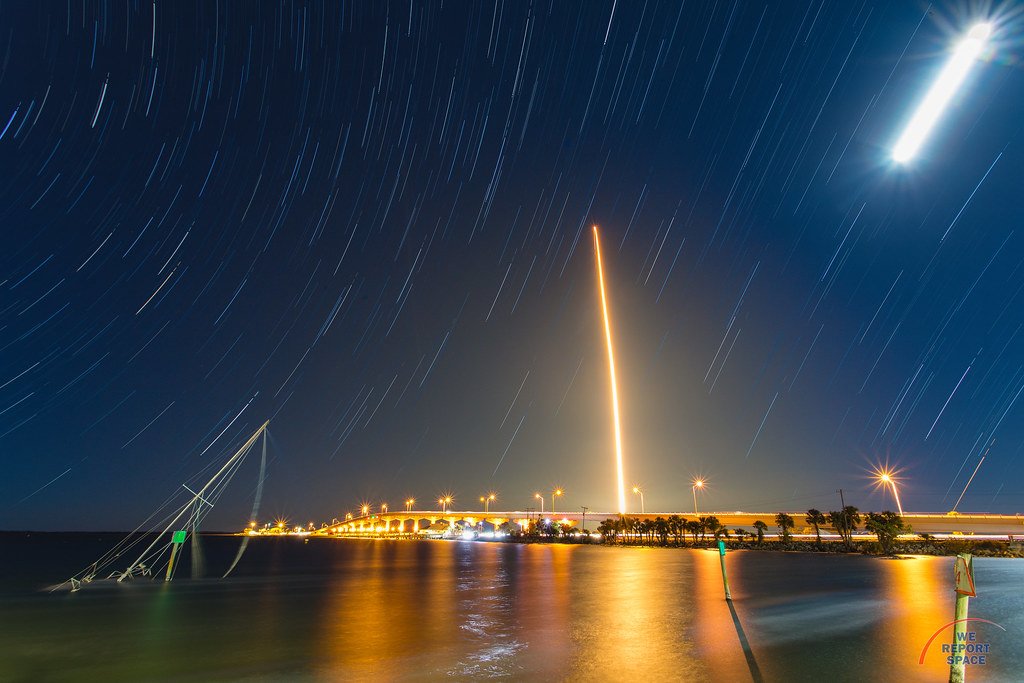
Following the 2024 solar eclipse, there has been a soaring interest in astronomy, and if you’re eager to witness this celestial event, here are all the meteor showers to expect in 2025, their peak dates, and some tips on capturing shooting stars using just your phone. This surge in interest means that popular viewing locations are becoming more crowded. As these natural phenomena grow in popularity, so do the crowds, so be sure to arrive early to secure a good viewing spot. The increased interest also brings benefits—more facilities, better access roads, and enhanced visitor services at many locations. Big Bend National Park also hosts astronomy programs and events, camping grounds, and lodges, so you can truly immerse yourself in the stunning landscapes and soak it all in. Planning ahead becomes more crucial than ever, especially for major meteor shower peaks and highly publicized rocket launches.
Safety Considerations for Night Sky Adventures

Venturing into remote locations for the best celestial views requires careful planning and safety awareness. Depending on which major meteor event you choose to see, there is a risk of seasonal road closures, particularly if weather conditions become too extreme, so always check before traveling and use GPS navigation to find your way around these remote locations. When driving to Cherry Springs remember to watch out for wildlife and drive cautiously as the roads can be narrow and winding. Weather plays a crucial role in both safety and viewing success. The north east isn’t exactly known for clear skies and prime stargazing conditions, as humidity and cloud cover are a couple factors you’ll have to deal with, but there are also several places off the beaten path where you can find dark skies and a wide open view. Always check weather forecasts, inform others of your plans, and bring appropriate gear for changing conditions.
Understanding What Makes These Locations Special
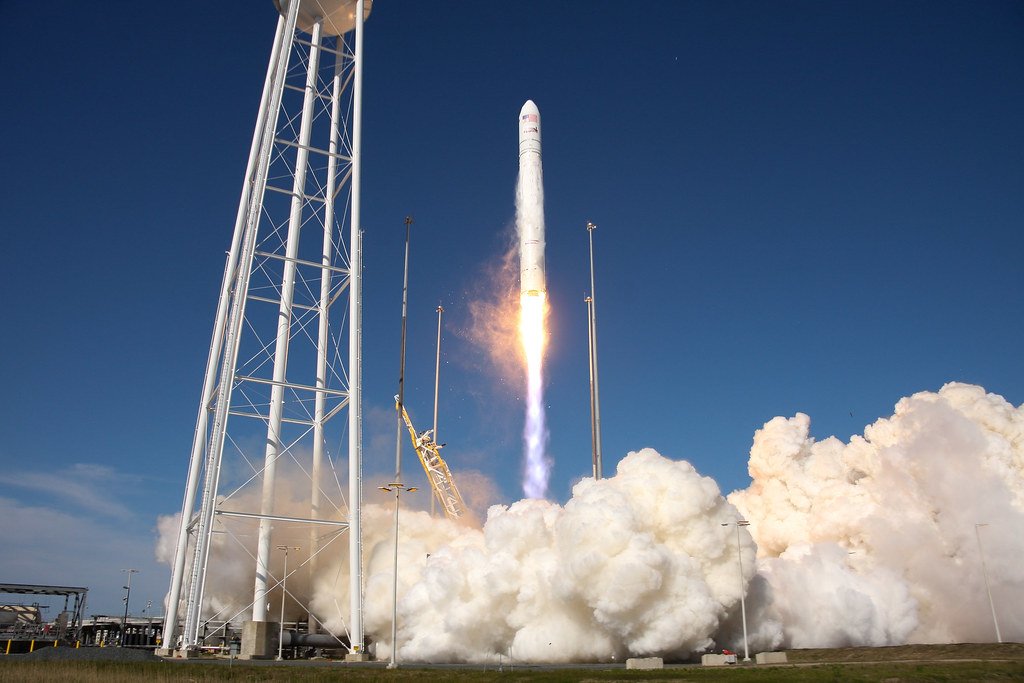
It’s vital to find a dark sky location to see meteor showers, as they have minimal light pollution, including national parks, remote rural areas, and designated dark sky reserves, with the reason these locations work so well being their commitment to reducing light pollution. Light pollution from home and city lights casts an invisible shadow on the natural light of space, and since most people live in cities where light pollution is worst, they can hardly ever experience a meteor shower from their own homes. What transforms these locations from ordinary places into cosmic theaters is a combination of factors: elevation above atmospheric interference, distance from urban light pollution, stable weather patterns, and often pure luck of geography. Eighty percent of Americans have never gazed upon our home galaxy, but though harder to find than it used to be, dark skies do still exist, and a night under thousands of stars is something everyone should experience at least once.