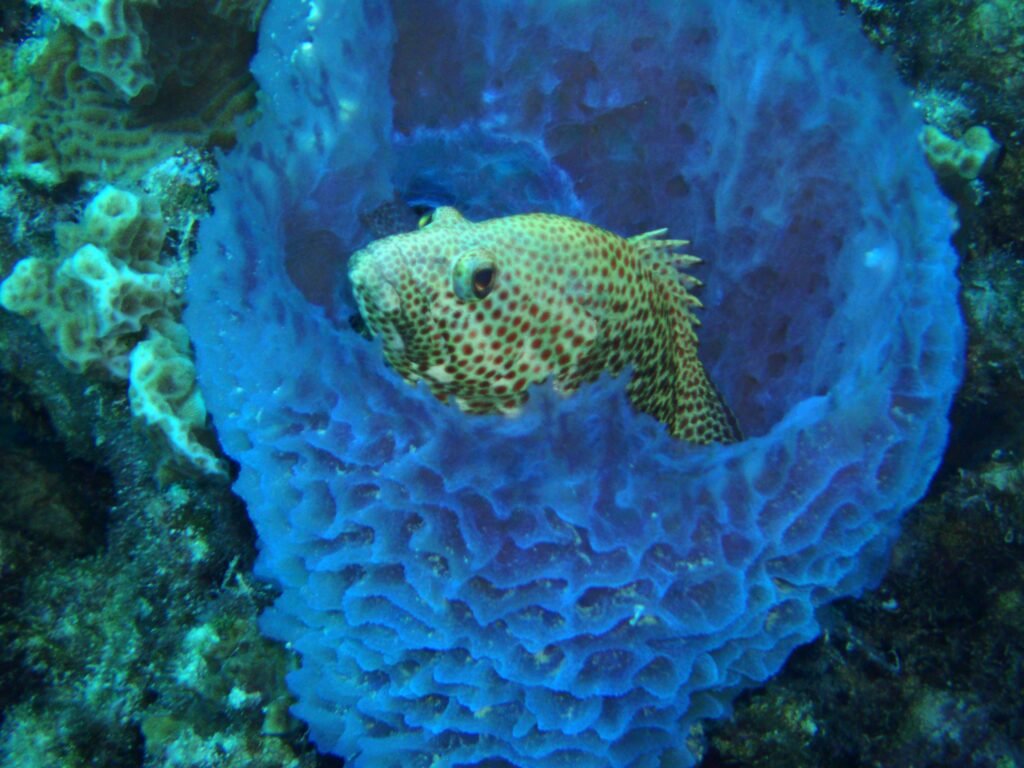

Most of us think sex is simple—you’re either male or female, determined at birth by your genes. But venture into the mesmerizing world of reptiles and fish, and you’ll discover that nature has far more creative ways of handling sex than our human-centered perspective might suggest. Temperature-dependent sex determination (TSD) is a type of environmental sex determination in which the temperatures experienced during embryonic/larval development determine the sex of the offspring. It is observed in reptiles and teleost fish. These remarkable creatures are rewriting the rules about what it means to be male or female, revealing a biological reality where sex can be fluid, temperature-controlled, and sometimes even reversible.
The Ancient Art of Temperature-Based Sex Selection
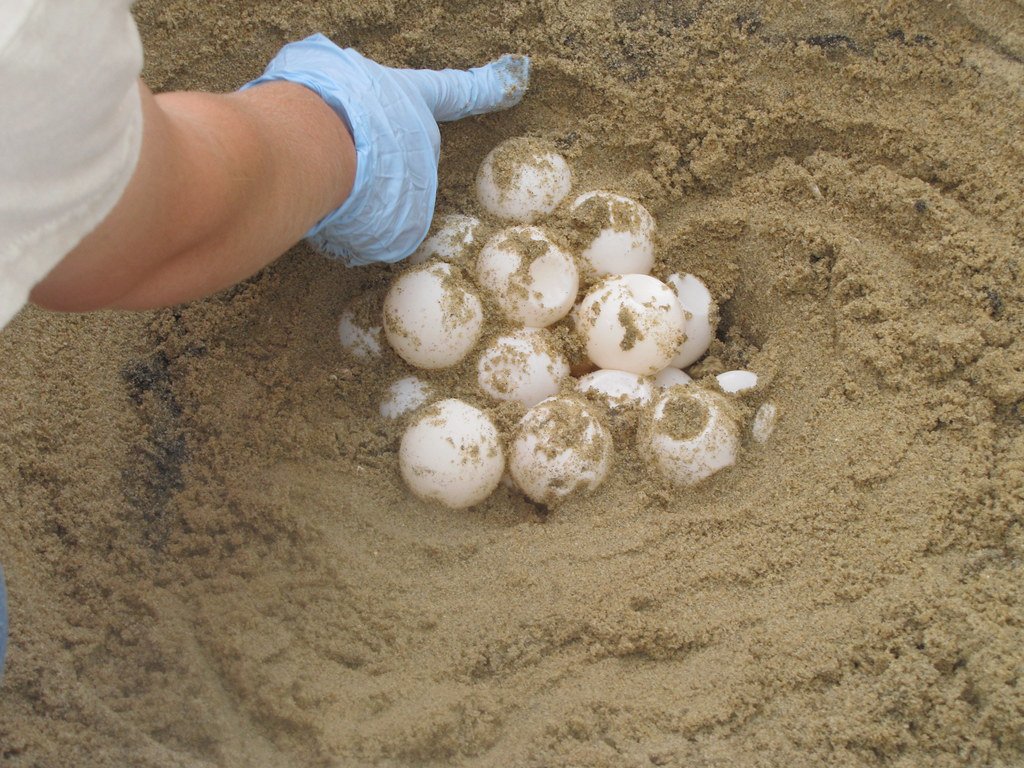
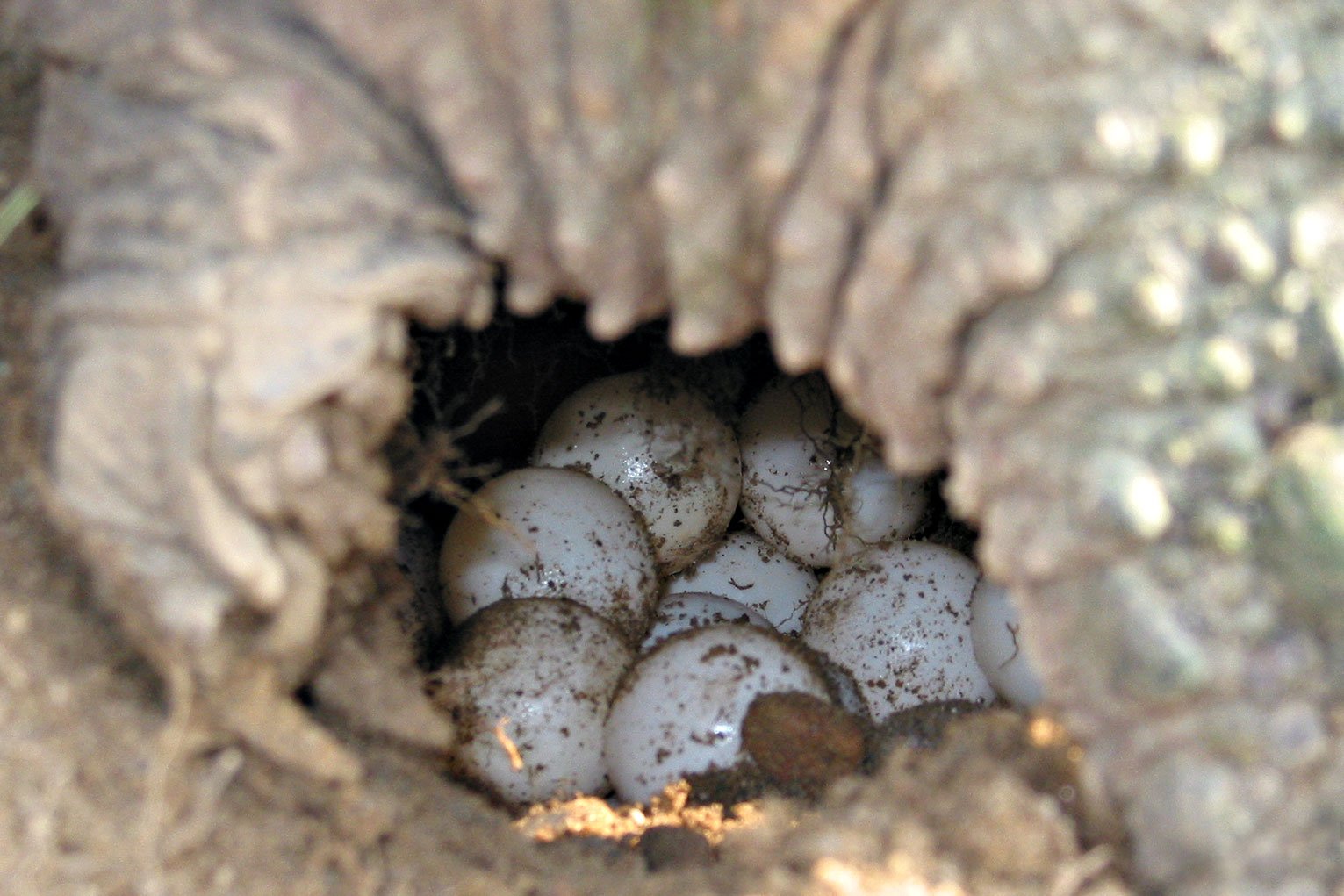
Picture this: a mother turtle carefully selecting the perfect spot to bury her eggs, unknowingly playing the role of a biological matchmaker. Mothers of these species bury their eggs and the location and depth of the nest in the substrate determines incubation temperature. Incubation temperature, in turn, determines the sex ratio of the propagule. This isn’t some random quirk of nature—it’s a sophisticated system that’s been perfecting itself for millions of years. All crocodilians, most turtles, many fish, and some lizards exhibit TSD. The temperature during a critical window of development literally decides whether an embryo becomes male or female, making the weather forecast more important than genetics for these animals. The eggs are affected by the temperature at which they are incubated during the middle third of embryonic development. This critical period of incubation is known as the thermosensitive period. It’s like nature’s own thermostat, but instead of controlling room temperature, it’s controlling the future sex of entire generations.
The Critical Temperature Window That Changes Everything
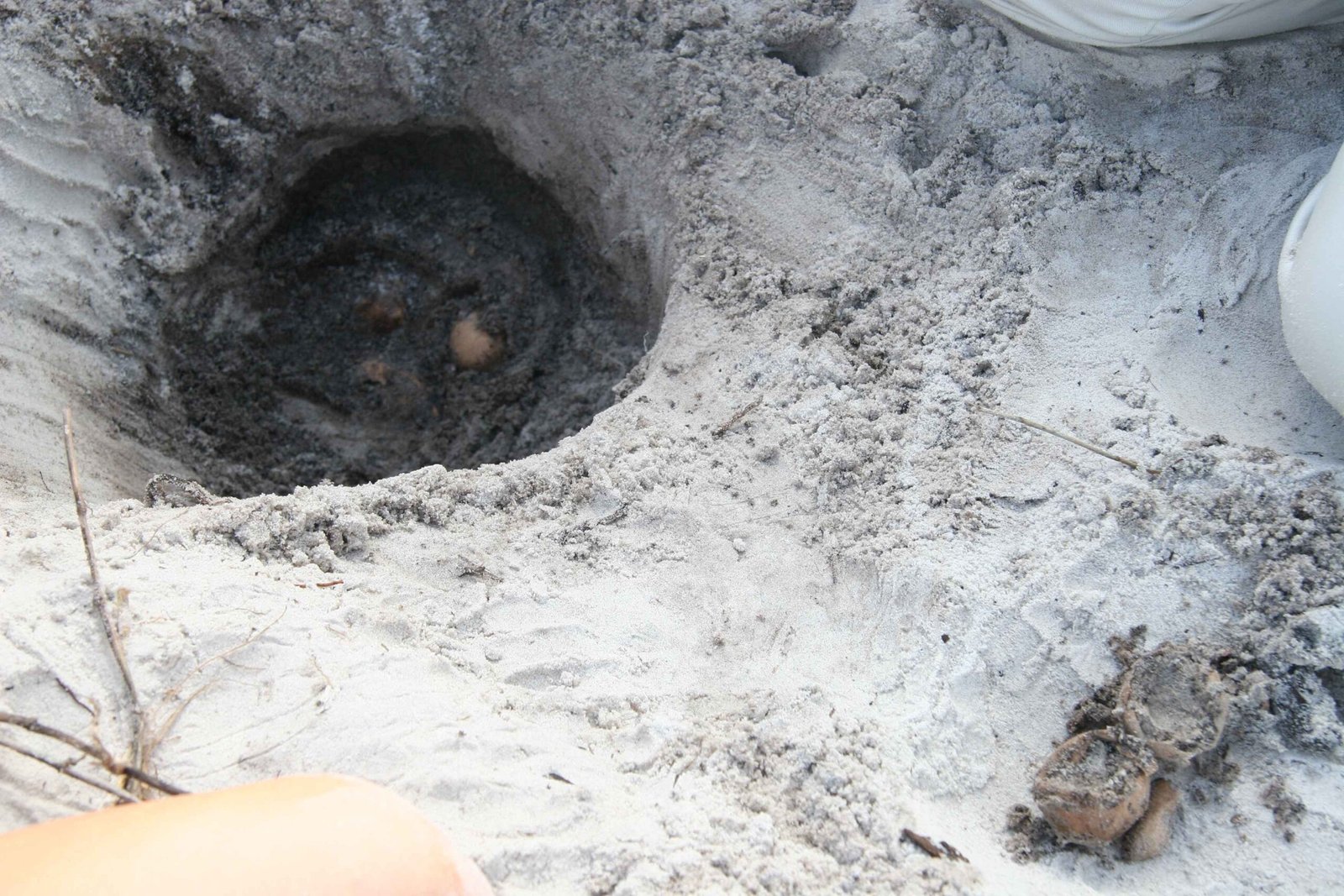
Timing is everything in the world of temperature-dependent sex determination. The thermosensitive, or temperature-sensitive, period is the period during development when sex is irreversibly determined. Temperature pulses during the thermosensitive period are often sufficient to determine sex, but after the TSP, sex is unresponsive to temperature and sex reversal is impossible. Think of it as a biological point of no return—once this window closes, the die is cast. For many turtle species, this crucial period occurs during the middle third of their development, lasting just weeks but determining their entire sexual identity. In Emys, the last third of development appears to be the most critical for sex determination. Scientists have discovered that even brief temperature spikes during this period can flip the switch, making environmental conditions during these few precious weeks more influential than any genetic programming. The precision required is astounding—we’re talking about temperature differences as small as 1-2°C making the difference between male and female offspring.
Hot Females, Cool Males: The Temperature Patterns
The relationship between temperature and sex isn’t random—it follows surprisingly consistent patterns across different species. Pattern IA has a single transition zone, where eggs predominantly hatch males if incubated below this temperature zone, and predominantly hatch females if incubated above it. Pattern IA occurs in most turtles, with the transition between male-producing temperatures and female-producing temperatures occurring over a range of temperatures as little as 1–2°C. In most turtle species, cooler temperatures produce males while warmer temperatures produce females—a pattern that seems almost too neat to be coincidental. In laboratory studies, incubating Emys eggs at temperatures above 30°C produces all females, while temperatures below 25°C produce all-male broods. But crocodilians throw us a curveball: In crocodilian species—the most studied of which is the American alligator—both low and high temperatures result in females and intermediate temperatures select for males. It’s as if these ancient predators decided to be contrarian, keeping biologists on their toes. This temperature-sex relationship is so precise that researchers can predict offspring sex ratios simply by monitoring nest temperatures, turning thermometers into crystal balls for reptilian reproduction.
When Chromosomes Meet Their Match: The Bearded Dragon Revolution
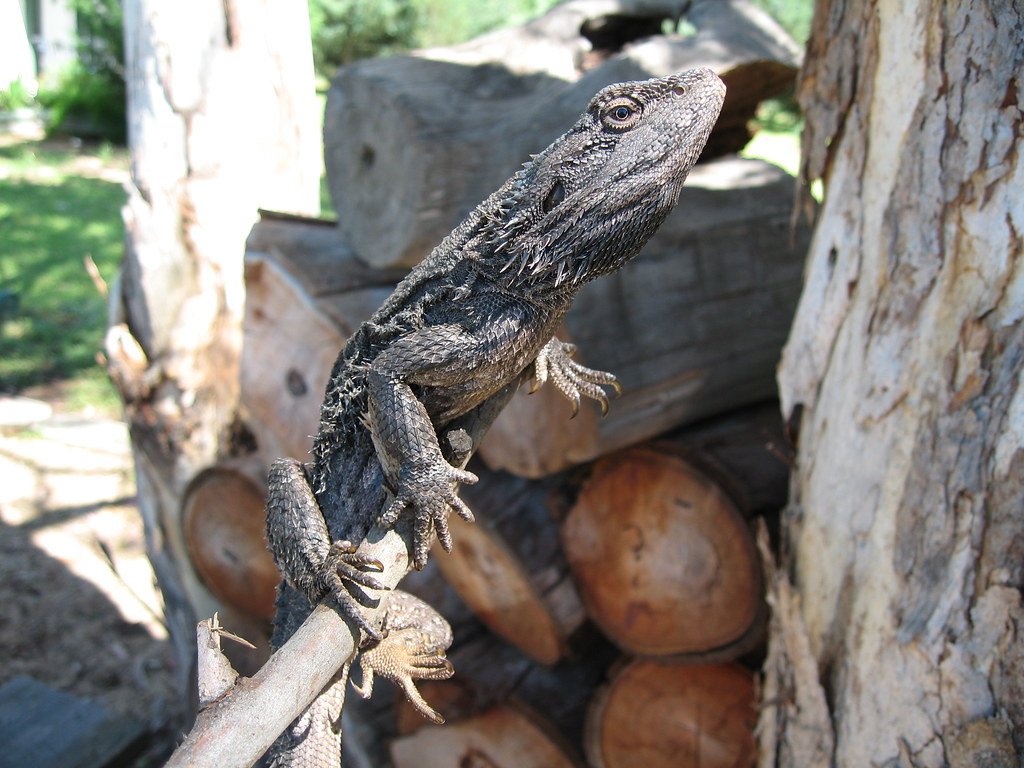
Just when scientists thought they had sex determination figured out, bearded dragons appeared to shatter all the rules. In the central bearded dragon (Pogona vitticeps), the genetic influence of sex chromosomes (ZZ/ZW) can be overridden by high incubation temperatures, causing ZZ male to female sex reversal. These remarkable lizards possess both sex chromosomes and temperature sensitivity, creating a biological tug-of-war between genetics and environment. A 2015 study found that hot temperatures altered the expression of the sex chromosomes in Australia’s bearded dragon lizards. The lizards were female in appearance and were capable of bearing offspring, despite having the ZZ chromosomes usually associated with male lizards. Imagine being genetically programmed to be male but developing as a female because your mother chose a particularly sunny spot for her nest. These dragons are living proof that in nature, environment can trump genetics in the most fundamental way possible—determining your biological sex. The implications are staggering: a single degree of temperature can override millions of years of genetic programming.
The Molecular Mystery: How Temperature Talks to Genes
The burning question that has puzzled scientists for decades is exactly how temperature manages to flip the biological sex switch. The reverse experiment, males produced at female temperatures, only occurs when a nonaromatizable testosterone or an aromatase inhibitor is administered, indicating that the enzyme responsible for conversion of testosterone to estradiol, aromatase, plays a role in female development. Nonetheless, the mechanisms for TSD are still relatively unknown. The key player appears to be an enzyme called aromatase, which converts testosterone into estrogen—the hormone that drives female development. Estrogen can override temperature and induce ovarian differentiation even at masculinizing temperatures. Similarly, injecting eggs with inhibitors of estrogen synthesis will produce male offspring, even if the eggs are incubated at temperatures that usually produce females. But here’s where it gets really intriguing: Sex-reversed females turned up the activity of several genes, the researchers found. Two, JARID2 and JMJD3, are part of a family of genes called the Jumonji family, which are known to influence sex differentiation in other animals. Scientists have discovered that temperature doesn’t just flip a simple switch—it orchestrates a complex molecular symphony involving multiple genes and biochemical pathways. It’s like temperature is conducting an invisible orchestra where every instrument must play in perfect harmony to create either a male or female outcome.
Fish: The Ultimate Gender-Bending Champions
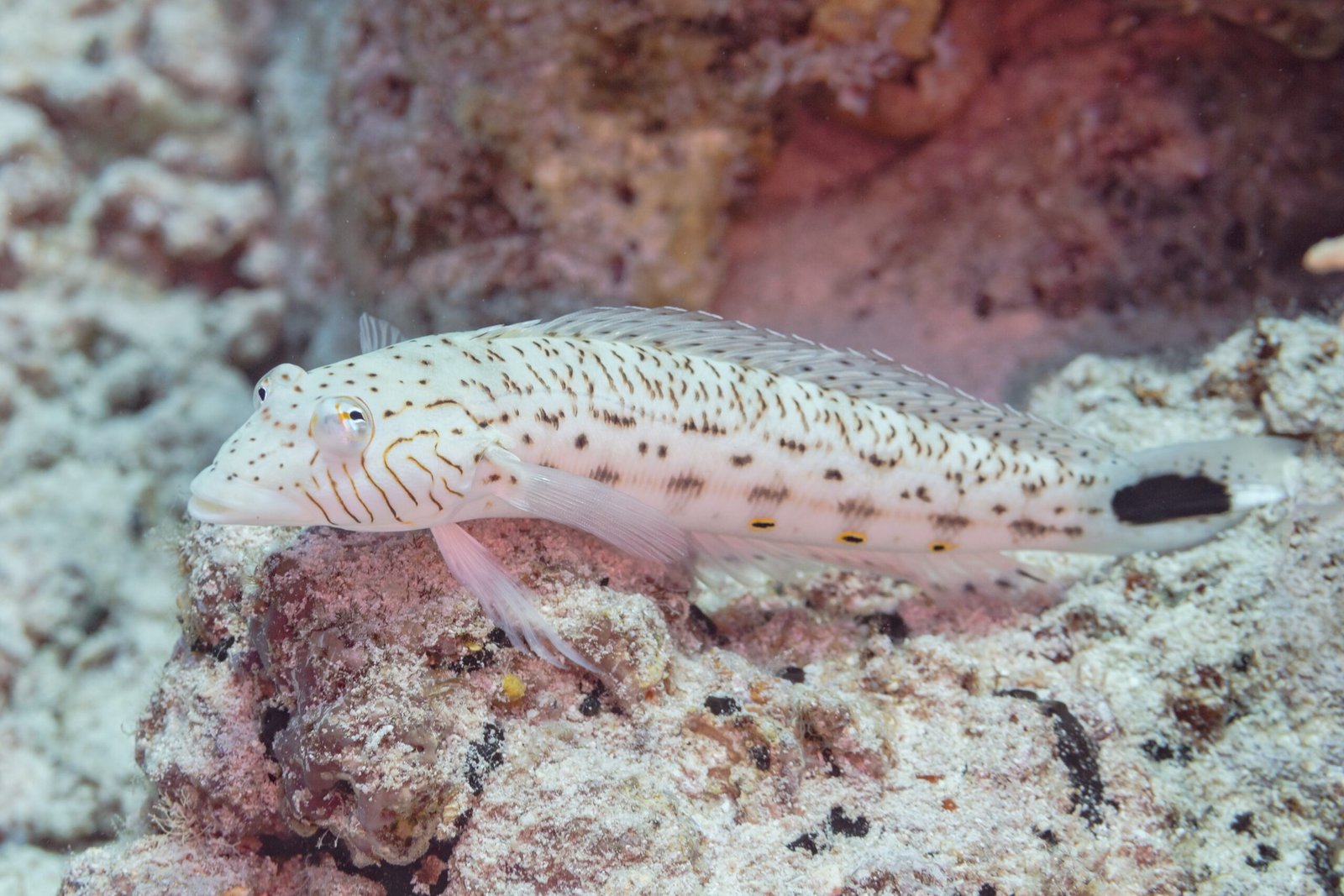
While reptiles are impressive with their temperature tricks, fish take sexual flexibility to an entirely different level. Teleost fishes exhibit the largest array of reproductive strategies among vertebrates and are the only lineage to display hermaphroditism, defined by the presence of both male and female reproductive function in a single individual. These aquatic acrobats don’t just change sex based on temperature—they can literally transform from one sex to another during their adult lives, complete with functional reproductive organs. Sequential hermaphroditism occurs in many fish, gastropods, and plants. Species that can undergo these changes do so as a normal event within their reproductive cycle, usually cued by either social structure or the achievement of a certain age or size. Imagine if humans could change sex based on their social environment or when they reached a certain age—that’s exactly what many fish species do as part of their normal life cycle. A total of 462 species from 41 families and 17 orders display this reproductive strategy, accounting for about 1.5% of teleosts. Over 88% correspond to sequential hermaphrodites, and there is a striking dominance of protogyny (305 species) over protandry (54 species) and bidirectional sex changers (66 species).
The Clownfish Contradiction: When Disney Got It Wrong

Remember Nemo’s dad desperately searching for his son? Well, marine biology suggests the story should have taken a very different turn. Clownfish (like Nemo from the Pixar movie) are protandrous. If the large breeding female is removed, her male mate changes sex to female and the next largest fish in the group rapidly increases in size and takes over the role as the sexually mature male. In the real ocean, when the dominant female clownfish dies, the largest male automatically transforms into a female, and the next largest male steps up to take the former male’s role. The male and female form a monogamous pair bond that lasts until one member of the pair dies. If the female dies first, the male rapidly changes into a female, and the largest, most dominant juvenile becomes a male that pairs up with the newly transformed female. This isn’t science fiction—it’s science fact. Clownfish societies are so perfectly organized that they have built-in succession plans, with each fish ready to change sex and move up the social ladder when circumstances demand it. Can you imagine how different the movie Finding Nemo would have been had an ichthyologist (IK-thee-ALL-uh-jist, a fish expert) been asked for advice?
Protogynous Powerhouses: Female-to-Male Masters

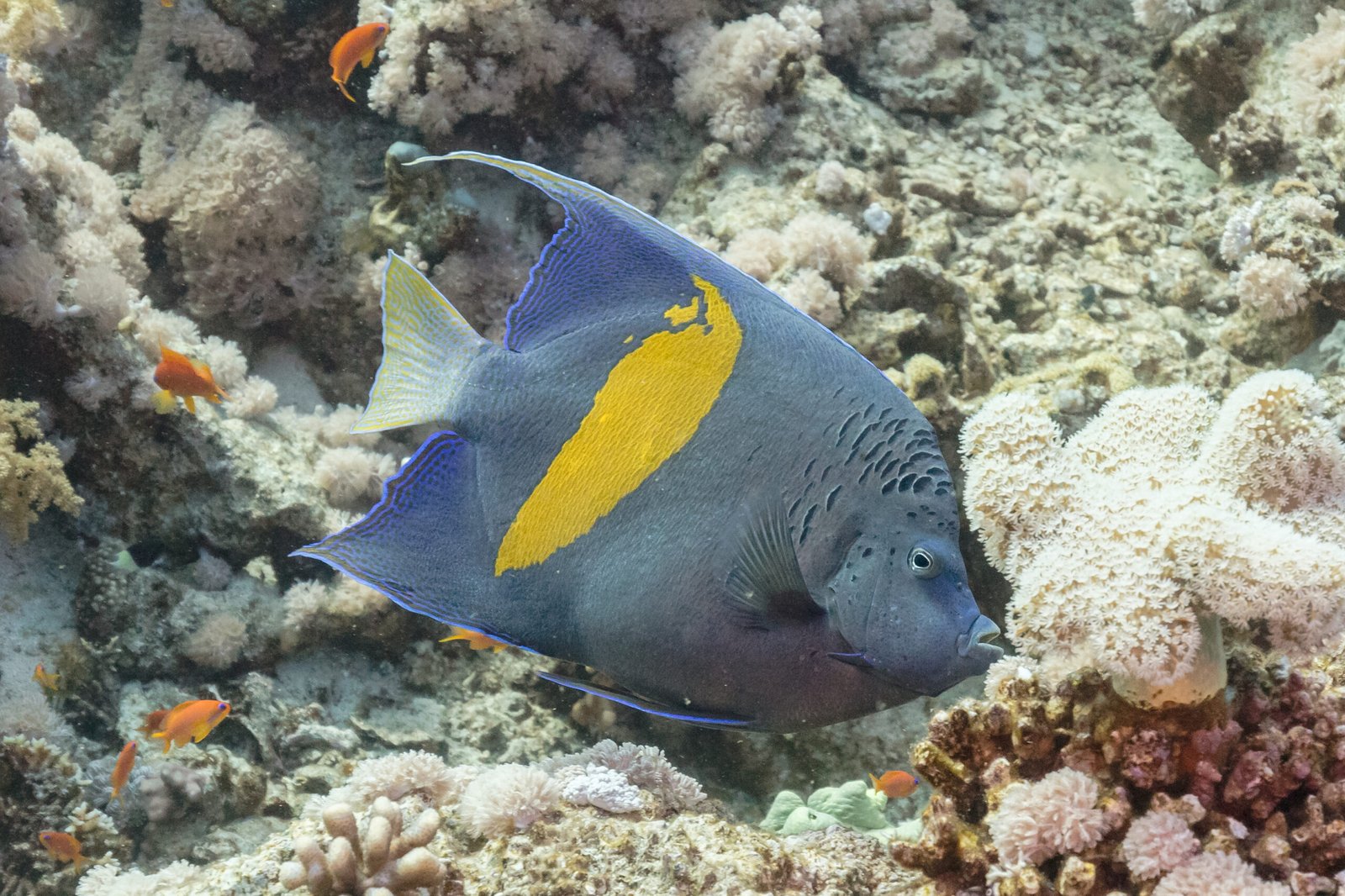
The majority of sex-changing fish follow a “ladies first” strategy, starting life as females before transitioning to males. Protogyny is the most common form of hermaphroditism in fish in nature. About 75% of the 500 known sequentially hermaphroditic fish species are protogynous and often have polygynous mating systems. Picture a coral reef where many fish species begin their adult lives as females, quietly growing and maturing until they reach a size where being male becomes more advantageous. Some species of fish, notably parrotfish and wrasses living on coral reefs, change their biological sex as they age, beginning life as females and later becoming functionally male. New work from the University of California, Davis, shows that this sequential hermaphroditism evolves when bigger males gain an advantage in reproductive success. It’s a brilliant evolutionary strategy: maximize egg production when small, then switch to territorial defense and mate competition when large enough to win those battles. These fish often form harems consisting of one male overseeing numerous females for life. If the male dies, the dominant female of the harem will undergo a sex change from female to male. The transformation can happen surprisingly quickly, sometimes completing the entire process in just days.
The Speed of Transformation: Sex Change in Fast Forward

The speed at which some fish can completely change sex is nothing short of miraculous. This sex change may take as little as 5 days and happens in stages. First, just a few hours after the male goes missing, the dominant female starts behaving as a male. This behavioural change triggers hormonal shifts that cause her gonads to become male gonads and her colours to change into male colours. Within hours of recognizing the absence of the dominant male, the largest female begins acting like a male—defending territory, chasing away competitors, and courting other females. This behavioral switch triggers a cascade of biological changes that transform every aspect of her being. Captive fish were induced to change sex using aromatase inhibition or manipulation of social groups. Complete female-to-male transition occurred over 60 days in both cases and time-series sampling was used to quantify changes in hormone production, gene expression and gonadal cellular anatomy. The precision of this transformation is astounding—it’s not just about switching reproductive organs, but completely rewiring behavior, hormone production, and even body coloration. Think of it as nature’s most sophisticated gender reassignment surgery, accomplished entirely through internal biological processes in a matter of days or weeks.
Bidirectional Champions: The Ultimate Flexible Fish

If changing sex once wasn’t impressive enough, some fish species have mastered the art of changing back and forth. In animals, the different types of change are male to female (protandry or protandrous hermaphroditism), female to male (protogyny or protogynous hermaphroditism), and bidirectional (serial or bidirectional hermaphroditism). These bidirectional sex changers are like the Swiss Army knives of the fish world—adaptable to whatever situation demands. For example, some gobies can change sex and then change back again, depending on the ratio of males and females in the local area. Imagine having a reproductive strategy so flexible that you could switch sexes multiple times based on the social dynamics around you. In addition, the patterns of sex change in bidirectional hermaphrodites are not always consistent with SAM. Bidirectional sex change might be favored under high risk of predation that prevents the movement to find new breeding opportunities, resulting in a substantial loss of reproductive output. These fish have essentially solved the problem of being in the wrong place at the wrong time reproductively—if there are too many males around, become female; if there are too many females, become male. It’s reproductive opportunism at its finest.
Simultaneous Hermaphrodites: Having It All at Once
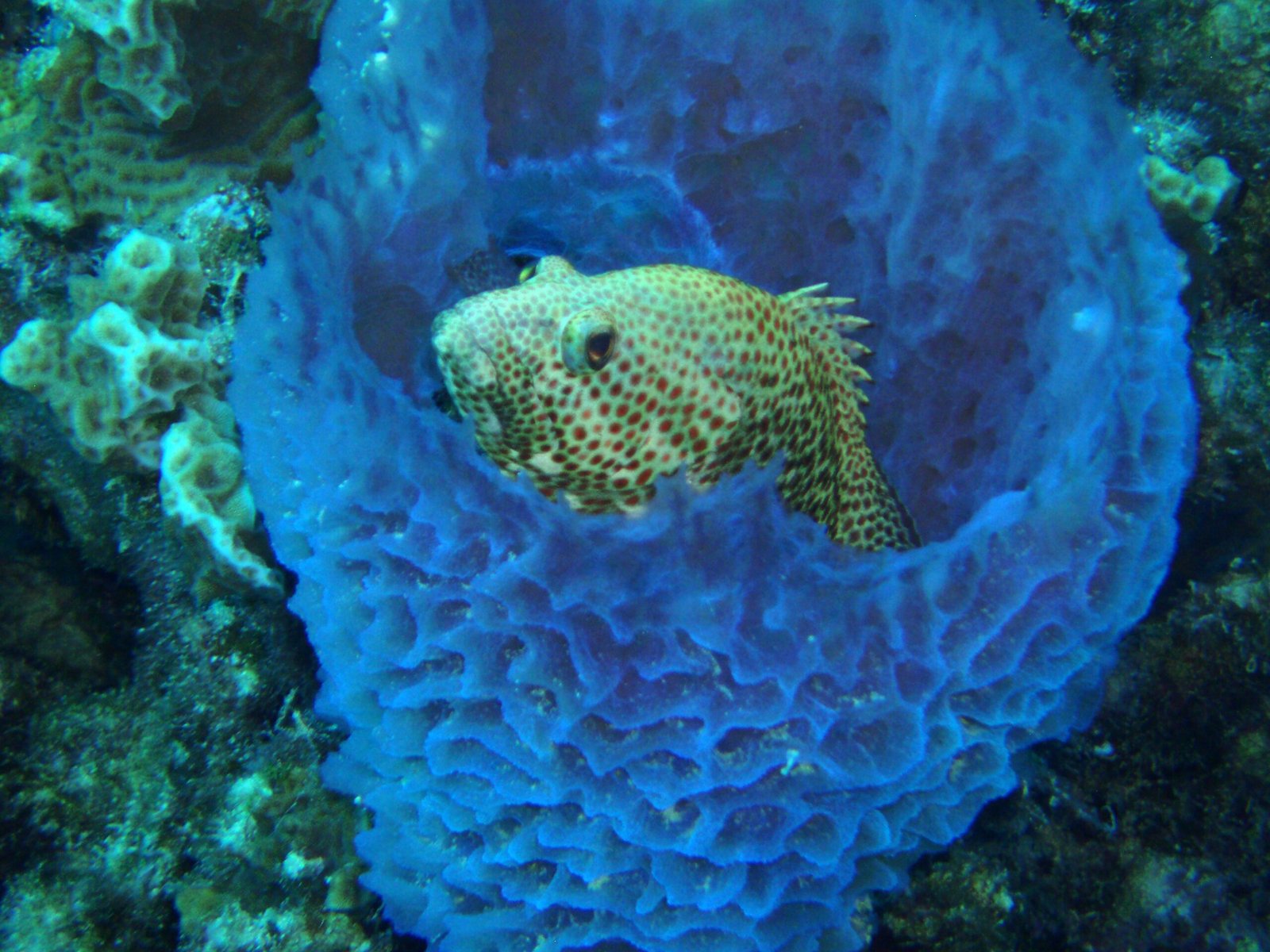
While sequential hermaphrodites change sex over time, simultaneous hermaphrodites take a different approach—why choose when you can have both? Simultaneous (synchronous) hermaphrodites possess fully functional male and female gonads concurrently although self-fertilization rarely occurs in fishes. These remarkable fish are living examples of biological efficiency, maintaining both male and female reproductive capabilities simultaneously. Still other reef fish are simultaneous hermaphrodites. For example, in many of the dwarf seabasses and the related hamlets, each fish is functionally both male and female! Some dwarf seabasses form long-term monogamous pairs, which spawn together each evening during the breeding season. Picture a fish that can both produce eggs and fertilize them, yet has evolved sophisticated mechanisms to avoid self-fertilization and maintain genetic diversity. To avoid self-fertilisation that will decrease the genetic variability of the offspring, they trade roles in a strategy known as “egg trading”. During the spawning event, the first time that both sexes rises in the water column, the fish acting as a male embraces the one acting as a female while releasing sperm, and the fish behaving as a female releases eggs. A few minutes later, they rise again but now the roles are inverted!
The Molecular Machinery of Sex Change
The biological mechanisms underlying sex change in fish read like a masterpiece of molecular engineering. The role of aromatase has been widely studied in this area. Aromatase is an enzyme that controls the androgen/estrogen ratio in animals by catalyzing the conversion of testosterone into oestradiol, which is irreversible. It has been discovered that the aromatase pathway mediates sex change in both directions in organisms. The same enzyme that plays a crucial role in reptile temperature-dependent sex determination also orchestrates sex changes in fish—nature’s efficient recycling of biological tools. Previous studies have also investigated sex reversal mechanisms in teleost fish. During sex reversal, their whole gonads including the germinal epithelium undergoes significant changes, remodeling, and reformation. One study on the teleost Synbranchus marmoratus found that metalloproteinases (MMPs) were involved in gonadal remodeling. The transformation isn’t just cosmetic—it involves the complete demolition and reconstruction of reproductive organs at the cellular level. The study also found that sex steroids help in the sex reversal process by being synthesized as Leydig cells replicate and differentiate. Thus, the synthesis of sex steroids coincides with gonadal remodeling, which is triggered by MMPs produced by germinal epithelial tissue. These results suggests that MMPs and changes in steroid levels play a large role in sequential hermaphroditism in teleosts.
Social Signals: The Environmental Triggers

The decision to change sex isn’t made in isolation—it’s a carefully calculated response to environmental and social cues. Protogynous species display mostly polygynous mating systems, and sex change is mediated by variations in the social context. The sex ratio of a social group, the demography (size distribution), the density, and the biomass are all factors that affect the dynamics and timing of sex change producing significant variation within and between species. Fish are constantly monitoring their social environment, assessing whether their current sex gives them the best reproductive advantage. To develop the experimental model for studying the sexual plasticity of protogynous fish, the social conditions that induce sex changes were defined in wrasse, Pseudolabrus sieboldi. When six females were kept together in a tank, the largest female became a male, whereas a similar conversion did not occur when only two females were present in a tank. It’s like having a biological GPS system that constantly recalculates the best reproductive route based on current social traffic conditions.