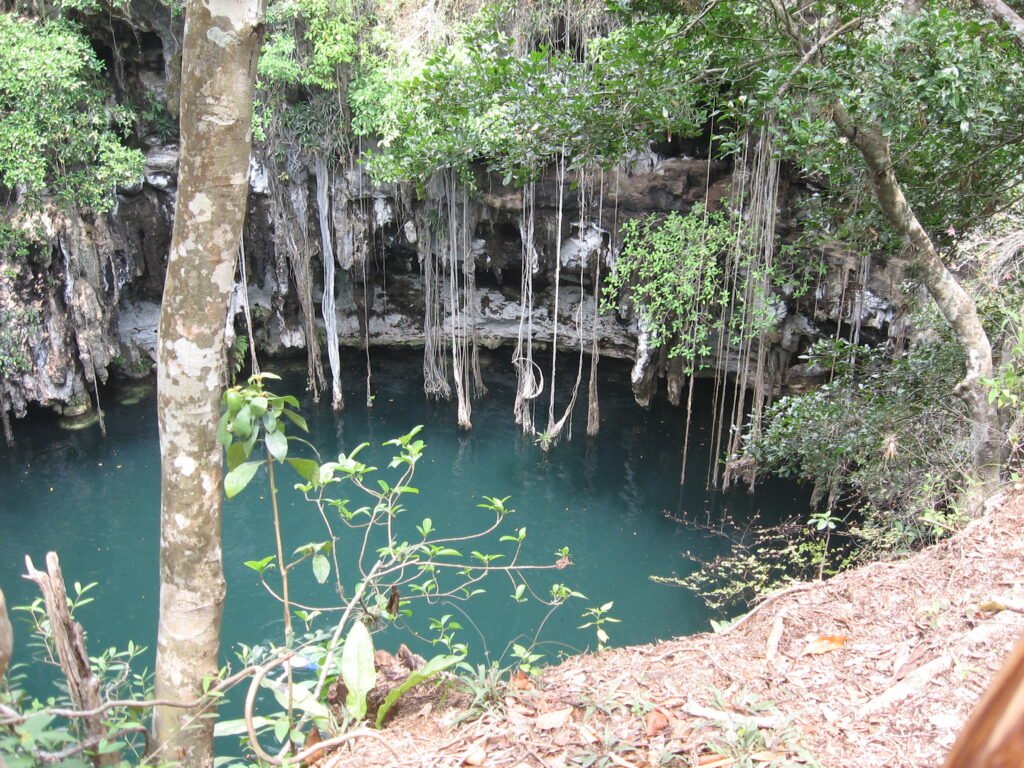
The first time you peer into the shimmering blue depths of a Mexican cenote, your heart might skip a beat. The water is so clear it looks unreal, like a secret portal to another world. But beneath that inviting surface, these ancient limestone sinkholes guard a mystery far stranger than any legend—one that stretches back millions of years. Deep inside, hidden from view, live tiny microbial life forms that predate humanity, civilizations, and even dinosaurs. What ancient stories do these waters tell, and how can something so beautiful conceal such astonishing secrets? Let’s dive into the shadowy, sparkling heart of the cenote and find out.
The Birth of Cenotes: Nature’s Subterranean Wells
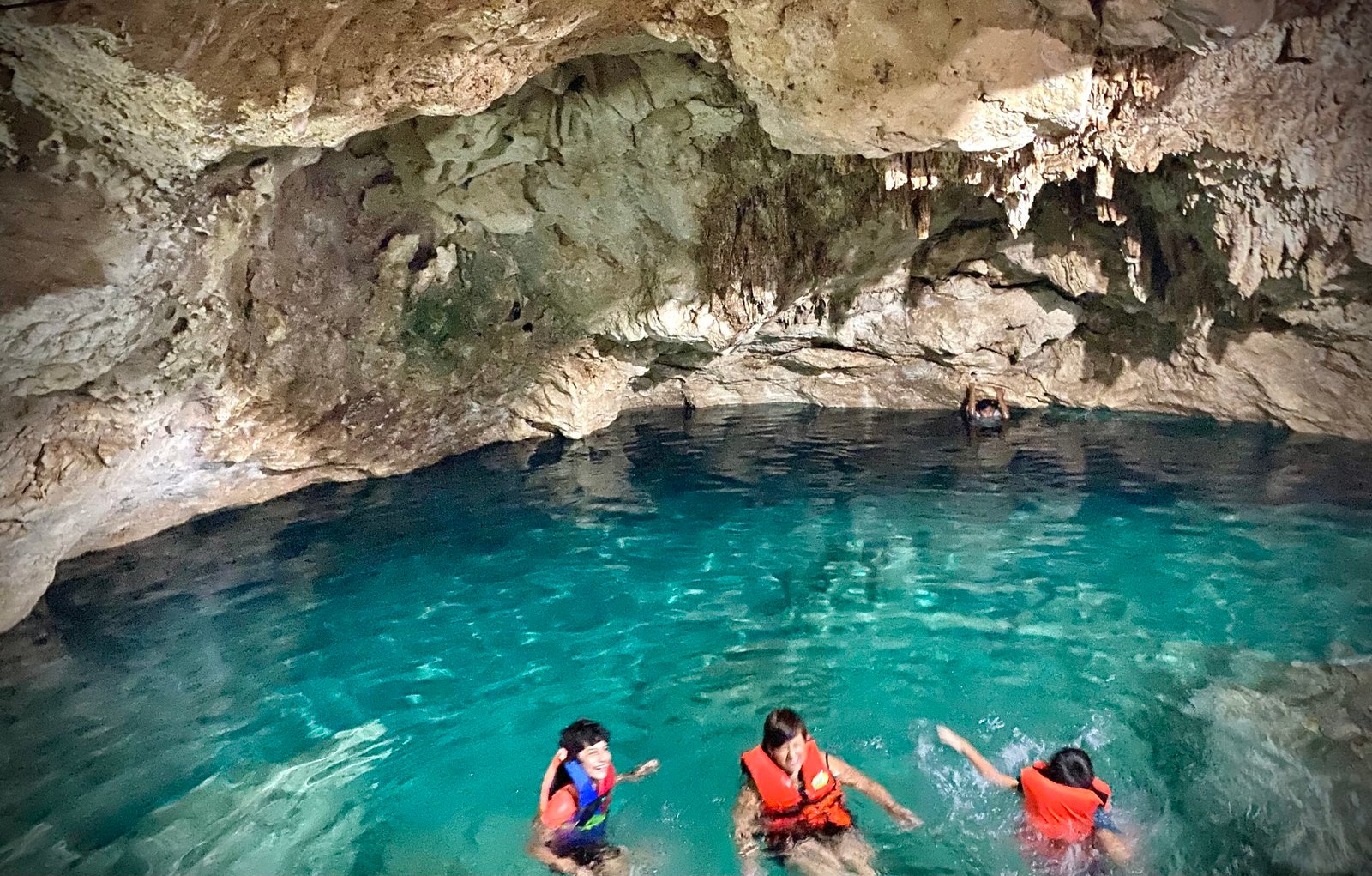
Cenotes are formed over thousands—sometimes millions—of years. Picture heavy tropical rain gently dissolving porous limestone, slowly eating away at the bedrock until vast underground caverns appear. Eventually, the roof collapses and a cenote is born, revealing a pool of water so pure it seems to glow. Ancient Mayan people saw cenotes as sacred gateways to the underworld. Today, these natural wonders dot the Yucatan Peninsula, each one a testament to time, water, and the patient work of geology. Yet, their beauty is only part of the story.
The Mayan Connection: Sacred Portals and Mythical Significance
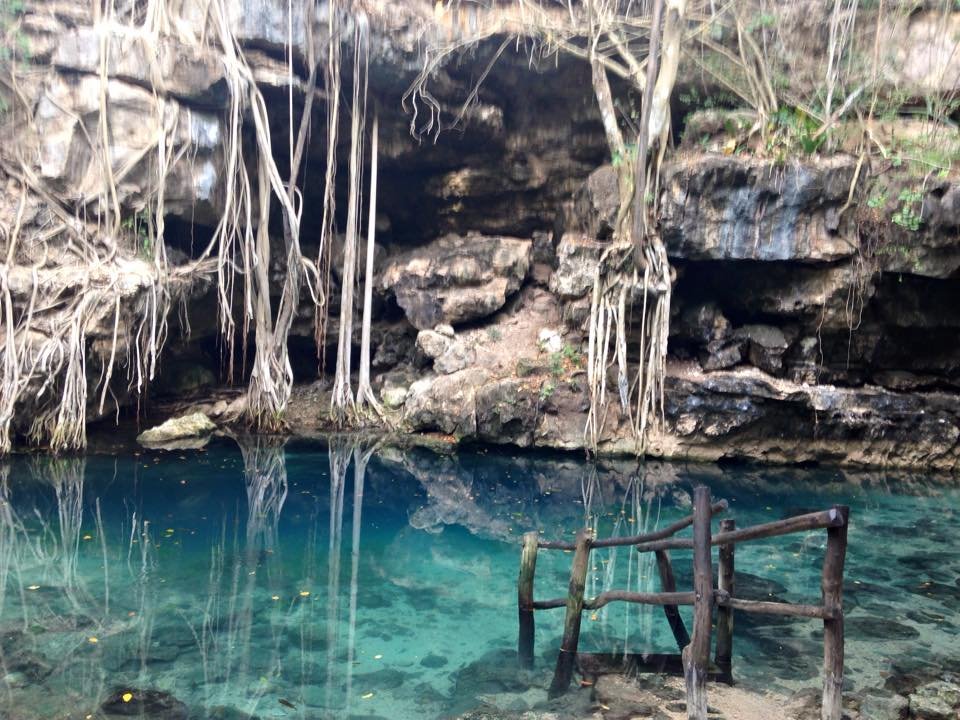
To the ancient Maya, cenotes weren’t just water sources—they were holy places, believed to connect the world of the living with the spirits below. Some cenotes were sites for offerings, rituals, and even sacrifices, all in hopes of pleasing the gods or ensuring rain would fall. Artifacts like pottery, jewelry, and even human bones have been found in their depths, providing haunting glimpses into the spiritual lives of these early people. The reverence for cenotes underscores just how vital—and mysterious—these formations have always been.
Crystal-Clear Waters: A Window Into the Past
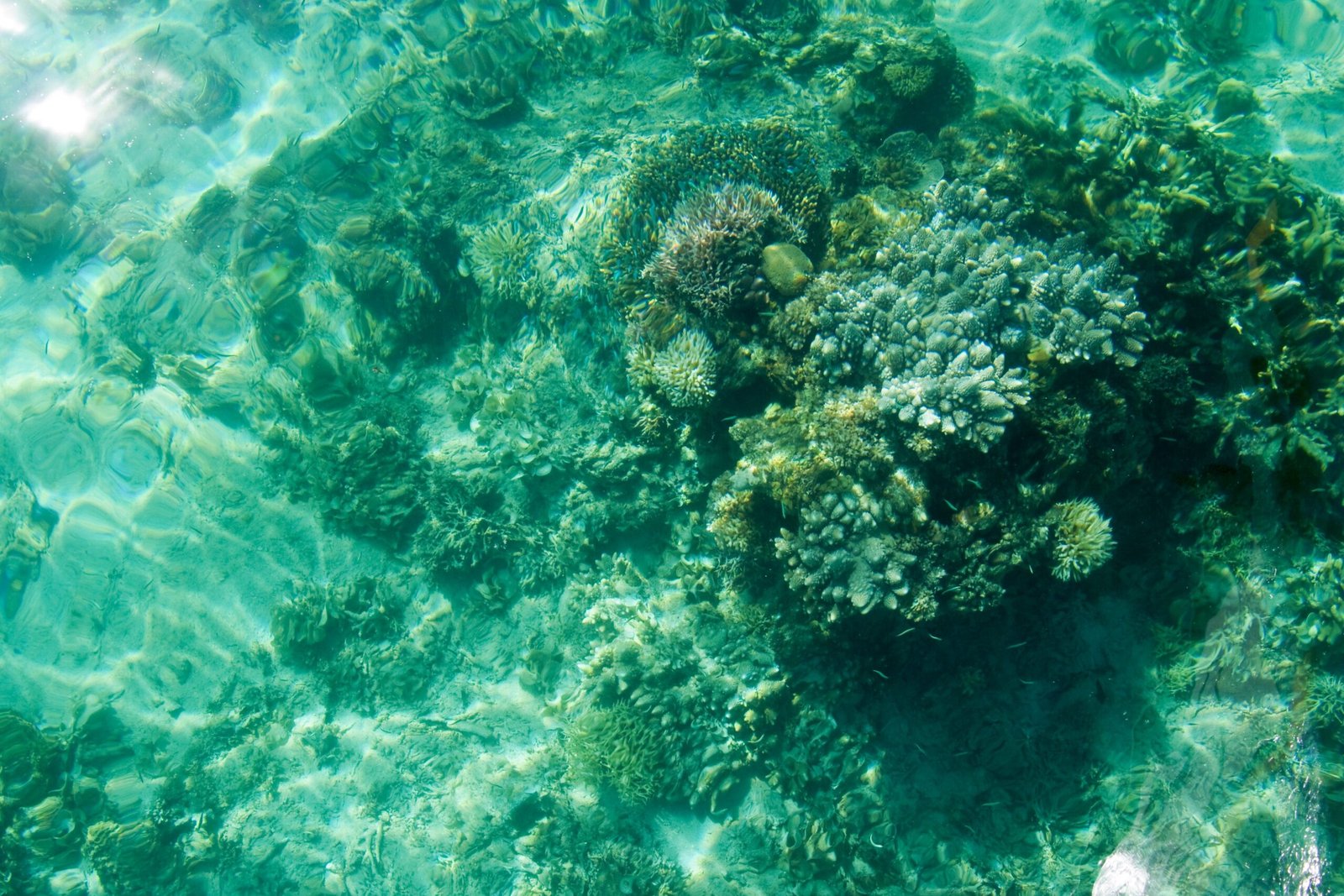
The water in cenotes is astonishingly clear, sometimes so transparent you can see every pebble at the bottom, even meters below the surface. This clarity comes from the way water filters through limestone, stripping away impurities and leaving only the purest liquid behind. Swimming in a cenote can feel like floating in liquid glass. But what’s truly fascinating is that this clarity helps scientists see—and sample—the tiny worlds hidden below, where ancient microbes thrive.
Microbial Time Capsules: Life Older Than Dinosaurs

Within the depths and dark corners of cenotes live microbes whose lineages stretch back billions of years. Some of these microbial communities have changed little since Earth’s earliest days. They survive in conditions that would kill most other life forms—no sunlight, little oxygen, and sometimes even toxic chemicals. Studying these ancient life forms gives researchers a peek into what life might have looked like long before animals or plants evolved, offering clues about Earth’s distant past.
Extreme Environments: Surviving Against All Odds
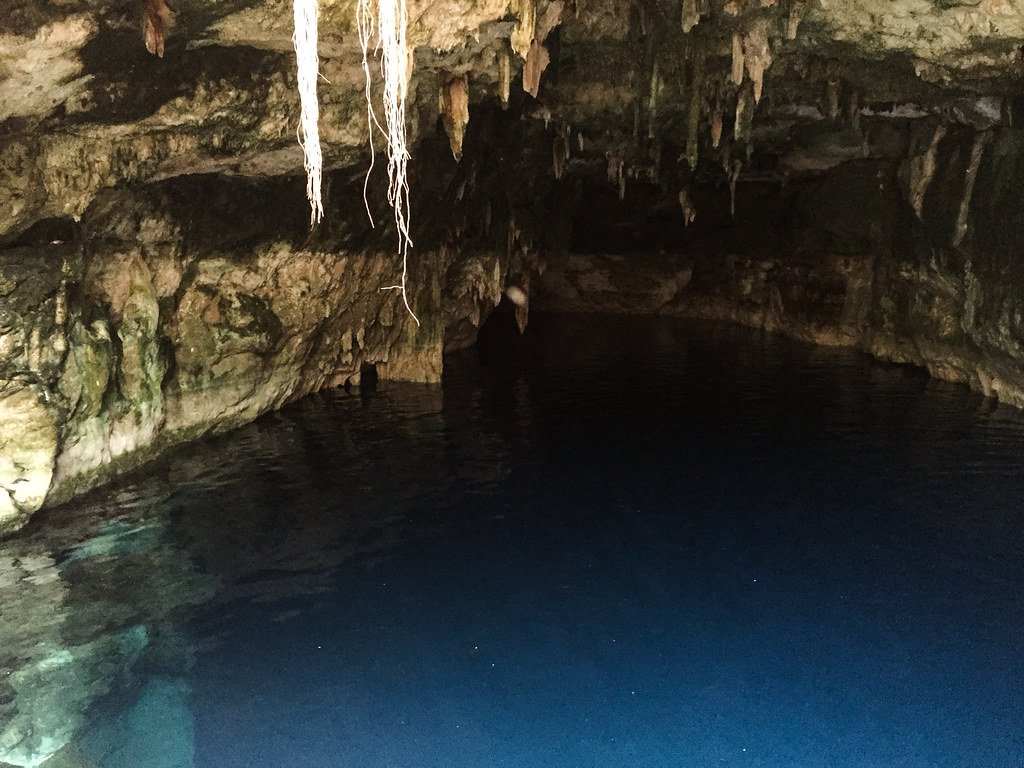
Cenotes are not all alike; some are open-air pools, while others are deep, shadowy caves with sulfuric or salty layers. In these extreme environments, surprising forms of life thrive. Some microbes feed on minerals, while others use chemical energy instead of sunlight. This makes cenotes natural laboratories for astrobiologists, who wonder if similar life could exist on other planets—like Mars or Jupiter’s icy moon Europa. The cenotes’ hidden worlds challenge our very definition of what’s possible.
Microbes That Clean and Preserve: Nature’s Water Purifiers

The microbial communities living in cenotes do more than just survive—they help keep the water pristine. Some bacteria break down organic matter, while others remove harmful substances. This makes cenotes self-cleaning, supporting fish, plants, and even humans who depend on their waters. Scientists are now studying these microbes for potential applications in water purification and environmental cleanup, inspired by what nature has been perfecting for eons.
Stromatolites: Ancient Architects in the Depths

In certain cenotes, especially those untouched by pollution, you’ll find living stromatolites—layered structures built by colonies of microbes. These stromatolites are like living fossils, nearly identical to those that dominated Earth’s oceans 3.5 billion years ago. Their presence in Mexican cenotes is nothing short of astonishing. By observing how they grow and interact, scientists learn more about the origins of complex life, and how Earth’s earliest ecosystems functioned.
Hidden Ecosystems: A Symphony of Life
Though cenotes may look quiet and still, beneath the surface is a bustling community. Tiny shrimp, blind fish, and unique cave-dwelling species call these waters home. Many creatures found in cenotes exist nowhere else in the world, having evolved in total darkness and isolation. The food webs here are intricate, with microbes often forming the base. Each cenote is a unique ecosystem—an island of life, shaped by millions of years of evolution.
Modern Science Meets Ancient Waters

In the last decade, scientific interest in cenotes has exploded. Researchers from around the world now travel to Mexico to study their unique chemistry, biology, and geology. Using cutting-edge DNA sequencing and underwater robots, scientists are mapping the unseen worlds and cataloguing the microbial diversity hidden within. Every new discovery from a cenote adds another piece to the puzzle of life’s history on Earth.
Threats to the Cenotes: Pollution and Human Impact

Despite their ancient resilience, cenotes are under threat. Pollution from agriculture, tourism, and urban development can contaminate their waters and disrupt fragile microbial communities. Sunscreens, fertilizers, and even simple litter can affect water quality and harm the delicate balance of life. Conservationists are raising alarms, urging locals and visitors alike to respect these sacred places and protect them for future generations.
Tourism and Adventure: Swimming With Time

Cenotes are now among Mexico’s top tourist attractions, drawing adventurers from around the globe. Snorkeling, scuba diving, and even free diving into these crystal pools is an experience unlike any other—a literal plunge into Earth’s deep past. For many, the thrill isn’t just the swim, but the sense of connecting with something truly ancient and mysterious. Still, responsible tourism is key to preserving this wonder.
Mayan Legends and Living Lore

Even today, cenotes are wrapped in legend. Locals tell tales of spirits, lost treasures, and magical creatures lurking in the depths. Some believe cenotes are protected by guardian deities or haunted by ancient souls. These stories add a layer of enchantment, reminding us that science and myth often swim together in the human imagination. The magic of cenotes lives on in every whispered tale.
Climate Clues Locked in Stone and Water

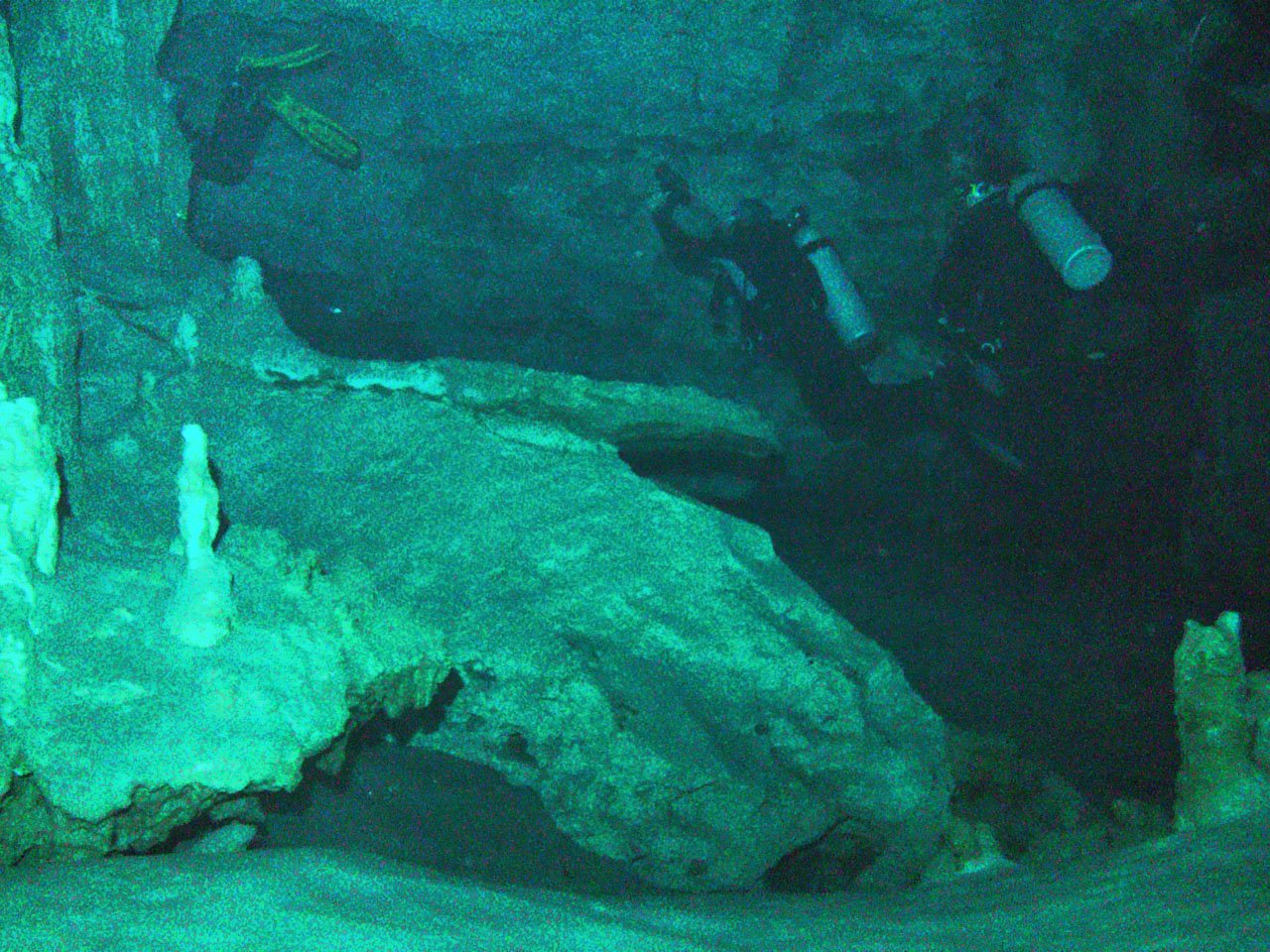
Cenotes are natural time capsules. Stalagmites and mineral deposits at the bottom of cenote caves record thousands of years of climate history. By analyzing these layers, scientists can reconstruct ancient rainfall patterns, droughts, and even the rise and fall of civilizations like the Maya. Each cenote is a living archive, holding secrets about the Earth’s changing climate.
Unique Cave Diving Challenges and Discoveries
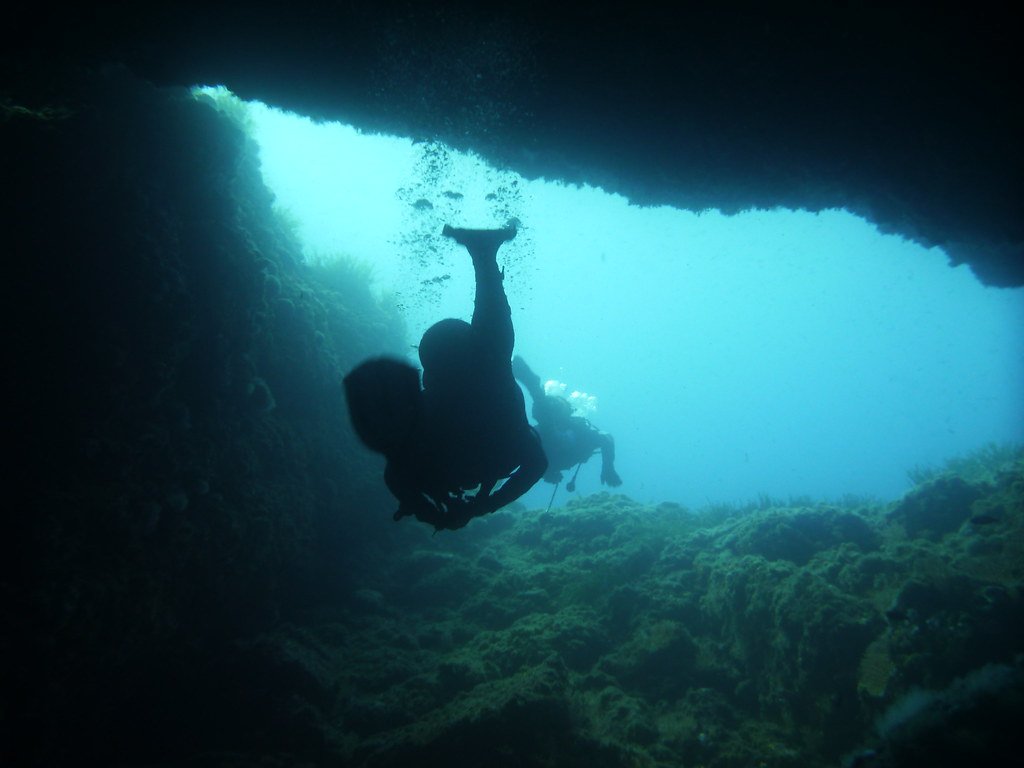
Exploring cenotes isn’t for the faint of heart. Cave divers face absolute darkness, tight passages, and underwater mazes that can stretch for miles. But the risks are worth it—many divers have discovered new species, ancient artifacts, and never-before-seen geological formations. Each dive is an adventure into the unknown, where the next turn might reveal something that rewrites history.
Biotechnological Potential: Harnessing Ancient Microbial Powers

The strange microbes of cenotes might someday change the world. Some produce rare enzymes that could be used in medicine or industry, while others might help break down pollutants. Researchers are racing to unlock these secrets before they’re lost to contamination or neglect. It’s a real-life treasure hunt, with the potential to benefit humanity in ways we’re only beginning to imagine.
Guardians of the Future: Protecting Cenotes for Generations

Local communities, scientists, and environmental activists are joining forces to save the cenotes. Efforts include education, cleanup campaigns, and sustainable tourism practices. Some cenotes are now protected as natural reserves, with strict rules on swimming and diving. By working together, people are ensuring that these magical places—and the ancient microbes they shelter—will be around for centuries to come.
The Unseen Wonders Below: A Never-Ending Mystery
Every visit to a cenote is a reminder that the world is full of hidden marvels. These crystal-clear pools are more than just beautiful—they are windows into Earth’s most ancient secrets. As science dives deeper beneath their surfaces, the cenotes continue to reveal wonders we never imagined, challenging our ideas about life, history, and the universe itself.