Can you imagine a universe where the brightest minds are kept in the shadows, their voices muted, their discoveries hidden? For decades, queer scientists have been at the heart of space exploration, quietly fueling humanity’s journey beyond Earth. Their stories—often overlooked or untold—are laced with courage, creativity, and resilience. Today, we pull back the cosmic curtain to reveal the profound impact queer scientists have had on our understanding of the final frontier. Their genius propels rockets, deciphers alien worlds, and inspires new generations to dream without boundaries.
Breaking Barriers in the Shadow of Prejudice
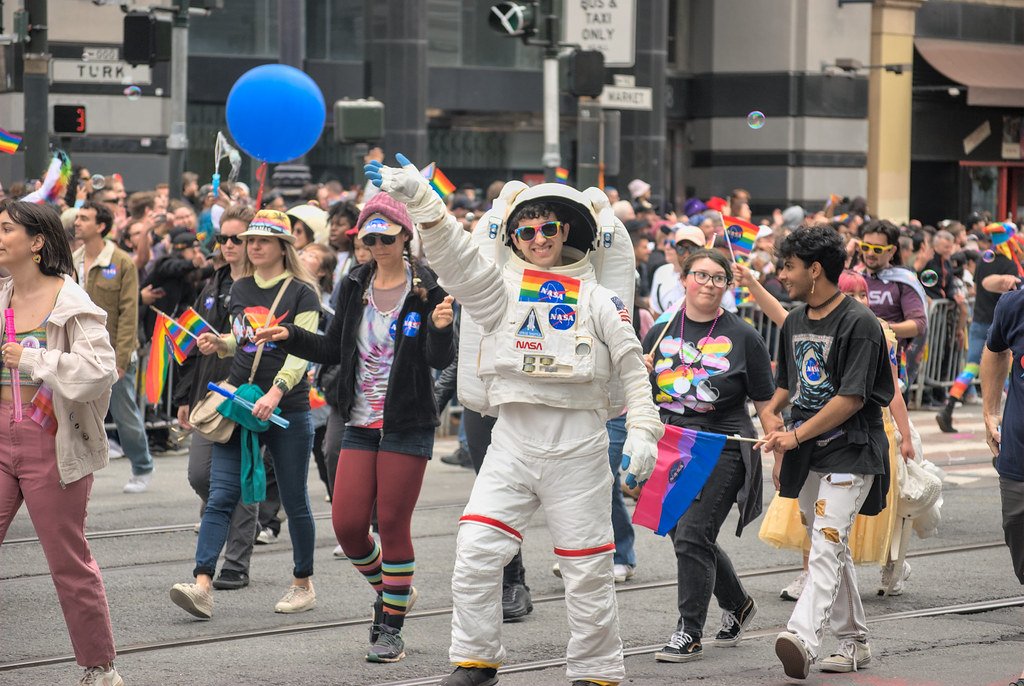
Despite their remarkable contributions, queer scientists in the space community have often faced formidable obstacles. For much of the 20th century, discrimination was not just social—it was institutionalized. Many brilliant minds had to hide their identities, worried that their careers would be jeopardized simply for being themselves. The fear of losing security clearances, funding, or even their jobs kept some of the most innovative thinkers in the closet. Yet, they pressed on, driven by a relentless curiosity about the universe. This perseverance is a testament to their strength, and it underscores just how much the field owes to individuals who refused to let prejudice dictate the course of science. Their silent bravery shaped missions and discoveries in ways many of us may never fully realize.
Pioneers Who Quietly Changed the Course of History
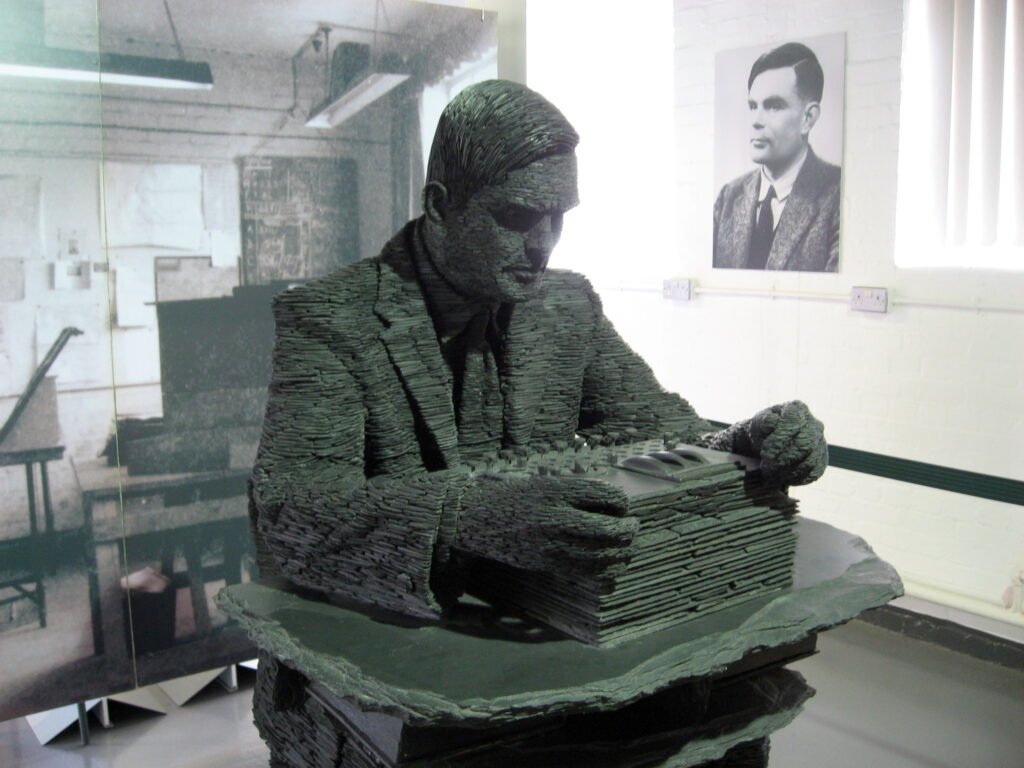
Among the stars and swirling galaxies, queer scientists have made groundbreaking discoveries that redefined our understanding of space. Some, like mathematician and computer scientist Alan Turing—whose work was foundational for the computers that would one day guide spacecraft—made indirect but crucial contributions. Others, working within NASA and other space agencies, contributed directly to mission design, propulsion systems, and planetary science. Their names may not always appear in the headlines, but their fingerprints are all over historic achievements. Each calculation, each hypothesis, and each experiment added another stepping stone on humanity’s path to the stars.
The Importance of Representation in STEM Fields

Representation matters, especially in fields as competitive and high-profile as space exploration. When queer scientists see themselves reflected in the pioneers and leaders of their field, it lights a spark. It tells young people, “You belong here.” The absence of visible queer role models in STEM was once a glaring void, but the tide is changing. With more scientists coming out and sharing their stories, barriers are falling. This visibility not only empowers the next generation but also fosters a culture of innovation, where diverse perspectives fuel creativity and problem-solving. The universe, after all, is too vast to be explored by a single point of view.
Hidden Figures: Stories Lost and Reclaimed

So many queer scientists’ stories remain untold—lost to time, secrecy, or the fear of exposure. Some lab notebooks will never bear their true authors’ names, and some discoveries will never be fully credited. But recent years have seen a determined effort to reclaim these histories. Museums, research institutions, and advocacy groups are sifting through archives and collecting oral histories to shine a light on those who contributed in the shadows. It’s a race against time to ensure these legacies are preserved, reminding us that the story of space exploration is richer and more complex than we’ve been told.
Queer Scientists in the Rocket Age
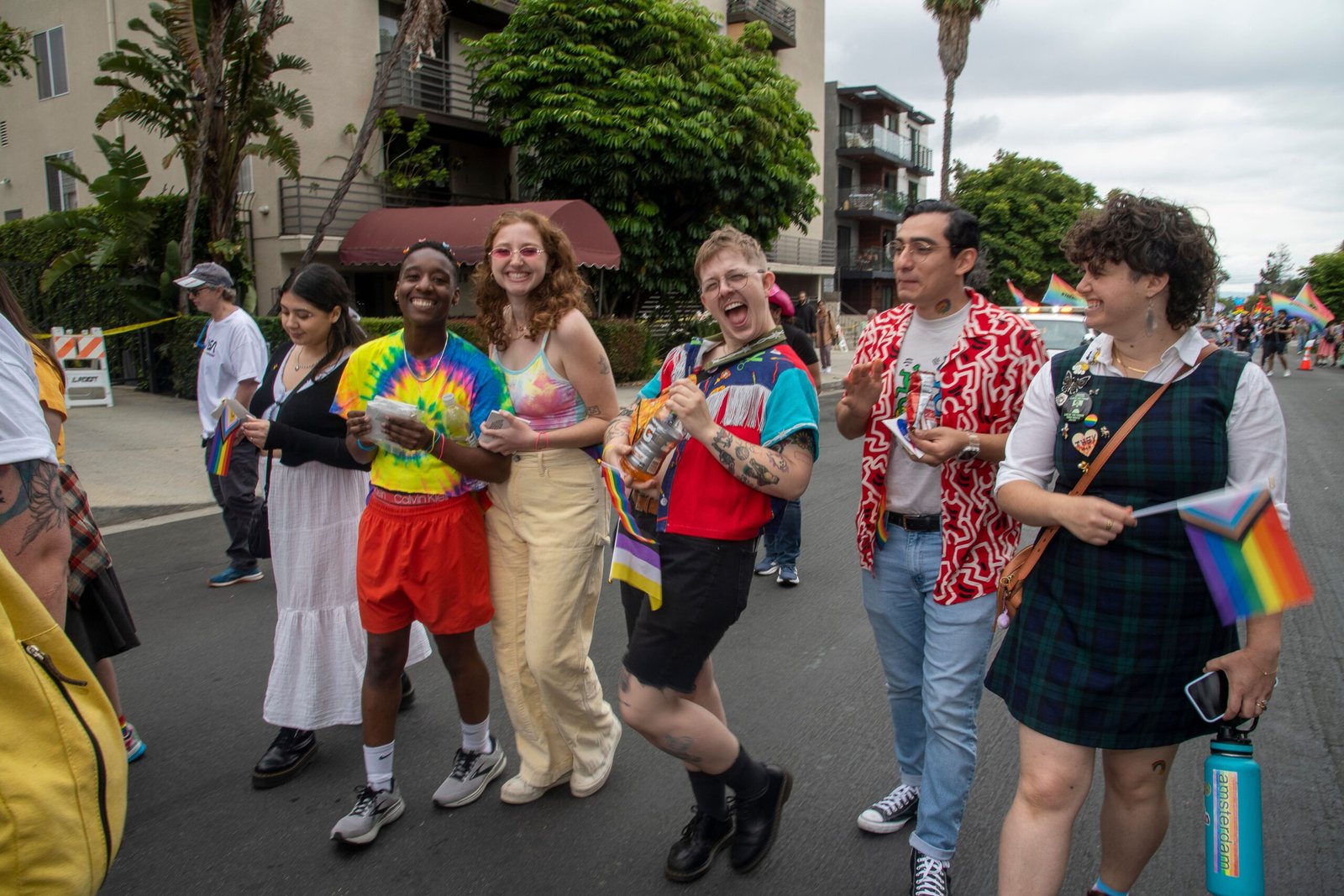
With the dawn of the Space Age in the 1950s and 60s, a new breed of scientist emerged: engineers, physicists, and mathematicians who would launch humanity into orbit. Among them were queer scientists, their identities often concealed beneath lab coats and security badges. Some helped design guidance systems for Apollo missions, while others worked on propulsion and life support for early satellites. Their work was critical, yet their contributions were frequently overshadowed by the era’s prevailing attitudes. Still, the technical brilliance and quiet determination of these individuals ensured that rockets soared higher and farther than ever before.
NASA and the LGBTQ+ Community: A Complicated Past
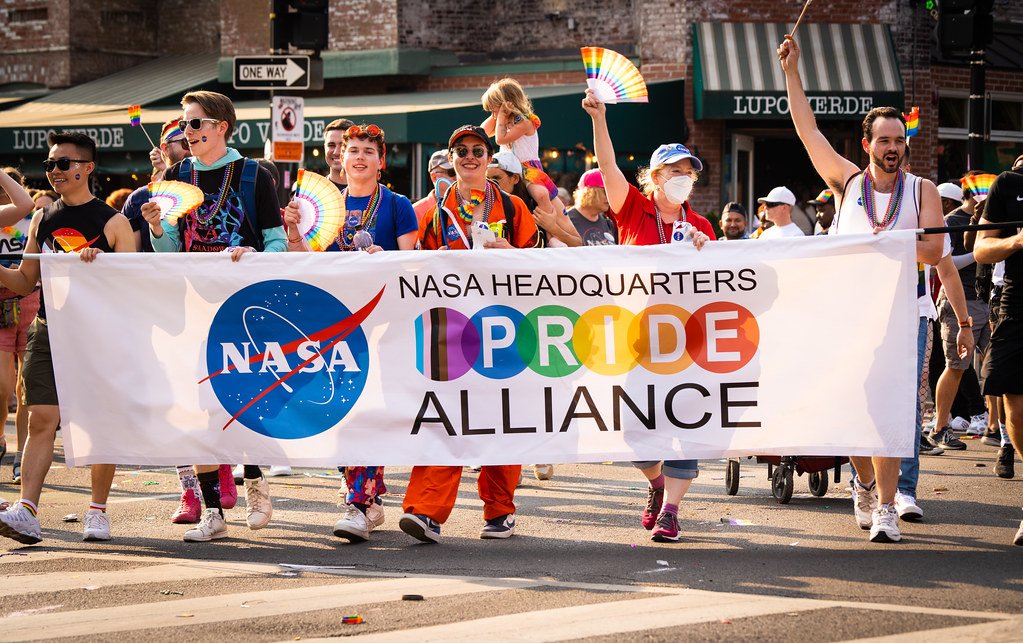
NASA, like many government agencies, once mirrored society’s biases. For many years, LGBTQ+ employees could not obtain security clearances or were forced to hide their identities. Even as the organization broke new ground in space, it lagged behind on matters of equality. Yet, queer scientists persisted, often forming informal networks of support and solidarity. Today, NASA has taken significant steps to embrace diversity and inclusion, with employee resource groups and public recognition of LGBTQ+ scientists. This evolution is not just symbolic—it’s a vital shift that makes the agency stronger and more innovative.
From the Lab to the Launchpad: The Power of Collaboration
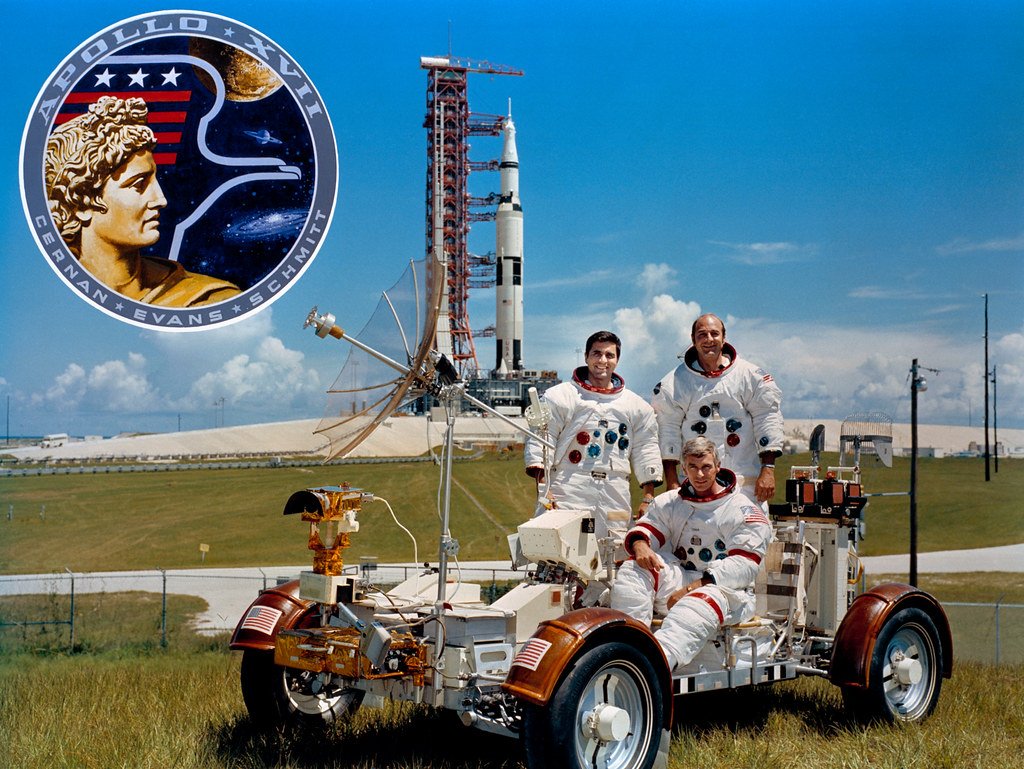
Space exploration thrives on collaboration—no one launches a rocket alone. Queer scientists have played pivotal roles in building bridges between disciplines and teams. Their unique perspectives often bring fresh ideas to old problems, leading to breakthroughs in science and engineering. Whether working on international missions or interdisciplinary projects, these scientists prove that diversity is not just a buzzword—it’s a catalyst for progress. The stories of these collaborations are filled with moments of inspiration, where different voices come together to achieve the impossible.
Queer Astronauts: Blazing Trails Beyond Earth
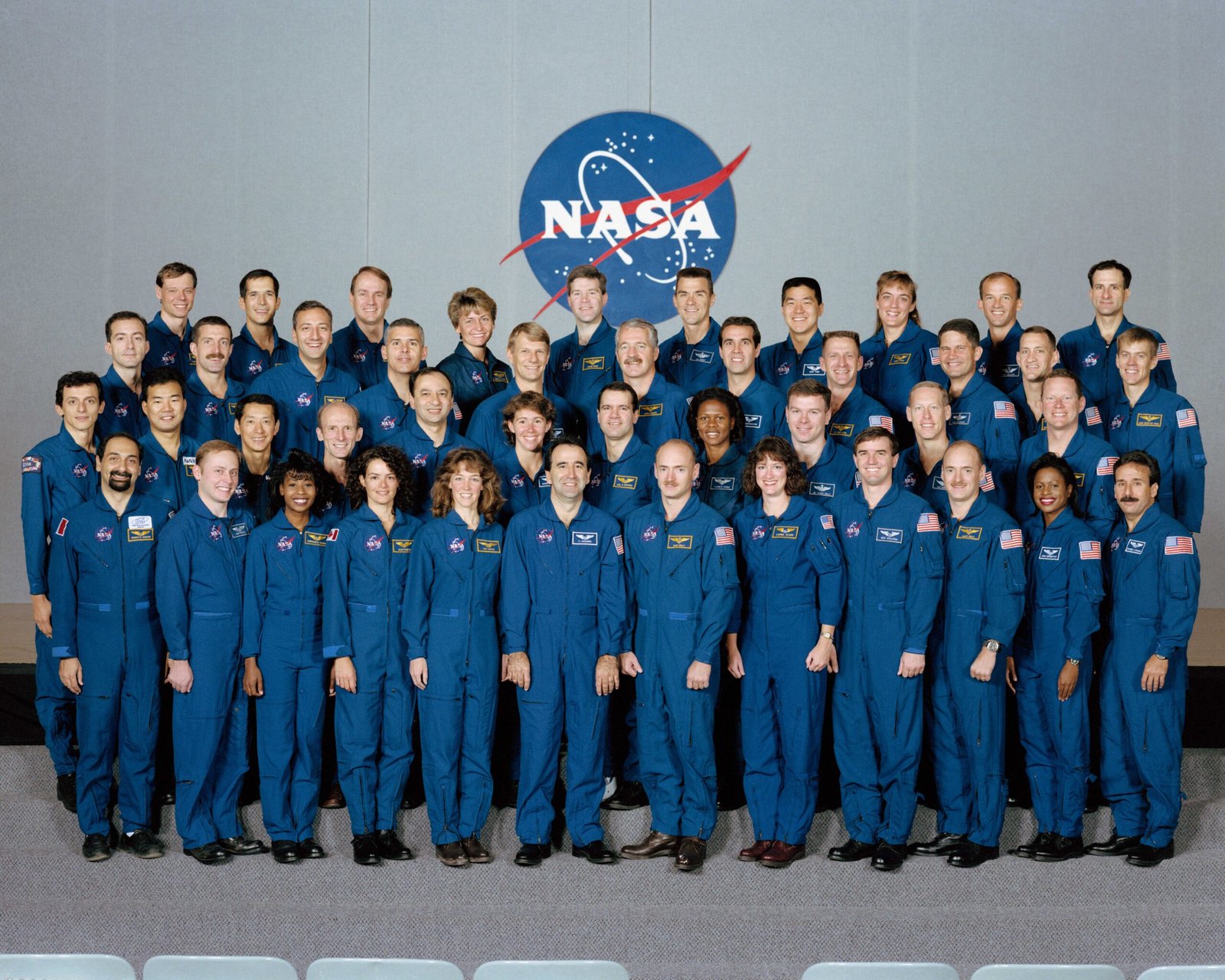
For decades, the image of the astronaut was narrowly defined: straight, white, male. Slowly, that image is changing. In recent years, openly queer astronauts have begun to make their mark, challenging stereotypes and inspiring millions. Their courage to live authentically while facing the rigors of space travel is nothing short of heroic. These trailblazers not only break records in orbit but also shatter barriers on the ground, showing that the cosmos belongs to everyone. Their stories send a powerful message: anyone can reach for the stars.
Scientific Innovation Fueled by Diversity

Diversity is the secret fuel behind many of the greatest scientific breakthroughs. Studies show that teams with diverse backgrounds—cultural, gender, and sexual orientation—are more innovative and better at solving complex problems. Queer scientists, with their unique experiences and perspectives, help drive this creative engine. Their ability to think outside the box is a valuable asset, especially in a field where challenges can appear as daunting as a black hole. As the space industry becomes more inclusive, its capacity for innovation only grows.
Allies and Advocates: Building a Culture of Support

No one changes an institution alone. The progress made by queer scientists has often depended on the quiet support of allies—colleagues, mentors, and friends willing to stand up against prejudice. These allies advocate for fair policies, create safe spaces, and amplify the voices of those who might otherwise go unheard. Their efforts help create a culture where all scientists can thrive. This web of support is a reminder that progress, like rocket flight, is rarely a solo journey.
Public Outreach and the Power of Visibility

Queer scientists have also become powerful advocates for public outreach, sharing their passion for space with the world. Through books, documentaries, podcasts, and social media, they reach audiences far beyond the lab. Their stories inspire curiosity and show that science is for everyone, regardless of background or identity. Public visibility not only educates but also empowers, inviting more people to join the cosmic conversation. By stepping into the spotlight, queer scientists become role models for a new generation of explorers.
Intersectionality: Navigating Multiple Identities

Many queer scientists navigate more than one marginalized identity—race, gender, disability, and more. The intersectionality of these experiences can make the path even steeper, but it also brings a wealth of insight to the table. The challenges faced by queer women of color in space science, for example, highlight the need for ongoing advocacy and systemic change. These scientists remind us that the quest for equality is not just about policies but about creating an environment where every voice is heard and valued.
Global Perspectives: Queer Scientists Around the World

While much of the spotlight shines on the United States and Europe, queer scientists are making vital contributions to space exploration worldwide. From India’s Chandrayaan missions to China’s Tiangong space station, LGBTQ+ researchers are quietly shaping the future of space. In some countries, coming out remains risky, but that hasn’t stopped scientists from pursuing their dreams. Their stories remind us that the spirit of exploration knows no borders—and that the pursuit of knowledge is a universal endeavor.
Mentorship and the Next Generation

For many young scientists, mentorship is the key to success. Queer scientists who have walked the path before are now reaching back, guiding the next generation through the challenges of academia and industry. These mentors offer more than technical advice—they provide hope and validation, showing that it’s possible to thrive as your authentic self. Programs and networks dedicated to LGBTQ+ mentorship are growing, creating communities where everyone can learn, share, and succeed together.
The Future: Bold Visions and Uncharted Frontiers

As we look to the future, queer scientists are at the forefront of some of the most exciting developments in space exploration. From the search for life on other planets to the engineering of habitats on Mars, their ideas and leadership are driving humanity’s next giant leaps. With private companies, international partnerships, and new technologies entering the scene, the opportunities for queer scientists have never been greater. The universe is vast, and the possibilities are endless.
Celebrating Queer Scientists: Honoring Their Legacy
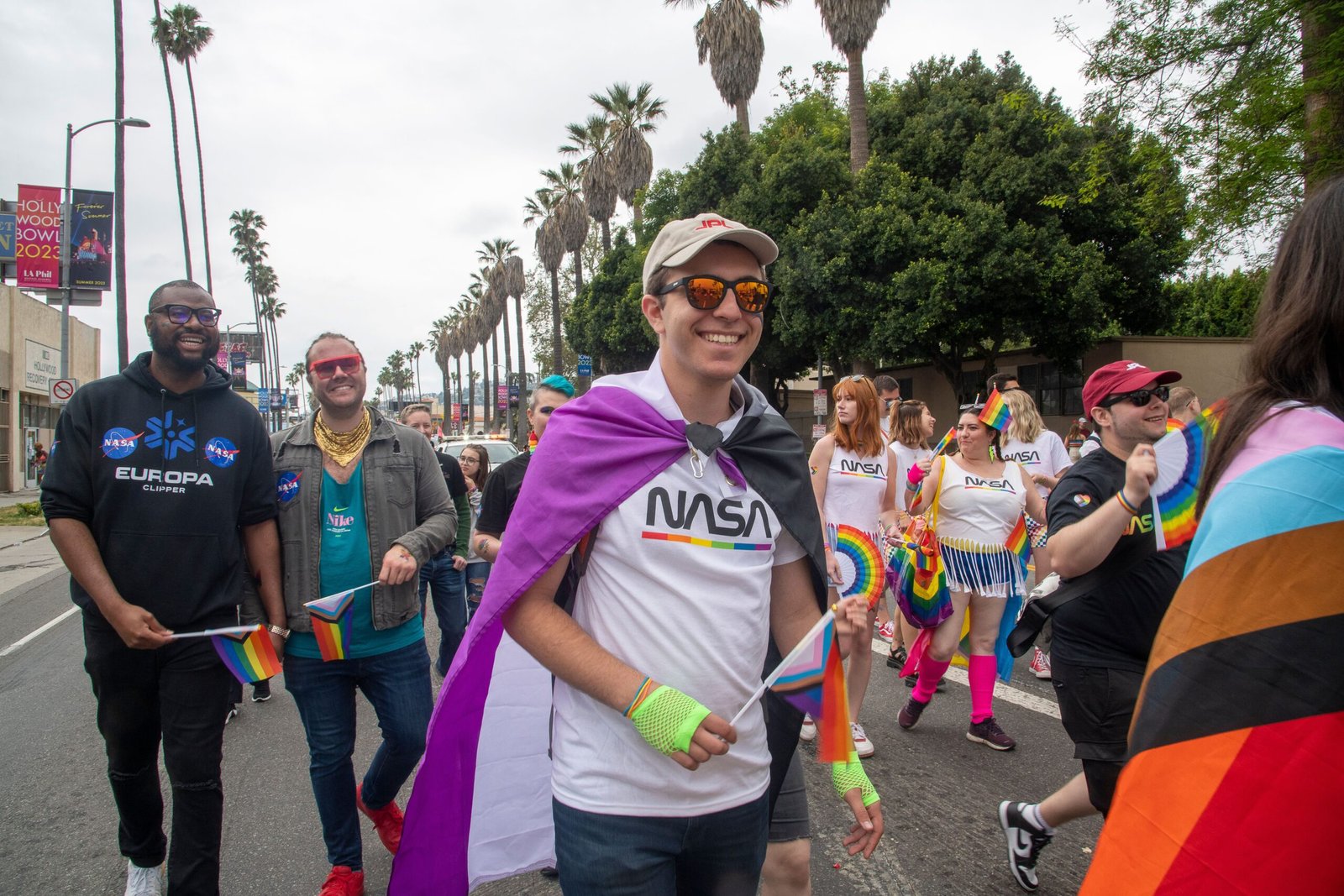
It’s time to celebrate the achievements of queer scientists—not just as a footnote to history, but as central figures in the ongoing story of space exploration. Their legacies are woven into every rocket launch, every rover landing, and every new discovery. By honoring their contributions, we not only set the record straight but also inspire future generations to dream big and break boundaries.
Why Queer Voices Matter in the Search for Life

The search for life beyond Earth is one of humanity’s greatest quests. Queer scientists bring fresh eyes and new perspectives to this monumental challenge. Their willingness to question the status quo and imagine the unimaginable has led to some of the most creative approaches in astrobiology and planetary science. In a universe full of unknowns, it’s the diversity of our questions—and of our questioners—that brings us closer to answers.
The role of queer scientists in space exploration is not just a story of adversity—it’s a story of brilliance, resilience, and hope. Their journeys remind us that the universe is richer, stranger, and more beautiful than we could ever imagine. How many other untold stories are waiting to be discovered among the stars?