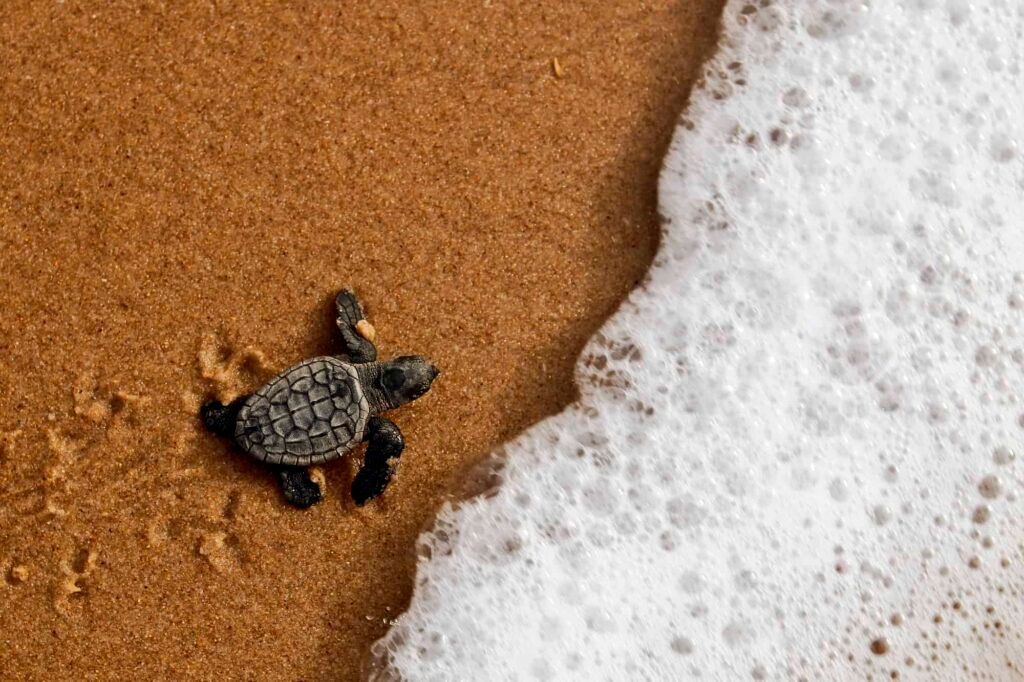
Imagine bursting into the world with sand in your eyes, a pounding heart, and a race for your life before you even know how to swim. That’s the reality for baby sea turtles. Each year, millions of hatchlings erupt from their sandy nests under the moonlight, only to face a gauntlet of dangers. But here’s the jaw-dropping truth: for every thousand tiny turtles that scramble toward the surf, only one will survive to adulthood. This isn’t just nature’s lottery—it’s a story of grit, peril, and the relentless drive to survive against all odds.
The Heart-Stopping Dash: Birth on the Beach

The moment a baby sea turtle hatches, it faces its first monumental challenge—digging out of the nest and making a mad dash to the ocean. This journey, just a few dozen meters, is packed with life-or-death decisions. The cool night air is punctuated by the rustling of hundreds of siblings, each scrambling to avoid predators and the crushing weight of shifting sand. The beach, which seemed safe as an egg, quickly reveals itself as a battleground. Every second is a gamble: wait too long, and the sun brings heat and new dangers; move too fast, and you might be spotted by a lurking threat.
Predators Lurking in the Shadows

From the moment they emerge, hatchlings are surrounded by hungry eyes. Crabs scuttle across the sand, waiting to snatch the unwary. Ghost crabs, raccoons, foxes, and birds like gulls and herons all stake their claim on these helpless morsels. The beach becomes a hunting ground, and for hatchlings, every step is a desperate attempt to avoid becoming someone else’s dinner. Even before they get to the water, many are picked off, their journey ending before it truly begins.
The Perils of the Open Ocean

Reaching the surf doesn’t mean safety. In fact, the ocean presents a whole new set of dangers. Predatory fish such as groupers, snappers, and sharks patrol the shallow waters, snatching hatchlings as they paddle for deeper seas. The turbulence of waves can disorient and exhaust the young turtles, making them easy prey. Even if they dodge these aquatic hunters, the threat never really disappears—danger lurks beneath every swell.
Mother Nature’s Roulette: Random Misfortune

Sometimes, it isn’t a predator or a wave that ends a hatchling’s journey—it’s simple bad luck. Unpredictable storms churn up the sea, sweeping some hatchlings far from food sources. Strong currents may carry them into colder waters, where they cannot survive. Even a simple wrong turn under the moonlight can mean the difference between life and death. Survival is sometimes just a roll of the dice.
Egg Vulnerability: Danger Before Birth
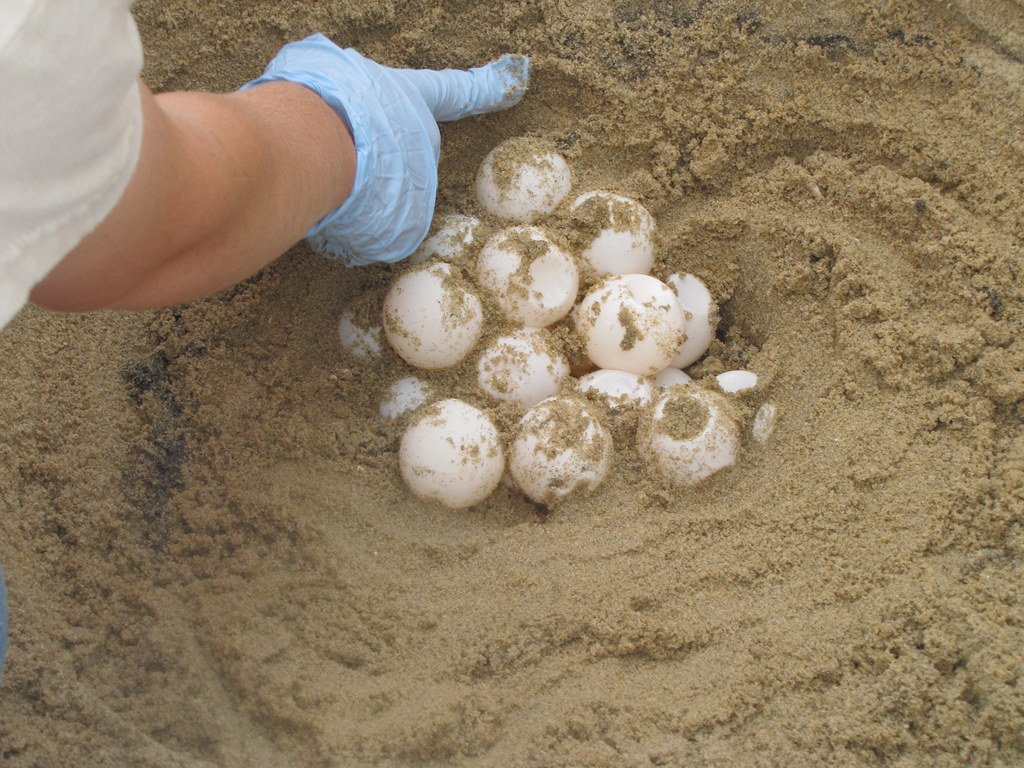
The risks begin even before a turtle hatches. Turtle eggs, buried in sandy nests, are vulnerable to a host of dangers. Raccoons, feral pigs, and even ants dig into nests to feast on eggs. Heavy rains can flood nests, suffocating unhatched turtles. Human activity on beaches—like sand vehicles or careless foot traffic—can crush nests without anyone realizing. So, for many turtles, the struggle for survival starts before they ever see daylight.
Light Pollution: Lost in the Glow
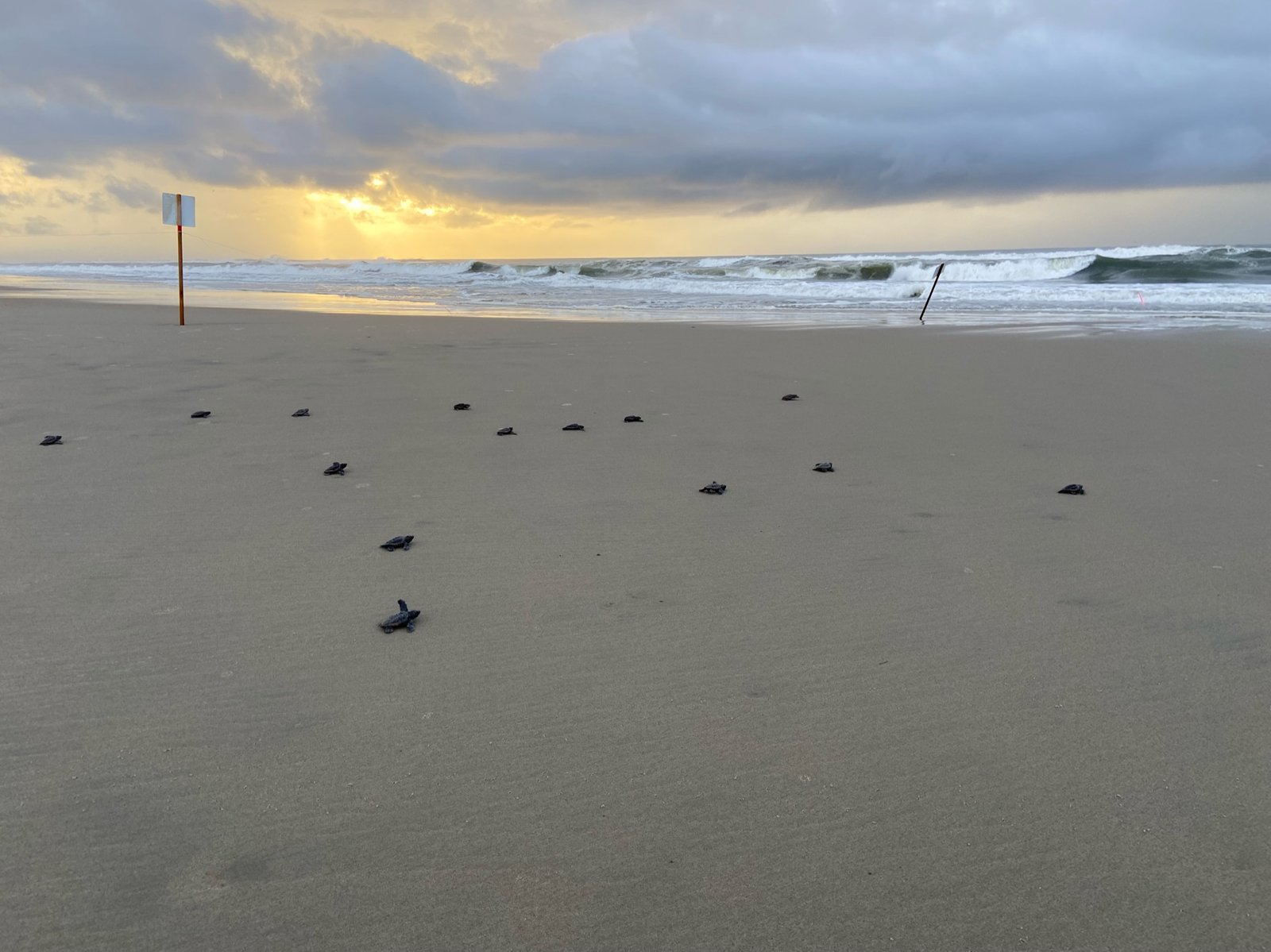
Sea turtles evolved to use natural light cues, like the reflection of the moon on the ocean, to guide them to safety. But modern beachfront lighting confuses hatchlings, drawing them inland instead of toward the waves. Disoriented turtles wander into roads, parking lots, or even storm drains, doomed before they reach the sea. Something as simple as a porch light can spell disaster for hundreds of hatchlings in a single night.
Climate Change: Shifting the Odds

Warming beaches are changing the very nature of turtle survival. The temperature of the sand determines the sex of hatchlings—warmer sands mean more females, while cooler sands produce males. As temperatures rise, populations risk becoming female-heavy, threatening future generations. Additionally, rising sea levels and stronger storms erode nesting beaches, making it even harder for turtles to find safe spots to lay their eggs.
Ocean Pollution: A Toxic Challenge
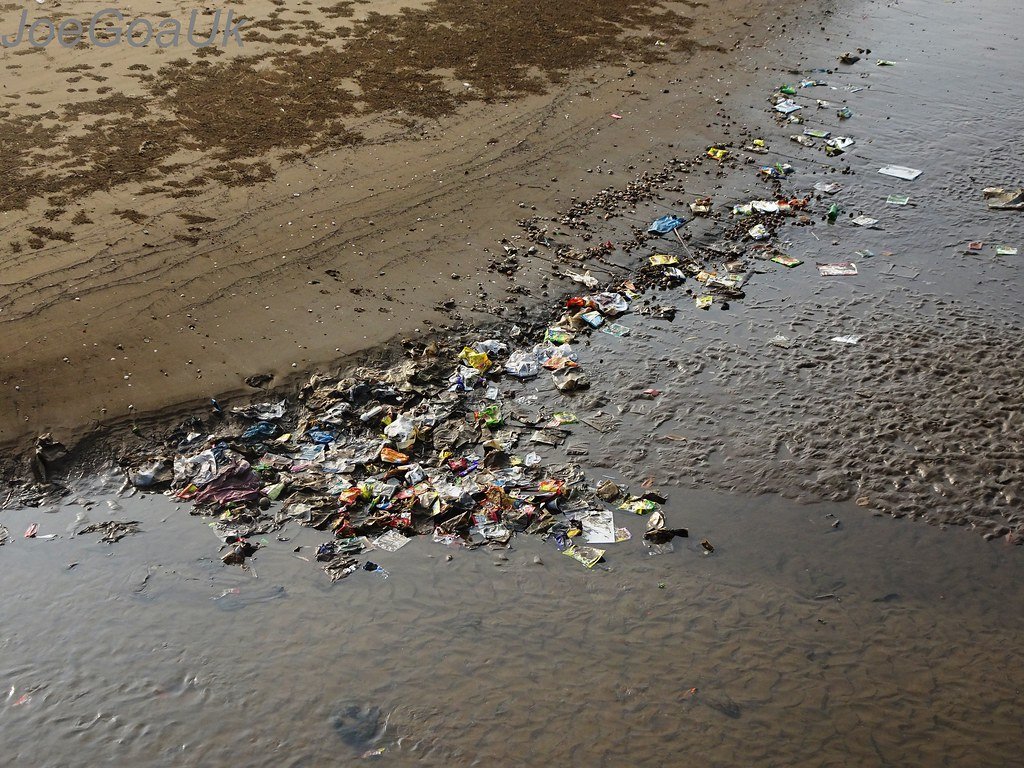
The ocean is no longer the clean, safe haven it once was for young turtles. Plastic pollution is a massive threat; hatchlings often mistake tiny bits of plastic for food, which can block their digestive tracts and lead to starvation. Oil spills, discarded fishing nets, and other debris create lethal obstacles. Toxins in the water can weaken hatchlings, making them easy prey or unable to thrive even if they escape immediate danger.
Natural Selection: Survival of the Fittest

It might seem cruel, but nature has a harsh logic. By producing hundreds of eggs at a time, mother turtles are playing the odds—hoping that sheer numbers will ensure that at least a few survive. The ones who make it through this brutal gauntlet are often the strongest, fastest, or simply the luckiest. Over generations, this relentless process helps turtles adapt to shifting environments, though it means tragedy for the vast majority.
“Lost Years”: The Great Disappearance

Once hatchlings pass the surf and enter deeper waters, scientists lose track of them for years. This mysterious phase is called the “lost years”—a time when young turtles drift with ocean currents, feeding and growing far from shore. Little is known about where they go or how many survive this period. What is clear is that only a small fraction ever return to their natal beaches, having beaten the odds in ways we can barely imagine.
Role of Parental Care: A Lone Start
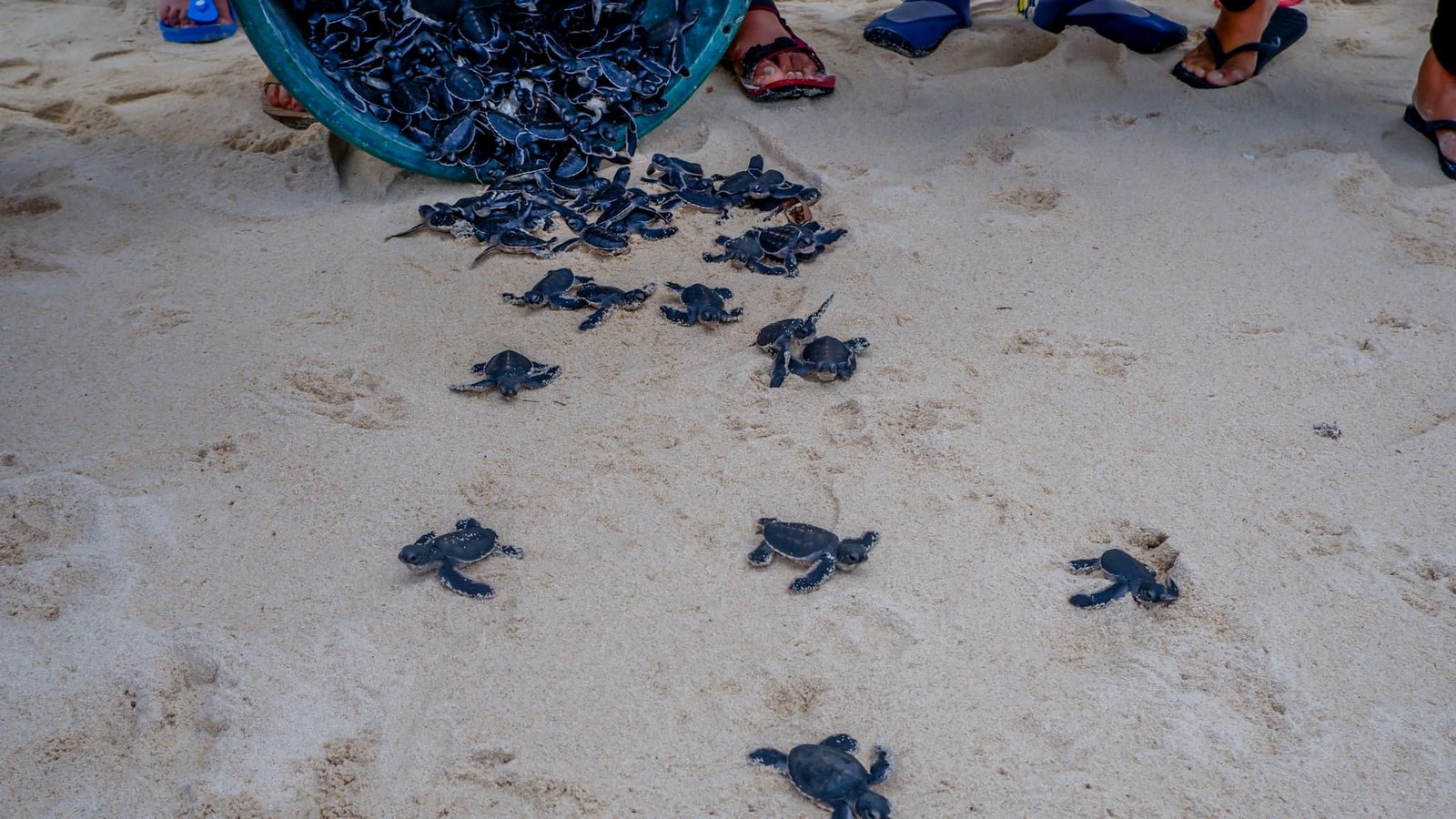
Unlike many animals, sea turtles don’t stick around to care for their young. After laying eggs, the mother disappears into the waves, leaving her offspring to fend for themselves. There’s no protection, no guidance—just instinct and luck. This absence of parental care makes the hatchling’s first hours and days even more perilous, relying solely on evolution’s hard-won wisdom encoded in their genes.
Human Interference: Unintended Consequences
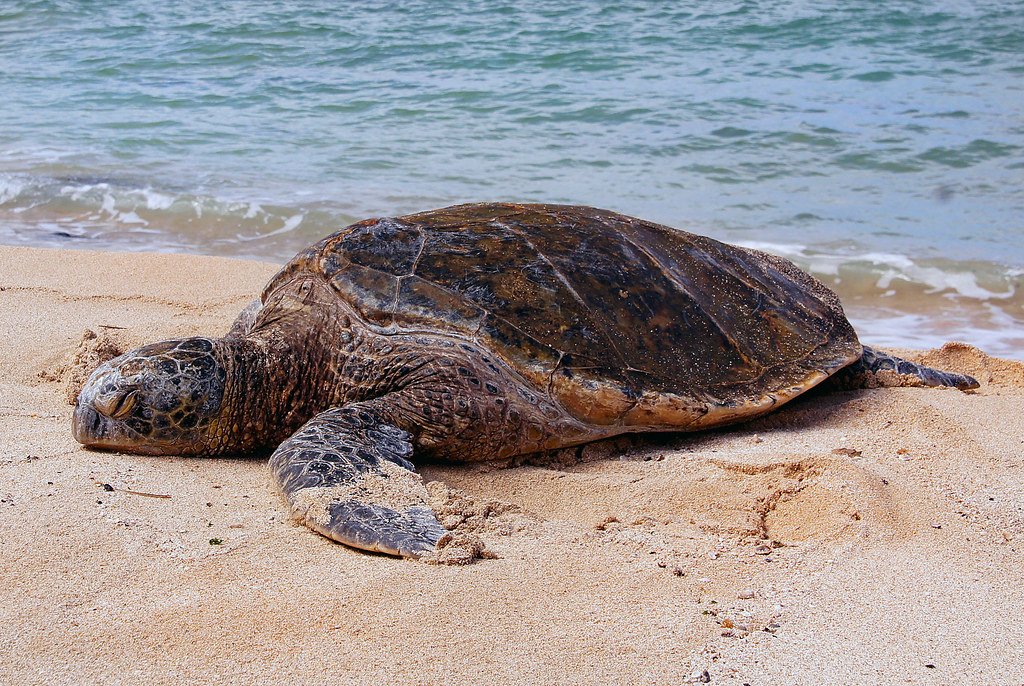
Humans have become one of the greatest threats—and sometimes unexpected helpers—of sea turtles. Construction, beach parties, and even well-meaning tourists can crush nests or scare off nesting mothers. However, conservation efforts, like protected nesting areas and “turtle watches,” have begun to tip the scales back in favor of turtles. Still, our impact is profound, and every action on the beach can have rippling effects for generations.
Adaptations for Survival: Built for the Challenge

Despite the odds, hatchlings have evolved remarkable adaptations to increase their chances. Their dark coloration helps them blend into the night, offering camouflage from predators. They time their emergence for the coolest, darkest hours, when fewer threats are awake. Even their mad, frantic scramble across the sand is strategic—moving in groups overwhelms predators and increases the likelihood that some will survive.
The Importance of Nesting Beaches

Not all beaches are created equal. The choice of nesting site can make a huge difference in hatchling survival. Turtles often return to the very beach where they were born, following mysterious magnetic cues. Beaches with gentle slopes, minimal light, and soft sand offer the best odds. Protecting these critical habitats is essential for giving future generations a fighting chance.
Global Conservation Efforts: Hope on the Horizon
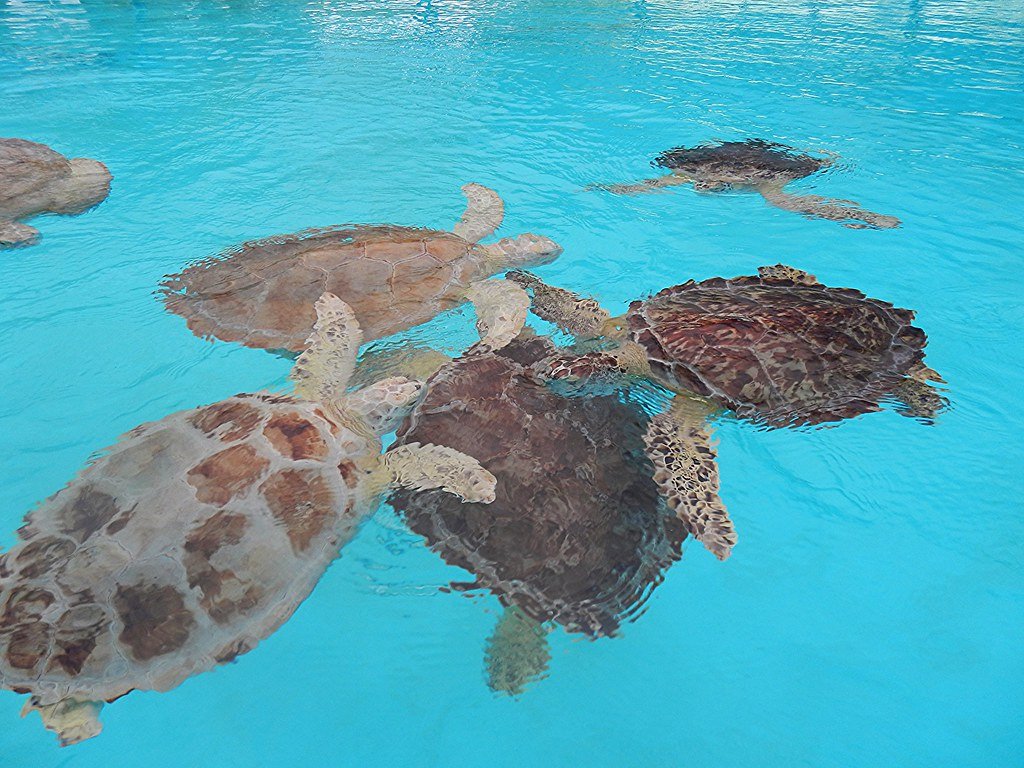
Across the globe, passionate scientists, volunteers, and local communities are working to tip the odds back in favor of sea turtles. Hatchery programs relocate at-risk nests to safer spots. Nighttime patrols rescue disoriented hatchlings, guiding them to the sea. Legislation protects nesting beaches from development and pollution. These efforts, though challenging, have already begun to make a difference—proving that even small actions can have a ripple effect on an entire species.
Lessons from the Turtle’s Struggle
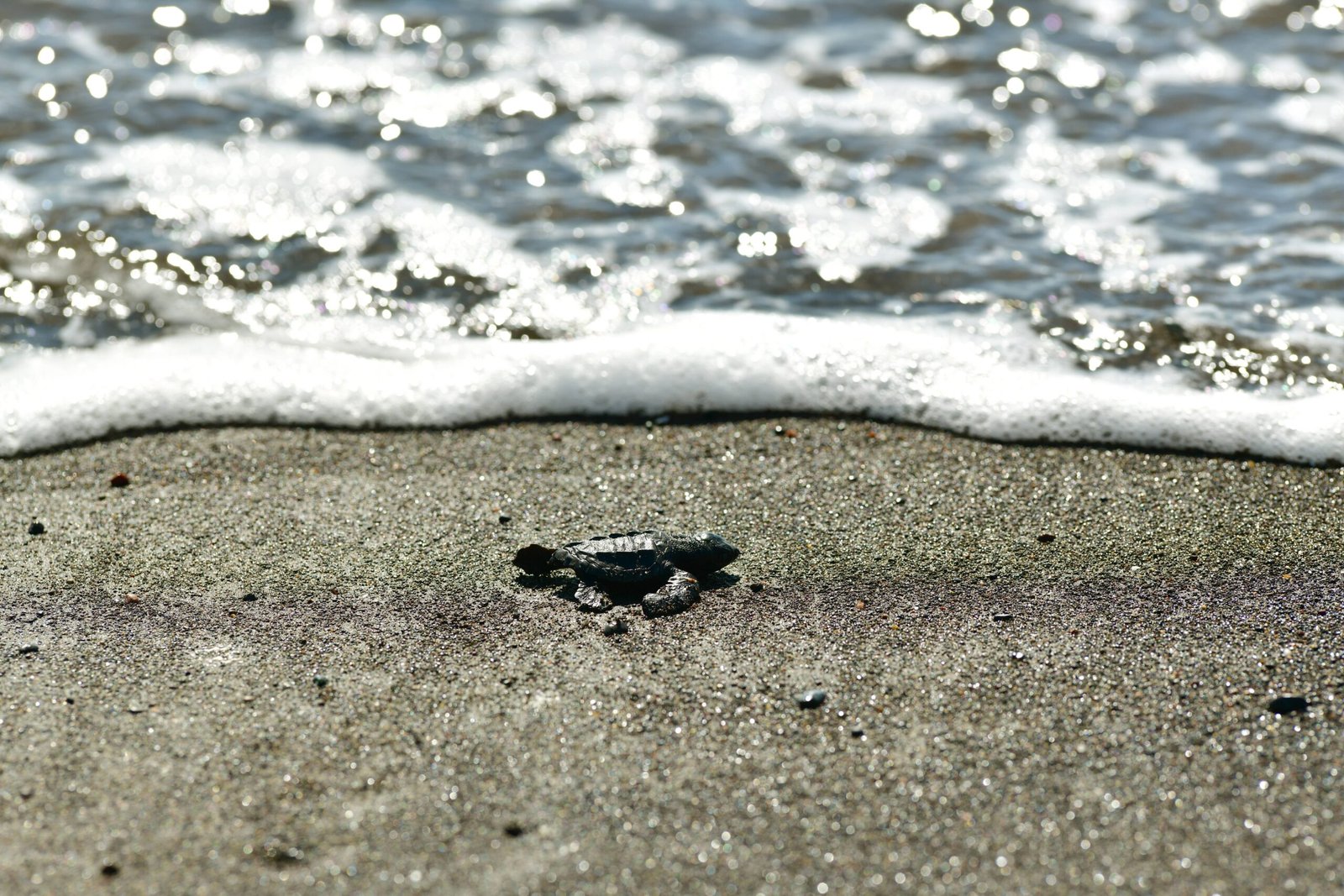
The harrowing journey of the baby sea turtle is more than just a tale of survival—it’s a lesson in resilience, adaptation, and the interconnectedness of life. Each hatchling’s race to the sea is a testament to nature’s brilliance and brutality. Watching their struggle reminds us of the fragility of life and the responsibility we share to protect it. The next time you see a stretch of empty beach or a glimmering wave, imagine the invisible drama unfolding beneath the surface.
Why Every Turtle Counts
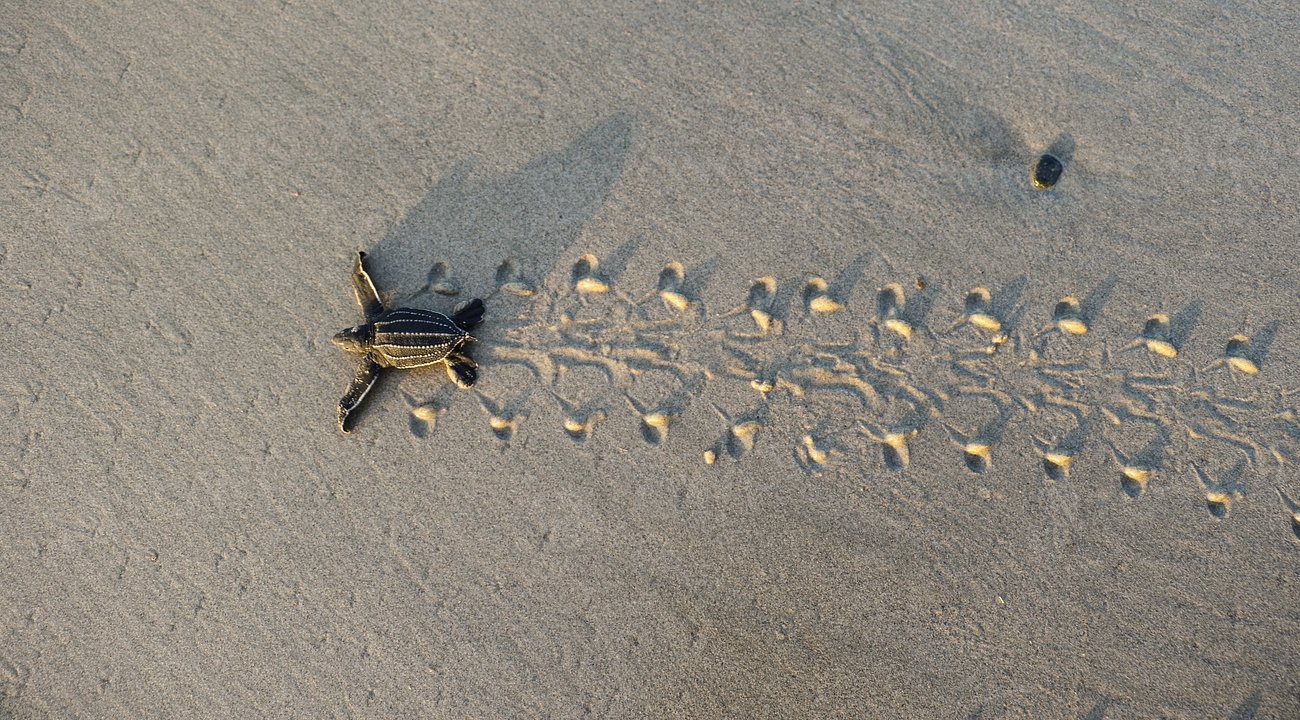
Every single hatchling that survives carries hope for the future of its species. With so many threats stacked against them, each survivor is a tiny miracle. Their struggle is a reminder of what’s at stake in the fight to preserve our planet’s wild places. If one in a thousand can make it, what wonders might we accomplish if we give them a better chance?