Imagine drifting across the endless blue, guided by invisible forces, crossing oceans with no map or compass—just the pulse of the planet itself. For sea turtles, this isn’t fantasy. It’s survival. These awe-inspiring reptiles, older than dinosaurs, have mastered the art of long-distance navigation in ways that seem almost supernatural. Their journeys are epic, crossing thousands of miles of open sea. But how do they pull off this jaw-dropping feat? Let’s dive deep into the world of sea turtle superpowers and unravel the secrets behind their incredible sense of direction.
The Marvel of Ancient Mariners

Sea turtles have been gliding through the world’s oceans for over 100 million years. That’s mind-blowing when you realize they’ve outlived entire species and survived cataclysmic events that wiped out countless creatures. Their resilience isn’t just luck; it’s a testament to their remarkable adaptations. These animals are living fossils, perfectly tuned by evolution to thrive in a watery world that’s constantly changing. They don’t just swim; they embark on voyages that boggle the mind, sometimes traveling from one side of an ocean basin to the other. With every journey, they carry with them the wisdom of ages past, etched in their DNA.
The Startling Science of Magnetoreception

One of the most astonishing abilities sea turtles possess is magnetoreception—the capacity to sense the Earth’s magnetic field. Imagine having an internal compass that never fails, no matter how stormy or featureless your surroundings. Scientists believe sea turtles use this “sixth sense” to determine their position in the vast ocean. They pick up subtle variations in the magnetic field, almost like reading a hidden map. This superpower allows them to return to the exact beach where they were born, even after decades away. It’s like having Google Maps built right into your brain, but way more mysterious.
Imprinting: The Birthplace Memory
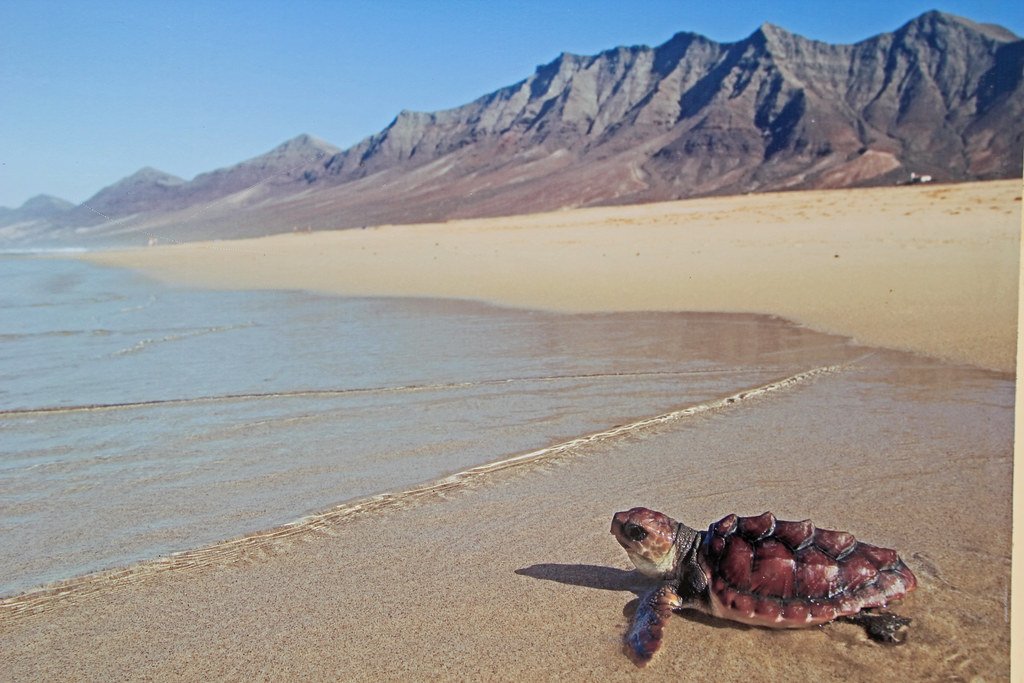
A baby turtle’s first moments on land are more than just a fight for survival—they’re an imprinting ceremony. As hatchlings scurry from sand to surf, they’re believed to memorize unique magnetic signatures of their natal beach. This early memory is so powerful that, decades later, grown turtles can find their way back from thousands of miles away. It’s almost poetic: no matter how far they wander, they’re drawn home by a memory written not in words, but in the language of magnetism and earth.
Following the Ocean’s Highways

Sea turtles don’t swim aimlessly; they follow invisible highways in the sea. These routes, shaped by currents like the Gulf Stream and North Atlantic Drift, act as expressways for migrating turtles. By using these natural flows, turtles can travel faster and conserve energy—a crucial advantage for such long journeys. It’s a bit like catching a ride on an ocean conveyor belt. Scientists have even tracked turtles clocking astonishing distances, like the leatherback’s migration from Indonesia to California. The ocean’s highways are their superhighways, and they know just how to hitch a ride.
Celestial Navigation: Reading the Stars

There’s evidence that sea turtles might also use the night sky as a guide. Just as early sailors navigated by the stars, hatchlings seem to orient themselves by the light of the moon and stars when they first dash toward the sea. This instinct helps them find the shortest path to safety. Some researchers suggest that even adult turtles may use celestial cues during their long migrations, especially when the magnetic field is disrupted. It’s as if they have a secret manual on how to never get lost, even when the world goes dark.
The Power of Scent and Sound

While magnetism and stars get most of the attention, turtles might use other senses, too. Some studies hint that turtles can smell their way home, detecting chemical cues unique to their natal beaches. Others think they might even pick up on underwater sounds or vibrations. Imagine being able to “hear” your way across an entire ocean or follow an ancient scent trail home. For sea turtles, the ocean is a symphony of signals, and they’re tuned to every note.
The Mystery of Long-Distance Precision

Perhaps the most jaw-dropping part of sea turtle navigation is their mind-blowing precision. Leatherbacks, greens, and loggerheads have all been recorded returning to the same patch of beach where they hatched, sometimes within meters. How do they achieve such accuracy? It’s still not fully understood. Some scientists believe that turtles combine multiple cues—magnetic, celestial, chemical, and even temperature—like a sophisticated onboard GPS. The layers of guidance overlap and reinforce each other, making their navigation almost foolproof.
Epic Migrations: The Leatherback’s Odyssey

Of all the sea turtles, leatherbacks are the true marathoners. These gentle giants can weigh as much as a small car and travel up to 10,000 miles each year. Their migration between tropical nesting beaches and chilly northern feeding grounds is a breathtaking display of stamina and navigational genius. Along the way, they dive to incredible depths and brave ocean storms. The leatherback’s journey is a living testament to nature’s engineering at its finest.
Orientation During the Hatchling Frenzy
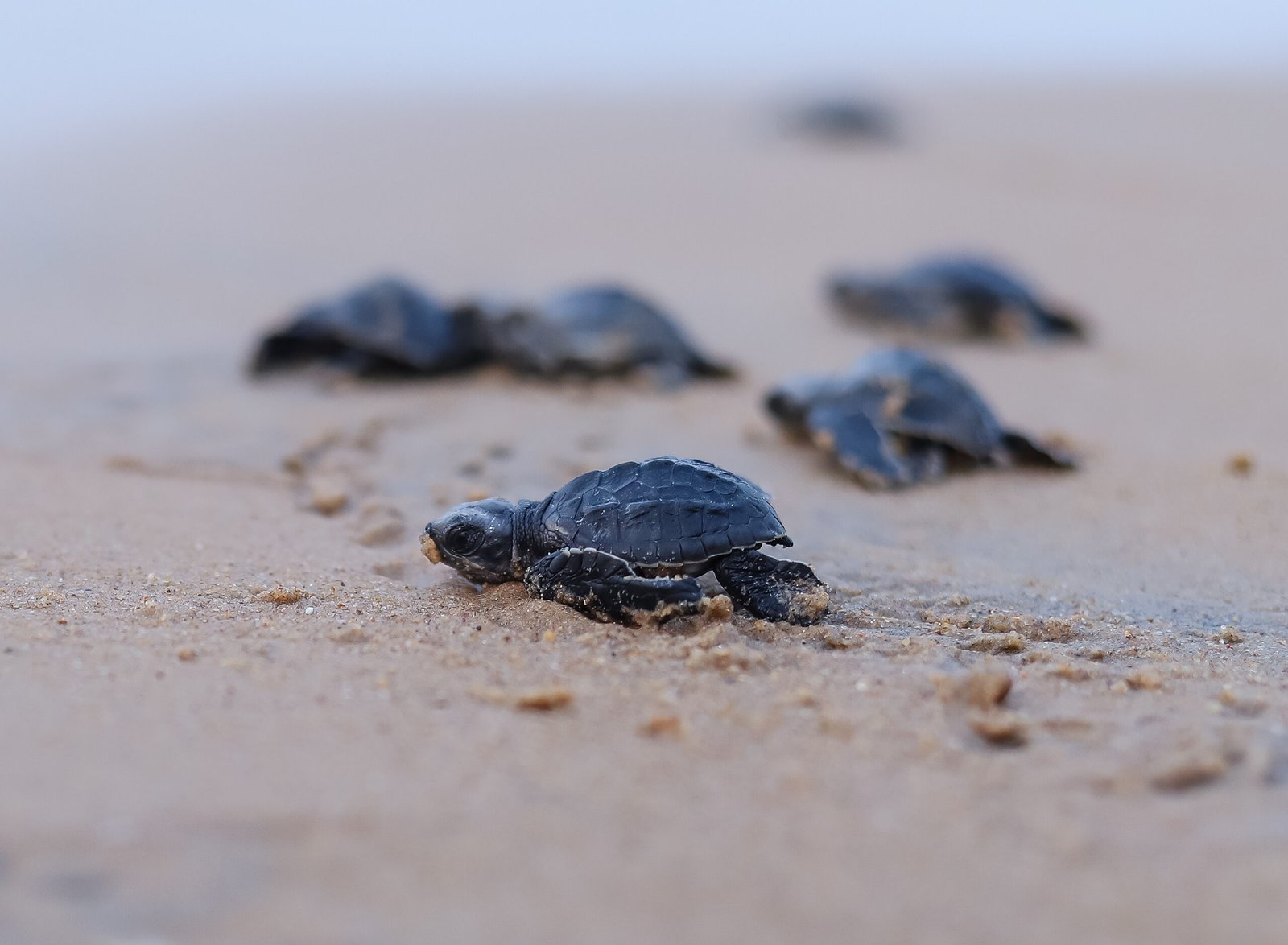
The chaos of turtle hatching is both adorable and exhilarating. Hundreds of tiny turtles burst from the sand all at once, racing toward the waves. But this chaos isn’t random. Hatchlings use light, slope, and probably even the Earth’s magnetic field to orient themselves. Artificial lights from hotels can confuse them, leading to tragic results, but in natural conditions, their instincts guide them unerringly to the water. It’s a mad dash against predators, but one fueled by ancient programming.
Homeland Calling: Female Turtles’ Nesting Returns
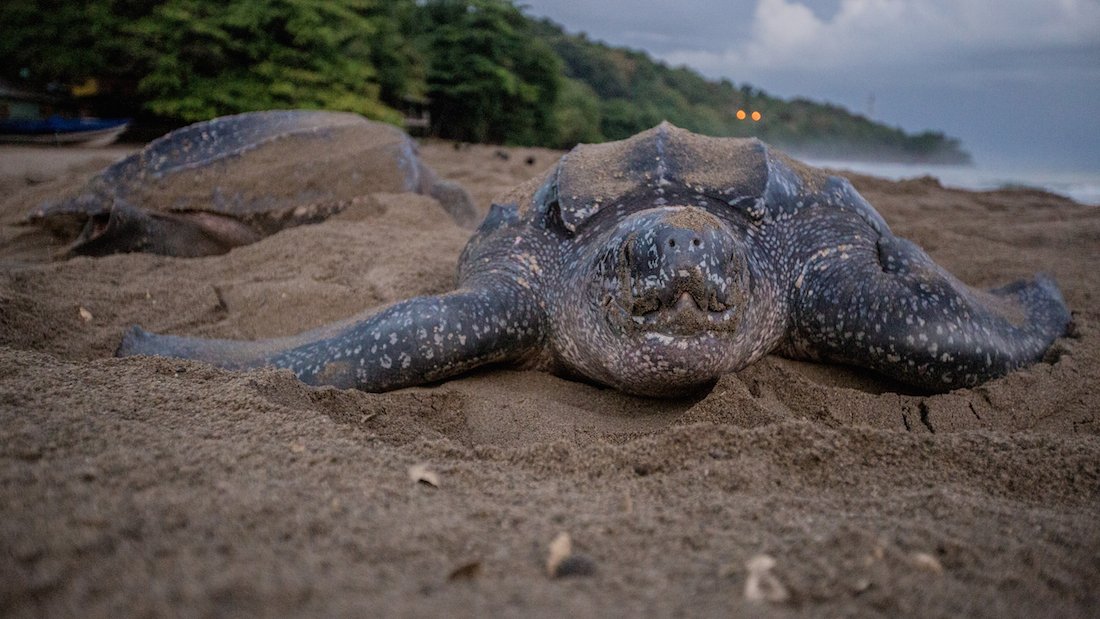
Adult female turtles are legendary for their loyalty to their natal beaches. Every two to four years, they make the arduous journey back to lay their eggs where they first hatched. This act of homing is not just impressive; it’s vital for the survival of their species. Returning to the same stretch of sand ensures that the next generation inherits the same successful navigation tools. There’s something deeply moving about this cycle—a reminder that nature’s rhythms are unbroken, stretching back through eons.
Facing Threats on Their Journeys

Despite their superpowers, sea turtles face daunting threats. Pollution, plastic waste, and climate change disrupt their migratory paths and nesting grounds. Light pollution leads hatchlings astray, while fishing nets and boat strikes endanger adults. Even their remarkable navigation can’t always outsmart human hazards. Their struggles are a stark reminder that even the most ancient and resilient creatures need our protection.
Learning from Satellite Tracking

Modern technology has pulled back the curtain on turtle journeys. By attaching tiny satellite trackers, scientists have mapped migration routes in dazzling detail. These tracks reveal the vast distances turtles travel, their remarkable speed, and the surprising places they visit. The data has transformed our understanding, showing us just how interconnected oceans and turtles really are. It’s as if we’ve been handed a map to a secret world—one that’s always been there, just out of sight.
The Role of Climate and Temperature

Temperature doesn’t just affect where turtles go—it can even determine their gender. Warmer sands produce females, cooler sands produce males. But temperature also shapes ocean currents and food availability, influencing migration routes. As climate change warms the planet, turtles are adapting, sometimes shifting their journeys in response. Their ability to adjust is impressive, but there are limits to how much change they can handle. The future of sea turtle navigation may hinge on how quickly the world responds.
Teamwork in Navigation: Social Learning
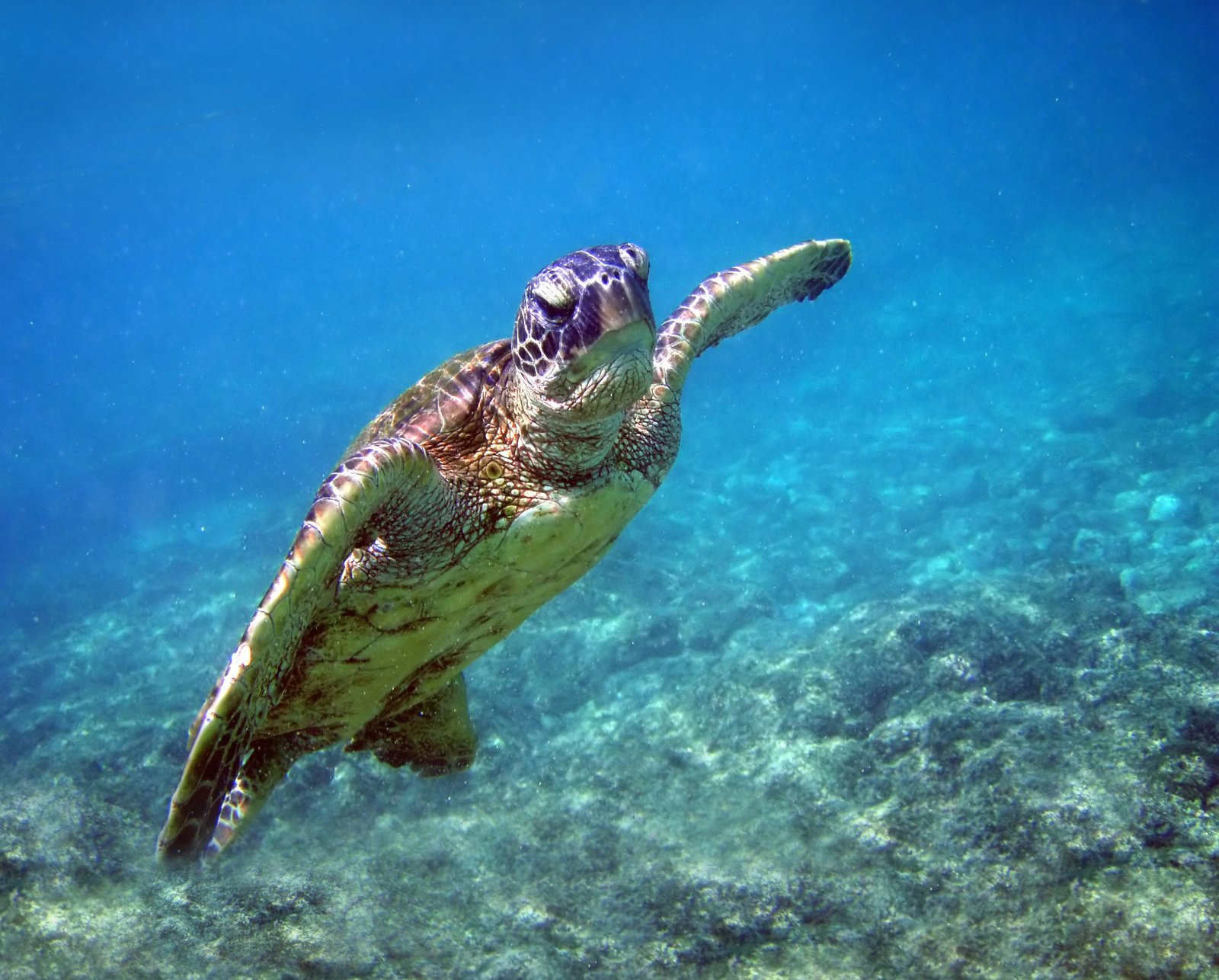
Although turtles are mostly solitary, some evidence suggests they might learn from each other. Young turtles sometimes follow older individuals or stick to routes that have been successful for generations. This kind of social learning, rare in reptiles, adds another layer to the navigation puzzle. It’s like inheriting a family map, where each generation adds its own notes and shortcuts. The ocean is their classroom, and every journey is a lesson passed down the line.
Adaptations for Endurance

Sea turtles are built for the long haul. Their streamlined shells reduce drag, and their powerful flippers propel them like living torpedoes. They can hold their breath for hours, diving deep to avoid predators or rest. Some species have fat reserves that allow them to go months without eating. Every part of their body is fine-tuned for migration. It’s a bit like an athlete with a body designed for marathons, not sprints—steady, enduring, unstoppable.
The Future of Sea Turtle Navigation
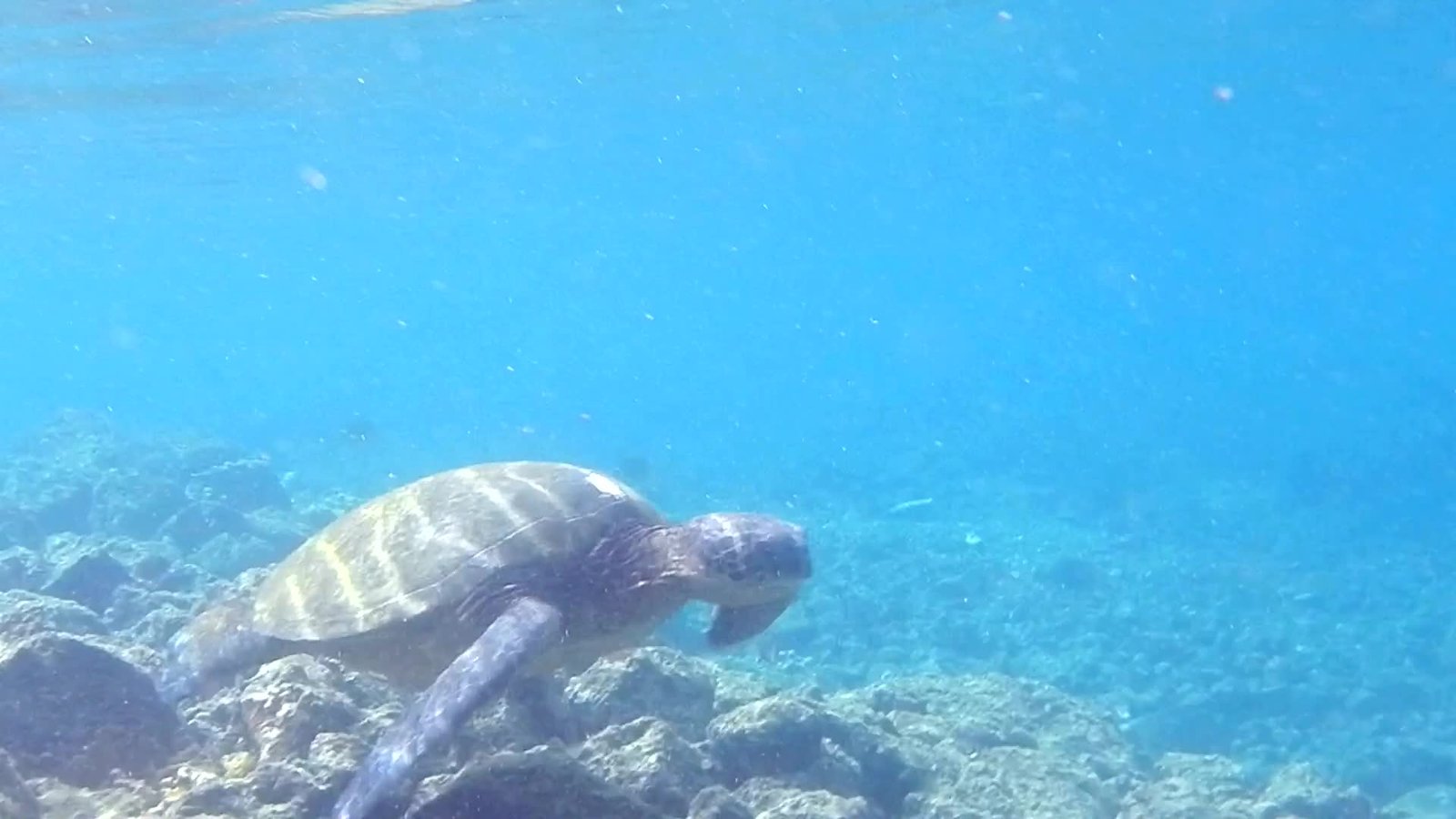
As our world changes, so do the challenges facing sea turtles. Pollution, climate change, and habitat destruction threaten their ancient routes. Yet, there’s hope in the growing efforts to protect nesting beaches, reduce plastic waste, and study their migrations. By understanding the science behind their superpowers, we can help ensure that future generations will witness these ancient mariners on their epic journeys. Their survival is tied to ours, a reminder of the delicate balance that connects all life in the ocean.
Why Sea Turtle Navigation Inspires Us

There’s something deeply stirring about the journey of a sea turtle. Their persistence, their connection to home, and their mysterious wisdom remind us of the wonder lurking beneath the waves. In a world that often feels chaotic and disconnected, sea turtles show us the power of memory, resilience, and the invisible threads that tie us to the planet. Their story is a call to cherish and protect the wild places that make such journeys possible. Would you have guessed these ancient mariners had such extraordinary superpowers?