
What if the origin of life on Earth isn’t a story that begins with our planet, but rather a cosmic tale that starts in the depths of space? For decades, scientists have debated whether life’s building blocks arrived here from somewhere else entirely. Now, groundbreaking research from asteroid samples delivered by NASA’s OSIRIS-REx mission is providing unprecedented evidence that strengthens one of the most fascinating theories about life’s origins: panspermia.
The Ancient Mystery That Rocks Our Understanding

Picture this: billions of years ago, when Earth was still a violent, molten world barely recognizable as the planet we know today, something extraordinary might have been happening. The panspermia hypothesis suggests that life exists throughout the universe, distributed by space dust, meteoroids, asteroids, comets, and planetoids, arguing that life did not originate on Earth but instead evolved somewhere else and seeded life as we know it. Think of it like cosmic seeds scattered across the universe, waiting for the right conditions to sprout. Mars may have been more habitable in its early period than Earth, and panspermia could work both ways or even between solar systems. This isn’t just science fiction anymore – it’s becoming serious science with real evidence backing it up. The implications are mind-boggling: we might all be descendants of ancient cosmic travelers.
Bennu’s Revolutionary Revelations

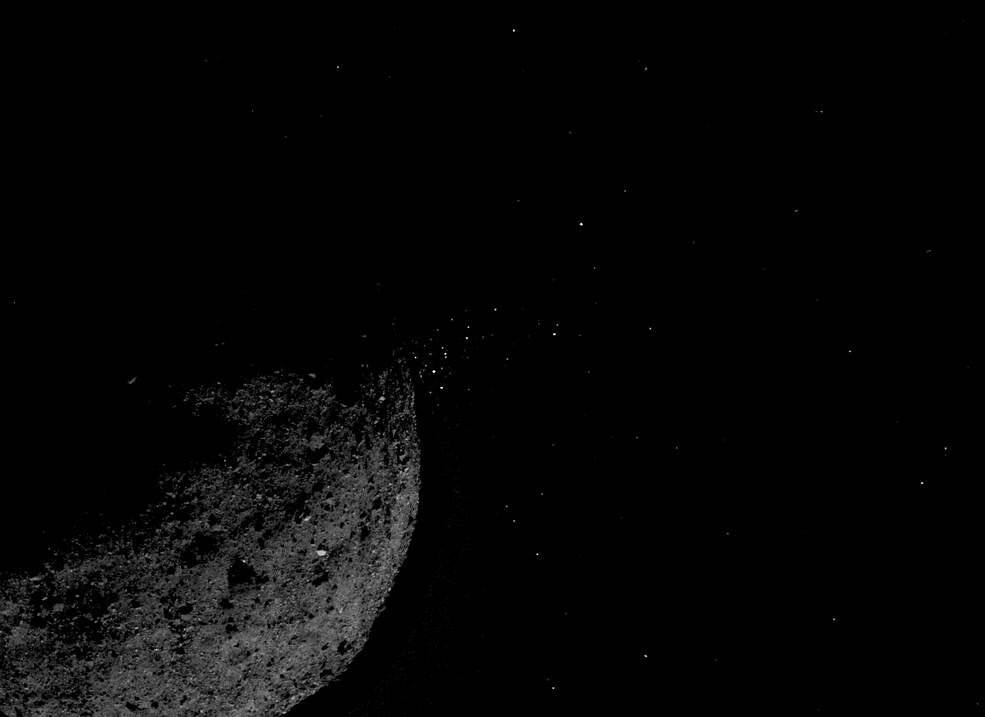
In September 2023, a truck-tire-size capsule from space delivered invaluable cargo: more than 120 grams of pristine material from the asteroid Bennu, collected by NASA’s OSIRIS-REx spacecraft for delivery to Earth. What scientists discovered inside these dark, ancient fragments would shake our understanding of life’s origins to its core. New research revealed that Bennu contains many of the chemical building blocks of life, such as amino acids and components found in DNA, suggesting that asteroids like Bennu once acted like giant chemical factories in space. Bennu now orbits close to Earth’s distance from the sun, but its original parent body formed much farther out in the cold reaches of space. These samples represent a 4.5-billion-year-old time capsule, preserved in the vacuum of space without contamination from Earth’s atmosphere or biology.
The Molecular Treasure Trove That Shocked Scientists
When researchers began analyzing Bennu’s samples, they couldn’t believe what they were seeing. The analyses revealed that Bennu samples contain 33 known amino acids, including 14 of the 20 protein-building amino acids used by Earth’s life, and all five nucleobases found in DNA and RNA—adenine, guanine, cytosine, thymine, and uracil. Scientists found “a really complex soup of organic molecules” that reads like a recipe for life itself. Glavin’s team detected thousands of organic molecular compounds, including 33 amino acids in the Bennu samples, finding 14 of the 20 amino acids used in biology to build proteins and 19 non-protein amino acids. Imagine opening an ancient cookbook and finding all the ingredients for the most important recipe ever written – the recipe for life. Scientists also found exceptionally high abundances of ammonia, which can react with formaldehyde to form complex molecules like amino acids under the right conditions.
The Chirality Puzzle That Rewrote the Textbooks
Many amino acids can be created in two mirror-image versions, like left and right hands, but life on Earth almost exclusively produces the left-handed variety while Bennu samples contain an equal mixture of both. This discovery sent shockwaves through the scientific community because it challenged decades of research. One researcher admitted, “I have to admit, I was a little disillusioned or disappointed. I felt like this had invalidated 20 years of research in our lab and my career. But this is exactly why we explore”. The reason life “turned left” instead of right remains a mystery. Think of it like finding out that the fundamental rule you thought governed all of biology might have been a cosmic coin flip that happened billions of years ago.
Ancient Brines and Chemical Factories in Space
Research shows that Bennu’s parent asteroid was likely home to pockets of brine, or salt-saturated water, which evaporated leaving salts that resemble dried-up lakebeds found on Earth, and brines are important because they can foster chemical reactions and produce molecules needed for life. Scientists identified traces of 11 minerals in Bennu samples that form as water containing dissolved salts evaporates over long periods, similar to brines detected across the solar system, including at dwarf planet Ceres and Saturn’s moon Enceladus. Picture ancient asteroid bodies as cosmic laboratories, complete with warm, salty oceans where the first steps toward life could have taken place billions of years ago. Researchers believe ammonia-enriched ice melted inside the large parent asteroid body, creating a liquid environment that allowed complex organic molecules to form. These weren’t just dry rocks floating through space – they were active chemical reactors brewing the ingredients of life.
The Murchison Meteorite: Our First Cosmic Clue

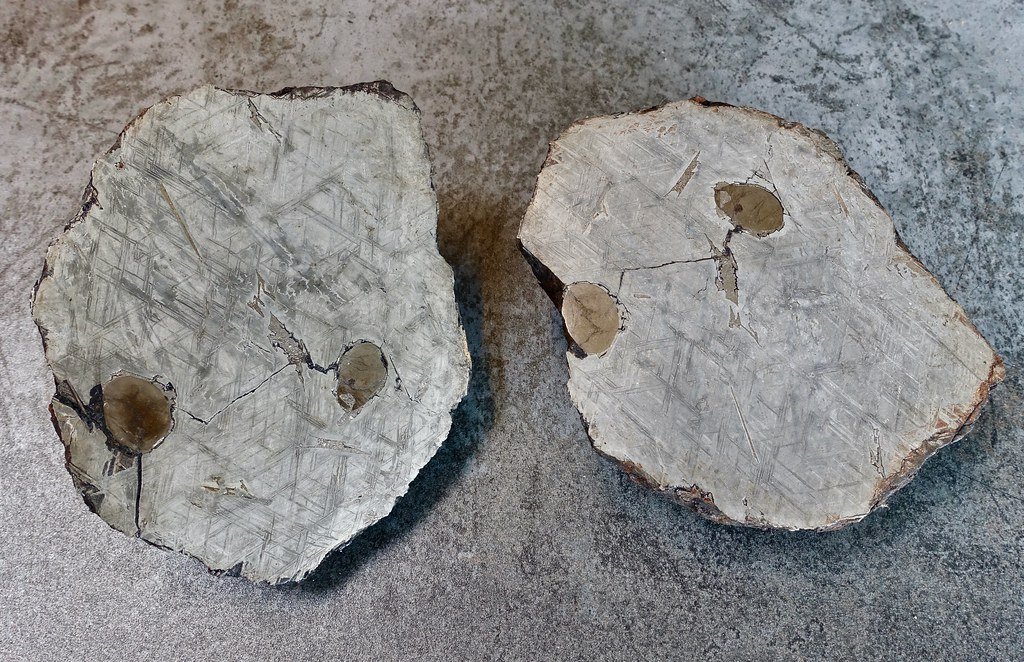
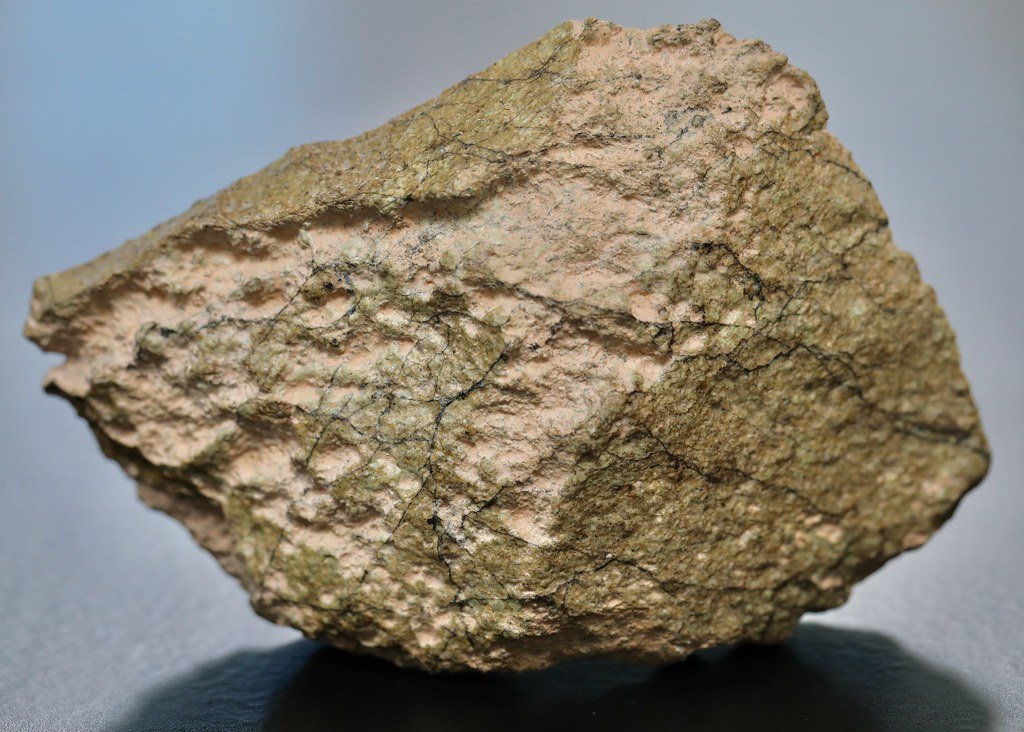
Long before Bennu’s samples arrived, scientists had another crucial piece of evidence supporting panspermia. The Murchison meteorite, which fell in Australia in 1969, contains a huge range of organic compounds including more than 70 different amino acids, demonstrating the validity of interplanetary transportation mechanisms and containing genuine amino acids from outer space. A 2010 study identified 14,000 molecular compounds, including 70 amino acids, in Murchison samples, with the team estimating the possibility of millions of distinct organic compounds in the meteorite. The Murchison meteorite has 52 positively identified amino acids, with 33 of these unknown in natural materials other than carbonaceous chondrites, making it a major source of new naturally-occurring amino acids. Think of Murchison as the rosetta stone for cosmic chemistry – it opened our eyes to the rich organic chemistry happening throughout the universe.
Surviving the Journey: Space’s Ultimate Stress Test

Critics of panspermia have long argued that life couldn’t possibly survive the harsh journey through space and violent entry through planetary atmospheres. However, recent experiments are proving otherwise. Results from EXPOSE experiments on the International Space Station showed that meteorite-type protection layers around organic biological samples could allow bacterial endospores and seeds to survive in the harsh vacuum of space, with some surviving even after 1.5 years, including 100% viability of bacterial endospores in Mars-type conditions. Russian scientists found that fully formed bacteria shielded by a meteorite could survive the entry process and initiate growth. It’s like discovering that life has its own cosmic armor, protecting it during impossible journeys across the void. These experiments show that the universe isn’t as hostile to life as we once thought.
The Great Contamination Question
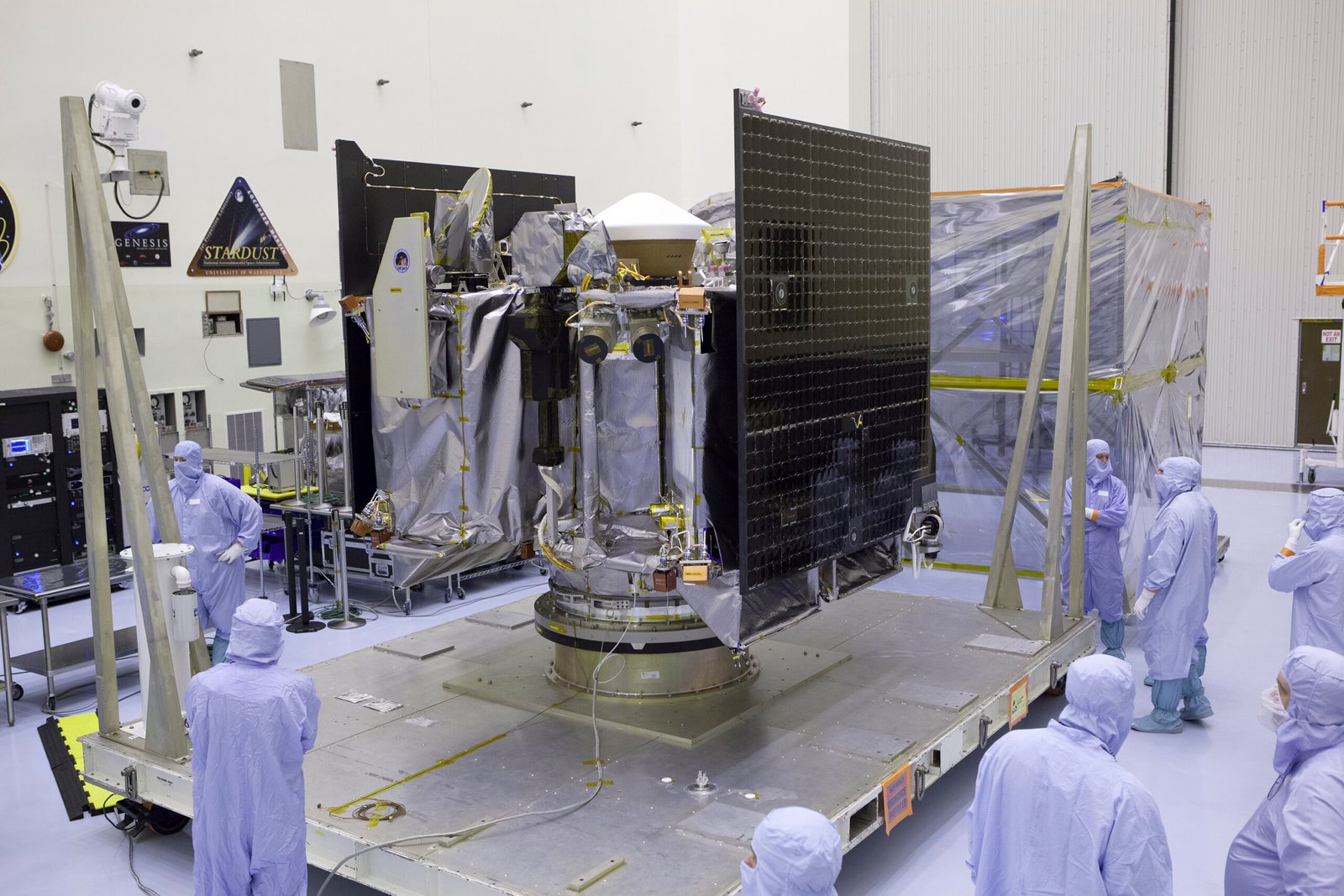
One of the biggest challenges in studying extraterrestrial organic compounds has always been contamination from Earth. How can we be sure these molecules didn’t just come from terrestrial sources? The Bennu samples are pristine and were protected from heating during atmospheric entry and exposure to terrestrial contamination, giving scientists much higher confidence that these chemical building blocks are extraterrestrial in origin. Unlike meteorites that endure fiery trips through Earth’s atmosphere and exposure to terrestrial contamination, gathering samples directly from an asteroid in space is like peering into a time capsule from the nascent solar system. The Murchison fragment used in research was stored for years in a sealed container as the least contaminated and most pristine piece ever studied. Scientists have essentially eliminated the contamination excuse – these organic molecules are genuinely from space.
Lithopanspermia: Life Hitching Rides on Rocks

Lithopanspermia is the proposed transfer of organisms in rocks from one planet to another through comets or asteroids, and while speculative, various stages have become amenable to experimental testing. Lithopanspermia proposes that extremophile-type microscopic life could exist in debris blasted into space from planetary collisions with asteroids and comets. Think of it as the ultimate hitchhiking – microscopic life forms catching rides on cosmic rocks, traveling between worlds like ancient interplanetary explorers. The theory proposes that microbes able to survive outer space can become trapped in debris ejected after collisions between planets and small solar system bodies, then transported by meteors between bodies in a solar system or even across solar systems. While challenging, the growing evidence suggests this cosmic travel might be more common than we ever imagined.
The Ammonia Connection: A Cosmic Signature

One of the most startling discoveries in Bennu’s samples was the extraordinary abundance of ammonia. Bennu’s concentration of ammonia was about 75 times higher than found in samples from asteroid Ryugu. Researchers found exceptionally high concentrations of ammonia – about 100 times more than natural levels in Earth’s soils – and ammonia is an essential ingredient in many biological processes, including as a building block to form amino acids. Glavin’s team found compounds rich in nitrogen and ammonia, suggesting Bennu was part of a larger asteroid that formed about 4.5 billion years ago in frigid, distant regions where ammonia ice is more stable farther from heat sources like the sun. This ammonia signature is like a cosmic fingerprint, telling us these materials formed in the cold outer reaches of our solar system where life’s building blocks could accumulate and survive.
Chemical Factories Beyond Earth
Understanding of planetary formation and meteorites suggests that rocky bodies from undifferentiated parent bodies could generate local conditions conducive to life, with internal heating from radiogenic isotopes melting ice to provide water and energy, and some meteorites showing signs of aqueous alteration. Underground pools of liquid brine probably formed 4.6 billion years ago on Bennu’s parent body and contained the building blocks of life, according to analyses of samples returned by OSIRIS-REx. Research shows that Bennu likely had both the environment and chemical ingredients necessary to produce molecules associated with the evolution of life. These ancient asteroid bodies weren’t barren rocks – they were sophisticated chemical laboratories with all the right ingredients, temperatures, and conditions to cook up life’s essential components. The universe might be teeming with these cosmic kitchens.
From Interstellar Dust to Complex Molecules

Astronomical observations show that interstellar clouds contain at least 100 species of simple organic molecules, while experiments simulating interstellar conditions demonstrate that more complex molecules, including amino acids, might be produced by photochemistry in ice-coated dust grains. The discovery of amino acids in grains suggests that cosmic dust deposits these substances on young planets following comet and asteroid impacts, and the conjunction of available data points to cometary biology and interstellar panspermia rather than just chemical building blocks. Experiments using formaldehyde, acetaldehyde and ammonia simulate possible chemical reactions during aqueous alteration, as aldehydes are abundant in molecular clouds and ammonia has been detected in high concentrations in the Murchison meteorite as the principal nitrogen source. The universe is essentially a vast chemistry set, mixing and matching elements to create the complex molecules that make life possible.
The Pristine Advantage of Space Samples

The findings in Bennu samples are notable because they are pristine and untouched by Earth’s atmosphere and environmental conditions, unlike meteorites that are altered by reentry heat and exposed to Earth’s surface conditions. These building blocks for life detected in Bennu samples have been found before in extraterrestrial rocks, but identifying them in pristine samples collected in space supports the idea that objects formed far from the Sun could have been important sources of precursor ingredients for life. What’s so significant about the OSIRIS-REx Bennu findings is that those samples are pristine. It’s the difference between examining evidence that’s been tampered with versus having the original, untouched proof. These space samples give us our clearest window yet into the cosmic origins of life’s building blocks.
The Directed Panspermia Alternative
While most panspermia research focuses on natural processes, there’s also the intriguing possibility of directed panspermia. First proposed in 1972 by Nobel prize winner Francis Crick and Leslie Orgel, directed panspermia theorizes that life was deliberately brought to Earth by a higher intelligent being from another planet, proposed as an alternative when radiopanspermia or lithopanspermia seemed unlikely. The hypothesis that Earth was seeded by a preceding extraterrestrial civilization is currently untestable, but analysis suggests that if intelligence evolves ethically as it evolves technologically, certain ethical requirements might be satisfied. While this sounds like science fiction, some researchers take it seriously enough to design experiments and missions to test for evidence. A team of scientists at MIT and Harvard spent a decade designing instruments that could detect DNA or RNA on Mars – life not only similar to Earth’s but actually delivered from Earth long ago.
Modern Evidence Supporting Ancient Theories

Space experiments have supported the possibility of microbial spores escaping a planet, with radioresistant microbes captured from high altitudes on Earth and microbes surviving at low Earth orbits under protection from solar UV radiation. Because atmospheric entry heating lasts only tens of seconds, the heat generated may not kill all spores, especially those within meteorites, and the panspermia hypothesis has given new perspective to explorations on Mars and Jupiter’s and Saturn’s icy moons. Research revealed that lithopanspermia is entirely possible, marking the first documented case of microbial survival and opening doors for testing wider varieties of species. What was once considered impossible is now being proven possible in laboratory after laboratory. The evidence is mounting that life might be far more resilient and mobile than we ever imagined.
The Solar System as a Cosmic Nursery

The conclusive proof that so many of life’s molecular building blocks were widespread in the early solar system has increased “the chances that life could have started elsewhere beyond Earth”. The combination of material found in samples suggests chemical building blocks of life were widespread throughout the solar system, providing strong evidence that asteroids bombarding early Earth may have delivered water and organic material to its surface. This supports the theory that similar asteroids may have helped deliver water and chemical building blocks that led to life’s evolution on Earth, helping scientists learn how planets and the solar system formed. Our solar system wasn’t just a collection of lifeless rocks and gas – it was a bustling nursery where the ingredients for life were being mixed, distributed, and delivered to waiting worlds.
Future Missions and the Search for Cosmic Life

Many believe astronaut explorers on Mars and other targets like Europa and Enceladus will be needed to properly solve the question of life in the Solar System, and comparing any life forms found with Earth-type life. These icy moons, with their subsurface oceans and geothermal activity, are prime candidates for harboring microbial organisms. Upcoming missions such as NASA’s Europa Clipper and ESA’s JUICE (Jupiter Icy Moons Explorer) aim to investigate these environments in unprecedented detail. Meanwhile, plans for human missions to Mars, supported by robotic scouts like Perseverance and its sample return program, will deepen our understanding of habitability. As technology advances, these missions could detect biosignatures—chemical or physical indicators of life—ushering in a new era of astrobiology and reshaping humanity’s understanding of its place in the cosmos.