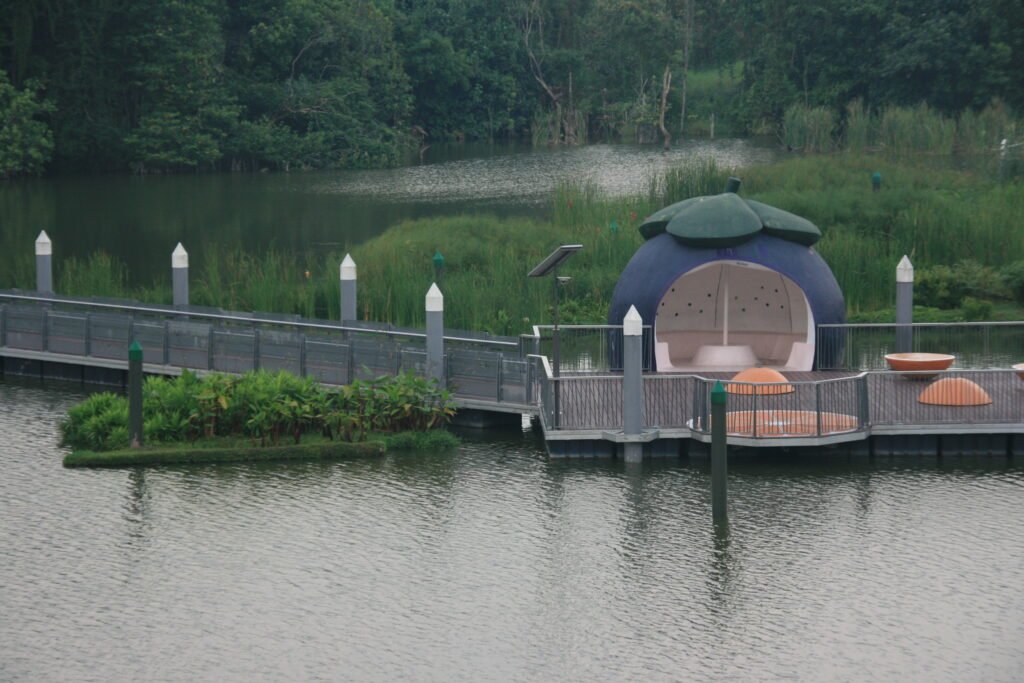

Beneath the shimmering reflections of city lights on Singapore’s iconic waterways lies a universe so tiny, most of us never even notice it. Yet, this microscopic realm is bursting with life, drama, and secrets that shape the health of our city and the future of our environment. Imagine billions of invisible organisms thriving inside every drop of water that flows through the heart of Singapore. These microbes are the city’s silent engineers, tirelessly working to keep our environment in balance. Let’s take a deep dive—beyond what meets the eye—into the mysterious, bustling world of microbes in Singapore’s urban waterways.
The Unseen Architects of Water Quality

Microbes are the silent custodians of Singapore’s water quality, constantly breaking down waste, absorbing pollutants, and transforming harmful substances into harmless molecules. Every time rainwater rushes into the city’s canals, it carries with it nutrients, debris, and sometimes even contaminants. Bacteria and other microorganisms spring into action, processing these materials and ensuring that the water remains clear and safe. It’s a never-ending cycle, as these tiny organisms recycle organic matter and play a crucial part in preventing waterborne diseases. Without them, the city’s sparkling rivers would quickly turn murky and toxic. Their presence is proof that sometimes, the smallest things make the biggest difference.
Biodiversity in a Teaspoon
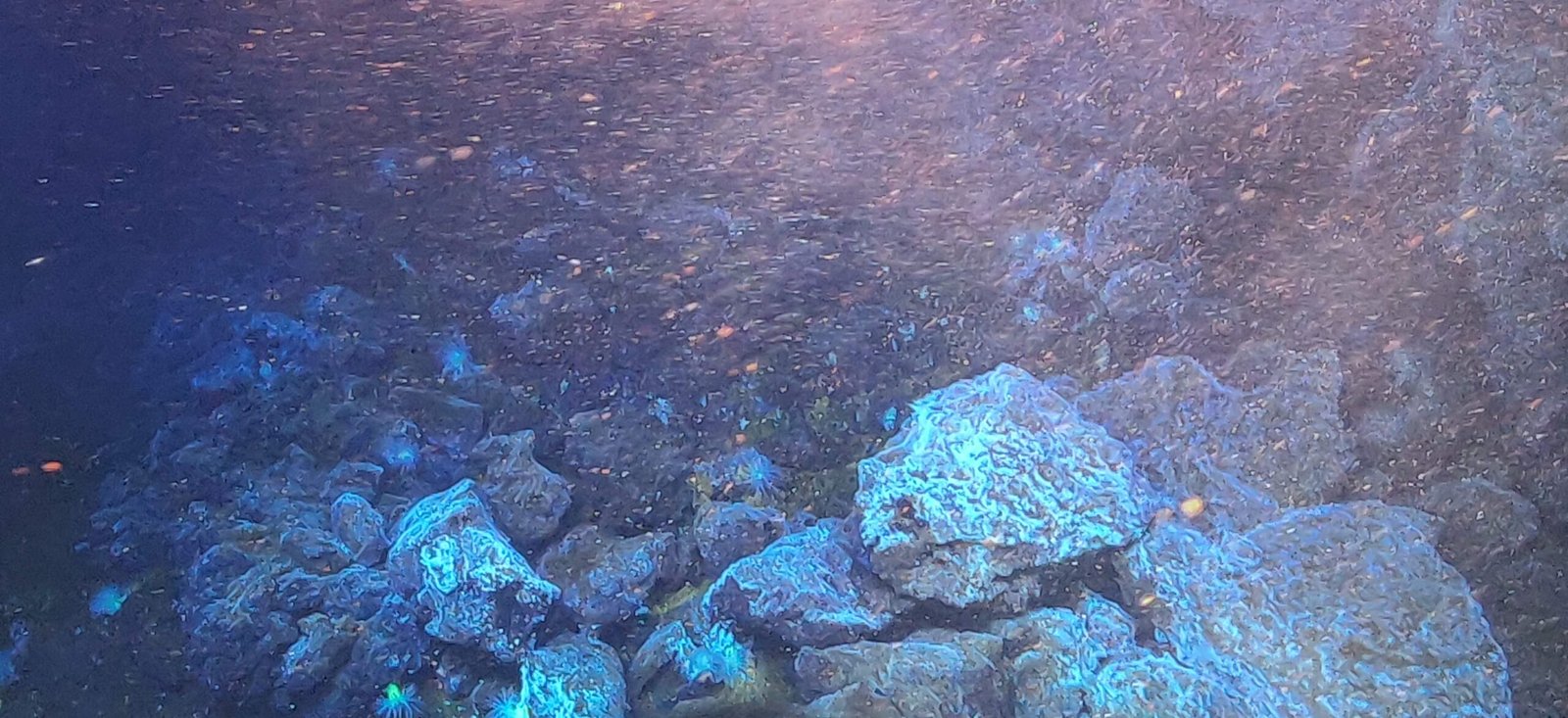
It’s mind-blowing to think that a single teaspoon of water from a Singapore canal holds thousands—sometimes millions—of different microbial species. Each one has a unique job: some decompose plant matter, others filter toxins, and a few even help plants and animals survive in challenging conditions. This dazzling diversity means that urban waterways are more than just bodies of water; they’re living ecosystems in miniature. Scientists are still discovering new species right here in the city, reminding us that we know only a fraction of this hidden world. It’s like holding a bustling metropolis in the palm of your hand.
How Microbes Keep Waterways Clean

When you see crystal-clear streams flowing through Singapore’s parks, it’s not just advanced engineering at work. Microbes are the true heroes behind the scenes. They feast on organic waste, gobble up excess nutrients, and outcompete harmful bacteria that could cause outbreaks. Their metabolic processes break down oil spills, pesticides, and other pollutants that could otherwise devastate aquatic life. In many ways, microbes are nature’s cleaning crew, scrubbing the waterways clean every moment of every day. Without their tireless work, maintaining the city’s famous water cleanliness would be impossible.
Microbial Hotspots: Where Life Thrives

Not all parts of Singapore’s waterways are created equal. Some areas—like the junctions where drains meet canals or the edges of slow-moving ponds—become microbial hotspots. These environments offer plenty of nutrients and shelter, creating the perfect conditions for microbial communities to flourish. In these hotspots, you’ll find biofilms: slimy layers filled with bacteria, algae, and fungi all living together in a complex web. These biofilms can be as thin as a sheet of paper, but they’re packed with life. They anchor ecosystems, provide food for small creatures, and even help trap pollutants before they spread further downstream.
Urbanization and Microbial Adaptation

Singapore’s rapid urban development has changed the landscape in ways that put pressure on its waterways. Yet, microbes are nothing if not resilient. They adapt to new chemicals, fluctuating temperatures, and even the pulses of stormwater that rush through concrete drains. Some bacteria evolve to break down synthetic substances, while others form protective layers to survive harsh conditions. This evolutionary flexibility means that urban waterways remain surprisingly robust, able to bounce back from pollution events and environmental shocks. Microbes are nature’s ultimate survivors, always finding a way to thrive.
The Role of Microbes in Nutrient Cycling

Nutrient cycling is a critical process in every ecosystem, and Singapore’s urban waterways are no exception. Microbes convert nitrogen, phosphorus, and carbon from one form to another, making these elements available for plants and animals. Without microbes, nutrients would get locked away or build up to toxic levels, leading to algal blooms and fish kills. Through complex biochemical reactions, bacteria transform ammonia into nitrate, fungi break down leaves into soil nutrients, and archaea keep methane out of the atmosphere. This cycling keeps the waterways healthy and supports everything from tiny insects to majestic otters.
Beneficial vs. Harmful Microbes

Not all microbes are friendly—some can cause illness or disrupt natural balances. In Singapore’s waterways, beneficial microbes usually keep the harmful ones in check by competing for space and resources. However, when pollution spikes or temperatures rise, dangerous bacteria can multiply rapidly. Scientists monitor for pathogens like E. coli, which signal potential health risks. Fortunately, the vast majority of microbes are harmless or helpful, forming the backbone of water purification and ecosystem health. It’s a delicate dance, with balance being the key to a safe and vibrant waterway.
Biofilms: The Hidden Community
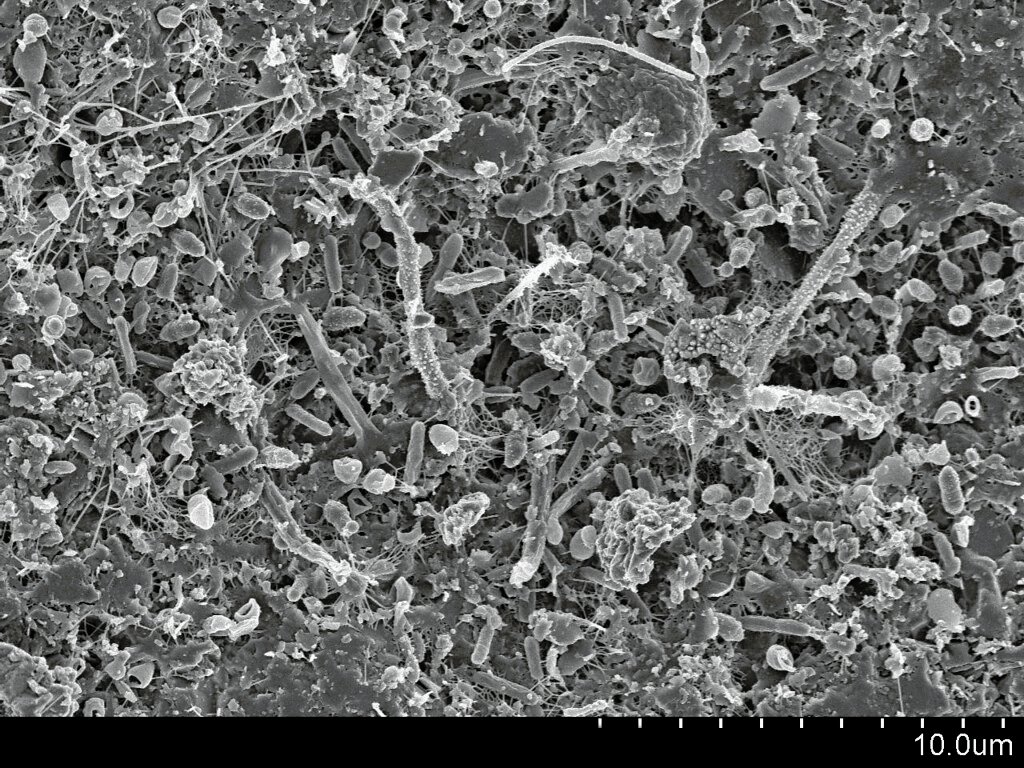
If you’ve ever slipped on a slimy rock in a stream, you’ve met a biofilm. These are dense, sticky mats of microbes that cling to surfaces underwater. In Singapore’s canals and ponds, biofilms are teeming with life. They act as natural water filters, capturing particles and breaking down pollutants. Within a biofilm, multiple species cooperate and even communicate using chemical signals. This teamwork allows them to solve complex challenges—like surviving a sudden influx of toxic waste. Biofilms are proof that even microbes know the power of community.
Seasonal Changes and Microbial Life

Singapore’s climate is famously hot and humid, with rainstorms that can transform a trickling stream into a gushing river in minutes. These seasonal changes have a huge impact on microbial life. After heavy rain, waterways receive an influx of nutrients and debris, sparking explosive growth in microbial populations. During drier months, some bacteria go dormant or form spores to survive until conditions improve. The ever-changing weather ensures that microbial communities are always in flux, adapting to whatever nature throws their way. This constant renewal keeps the ecosystem lively and resilient.
Microbes and Waterborne Disease Prevention

One of the most surprising jobs microbes have is protecting us from disease. While some bacteria can cause illness, many others help neutralize viruses and pathogens before they reach human populations. In Singapore, water treatment plants harness the power of beneficial microbes to purify drinking water and reduce the risk of outbreaks. Natural waterways also benefit, as microbial competition suppresses harmful invaders. It’s a microscopic battle that plays out every day, ensuring that the city’s water remains a source of life, not disease.
Pollution and the Microbial Response

Industrial spills, litter, and chemical runoff are unfortunate realities in any urban environment. When pollution enters Singapore’s waterways, microbial communities are among the first responders. Some bacteria break down oil and plastics, while others transform heavy metals into less toxic forms. This rapid microbial response often prevents bigger ecological disasters. Of course, there’s a limit to what microbes can handle; too much pollution can overwhelm them. But their ability to adapt and respond is a crucial line of defense in the fight to keep waterways clean.
Innovative Research in Singapore

Singapore is at the forefront of microbial research, with scientists constantly seeking new ways to harness these tiny organisms for urban sustainability. Cutting-edge projects study how engineered bacteria can help remove contaminants or even generate clean energy from waste. Advanced DNA sequencing is revealing never-before-seen species living in the city’s drains and reservoirs. This research not only deepens our understanding of microbial life but also points the way to innovative solutions for water management. It’s an exciting era, as science and nature team up for a cleaner city.
Citizen Science and the Community
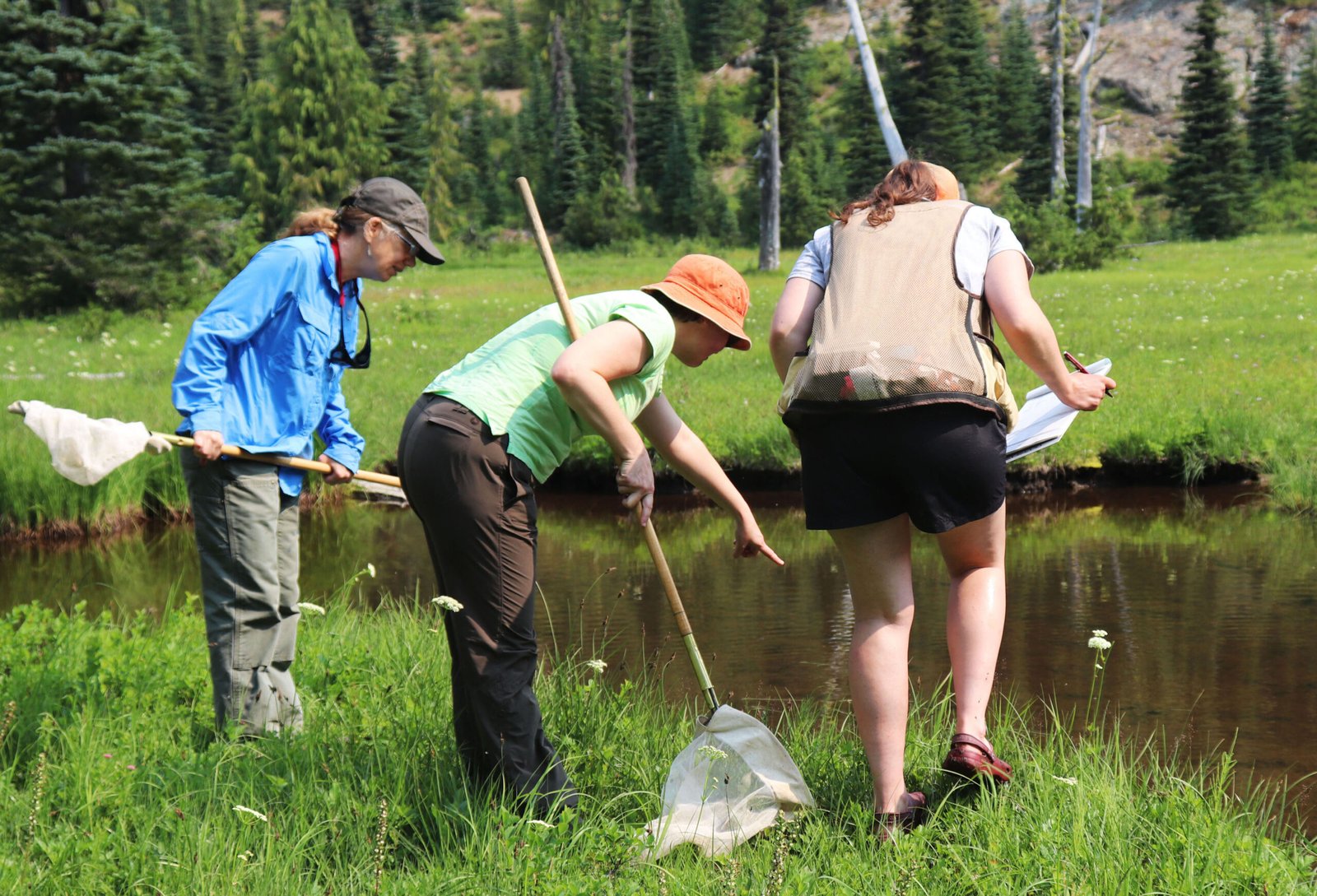
You don’t need a lab coat to appreciate Singapore’s microbial wonders. Local schools and community groups regularly participate in water sampling projects, learning to identify different microbes and understand their roles. These citizen science efforts raise awareness about water quality and inspire future generations to care for their environment. It’s heartening to see families and students peering through microscopes, discovering the hidden world below the surface. Every participant becomes an ambassador for clean water and healthy ecosystems.
Microbes and Urban Wildlife
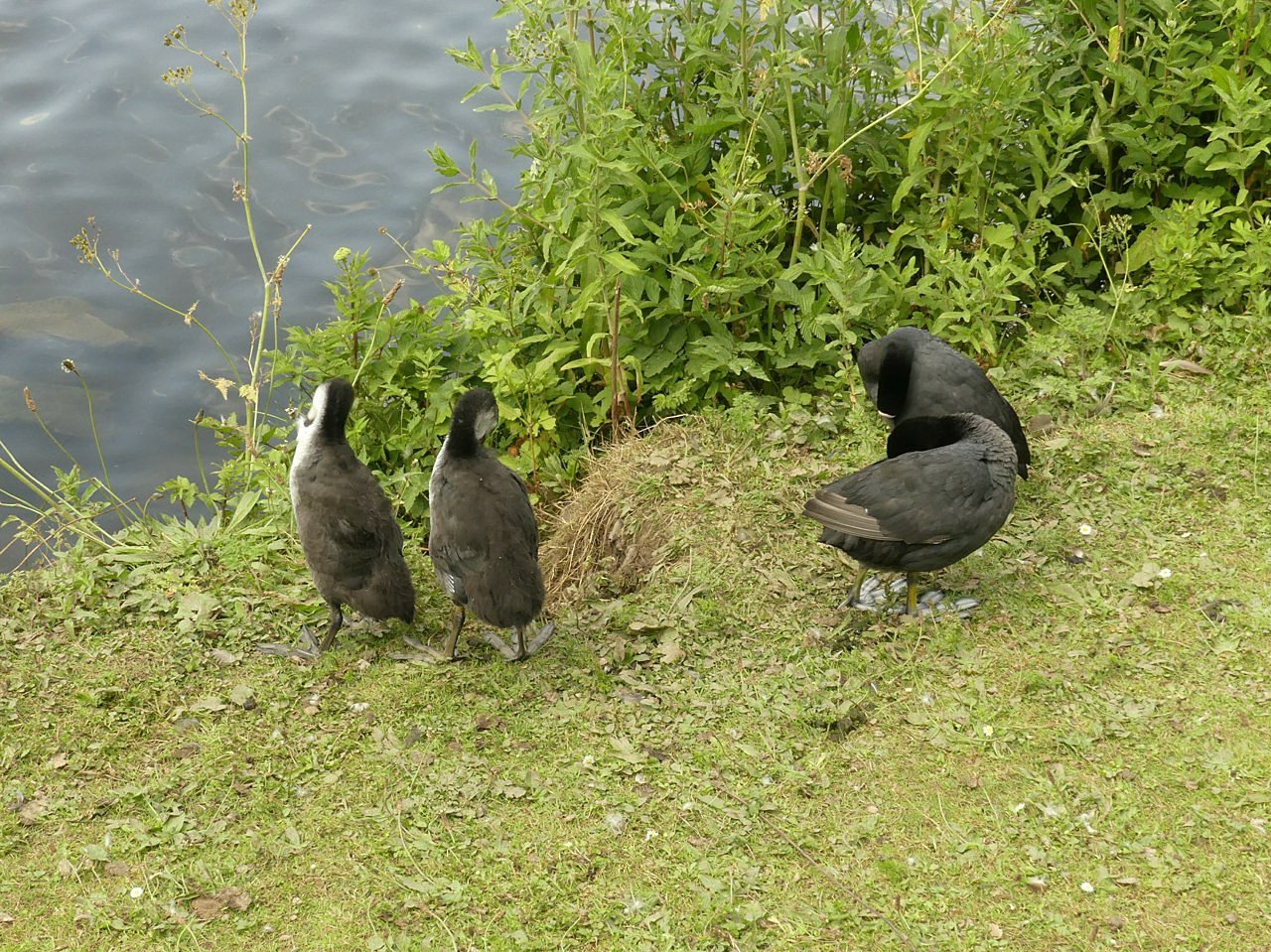
Otters, kingfishers, and even monitor lizards rely on healthy waterways to survive and thrive in Singapore’s cityscape. Microbes support these animals in unseen ways, from purifying their drinking water to supporting the fish and plants in their food chain. When microbial communities are diverse and robust, the entire ecosystem flourishes. Conversely, when pollution disrupts this balance, the effects ripple outward—sometimes dramatically. Understanding these connections helps us appreciate the intricate tapestry of life that binds microbes to the city’s wildest inhabitants.
The Future of Waterways in a Changing Climate

Climate change poses new challenges for Singapore’s urban waterways, from more intense rainstorms to rising temperatures. Microbes will be on the frontlines, adapting to new stressors and helping ecosystems adjust. Scientists are studying how warming waters might shift microbial balances or increase the risk of disease outbreaks. The resilience and adaptability of microbes offer hope that, with careful stewardship, Singapore’s waterways can weather the storms ahead. It’s a race against time, but the ingenuity of both nature and science gives reason for optimism.
Personal Encounters: Seeing the Invisible

Standing beside a canal in the heart of the city, you might never guess the epic drama unfolding beneath the ripples. Yet, taking a closer look—perhaps with a small microscope or even just a sense of curiosity—can reveal teeming life and endless intrigue. As someone who once peered into a drop of pond water and saw a universe bustling with motion, I can tell you it changed the way I see the world. The hidden world of microbes is a reminder that beauty and complexity thrive even in the most overlooked places. Isn’t it astonishing what’s waiting to be discovered right under our noses?