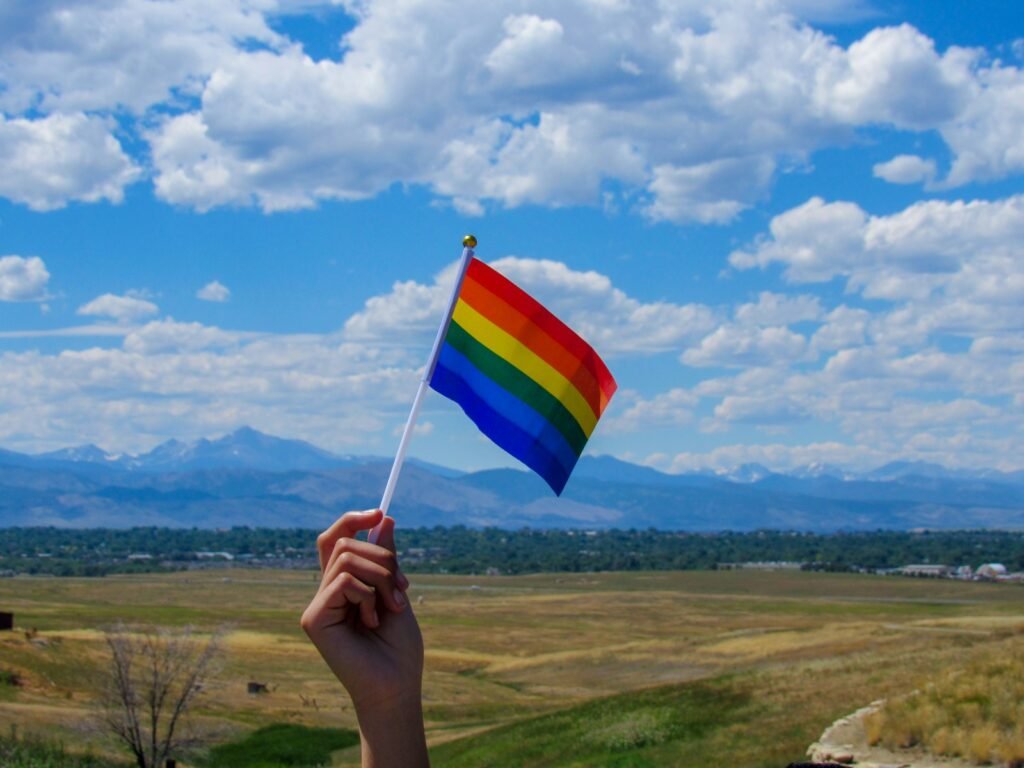

Have you ever wondered who’s really steering the future of our planet’s wild places? Imagine this: deep in a rainforest, a scientist with rainbow pins on their hat is brushing aside leaves, searching for a rare frog. In a boardroom, a conservation director confidently introduces herself and her wife before sharing a plan to save a vanishing wetland. These aren’t just stories—they’re the vibrant reality of queer ecologists taking center stage in conservation. Their voices, often overlooked, are now echoing through the halls of science, transforming how we think about nature, leadership, and the urgent task of saving our world. Let’s dive into the fascinating, inspiring, and sometimes surprising world of queer ecologists, and explore how their unique perspectives are shaping the very heart of conservation’s future.
Breaking the Silence: Queer Voices in Ecology

For too long, the field of ecology has existed in a hush, with queer professionals often feeling invisible in the shadows of academia and fieldwork. Coming out in science can be both liberating and risky—a tightrope walk between authenticity and acceptance. Yet, more queer ecologists are stepping forward, sharing their stories and shattering the myth that conservation is only for the cisgender and straight. Their presence not only challenges stereotypes but also enriches the scientific community with fresh perspectives and fearless creativity. In research camps and policy rooms, their voices are sparking new conversations about inclusion, justice, and belonging in the wild. This movement towards openness is helping young scientists see themselves in the field, fueling hope and courage for the next generation.
Rethinking Leadership: Beyond Heteronormative Norms

Traditional conservation leadership has often mirrored the rigid hierarchies of the corporate world—straight, white, male, and unyielding. Queer ecologists are quietly but powerfully rewriting this script. By embracing fluidity in their identities, they bring a natural flexibility to their leadership style. This openness fosters collaboration, creativity, and empathy in teams. In many ways, the lived experiences of queer leaders—navigating exclusion, adapting to change, and building supportive communities—mirror the resilience needed to address the unpredictable challenges of conservation. Their leadership is not just different; it’s transformational, creating safer, braver spaces where everyone can thrive.
The Power of Intersectionality in Conservation
Queer ecologists often stand at the crossroads of multiple identities—race, gender, culture, and sexuality. This intersectionality gives them a unique vantage point in conservation, where understanding the interplay of social and environmental issues is crucial. For example, a queer Indigenous scientist might approach land stewardship with a deep respect for traditional knowledge and a passion for social justice. This broader awareness leads to conservation strategies that are holistic and inclusive, considering both people and planet. By acknowledging intersectionality, the conservation movement becomes stronger, more just, and more effective at tackling complex global problems.
Innovative Research: New Questions, New Solutions
When queer ecologists enter the field, they bring fresh questions that others might not even think to ask. Why are some species more resilient to change than others? How do social hierarchies in animal groups compare to human societies? By drawing from their own experiences of navigating the margins, queer scientists often notice patterns and connections that others overlook. Their curiosity leads to out-of-the-box research—like studying how same-sex animal pairs shape populations, or how marginalized human communities experience climate impacts. These insights don’t just expand scientific knowledge; they open doors to new solutions that benefit everyone.
LGBTQ+ Representation in Environmental Policy

Policy-making is where science meets action—and queer ecologists are increasingly claiming seats at these critical tables. Their presence ensures that conservation policies reflect the needs and realities of diverse communities. Whether advocating for inclusive outdoor spaces or pushing for climate justice, LGBTQ+ leaders bring a powerful voice for equity. Their advocacy helps dismantle barriers that have excluded marginalized groups from enjoying and protecting nature. As policy shapers, queer ecologists are weaving justice and sustainability into the very fabric of environmental decision-making.
Challenging Stereotypes in Fieldwork

Fieldwork has traditionally been romanticized as the domain of rugged, macho explorers. But queer ecologists are proving that there’s no single way to be a scientist in the wild. From delicate butterfly surveys to grueling mountain treks, they show that curiosity, resilience, and expertise matter more than gender expression or sexual orientation. Their visibility challenges toxic stereotypes and encourages a wider range of people to imagine themselves in boots, wading through streams or tagging sea turtles. Field camps become more supportive and inclusive when everyone is encouraged to show up as themselves.
Building Inclusive Conservation Communities
Conservation is not a solo journey—it’s a collective endeavor. Queer ecologists are at the forefront of building communities where difference is celebrated, not hidden. Through networks, mentorship programs, and affinity groups, they create spaces where queer scientists can connect, collaborate, and support one another. These communities become havens of encouragement, where young ecologists find role models and allies. The ripple effect is profound: a culture of inclusion spreads through organizations, making conservation a place where everyone’s talents are valued.
Queer Ecology: A Radical Framework

Queer ecology goes beyond identity—it’s a way of seeing the natural world through a non-binary lens. It questions the idea that nature is strictly divided into male and female, predator and prey, order and chaos. Instead, queer ecology celebrates diversity, fluidity, and unexpected relationships in nature. Just look at clownfish changing sexes or albatrosses forming same-sex pairs. These examples show that queerness is woven into the fabric of life itself. By embracing this radical framework, conservationists can foster a deeper respect for the wild, unpredictable beauty of nature.
Role Models: Pioneering Queer Conservationists
Every movement needs its trailblazers. Queer ecologists like Dr. Robin Wall Kimmerer, who blends Indigenous wisdom with scientific expertise, or marine biologist Dr. Ayana Elizabeth Johnson, who champions climate justice, have become beacons of possibility. Their stories inspire others to step up and speak out. These role models shatter the glass ceiling, proving that queer leaders can thrive not in spite of their identities but because of them. Their courage and achievements light the way for countless others to follow.
Mentorship and the Next Generation
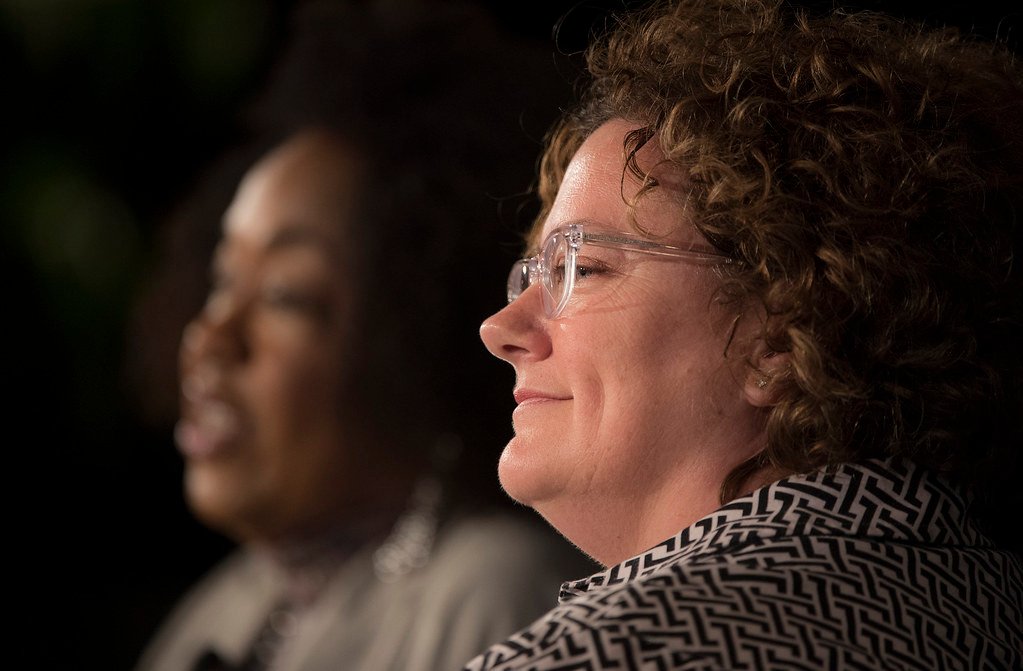
Mentorship is the lifeblood of any field, and in conservation, it’s crucial for fostering new talent. Queer ecologists are stepping into mentorship roles, guiding young scientists through the labyrinth of academia and early career hurdles. By sharing their journeys—complete with setbacks, triumphs, and moments of doubt—they offer a roadmap for aspiring leaders. This support can be life-changing, especially for those who feel isolated or uncertain. With mentors who understand their unique challenges, the next generation of queer ecologists is poised to lead with confidence and compassion.
Creating Safe Spaces in Scientific Institutions
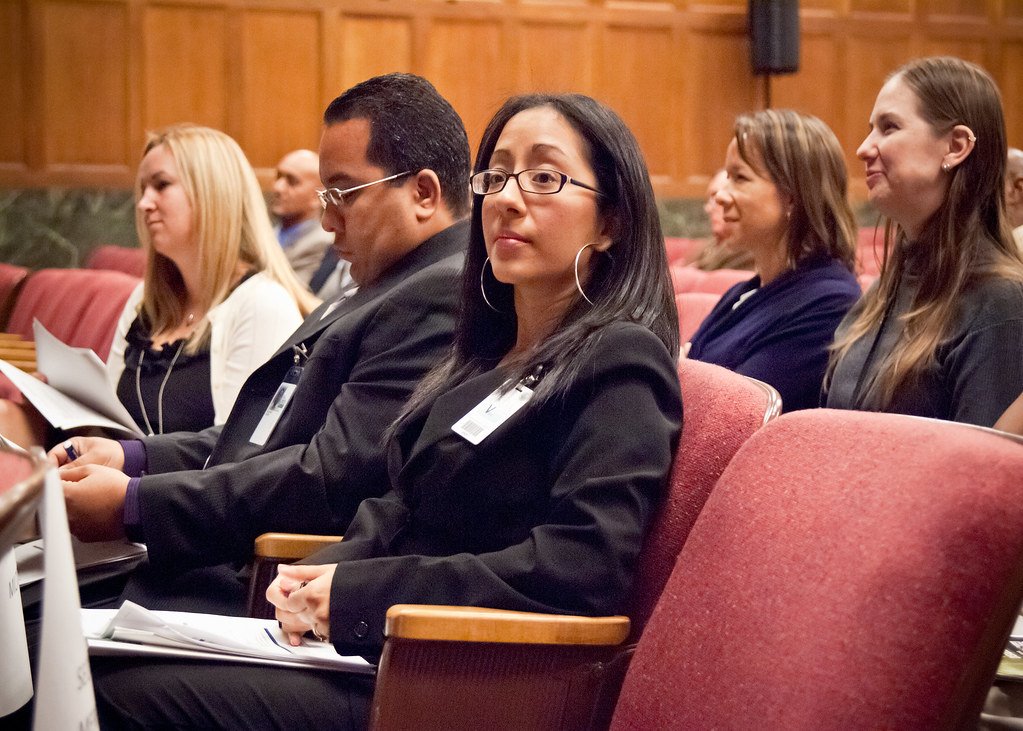
Scientific institutions can feel cold and unwelcoming for those who don’t fit the mold. Queer ecologists are leading the charge to change this, advocating for policies and cultures that prioritize safety, respect, and mental health. Gender-neutral bathrooms, inclusive language in research, and zero-tolerance policies for harassment are just the beginning. These efforts signal that everyone belongs in science. When people feel safe to be themselves, innovation flourishes, and the entire field benefits.
Addressing Environmental Justice Through a Queer Lens

Environmental justice is about fairness—making sure everyone has access to clean air, water, and green spaces. Queer ecologists often bring a keen awareness of injustice, having faced discrimination themselves. They recognize how environmental harms disproportionately impact marginalized communities, including LGBTQ+ people. By centering justice in conservation, queer leaders ensure that solutions address root causes, not just symptoms. Their vision is one where nature’s benefits are shared by all, not hoarded by a privileged few.
Harnessing Storytelling for Change

Stories have the power to change hearts and minds. Queer ecologists use storytelling to bridge the gap between science and society, sharing personal narratives that humanize conservation. Whether through podcasts, public talks, or social media, they connect with audiences on an emotional level. These stories highlight the joys and struggles of being queer in science, making abstract issues relatable and urgent. When people see themselves reflected in these tales, they are more likely to care—and act—for the planet.
Queerness in Nature: Lessons from the Wild
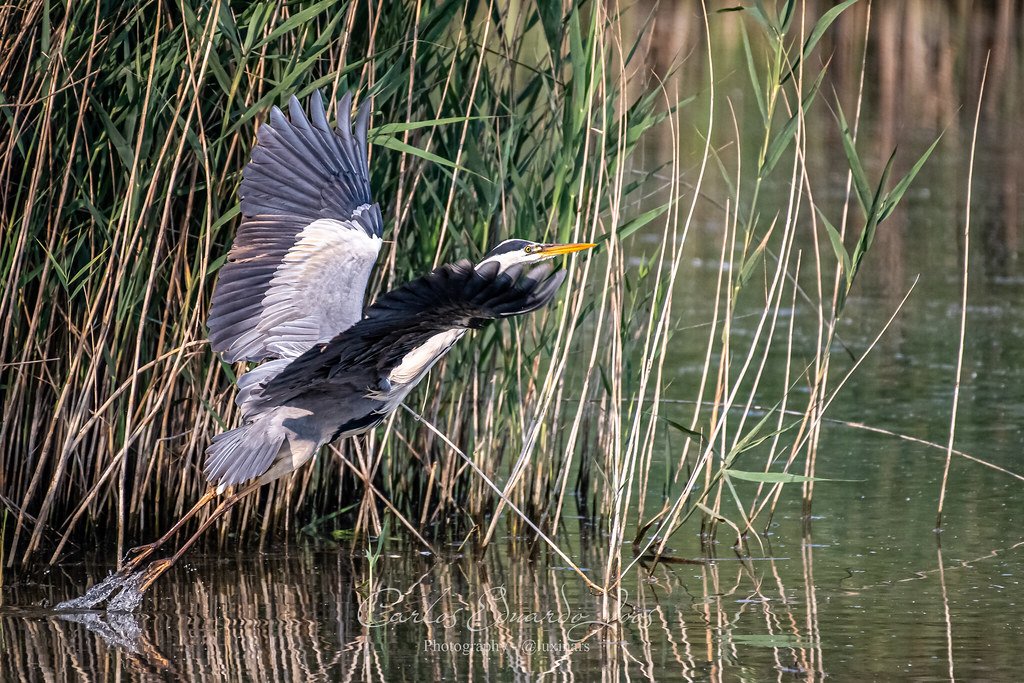
Nature is bursting with diversity that defies our expectations. From bonobos bonding through same-sex interactions to parthenogenetic lizards reproducing without males, queerness is everywhere in the wild. These examples challenge the notion that heterosexuality or binary gender is “natural.” For queer ecologists, these lessons from nature are both validating and empowering. They remind us that diversity is not an anomaly, but a fundamental part of life. Embracing this truth can reshape how we approach conservation, making room for all forms of life and love.
Queer Ecologists in Climate Action
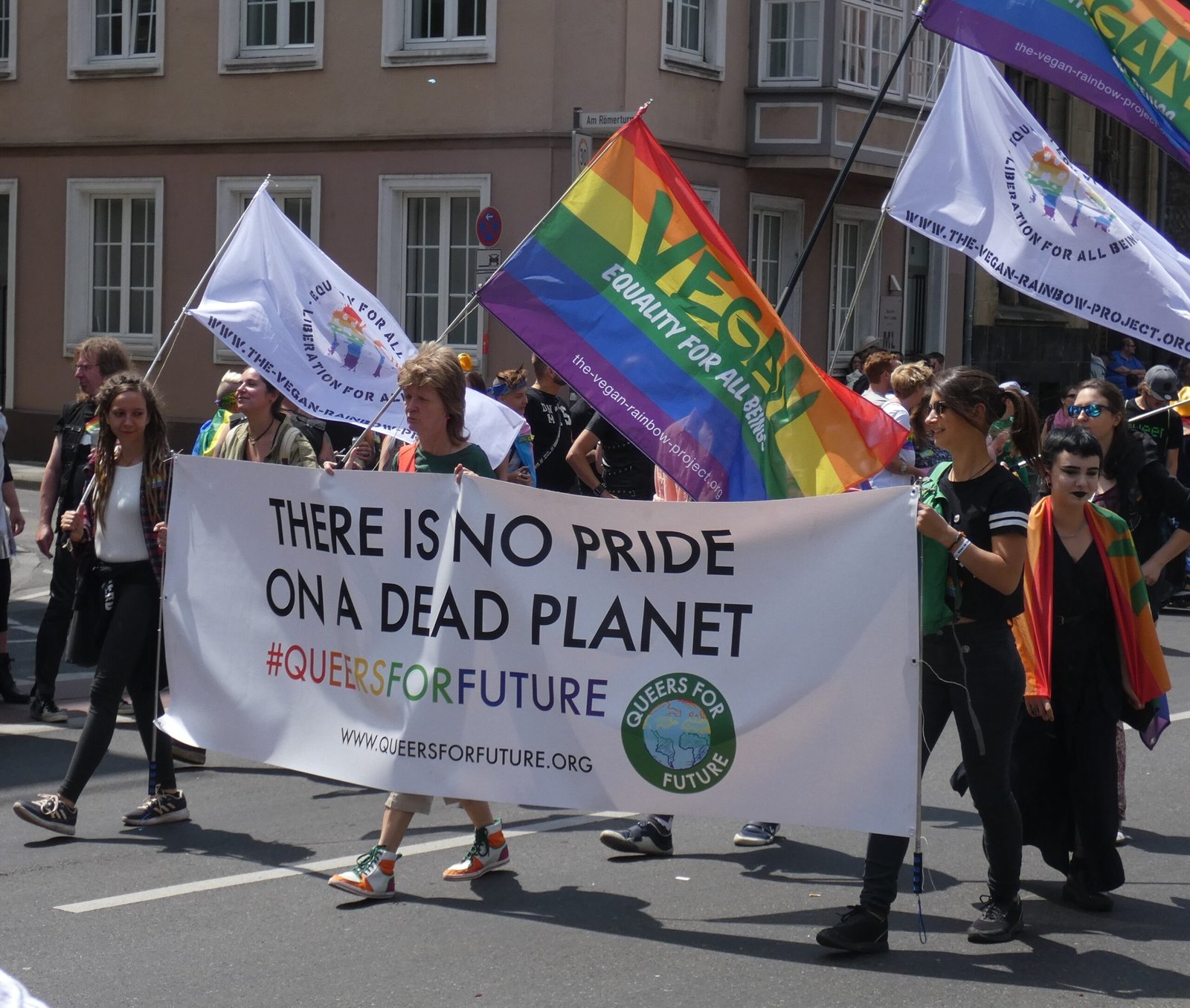
The climate crisis is the defining challenge of our era—and queer ecologists are on the front lines. Their activism weaves together environmental, social, and cultural threads, recognizing that climate solutions must be as diverse as the communities they serve. Whether organizing protests, designing resilient urban spaces, or amplifying marginalized voices, queer leaders bring urgency and creativity to the climate movement. Their intersectional approach ensures that no one is left behind in the race to protect our planet.
Overcoming Barriers: Stories of Resilience
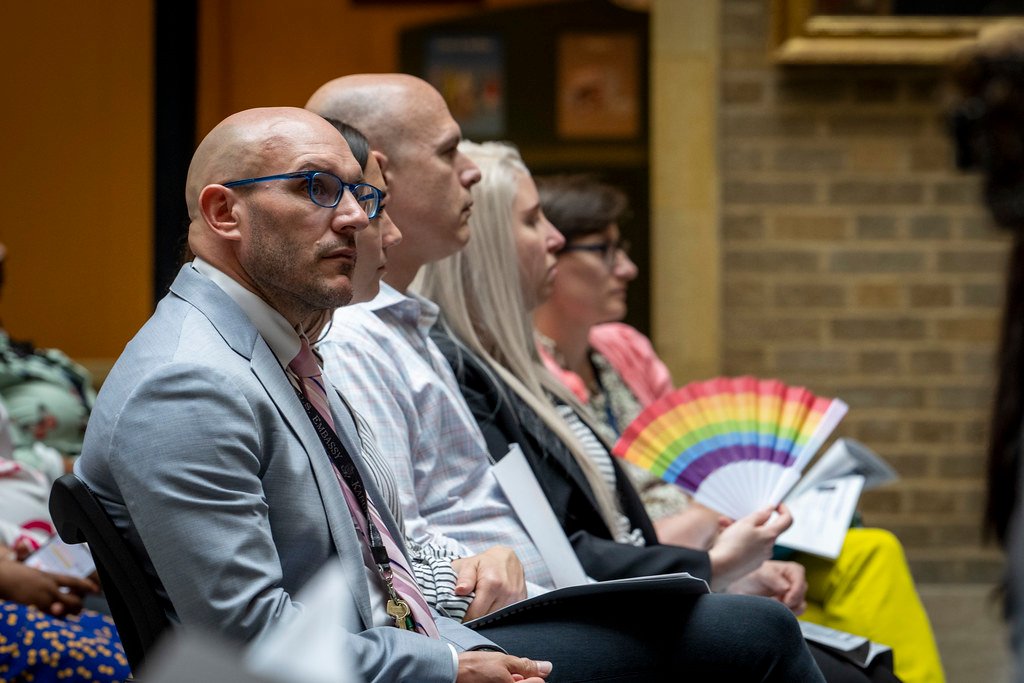
Every queer ecologist has a story of overcoming obstacles—whether it’s homophobia in the lab, exclusion in the field, or self-doubt in a world that says they don’t belong. These stories are testaments to resilience. One marine scientist recalls being told she wouldn’t fit in on a remote research vessel, only to become the team’s most trusted diver. Another shares how coming out at work led to a flood of support and new opportunities. These experiences build strength, empathy, and a fierce determination to make conservation better for everyone.
The Future of Conservation Leadership

As the tapestry of conservation grows richer, queer ecologists are poised to shape its future in profound ways. Their leadership is a beacon of inclusivity, resilience, and innovation. By embracing difference and championing justice, they are transforming the field from the inside out. The conservation movement’s success will depend on its ability to welcome all voices—especially those who have been silenced for too long. Isn’t it amazing what can happen when everyone is finally invited to the table?