
Imagine a world where birds rule the forest floor, scampering through ferns and mosses, utterly unafraid. In the moonlit hush of New Zealand’s island refuges, the kiwi—a shy, flightless wonder—shuffles along ancient paths, blissfully oblivious to the dangers that haunt so many wild places. Here, on scattered sanctuaries across the Pacific nation, nature’s most vulnerable creatures are given a second chance. These islands aren’t just patches of land; they are lifeboats for entire species, places where hope and feathers grow side by side. The story of New Zealand’s island refuges is one of loss, resilience, and fierce determination—a story that will tug at your heartstrings and fill you with awe at what is possible when people and nature join forces.
The Legacy of a Lost World
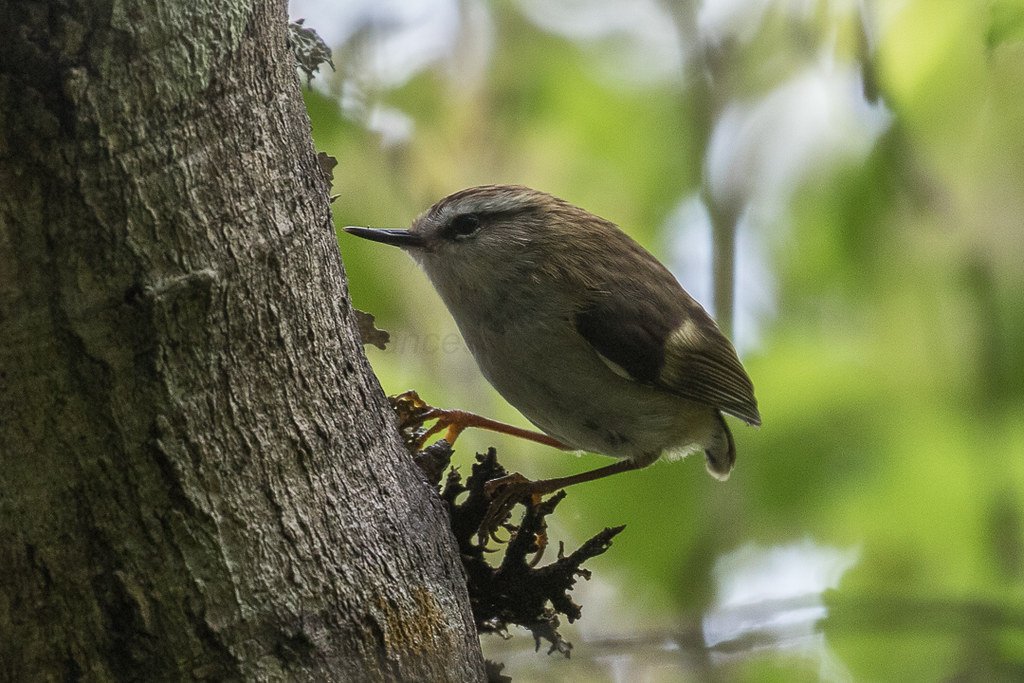
New Zealand once existed in splendid isolation, a land without native mammals, where birds evolved to fill every imaginable niche. Before humans arrived, kiwis and other flightless birds flourished, with few threats beyond the occasional volcanic eruption. The forests echoed with the cries of now-extinct moa and the haunting calls of laughing owls. This unique evolutionary playground created creatures found nowhere else, their behaviors and shapes sculpted by millions of years without land predators. When Polynesians first set foot on these islands, they found a world unafraid—a paradise for ground-dwelling birds. The arrival of people, however, marked the beginning of a dramatic upheaval, leading to extinctions and the endangerment of many iconic species.
The Invasion of Predators
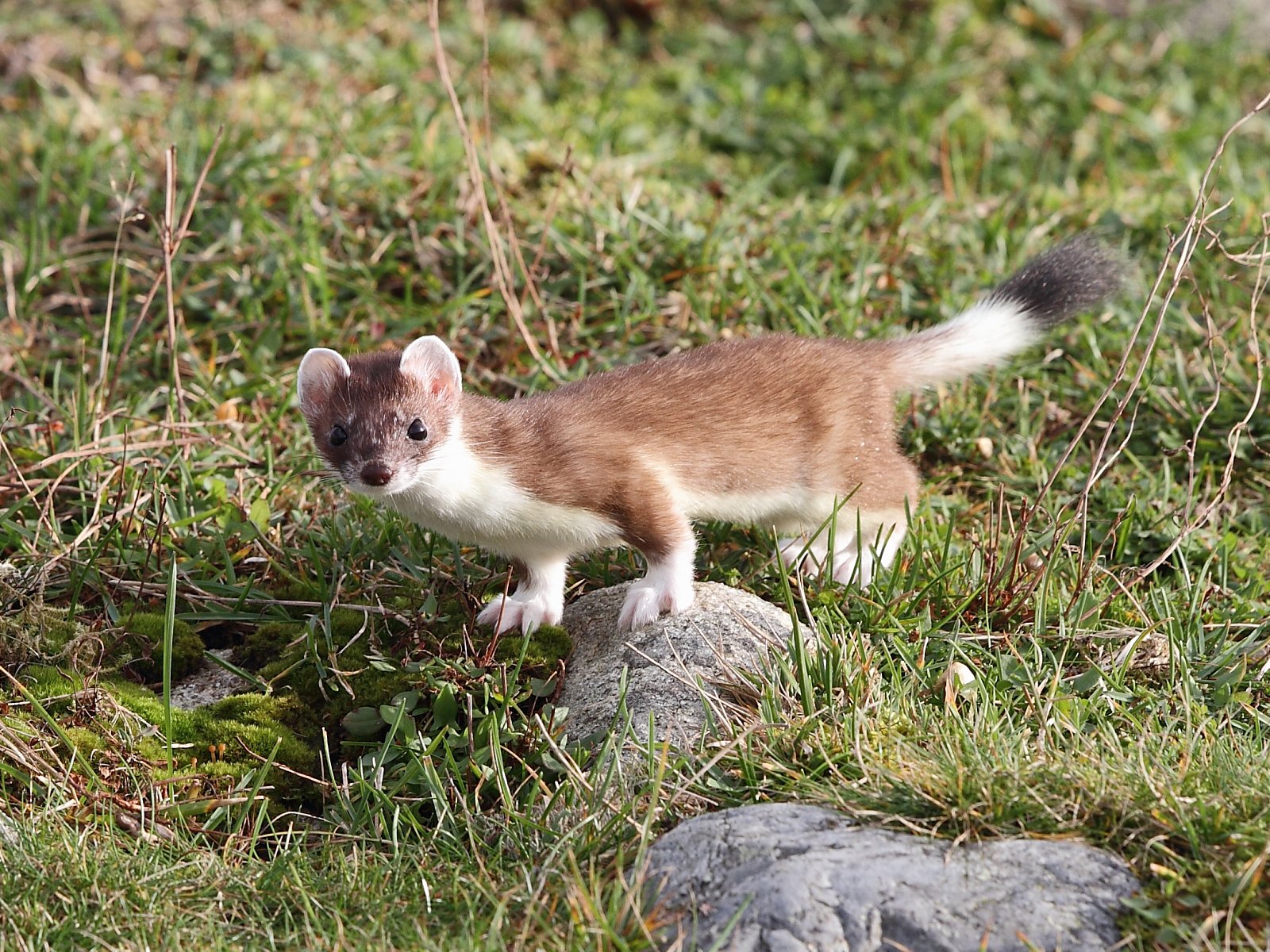
The introduction of mammals like stoats, rats, and cats was nothing short of catastrophic for New Zealand’s birds. Flightless and naive, kiwis and their kin had no defenses against stealthy invaders. These predators feasted on eggs, chicks, and even adult birds, decimating populations across the mainland. Some native species vanished entirely, while others teetered on the edge of extinction. The forests, once alive with bird song, grew eerily quiet in places. For many New Zealanders, the loss felt like a wound that would never heal, a daily reminder of nature’s fragility. Scientists and conservationists realized that urgent action was needed to protect the country’s most precious wildlife.
The Birth of Island Refuges

Faced with mounting losses, visionaries proposed a radical idea: move the most threatened species to offshore islands free from predators. These island refuges would become safe havens, isolated by water and rigorously protected. It was a bold gamble, but one that quickly paid off. The first transfers, carried out with painstaking care, saw kiwis, saddlebacks, and other rare birds find new homes on predator-free islands. Over time, these refuges multiplied, each one a beacon of hope. Today, more than 100 islands around New Zealand serve as sanctuaries, their forests alive with creatures that once seemed doomed to disappear.
Sanctuary Islands: Natural Fortresses
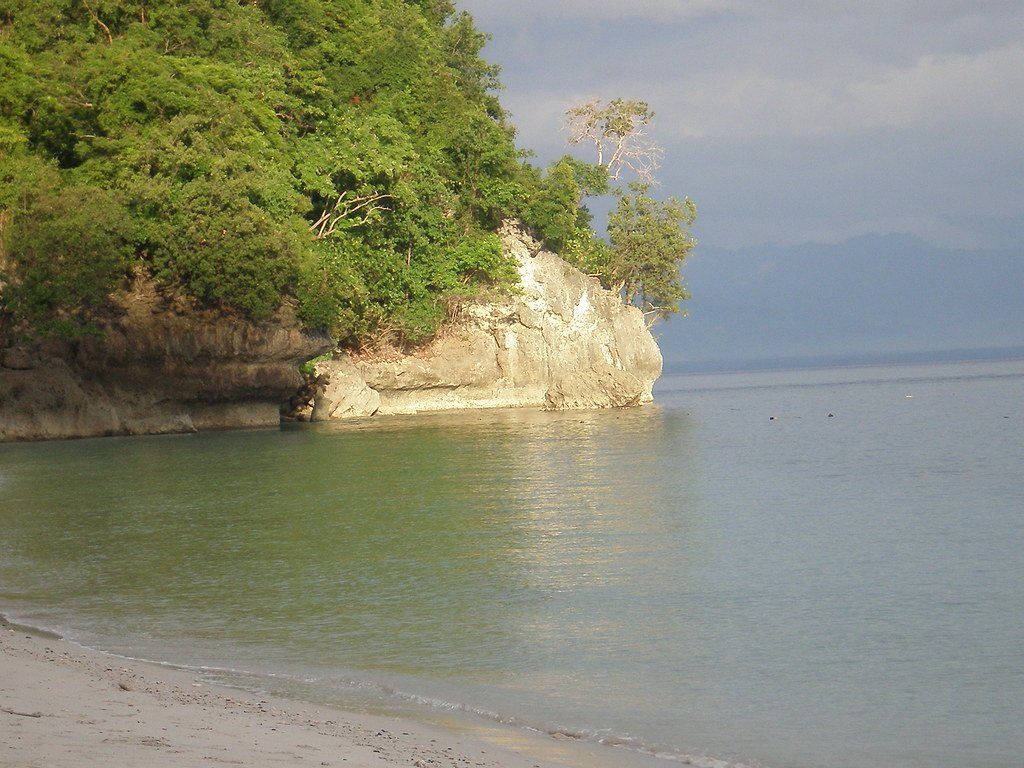
New Zealand’s sanctuary islands are more than just patches of land—they are natural fortresses, surrounded by the ocean’s moat. These islands range from tiny specks barely large enough for a handful of birds to sprawling reserves like Kapiti and Tiritiri Matangi. Each one is carefully managed, with constant surveillance to keep predators out. Rangers patrol the shores, traps are set, and even the smallest sign of rats or stoats sparks an immediate response. The sheer determination behind these efforts is staggering, a testament to the lengths people will go to protect what they love. In these safe spaces, kiwis and other rare species can finally relax and return to their old ways.
Kiwis: The Heartbeat of the Night
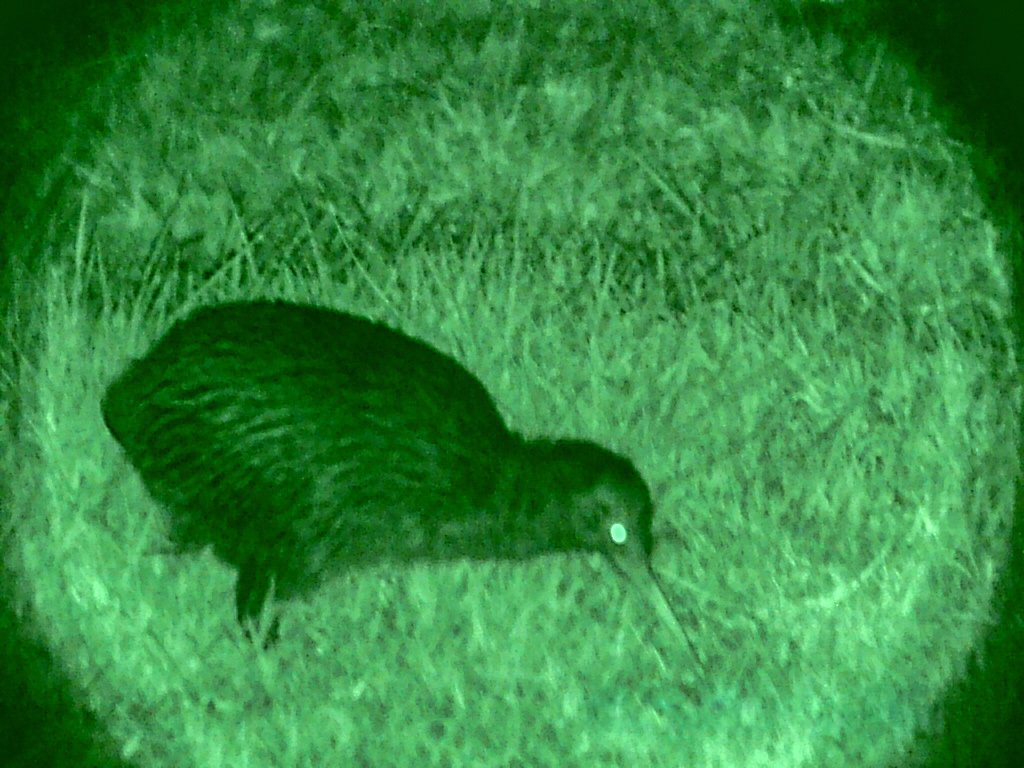
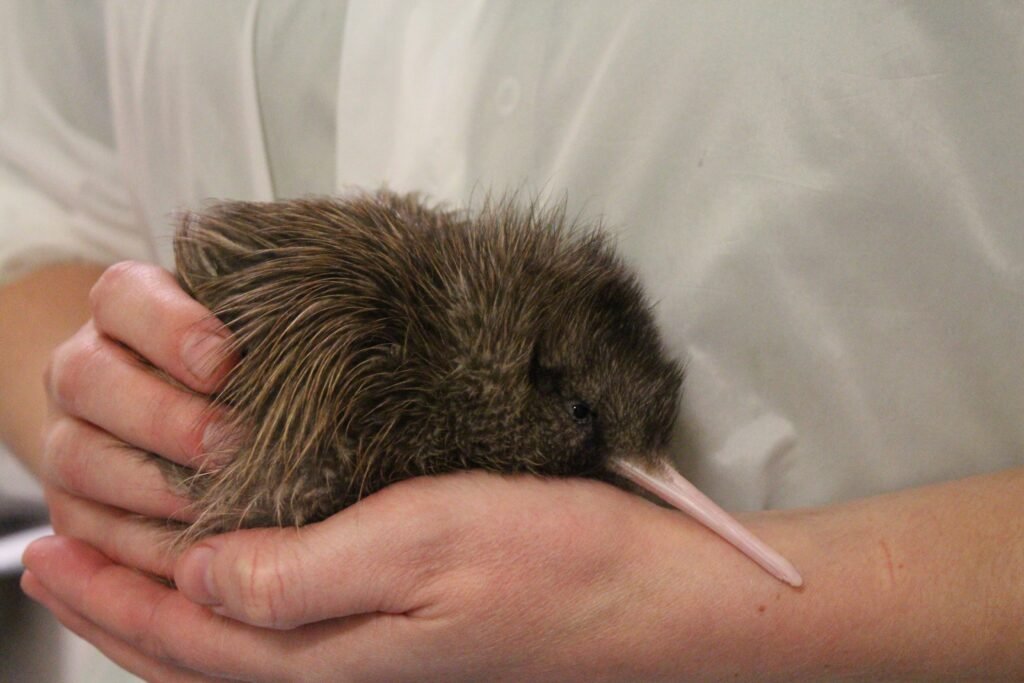
Few creatures are as closely tied to New Zealand’s identity as the kiwi. These shy, nocturnal birds are living fossils—the last survivors of a lost age. In island refuges, kiwis emerge at dusk, foraging for insects and worms with their long, sensitive beaks. Unlike on the mainland, where every night brings danger, here they roam freely, unafraid and unhurried. Scientists track their numbers with tiny transmitters, celebrating each new chick as a victory. The islands have become places where kiwi populations can grow, sometimes doubling or tripling in just a few years. For many New Zealanders, hearing the raspy call of a kiwi in the wild is a profoundly moving experience—proof that nature can come back from the brink.
The Takahe’s Miraculous Comeback
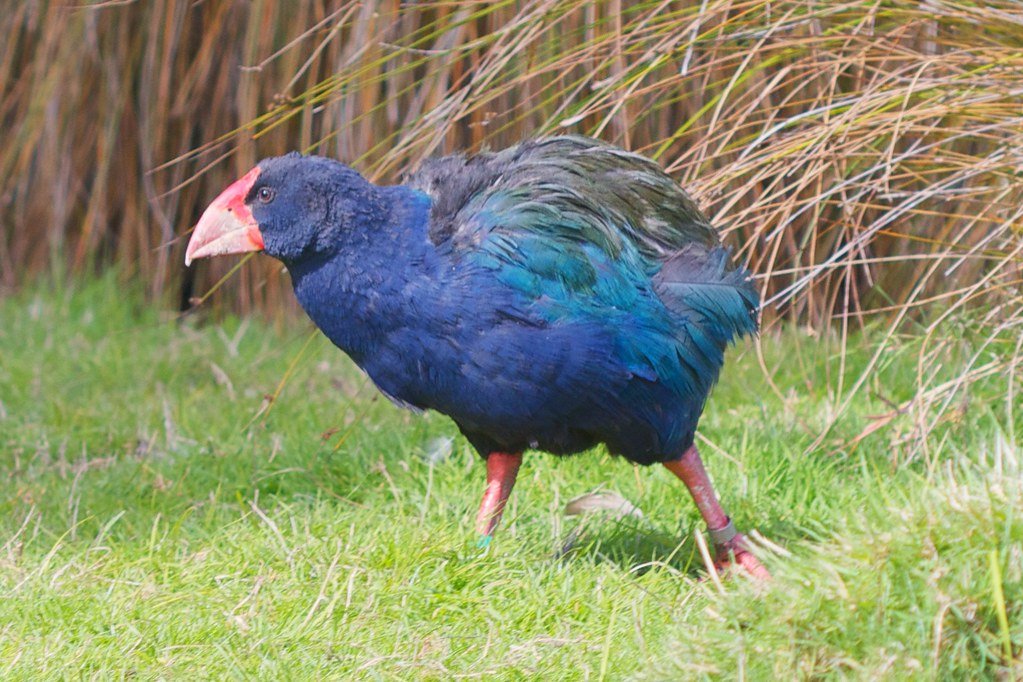
Once thought extinct, the takahe is a chunky, blue-and-green bird with a story straight out of a fairy tale. Rediscovered in a remote Fiordland valley in 1948, the takahe became a symbol of hope for conservationists. Transferring takahe to predator-free islands was a gamble—would these birds adapt to new surroundings? The answer was a resounding yes. On islands like Tiritiri Matangi and Mana, takahes have flourished, raising chicks and reclaiming lost ground. Their slow, deliberate movements and quirky personalities make them a favorite among visitors. Each successful breeding season is a reminder that miracles can happen when we give nature the space it needs.
Weka: The Mischievous Survivors
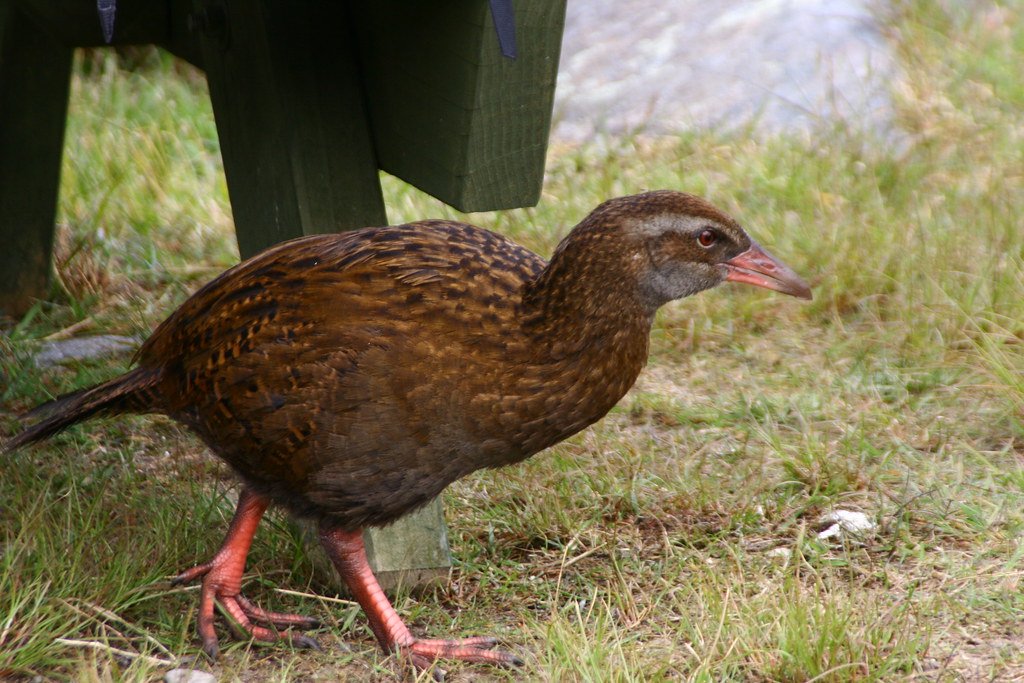
Weka are the comedians of the New Zealand bush, known for their curiosity and knack for stealing anything shiny. On the mainland, they face an uphill battle against predators, but on island refuges, their cheeky antics are in full display. Free from fear, weka dig through leaf litter, chase insects, and squabble over food. Their numbers have rebounded on places like Motutapu and Kapiti, where visitors are often surprised by their boldness. For scientists, watching weka thrive is deeply satisfying—a glimpse of what New Zealand’s forests once were, full of life and playful noise.
The Kākāpō: Night Parrot of the Islands
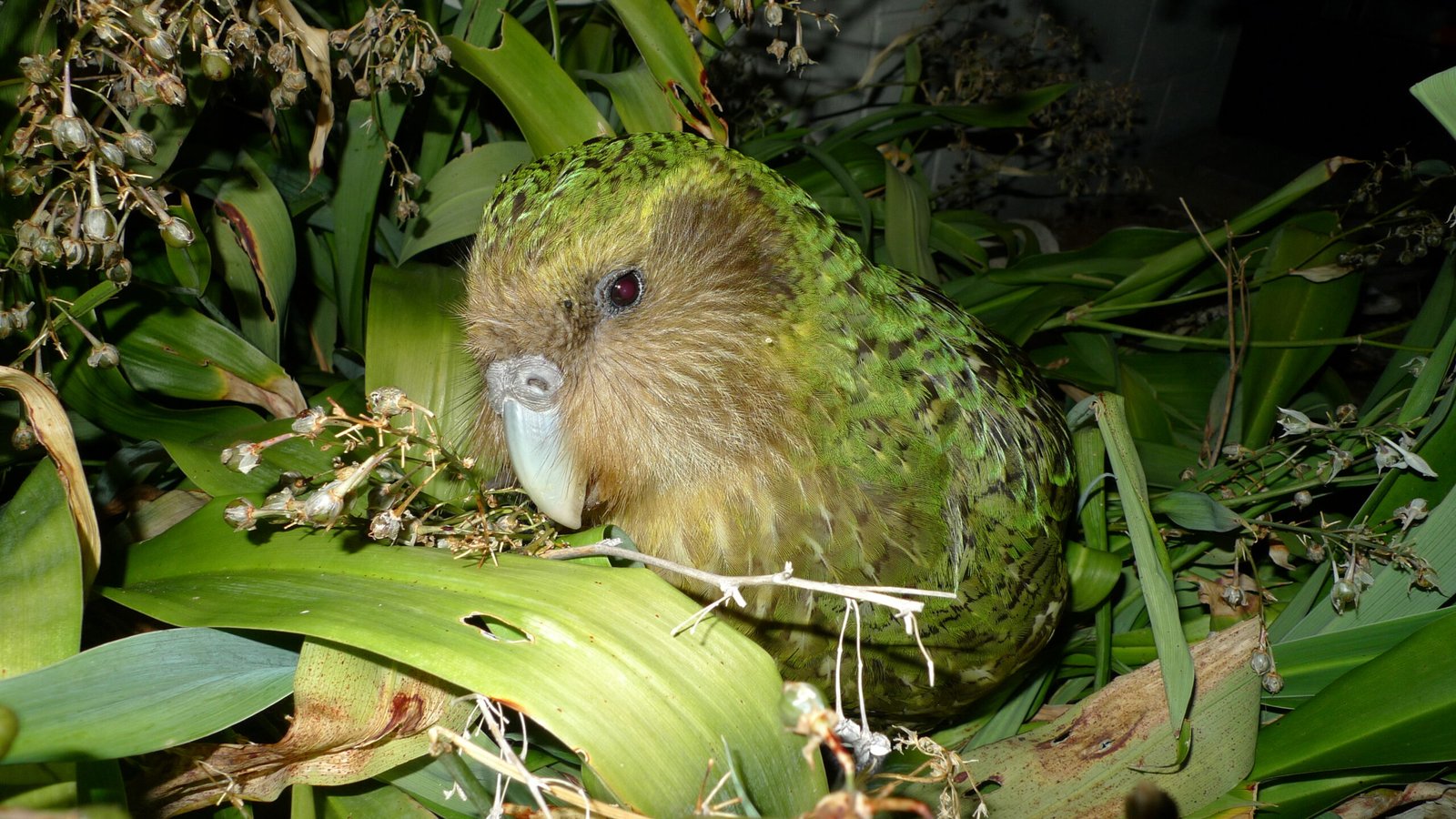
Perhaps the most famous of New Zealand’s rescued birds is the kākāpō, a giant, moss-green parrot that cannot fly. With just over 200 individuals left, every single kākāpō is precious. These birds now live exclusively on predator-free islands, where they are monitored around the clock. Each bird has a name, a personality, and a detailed medical file. Breeding is carefully managed, with eggs sometimes incubated by hand when needed. The kākāpō’s booming calls echo across their island homes, a sound that once vanished but now signals hope for the future.
Restoring Lost Ecosystems

Island refuges aren’t just about saving individual species—they are laboratories of restoration. Conservationists work to return these islands to their pre-human state, planting native trees and removing invasive weeds. Over time, the islands become miniature versions of ancient New Zealand, where birds, insects, and plants interact as they once did. The results are stunning: lush forests, healthy streams, and a cacophony of bird song. These restored ecosystems offer a glimpse of what the mainland could be if predators were ever eliminated entirely. For many, walking through a sanctuary island feels like stepping back in time.
Guardians at the Gate: The Role of Rangers
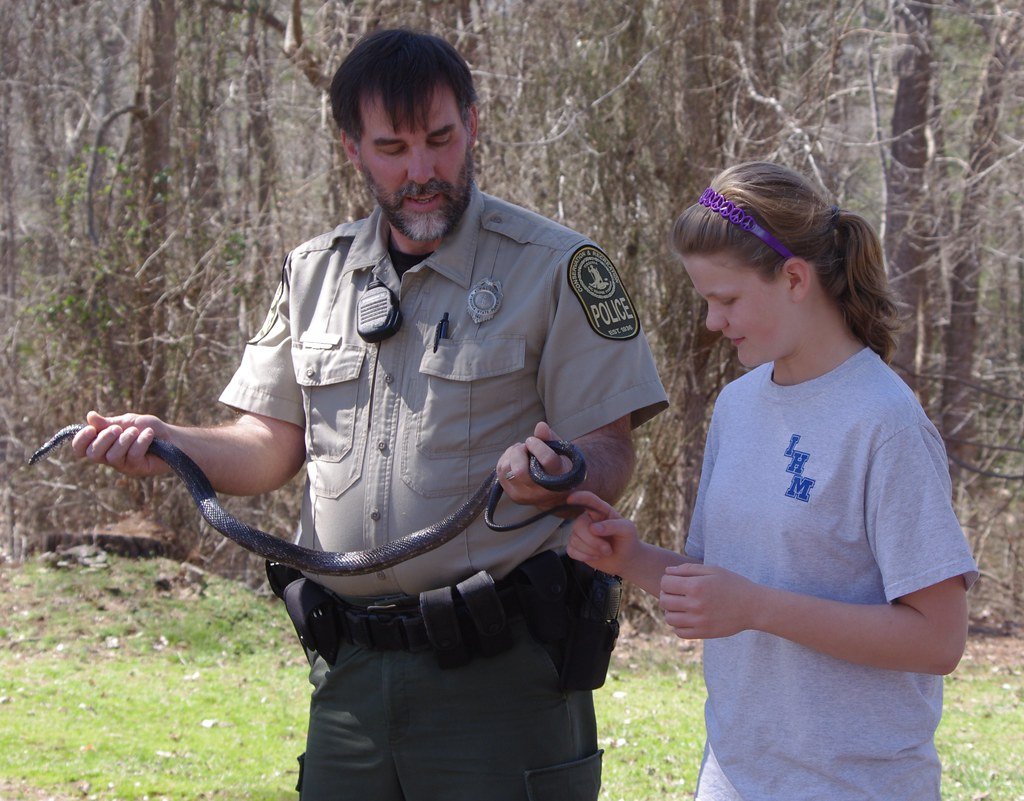
None of this would be possible without the tireless efforts of rangers and volunteers. These guardians patrol the islands, maintain traps, and keep careful records of every animal. Their work is demanding and often lonely, but the rewards are immense. Many rangers describe their jobs as a calling, not just a career. They celebrate every hatching chick, mourn every loss, and treat their charges like family. In a world where conservation is often a battle against the odds, these unsung heroes make all the difference.
Biosecurity: The Never-Ending Vigil

Keeping island refuges predator-free is a constant challenge. A single rat or stoat, stowed away on a boat or drifting in on debris, can wreak havoc. Biosecurity measures are strict—every visitor’s bag is checked, and even cargo is thoroughly inspected. Drones and surveillance cameras monitor for unwanted guests, while rapid-response teams stand ready to act. Despite the high stakes, the effort rarely lets up. Scientists know that vigilance is the price of safety, and the stakes couldn’t be higher for the wildlife they protect.
Citizen Scientists and Community Involvement

Island refuges are not just the domain of experts—ordinary people play a critical role, too. Volunteers plant trees, monitor birds, and help with pest control. Schools organize field trips, turning conservation into a hands-on lesson for the next generation. Community groups raise funds and awareness, making sure that everyone feels ownership of these special places. This collective effort has become a point of pride for New Zealanders, uniting people from all walks of life in a shared mission.
Tourism and Education: Sharing the Wonder
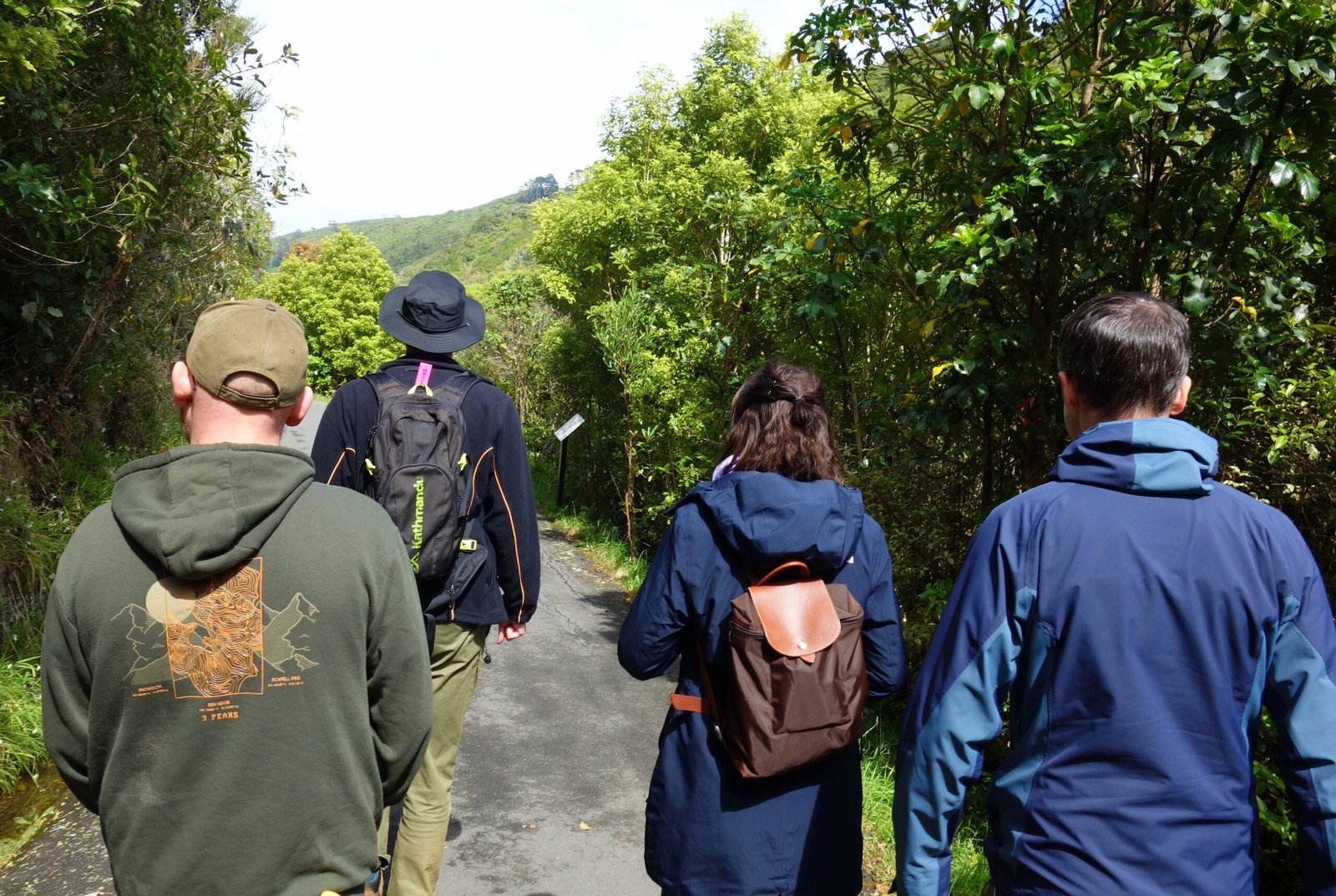
Visiting an island refuge is an unforgettable experience. Guided walks, night tours, and interactive displays bring the story of New Zealand’s wildlife to life. Tourists from around the world come to see kiwis and takahes in their natural habitat, leaving with a deeper appreciation for conservation. Education programs teach visitors about the challenges facing native species, inspiring them to become advocates for wildlife protection. These encounters turn curiosity into commitment, ensuring that the story of the refuges continues to spread.
Challenges and Setbacks

Despite their successes, island refuges face ongoing challenges. Climate change brings new threats, from rising sea levels to more frequent storms. Disease outbreaks can devastate small, isolated populations. Funding is always a concern, with conservation projects often reliant on grants and donations. Occasionally, predators do breach defenses, forcing difficult decisions and emergency interventions. But for every setback, there are stories of resilience and recovery that keep hope alive.
Genetic Diversity: A Delicate Balance

With small populations, maintaining genetic diversity is a constant worry. Inbreeding can make species more vulnerable to disease and reduce their ability to adapt. Conservationists carefully manage breeding, sometimes swapping individuals between islands to keep bloodlines healthy. Advances in genetic science offer new tools, helping experts make informed decisions about which birds should mate. The goal is to ensure that these rescued populations can survive not just today, but for centuries to come.
The Dream of a Predator-Free Mainland
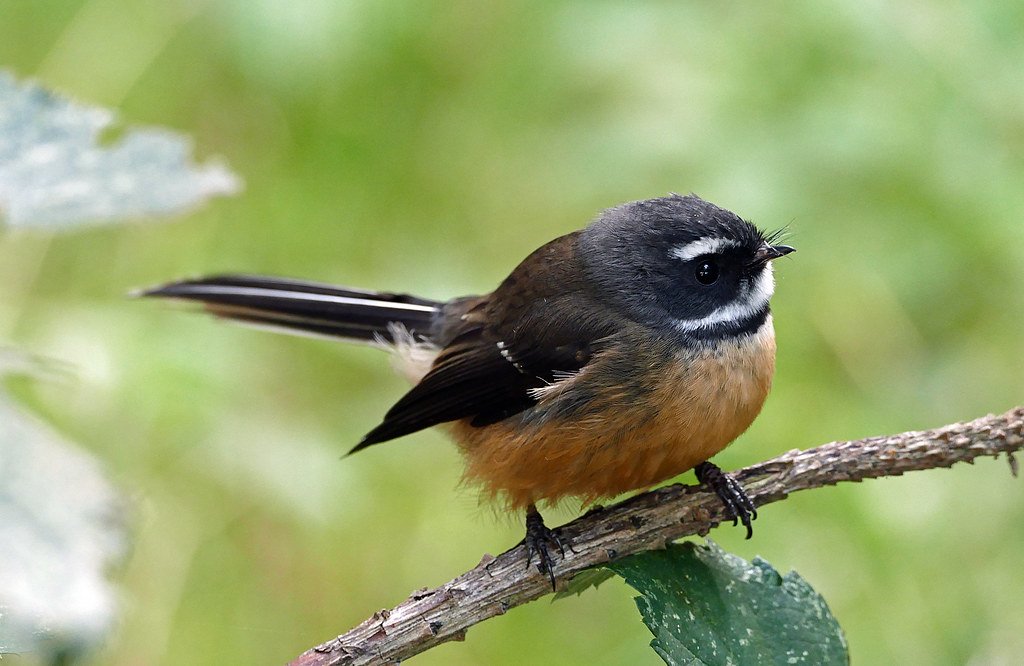
For many, island refuges are just the beginning. New Zealand has set its sights on a bold goal: becoming Predator Free by 2050. This ambitious vision would see invasive mammals eradicated from the entire country, allowing native wildlife to reclaim their former ranges. Pilot projects on fenced sanctuaries and urban reserves are already showing promise. The lessons learned on island refuges are guiding this movement, providing hope that one day, kiwis might roam without fear across the whole land.
Lessons for the World
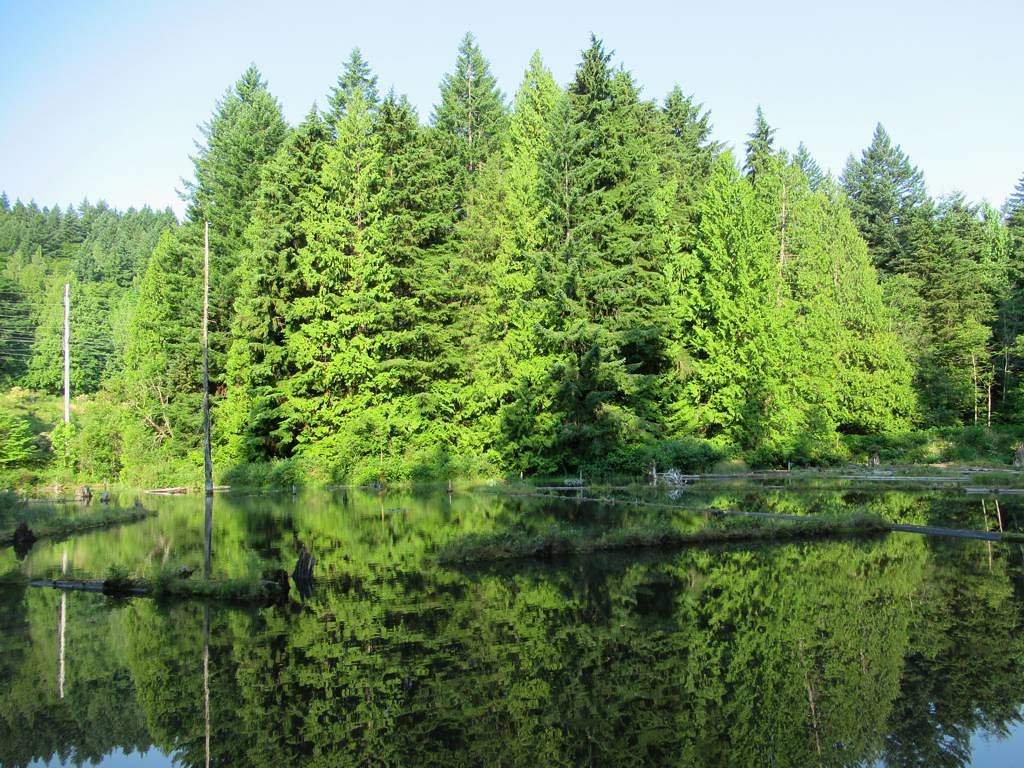
New Zealand’s island refuges have become a model for conservation worldwide. Other nations now look to these sanctuaries as examples of what can be achieved with determination and creativity. From the Galapagos to the Seychelles, island restoration is gaining momentum. The story of the kiwis and their safe havens is a reminder that bold ideas, backed by hard work, can reverse even the steepest declines in biodiversity. It’s a lesson that resonates everywhere that nature is under threat.
Nature’s Second Chance
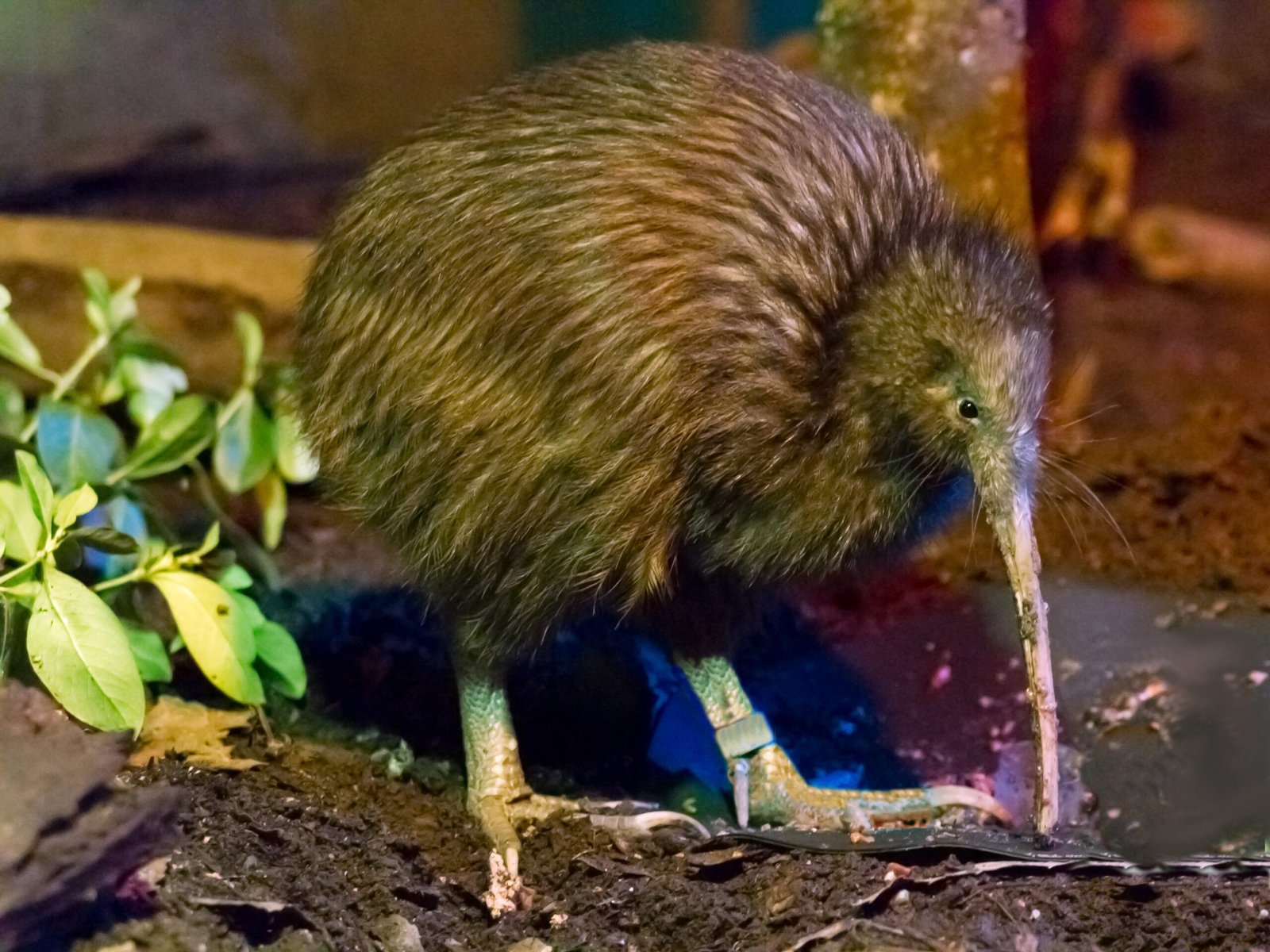
Standing in the quiet of a sanctuary island, it’s easy to be moved by the sight of a kiwi shuffling through the undergrowth or a kākāpō booming in the dark. These moments are proof that extinction is not inevitable—that with enough care, lost worlds can be rebuilt. The island refuges are more than just safe places for birds; they are monuments to hope, persistence, and the deep connection between people and the land they love. The ongoing journey of conservation in New Zealand asks us to imagine what other wonders might be saved if we dare to try.