
Imagine standing in a lush forest at the foot of a sleeping volcano. The sunlight filters through the leaves, and birdsong fills the air. Everything seems peaceful—until, far above, satellites begin detecting subtle shifts in the forest canopy. The trees are whispering danger, their leaves and branches sending out signals invisible to the human eye. This isn’t science fiction; it’s the cutting edge of volcanic monitoring, where the green tapestry of life can serve as an early warning system for eruptions that could change lives in an instant.
The Hidden Language of Vegetation
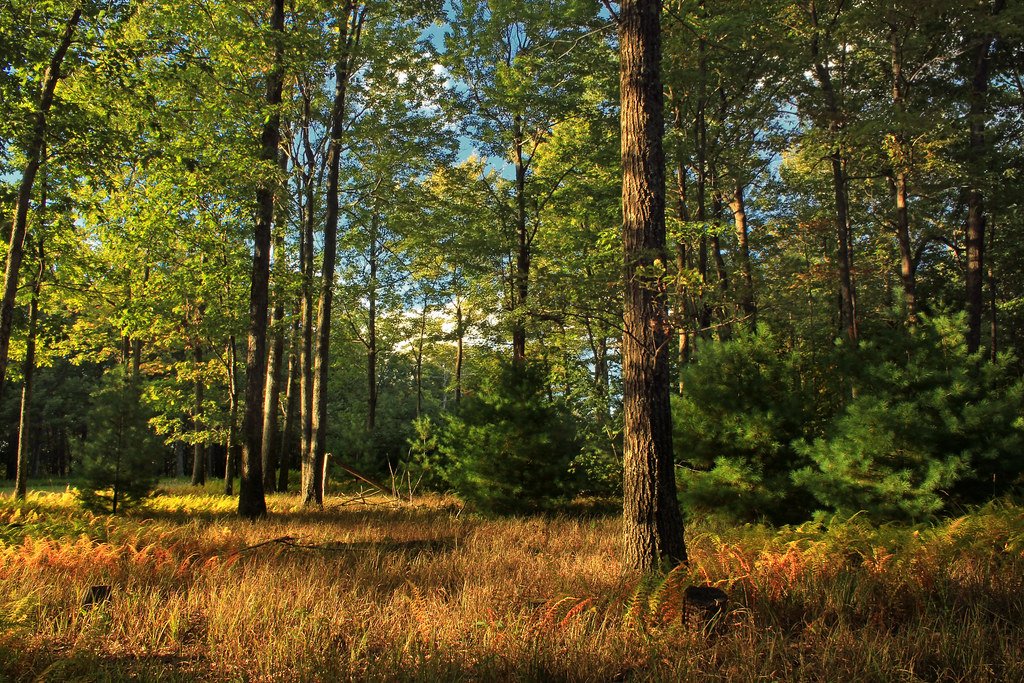
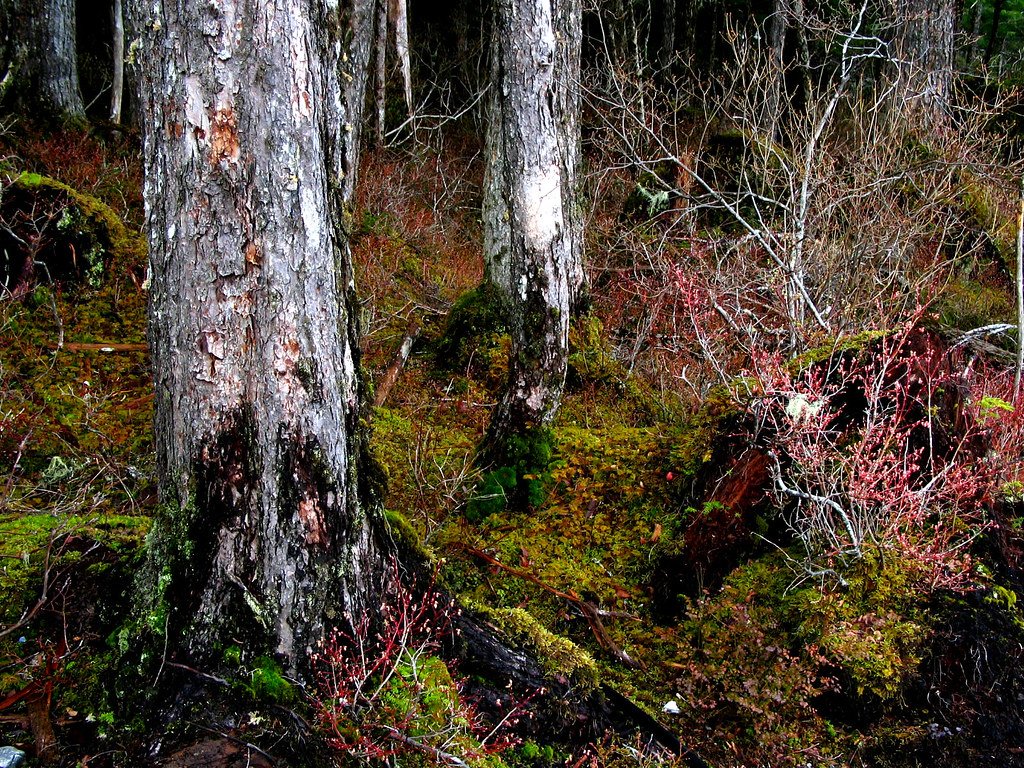
Plants and trees do more than just decorate the landscape; they sense and respond to the world around them in remarkable ways. When volcanic gases seep through the soil, or when heat disturbs their roots, vegetation reacts long before people notice anything amiss. Leaves might turn yellow, growth could slow, or a once-healthy forest might suddenly appear patchy from above. These subtle changes become a secret code that, if deciphered, can tell us when a volcano is stirring beneath the surface. It’s a language written in chlorophyll and canopy patterns, waiting for us to listen.
How Volcanoes Affect Plant Life
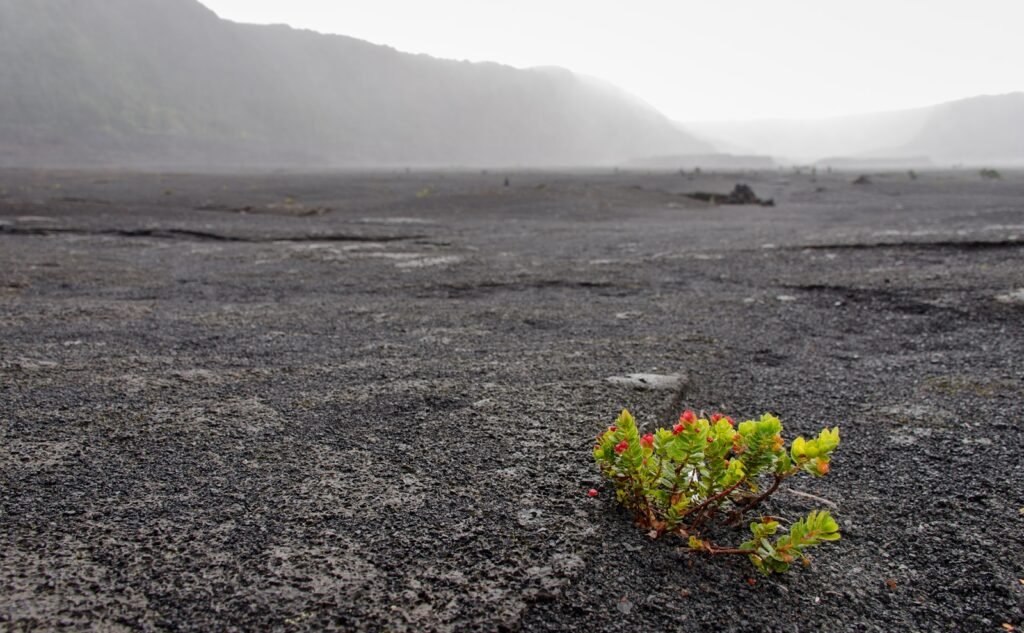
Volcanoes are powerful, unpredictable, and deeply connected to the ecosystems around them. When magma rises underground, it releases gases like carbon dioxide and sulfur dioxide. These gases seep through the soil, sometimes poisoning roots or changing the chemistry plants rely on. Trees close to active vents may suddenly wilt or die, while others might show strange growth patterns. From the ground, these changes can be hard to spot, but from space, they’re like a bright warning sign blinking across the landscape, alerting us to hidden danger.
Why Satellites Are the Ultimate Watchers
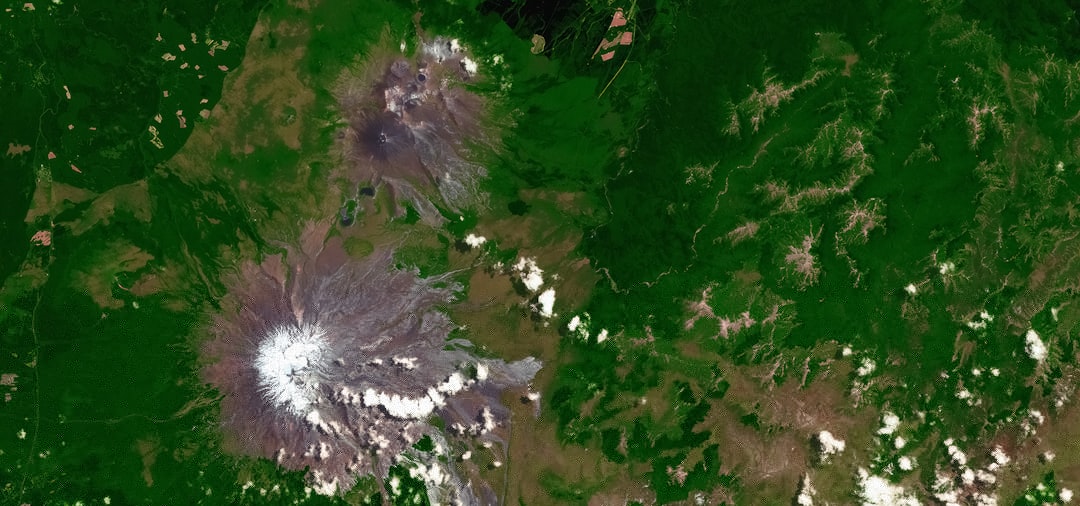
You could spend a lifetime walking the forests around a volcano and never notice the slow, creeping shifts in the leaves. Satellites, however, see it all in a single glance. Orbiting hundreds of kilometers overhead, they collect data on color, temperature, and even the moisture content of leaves. This bird’s-eye view lets scientists monitor vast areas, tracking changes in vegetation that might signal an impending eruption. In a way, satellites are like the eyes of a forest guardian, watching over trees and people alike.
The Science of Spectral Signatures
Every plant reflects sunlight in its own unique way. Healthy leaves bounce back more infrared light, while stressed or dying plants reflect less. Satellites equipped with special sensors pick up these differences, creating colorful maps that reveal the health of entire forests. When a volcano begins to stir, the affected vegetation often changes its “spectral signature,” sending out a silent alarm. Scientists track these signatures, looking for patterns that match known volcanic activity, turning raw data into life-saving insights.
Case Study: Mount Etna’s Forests Speak Up
Mount Etna in Sicily is one of the world’s most active volcanoes, and its forests have become unlikely informants. In recent years, scientists using satellite imagery noticed that patches of trees around Etna started losing their green color months before an eruption. Ground surveys confirmed that volcanic gases had seeped into the soil, stressing the plants. The trees were essentially warning of the coming eruption—if only we knew how to listen sooner.
When Chlorophyll Fades: Signs of Stress
Chlorophyll, the pigment that makes leaves green, is a reliable indicator of plant health. When a volcano leaks toxic gases, one of the first things to change is the chlorophyll content in nearby vegetation. This fading is invisible to the naked eye at first, but satellites can pick up even small drops in greenness. By tracking these changes, researchers can pinpoint areas where volcanic activity is affecting the environment, sometimes weeks or months before there’s any visible eruption.
Soil Chemistry and Root Warnings
It’s not just what’s above ground that matters—volcanoes change the earth beneath our feet, too. When gases and heat rise from a restless volcano, they alter the chemistry of the soil. Roots take up these changes, and the effects ripple up through the plants. Trees might grow more slowly, drop leaves, or even die off in patches. These shifts can be mapped from space, revealing hidden lines and shapes that trace the path of underground activity.
Thermal Imaging: Heat Beneath the Canopy
Volcanic regions often heat up long before any eruption occurs. Satellites armed with thermal sensors can detect these subtle increases in temperature, even through dense forests. When combined with changes in vegetation, a rise in ground temperature can strengthen the case for an impending eruption. It’s like having a thermometer for the Earth itself, taking the volcano’s “fever” from hundreds of miles away.
The Power of Time-Lapse from Space
Satellites don’t just take snapshots; they build up time-lapse movies of the land. By comparing images from week to week or year to year, scientists can see how forests change as volcanic activity waxes and wanes. This long-term view makes it possible to separate normal seasonal shifts from true warning signs. For example, if a green valley suddenly browns in the middle of spring, it’s a signal that something unusual—like volcanic gas—is at work.
Early Warning for Communities
When trees send distress signals, it’s not just scientists who benefit—entire communities can be protected. In many volcanic regions, villages and farms nestle in the shadow of mountains that can erupt with little warning. By monitoring vegetation from space, authorities can issue alerts, prepare evacuations, and potentially save lives. The health of a forest becomes a shield for the people living nearby, turning nature into both sentinel and savior.
Unexpected Allies: Animals React Too
It’s not just plants that sense volcanic unrest; animals often pick up on the changes as well. Birds might avoid certain areas, while insects disappear from stressed trees. These shifts can further affect the vegetation, as pollination patterns change and pests move in or out. Observing the combined changes in plants and animals adds another layer of insight for those watching the signs from above.
Challenges of Interpreting Vegetation Signals
Despite the promise, reading the whispers of trees isn’t always straightforward. Drought, disease, and human activity can all stress vegetation in ways that mimic volcanic effects. Scientists must carefully separate these signals, using other data—like ground sensors and gas measurements—to confirm what the trees are telling us. It’s a bit like solving a mystery, piecing together clues from many sources to reach the truth.
Cutting-Edge Technology: Artificial Intelligence Joins the Hunt
The sheer volume of satellite data is overwhelming, but artificial intelligence (AI) is stepping up to the challenge. New algorithms scan thousands of images, learning to spot the smallest changes in vegetation health. AI can recognize patterns that humans might miss, making early warning systems faster and more accurate. This marriage of nature’s signals and digital brains could revolutionize how we predict volcanic disasters.
Global Hotspots: Where Trees Watch the Skies
From Indonesia’s rainforests to the pine woods of the Pacific Northwest, forests around the world are quietly monitoring volcanic activity. Each region has its unique challenges—thick cloud cover, diverse plant species, or shifting climates—but the basic idea holds true everywhere: healthy vegetation is a sign of peace, while sudden stress often means trouble below. By tuning in to these green sentinels, we can better protect vulnerable regions worldwide.
Lessons from History: Missed Signals and Hard-Won Wisdom
There have been times when the signs were there, but we failed to notice. Before some of history’s deadliest eruptions, forests withered and wildlife vanished, yet the warnings went unheeded. Today, we have the technology and the understanding to do better. By learning from past mistakes, we can turn the natural world into a partner in disaster prevention, listening more closely when the trees begin to whisper.
Future Frontiers: Linking Ground and Space
The next step in volcanic monitoring is connecting detailed ground measurements with sweeping satellite views. Sensors placed in the forest, drones flying low over treetops, and satellites in orbit can all share data, creating a complete picture of what’s happening below and above. This synergy promises earlier and more accurate warnings, giving people precious time to act.
Personal Reflections: Standing in Awe of Nature’s Wisdom
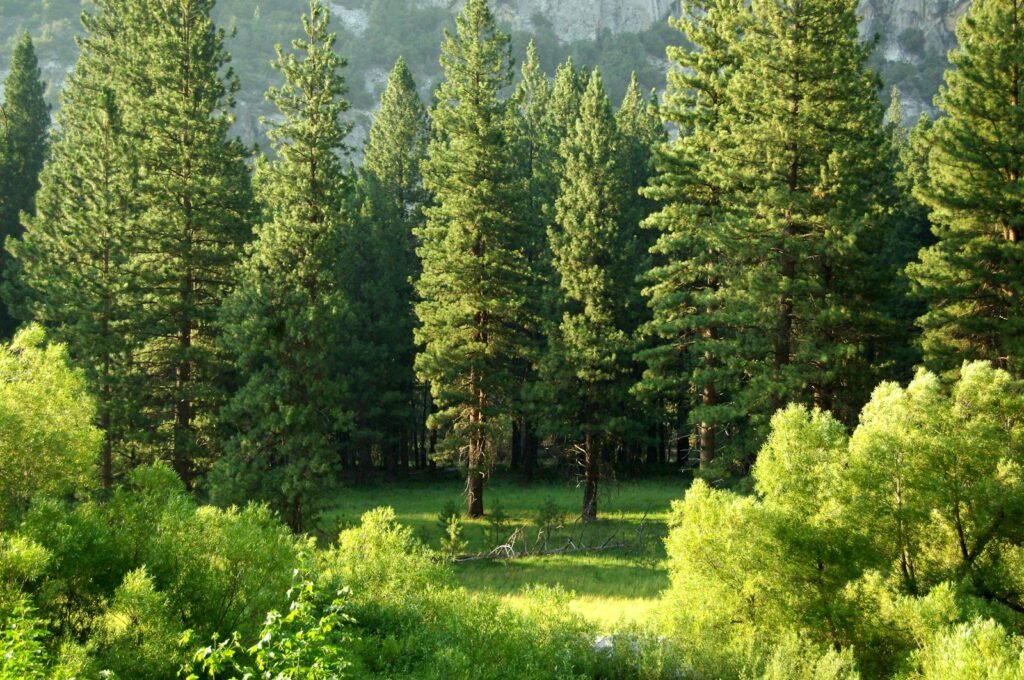
There’s something humbling about realizing that trees—so silent, so steady—can sense and signal the rumblings of a restless Earth. As a nature lover, it’s awe-inspiring to know that the very forests we hike and admire are also guardians, watching over us in ways we’re only beginning to understand. The idea that a single leaf, seen from space, could one day save lives is nothing short of miraculous.
Empowering Local Communities with Forest Insights

Bringing this science to the people most at risk is crucial. Training local communities to understand what changes in their forests might mean, and connecting them with satellite data, creates a powerful grassroots warning network. When local knowledge and high-tech tools come together, everyone gains a stronger voice against nature’s most unpredictable forces.
A Call to Listen: The Urgency of Paying Attention
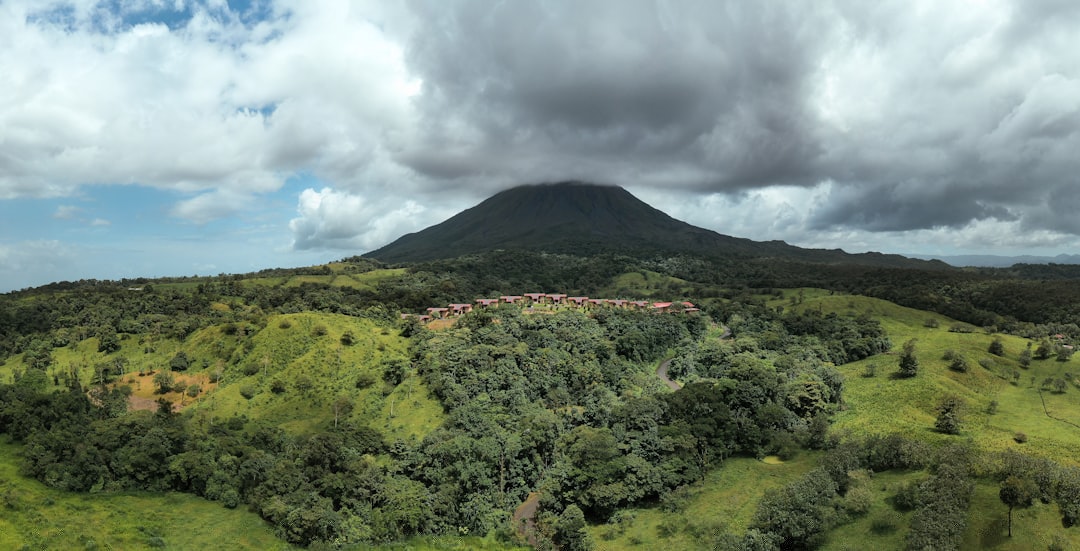
In a world filled with noise, it’s easy to overlook the quiet warnings of nature. But with volcanoes, every moment counts. Learning to listen to trees, and to trust the signals they send from space, could make the difference between disaster and safety. As we enter a new era of environmental awareness, the call is clear: pay attention to the whispers of the forest, for they may be the first to sense the coming storm.
The next time you walk through a forest near a volcano, remember—those trees are more than just scenery. They’re sentinels, storytellers, and silent guardians, sending signals across the sky that could one day save your life. Would you have guessed that the fate of entire communities might rest in the leaves above your head?