Imagine plunging into the deep blue, where the rules of nature as we know them are tossed aside. Here, fathers give birth, fish light up the darkness like living neon signs, and shrimp clap so hard they shatter glass. The ocean is a place where the ordinary becomes extraordinary, a wild world of outliers and rebels that challenge everything we think we know about life on Earth. If you thought all animals followed the same boring playbook, get ready to have your mind blown. The ocean is home to creatures that break the rules, rewrite biology, and remind us that nature always has a few surprises up her sleeve. Let’s dive into the most astonishing ocean rule-breakers—creatures so strange, you might think they were invented in a sci-fi writer’s fever dream.
The Seahorse: The Only Fish Where Males Give Birth
Seahorses are the ultimate ocean oddballs. In their world, it’s the dads who carry the babies—something unheard of in most animal kingdoms. After a graceful courtship dance, the female seahorse transfers her eggs to a special pouch on the male’s belly. Here, he fertilizes and nurtures them for weeks, swelling up like a balloon until he’s finally ready to “give birth.” Watching a male seahorse in labor is like witnessing a miracle—hundreds of tiny seahorses burst out, fully formed and ready to swim. It’s an inspiring reminder that parenting doesn’t always follow the rules, and sometimes, it’s the dads who do the heavy lifting.
Mantis Shrimp: The Boxers With Sonic Boom Punches
Few ocean dwellers are as notorious as the mantis shrimp. With club-like appendages that move faster than a bullet, these little gladiators can punch with the force of a .22 caliber gun. When a mantis shrimp strikes, it creates a tiny bubble that collapses with a shockwave—so powerful it can stun prey and even crack aquarium glass. This isn’t just brute force; it’s physics in action. Scientists have marveled at the mantis shrimp’s ability to harness cavitation, turning an ordinary punch into a sonic weapon. Nature, in this case, handed out superpowers to a shrimp, and it’s both hilarious and awe-inspiring.
Anglerfish: Deep Sea Monsters With Glowing Lures
In the pitch-black depths of the ocean, the anglerfish reigns supreme with a unique adaptation: a glowing lure dangling from its head. This bioluminescent “fishing rod” is filled with light-producing bacteria, drawing in curious prey like moths to a flame. But the surprises don’t stop there—anglerfish females are enormous compared to their tiny mates, who fuse onto the female’s body in a bizarre act of symbiosis. It’s a love story and a horror movie rolled into one, breaking every rule in the dating book.
Parrotfish: Sex-Changing Coral Gardeners
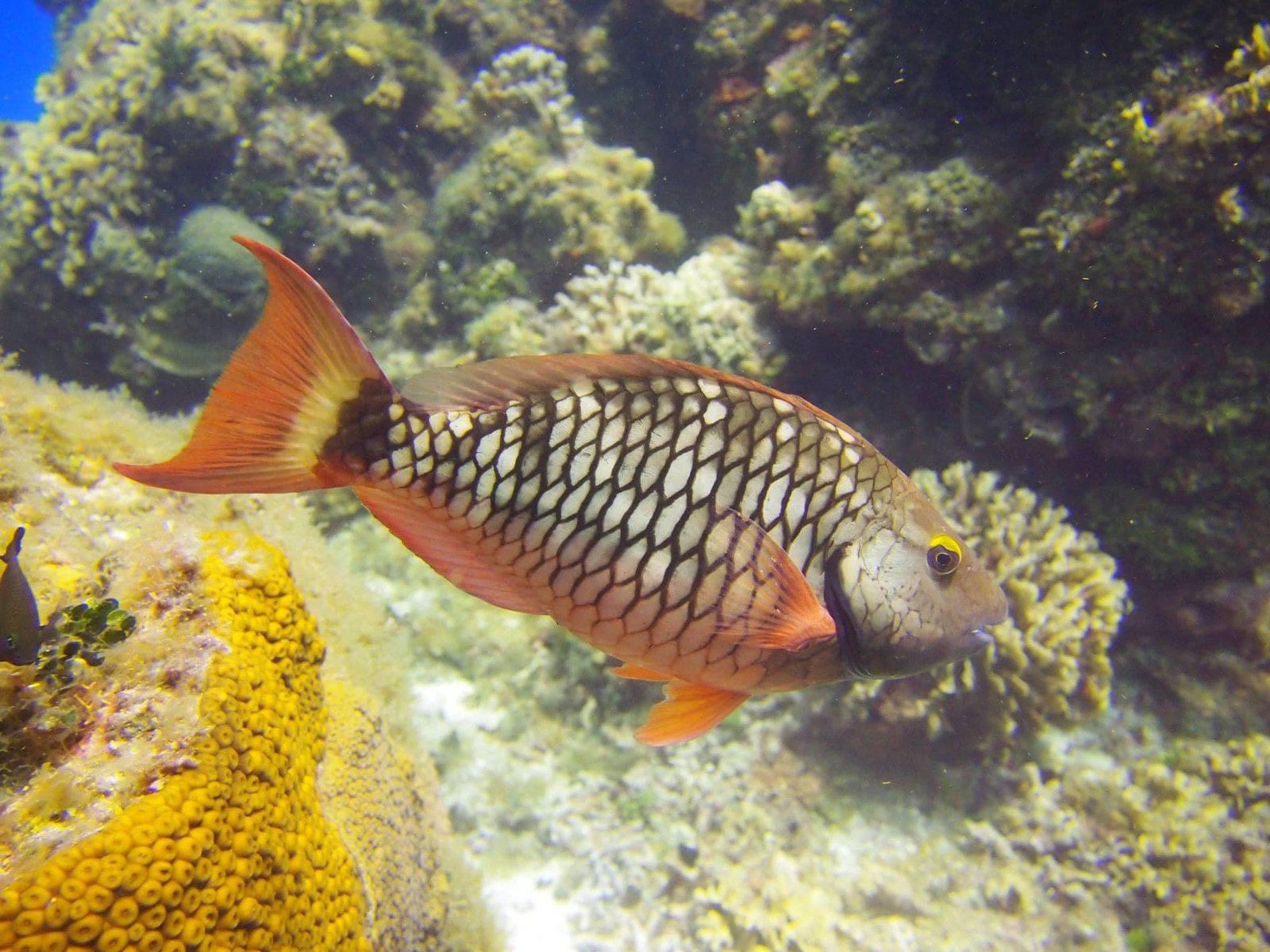
Parrotfish are the ultimate ocean shapeshifters. Not only do they sport beaks that crunch coral into sand, but many species can also change sex during their lives. Born as females, some become males as they mature, often after the dominant male in a group dies. This ability isn’t just a party trick—it ensures the survival of their community, keeping populations stable. Their rainbow colors and quirky habits make them one of the ocean’s most fascinating rebels.
Electric Eels: Live Wires of the Water
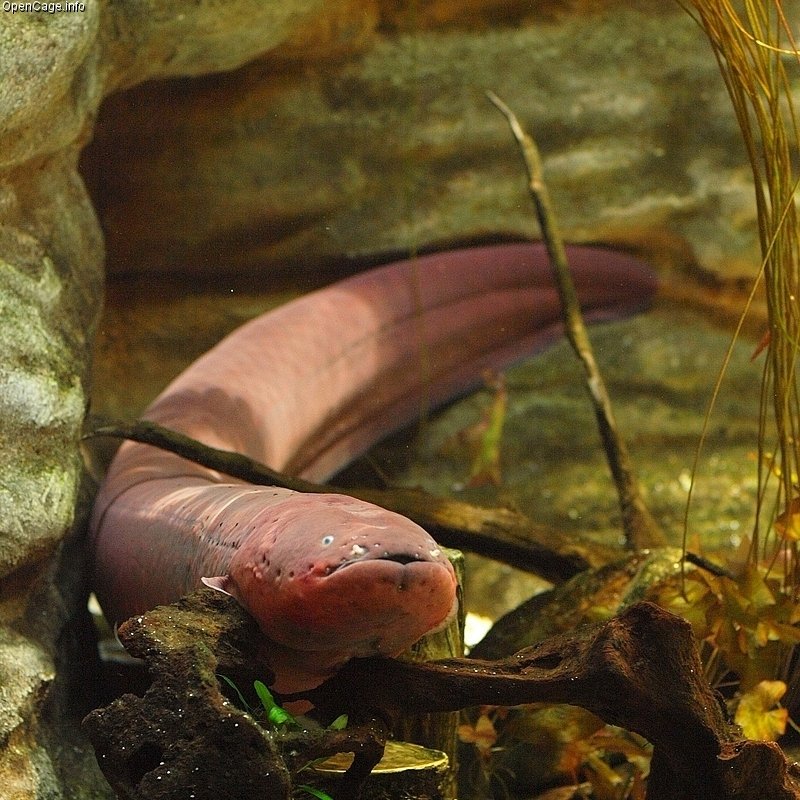
Electric eels are the real-life shockers of the animal kingdom, generating jolts of electricity that can stun prey or defend against predators. Their bodies are packed with special cells called electrocytes, which stack up like batteries to deliver shocks up to 600 volts. Imagine touching a wall socket underwater—that’s what their prey experiences. Electric eels use their powers for hunting, self-defense, and even communication, proving that sometimes, the best weapon is invisible.
Immortal Jellyfish: The Timeless Drifters
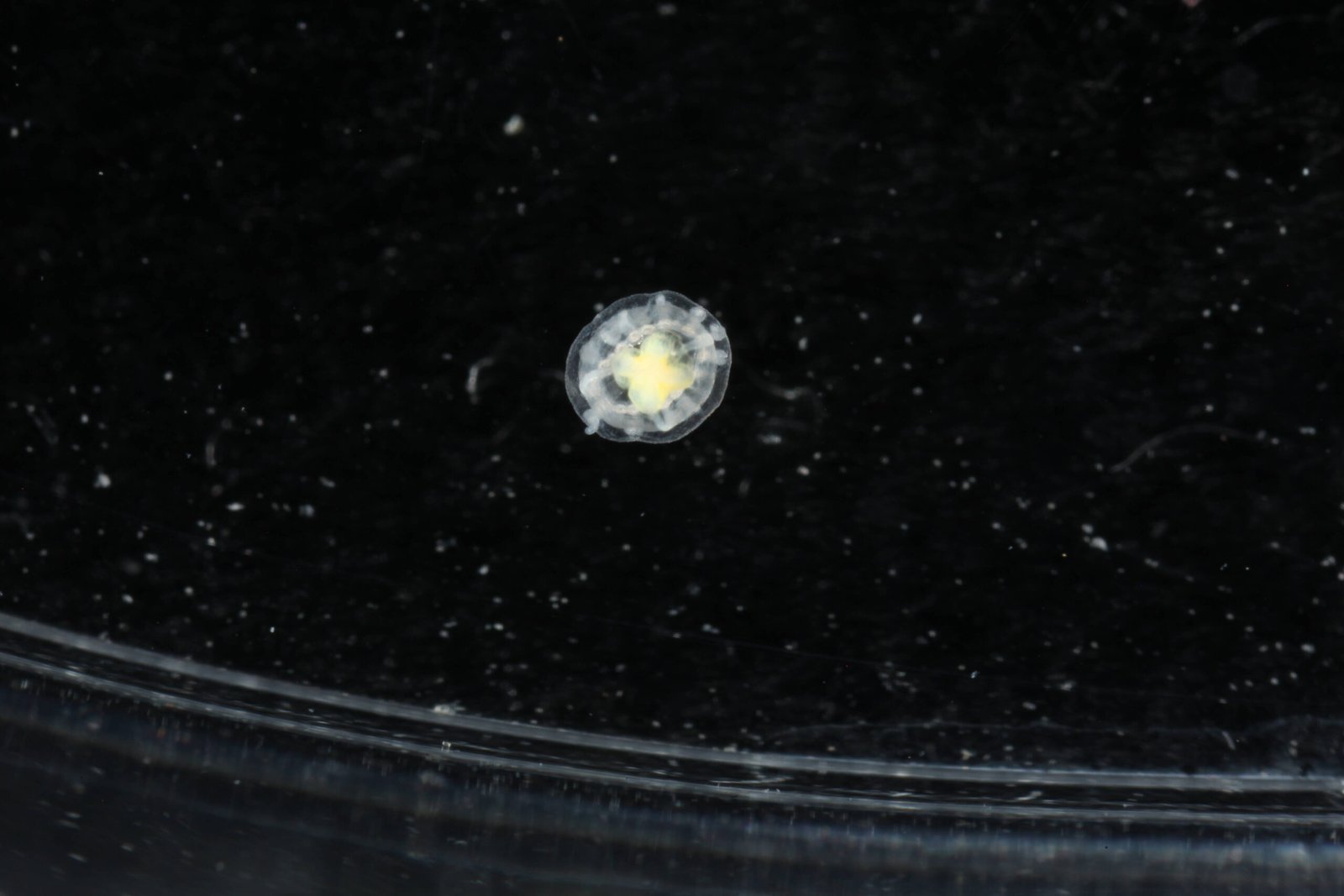
The so-called “immortal jellyfish” (Turritopsis dohrnii) defies one of nature’s most ironclad laws: aging. When faced with stress or injury, it can revert its cells back to the earliest stage of life, essentially starting over. This process, called transdifferentiation, means that in theory, the jellyfish could live forever—unless it gets eaten, of course. It’s a stunning example of biological resilience, making us question what it really means to grow old.
Goblin Shark: Living Fossils With Spring-Loaded Jaws
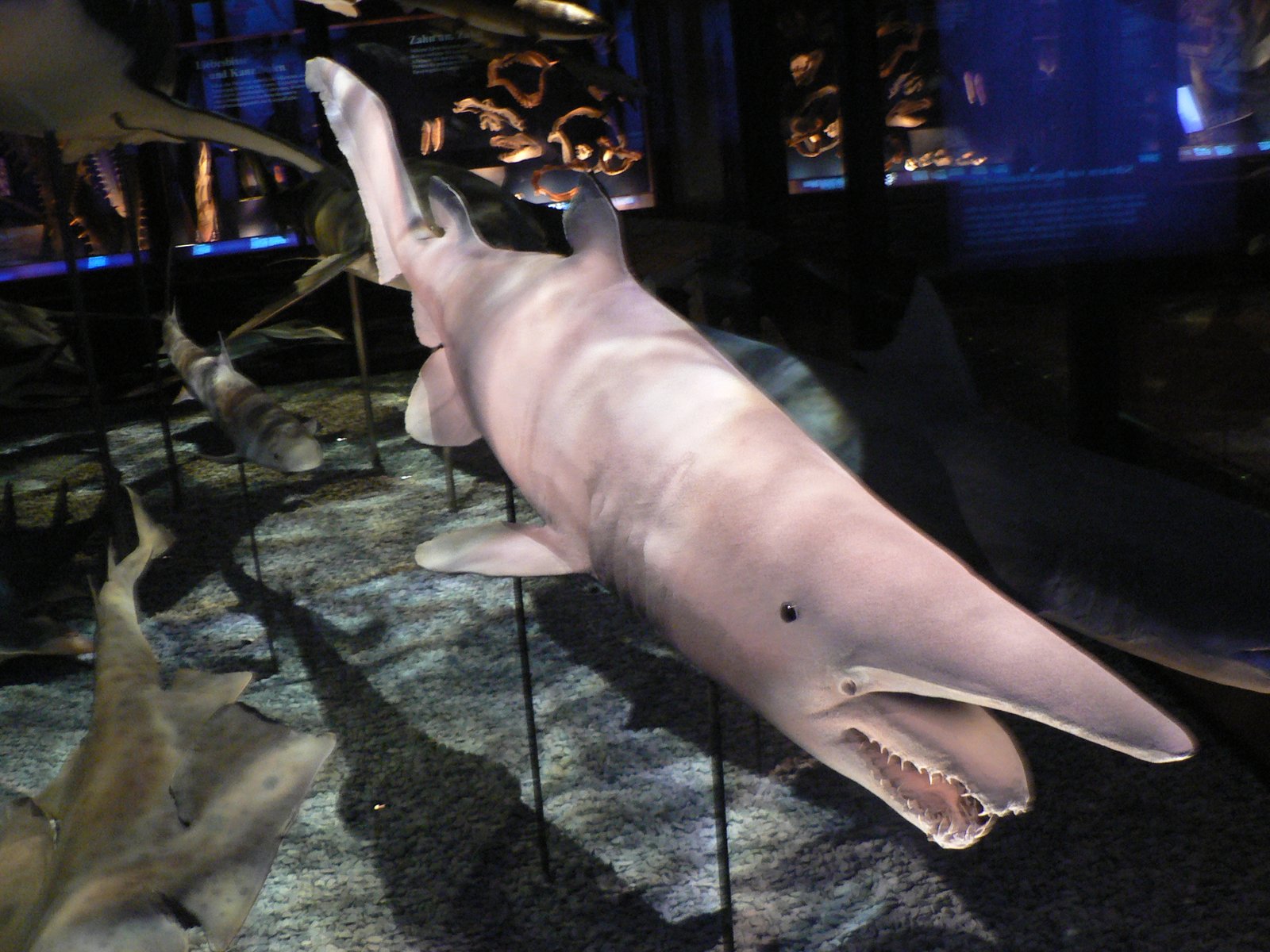
If nightmares had a mascot, it might be the goblin shark, an ancient creature with a face only a mother could love. Its most shocking feature is a pair of jaws that shoot forward like a slingshot, snatching prey with terrifying speed. These sharks have barely changed in millions of years, earning the nickname “living fossil.” Their odd looks and crazy hunting tactics remind us that evolution doesn’t always favor beauty—sometimes, it’s about being weird and effective.
Leafy Sea Dragon: Masters of Disguise
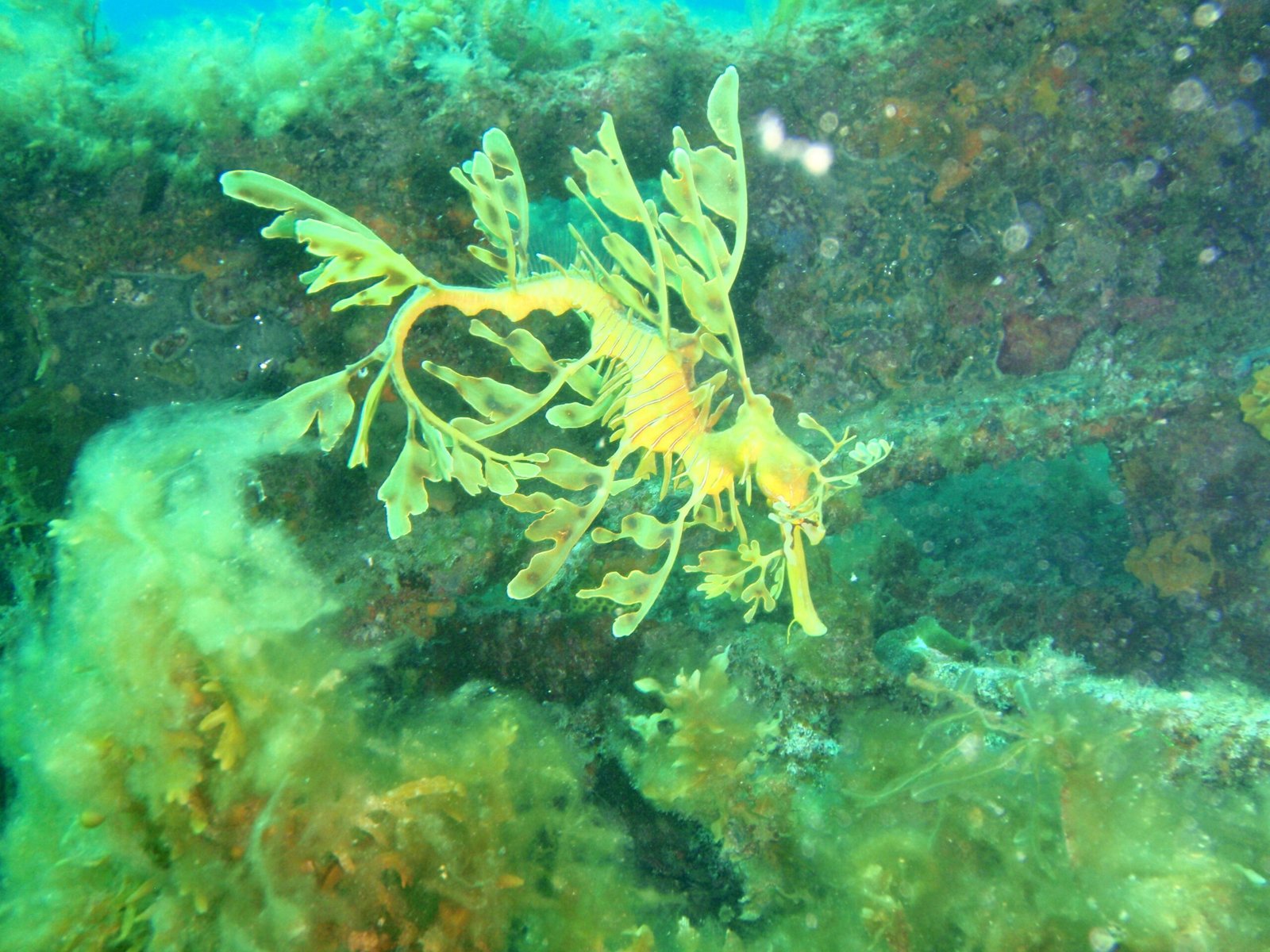
The leafy sea dragon is a creature straight out of a fairy tale, with leaf-like appendages that make it almost invisible among seaweed. This master of camouflage can float through kelp forests unnoticed, avoiding predators by blending in perfectly. Unlike most fish, leafy sea dragons don’t have scales; instead, their bodies are covered in bony plates, giving them a unique texture. Watching them drift is like spotting a living piece of art in motion.
Pistol Shrimp: Tiny Gunslingers of the Seafloor
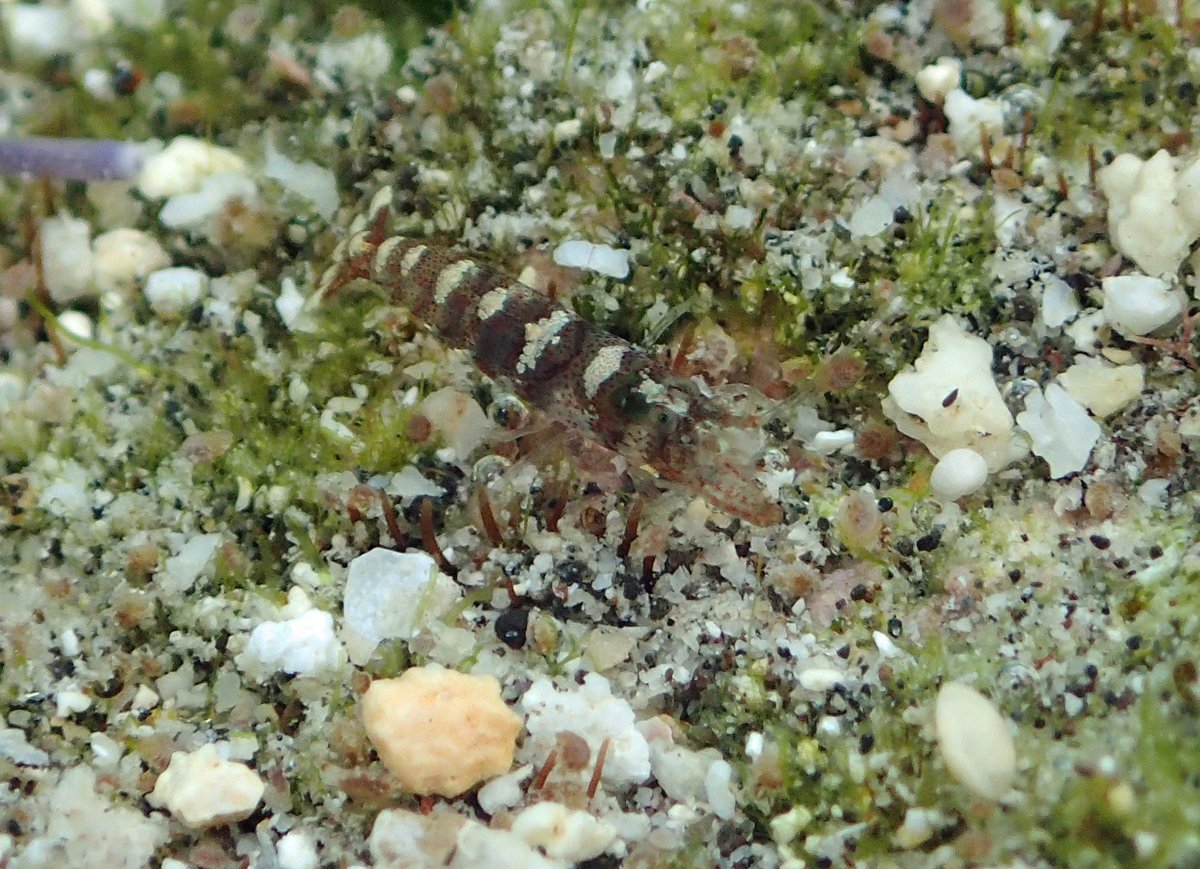
Pistol shrimp may be small, but they’re packing heat. With a single snap of their oversized claw, they create a bubble that bursts with a deafening pop—loud enough to stun fish and even disrupt submarine sonar. The temperature inside this bubble can briefly reach nearly as hot as the sun’s surface. It’s hard to believe something so tiny can wield such power, turning the seafloor into a Wild West shootout.
Octopus: The Escape Artists With Alien Intelligence
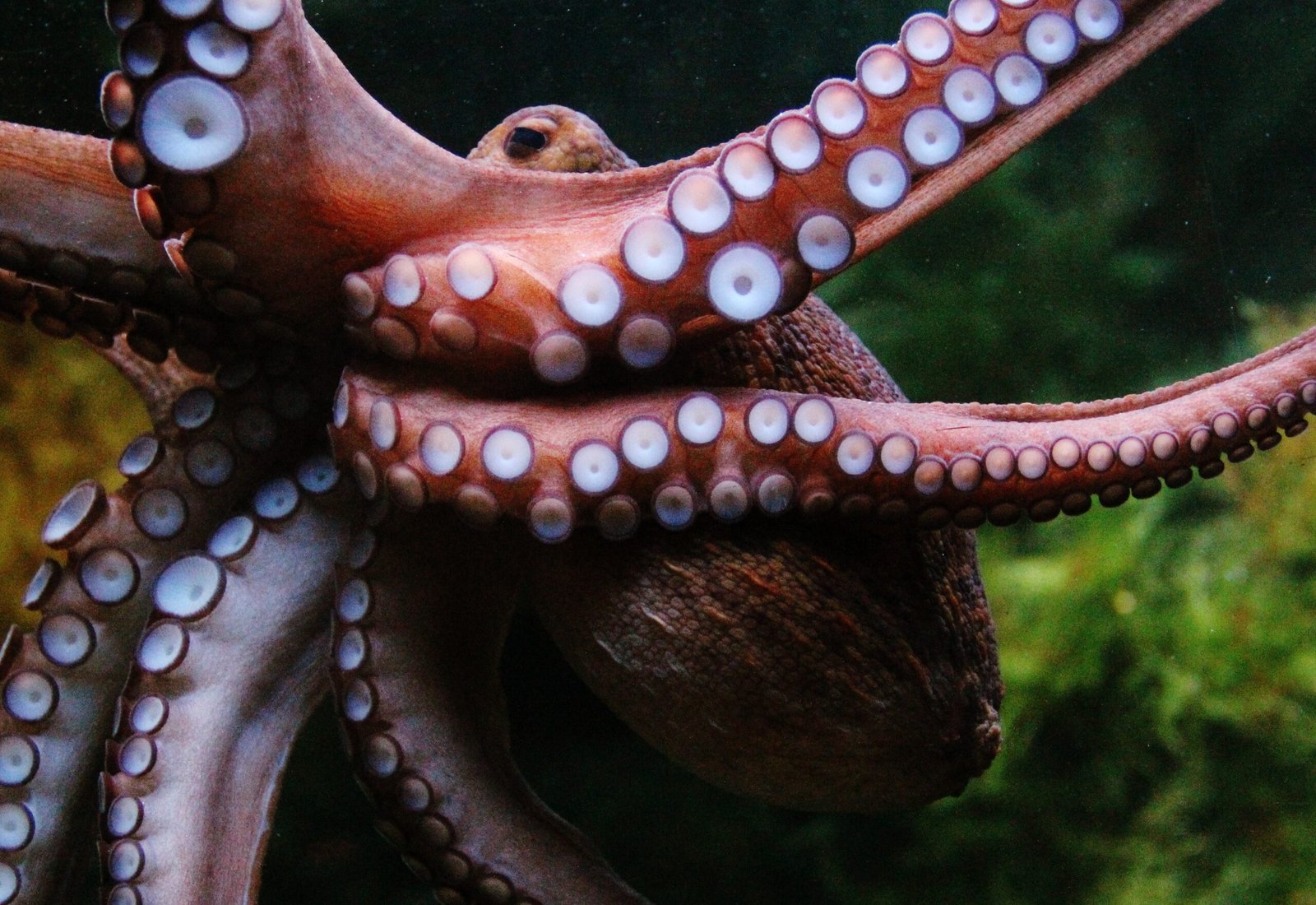
Octopuses are the ultimate rule-breakers, with three hearts, blue blood, and brains that rival those of dogs and cats. They can squeeze through impossibly tiny gaps, change color and texture in an instant, and even use tools to solve puzzles. Some have escaped aquariums by unscrewing lids or walking across floors to other tanks. Their intelligence is so shocking, scientists debate whether they’re the closest thing we have to an alien on Earth.
Clownfish: Gender-Bending Family Dynamics
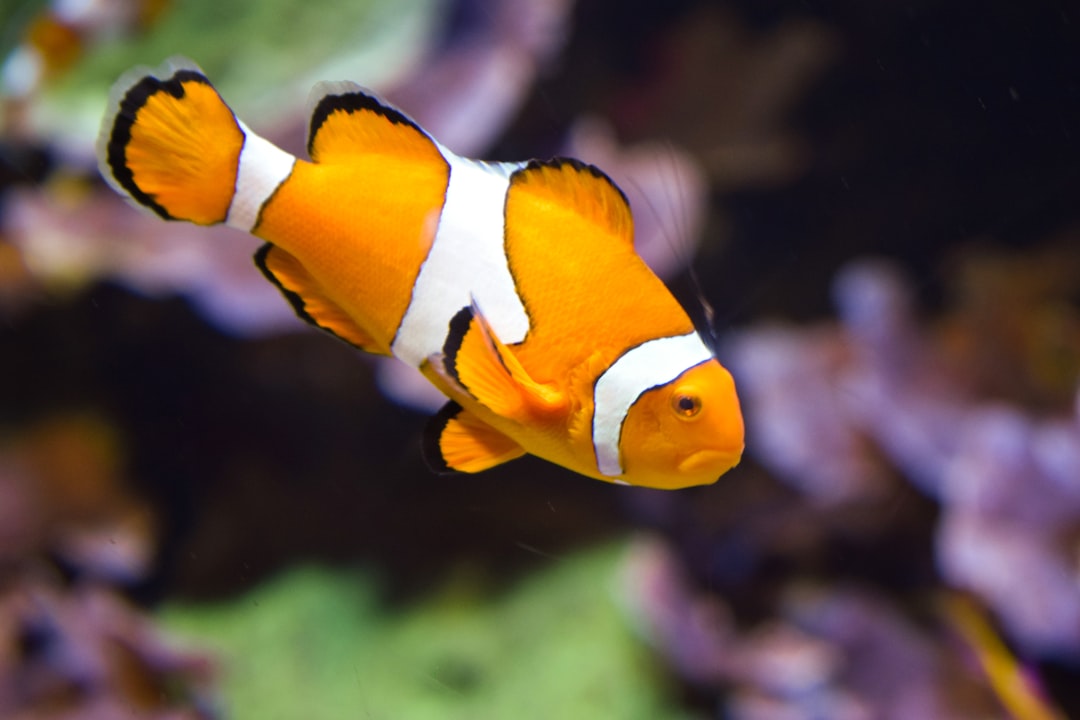
Clownfish, famous for their friendship with sea anemones, have a family structure that would make most sitcoms jealous. All clownfish start life as males, but the dominant member of the group becomes female. If she dies, the next male in line changes sex and takes her place. This system keeps their tiny communities running like clockwork, proving that in the ocean, gender is often just another variable.
Blobfish: The Face of Deep-Sea Adaptation
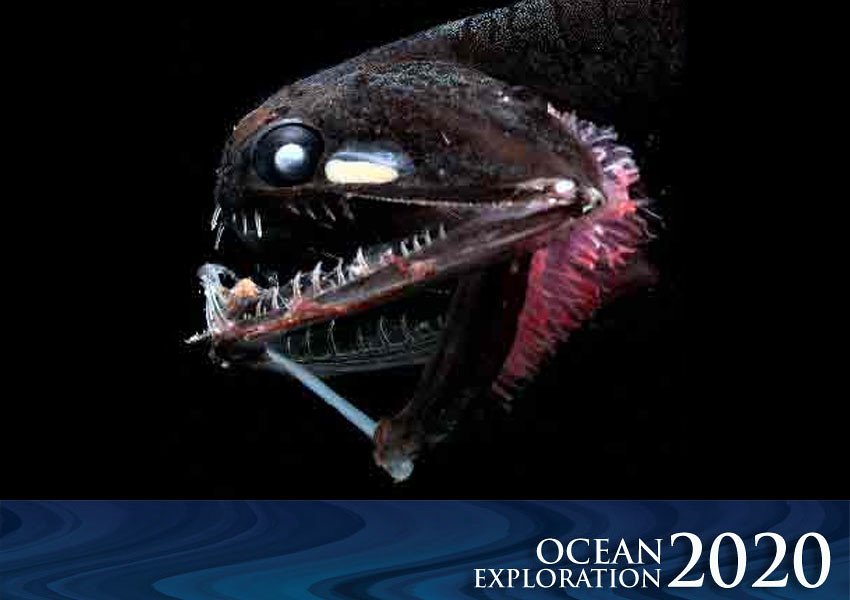
The blobfish has become an internet meme for its odd, droopy looks—but its appearance is actually a survival strategy. At the crushing pressures of the deep sea, its jelly-like body is perfectly adapted to float just above the ocean floor, saving energy and staying out of trouble. On land, it looks like a sad lump, but underwater, it’s right at home. It’s a reminder that beauty is relative and sometimes, ugly is just another way of being perfectly adapted.
Portuguese Man o’ War: The Floating Army
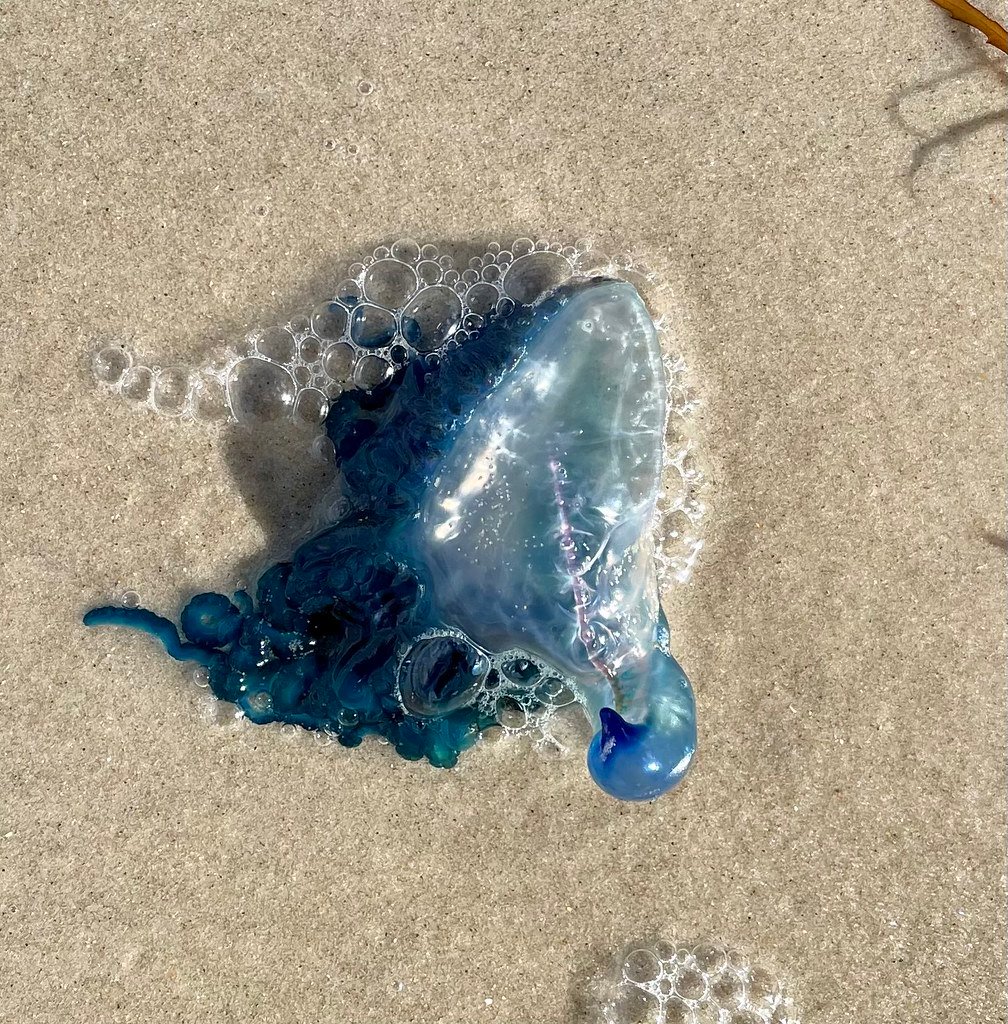
The Portuguese man o’ war looks like a single organism, but it’s actually a colony of specialized animals working together as one. Some parts sting, others digest, and one acts as a floating sail. Its tentacles can stretch up to 100 feet, delivering a painful sting to anything unlucky enough to brush past. It’s a floating fortress, proving that teamwork in the ocean can take some wild forms.
Flying Fish: Ocean Gliders
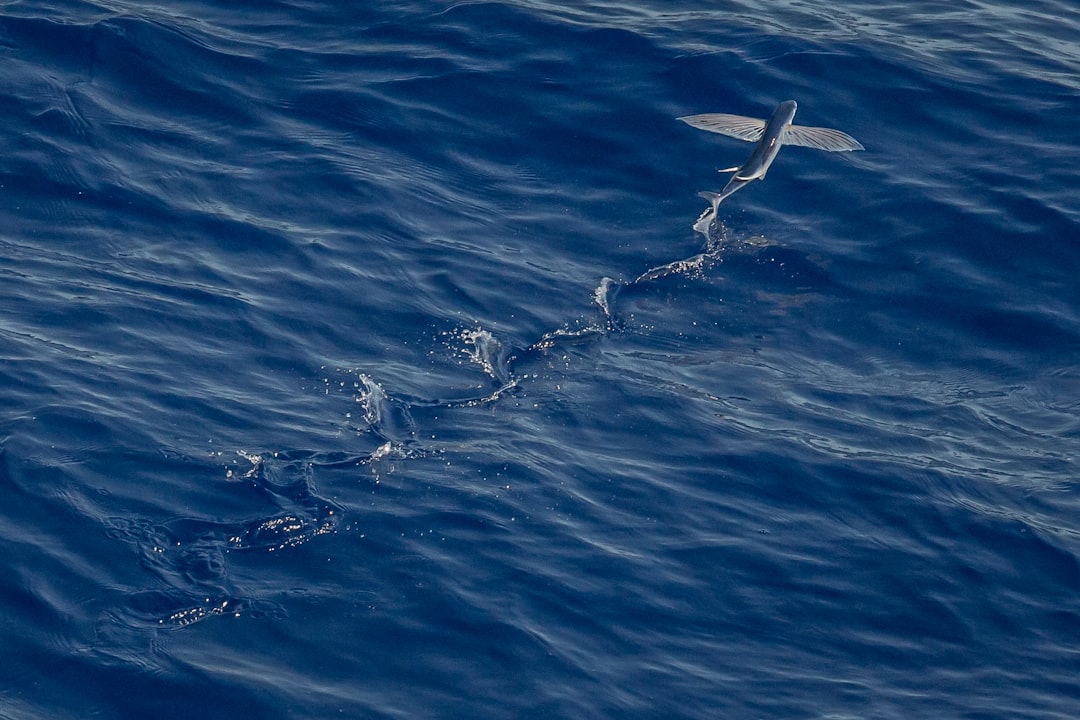
Flying fish don’t really fly, but they come awfully close. With powerful tails, they launch themselves out of the water and glide for hundreds of feet, escaping predators with style. Their “wings” are actually oversized fins, and watching a school of them soar above the waves is nothing short of magical. It’s an inspiring example of evolution finding solutions where none seem possible.
Vampire Squid: The Deep’s Mysterious Phantom
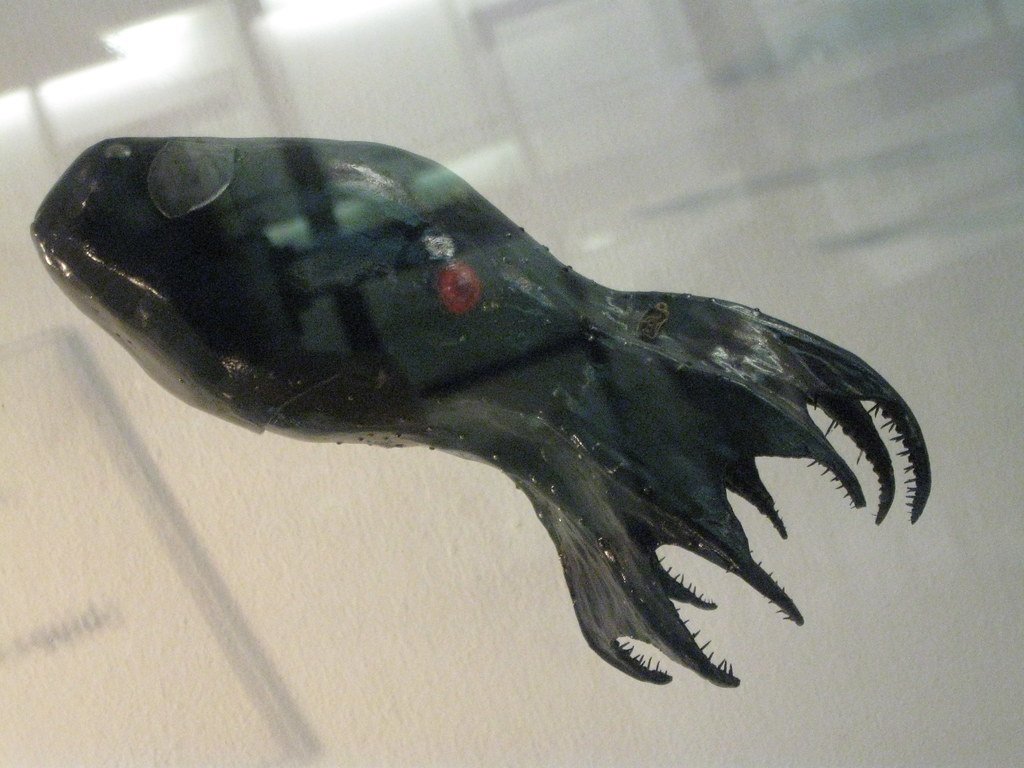
With jet-black skin, eerie red eyes, and webbed arms that unfurl like a cape, the vampire squid is a creature of legend. Despite its name, it doesn’t suck blood. Instead, it floats in the darkness, flashing bioluminescent lights to confuse predators and catch drifting food. Its ability to survive at depths with almost no oxygen is nothing short of miraculous. The vampire squid is a master of mystery, thriving in places where few others dare to venture.
Greenland Shark: The Methuselah of the Sea
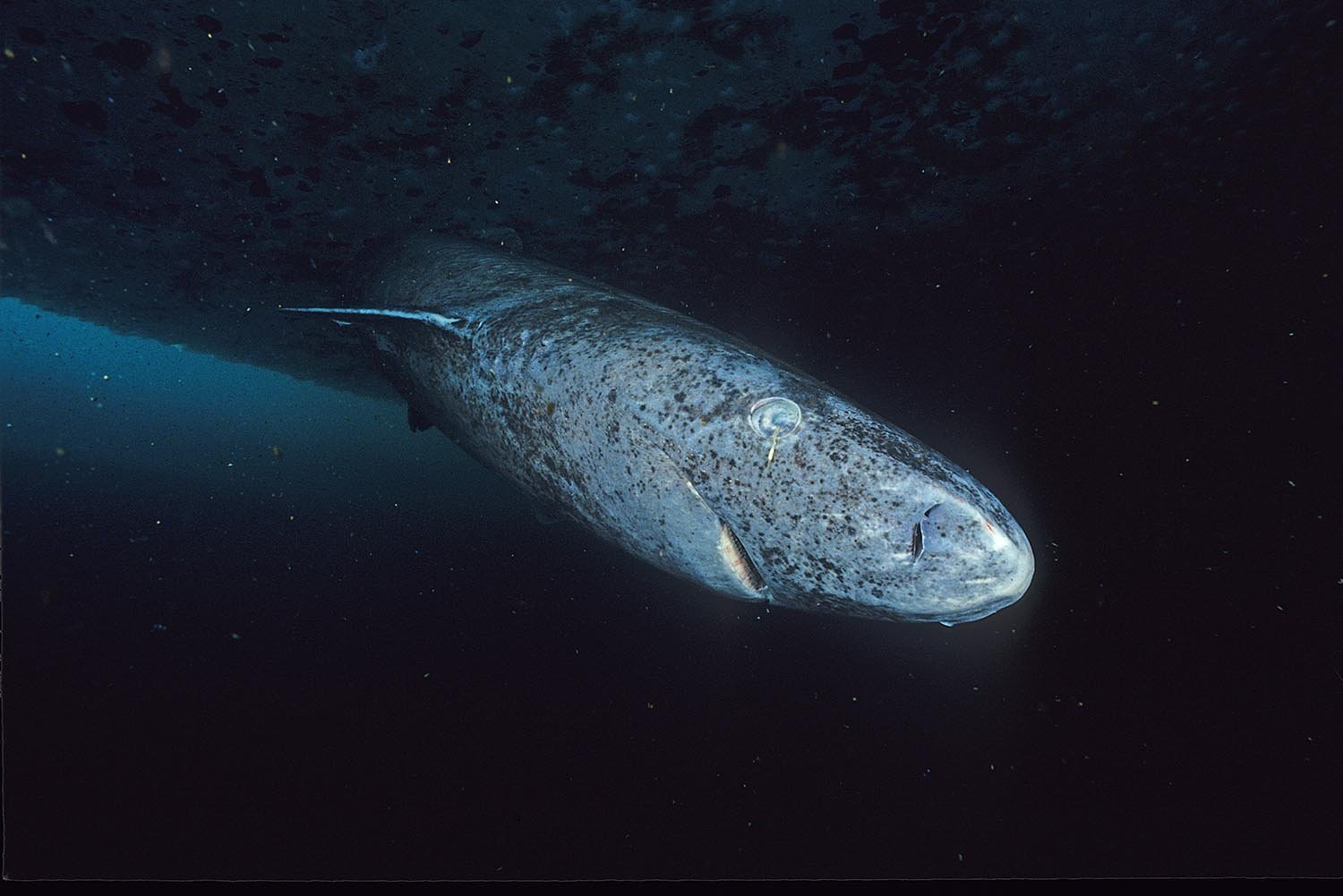
Imagine a creature older than the United States, quietly gliding beneath the Arctic ice. The Greenland shark can live for more than 400 years, making it the longest-lived vertebrate on the planet. It grows slowly, moves like a ghost, and often carries the scars of centuries. Some are even blind, thanks to parasitic worms, yet they still manage to survive in one of the harshest environments imaginable. The Greenland shark is living proof that sometimes, slow and steady really does win the race.
Sunfish: The Ocean’s Gentle Giants
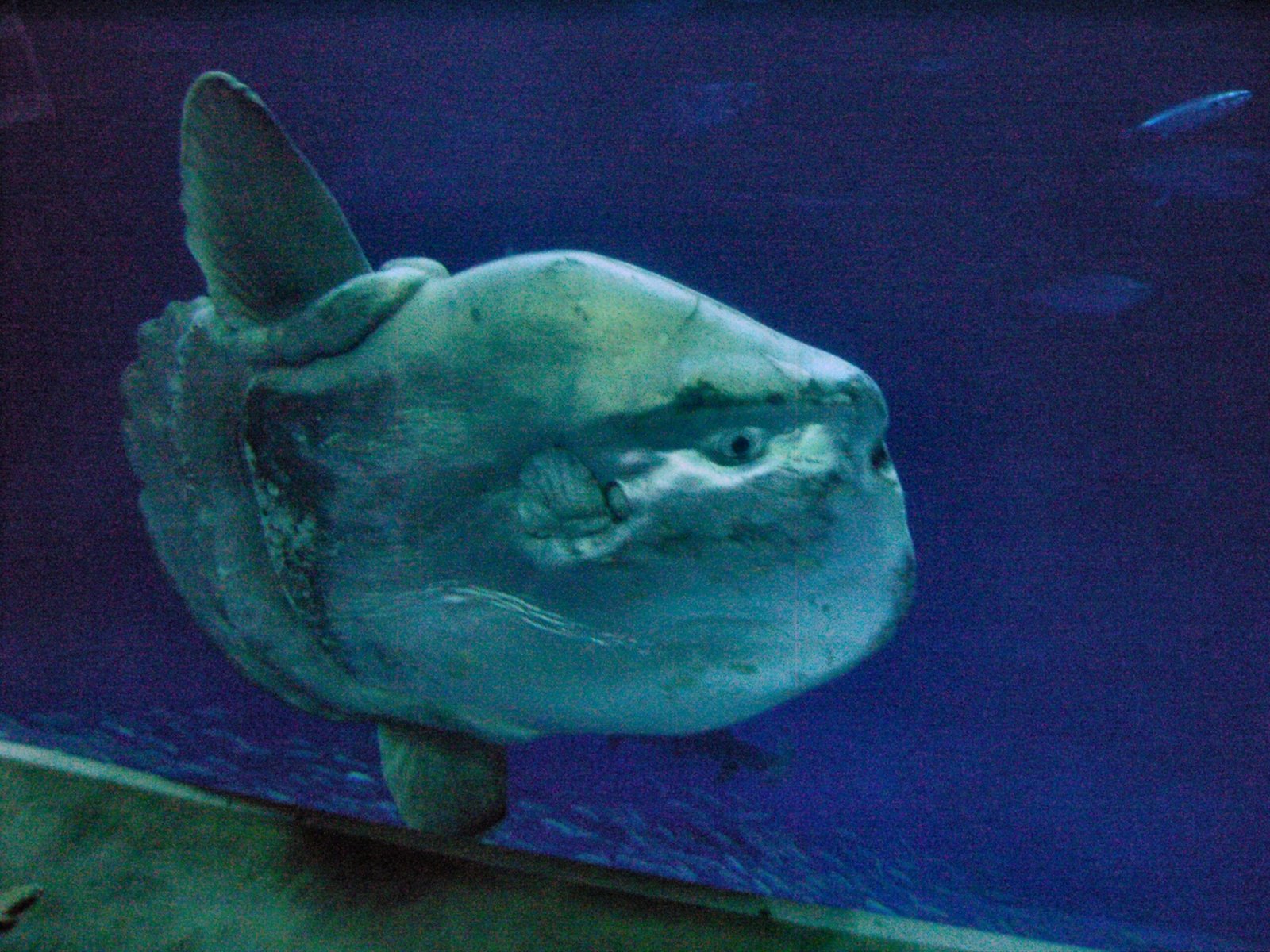
Sunfish, or mola mola, look like something dreamed up by a child—half fish, half pancake. They can weigh over 2,000 kilograms, making them the heaviest bony fish alive. Despite their size, sunfish are gentle, feeding mostly on jellyfish and drifting with the currents. Their odd shape helps them bask in the sun near the surface, warming up after cold dives. Seeing one in the wild is like spotting a UFO—rare, unforgettable, and a little bit surreal.
Sea Cucumbers: The Gut-Throwing Cleaners
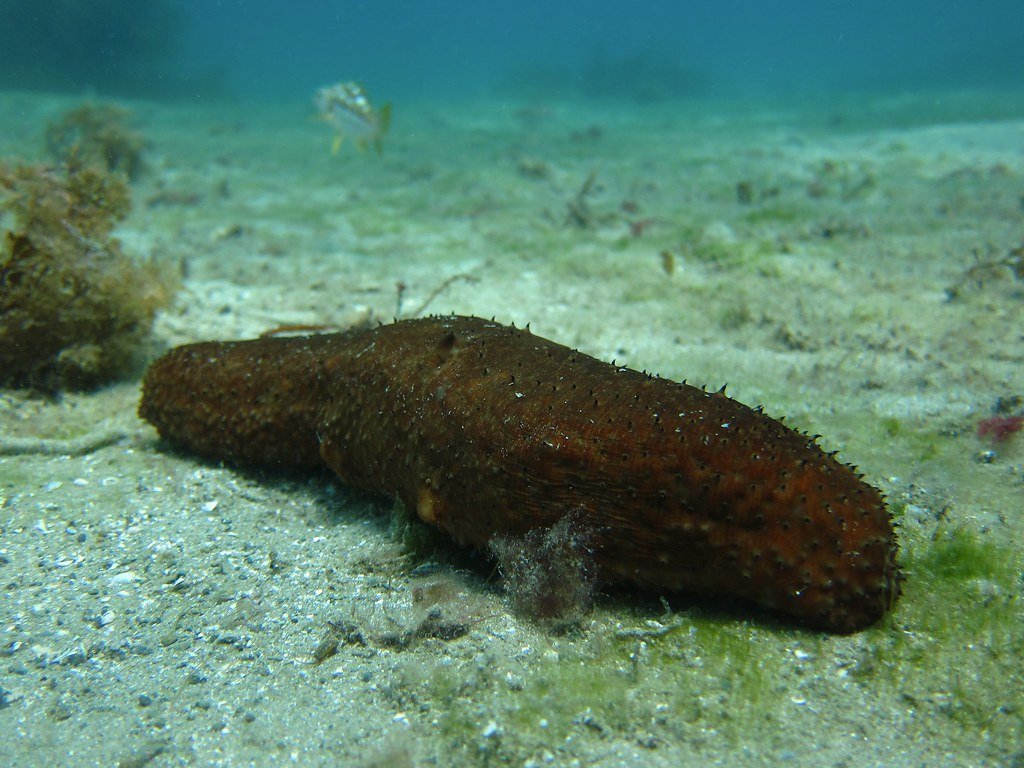
Sea cucumbers might look like squishy sausages, but they’re vital to ocean health. When threatened, some can eject their internal organs as a sticky, distracting mess—a move that helps them escape predators. These organs eventually grow back. Sea cucumbers spend their days cleaning the seafloor, recycling nutrients, and keeping ecosystems balanced. Their odd defense strategy proves that sometimes, the best way to survive is to break all the rules.
Hatchetfish: Masters of Invisible Camouflage
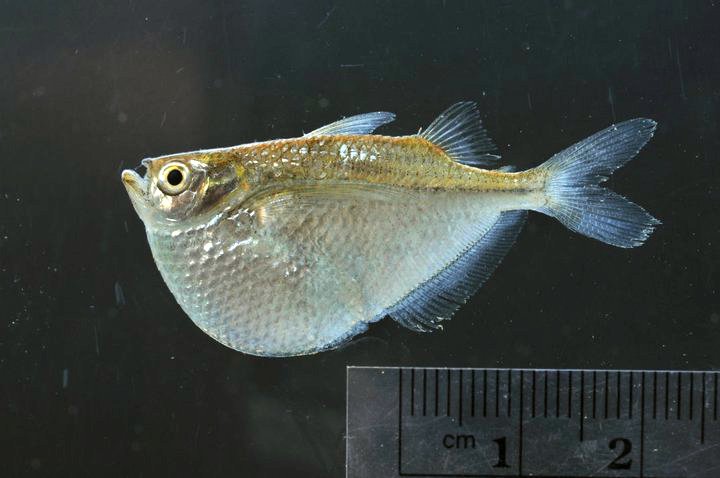
Hatchetfish have bodies that shimmer like polished silver, reflecting whatever light filters down into the deep ocean. This mirror-like camouflage makes them almost invisible to predators lurking below. Some species can even adjust their glow to match the faint light above, a trick called counter-illumination. It’s high-tech espionage in fish form, showing that survival often comes down to outsmarting, not outfighting, your enemies.
Blue Dragon: The Dazzling, Deadly Drifter
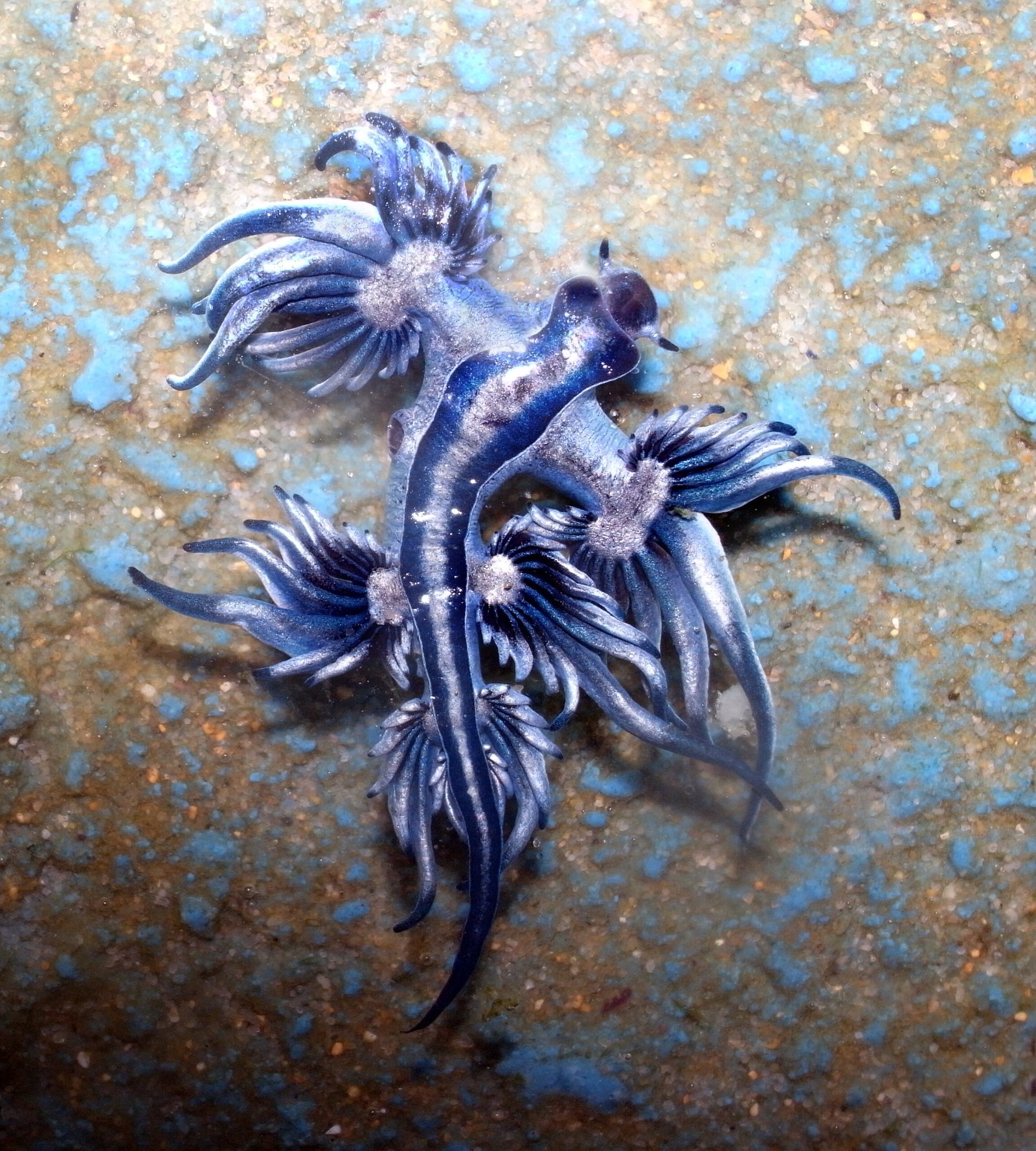
The blue dragon, or Glaucus atlanticus, is a tiny sea slug with electric blue stripes and a taste for danger. It floats upside down on the surface, eating venomous jellyfish and storing their stingers for its own use. Despite its beauty, touching one can cause a painful sting. The blue dragon is a warning wrapped in a jewel—a reminder that in the ocean, even the most beautiful things can be deadly.
Cookiecutter Shark: The Ocean’s Little Vampire
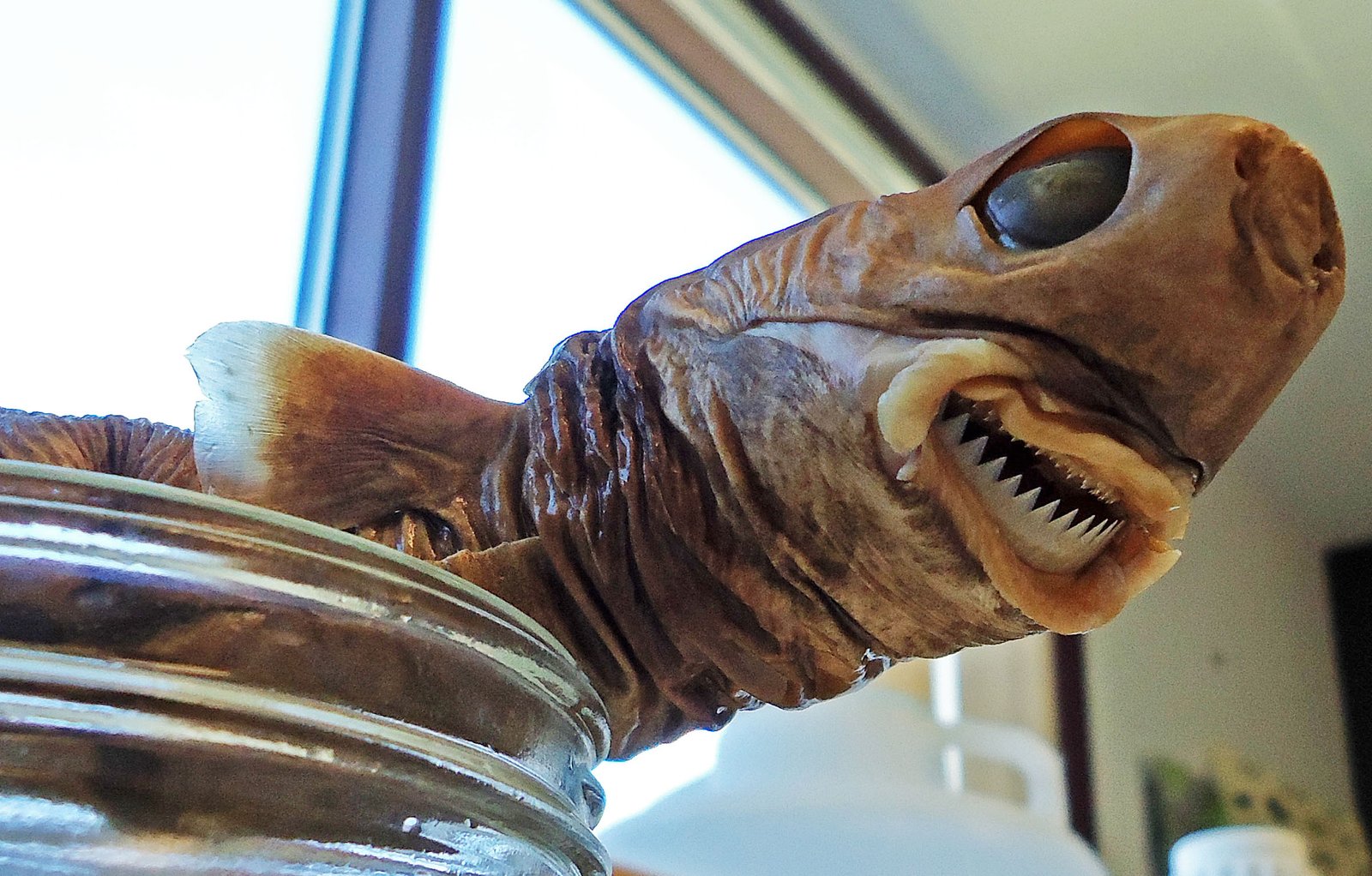
The cookiecutter shark may be small, but it’s got a bite that leaves a mark. With circular jaws lined with razor-sharp teeth, it latches onto larger animals and gouges out neat, cookie-shaped plugs of flesh. Whales, dolphins, and even submarines have been found with its telltale scars. It’s a shocking strategy for a small predator, proving that sometimes, the tiniest creatures leave the biggest impression.