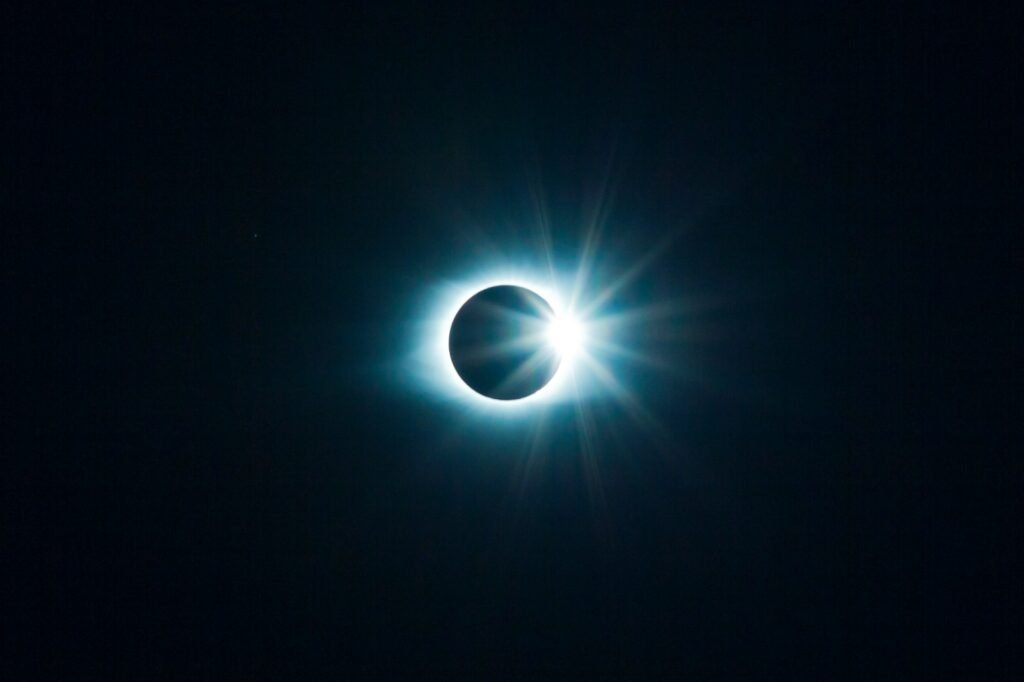

Imagine standing beneath a velvet night sky, watching the full moon slowly slip into Earth’s shadow, its silvery glow dissolving into haunting shades of copper and crimson. These moments feel almost otherworldly, stirring something deep and primal within us. But here’s a twist: though the moon orbits Earth every month, these breathtaking lunar eclipses are surprisingly rare. Why don’t we get treated to a lunar eclipse every full moon? The answer is a fascinating blend of celestial geometry, cosmic timing, and a bit of luck—one that reveals the intricate ballet our planet, its moon, and the sun perform every day. Let’s journey into the heart of this mystery and unravel why lunar eclipses don’t grace our skies each month.
The Dance of Three: Earth, Moon, and Sun
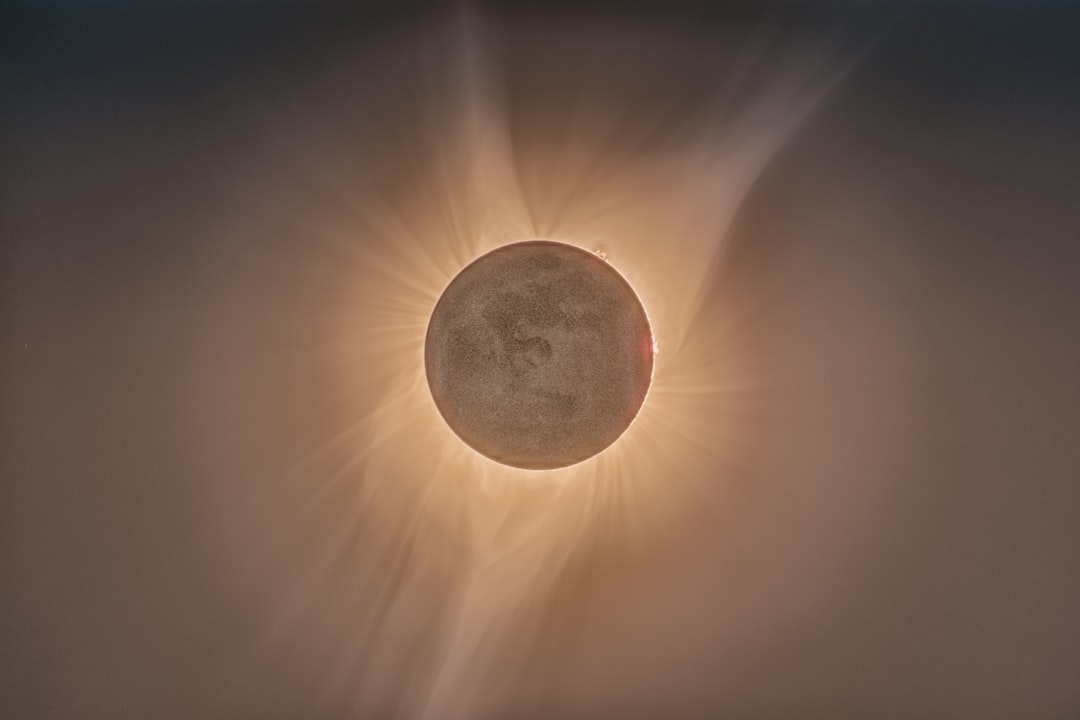
To truly understand lunar eclipses, you have to picture the cosmic dance between the Earth, the moon, and the sun. These three celestial bodies are locked in a slow-motion waltz, each moving along its own path. The sun, a massive ball of burning gas, sits at the center, while the Earth orbits it once every year. The moon, in turn, circles the Earth every 29.5 days. For a lunar eclipse to happen, all three need to line up just right—Earth in the middle, casting its shadow on the moon. It’s like three dancers needing to hit the same step at the same time, which isn’t as simple as you’d think.
The Moon’s Orbit: Not as Simple as It Seems
At first glance, you might assume the moon simply circles around Earth in a flat, predictable path. But the truth is a bit trickier. The moon’s orbit is tilted about 5 degrees relative to the path Earth takes around the sun (called the ecliptic). This tilt is tiny when you look up at the sky, but in cosmic terms, it makes a huge difference. Because of this angle, the moon usually passes a little above or below Earth’s shadow during most full moons, missing out on the alignment needed for an eclipse.
The Shadow Zones: Umbra and Penumbra
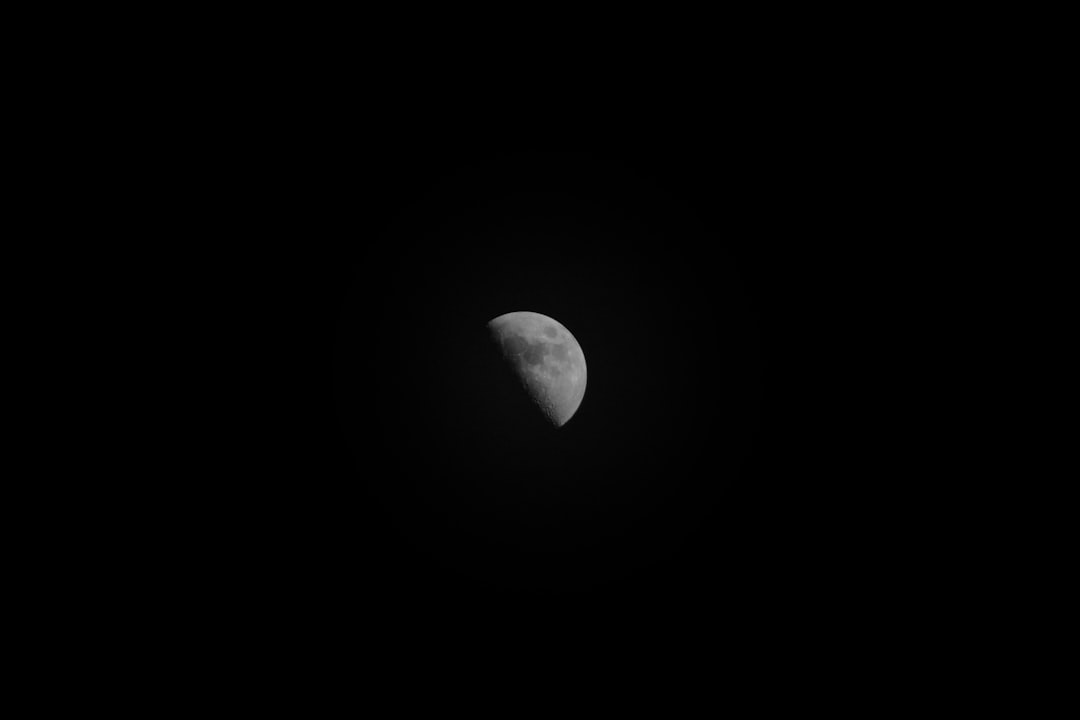
When Earth blocks the sunlight from reaching the moon, it casts two types of shadows: the umbra and the penumbra. The umbra is the dark, central part of the shadow where all sunlight is blocked, while the penumbra is the lighter, outer region where only part of the sun’s light is hidden. For a dramatic total lunar eclipse—the kind that turns the moon blood red—the moon must pass through the umbra. If it only passes through the penumbra, the effect is much subtler, barely noticeable to most people.
Why Most Full Moons Miss the Shadow
Even though the moon becomes full every month, it rarely lines up perfectly with Earth’s shadow. Most of the time, the moon is either too high or too low in the sky relative to the shadow that Earth casts. Think of it like trying to catch a shadow with a ball: unless you throw it at just the right angle, it will miss every time. That’s why lunar eclipses are so special—they’re the rare moments when everything lines up just right.
The Line of Nodes: Where Magic Happens
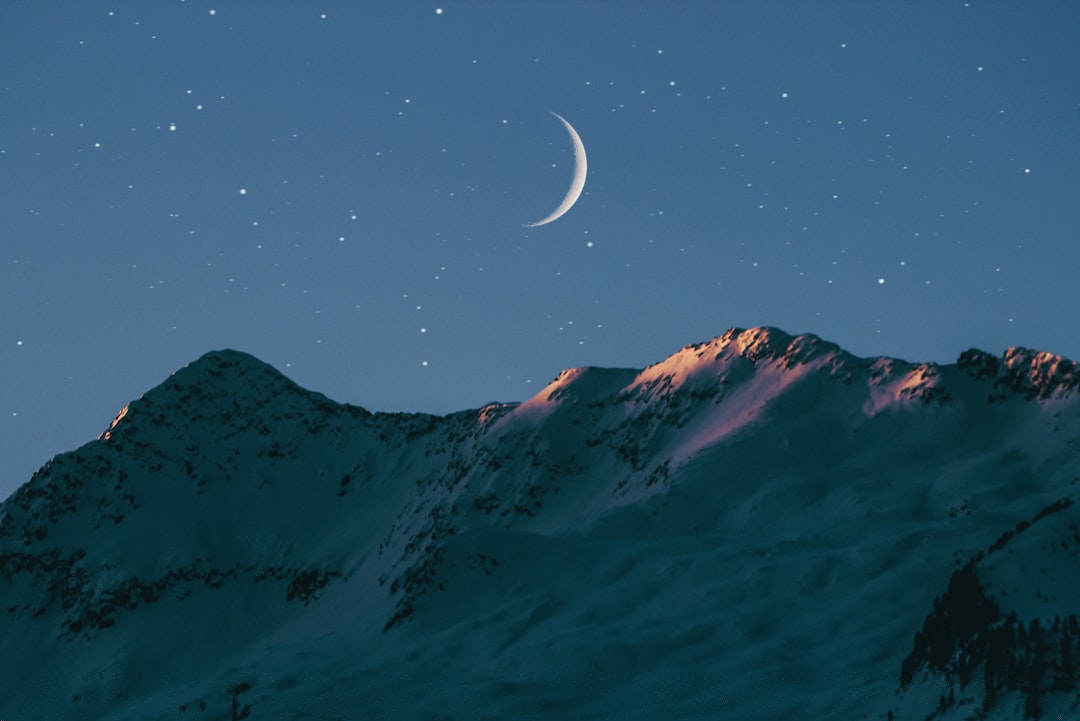
The points where the moon’s tilted orbit crosses the Earth’s orbital plane are called nodes. These invisible points are like cosmic crossroads. For a lunar eclipse to occur, the full moon has to be near one of these nodes at just the right time. If the timing is off—even by a couple of days—the moon misses the shadow, and the opportunity slips by. The nodes themselves slowly drift around the Earth, completing a full circle every 18.6 years, which adds another layer of complexity to the timing of eclipses.
The Ecliptic: Earth’s Path in Space
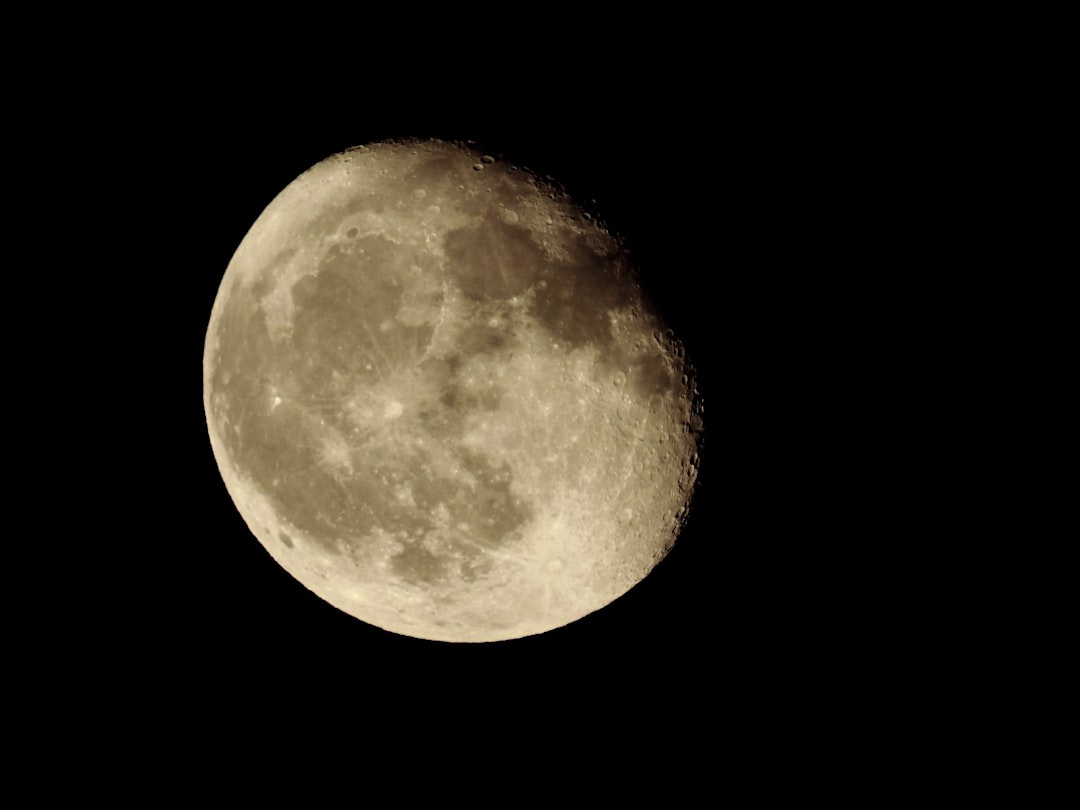
The ecliptic is the imaginary line that traces Earth’s yearly journey around the sun. The moon’s orbit is tilted relative to this path, which is why the moon isn’t always in the right place for an eclipse. This tilt is small, but it’s enough to mean that most months, the moon’s full phase happens when it’s above or below the ecliptic, and thus outside the Earth’s shadow. Only when the full moon happens to align closely with the ecliptic do we get an eclipse.
Lunar Eclipse Seasons: Brief Windows of Opportunity
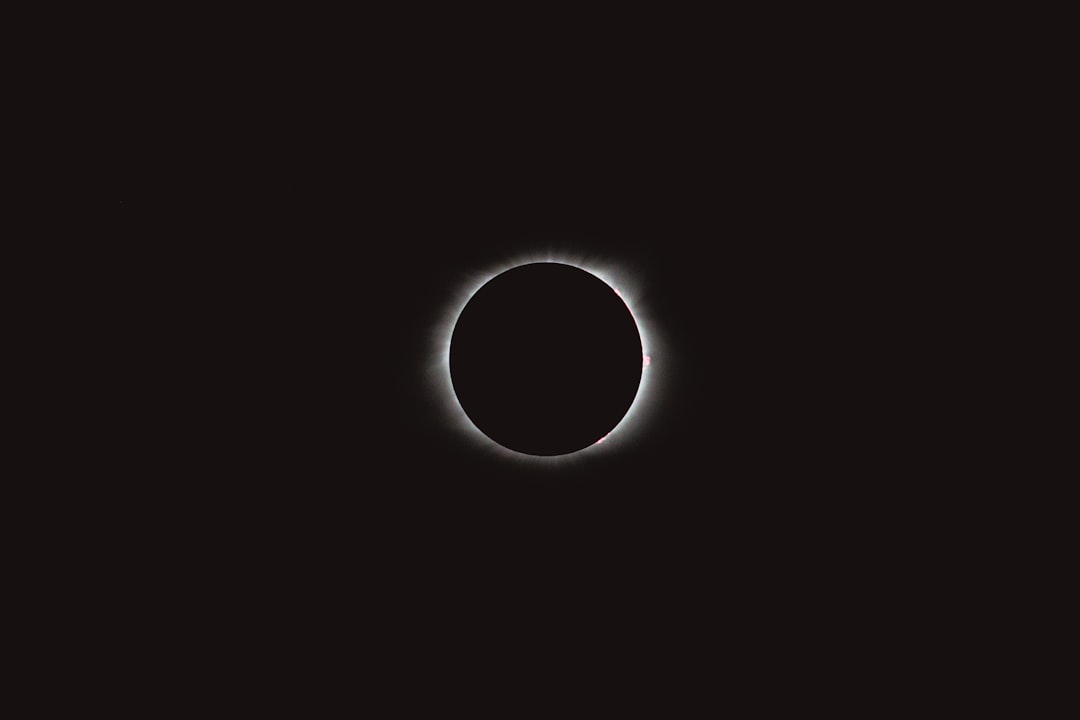
Twice each year, Earth experiences what are called eclipse seasons—periods lasting a few weeks when the sun is near one of the nodes, and the moon’s orbit can line up with Earth’s shadow. During these seasons, it becomes possible for both solar and lunar eclipses to occur. It’s like having a limited-time offer from the cosmos—if the full moon happens during this window, a lunar eclipse can happen. Otherwise, we have to wait for the next season.
Total vs. Partial vs. Penumbral Eclipses
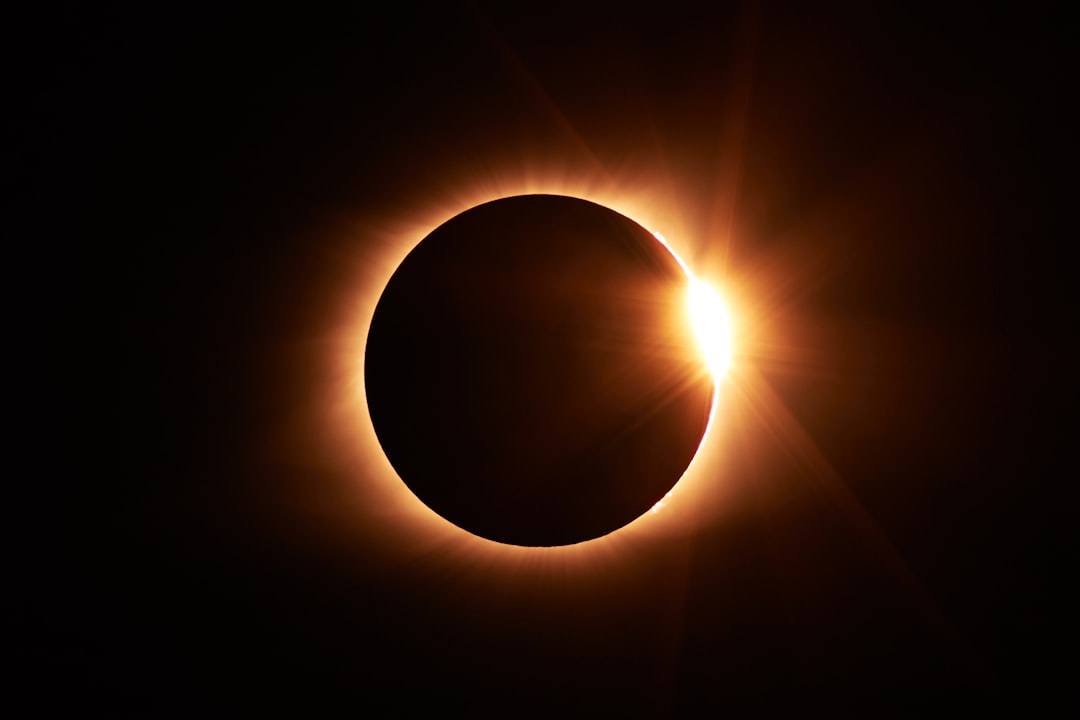
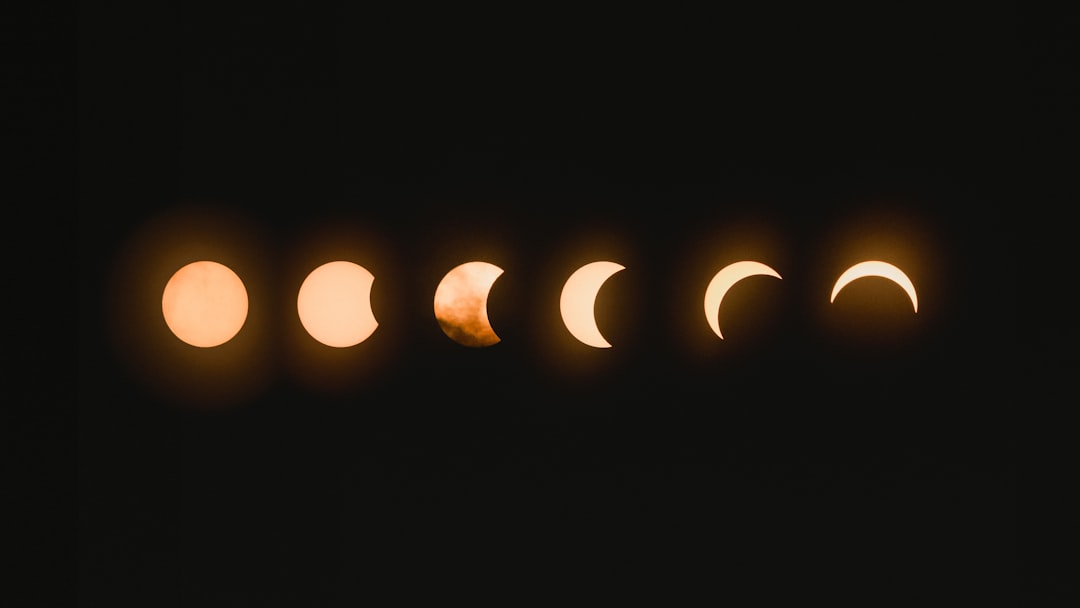
Not all lunar eclipses are created equal. Sometimes, the moon passes completely through the umbra, and we see a total lunar eclipse—these are the show-stoppers, with the moon turning a ghostly red. Other times, only part of the moon enters the umbra, resulting in a partial eclipse with a dramatic dark “bite” taken out. The most subtle are penumbral eclipses, where the moon just grazes the edge of Earth’s shadow, causing only a faint shading that’s easy to miss if you’re not looking closely.
The Role of Time: Why Eclipses Are Predictable
Despite all the complexity, astronomers can predict eclipses years or even decades in advance. This is because the movements of Earth and the moon follow precise, repeatable patterns. Using mathematical models and centuries of observations, scientists know exactly when the full moon will align with the nodes and when Earth’s shadow will cloak the moon. It’s a testament to the beauty of celestial mechanics—that something so rare can still be mapped out with such certainty.
The Saros Cycle: Eclipses on Repeat
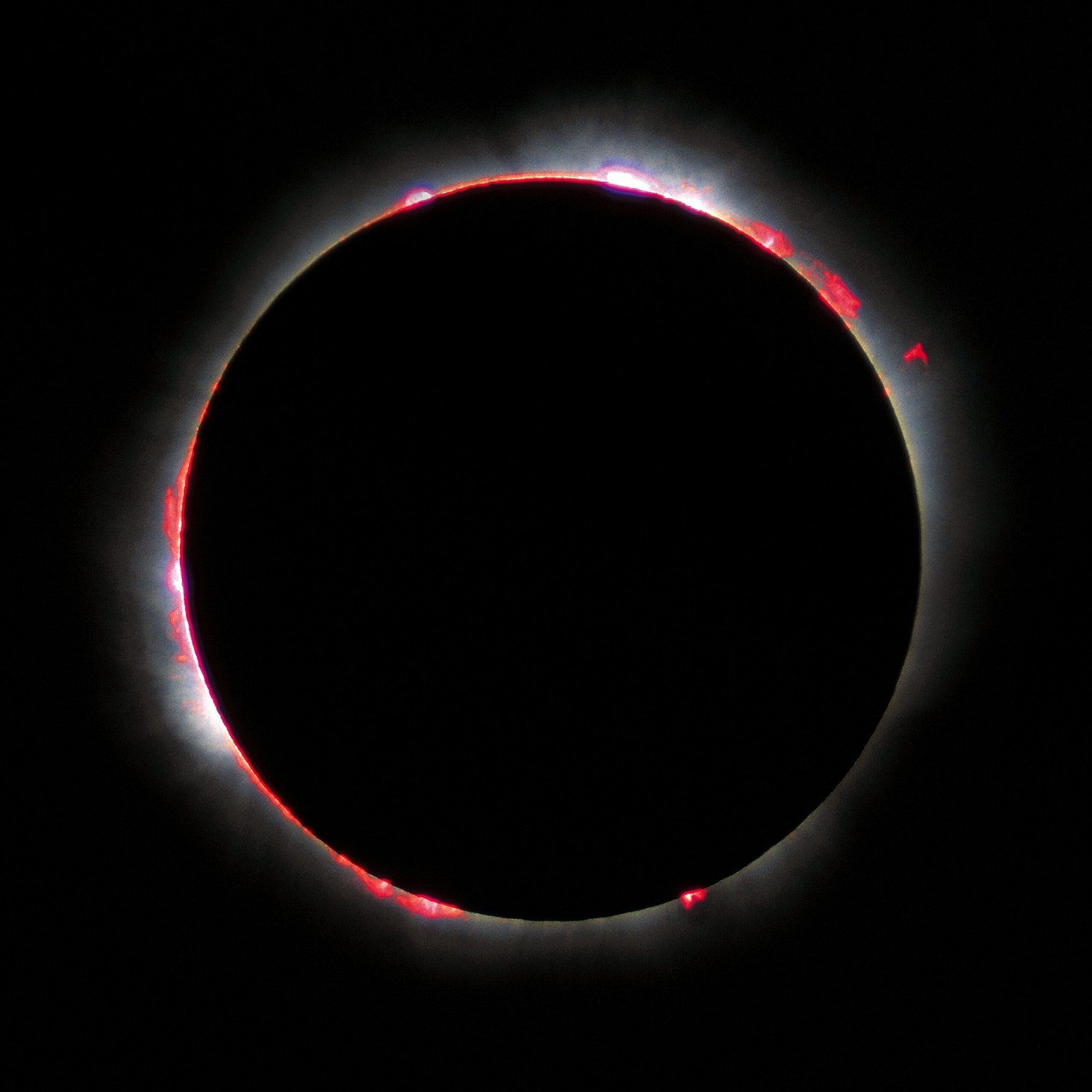
One of the most fascinating things about eclipses is their tendency to repeat in cycles. The Saros cycle, lasting about 18 years, 11 days, and 8 hours, is a period after which nearly identical eclipses occur. This pattern arises because the orbits of Earth and the moon return to roughly the same geometry after this time. It’s almost like the universe hits a “replay” button, though no two eclipses are ever truly identical.
How Ancient Cultures Interpreted the Rarity
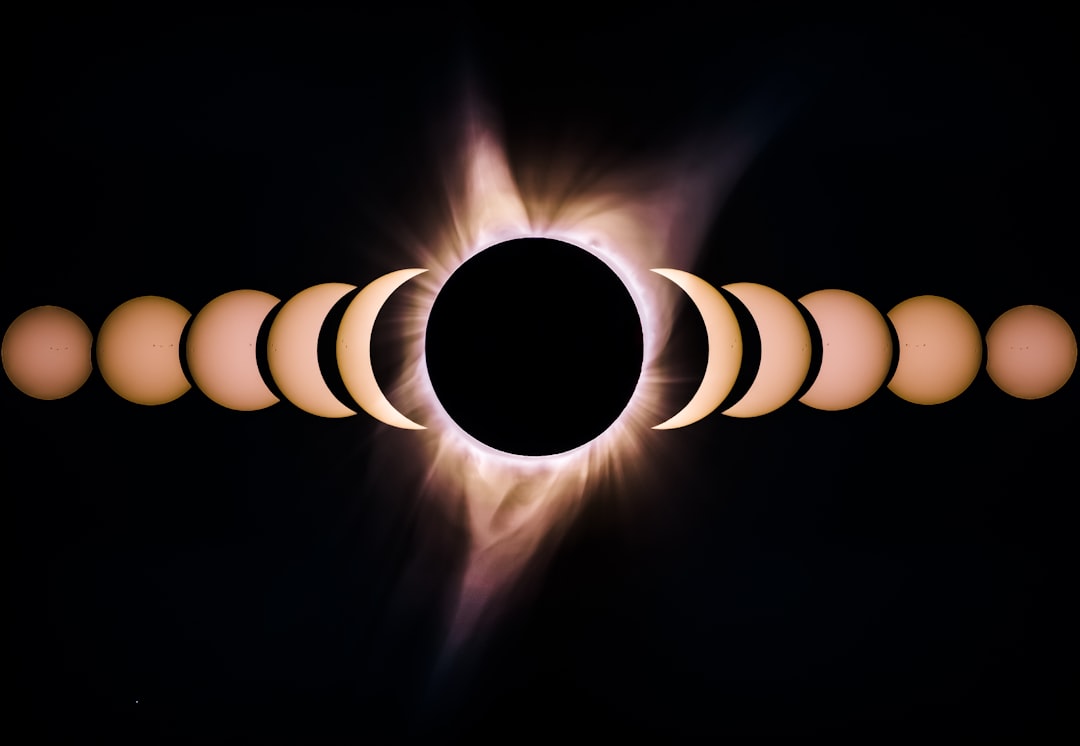
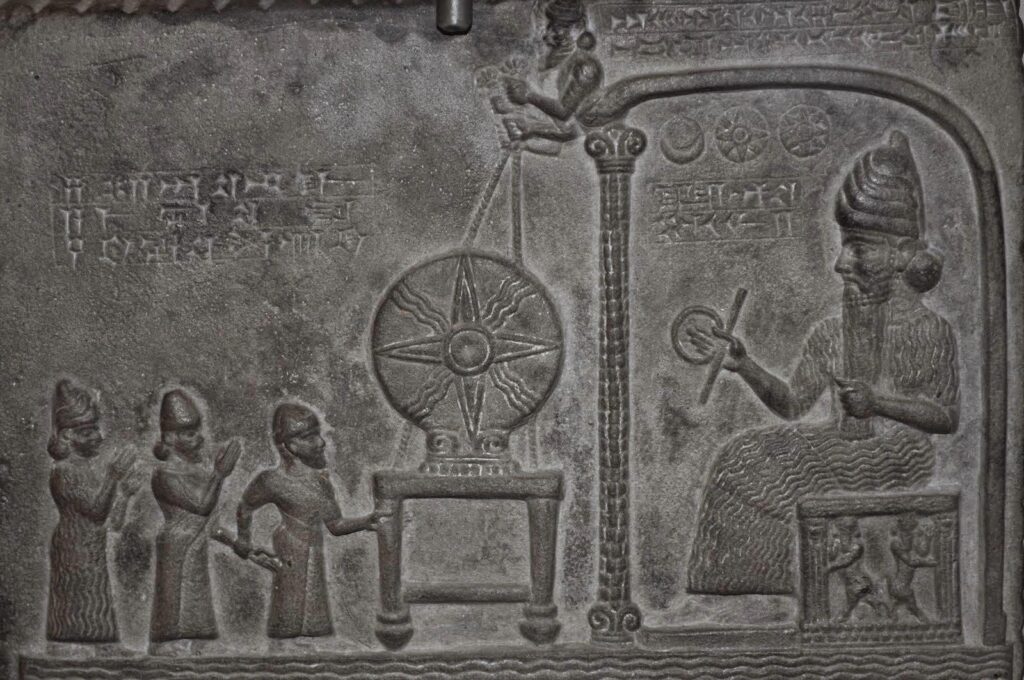
For ancient civilizations, lunar eclipses were mysterious and often terrifying events. The rarity of these occurrences made them seem like omens or messages from the gods. Some cultures believed a dragon or monster was swallowing the moon, while others saw them as warnings of change. The infrequency of eclipses only heightened their power in the human imagination, leading to elaborate myths and rituals to explain and appease these cosmic events.
The Science Behind the Red Moon
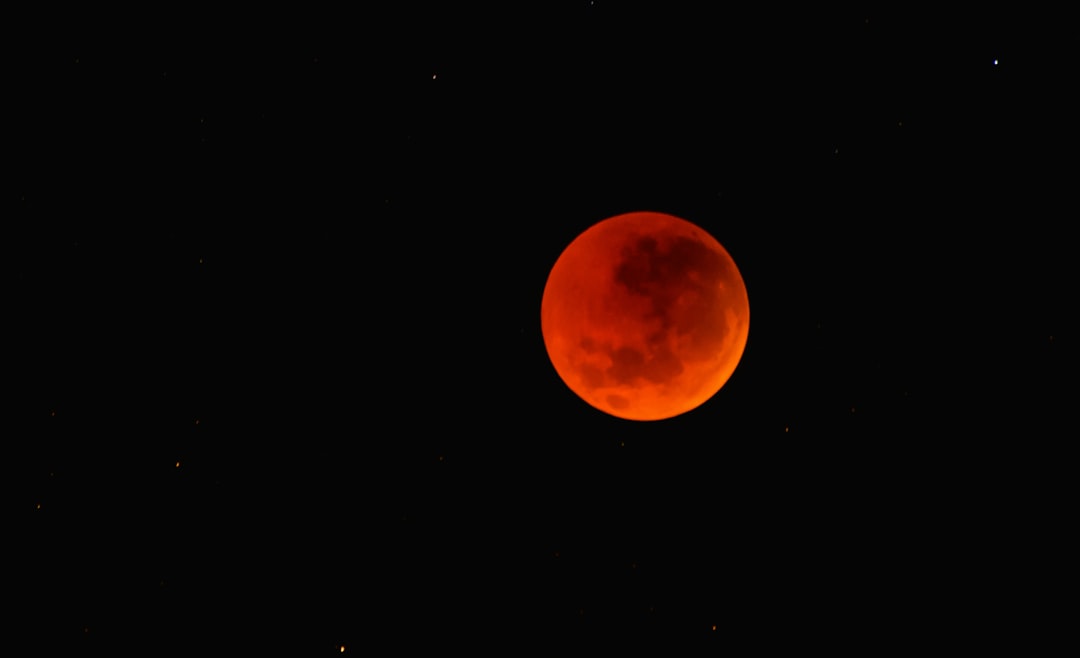
During a total lunar eclipse, the moon often takes on a deep red or copper hue. This happens because, even though Earth is blocking direct sunlight, some sunlight still bends around the edge of the planet, filtering through our atmosphere. The atmosphere scatters blue light (which is why the sky is blue during the day) but lets the red light pass through, painting the moon with those eerie, dramatic colors. It’s a powerful reminder of the interconnectedness of Earth, its air, and the world beyond.
The Frequency: How Often Do Eclipses Occur?
On average, there are about two to four lunar eclipses each year, but not all are visible from every location on Earth. Total lunar eclipses are even rarer, often only occurring once every few years for a given spot. This scarcity makes each event feel like a cosmic lottery win. People travel across continents just for a glimpse, and entire communities gather to watch the spectacle unfold.
What You Miss If You Blink
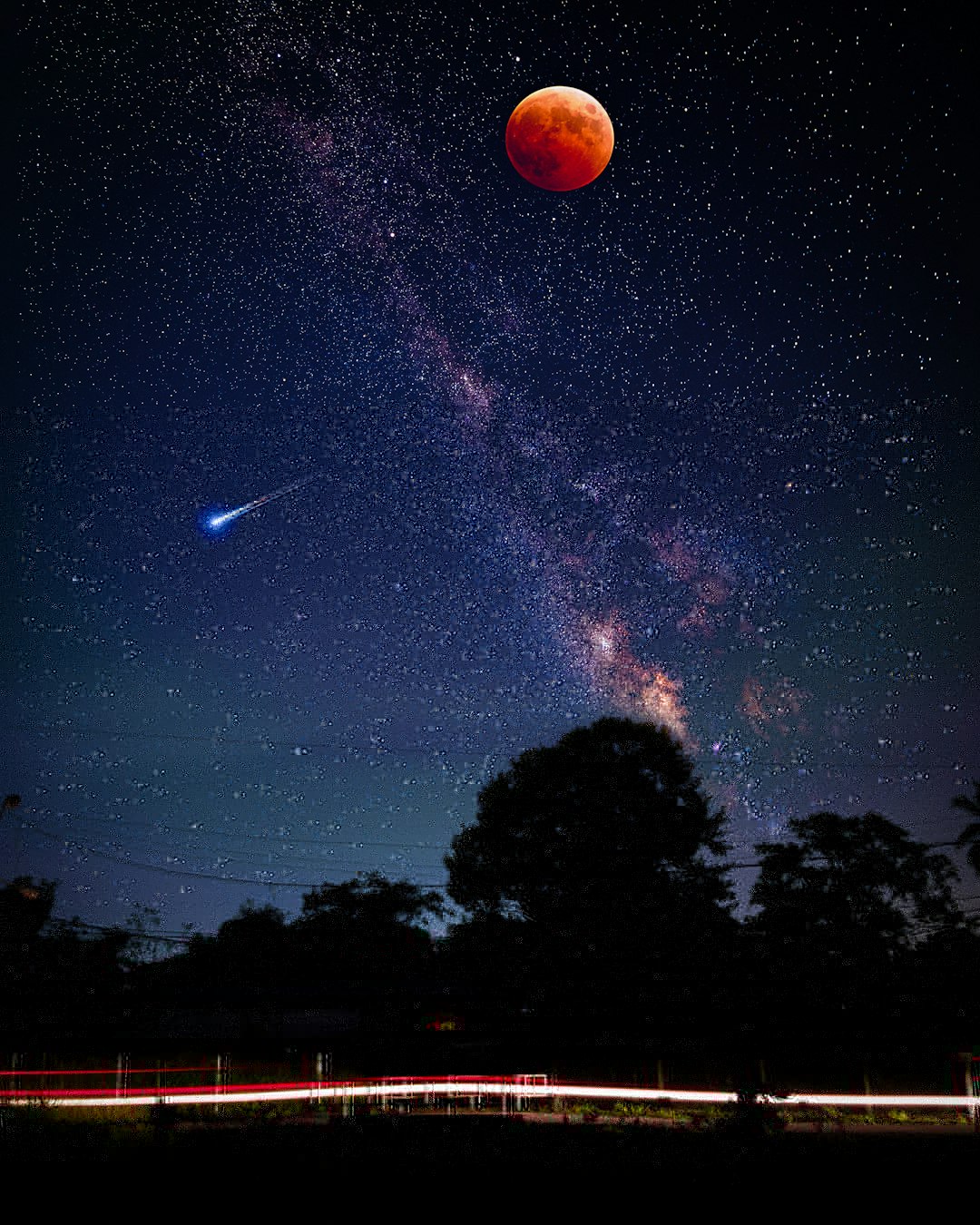
Lunar eclipses can last several hours, but the most dramatic moments—the entrance and exit of the moon into the umbra—can be over in a matter of minutes. If you’re not paying attention, you might miss the very best part. There’s a thrill in knowing that, even in our age of streaming and on-demand everything, some wonders are fleeting, demanding patience and presence.
Watching Eclipses: A Shared Human Experience

There’s something magical about coming together under an open sky to watch a lunar eclipse. Unlike solar eclipses, which require special glasses and last only minutes, lunar eclipses are safe to watch with the naked eye and linger for hours. Families, friends, and strangers gather in parks and backyards, sharing stories and snacks as they gaze upwards. It’s a reminder that, despite our differences, we’re all connected by the same sky.
Modern Technology and the Future of Eclipse Watching
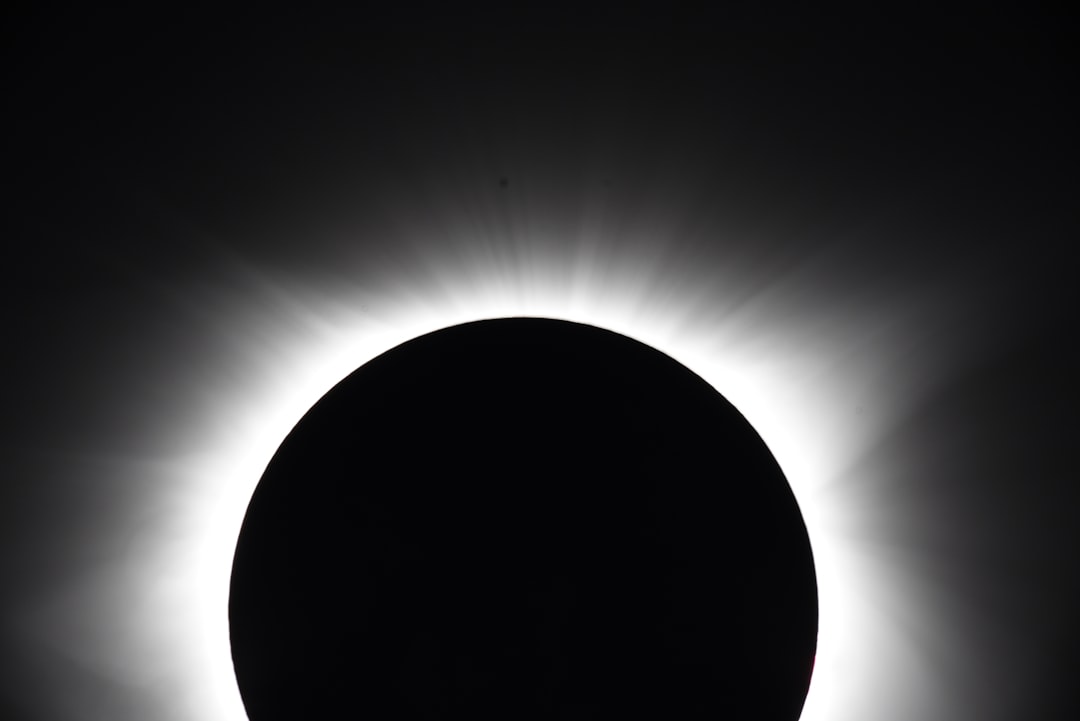
Today, technology lets us predict, record, and share eclipses like never before. With apps and telescopes and livestreams, even those clouded out or on the wrong side of the planet can join in. But there’s still nothing quite like stepping outside, feeling the cool night air, and seeing the moon slip into shadow with your own eyes. As we continue to explore space and learn more about our place in the universe, lunar eclipses remain a beloved, awe-inspiring part of the human story.
Final Thoughts: Embracing the Rarity
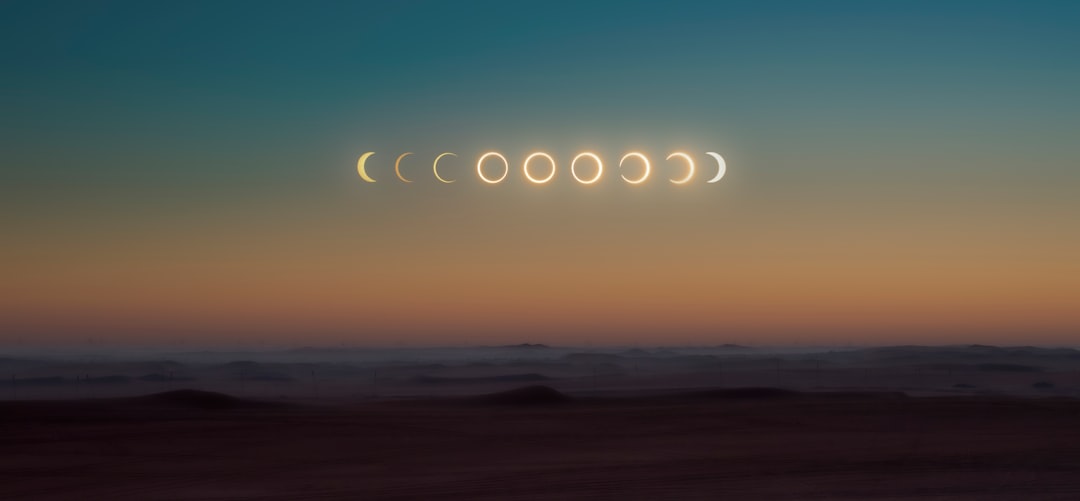
Lunar eclipses remind us how rare and wonderful our universe can be. Their elusive nature teaches us patience and wonder, urging us to slow down and savor the moments when Earth, moon, and sun align in perfect harmony. Next time you hear about an upcoming eclipse, mark your calendar and invite someone to watch it with you. These celestial events are gifts—fleeting, spectacular, and deeply human.