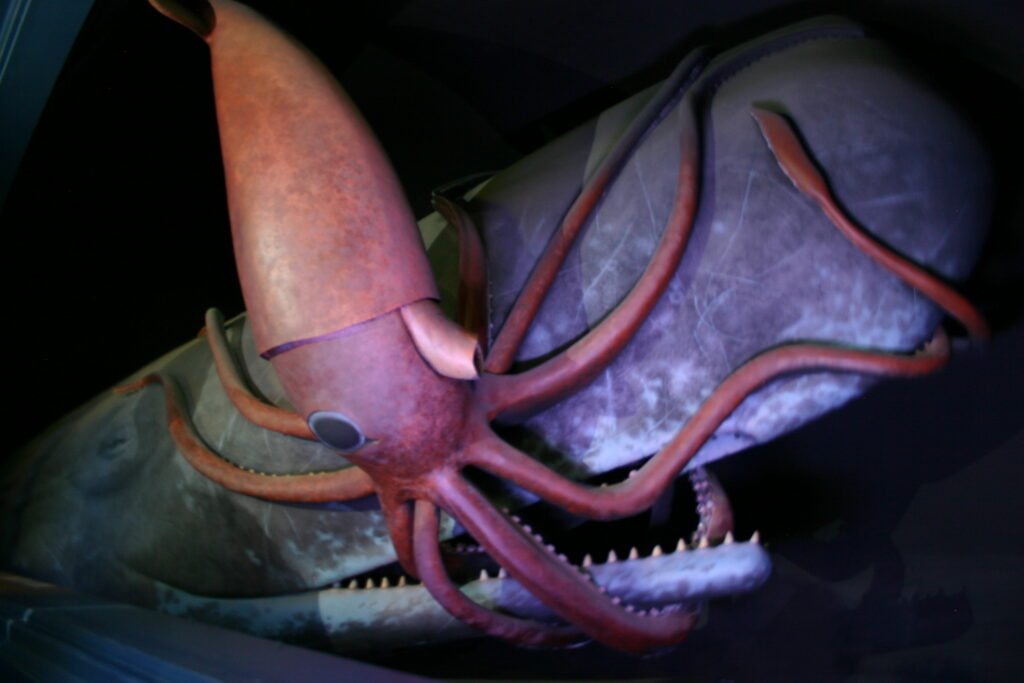

Imagine venturing into a world so dark that sunlight never dares to reach it—a world where pressure could crush a submarine and strange, glowing creatures drift through endless blackness. This isn’t the plot of a sci-fi movie; it’s the reality of the deep sea, Earth’s most mysterious frontier. Here, hidden among the shadows, lives a creature so astonishing it almost sounds like fantasy: the deep-sea squid that talks to its neighbors using flashes and pulses of polarized light. If you think whales singing or fireflies blinking are strange, wait until you’ve discovered how these squids outshine them all with their secret language.
The Deep Ocean: An Unseen Universe

The deep ocean covers more than half the planet, yet it remains one of the least explored places on Earth. Most of us picture a silent, empty abyss, but in reality, it’s home to a dazzling variety of life. Down here, darkness is absolute, and survival demands creativity. Squids, with their soft bodies and sharp minds, have evolved incredible ways to thrive in this harsh world. The scarcity of light led some animals, like this remarkable squid, to develop communication tools no land creature could ever imagine.
Meet the Master: The Enigmatic Deep-Sea Squid

This squid isn’t your average calamari. It’s a master of stealth and illusion, blending seamlessly into the blackness. Its body is lined with specialized cells that can emit faint glows or shimmer with hidden patterns. Unlike the flamboyant cuttlefish or the giant squid of legends, this deep-sea dweller is all about subtlety. It has evolved to send messages not in plain sight, but in a language only a select few can see: pulses of polarized light.
The Science of Polarized Light

Most light we see bounces around chaotically, but polarized light is neatly organized, with all its waves moving in the same direction. Humans can barely detect polarization, but many sea creatures are experts at it. Polarized light can cut through the murkiness of the ocean, making it the perfect tool for secret communication. Picture it like a private radio channel—only those tuned in can hear the message. For deep-sea squids, it’s a way to share secrets without predators eavesdropping.
How Squids Create Polarized Light Pulses

The squid’s skin is a marvel of nature, packed with cells called iridophores. These tiny structures act like microscopic mirrors, reflecting light in specific patterns. By changing the angle or tension of their skin, squids can control the polarization of the light they emit. It’s as if they’re sending coded flashes, invisible to most but obvious to those who understand the language. This ability isn’t just a parlor trick—it’s a vital part of their survival strategy.
Communication in the Darkness: Why It Matters
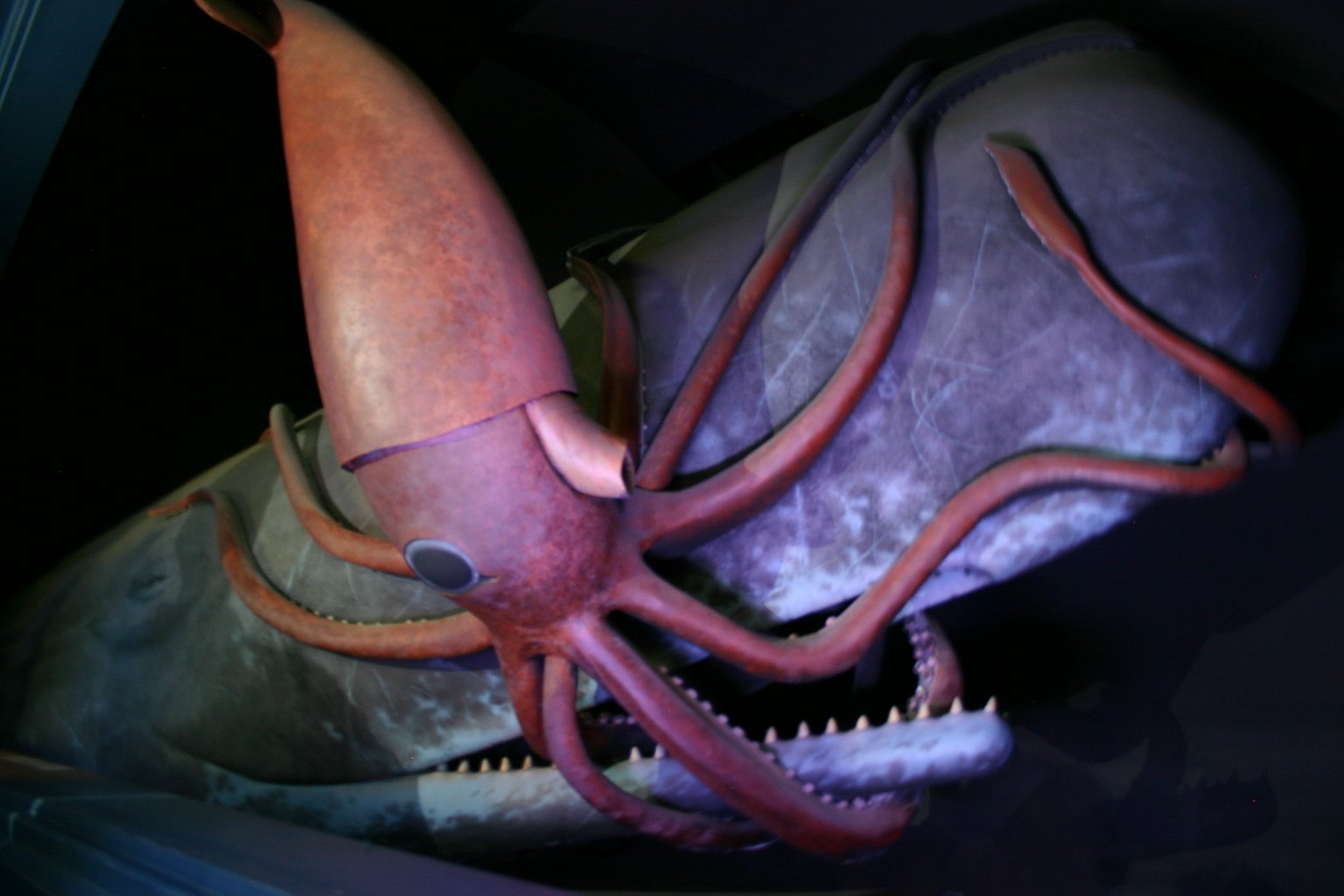
Living in the pitch-black deep sea, squids can’t rely on sound or color to communicate. Instead, they use polarized light to send quick, silent messages. These signals can warn others of danger, attract mates, or coordinate hunting. Since only certain animals can detect polarized light, it’s like whispering in a crowded room—only your friends can hear you. This selective communication keeps them safe from predators and helps build complex social networks.
The Secret Language of Squids

Scientists believe these squids have developed a whole lexicon of light-based signals. A quick pulse might mean “follow me,” while a slow, steady flash could signal “danger ahead.” Each pattern is unique, and researchers are only beginning to decipher their meanings. It’s a bit like cracking the code of Morse or learning to read braille, but with light instead of dots and dashes. The intricacy of this language hints at the intelligence hidden beneath those big, inky eyes.
Polarized Light: The Perfect Underwater Camouflage
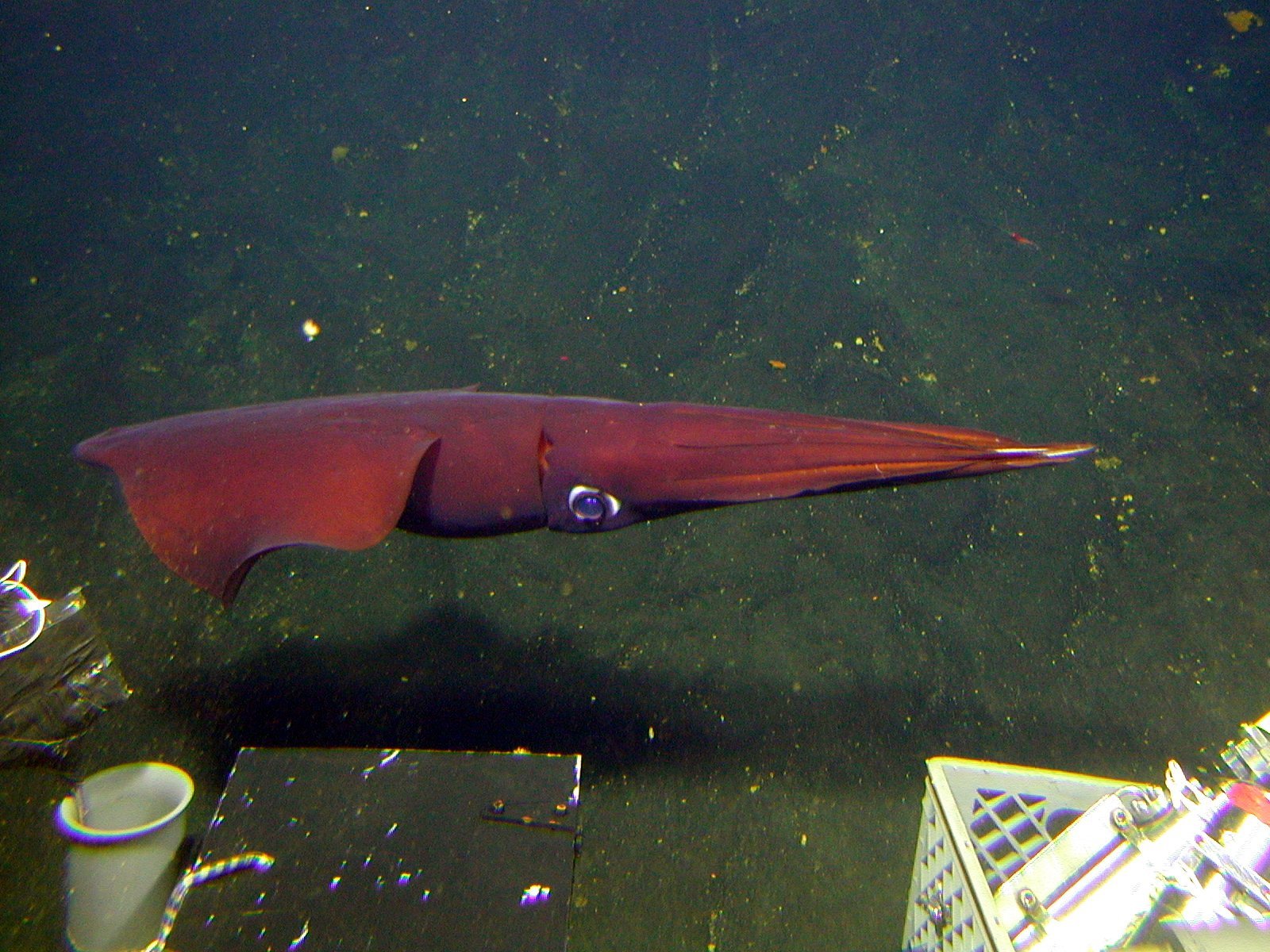
Besides communicating, these squids use polarized light to hide in plain sight. By matching the polarization of the background light, they can become nearly invisible to predators. It’s a high-tech version of a chameleon’s camouflage—one that works even in the pitch dark. This adaptation gives them a crucial edge in the deep, where every shadow could hide a threat.
Predators and Eavesdroppers: The Arms Race Continues

Not every creature is left in the dark. Some deep-sea predators have evolved eyes that can pick up polarized light, turning the squids’ secret messages into easy targets. In response, squids constantly change their signaling patterns, staying one step ahead. It’s an ongoing arms race, with each side pushing the other to new heights of evolution. This dynamic has shaped not just the squid’s behavior, but the entire ecosystem around them.
The Role of Bioluminescence in Squid Communication

While polarized light is their specialty, many deep-sea squids also use bioluminescence—producing their own light through chemical reactions. Sometimes, they combine both tricks, creating dazzling displays that serve multiple purposes. A flash of blue-green light might lure prey or confuse a predator, while a polarized flicker sends a private message to a nearby ally. This layered approach to communication shows just how sophisticated these animals really are.
Human Discovery: How We Uncovered the Squid’s Secret

For years, scientists had no idea that squids were holding secret conversations in the dark. It took advances in underwater cameras and lighting to finally catch them in the act. When researchers first noticed strange flashes on their monitors, they were baffled. Only after carefully analyzing the light did they realize it was polarized, and that the squids were using it deliberately. This discovery opened a new chapter in our understanding of ocean life.
Tools of the Trade: Studying Polarized Light Underwater

Studying these squids isn’t easy. The deep sea is a hostile place, and normal cameras can’t detect polarized light. Scientists now use specially designed sensors and filters to capture the squids’ hidden signals. Remote-operated vehicles (ROVs) and deep-diving submarines have become essential for these missions. Each glimpse of polarized flashes brings new insights—and new questions—about how communication works in the world’s darkest places.
Polarized Vision: How Squids and Their Kin See the World
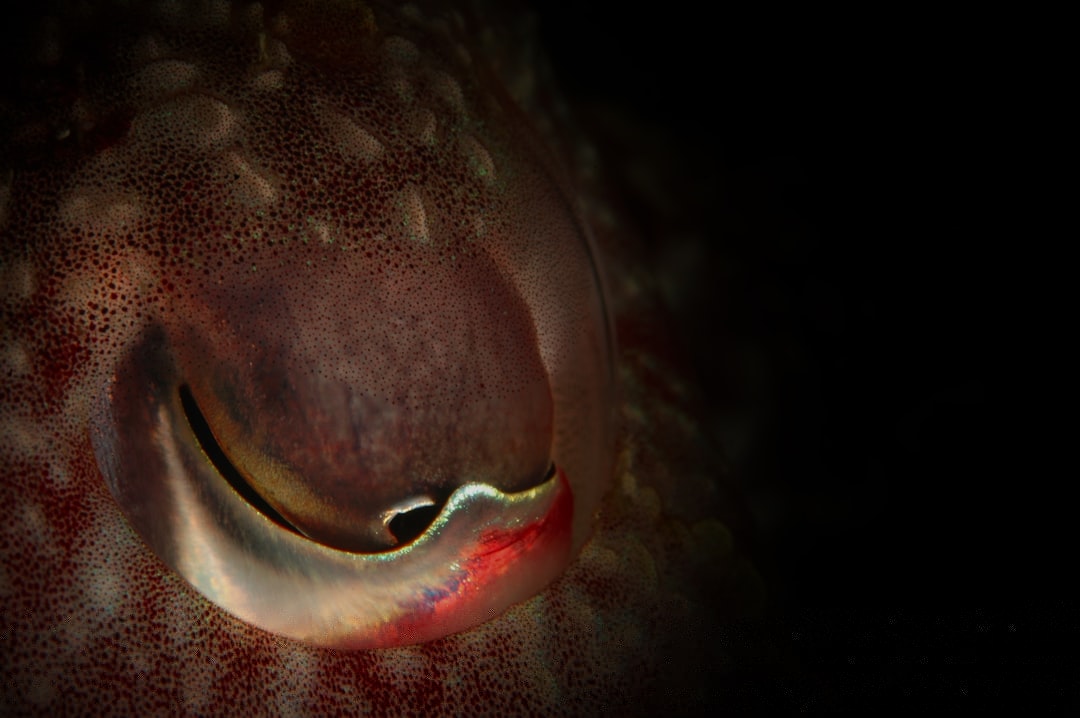
Unlike humans, many sea creatures have eyes tuned to pick up polarization. The squid’s own vision is perfectly adapted for this task, allowing them to see signals invisible to most animals. Some species can even adjust their sensitivity, focusing on polarized light when needed. This ability gives them a unique perspective on their environment, transforming the deep sea from a black void into a vibrant, shifting landscape of secret messages.
Implications for Technology: Lessons from the Deep

The squid’s mastery of polarized light has inspired engineers and scientists looking to improve human technology. Polarized lenses, stealth materials, and secure communication systems all draw on lessons from these amazing animals. By studying how squids send and receive signals, researchers hope to develop new ways of hiding or sharing information—whether it’s for submarines, satellites, or even your next pair of sunglasses.
Conservation Concerns: The Fragile World of the Deep Sea
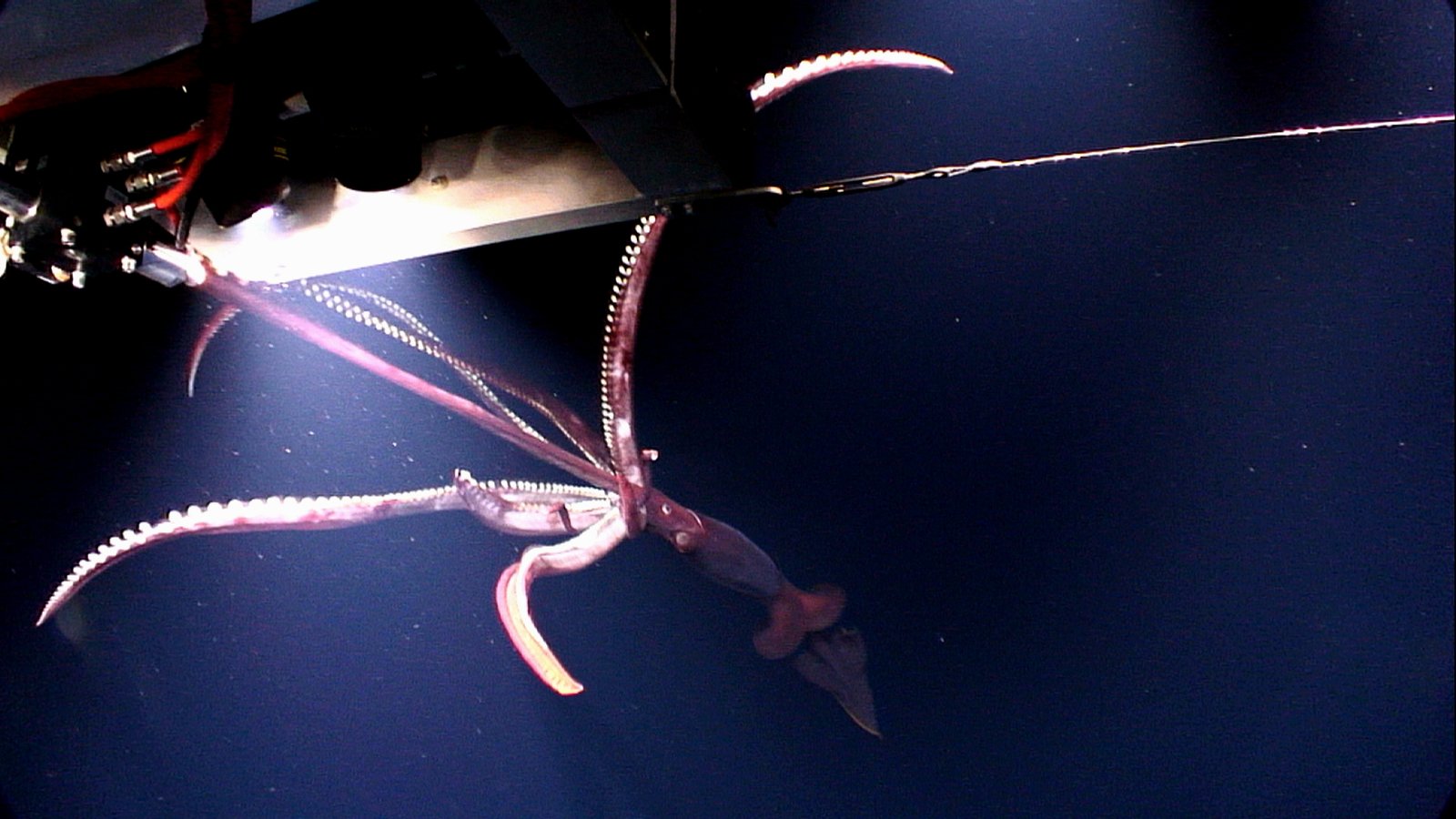
As we learn more about deep-sea squids, we also realize how vulnerable their world is. Pollution, deep-sea mining, and climate change threaten their habitats in ways we’re only starting to understand. Protecting these mysterious creatures means preserving not just their homes, but also the secrets they hold. Every discovery is a reminder of how much we still have to learn—and how much we stand to lose.
Fascination and Mystery: Why the Deep-Sea Squid Captures Our Imagination

There’s something undeniably captivating about a creature that glows in the dark and speaks in pulses of hidden light. The deep-sea squid challenges our understanding of life, intelligence, and communication. Its secret language reminds us that nature is always more inventive than we expect, and that the world’s greatest wonders are often hiding where we least expect them. For scientists and dreamers alike, these squids are living proof that the ocean still holds countless mysteries.
The Future of Deep-Sea Research

With every new expedition, scientists uncover more about the lives of deep-sea squids. Advances in technology promise even greater discoveries, from unraveling the squid’s full vocabulary to understanding how their minds work. As we peer deeper into the abyss, we find not emptiness, but complexity and connection. The journey is just beginning, and who knows what other secrets the ocean might reveal next?
Final Reflections: The Light That Connects the Darkness
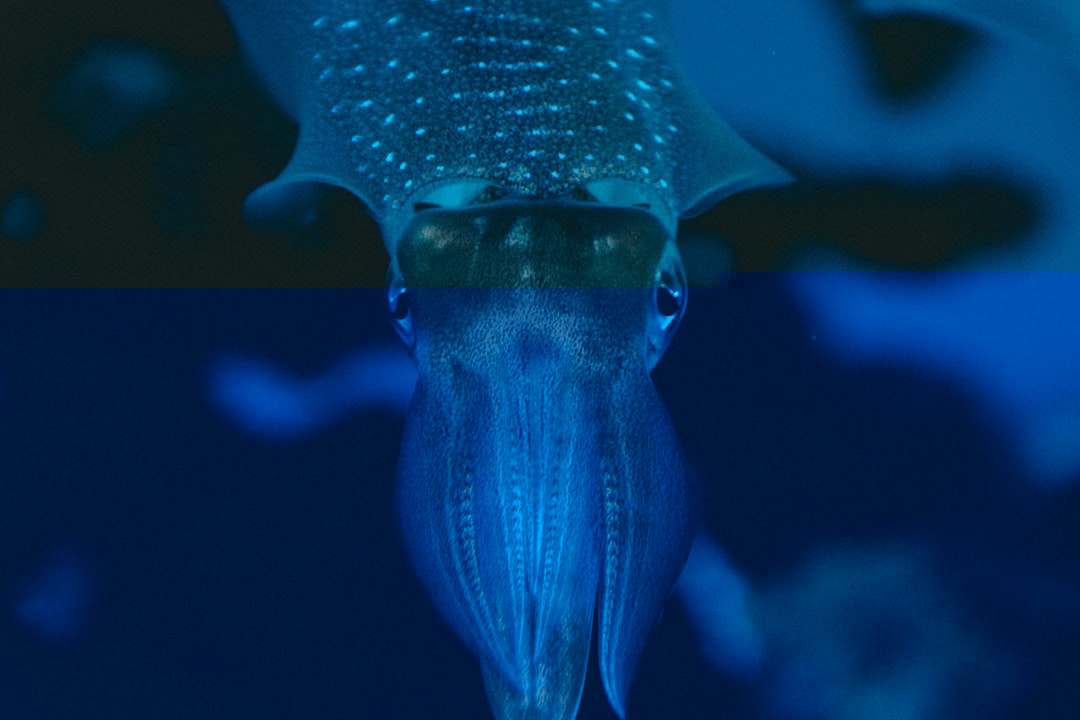
The story of the deep-sea squid is a testament to the ingenuity of life and the marvels still hidden beneath the waves. In a world defined by darkness, these creatures have found a way to connect and communicate, turning the impossible into reality. Their pulses of polarized light remind us that even in the deepest shadows, there is beauty, intelligence, and hope. Have you ever wondered what other secrets are waiting for us in the dark?