
What if the world’s driest deserts once shimmered under waves, teeming with ocean life so bizarre it could make your jaw drop? Imagine standing in the scorching Sahara or the endless stretches of the Gobi, only to realize you’re walking on what used to be a bustling seabed, packed with ancient creatures whose bones now whisper secrets of eons past. This is the astonishing story of how deserts hide the bones of ocean giants, and how every fossil unearthed is a postcard from a world we barely recognize. Let’s dive into the sands and sift through time, where every rock can become a window into an ancient sea.
The Surprising Link Between Deserts and Oceans
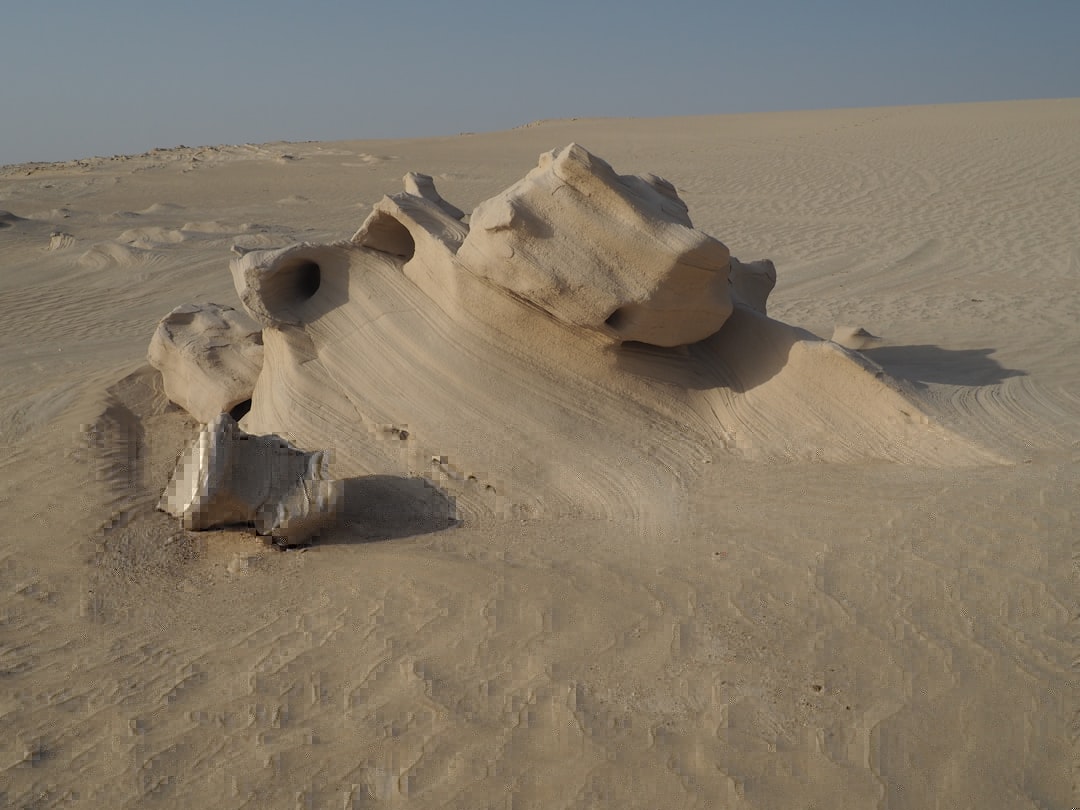
It’s hard to imagine a place like the Sahara Desert as anything but dry, hot, and lifeless. Yet, millions of years ago, this same region was submerged beneath warm, shallow seas. Fossils of ancient whales, shellfish, and even marine reptiles have been discovered here, challenging our deepest assumptions about Earth’s past. This transformation from ocean to desert is a dramatic tale written in layers of rock and sand. The evidence is all around us, from the limestone cliffs to the fossilized shells scattered across the ground. Every discovery in these arid lands reminds us that landscapes can change in ways that boggle the mind.
How Fossils Are Formed in Ancient Seabeds
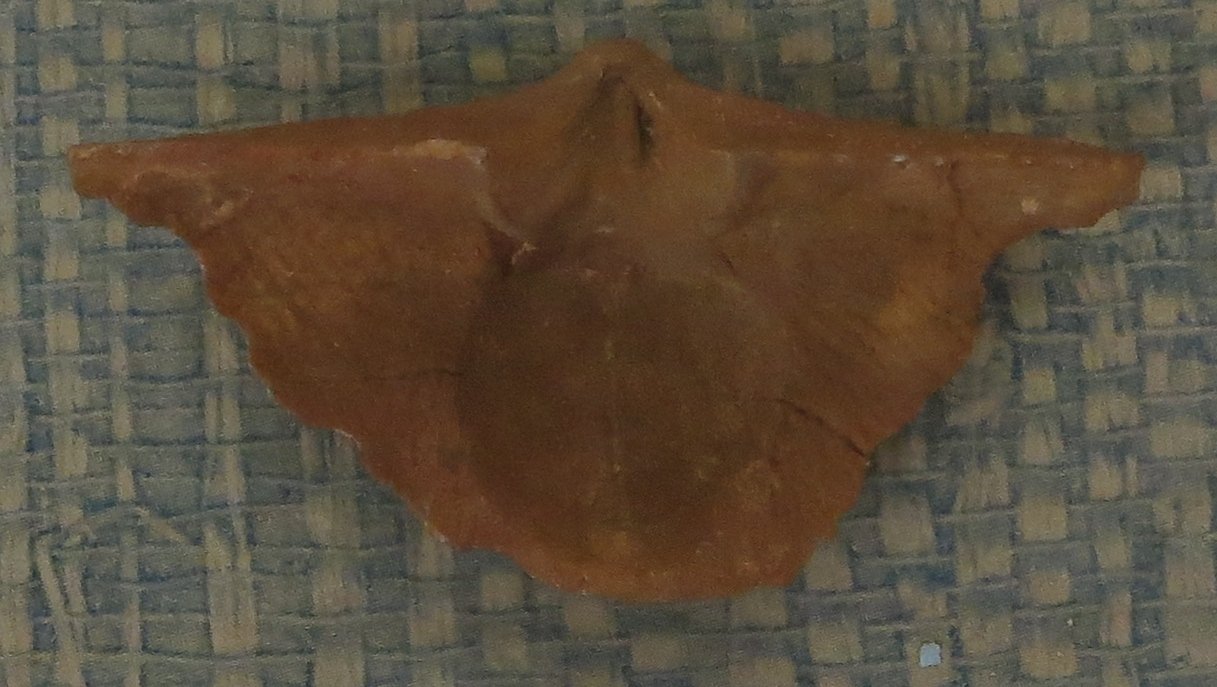
The fossilization process begins when an organism dies and sinks to the seabed. Over time, layers of sediment bury it, protecting the remains from scavengers and the elements. Minerals in the water slowly seep in, replacing organic material and turning bone into stone. The result? Fossils that can last for millions of years, waiting to be discovered. It’s a slow, patient process—nature’s own time capsule. The specific conditions of ancient seabeds, with their gentle, silty waters, were perfect for preserving shells, skeletons, and even footprints.
Revealing the Sahara’s Drowned Past
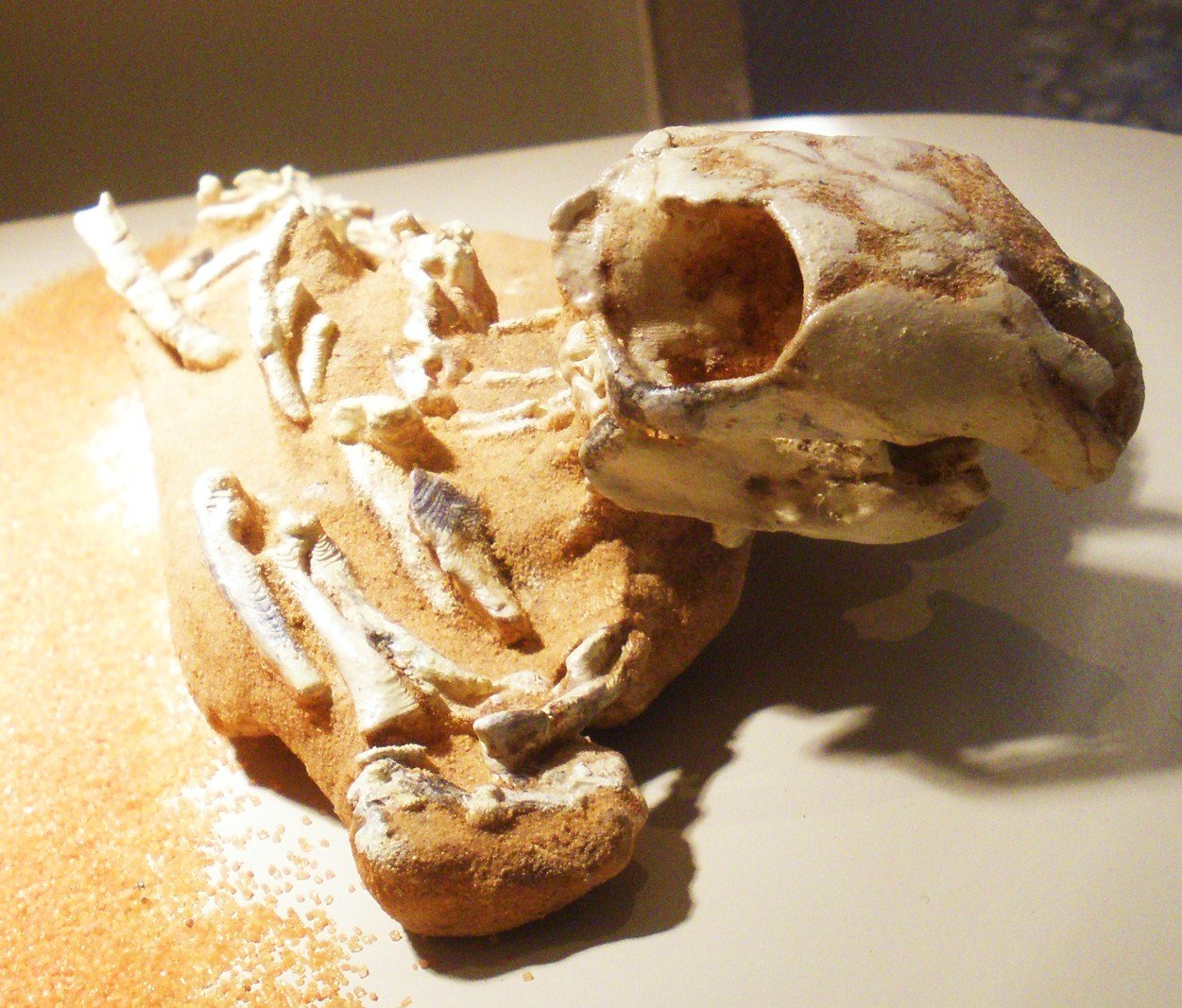
The Sahara is now famous for its endless sand dunes and scorching sun, but it once hosted a vast inland sea. In places like the Valley of the Whales (Wadi Al-Hitan) in Egypt, paleontologists have uncovered the skeletons of ancient whales known as Basilosaurus. These fossils, lying exposed in the desert, are stunning evidence of the ocean life that once thrived here. The very ground crunches underfoot with fossilized shells and fish bones. It’s almost haunting to think of waves rolling where now only sandstorms rage.
The Gobi Desert’s Marine Mysteries
The Gobi Desert of Mongolia is a treasure trove for fossil hunters. While most famous for its dinosaur fossils, the Gobi was once covered by a vast epicontinental sea. Marine fossils, including ammonites and ancient sharks, have been found here, revealing that the desert was once a thriving underwater world. These discoveries have helped scientists piece together the movements of continents and the dramatic shifts in Earth’s climate. The Gobi’s fossil beds read like a diary of vanished oceans and the creatures that called them home.
The Shifting Dance of Continents
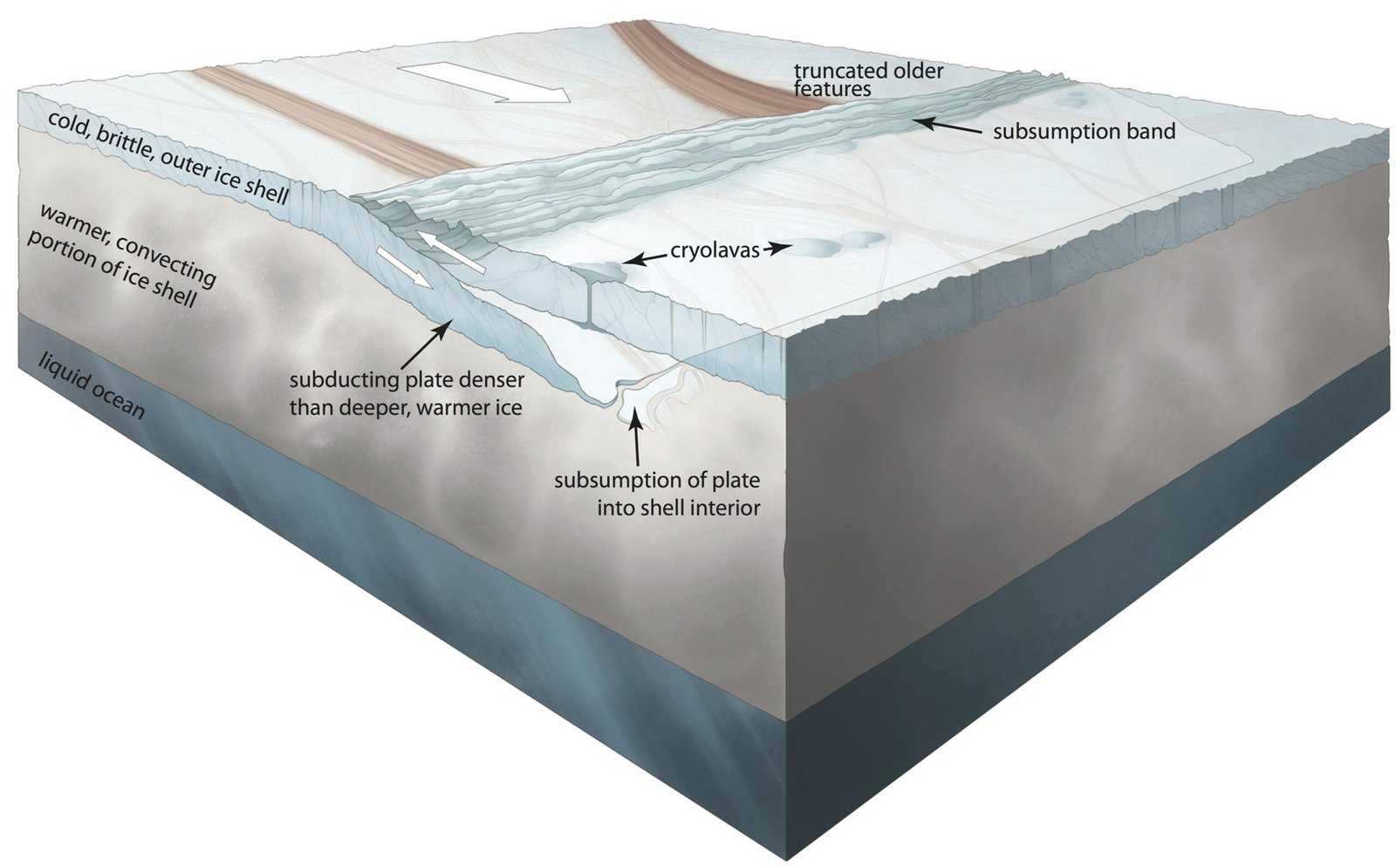
Earth’s continents have never stood still—they drift, break apart, and collide in an endless waltz known as plate tectonics. This movement is why we find ocean fossils high in mountain ranges or deep in deserts today. As continents shift, seas vanish and new land emerges, leaving behind fossil clues in the most unlikely places. The presence of marine fossils far from any present-day ocean is a testament to this restless planet. It’s like finding seashells on a mountaintop—a dazzling reminder of how much the world has changed.
Fossil Whales in the Desert Sun
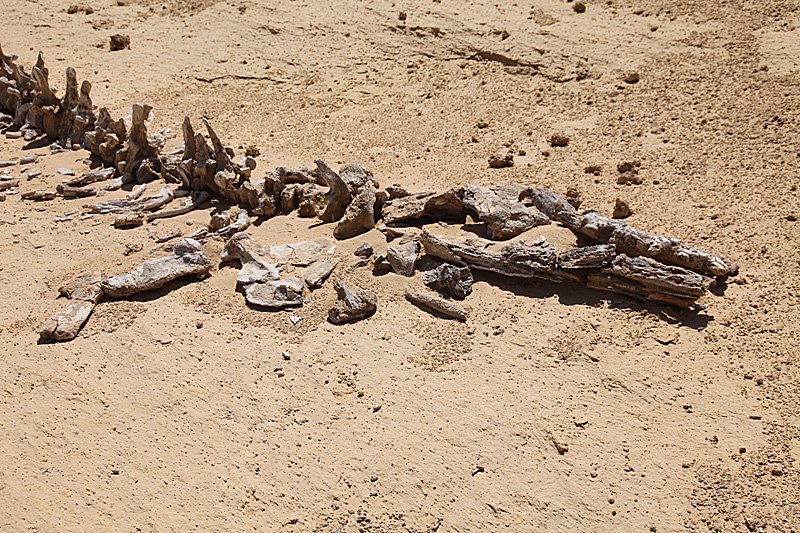
Perhaps the most dramatic examples of marine fossils in deserts are the enormous whale skeletons lying exposed in places like Egypt’s Wadi Al-Hitan. Some are nearly complete, stretching dozens of feet long, with vertebrae as big as dinner plates. These creatures, ancestors of today’s whales, once swam through ancient seas that no longer exist. The dry desert air has helped preserve these bones, giving scientists a rare and vivid glimpse into the lives of these giants. It’s a sight so surreal, it almost feels like walking through a dream.
Ancient Coral Reefs Beneath the Sand
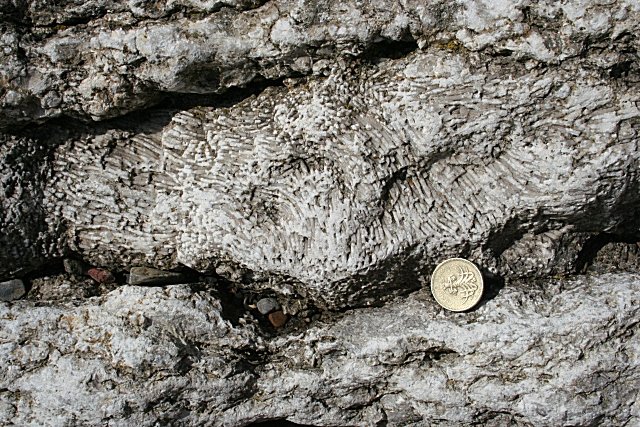
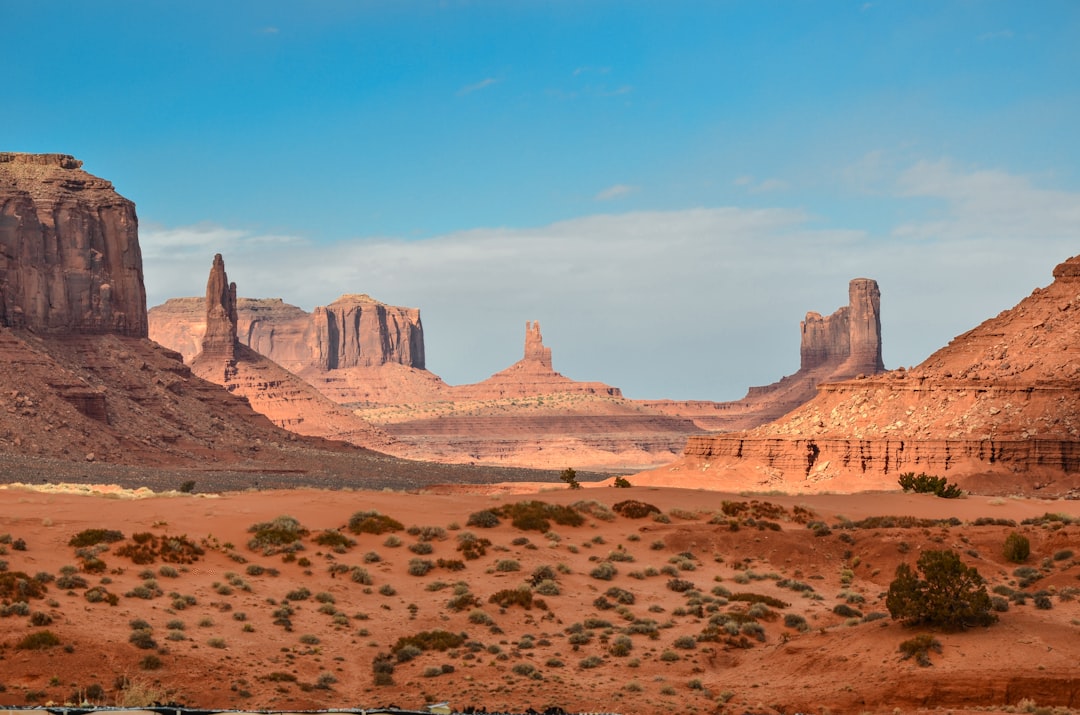
Long before the deserts were dry, lush coral reefs thrived in shallow, sunlit waters. These reefs, now fossilized, can be found in desert landscapes around the world. The limestone towers and fossil-rich rocks of places like the American Southwest and North Africa are actually ancient coral colonies. They tell a story of vibrant marine ecosystems filled with life. Every fossilized coral branch and shell is a frozen moment from a distant, underwater past.
Lessons from Fossilized Ammonites
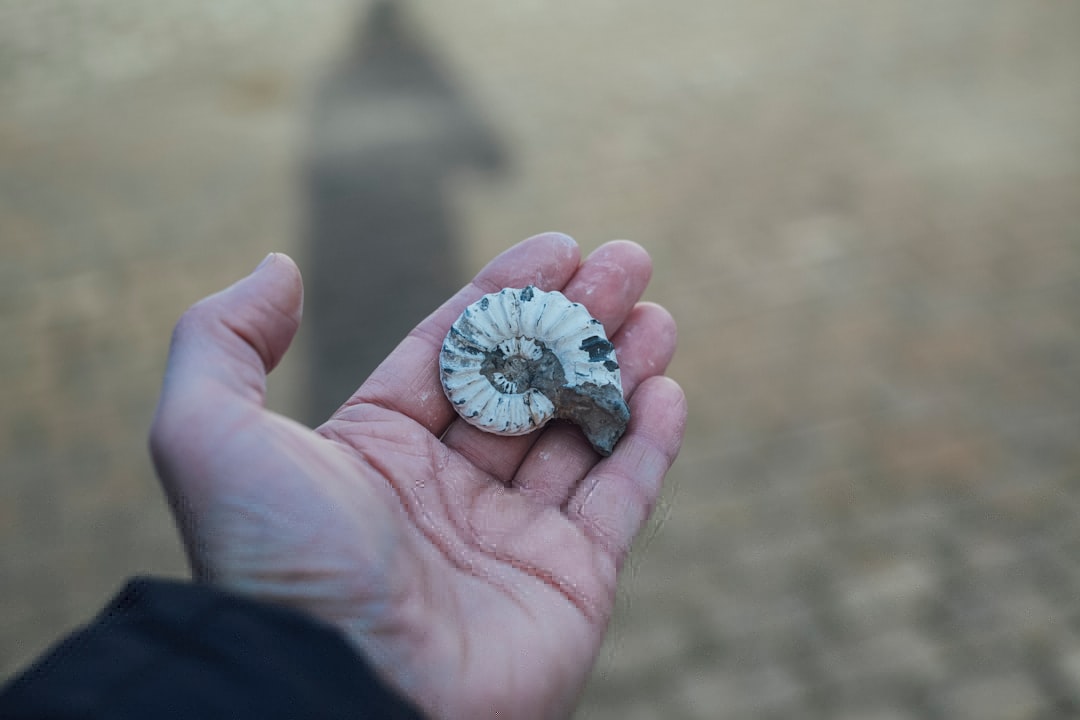
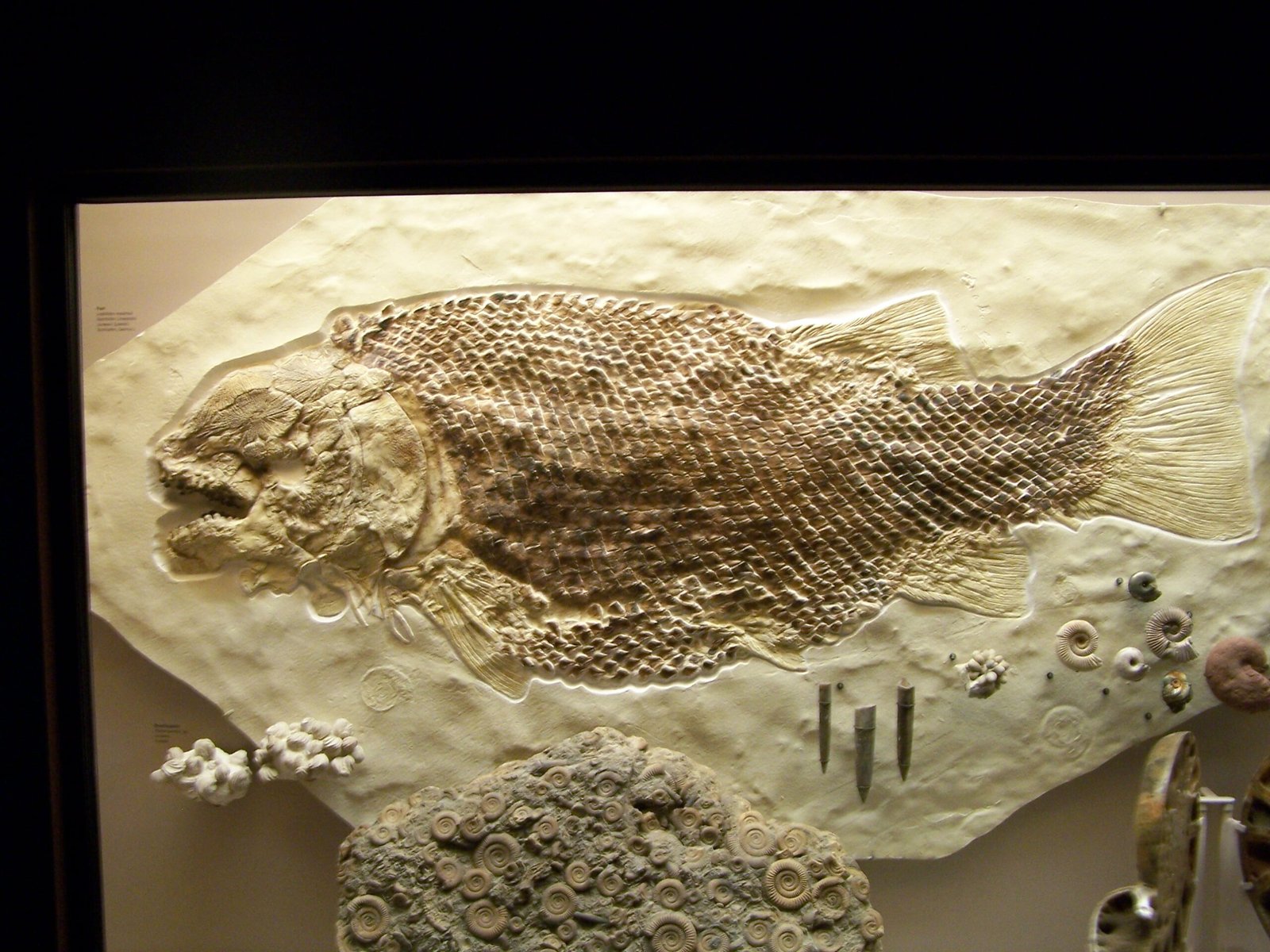
Ammonites were spiral-shelled creatures that once ruled the world’s oceans. Their fossils, often perfectly preserved, are found in deserts from Morocco to Utah. These fossils are more than just beautiful—they’re vital clues for scientists. By studying the layers in which ammonites are found, researchers can date rocks, track ancient sea levels, and even understand how mass extinctions unfolded. Each ammonite tells a piece of the puzzle of Earth’s history.
Sharks and Sea Monsters in the Desert
It might sound like something out of a fantasy novel, but ancient deserts are full of shark teeth and bones from marine reptiles like mosasaurs and plesiosaurs. In places like the Sahara and the Western Interior Seaway of North America, fossilized jaws and teeth hint at ferocious predators that once prowled these ancient waters. These remains ignite the imagination—what would it have felt like to swim in these seas, knowing giant hunters lurked below?
Microfossils: Tiny Clues to Oceanic Worlds
Not all fossils are big and dramatic. Some of the most important clues come from microfossils—tiny shells, plankton, and single-celled organisms preserved in rock. These microscopic remains help scientists reconstruct ancient climates, ocean temperatures, and even chemical changes in seawater. It’s like piecing together a massive jigsaw puzzle using grains of sand. Without microfossils, our understanding of ancient oceans would be incomplete.
The Painted Desert’s Ancient Fish
The Painted Desert in Arizona is now a place of vivid colors and stark beauty, but its rocks are full of fish fossils. These remains, preserved in what was once an ancient lake or sea, include armored fish and early amphibians. The fossil beds here are a treasure trove for paleontologists, offering a glimpse into the fish-filled waters that once covered this land. Every fossil is like a time machine, transporting us back to a forgotten world.
Why Fossils Surface in Modern Deserts
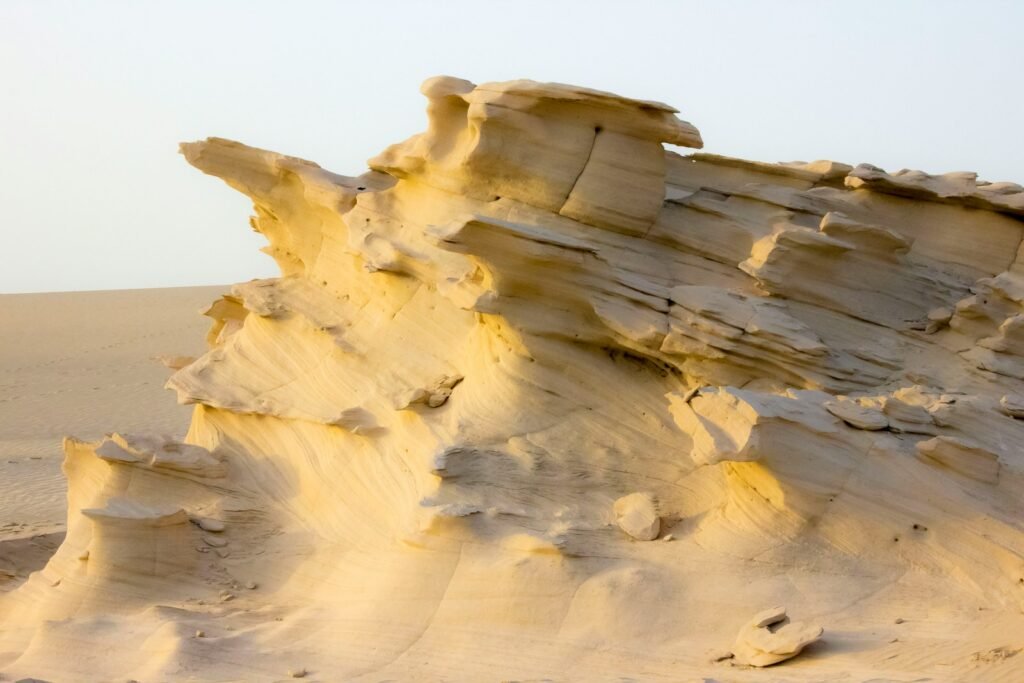
You might wonder why so many fossils are found in deserts. The answer lies in the lack of plant cover and the erosive power of wind. In dry regions, rocks are exposed and erode quickly, revealing the ancient bones and shells hidden within. The desert’s harsh climate actually helps preserve fossils, keeping them safe from the rot and decay that destroy remains in wetter environments. This makes deserts perfect places to dig into Earth’s deep past.
The Importance of Fossil Sites for Science
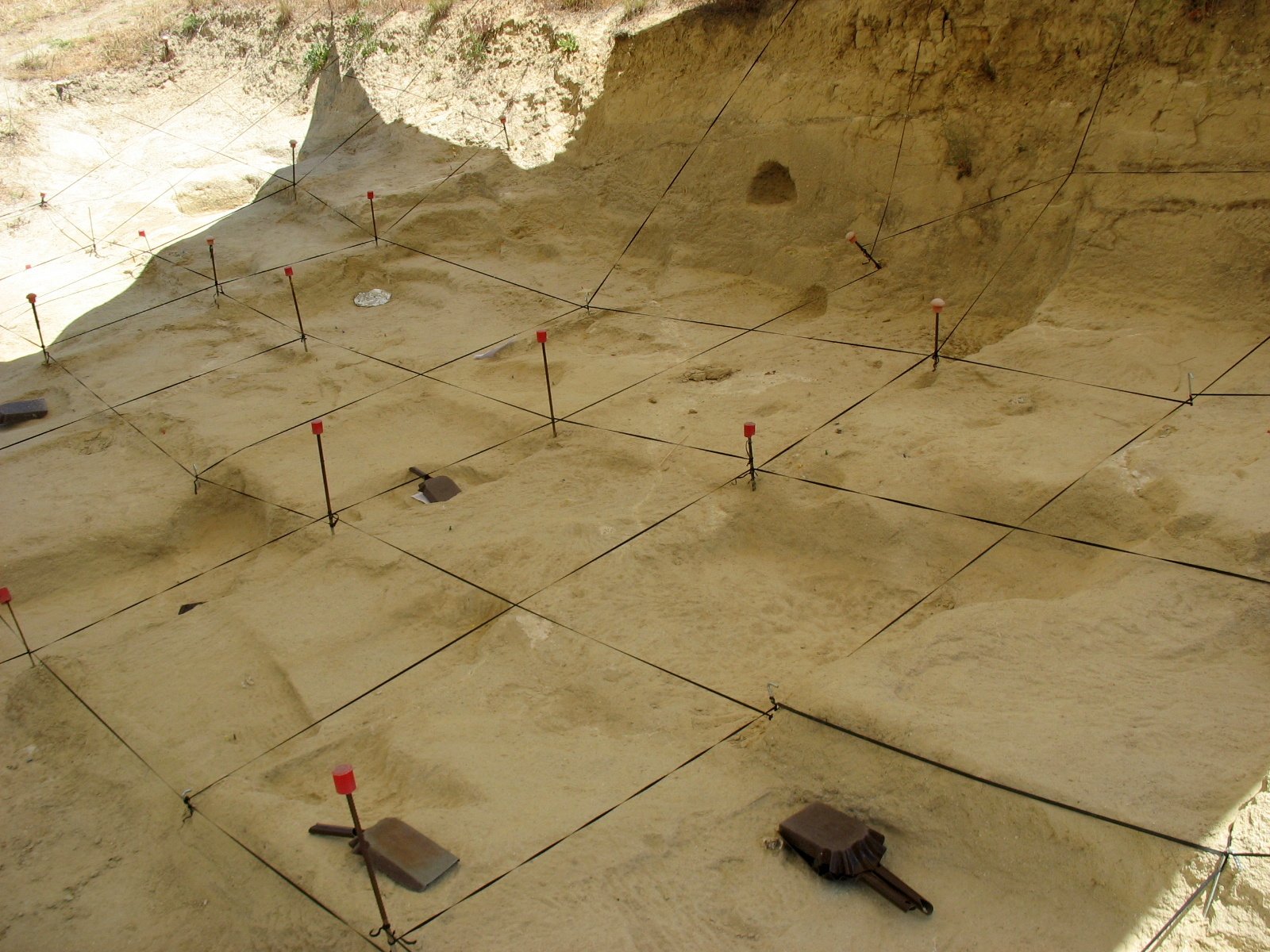
Each fossil site in a desert is more than just a curiosity—it’s a scientific goldmine. These locations allow researchers to study ancient ecosystems, track how climate has changed, and even understand how life rebounded after mass extinctions. Every fossil is a data point, a piece of a story that stretches across millions of years. The work done in these remote places shapes our understanding of evolution, extinction, and survival.
How Fossils Rewrite Our History Books
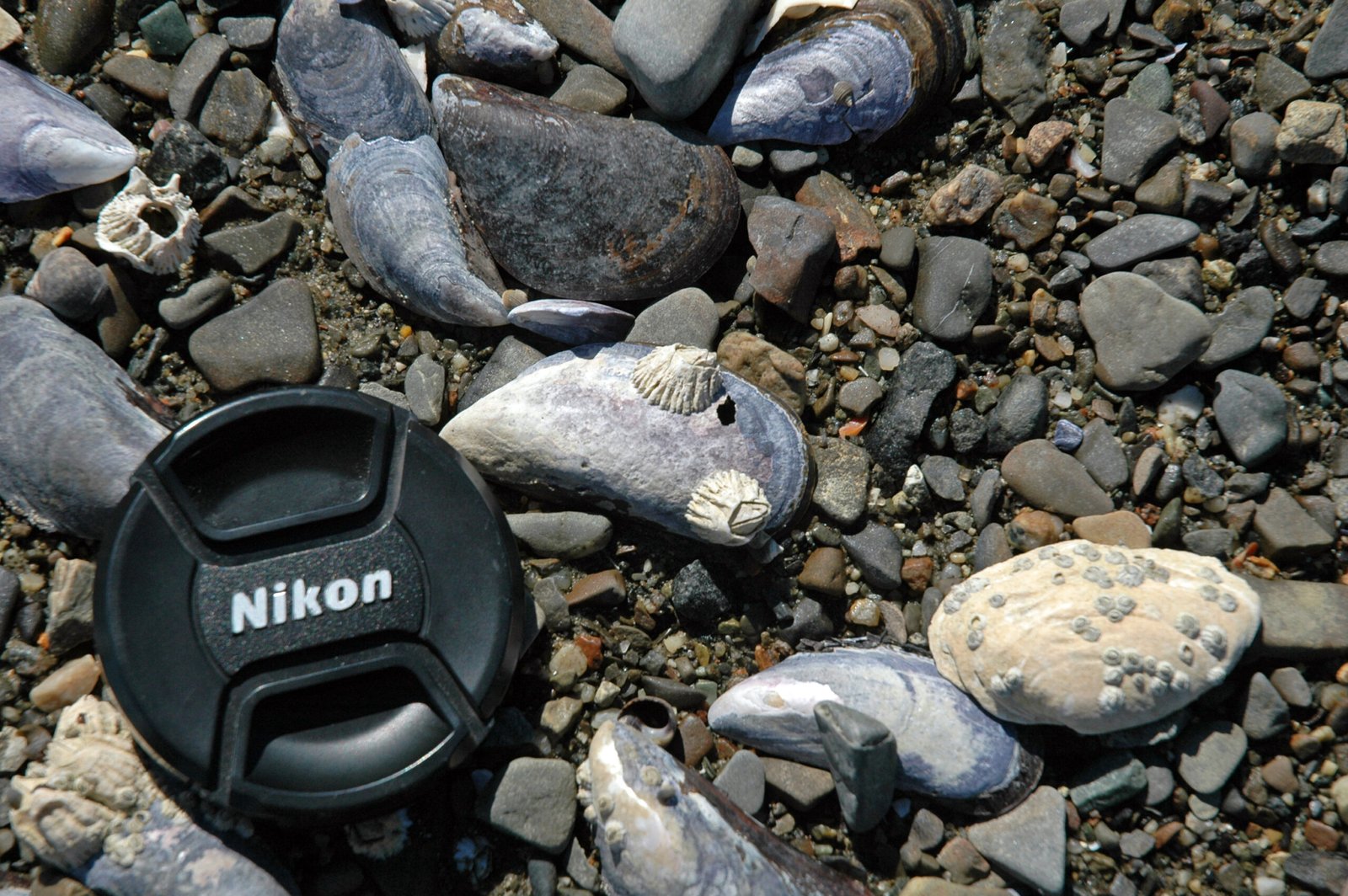
When paleontologists find unexpected fossils—like marine creatures in deserts—it forces us to rethink what we know about Earth’s past. These discoveries can overturn long-held beliefs about the movement of continents, the rise and fall of sea levels, and the timing of major evolutionary events. Fossils don’t just fill in the blanks—they rewrite the story, sometimes in shocking ways. It’s a reminder that science is always evolving, just like the world itself.
The Role of Technology in Fossil Discovery
Modern technology has revolutionized the search for fossils in ancient seabeds. Drones, ground-penetrating radar, and computer modeling help scientists locate fossil-rich layers without disturbing the land. 3D scanning allows researchers to study delicate bones without risking damage. These high-tech tools make it possible to uncover secrets that might otherwise have stayed buried forever. Technology brings the ancient world back to life in ways our ancestors could never have imagined.
Paleontologists: The Time Travelers of Science
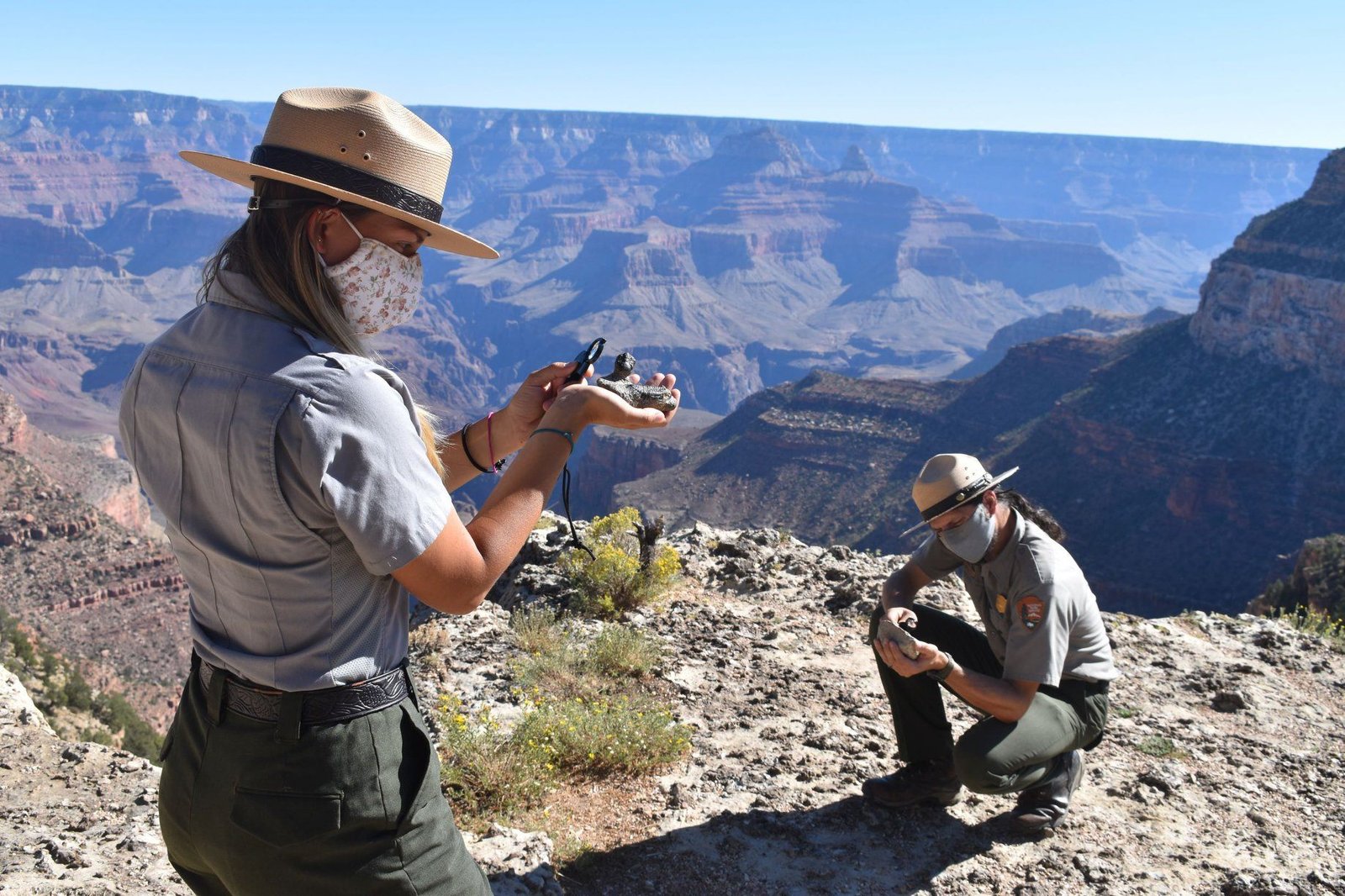
Paleontologists are like detectives and time travelers rolled into one. Armed with picks, brushes, and a deep sense of curiosity, they brave harsh desert conditions to uncover fossils that hold the answers to ancient mysteries. Their work is slow, painstaking, and often grueling, but the rewards are enormous. Every discovery brings us closer to understanding the lost worlds beneath our feet. The excitement in the field is palpable—like hunting for buried treasure, with every find a potential game-changer.
What Fossilized Seabeds Teach Us About Climate Change
Studying ancient seabeds in deserts isn’t just about the past—it has urgent lessons for today. Fossils reveal how climate has shifted over millions of years, turning oceans into deserts and back again. By understanding these changes, scientists can better predict how today’s warming climate might reshape our world. The patterns in the rocks are warnings—and sometimes, sources of hope—that remind us nature is always in flux.
The Unexpected Beauty of Desert Fossils
There’s something hauntingly beautiful about finding seashells in the middle of a desert. The intricate shapes, the delicate spirals, the way sunlight glints off ancient bone—it’s a kind of natural poetry. Fossils are more than just scientific specimens; they are art, history, and mystery all rolled into one. For many, holding a fossil is like shaking hands with the distant past, an experience that stirs wonder and awe.
Global Hotspots for Time-Lost Seabeds
Deserts around the world hide these ancient seabeds. The Sahara, the Gobi, the Atacama in Chile, and even Australia’s Outback are all rich in marine fossils. Each region tells a slightly different story—of ancient seas, lost continents, and unique creatures. Exploring these hotspots is like reading different chapters from the same spectacular book of Earth’s history, with each fossil site offering its own surprises and revelations.
Connecting the Dots: From Ocean Depths to Desert Sands
The journey from ocean to desert is written in stone. Every fossil is a clue, every rock layer a chapter. By connecting these dots, scientists can trace the epic story of Earth’s ever-changing surface. It’s a tale of upheaval, resilience, and transformation, as dramatic as any novel. The deserts we know today are, in many ways, the ghostly echoes of oceans long gone, their stories waiting to be uncovered.
Why Ancient Seabeds Matter to Us Now
The fossils buried in desert sands are more than relics—they are reminders of Earth’s ability to change, adapt, and surprise us. They challenge us to look beyond the surface, to imagine worlds that once were and could be again. Every shell, bone, and tooth is a message in a bottle from the deep past. As we uncover them, we not only learn about the history of our planet, but about our own place in its ongoing story.