
Imagine walking along a quiet, twisting coastline where tangled roots stretch deep into briny water, and gnarled trees thrive where most plants would wither. The air is thick with the smell of mud and salt, alive with the calls of birds and the gentle hum of insects. Beneath your feet lies a secret: centuries of climate stories, written not in books, but in the very mud and wood of this remarkable landscape. This is the world of mangrove forests—ancient, salt-loving ecosystems that don’t just survive, but flourish where land and sea collide. Their presence is nothing short of miraculous, and what they reveal about our planet’s past is utterly mesmerizing.
Mangroves: Nature’s Saltwater Survivors
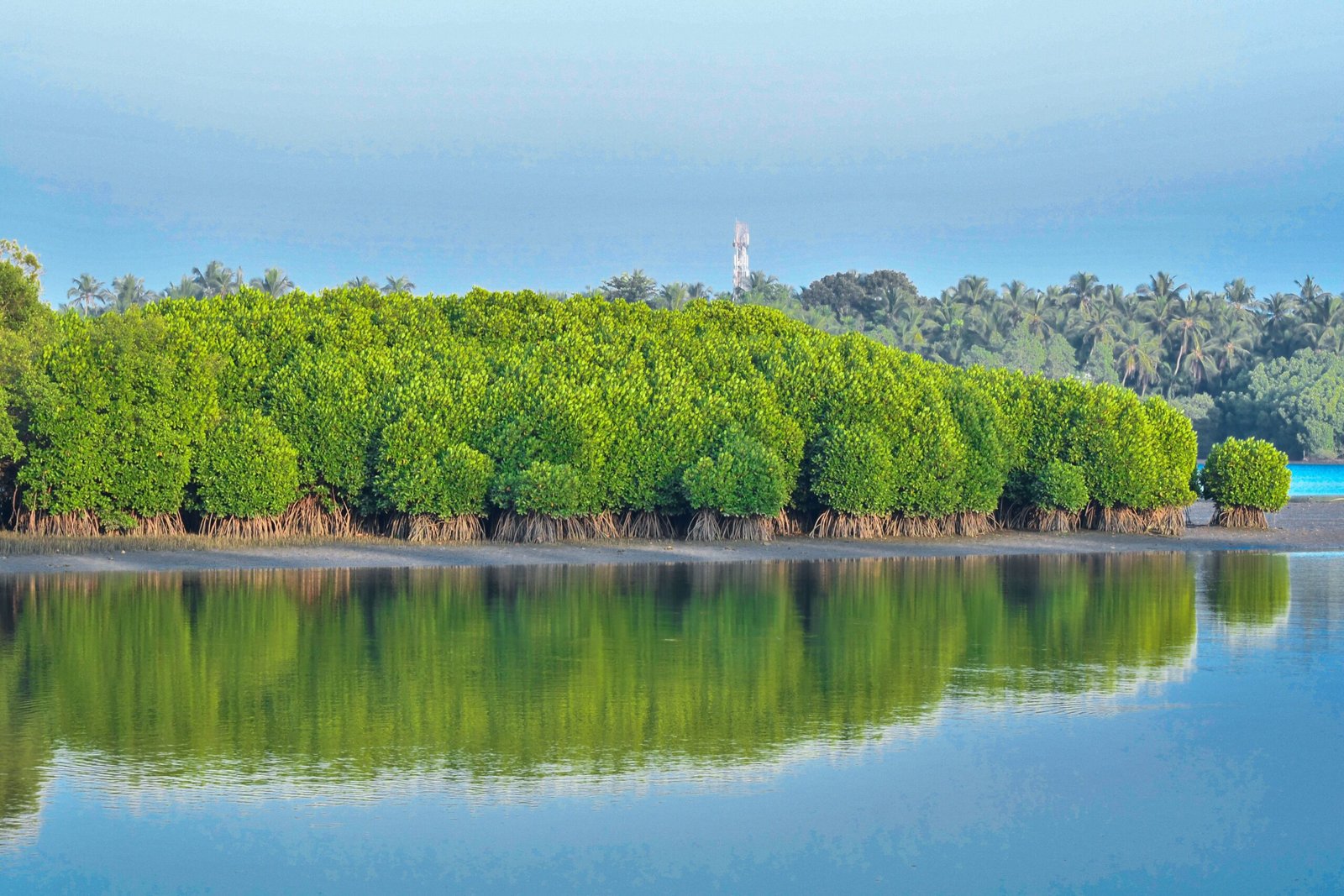
Mangroves are a group of extraordinary trees and shrubs that have mastered life in the harshest of places—where ocean tides flood the land twice a day. Most plants would die in salty, waterlogged soil, but mangroves have evolved to thrive here. Their roots act like filters, blocking out salt while still taking in water. Some mangroves even excrete excess salt through their leaves, which can taste salty if you touch them. These adaptations let mangroves build dense forests along tropical and subtropical coasts, creating a green barrier where few other trees dare to grow.
A Living Archive Beneath the Mud
What sets mangroves apart isn’t just their resilience. Underneath the tangled roots, layers of mud and peat have built up over centuries, storing a treasure trove of climate information. As leaves, branches, and roots fall and decompose, they’re buried and preserved in oxygen-poor mud, creating a natural archive. Scientists can dig deep into these layers and read the history of rainfall, storms, sea levels, and even ancient tsunamis. Each centimeter of mud tells a story, like the rings of a tree but richer and deeper.
The Global Distribution of Mangrove Forests
Mangroves aren’t just found in one corner of the world; they form a green belt that stretches across more than 120 countries. From the coasts of Australia to the river deltas of Africa and the swamps of South America, mangroves are a constant presence. The largest mangrove forest, the Sundarbans, sprawls across India and Bangladesh, home to tigers and crocodiles. Each region’s mangroves have their own unique mix of species, but all share the ability to live in salty, shifting landscapes.
Roots That Defy Gravity
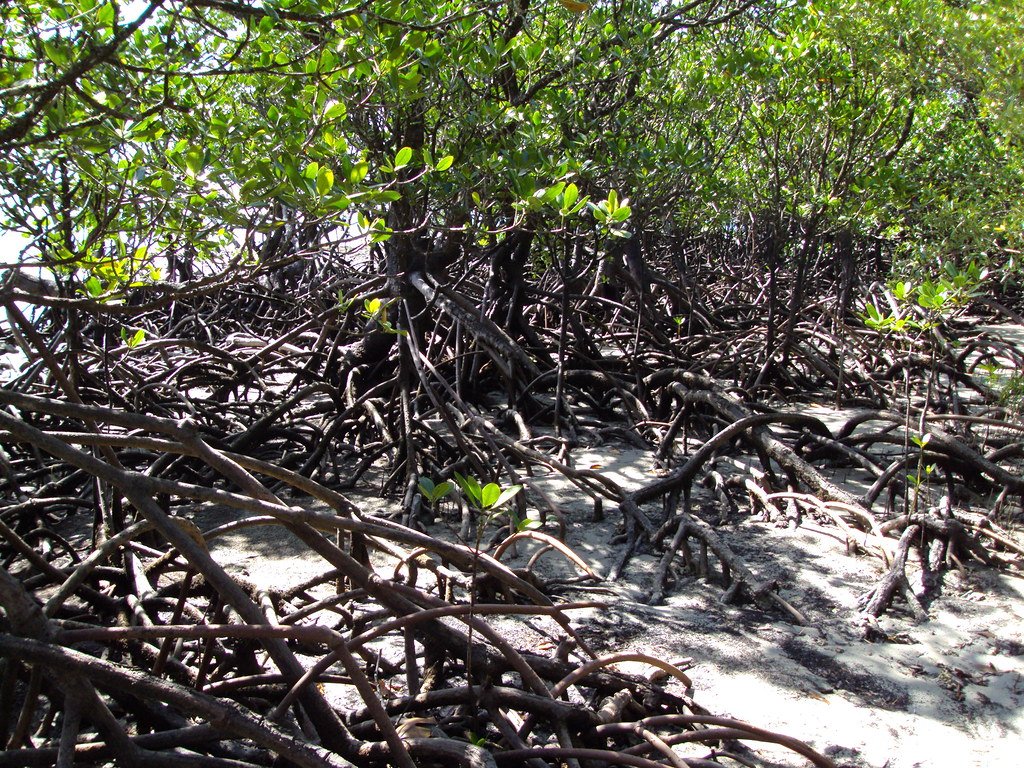
If you ever visit a mangrove forest, the first thing you’ll notice is the wild, chaotic tangle of roots. These roots aren’t just for show—they’re engineering marvels. Some, called prop roots, arch above the mud, supporting the tree during storms and floods. Others, like pencil-thin pneumatophores, poke straight up like snorkels, helping the tree breathe in the low-oxygen mud. These roots trap sediment, slow down waves, and create a stable foundation for the forest, even as the world around them changes.
Guardians Against Storms and Erosion
Mangroves aren’t just passive residents—they’re fierce protectors of coastlines. Their tangled roots act like natural barriers, absorbing the force of storm surges and waves. During hurricanes and cyclones, mangrove forests can save lives by reducing flooding and erosion. In places where mangroves have been cut down, coastal communities are often left vulnerable to the full wrath of the sea. It’s no wonder some people call them “green shields” against natural disasters.
A Refuge for Wildlife
Step into a mangrove forest, and you’ll find it buzzing with life. Fish, crabs, and shrimp use the roots as nurseries, safe from predators. Colorful birds nest high in the branches, while monkeys and lizards leap from tree to tree. Even endangered species, like the Bengal tiger and the saltwater crocodile, make their homes here. Mangroves are vital for migratory birds, offering a rest stop during long journeys. Without mangroves, countless species would lose their sanctuary.
Carbon Storage: Blue Carbon Powerhouses
Mangroves are secret climate heroes because of their ability to lock away carbon. Unlike most forests, mangroves store carbon not just in their trunks and leaves, but deep in the mud below. This “blue carbon” can stay buried for centuries, keeping greenhouse gases out of the atmosphere. Some studies suggest that, acre for acre, mangroves store up to four times more carbon than rainforests. Lose mangroves, and all that carbon could be released, speeding up climate change.
Clues to Past Hurricanes and Sea Level Changes
Digging into the mud beneath mangroves is like leafing through a diary of ancient weather. Scientists can find layers left by powerful storms, marked by sand and debris washed in by surges. They can trace the rise and fall of sea levels over centuries, using pollen, shells, and even tiny fossils trapped in the mud. These records help us understand how climate has changed in the past—and what might be coming in the future.
Mangroves and the Mystery of Ancient Tsunamis
Some of the most dramatic clues hidden in mangrove soils are left by ancient tsunamis. When a massive wave crashes inland, it leaves behind a distinct layer of sand and debris. In places like Southeast Asia, scientists have found these tsunami signatures buried deep in mangrove mud, dating back hundreds or even thousands of years. These discoveries help coastal communities prepare for future disasters by revealing how often such events have struck in the past.
Traditional Wisdom and Local Communities
For centuries, people living near mangroves have relied on them for food, fuel, and shelter. Local fishermen know which roots hide the tastiest crabs, and herbalists gather leaves and bark for traditional medicines. Some communities build their homes on stilts among the roots, protected from floods and storms. This deep connection between people and mangroves is a living example of how nature and culture can grow together, supporting each other through generations.
Mangrove Forests Under Threat
Despite their resilience, mangroves are under attack. In the past century, more than a third of the world’s mangrove forests have been destroyed—cleared for shrimp farms, chopped down for firewood, or replaced by development. Pollution and rising sea levels also put pressure on these fragile ecosystems. When mangroves vanish, coastlines erode, wildlife disappears, and centuries of stored carbon are released into the sky.
Restoration Efforts: A Race Against Time
Around the world, scientists, conservationists, and local communities are racing to save and restore mangrove forests. Planting young mangrove trees can help rebuild lost forests, but it’s not as simple as digging a hole. The right species must be planted in the right place, and tides and soil must be carefully managed. In places like the Philippines and Kenya, successful restoration projects have brought new life to battered coastlines, proving that hope is not lost.
How Mangroves Inspire Modern Engineering
Nature often holds the best blueprints. Engineers and architects are now studying mangrove roots for ideas on how to protect cities from floods and erosion. The way mangrove roots break up waves and trap sediment has inspired designs for seawalls and artificial reefs. By mimicking nature’s solutions, we can build stronger, more resilient coastlines.
Unusual Mangrove Adaptations
Every mangrove species has its own bag of tricks. Some produce seeds that sprout while still attached to the parent tree, dropping into the mud ready to grow. Others have leaves that can turn sideways to avoid the harsh midday sun, or bark that peels away to shed salt. These strange adaptations help mangroves survive extremes of heat, salt, and water that would kill most other plants.
The Soundscape of the Mangrove
Close your eyes in a mangrove forest, and you’ll hear a soundscape unlike any other. Fiddler crabs scuttle across the mud, snapping their claws. Birds call from the canopy, and the wind rustles glossy leaves. At night, bats and fireflies emerge, while the distant splash of a fish breaks the quiet. This chorus is a reminder that mangroves are alive with stories, both ancient and ongoing.
Mangroves and Medicine

Some mangrove species are more than just trees—they’re pharmacies. Traditional healers use mangrove bark to treat wounds, and scientists have discovered that mangrove extracts can fight bacteria and viruses. As researchers search for new medicines, mangroves may hold the key to treating diseases that resist modern drugs.
Education and Citizen Science

Mangrove forests are powerful classrooms. Around the world, students, tourists, and local residents join scientists to monitor mangrove health and track wildlife. Citizen science projects invite people to help map forests, count birds, and even plant new trees. These hands-on experiences turn curiosity into conservation and help build a new generation of mangrove guardians.
Climate Change and the Future of Mangroves
As the world warms and sea levels rise, mangrove forests face a new set of challenges. Some may be drowned by higher tides, while others could find new ground further inland. Scientists are racing to understand how mangroves will respond to these changes—will they retreat, adapt, or even expand into new areas? The answer may decide the fate of millions who depend on them.
Why Mangroves Matter for Everyone
Whether you live near the ocean or far from the coast, mangroves matter. They protect cities from storms, provide food and livelihoods, and lock away carbon that would otherwise warm the planet. Their roots hold centuries of secrets about our climate, and their branches support a dazzling variety of life. In a world of rising seas and changing weather, these ancient forests offer lessons in survival, resilience, and hope. What would you do to save a forest that remembers the past and safeguards the future?