
Imagine waking up in a world where the land beneath your feet is slowly vanishing—swallowed not by time, but by the relentless rise of the sea. Thousands of years ago, this was not a nightmare, but a reality for countless communities living by ancient coastlines. Their homes, their rituals, even the very ground they walked on, all now rest beneath the waves. Today, the story of these drowned settlements is not just a tale of loss, but a gripping mystery that challenges everything we think we know about human prehistory. How much of our shared past lies hidden beneath the ocean? And what secrets might still be waiting to resurface?
The Birthplace of Civilization: Life Along Ancient Shores
From the very beginning, humans have been drawn to the water’s edge. Rivers, lakes, and especially coastlines offered food, transportation, and a milder climate. Early settlements often sprang up along these ancient shorelines, giving rise to some of the first villages and trading posts. Picture families gathering shells, fishing with handmade nets, and building homes from driftwood and reeds. These communities thrived by the sea, their daily lives shaped by tides and currents. The ocean was both a provider and a protector, with its bounty of fish and its ability to keep invaders at bay. Life was rich, but always on the edge—just one big wave or storm away from disaster.
The Melting of the Ice: How the Last Glacial Maximum Changed Everything
Around 20,000 years ago, the world was locked in an icy grip. Vast glaciers covered much of the land, and sea levels were over a hundred meters lower than today. As the ice slowly melted, the great floodwaters returned. It wasn’t a single cataclysm—sea levels rose inch by inch, year by year, sometimes faster, sometimes slower. For those living on ancient coasts, these changes would have been impossible to ignore. Villages that once sat safe on high ground found themselves battered by new tides, their fields turning to marshes and finally to open sea. Whole landscapes disappeared, erased not by war or fire, but by water.
Lost Worlds Beneath the Waves: Submerged Archaeological Sites
Today, the remains of these drowned communities are scattered across the world’s continental shelves. Underwater archaeologists have discovered ancient tools, hearths, and even footprints buried beneath the sand. In places like Doggerland—a now-submerged landmass between Britain and Europe—evidence of Mesolithic settlements has emerged from the North Sea. Off the coast of India, mysterious ruins rest beneath the waves at Dwarka. Each new find peels back another layer of the past, revealing how much of human history has been hidden by the rising sea. For every site discovered, many more may lie undisturbed, waiting for the next storm or the next diver to bring their stories to light.
Doggerland: Europe’s Sunken Heart
Once a vast expanse of plains, forests, and rivers, Doggerland connected Britain to mainland Europe. It was home to hunters, gatherers, and families who lived off the land and sea. As the ice melted, Doggerland gradually shrank, swallowed by rising tides. By 6,000 BCE, most of it had vanished beneath the North Sea. The discovery of mammoth bones, ancient tools, and even human remains by trawlers has painted a vivid picture of life in this lost landscape. For those who lived there, the encroaching waters must have felt like the slow hand of fate, pushing them ever further inland.
The Black Sea Flood: A Catastrophe Remembered?
Scientists have long debated whether the flooding of the Black Sea around 7,600 years ago inspired ancient flood myths. As global sea levels rose, saltwater surged through the Bosporus, inundating vast stretches of farmland and forests. Archaeological evidence points to abandoned settlements drowned almost overnight. Some researchers believe these memories were passed down through generations, eventually becoming the great flood stories that appear in cultures from Mesopotamia to the Mediterranean. Whether or not the connection is direct, the Black Sea flood stands as a stark reminder of how quickly the world can change.
Beringia: The Lost Bridge Between Continents
During the last Ice Age, a land bridge called Beringia connected Siberia to Alaska. This frozen corridor allowed humans and animals to migrate between Asia and the Americas. As the climate warmed and sea levels rose, Beringia vanished beneath the Bering Strait. Today, only a few scattered artifacts and ancient campfires hint at the people who once crossed this bridge. The loss of Beringia didn’t just erase a migration route—it erased entire chapters of prehistoric life, leaving us to piece together the puzzle from fragments found on either shore.
Ancient Australia: The Sunken Coasts Down Under
Aboriginal Australians have lived on the continent for tens of thousands of years. But the Australia they first knew was much larger than today, with vast coastal plains now hidden beneath the sea. As waters rose, sacred sites and settlements vanished. Recent discoveries off the Pilbara coast have revealed underwater stone tools, offering tantalizing glimpses into this drowned world. Oral traditions among Aboriginal communities sometimes recall great floods and shifting shorelines, echoing memories of a landscape now lost to the ocean. These stories, paired with scientific finds, help us imagine a time when Australia’s coastline stretched much farther out.
Japan’s Forgotten Villages: Jomon Sites Underwater
Japan’s Jomon culture thrived for thousands of years, leaving behind intricate pottery and shell mounds. Many of their settlements once sat along lower shorelines, now submerged by the Pacific. Marine archaeologists have found artifacts and even entire village sites beneath the sea around Okinawa and other islands. These discoveries challenge the idea that ancient people were simple or isolated. Instead, they reveal complex societies able to adapt—even as the world they knew slowly slipped beneath the waves.
The Mediterranean’s Sunken Mysteries
The Mediterranean is a treasure trove of ancient underwater sites. From the submerged city of Heracleion in Egypt to lost harbors along the Italian coast, the sea has preserved snapshots of vanished civilizations. Shipwrecks, temples, and even roads have been found below the surface, sometimes startlingly well-preserved thanks to mud and silt. Each discovery is a reminder of how much the sea has taken—and how much it has kept safe, waiting for the right moment to be found again.
Florida’s Underwater Prehistory
When people think of Florida, they picture beaches and sunshine. But few know that some of the oldest evidence of humans in North America lies underwater just off its coast. Submerged springs and riverbeds have yielded ancient tools and bones, some dating back more than 10,000 years. These sites tell of a time when Florida’s coastline was much further out, and its now-flooded plains teemed with mammoths, giant sloths, and the people who hunted them. It’s a world both familiar and utterly alien, glimpsed through the lens of science and imagination.
Myths and Memories: Flood Stories Across Cultures
For centuries, cultures around the world have told stories of great floods—a deluge that swept away everything in its path. From Noah’s Ark to the tales of Manu in India and the Epic of Gilgamesh, these stories often echo the real experiences of people who watched their homelands disappear beneath rising waters. While some dismiss these tales as fiction, others see them as cultural memories, passed down from survivors of ancient coastal floods. These myths may contain kernels of truth, reminding us how deeply the sea has shaped the human story.
What Lies Beneath: The Science of Underwater Archaeology
Exploring underwater ruins is both thrilling and daunting. Archaeologists use sonar, remote-operated vehicles, and even scuba gear to map and excavate sites lost to the sea. Each dive is a blend of science and adventure, as researchers battle currents, poor visibility, and the ever-present risk of damaging fragile artifacts. But the rewards are immense—every find adds a new piece to the puzzle of human prehistory. The field is still young, and with each passing year, new technology opens more of the ocean’s secrets to exploration.
Climate Change: Lessons from the Ancient Past
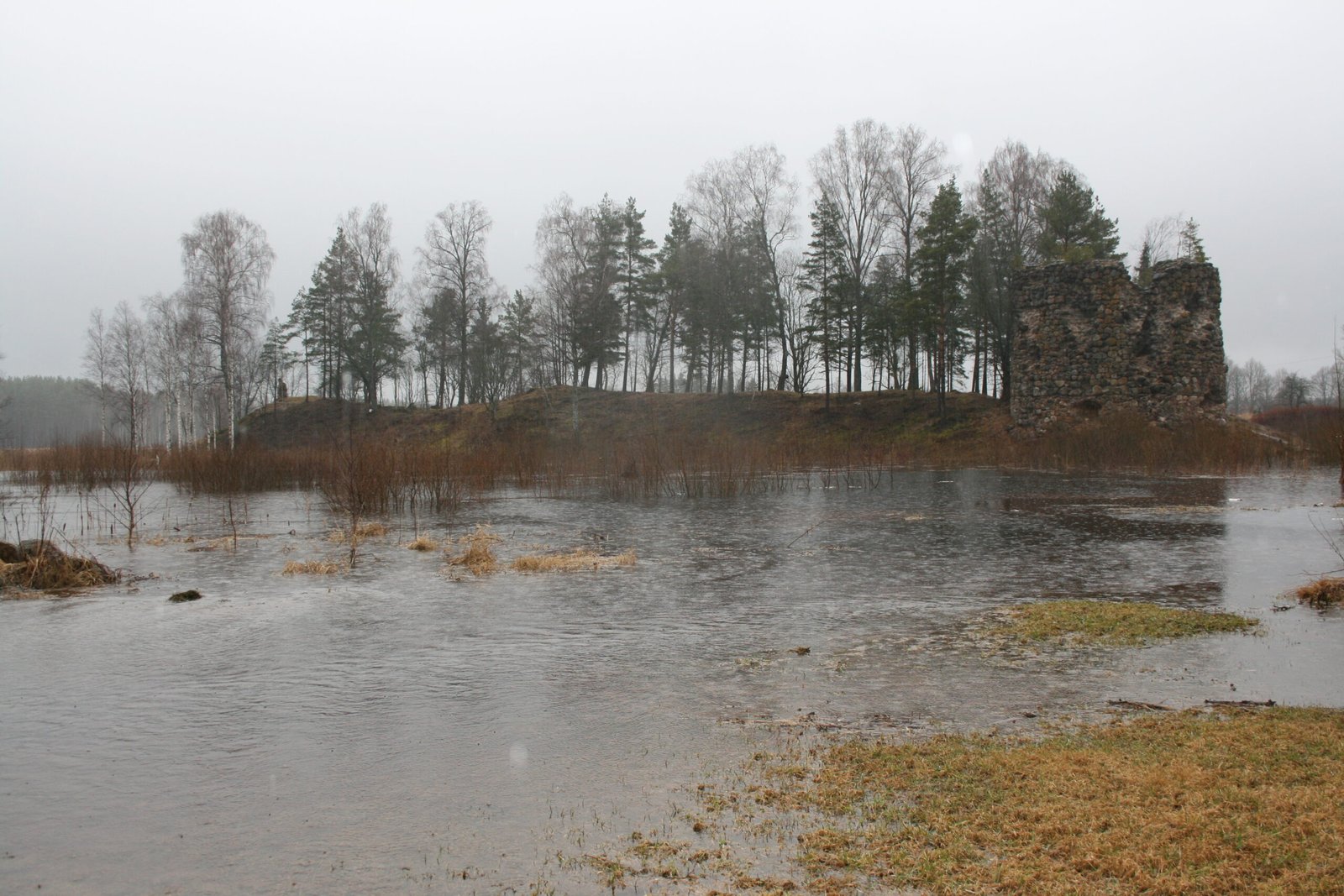
The story of drowned settlements is not just ancient history—it’s a warning. As the planet warms and glaciers melt, today’s coastlines are once again under threat. Scientists look to the past to understand how communities coped with rising seas. Some migrated, others adapted, and many were simply overwhelmed. Today, as millions of people live in low-lying coastal areas, the lessons of prehistory are more relevant than ever. The past may not repeat itself exactly, but it certainly rhymes.
Human Resilience: Adapting to Changing Shores
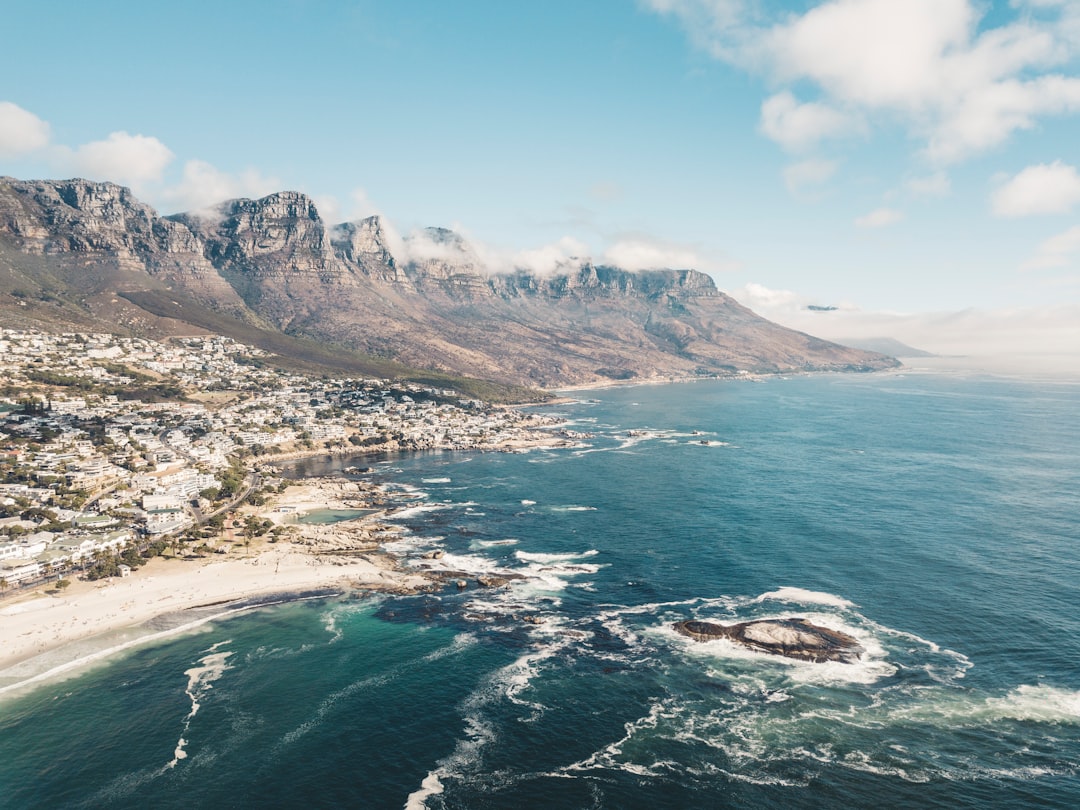
Despite the losses, ancient people were remarkably adaptable. As the sea claimed old lands, communities moved, rebuilt, and found new ways to thrive. Archaeologists have found evidence of rapidly shifting settlements, new types of boats, and innovative fishing techniques. This resilience is a testament to human ingenuity in the face of disaster. It also offers hope for our own future, as we confront challenges every bit as daunting as those faced by our ancestors.
Underwater Landscapes: A World Untouched by Time
Beneath the waves, time seems to stand still. Sunken forests, ancient riverbeds, and even footprints lie preserved in the deep. In some places, you can swim through what was once a bustling village, the outlines of homes and hearths still visible under the silt. These submerged landscapes offer a haunting window into a world that once was—one that feels both distant and intimately familiar. Exploring them is like stepping into a dream where the past is just out of reach.
Challenges in Research: Why We Know So Little
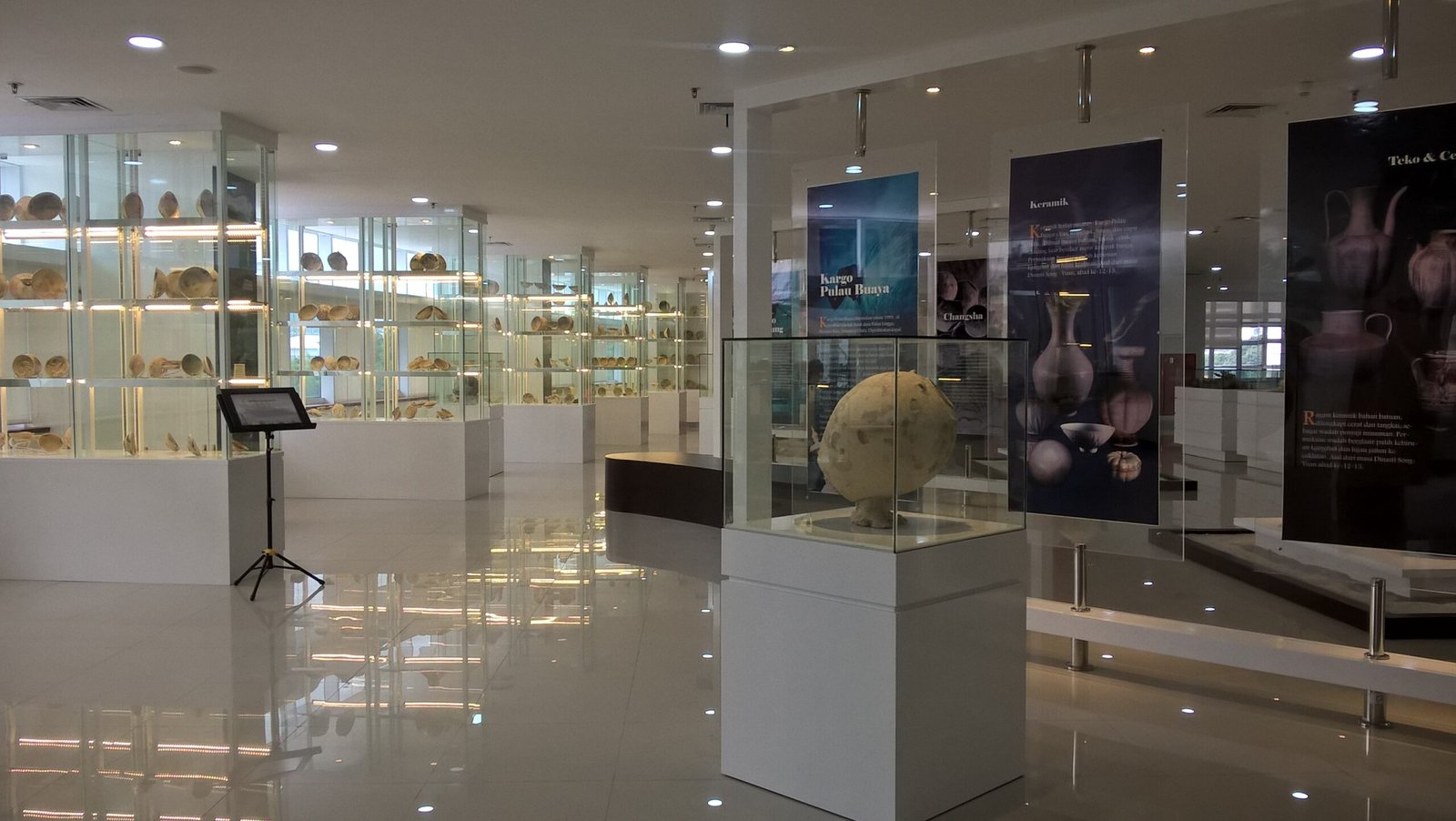
Studying underwater sites is notoriously difficult. Shifting sands, powerful currents, and limited visibility make excavations challenging. Many artifacts are fragile and easily destroyed, while others are buried beneath thick layers of mud. Funding and technology are also constant hurdles, as underwater archaeology is expensive and time-consuming. Despite these challenges, every year brings new discoveries, slowly unraveling the mysteries of our drowned past.
The Silence of the Deep: Unanswered Questions
For every site that has been found, countless more remain hidden. How many ancient cities lie beneath the world’s oceans? What stories have we lost to the tides? Scientists and historians can only guess. Some believe that the most important chapters of human prehistory are still out there, waiting to be uncovered. The silence of the deep is both a challenge and an invitation—a call to keep searching, to keep asking questions.
The Future of Discovery: New Technology, New Hope
Advancements in sonar, satellite mapping, and underwater drones have revolutionized the search for sunken settlements. Researchers can now scan vast stretches of seafloor, identifying promising sites without even getting wet. As technology improves, the pace of discovery is accelerating. Each new find has the potential to reshape our understanding of prehistory. The future holds the promise of answers to questions we haven’t even thought to ask yet.
Personal Reflections: The Sea as Keeper of Memory
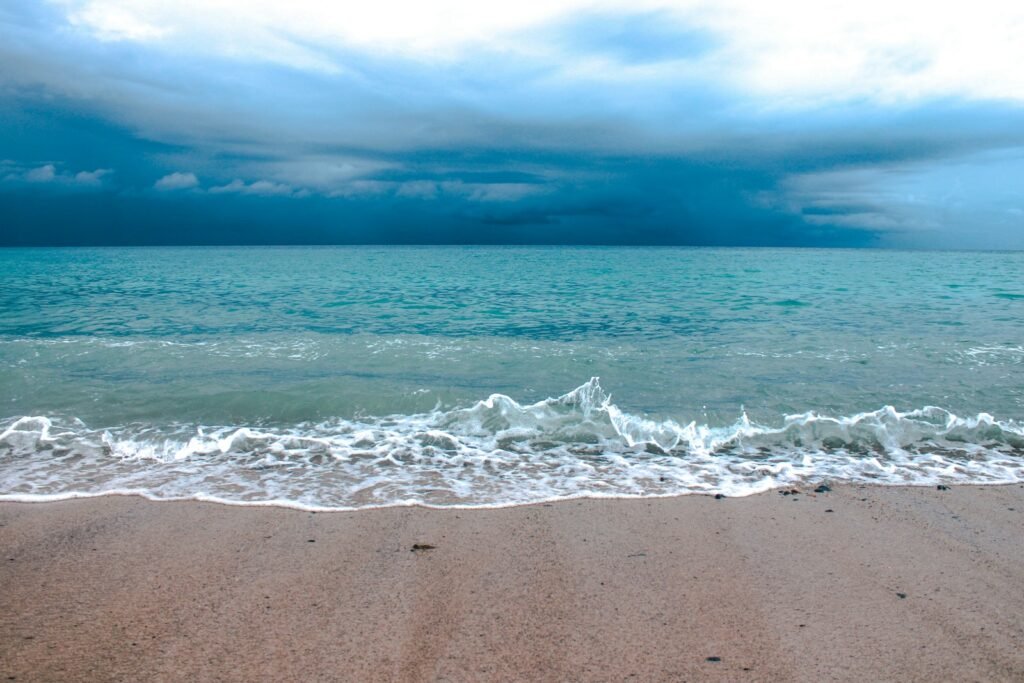
Standing on a modern shoreline, it’s hard not to wonder what lies just beyond the waves. Beneath the surface, the ocean guards the memories of those who came before us—their hopes, their struggles, their everyday lives. The sea is both a destroyer and a keeper, erasing some stories while preserving others in perfect silence. For me, it’s a reminder that the line between past and present is thinner than we think. Every tide brings the faint echo of footsteps that once walked these same shores.
The Call of the Unknown: Will We Ever Know It All?
The drowned settlements of prehistory are more than just relics of a lost world—they are a testament to humanity’s eternal curiosity and resilience. As we piece together the fragments of our ancient story, we are reminded of how much there is still to learn. The ocean’s depths may hide countless secrets, but they also hold the key to understanding who we are and where we come from. What wonders still wait beneath the waves?