
Picture this: a sleepy British stream, its banks overgrown and silent, suddenly comes alive with the slap of a broad tail and the gnawing of sharp teeth. Water levels rise, trees topple, and the landscape shifts almost overnight. This is not a scene from centuries past, but a reality unfolding today as beavers make a dramatic comeback in the UK. Their return is sparking both awe and anxiety—are these furry architects the saviors of our wetlands, or are they about to flood our fields and test our patience? The story of the beaver’s return is as tangled as the willow branches in their dams, and it’s stirring up passions across the countryside.
The Lost Legacy: Beavers in British History

Beavers once thrived across Britain’s rivers and wetlands, shaping landscapes for thousands of years. Their presence was so common that many old place names, like Beverley, hint at their importance. Yet by the 16th century, relentless hunting for their pelts and castoreum drove them to extinction in the UK. Castoreum, a substance beavers secrete, was prized for perfumes and medicines, turning these industrious creatures into targets. Their absence left a silent gap in British ecosystems, one that persisted for centuries. Now, after hundreds of years, beavers are slowly returning, and the nation is wrestling with their complicated legacy.
How Beavers Are Making Their Comeback

The beavers’ return hasn’t been accidental. It’s the result of carefully planned reintroduction projects, beginning in Scotland in the early 2000s. Conservationists released small groups into enclosed areas, closely monitoring their impact. These projects expanded, with beavers popping up in Devon, Kent, and even the heart of London’s suburbs. Some beavers have spread on their own, while others are escapees from private collections. Each new appearance stirs excitement and debate, as locals wonder what changes the creatures will bring. The beaver’s comeback is both a triumph of conservation and a test of modern coexistence.
The Ingenious Beaver: Nature’s Master Builder
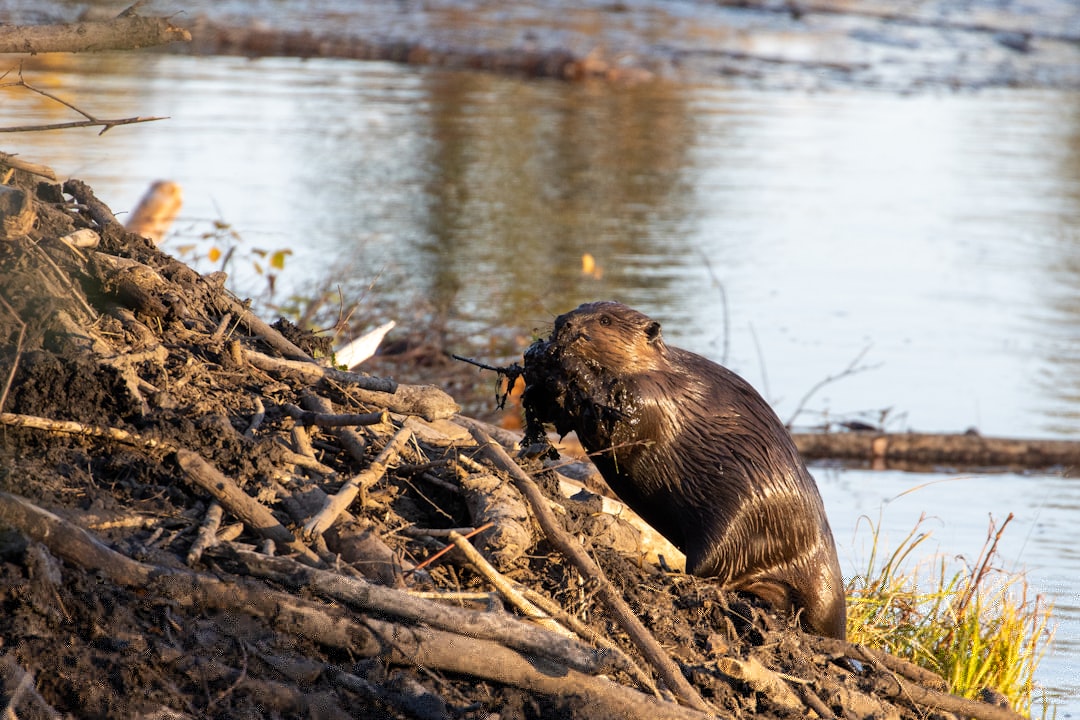
Beavers are nature’s engineers, famous for their ability to reshape landscapes. Using their powerful teeth, they fell trees and weave branches into intricate dams and lodges. These dams slow down rivers, creating ponds and wetlands that teem with life. Their work can transform a trickling stream into a rich mosaic of habitats. Scientists marvel at their ability to move earth and water, comparing them to bulldozers and architects rolled into one furry package. The beaver’s engineering skills have been honed over millions of years, and their handiwork is as impressive today as it was in prehistoric times.
Wetlands Reborn: The Ecological Ripple Effect

When beavers build, the land listens. Their dams raise water tables and flood meadows, creating wetlands that become havens for wildlife. Birds like kingfishers and herons flock to these new ponds, while amphibians and insects thrive in the muddy shallows. Even rare species, such as water voles and otters, benefit from the abundance of food and shelter. Scientists have observed an explosion of biodiversity in places where beavers have been reintroduced. What was once a simple stream is transformed into a living, breathing ecosystem—thanks to the tireless work of beavers.
Flood Fighters or Flood Makers?
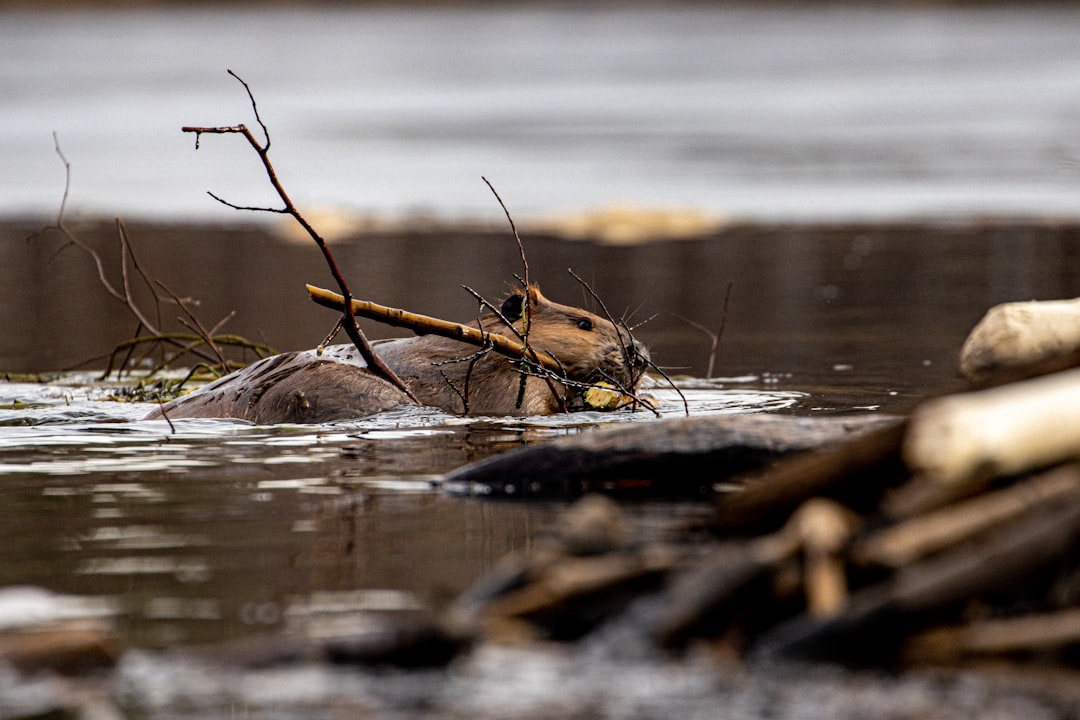
Beavers are often hailed as natural flood defenders, but the truth is more nuanced. By slowing water flow with their dams, beavers can reduce the risk of sudden floods downstream. Their wetlands soak up heavy rains, acting like giant sponges. However, not everyone is convinced. Some farmers and landowners worry that beaver dams could flood their fields and damage crops. The debate is as lively as a beaver pond after a rainstorm. Research is ongoing to determine exactly when and where beaver engineering helps or hinders flood management. For now, their reputation as both heroes and troublemakers remains firmly dammed up in controversy.
Water Quality: Nature’s Purification System
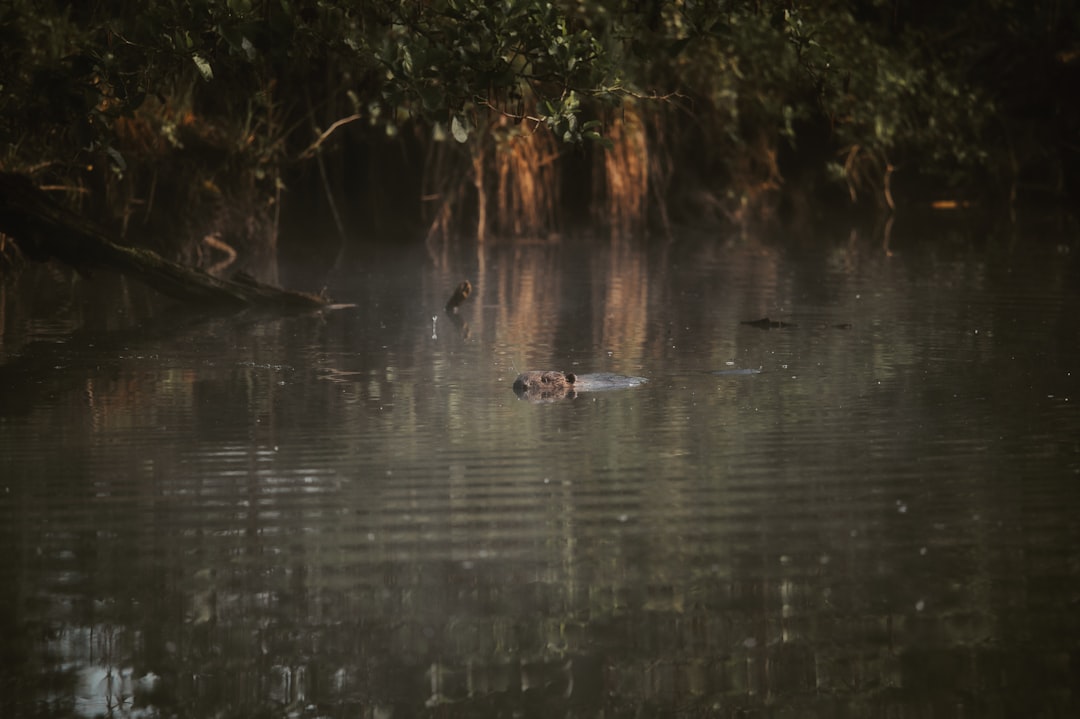
Beaver dams do more than store water—they help clean it. As water slows behind a dam, sediments settle out, and pollutants are filtered by vegetation. Nutrients that would otherwise fuel harmful algal blooms are trapped and broken down. Studies have shown that streams with beaver activity often have clearer, healthier water downstream. This natural purification system could be a boon for polluted rivers across the UK. Yet, the process isn’t perfect; beaver ponds can also accumulate organic matter, sometimes leading to increased methane emissions. The balance between cleansing and complicating water quality is a subject of active investigation.
Embracing Biodiversity: Beavers as Keystone Species
Ecologists call beavers a “keystone species”—animals whose influence is vastly disproportionate to their numbers. Their dams create habitats for hundreds of plants, insects, birds, and mammals. Dragonflies lay eggs in the still water, and fish find shelter in the deep pools. Even bats swoop over beaver ponds at dusk, feasting on insects. The return of beavers has triggered a cascade of life, making them silent heroes of the British countryside. Their absence left nature poorer; their comeback is bringing a wild richness back to our rivers and woods.
Conflicts on the Landscape: Farmers and Beavers Collide
Not everyone is thrilled about the beaver’s return. For some farmers, beavers are less like eco-saviors and more like furry vandals. Beaver dams can flood pastures, block drainage ditches, and drown valuable crops. In a country where every inch of land matters, these impacts stir up resentment and anxiety. Some landowners have pleaded for tighter controls or even removal of problem beavers. Finding a balance between ecological restoration and agricultural needs is a delicate dance, and tempers sometimes flare. The beaver debate is as much about people as it is about wildlife.
Climate Change Allies: Beavers and Carbon Storage
The UK is wrestling with the twin challenges of climate change and biodiversity loss. Beavers might just be unexpected allies in this fight. Their wetlands trap carbon-rich sediments and slow the release of greenhouse gases. By restoring natural water cycles, beavers can help landscapes weather the impacts of drought and heatwaves. There’s a growing interest in harnessing beaver power for climate resilience. Some experts even argue that rewilding with beavers is a natural climate solution, one that requires little more than a few hungry rodents and a patch of riverbank.
The Social Life of Beavers: Family Matters

Beavers live in tight-knit family groups called colonies. A typical beaver family includes a breeding pair and their offspring, sometimes spanning several generations. These families work together to build and maintain their dams and lodges. Young beavers, called kits, learn by watching their parents and older siblings. The family dynamic is essential for their survival and success. Watching a beaver family at work is like witnessing a tiny construction crew, each member with a role to play. Their social bonds and teamwork are as fascinating as their engineering feats.
Legal Protection and Policy Shifts

The legal status of beavers in the UK has shifted dramatically in recent years. After decades of debate, beavers gained legal protection in Scotland in 2019, and similar protections are spreading across England and Wales. This means it’s now illegal to harm or disturb beavers without a special license. These new laws reflect a growing appreciation for the role beavers play in nature. However, they also bring new responsibilities for land managers and government agencies. Balancing protection with practical management remains a challenge, and policy continues to evolve as beavers spread.
Learning from Europe: A Wider Beaver Renaissance
Britain isn’t alone in its beaver revival. Across Europe, beavers have been making a comeback for decades—in Germany, France, the Netherlands, and beyond. These countries offer valuable lessons for the UK, from coexistence strategies to compensation schemes for landowners. In places where beavers have been present for longer, people have learned to adapt, building flow devices to manage water levels and fencing off vulnerable crops. The European experience shows that living with beavers isn’t always easy, but it is possible with creativity and cooperation.
Unexpected Challenges: New Pests and Problems?
Reintroducing beavers brings surprises—some delightful, others less so. Their dams can sometimes harbor invasive species like American signal crayfish or provide breeding grounds for mosquitoes. Beavers themselves can chew through orchard trees, garden shrubs, or even infrastructure if left unchecked. There have been reports of beavers gnawing fence posts, or even blocking culverts and causing road floods. These challenges require vigilance and adaptive management, reminding us that even the best intentions can have side effects.
Public Perception: From Villain to Hero?
Attitudes toward beavers are shifting as their story unfolds. Early on, many saw them as troublesome intruders, a threat to tidy landscapes and tidy plans. But as evidence of their ecological benefits mounts, public opinion is warming. Wildlife watchers flock to see beavers in the wild, and local tourism has received a boost in places where beavers have settled. Children marvel at their engineering, and communities rally to protect them. The once-maligned rodent is slowly becoming a symbol of hope and renewal—a furry ambassador for wild Britain.
Citizen Science: Tracking the Beaver Boom
Ordinary people are playing a vital role in tracking beaver populations and their impacts. Citizen scientists count dams, monitor water levels, and report sightings. Camera traps capture the secret lives of beavers at night, revealing behaviors that even experts find surprising. These grassroots efforts are helping scientists gather data across vast areas, turning beaver reintroduction into a national conversation. The enthusiasm and curiosity of volunteers show how deeply the beaver’s return has captured the British imagination.
Managing the Mess: Solutions for Coexistence

Living with beavers means adapting to their messy, chaotic style of landscaping. Practical solutions are emerging, such as installing “beaver deceivers”—pipes that prevent dams from raising water levels too high. Landowners are learning to reinforce riverbanks and protect valuable trees with wire mesh. Some communities are experimenting with flexible buffer zones, allowing beaver wetlands in some areas while keeping others clear. These approaches require patience, creativity, and compromise, but they show that coexistence is possible with the right tools and mindset.
Education and Engagement: Spreading the Beaver Gospel

Education is key to building support for beaver reintroduction. Schools, nature reserves, and community groups are running workshops and events to teach people about beaver ecology. Guided walks and wildlife hides offer up-close encounters with these charismatic rodents. Social media buzzes with beaver news and photos, sparking curiosity and debate. As more people learn about the benefits—and challenges—of living with beavers, attitudes are changing. Education is turning skepticism into stewardship, one curious mind at a time.
The Future: A Wilder, Wetter Britain?

The beaver’s return is rewriting the story of British rivers and countryside. Their dams are reshaping landscapes, bringing back lost wetlands and wildlife. Yet challenges remain, from managing conflicts to adapting infrastructure. Whether the UK chooses to fully embrace beavers as ecosystem engineers—or clamp down on their more disruptive tendencies—remains to be seen. The choices made now will echo for generations, shaping the future of wild Britain. The question lingers in the air like mist over a new beaver pond: Are we ready to share our land with nature’s most tireless builders?