
Imagine standing in a shadowy forest as dusk settles, and suddenly the darkness comes alive with a breathtaking spectacle: thousands of tiny lights pulsing in perfect harmony, like a living constellation. It’s not magic—it’s the work of fireflies, and their synchronized flashes have mystified and enchanted humans for centuries. How do these humble insects achieve such precise coordination, turning entire landscapes into natural light shows? The answer weaves together biology, physics, and a dash of wonder, revealing a story as luminous as the creatures themselves.
The Mesmerizing Phenomenon of Synchronous Flashing
Synchronous flashing is when countless fireflies light up at the exact same time, creating waves of light that seem to ripple through trees and across meadows. Witnessing this in person is almost surreal, as if time itself is pulsing. Not every firefly species does this; it’s a specialty of certain types, like the famous Photinus carolinus in North America and several species in Southeast Asia. These displays are not random; they follow a rhythm that can last for hours each night. For many, it’s the closest thing to witnessing a natural symphony—where each beetle is both a soloist and part of a grand orchestra.
Why Do Fireflies Blink at All?
At first glance, a firefly’s flash seems like a simple quirk, but it’s actually their way of communicating. The main reason for these dazzling displays is courtship. Males fly around, flashing their unique patterns, hoping to attract females hidden in the foliage. Each species has its own “flash code,” so the right signals lead to the right matches. Sometimes, females flash back in response, creating a silent dialogue of light. It’s a conversation written in the air—one that predators might also be watching, adding another layer of complexity.
The Science Behind Their Glowing Light
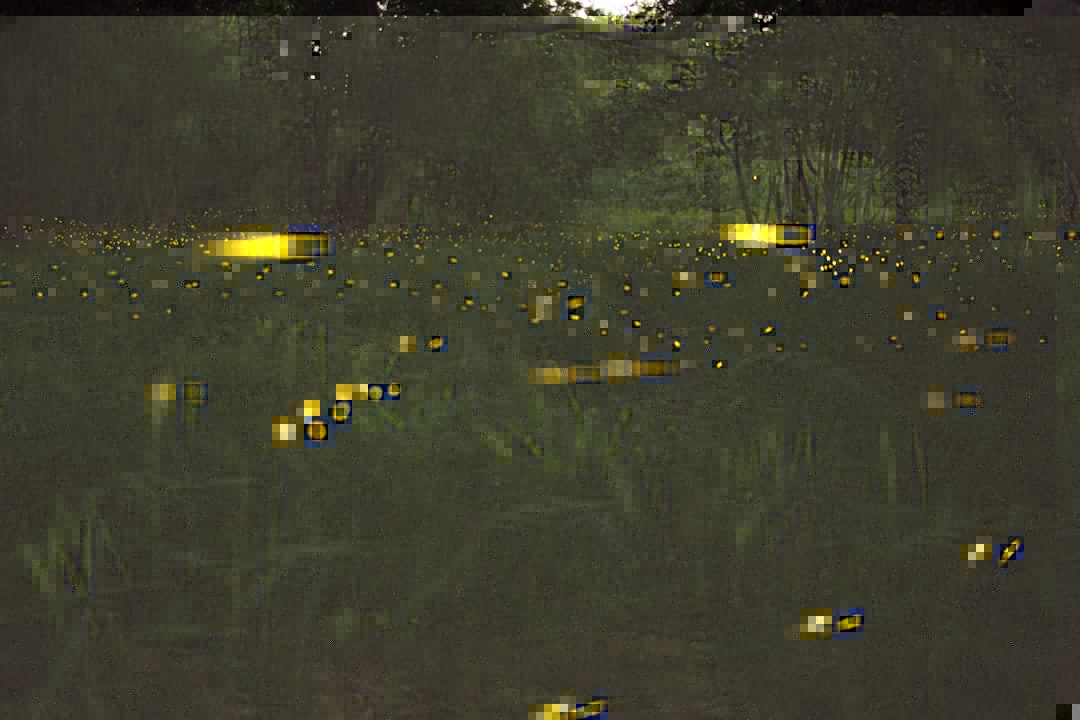
The glow of a firefly is a textbook example of bioluminescence. Inside a special organ in their abdomen, fireflies combine a chemical called luciferin with oxygen, an enzyme named luciferase, and a dash of ATP (energy molecule) to create light without heat. This “cold light” is incredibly efficient and comes in shades from yellow-green to blue, depending on the species. Unlike a light bulb, there’s no wasted energy—just pure, magical glow. It’s nature’s own version of a perfect lightbulb, and scientists are still learning from its design.
How Do Fireflies Achieve Perfect Synchrony?
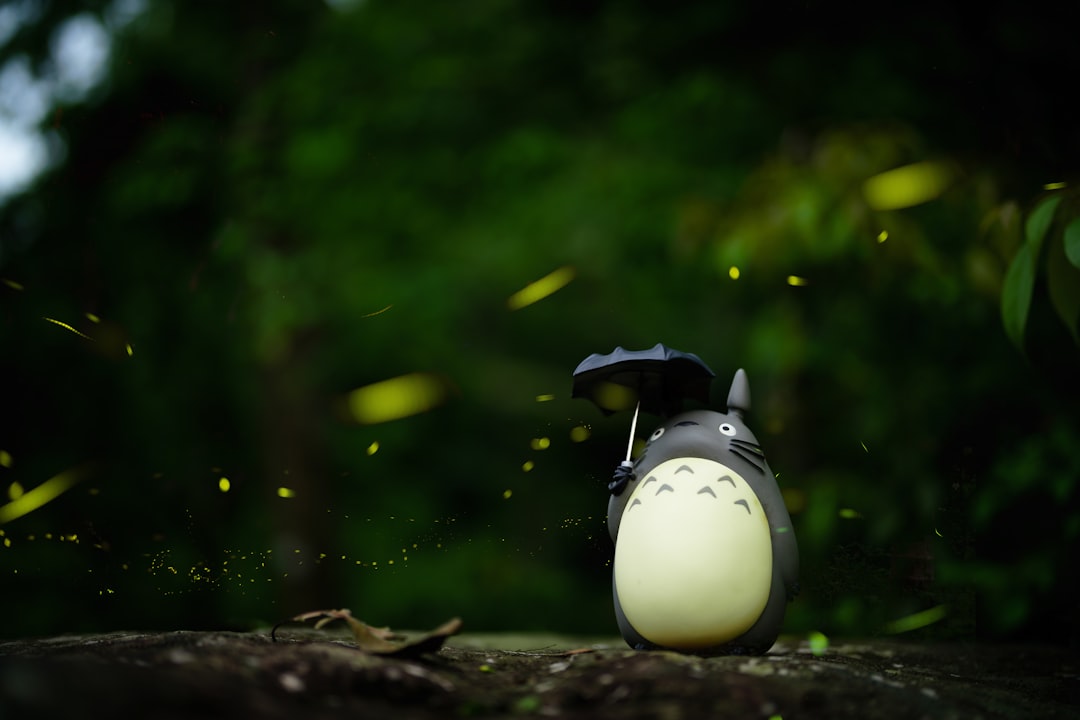
The big question: how do thousands of insects coordinate their flashes so perfectly? Scientists discovered that each firefly is like a tiny clock, flashing at regular intervals. When one firefly sees another flash, it subtly adjusts its own timing—speeding up or slowing down a little. This process, called “phase resetting,” eventually brings all the fireflies into sync, like a room full of people clapping out of time but quickly falling into rhythm. It’s a phenomenon also seen in heart cells, pendulum clocks, and even some human crowds.
When and Where Does Synchrony Happen?
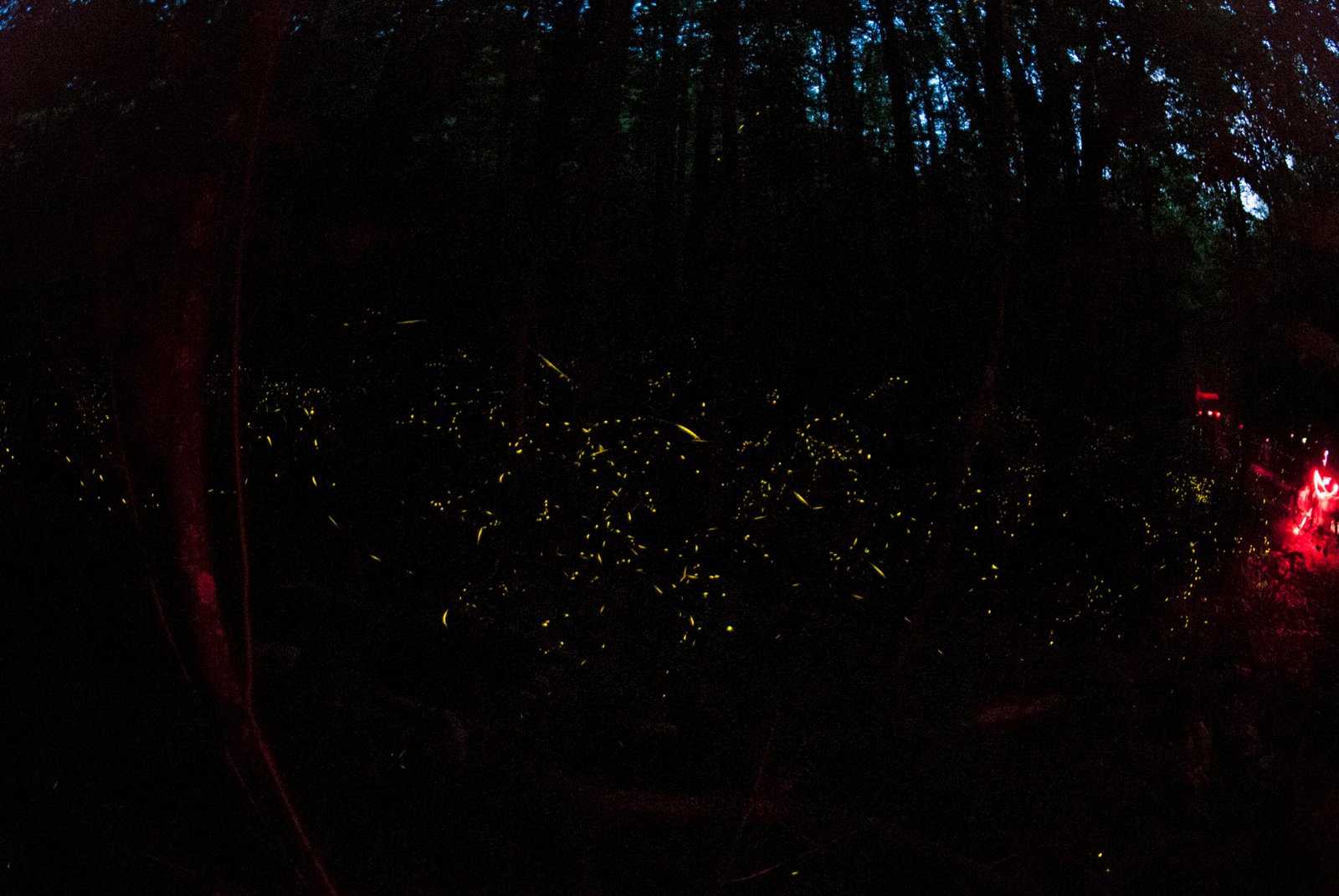
Synchronous firefly displays aren’t everywhere, but when they occur, they’re unforgettable. In the United States, the Great Smoky Mountains host one of the most famous annual events, drawing crowds from around the world. In Southeast Asia, mangrove forests in Malaysia and Thailand put on nightly performances along riverbanks. These spectacles are usually brief, happening for just a couple of weeks each year, often linked to weather patterns, temperature, and moonlight. The exact timing is so precise that locals plan festivals around them.
The Role of Environment and Weather
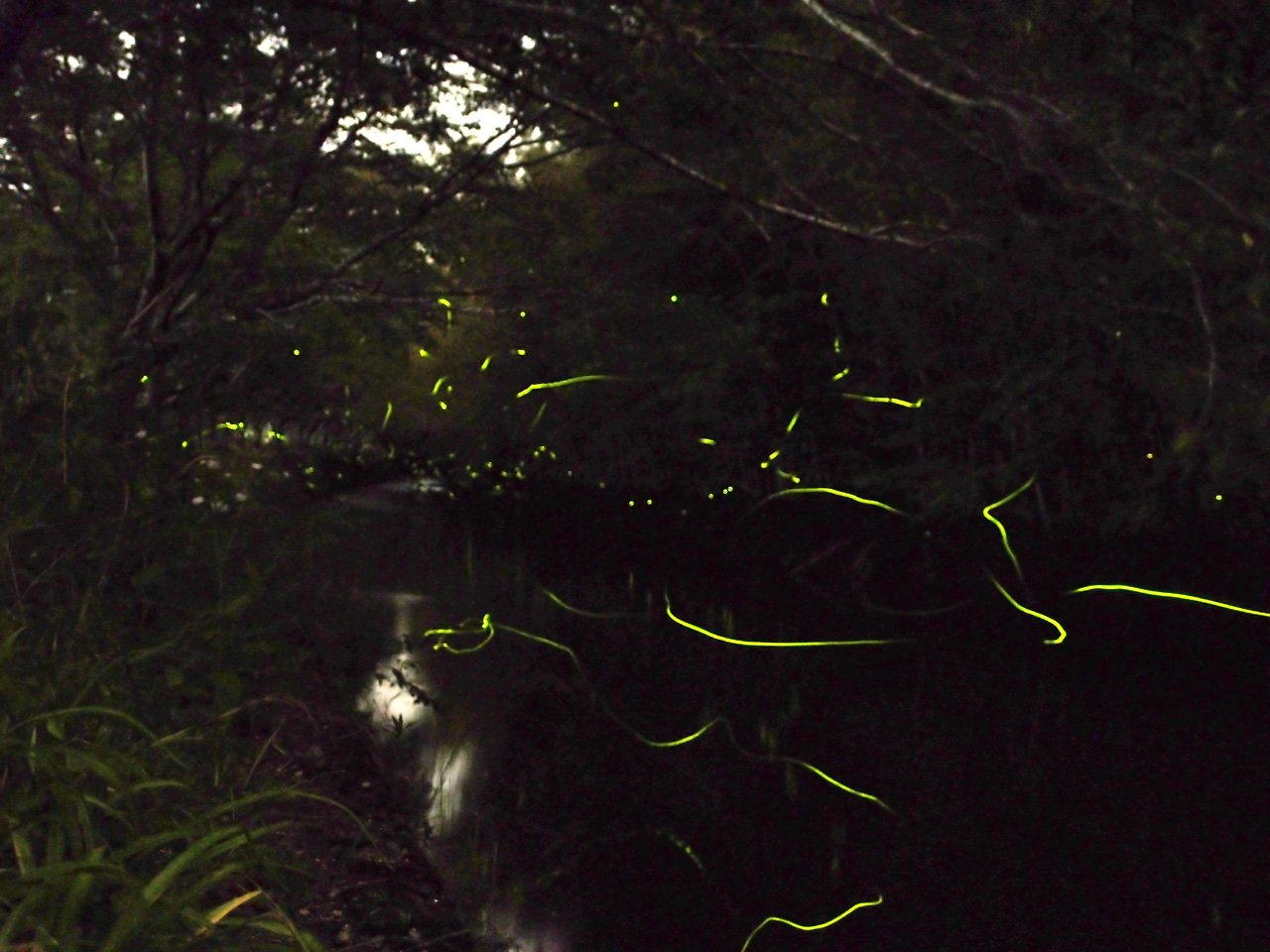
Environmental cues play a huge role in firefly synchrony. Warm, humid nights after a rainstorm are ideal—too cold or dry, and the show fizzles. The phases of the moon can also influence the timing, with the brightest displays often happening on moonless nights. Artificial lights from cities can disrupt the fireflies, confusing their internal clocks and sometimes drowning out their signals. The fragility of these conditions makes each display feel precious, as if the forest is sharing a secret that could vanish at any moment.
Firefly Communication: More Than Just Romance
While courtship is the main function of flashing, fireflies also use light for other kinds of communication. Some species use it to warn off predators, signaling that they taste bad (they actually contain chemicals that are toxic to many would-be eaters). Others use deceptive flashes—females of certain species mimic the patterns of other fireflies to lure in unsuspecting males for a meal. It’s a world where light can mean love, danger, or deception, all in a few blinks.
Mathematics of Synchrony: Nature’s Living Metronome
Underneath the beauty of synchronous flashing lies a hidden world of mathematics. Scientists model these displays using “coupled oscillators,” a fancy way of saying that each firefly is a timer that can be influenced by others. This math isn’t just for insects—it’s the same logic that governs heartbeats, brainwaves, and even the way crickets chirp in unison. Watching fireflies is like watching a living lesson in how simple rules can lead to breathtaking complexity.
Evolutionary Advantages of Synchronous Flashing
Why did synchronous flashing evolve in the first place? For one, it’s more effective at attracting mates. When males flash together, the group display is easier for females to spot, making it more likely for everyone to find a partner. There’s also a safety-in-numbers effect: with thousands flashing at once, predators can’t easily single out a victim. This evolutionary “arms race” has led to some of the most coordinated light shows on Earth, driven by competition and the need to survive.
The Human Fascination With Fireflies
For centuries, people have been enchanted by fireflies. In Japan, they are symbols of love and fleeting beauty; in the Southern United States, summer memories are often lit up by their glow. Poets and painters have tried to capture their magic, but nothing compares to the real thing—a living tapestry of light. There’s something deeply moving about seeing so many tiny creatures working in harmony, reminding us of the beauty that can come from unity and cooperation.
Threats to Firefly Synchrony
Sadly, fireflies and their mesmerizing displays are under threat. Habitat loss, pollution, pesticides, and especially light pollution from cities all disrupt their delicate life cycles. In many places, the once-common glow is now a rarity. Conservationists are working hard to protect the forests, wetlands, and meadows where fireflies thrive, but it’s an uphill battle. Every lost display is a reminder of how fragile these wonders are, and how much we stand to lose.
Light Pollution: The Unseen Enemy
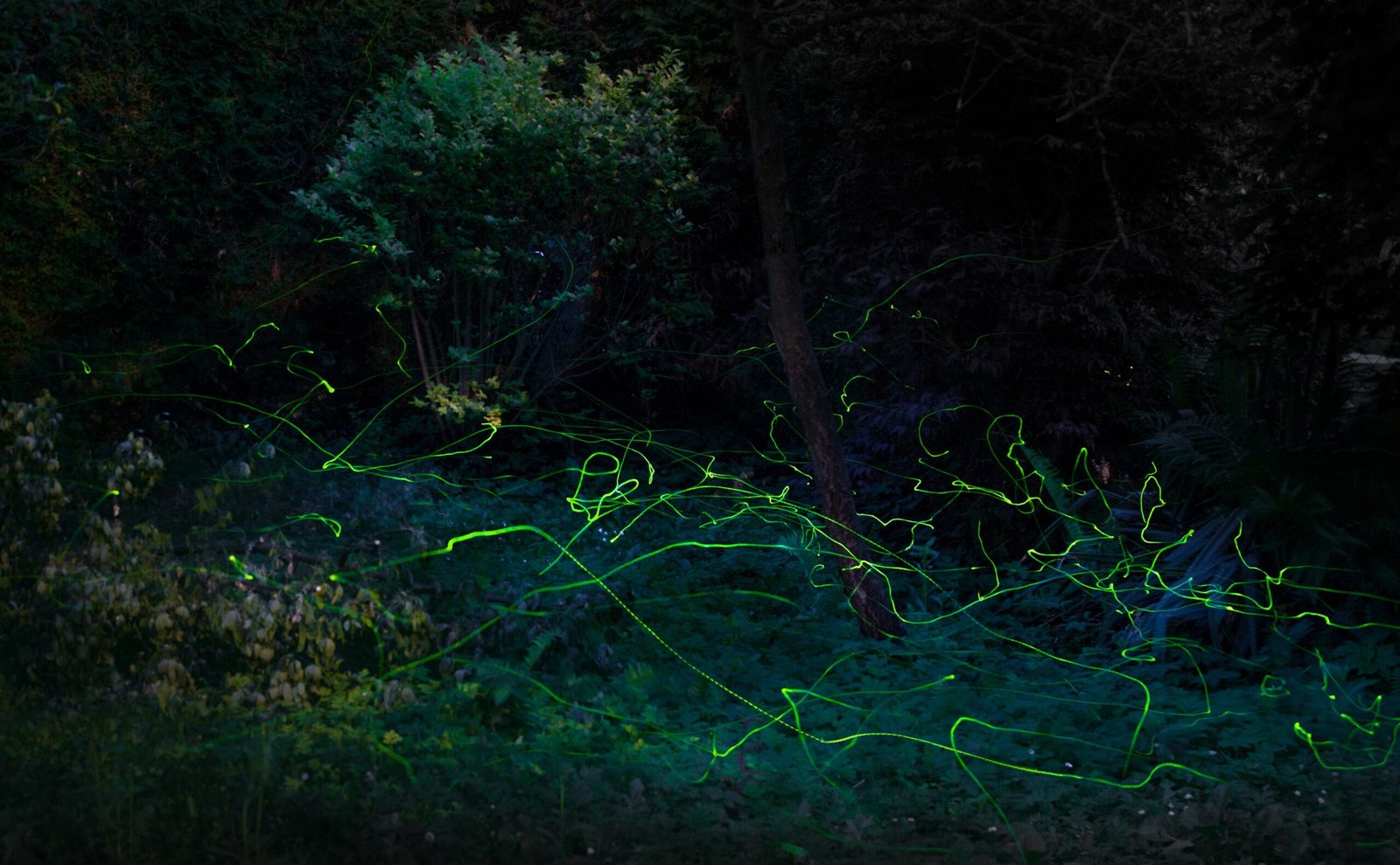
Artificial lighting is one of the biggest dangers facing fireflies. Streetlights, car headlights, and even porch lights can drown out the subtle signals that fireflies use to communicate. Imagine trying to have a whispering conversation at a rock concert—that’s what fireflies are up against. In some places, efforts are underway to create “dark sky” reserves, where artificial lights are minimized to help these insects continue their ancient rituals.
Fireflies and the Web of Life

Fireflies aren’t just pretty lights; they’re a vital part of their ecosystems. Their larvae are fierce predators, keeping populations of snails and slugs in check. Adult fireflies are food for birds, frogs, and other animals. When fireflies disappear, it’s a sign that other parts of the ecosystem may be in trouble, too. Their flashes are like tiny alarms, warning us when something is out of balance.
Citizen Science and Firefly Research

Recently, people all over the world have joined efforts to protect and study fireflies. Citizen science projects invite anyone to report sightings, helping researchers track populations and learn more about their habits. Smartphone apps and online maps are making it easier for nature lovers to contribute valuable data. This grassroots movement is not only helping scientists—it’s reconnecting people with the rhythms of nature right outside their doors.
Fireflies in Art, Literature, and Culture
From ancient poems to modern movies, fireflies have inspired countless works of art. They appear in folklore as spirits, bringers of luck, or omens. Some cultures hold festivals in their honor, celebrating their short, magical season. Their presence in stories and songs speaks to our longing for light in the darkness, and our fascination with the mysteries of life.
Unexpected Lessons from Firefly Synchrony
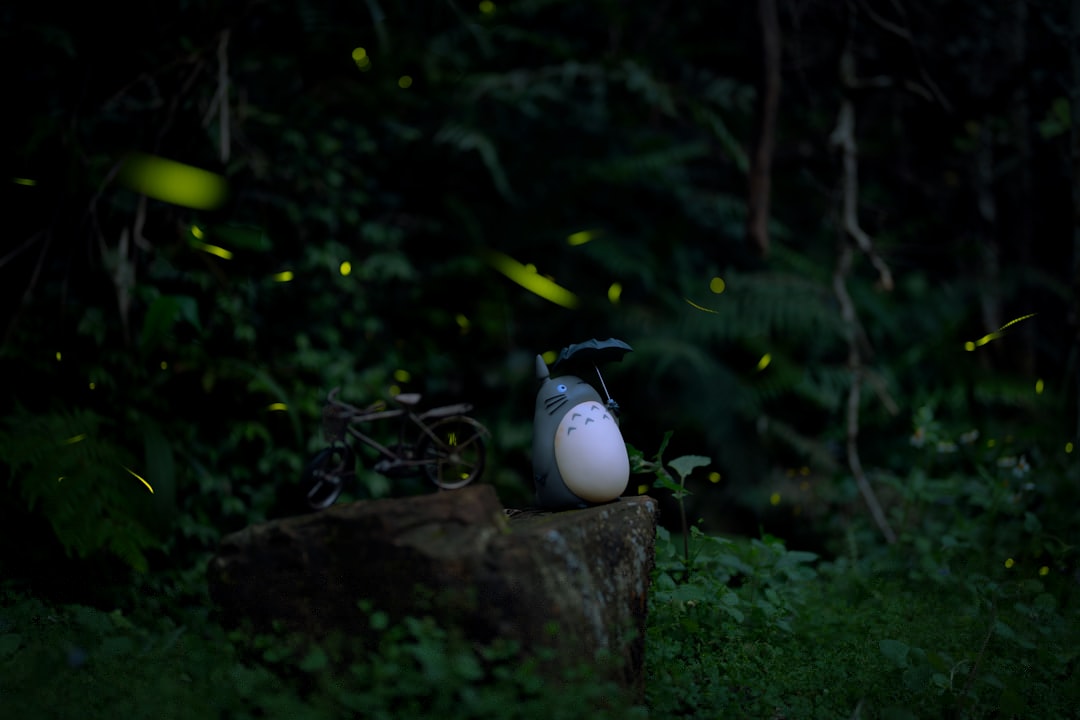
The science of fireflies has taught us surprising lessons about cooperation, communication, and complexity. Scientists have even used firefly-inspired algorithms to solve problems in robotics, network design, and medicine. The idea that simple creatures can create such beauty through basic rules challenges our ideas about intelligence and creativity. Fireflies remind us that sometimes, the most extraordinary things come from the simplest beginnings.
Firefly Tourism: Sharing the Magic
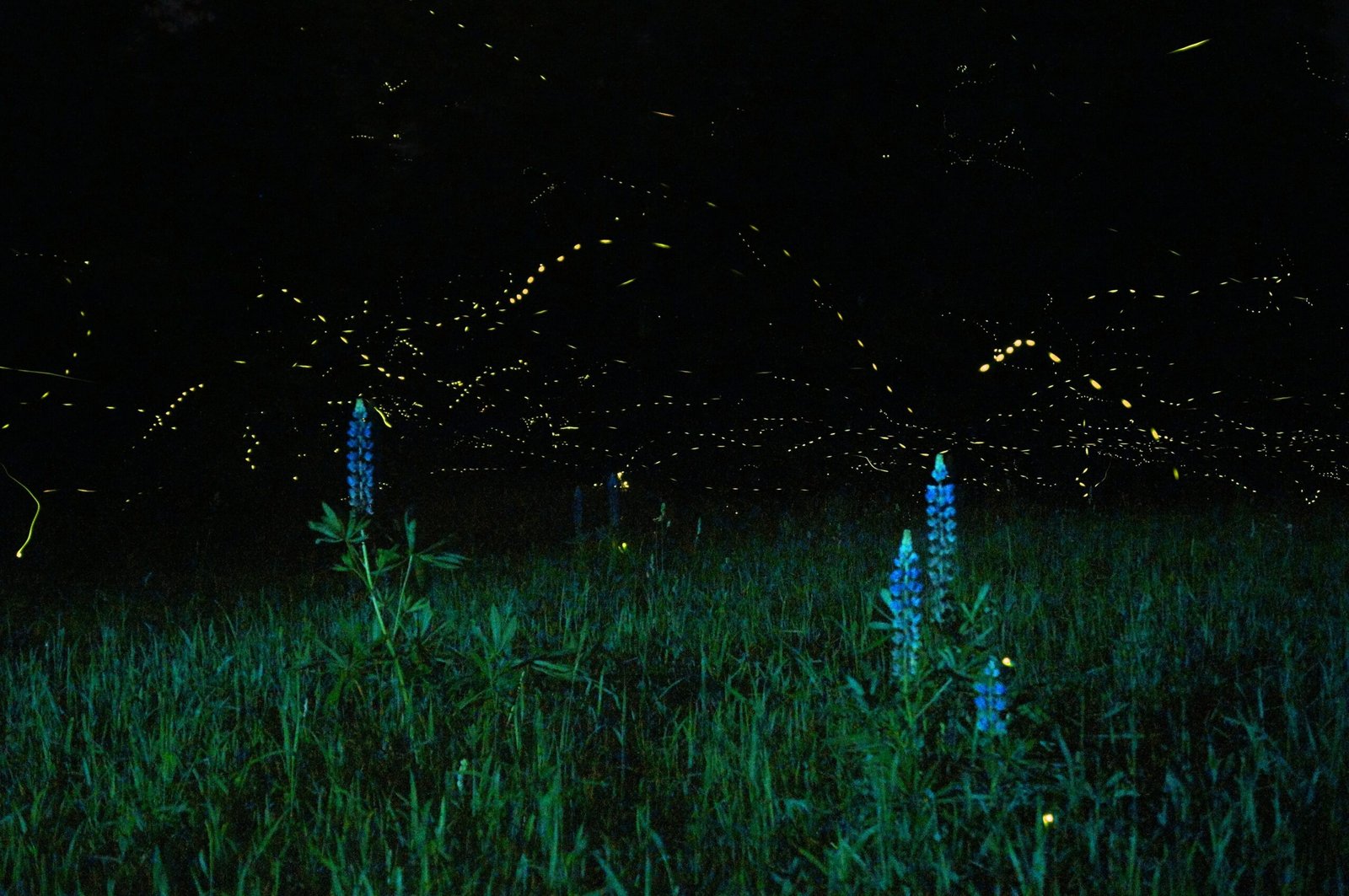
In places where synchronous firefly displays still happen, tourism has become a double-edged sword. On one hand, it brings attention and resources to conservation efforts. Guided tours in the Smoky Mountains or boat rides in Malaysian mangroves introduce thousands to the magic of fireflies. On the other hand, too much human activity can harm the delicate balance these insects need. Responsible tourism—quiet, low-light, and respectful—offers a way to share the wonder without destroying it.
How to Help Fireflies Thrive
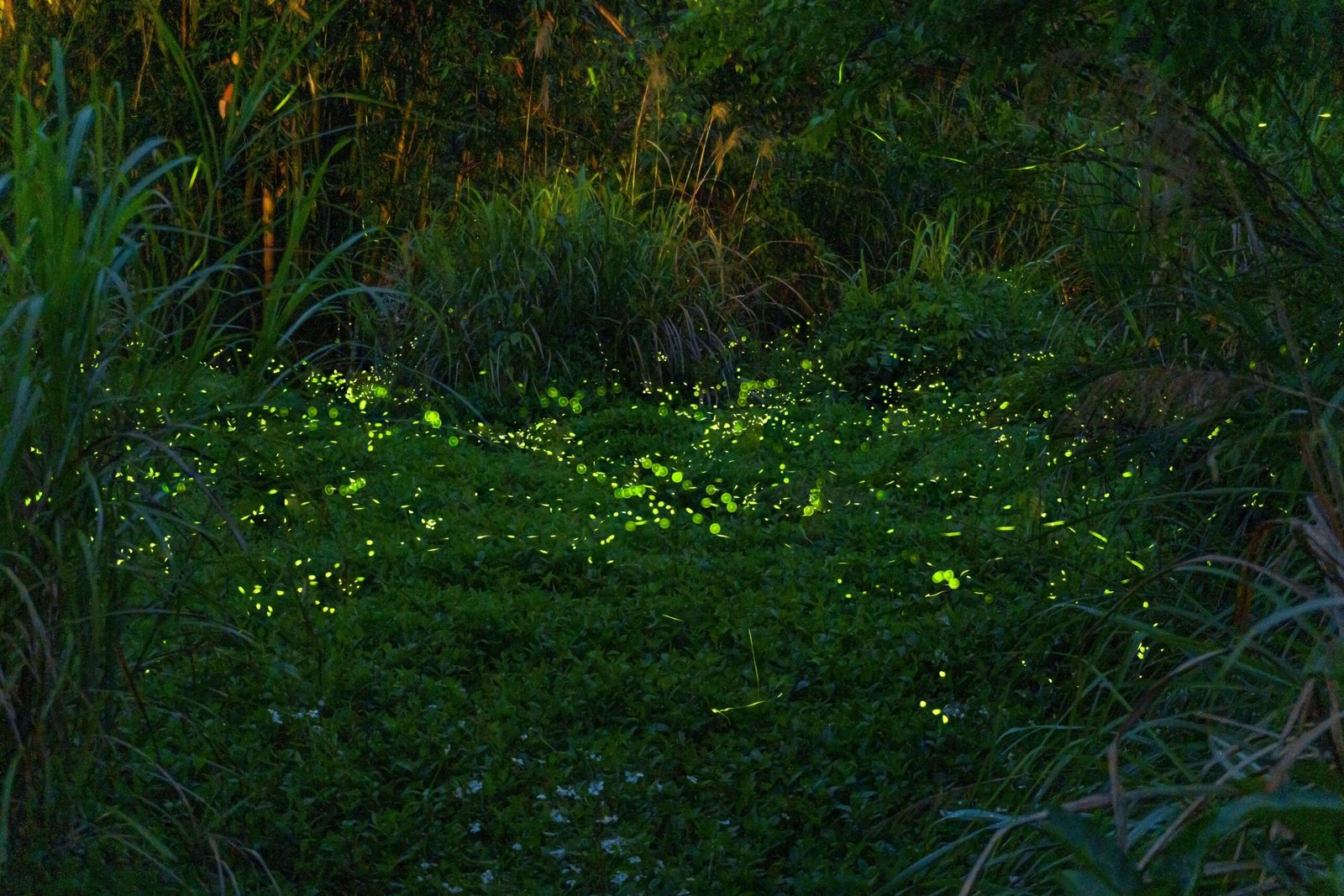
If you want to see more fireflies in your own backyard, there are simple steps you can take. Turn off outdoor lights at night, plant native trees and flowers, and avoid pesticides that can harm larvae. Leave patches of lawn unmowed or create small wild areas where fireflies can lay their eggs. Even small actions add up, making it easier for these magical insects to survive and put on their nightly shows.
A Personal Encounter With Firefly Magic
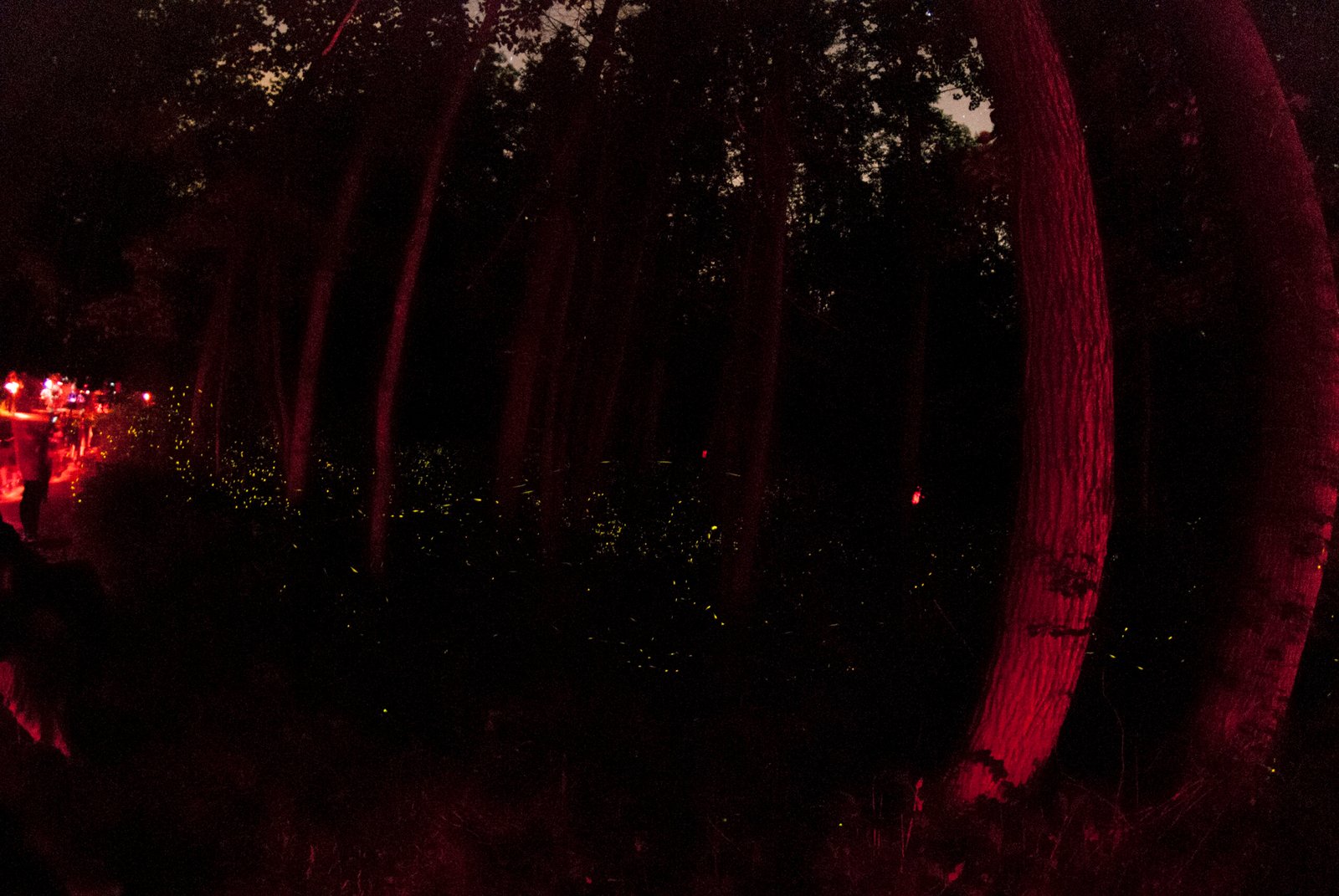
The first time I saw synchronous fireflies, I was speechless. The forest felt alive, humming with silent energy as waves of light pulsed all around. It wasn’t just a visual spectacle—it was a feeling of connection, a reminder that nature still holds mysteries we can barely understand. The memory lingers, like an afterglow, long after the lights have faded.
Reflections on the Future of Fireflies
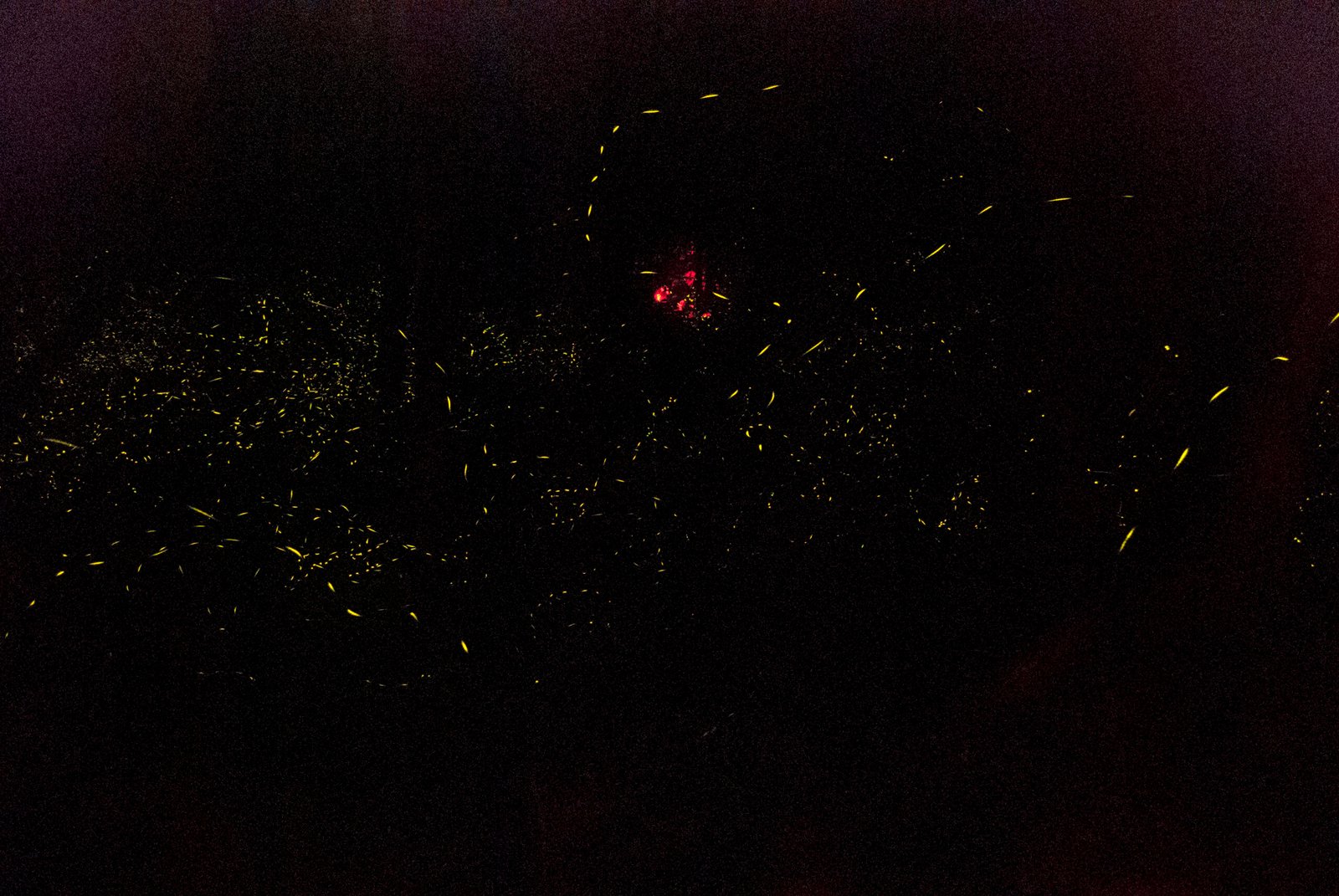
Fireflies’ synchronized dances are both ancient and fragile, woven from threads of chemistry, evolution, and pure chance. They show us what’s possible when individuals cooperate, and what’s at stake if we fail to protect the places they call home. The next time you see a single firefly, imagine the chorus it could be part of—a living reminder that even the smallest creatures can light up the world.