
Imagine walking along a sun-soaked Australian beach, feeling the warm sand under your feet. Now picture that, millions of years ago, giant dinosaurs strode across this very coastline, leaving behind footprints that would outlast entire civilizations. On the remote and wild coast near Darwin, in northern Australia, ancient dinosaur tracks are hidden in plain sight—etched into rocks and tidal flats, whispering stories from a time when monsters ruled the Earth. These fossilized footprints aren’t just relics; they are time machines, pulling us into a world where Australia was a lush, primeval paradise filled with thunderous footsteps and untold mysteries. If you’ve ever wondered what it would be like to walk with dinosaurs, the answer is right here, laid out in stone along one of the world’s most breathtaking tropical shores.
The Discovery That Changed Everything
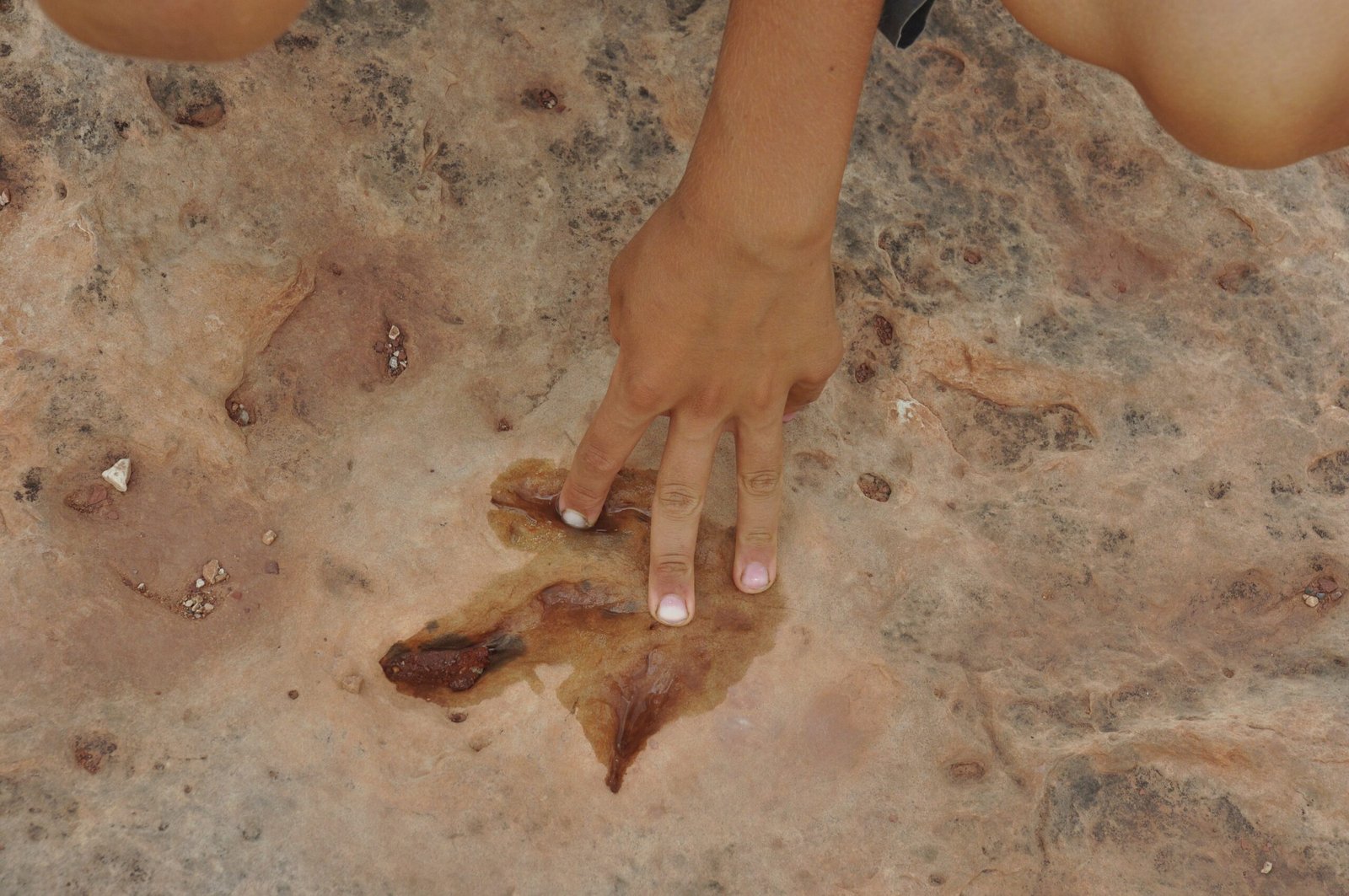
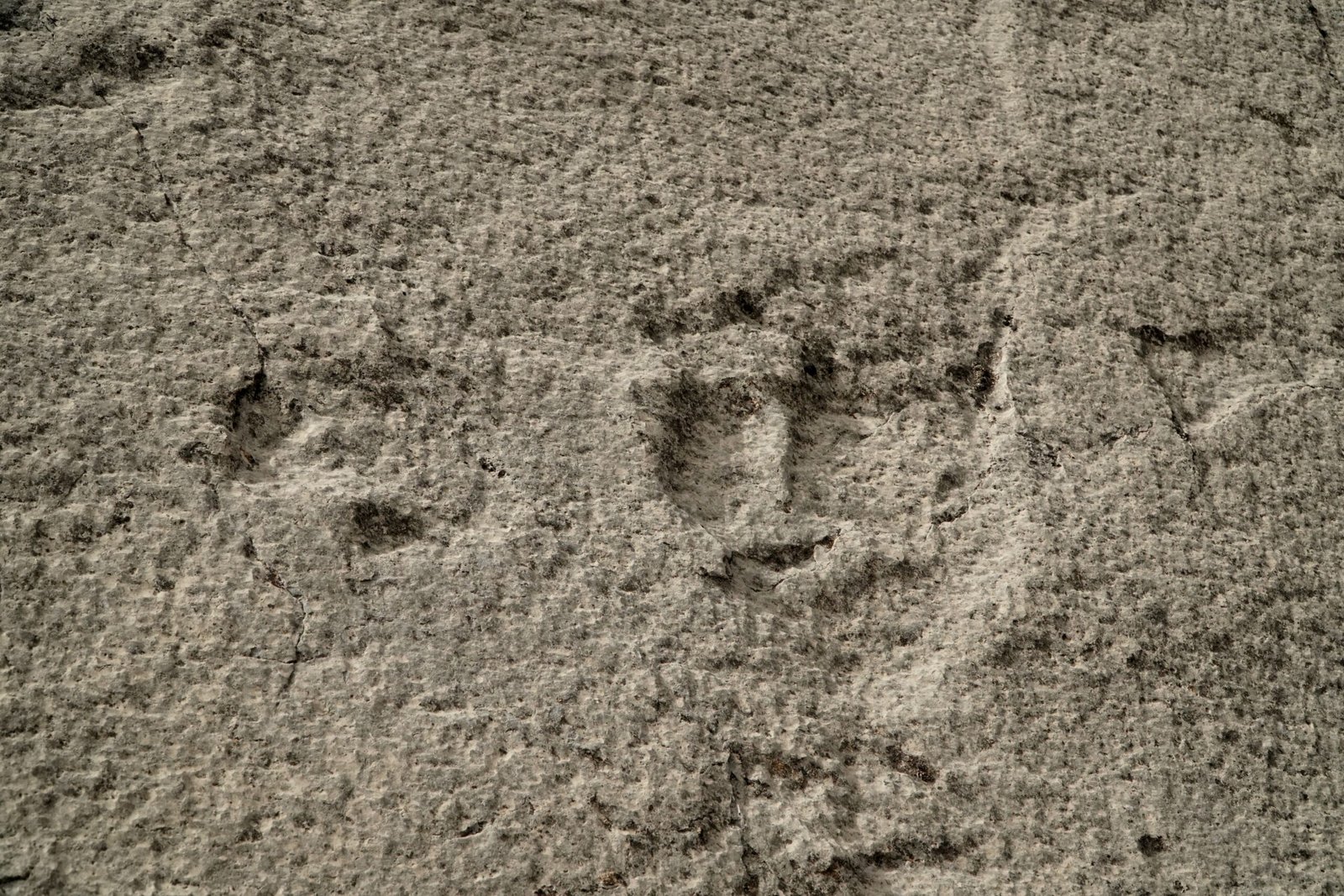
The first time scientists stumbled across these dinosaur tracks along Australia’s northern coast, they couldn’t believe what they were seeing. Stretching for miles along the shore, these impressions were more than just random marks—they were clear, deliberate tracks left by enormous prehistoric creatures. Local Indigenous communities had known about the prints for generations, weaving them into stories and traditions. But when paleontologists finally recognized their significance, it was a wake-up call to the global scientific community. Suddenly, this remote stretch of coastline became one of the most significant dinosaur track sites on Earth, challenging everything we thought we knew about ancient Australia.
A Window into the Cretaceous World
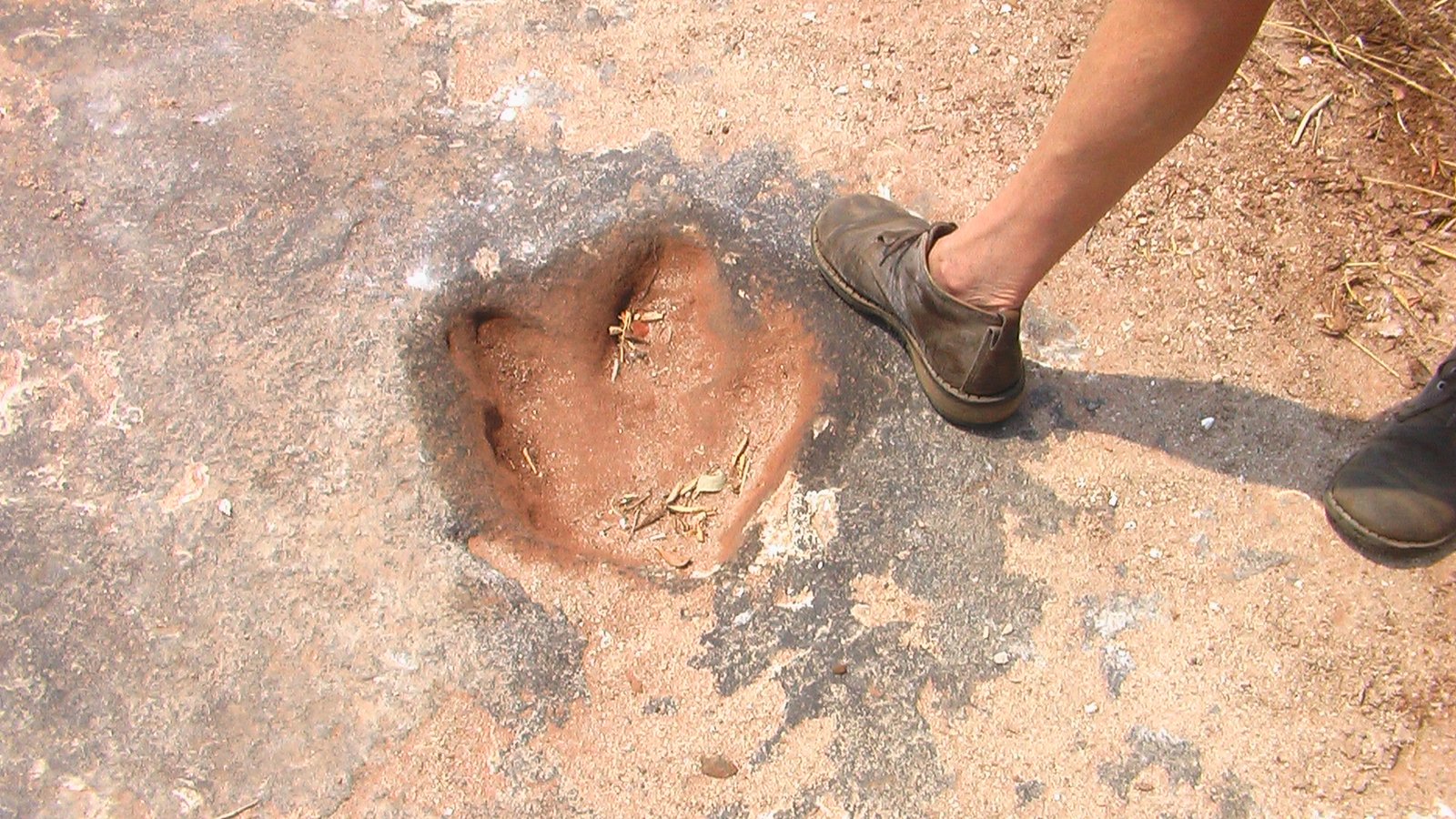
These ancient footprints date back over 130 million years to the Early Cretaceous period, a time when Australia was part of the southern supercontinent Gondwana. Back then, the climate was warm, and thick forests covered much of the land. Dinosaurs of all shapes and sizes roamed freely, from lumbering sauropods to nimble, bird-like theropods. The tracks preserved in stone capture a moment frozen in time, offering a direct glimpse into this vanished world. Each print is a clue—a puzzle piece that helps scientists reconstruct what life was like when dinosaurs ruled the land.
The Diversity of Dinosaur Tracks
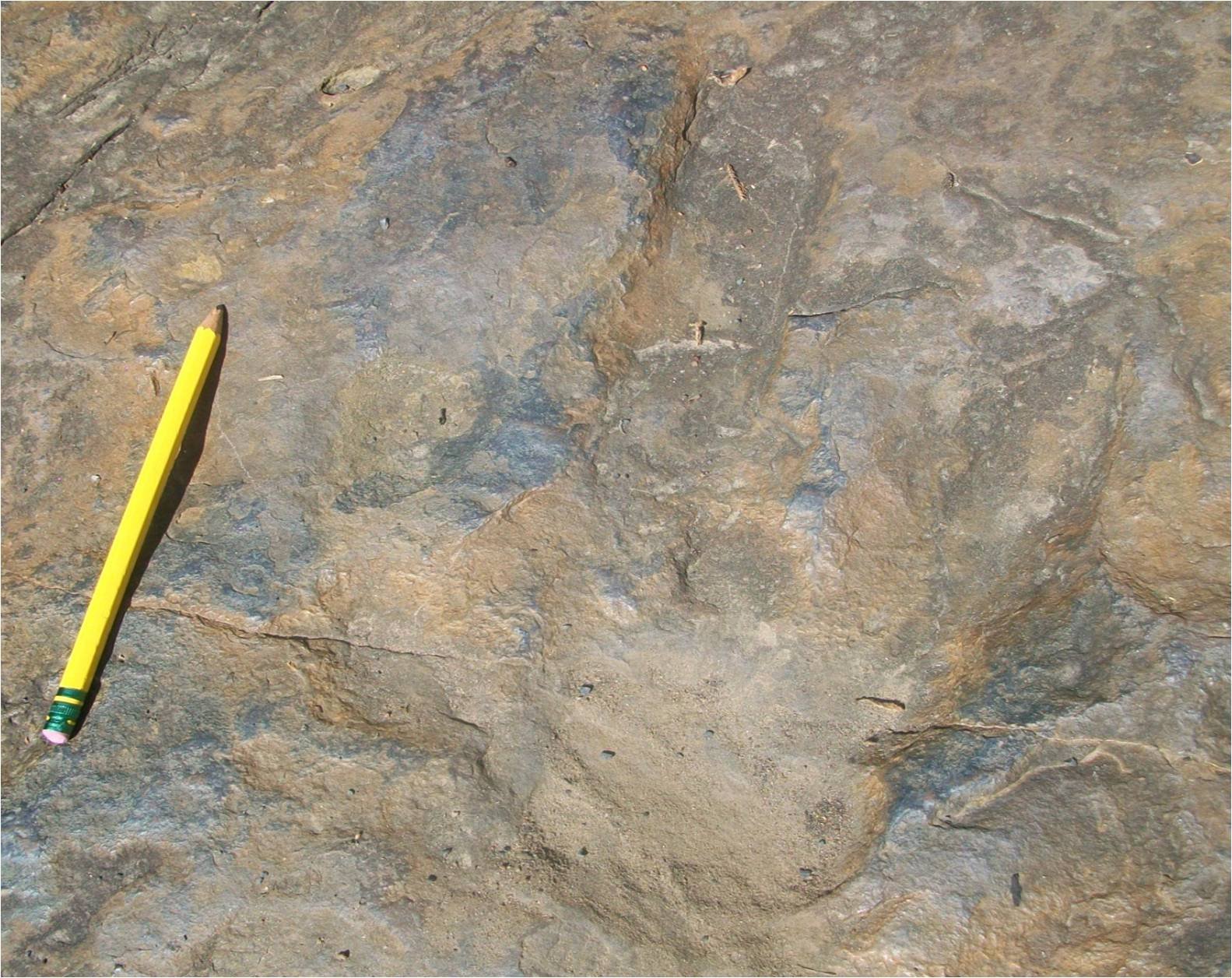
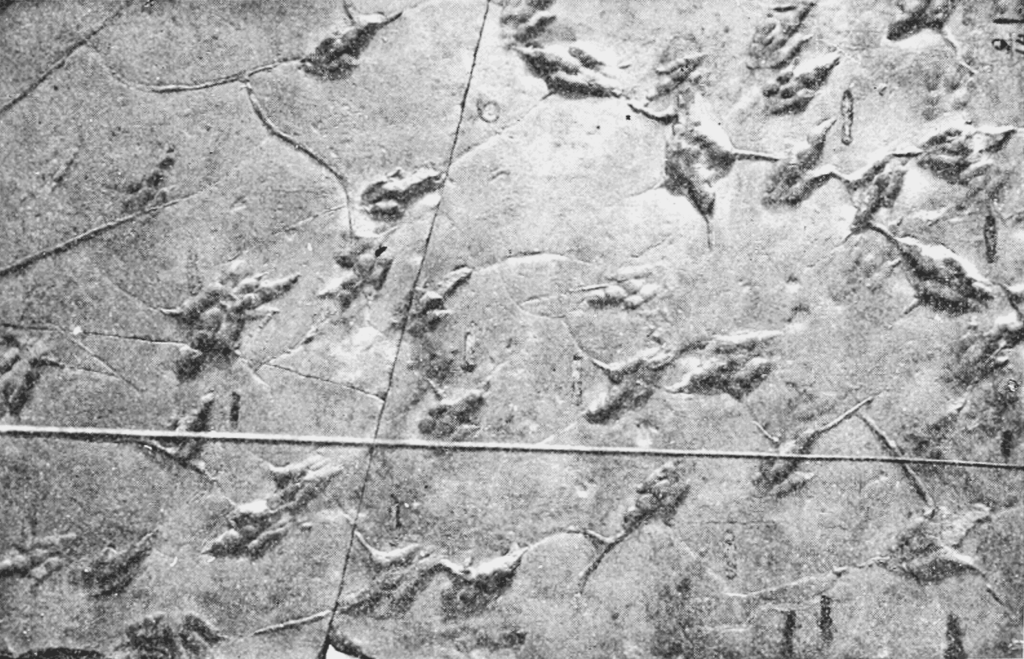
What makes Darwin’s dinosaur prints truly remarkable is their variety. Fossilized footprints from at least 21 different dinosaur species have been identified along this stretch of coast. There are massive, round impressions made by long-necked sauropods, delicate three-toed prints from swift theropods, and even armored dinosaur tracks. This diversity suggests that the region was a bustling crossroads, teeming with prehistoric life. In a way, it’s like discovering an ancient traffic jam, with different dinosaurs crossing paths as they moved between riverbanks, forests, and tidal flats.
Gigantic Sauropods: The Gentle Giants
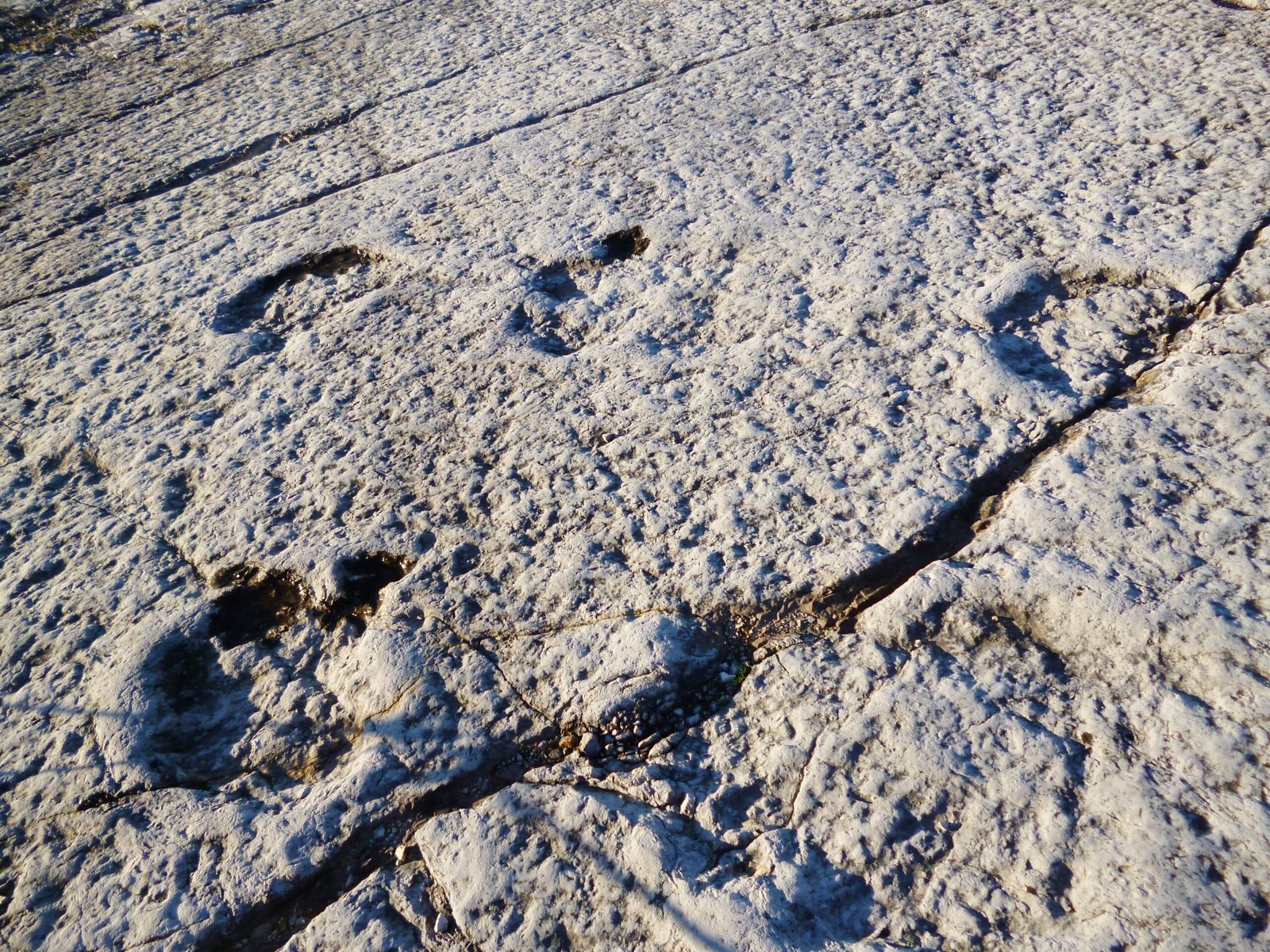
Among the most awe-inspiring tracks are those left by sauropods—the true giants of the dinosaur world. Some of these footprints measure over 1.7 meters long, making them the largest dinosaur tracks ever recorded. Imagine an animal as long as a basketball court and heavier than a herd of elephants, lumbering across the soft mud. Each sauropod print is a testament to their immense size and slow, deliberate gait. These gentle giants likely traveled in herds, migrating across ancient floodplains in search of food and water.
Swift Theropods: The Predators Among Us
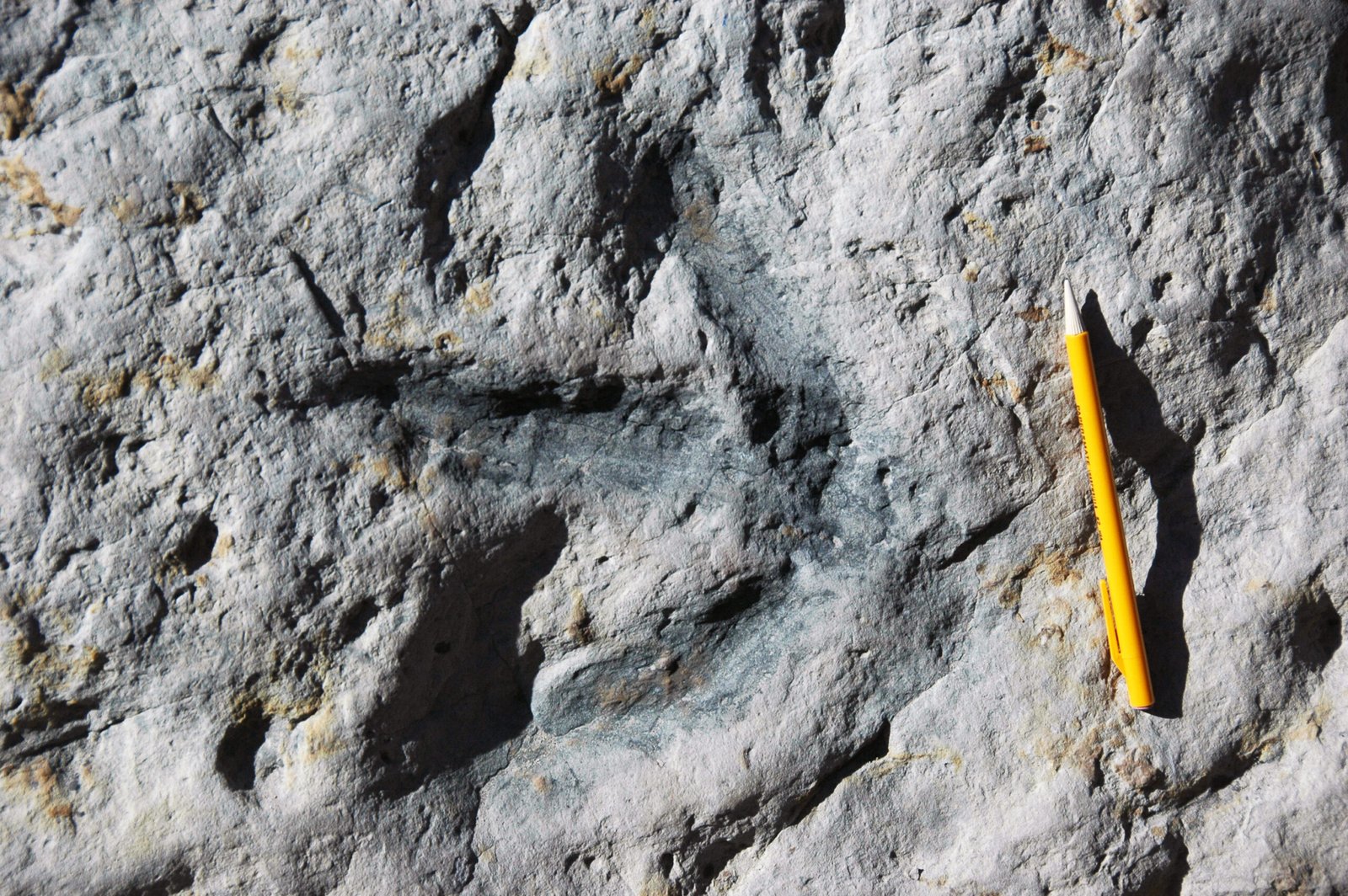
Not all the dinosaurs that walked here were giants. Some of the most intriguing tracks belong to theropods—two-legged, meat-eating dinosaurs related to modern birds. Their prints are narrow, with sharp claw marks, hinting at creatures built for speed and agility. Picture a pack of raptors dashing across the landscape, hunting for prey or chasing each other through the undergrowth. These tracks reveal the presence of fierce predators that would have kept the ecosystem in balance, much like lions on the African savanna today.
Stegosaurs and Armored Dinosaurs
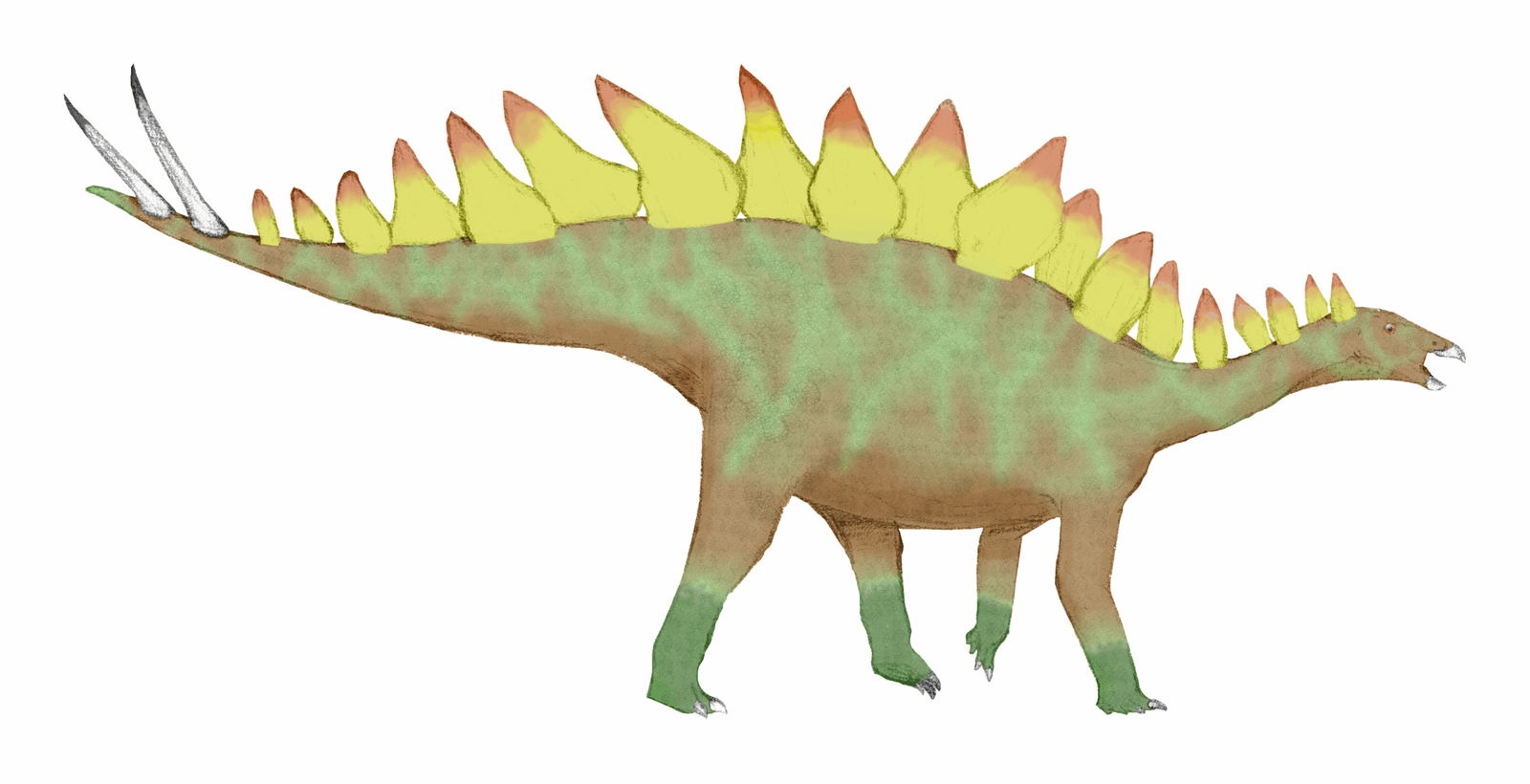
Surprisingly, the coastline near Darwin has also yielded tracks from stegosaurs and other armored dinosaurs. These creatures, covered in bony plates and spikes, left behind broad, rounded prints that tell us about their unique way of walking. The presence of these tracks suggests a diverse habitat with plenty of cover and food—perfect for slow-moving, heavily armored herbivores. It’s hard not to imagine a stegosaur ambling along the water’s edge, dragging its spiked tail behind it as it searched for ferns and low-lying plants.
The Role of Tides and Time
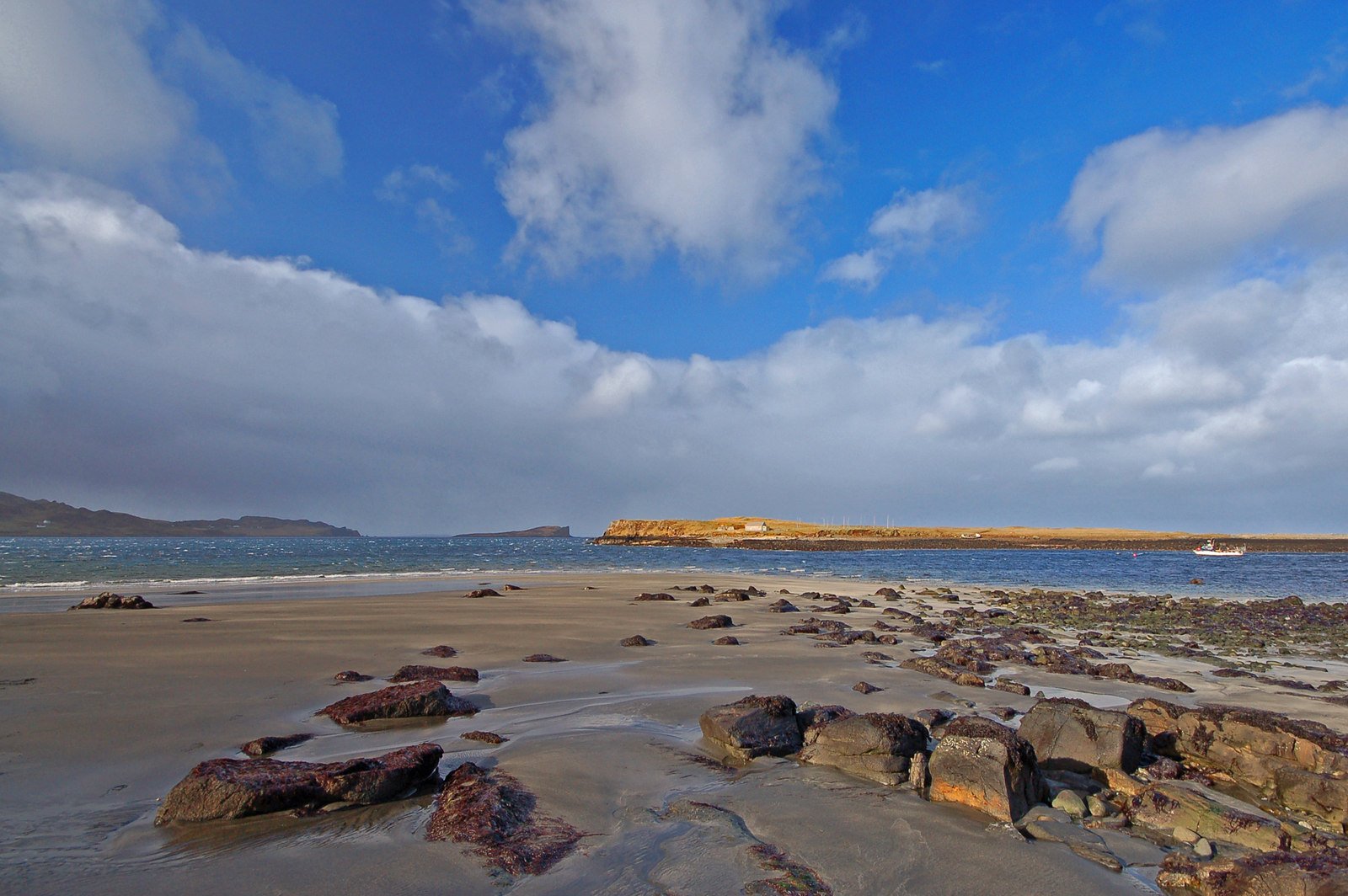
One of the most fascinating aspects of these dinosaur tracks is how they’ve been preserved and revealed by the relentless action of the tides. Twice a day, the ocean sweeps in and out, alternately covering and exposing the fossil beds. This natural rhythm has helped protect the tracks from erosion, but it also means that discovering them can feel like a race against time. Sometimes, the best prints are only visible for a few hours before the sea returns to hide them again. It’s a dramatic reminder of how fragile and fleeting these ancient relics can be.
Indigenous Knowledge and Ancient Stories
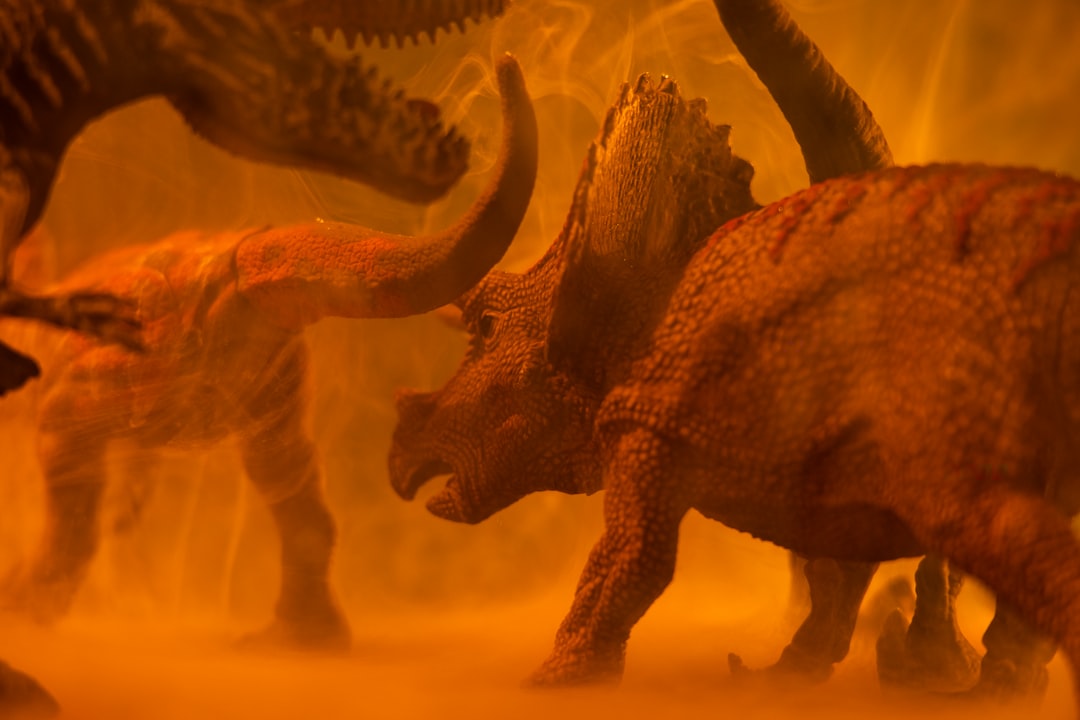
Long before scientists arrived, Indigenous peoples of northern Australia recognized the importance of these dinosaur prints. To them, the tracks were part of the Dreamtime—a rich tapestry of creation stories passed down through generations. Some local communities believe the prints were left by ancestral beings who shaped the land and its creatures. This deep connection between people and place adds another layer of meaning to the dinosaur tracks, blending science and spirituality in a uniquely Australian way.
The Art and Science of Tracking Dinosaurs
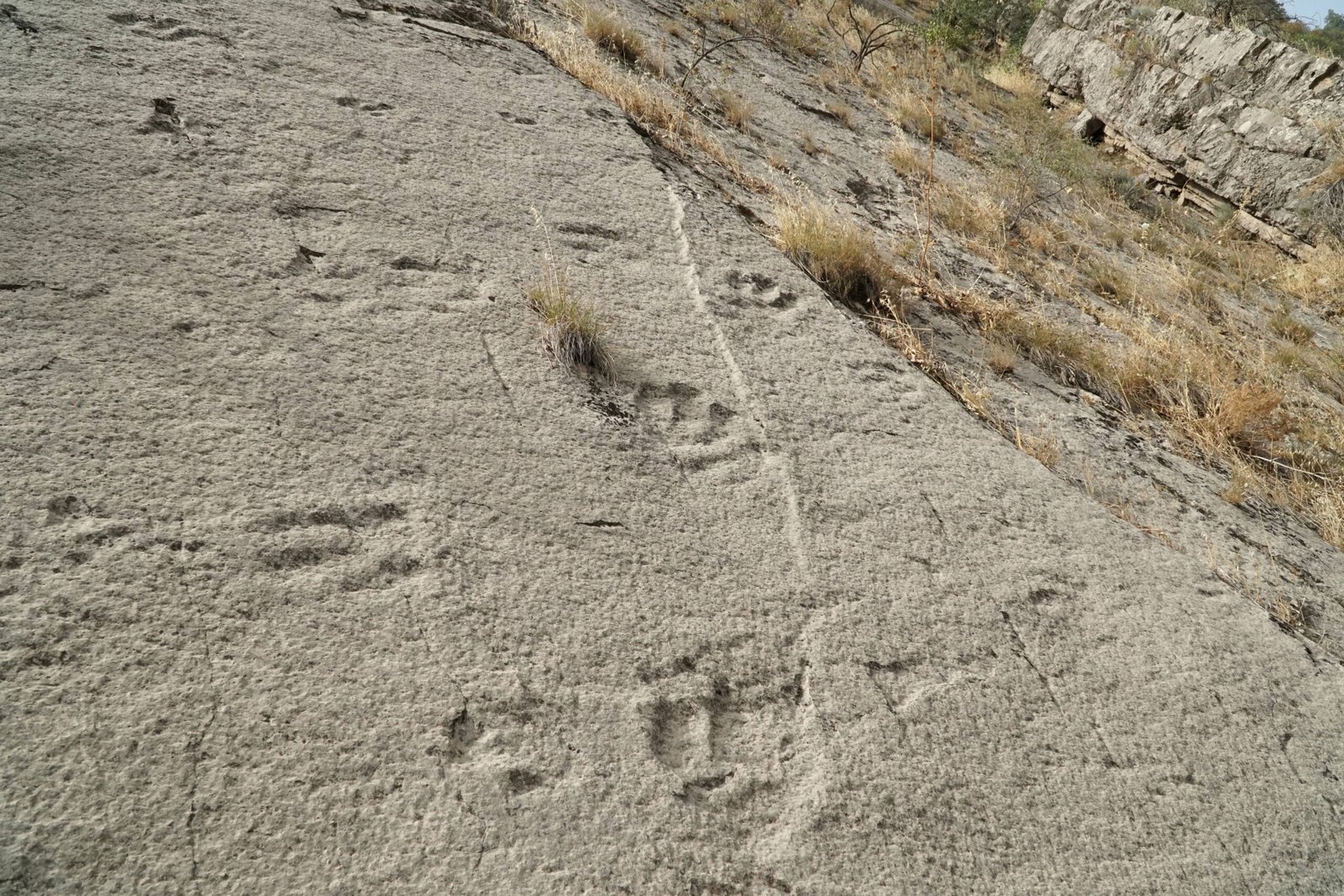
Interpreting dinosaur footprints is a blend of art and science. Paleontologists must carefully study the shape, size, and spacing of each print to determine what kind of dinosaur made it, how fast it was moving, and even what it was doing. Sometimes, a set of tracks might show a dinosaur slipping in the mud or changing direction suddenly. Other times, parallel prints suggest a group moving together. Every track tells a story, and it takes a keen eye to read the subtle clues left behind in ancient stone.
Footprints as Fossils: How Tracks Are Preserved
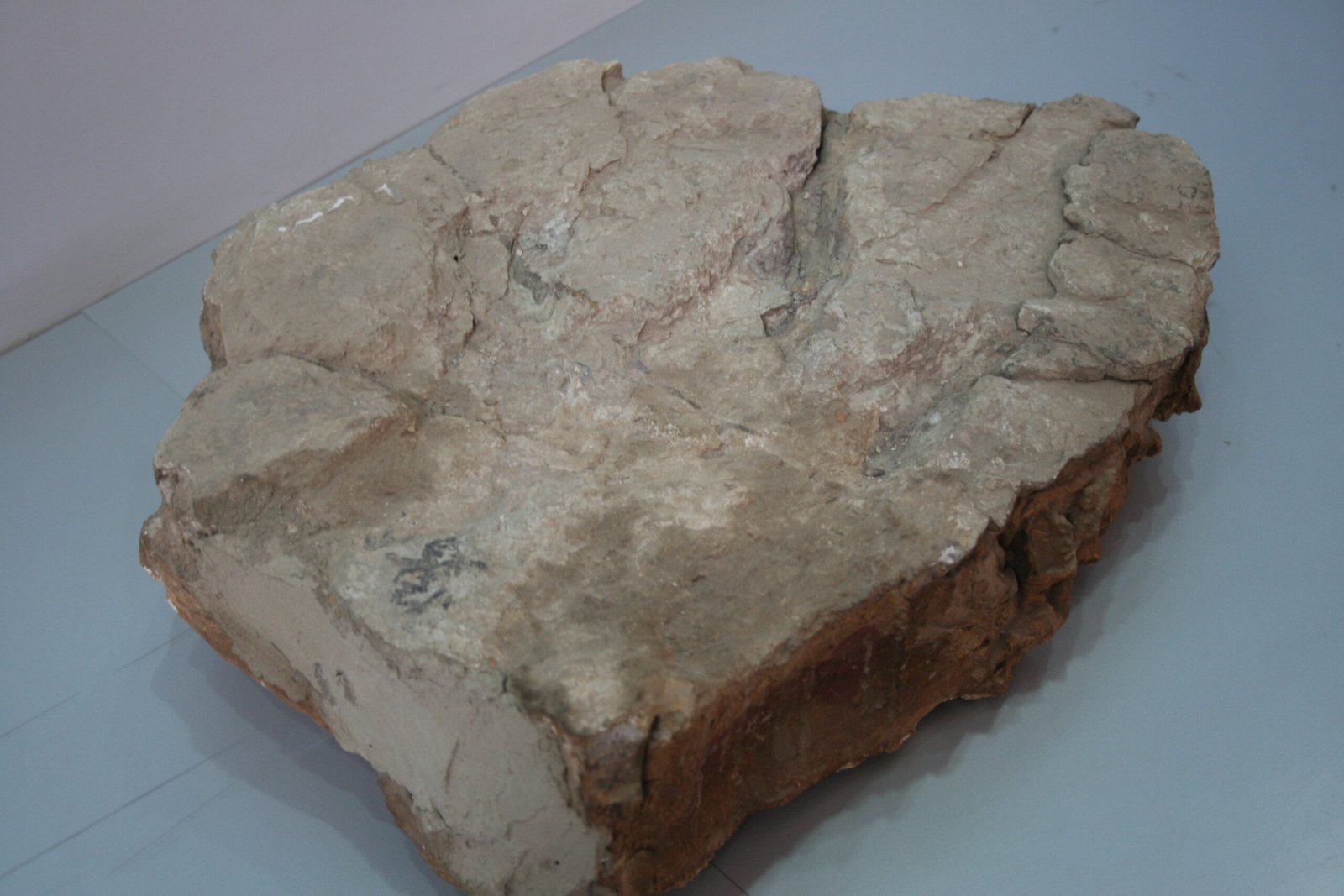
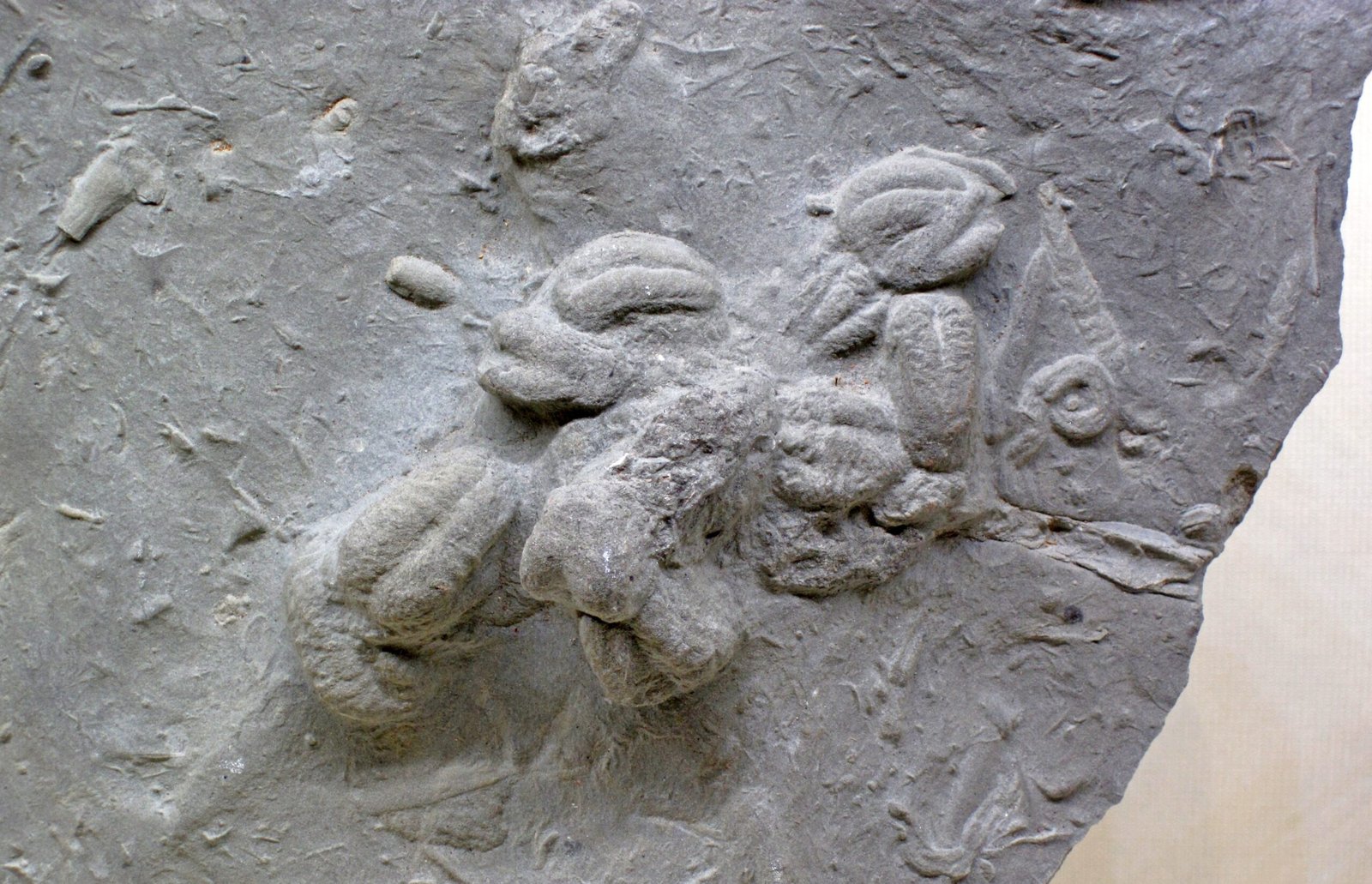
For a dinosaur footprint to become a fossil, a perfect combination of conditions must occur. First, the animal has to step in soft, wet sediment—like mud or sand—that can hold its shape. Then, that impression must be quickly buried by more sediment, protecting it from wind, rain, and scavengers. Over millions of years, the sediment hardens into rock, locking the footprint in place. It’s astonishing to think that something as fleeting as a step in the mud could last longer than the dinosaurs themselves.
Modern Technology Meets Ancient Mysteries
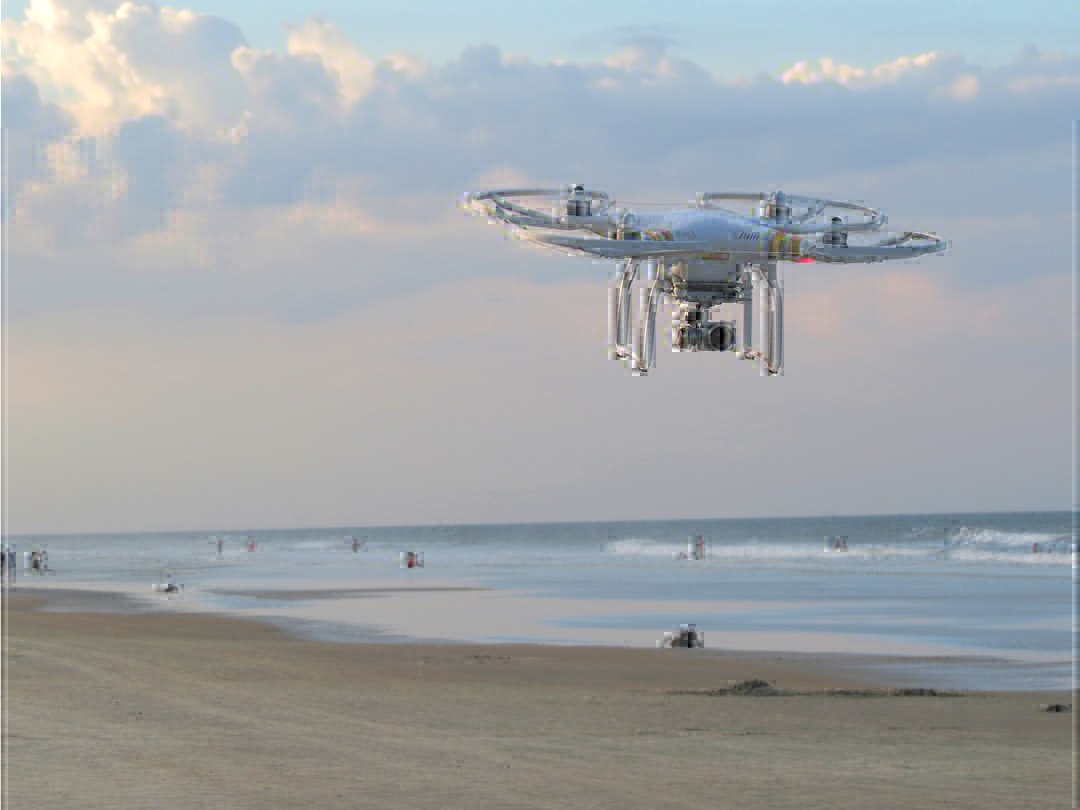
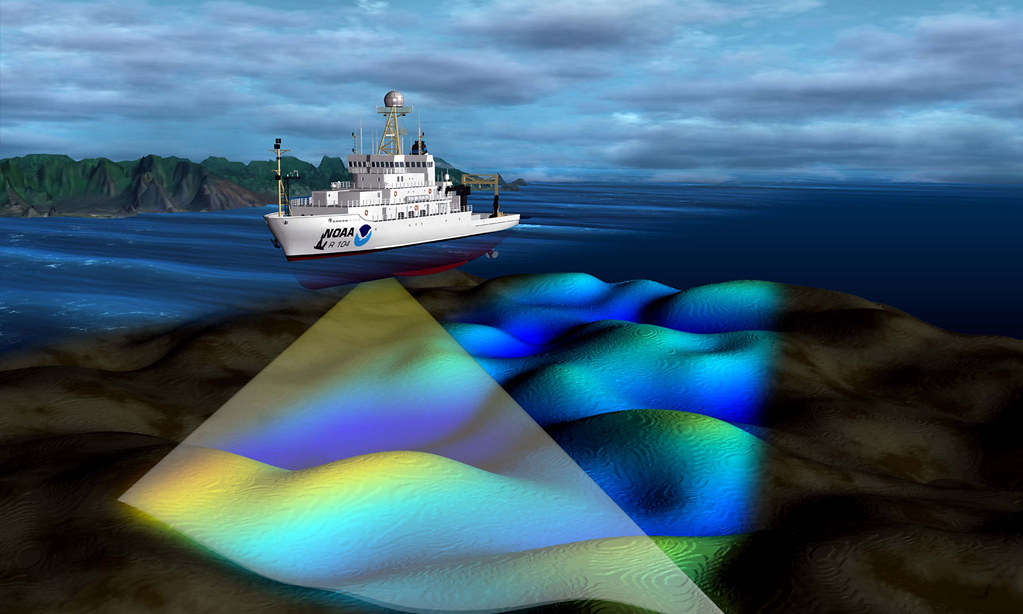
Today, paleontologists use cutting-edge technology to study and preserve these ancient tracks. Drones equipped with high-resolution cameras fly over the coastline, creating detailed 3D maps of the fossil beds. Computer modeling helps scientists analyze the prints in ways that were impossible just a decade ago. This technology doesn’t just make research faster—it opens up new ways of understanding dinosaur behavior and movement. It’s like having a time-traveling toolkit, bridging the gap between past and present.
The Ongoing Race Against Erosion
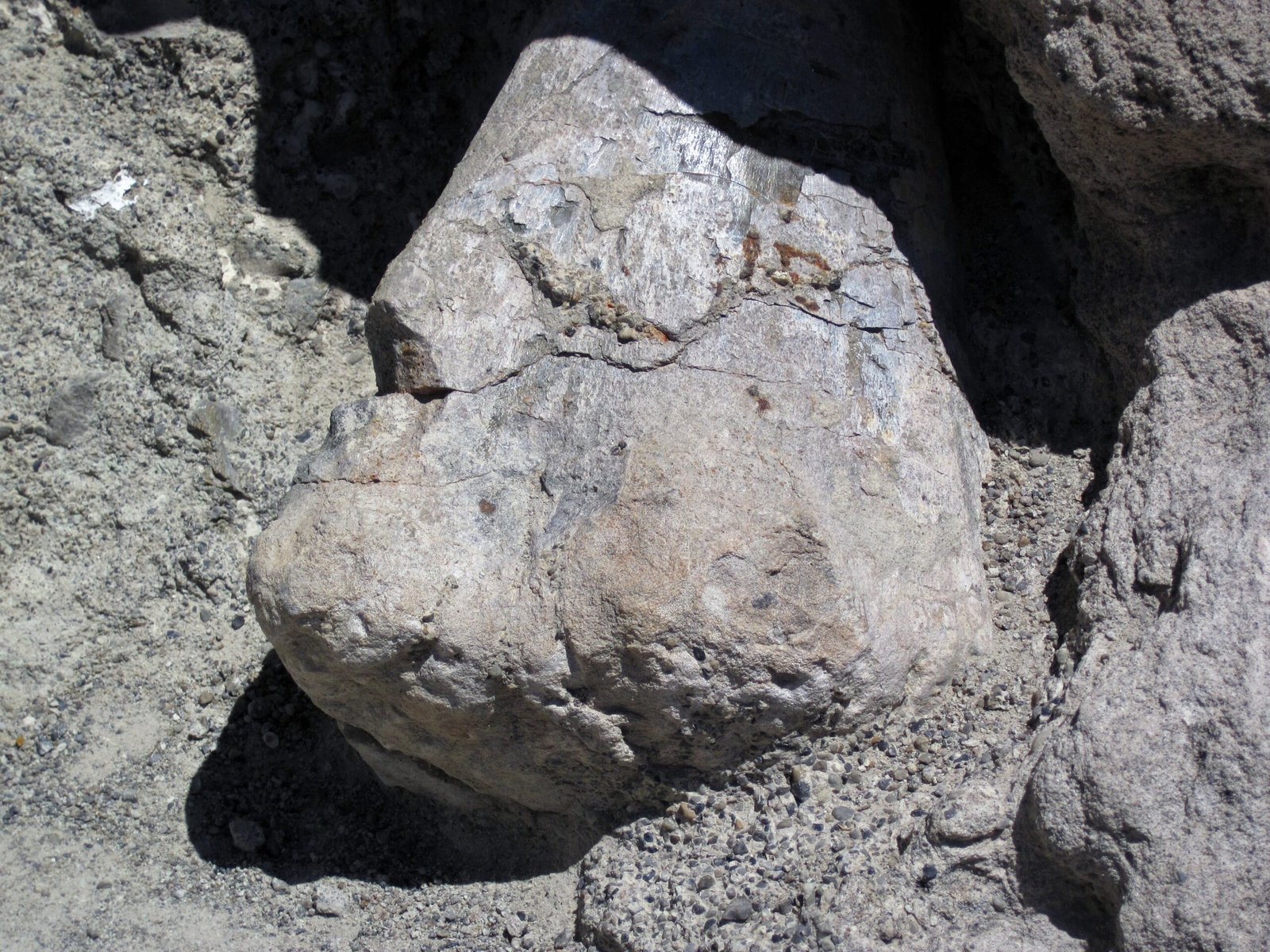
Despite their durability, dinosaur tracks are under constant threat from erosion, storms, and human activity. Every year, powerful cyclones and rising sea levels gnaw away at the coastline, sometimes destroying prints before they can be studied. Conservationists and scientists are in a race against time, working to document and protect as many tracks as possible. Sometimes, this means casting molds or taking high-tech scans before the sea claims another piece of prehistory. The urgency adds a sense of drama and responsibility to every new discovery.
The Global Importance of Australia’s Dinosaur Coast
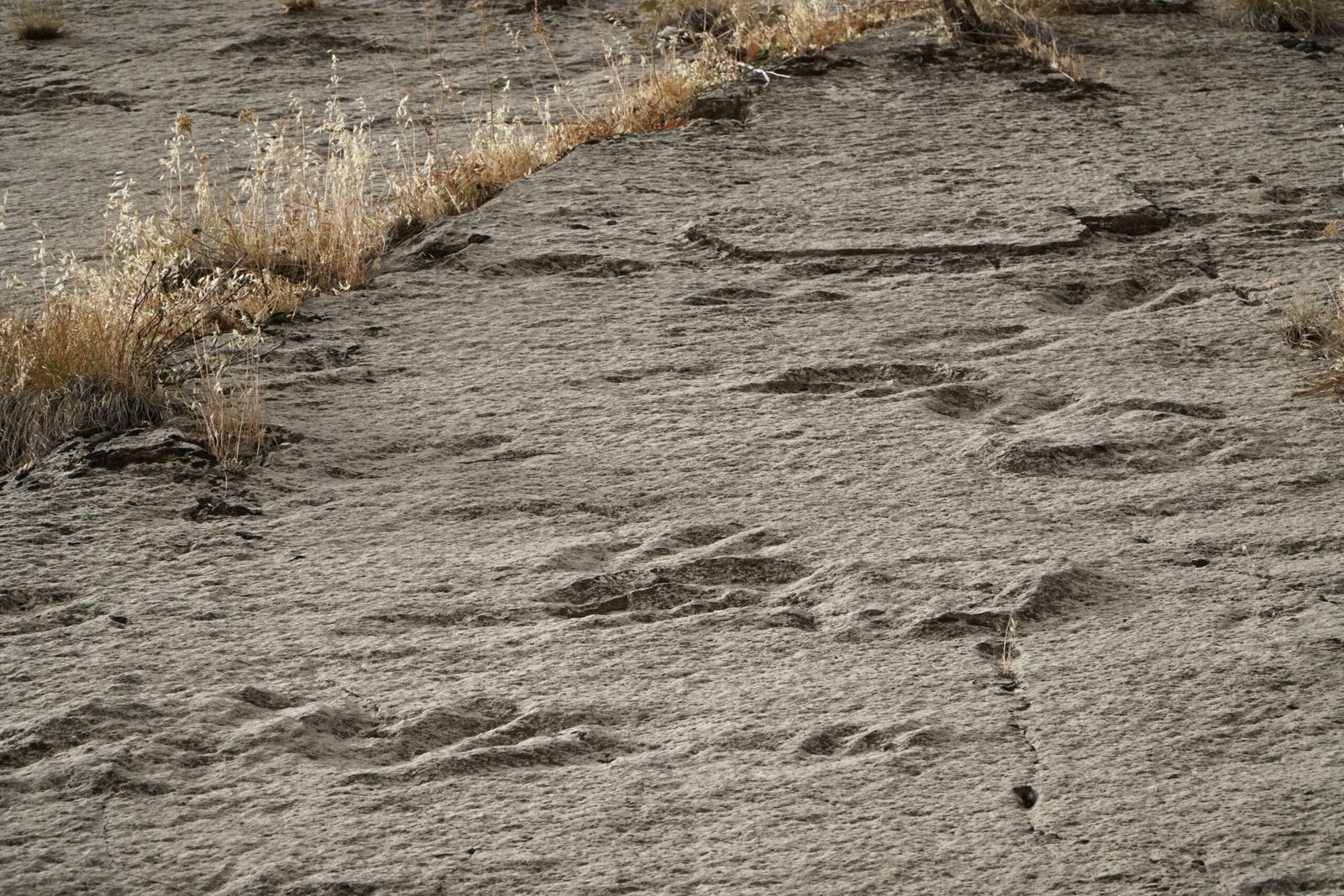
Darwin’s dinosaur prints aren’t just a local treasure—they’re a window into global prehistory. The sheer number and variety of tracks rival famous sites in North America, China, and South America. Scientists from all over the world come here to study the prints, seeking clues about dinosaur migration, climate change, and evolution. With each new find, Australia’s tropical coast cements its place as one of the most important dinosaur track sites on the planet.
The Wildlife That Follows in Ancient Footsteps
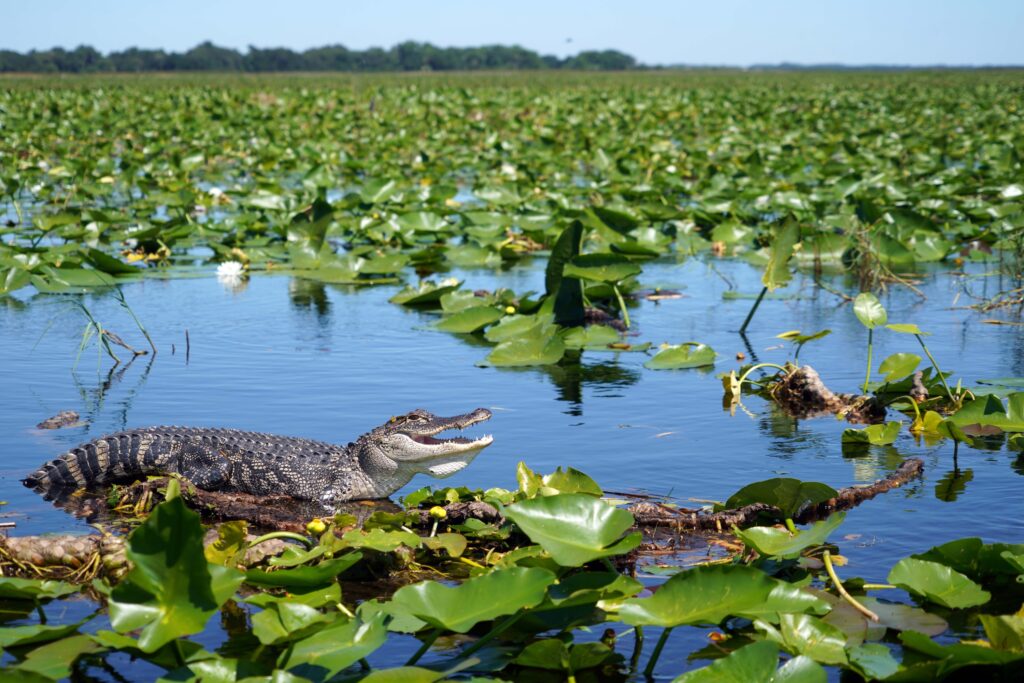
Remarkably, the beaches and mangroves where these dinosaur tracks are found are still teeming with life. Saltwater crocodiles bask in the sun, wallabies hop among the rocks, and colorful birds flit through the trees. In a strange way, the modern wildlife echoes the ancient parade of dinosaurs, carrying on the rhythms of life along this timeless coastline. Walking here, it’s easy to feel the pulse of deep history beneath your feet.
Why These Tracks Matter to Science
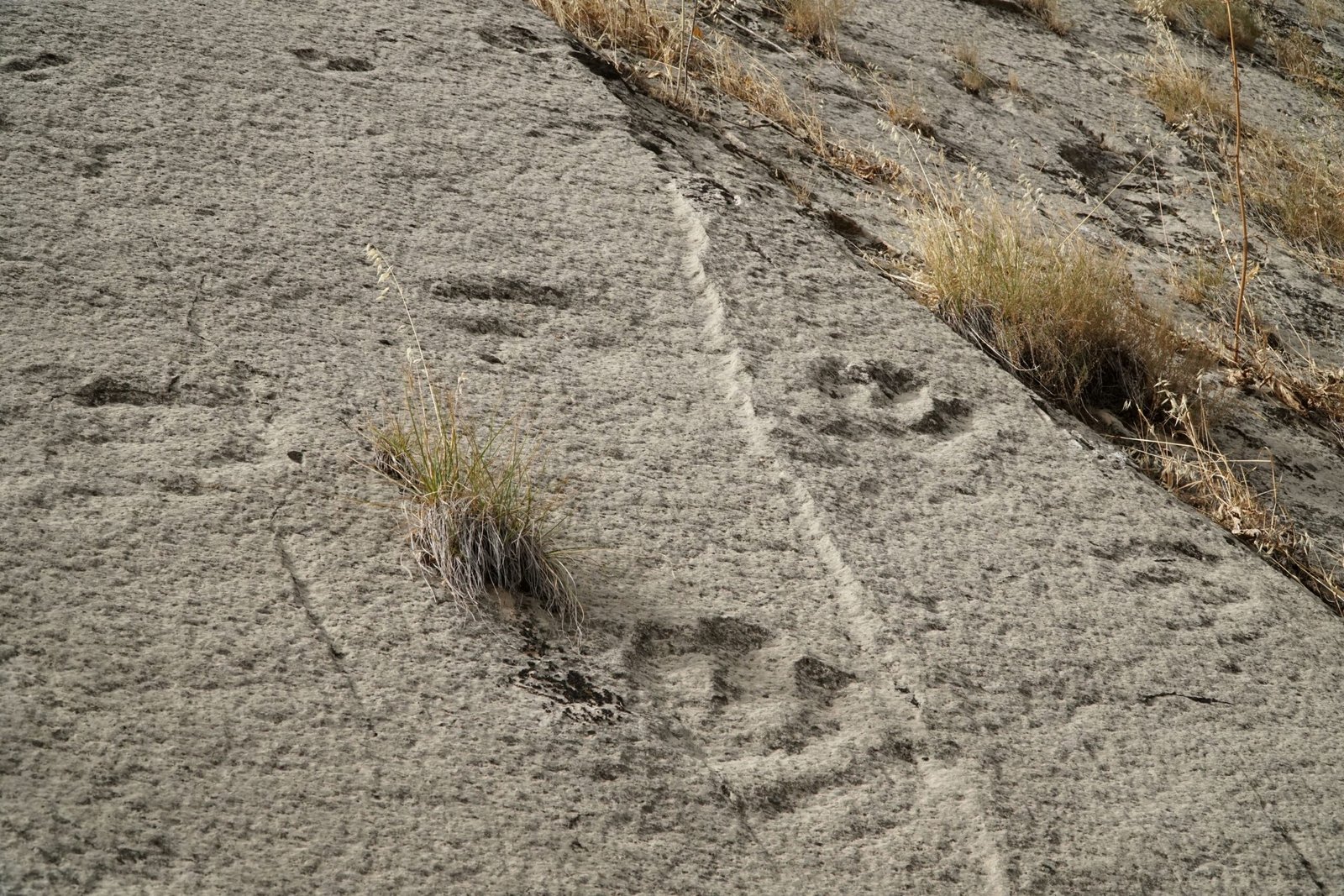
Every dinosaur footprint is a data point—a physical record of an animal’s existence that can be studied and compared. By analyzing the tracks, scientists can estimate the size and weight of dinosaurs, guess at their speed, and even infer social behaviors like herding or hunting in packs. Unlike bones, which can be moved or scattered, footprints are snapshots of living animals in motion. They fill in the gaps left by fossils and help create a richer, more dynamic picture of prehistoric life.
Tourism and Education: A New Chapter
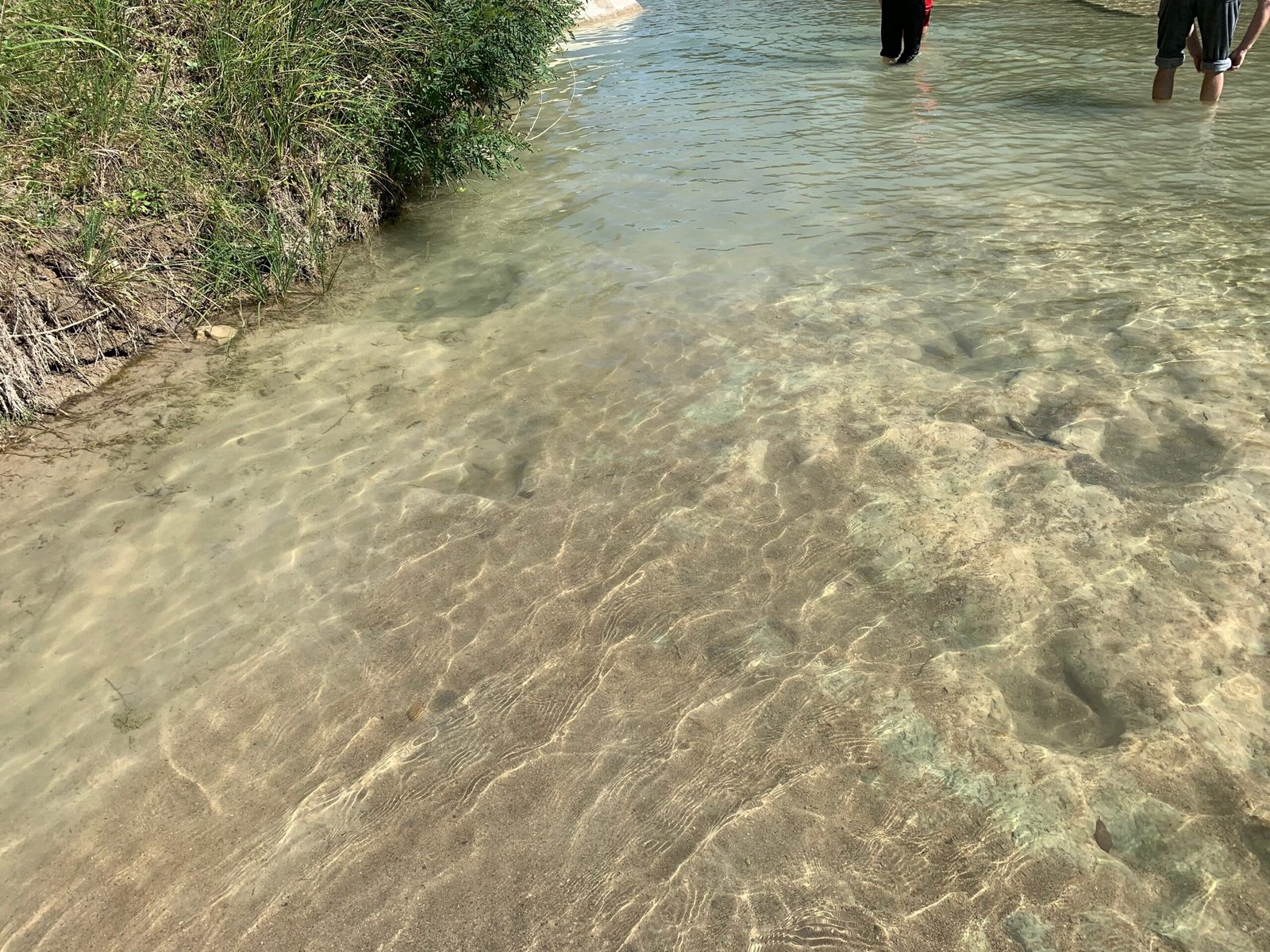
Interest in dinosaur tracks has helped transform this stretch of coast into a destination for tourists, students, and nature lovers. Guided tours allow visitors to walk in the footsteps of giants, learning about geology, paleontology, and Indigenous culture all at once. Schools use the tracks as outdoor classrooms, sparking curiosity and wonder in the next generation of scientists. This blend of adventure and education makes the dinosaur coast a living, breathing museum under the open sky.
Challenges and Controversies
With fame comes challenges. There are debates over how best to protect the tracks while allowing public access. Some locals worry about increased tourism putting pressure on fragile sites, while others see it as an opportunity for economic growth and cultural exchange. Balancing science, conservation, and community interests is no easy task. It’s a real-life example of how ancient history can shape modern lives in unexpected ways.
The Magic of Walking Where Dinosaurs Roamed
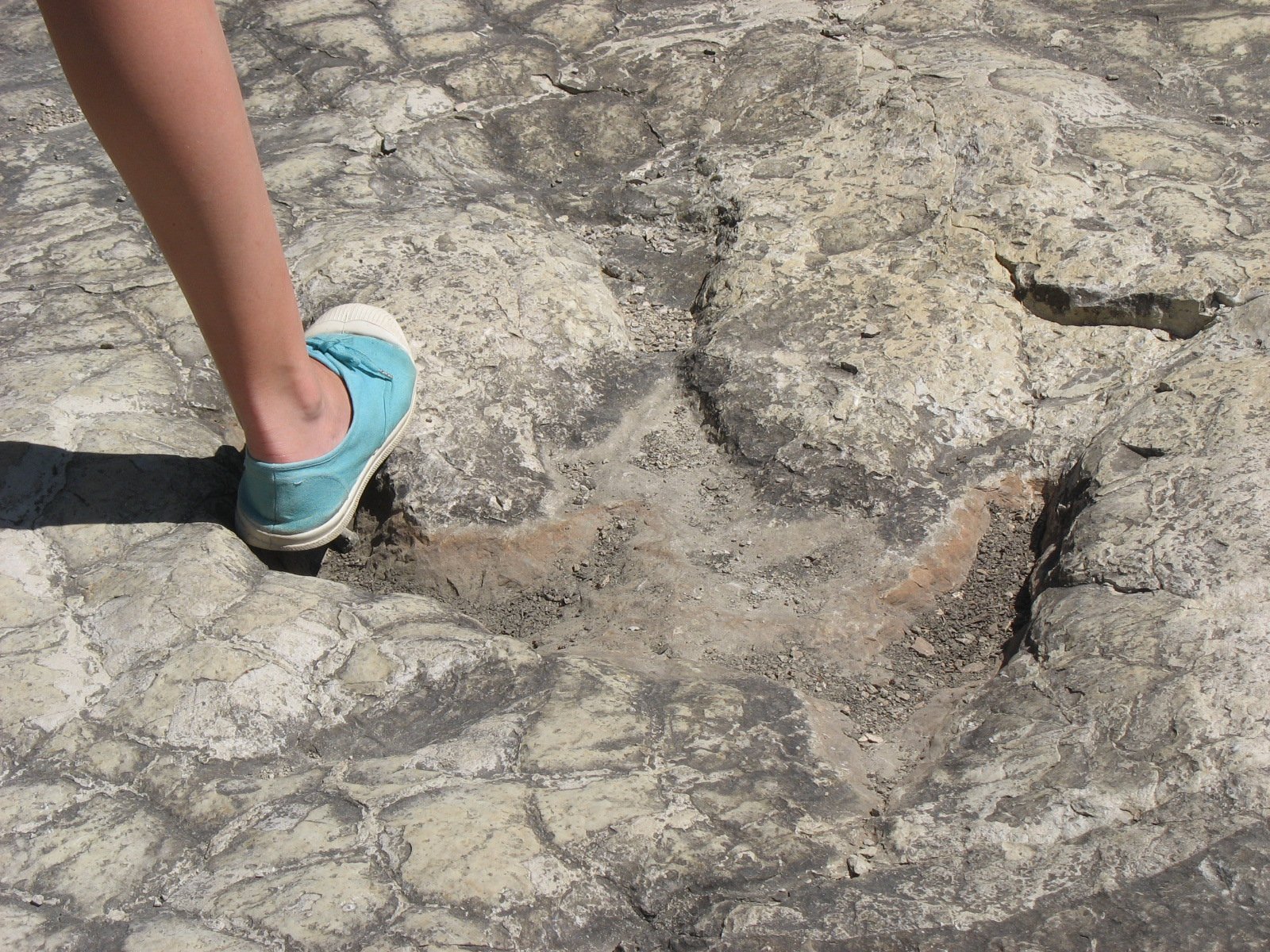
There’s something almost magical about standing in a dinosaur footprint, knowing you’re touching a piece of living history. It’s a visceral connection to creatures that vanished millions of years ago, yet somehow left a mark that endures. For many visitors, the experience is deeply moving—a reminder of how small we are in the grand sweep of time, and how much there still is to discover.
What Lies Beneath: Unexplored Territory
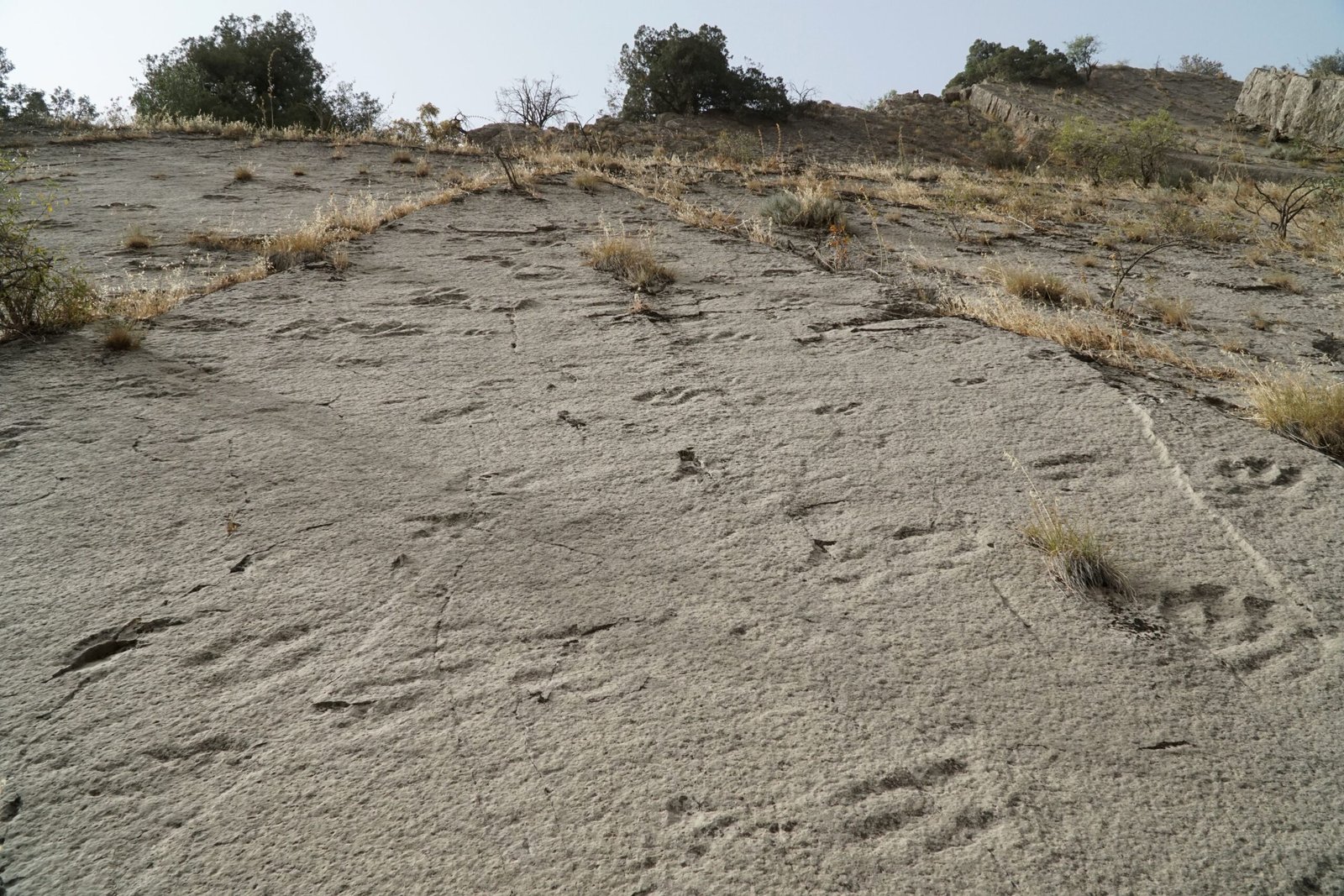
Despite decades of research, much of Australia’s dinosaur coast remains unexplored. The sheer size of the coastline and the ever-shifting tides mean that new tracks are constantly being revealed—and sometimes lost again. Paleontologists suspect there are many more secrets waiting to be uncovered, from unknown species to rare trackways showing dramatic prehistoric scenes. It’s a reminder that the story of Darwin’s dinosaur prints is far from finished.
Inspiration for the Future
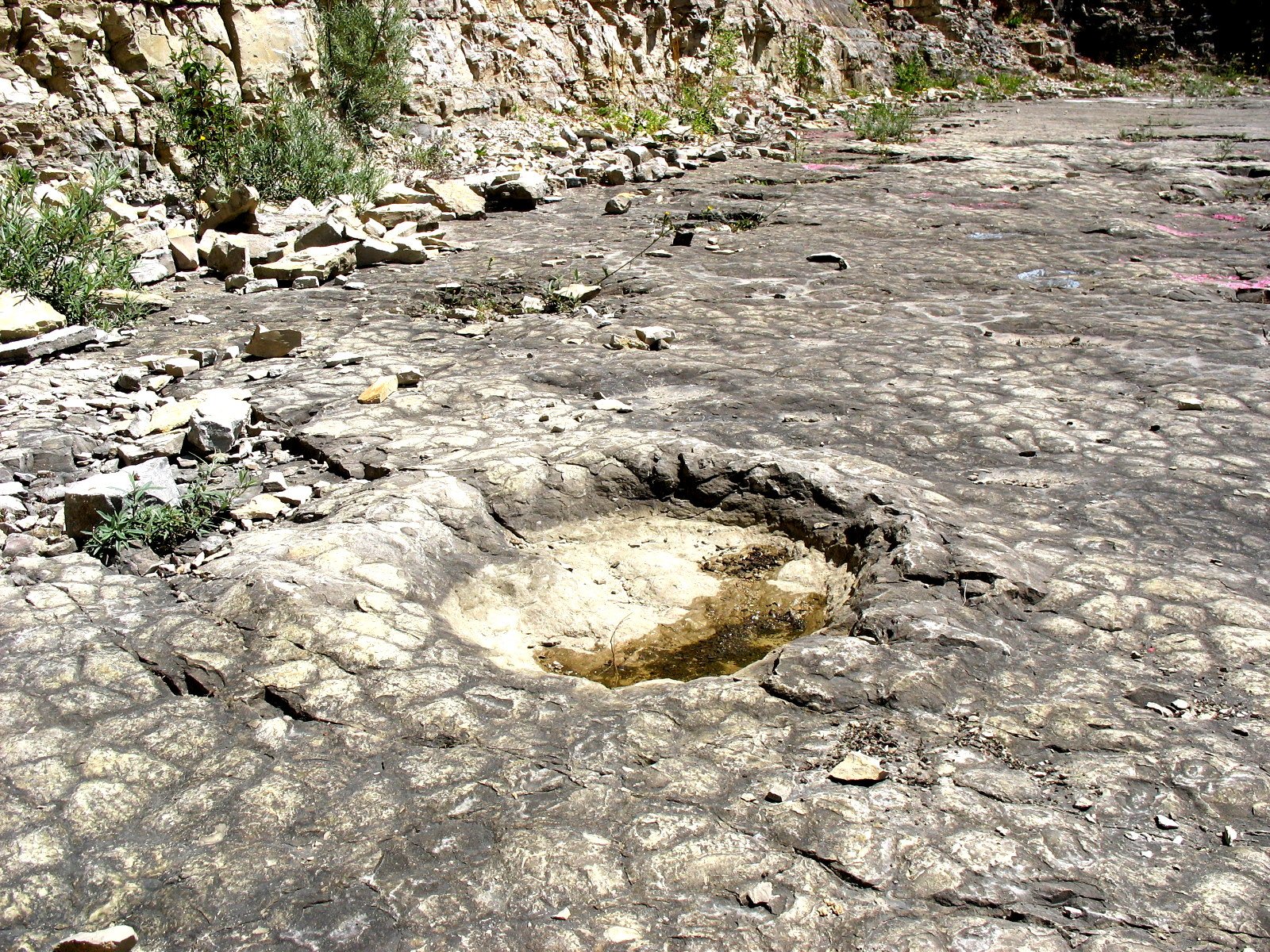
The discovery and study of these ancient tracks have inspired artists, filmmakers, and writers, sparking a wave of creativity that brings prehistory to life. They also fuel the dreams of young scientists and explorers, proving that adventure and discovery are still possible in our modern world. The footprints on Australia’s tropical coast aren’t just relics—they’re invitations to imagine, to question, and to keep searching for the wonders that lie just beneath the surface.