Imagine tiptoeing through a shadowy attic, the air thick with dust and mystery. Suddenly, a long-legged creature scurries across your path — your heart leaps, your mind screams “bug!” Instantly, you picture insects. But wait! Not everything with eight legs and a creepy-crawly vibe belongs to the insect club. In fact, some of our most feared and misunderstood creatures — spiders and scorpions — are not insects at all. They belong to a world of their own, a world that’s both stranger and more fascinating than you might ever have guessed.
The Wild World of Arthropods
Think of arthropods as the ruling class of the animal kingdom. They’re everywhere — from the deepest oceans to the highest mountains. This group includes insects, spiders, scorpions, centipedes, and even crabs. What ties them together? Their jointed legs and hard exoskeletons. But even within this massive family, there are clear distinctions. Just like cats and dogs are both mammals but definitely not the same, insects and arachnids walk their own evolutionary paths.
Meet the Arachnids
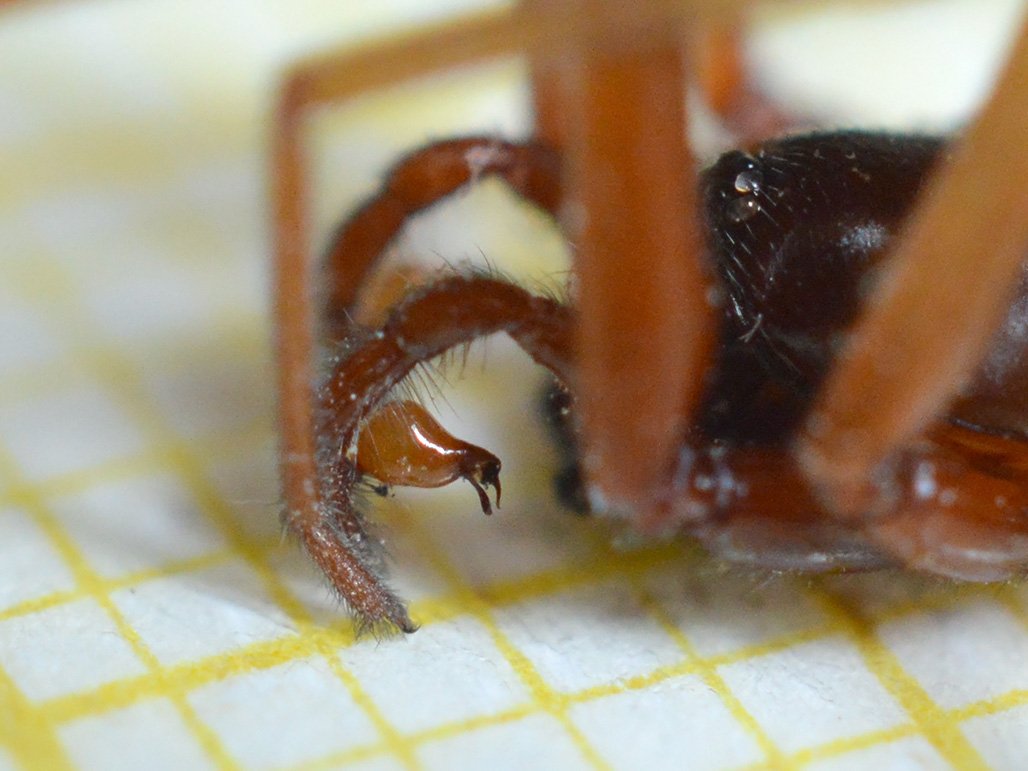
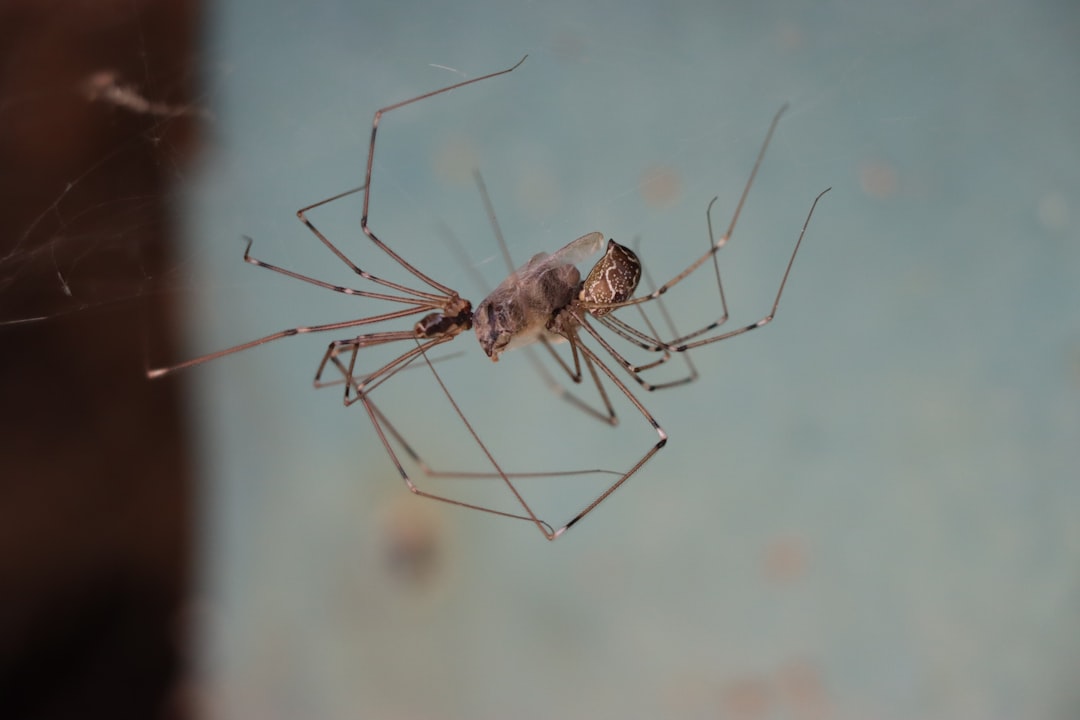
If you’ve ever counted the legs on a spider, you’ll notice something special — eight legs, not six. That’s the hallmark of the arachnid group, which includes spiders, scorpions, ticks, and mites. Arachnids generally have two main body segments and lack wings and antennae. While they sometimes get lumped in with insects out of habit, arachnids have an ancient lineage and a set of features all their own. They’re like the shadowy figures at a party: familiar, but always a little mysterious.
What Really Makes an Insect?
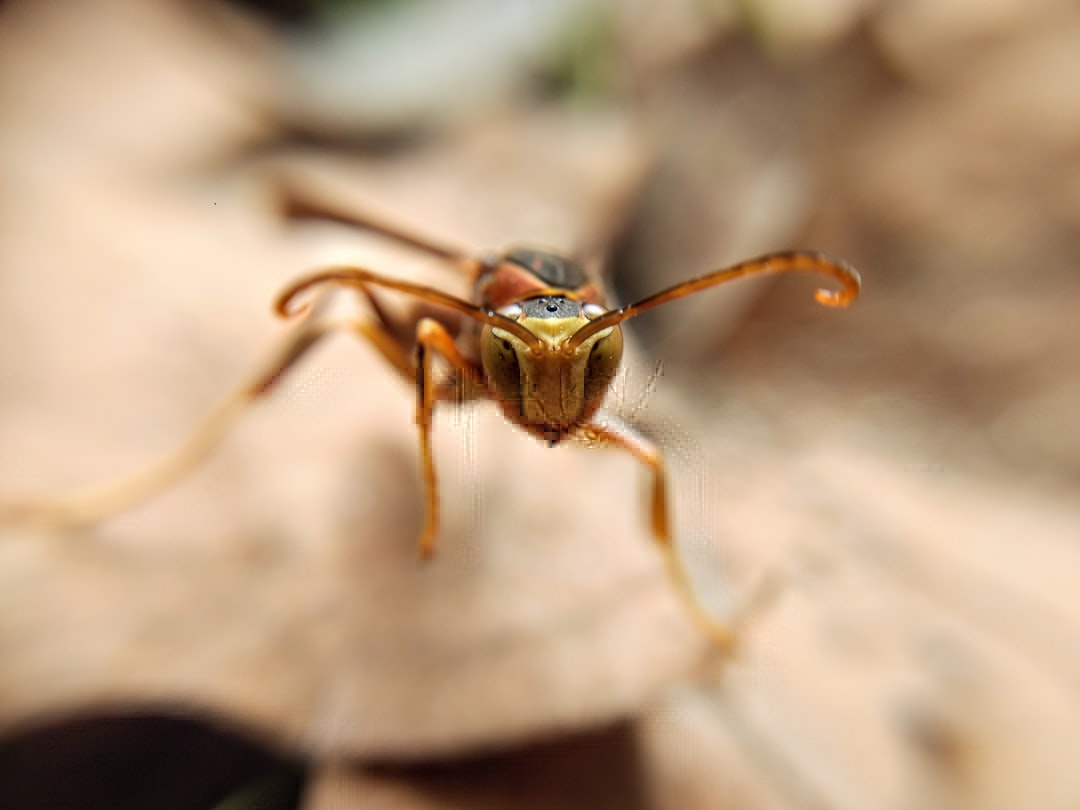
Insects are everywhere, and they tend to steal the spotlight. But what sets them apart? Insects have three main body parts: a head, thorax, and abdomen. They rock a pair of antennae and usually have two pairs of wings, plus three pairs of legs. Bees, butterflies, and beetles? All classic insects. Spiders and scorpions just don’t fit this mold, no matter how closely you look.
The Signature Eight Legs
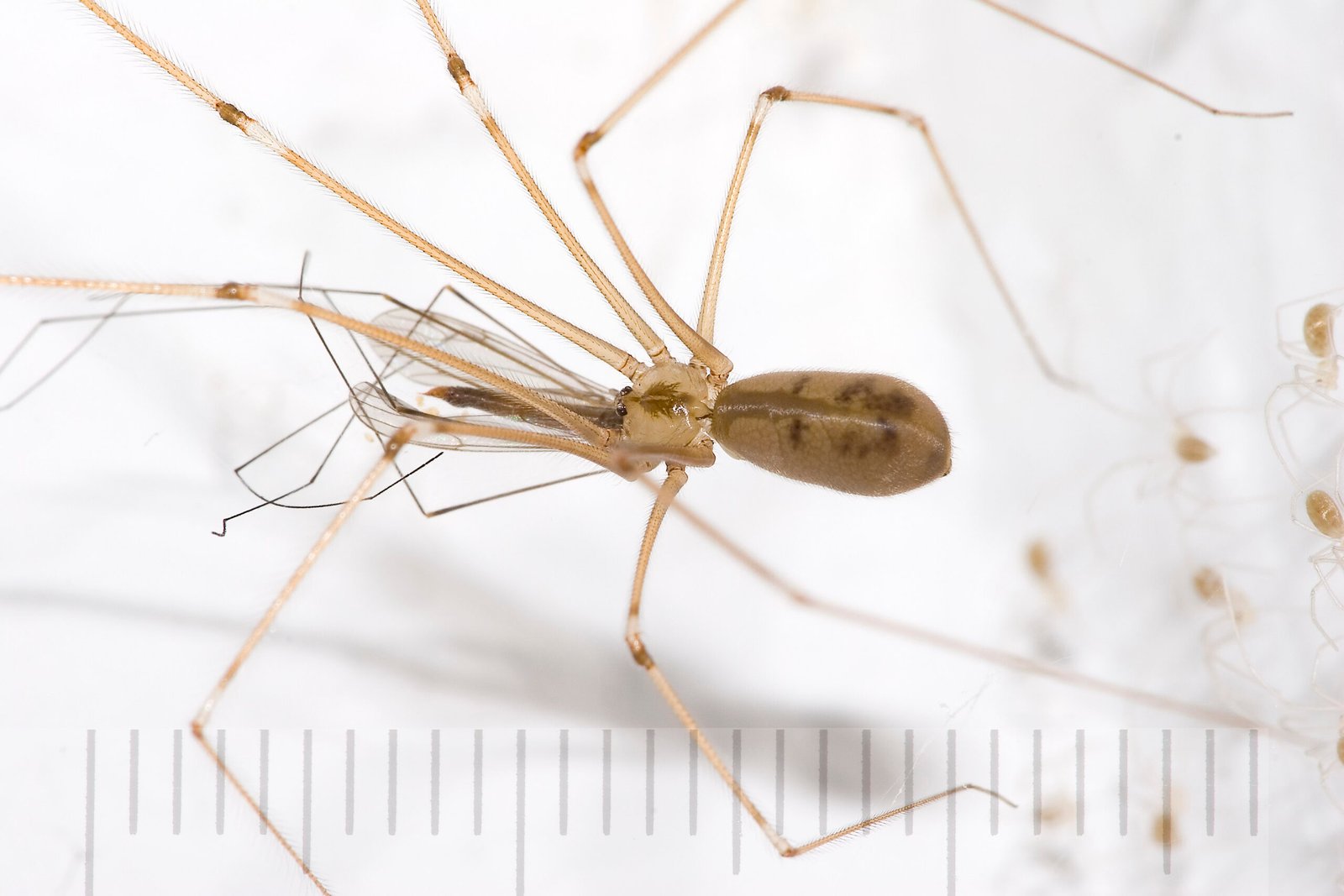
Here’s a simple trick: count the legs. Spiders and scorpions always have eight legs, while insects only have six. This difference is more than just a number — it points to millions of years of evolution. Having eight legs gives arachnids unique movement and hunting abilities. Next time you spot a creature scuttling across your wall, give it a quick leg count. You’ll be surprised how often you find an arachnid, not an insect.
Body Segments: Two Versus Three
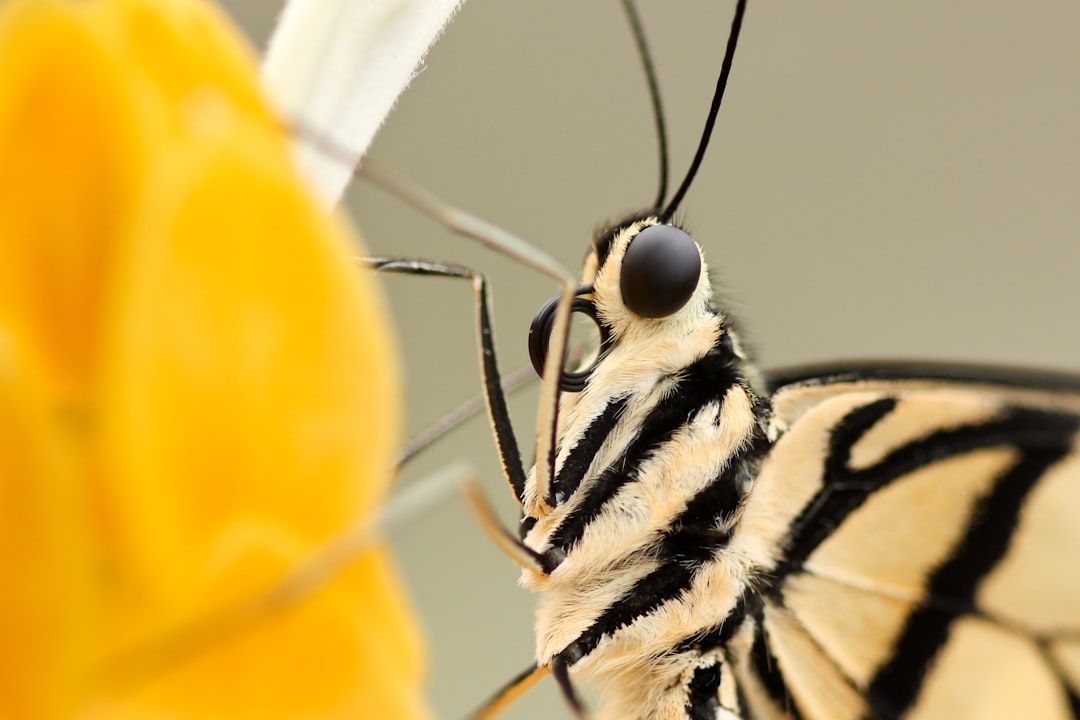
Body structure offers another easy clue. Insects have three distinct sections: the head, thorax, and abdomen. Arachnids, on the other hand, have just two: the cephalothorax (a fusion of head and thorax) and the abdomen. This difference might seem subtle, but it completely changes the way these creatures sense, move, and eat. It’s like comparing a car with three wheels to one with four — the small change makes a big difference.
No Antennae, No Problem
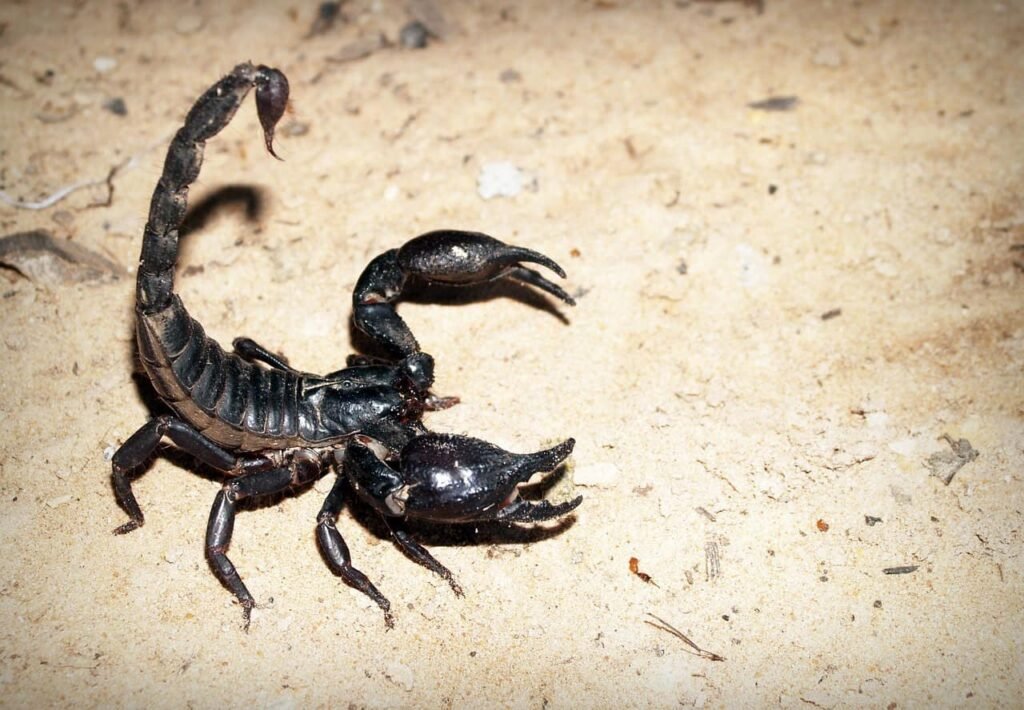
Ever noticed those twitchy, sensitive feelers on a bee or fly? Those are antennae, and they’re a signature feature of insects. Arachnids don’t have them. Instead, they use other body parts — like specialized hairs and legs — to sense the world. Scorpions even have pincer-like pedipalps and a stinger-tipped tail for navigating and hunting. For spiders and scorpions, life without antennae is just fine.
Wings: The Great Divider
When it comes to flight, insects rule the skies. Most insects have wings at some point in their life, even if just for a short while. Arachnids? They’re strictly earthbound. No spiders or scorpions have wings — ever. So, if you see something flitting in the garden, it’s almost certainly an insect, not an arachnid. This trait alone helps to keep these groups worlds apart.
Venom: Friend or Foe?
Venom is a hot topic when it comes to spiders and scorpions. Many people fear them, but most arachnids are harmless to humans. Their venom is usually meant for hunting, not hurting people. Insects can be venomous too — think of bees and wasps — but their methods and reasons are different. It’s a fascinating case of evolution taking similar tools and using them for new tricks.
Eyes: Seeing the World Differently
Insects tend to have large, complex eyes. Their vision is often wide, letting them spot movement quickly — great for dodging predators. Arachnids, by contrast, usually have multiple simple eyes. Spiders might have as many as eight, arranged in interesting patterns. Scorpions, on the other hand, often rely more on their sense of touch than sight. Each group has evolved eyes perfectly suited to their unique lifestyles.
Spiders: The Web Artists
Spiders are best known for their silk. They spin intricate webs to trap prey, create egg sacs, or build cozy homes. Each species has its own web-building style, from the classic orb to tangled cobwebs. Insects can make silk too — like caterpillars spinning cocoons — but the artistry and complexity of spider webs are in a league of their own. It’s nature’s version of a master architect at work.
Scorpions: Ancient Night Hunters
Scorpions have prowled the Earth for over 400 million years. That’s older than the dinosaurs! These survivors have a unique look — pincers, a segmented tail with a venomous stinger, and a tough exoskeleton. They’re mostly nocturnal, using darkness as their cloak. Their ability to glow under ultraviolet light is just one of many tricks that set them apart from both insects and their arachnid cousins.
Silk Versus Stingers
If spiders are the silk-spinning artists, scorpions are the gladiators of the night. Their venomous stingers are used for defense and hunting, not for making webs. This difference in weaponry highlights the diversity within the arachnid world. While both spiders and scorpions rely on venom, they use it in dramatically different ways. It’s a bit like comparing a chef’s knife to a duelist’s sword — both sharp, but with totally different purposes.
Metamorphosis: A Bug’s Life?
Insects are famous for their life cycles. Think of caterpillars transforming into butterflies or grubs turning into beetles. Their bodies change dramatically as they grow. Arachnids, including spiders and scorpions, skip the wild transformations. Instead, they simply molt, shedding their old skins as they grow bigger. Imagine outgrowing your clothes and just stepping out of them — that’s how these creatures handle childhood.
Habitat: Masters of Adaptation
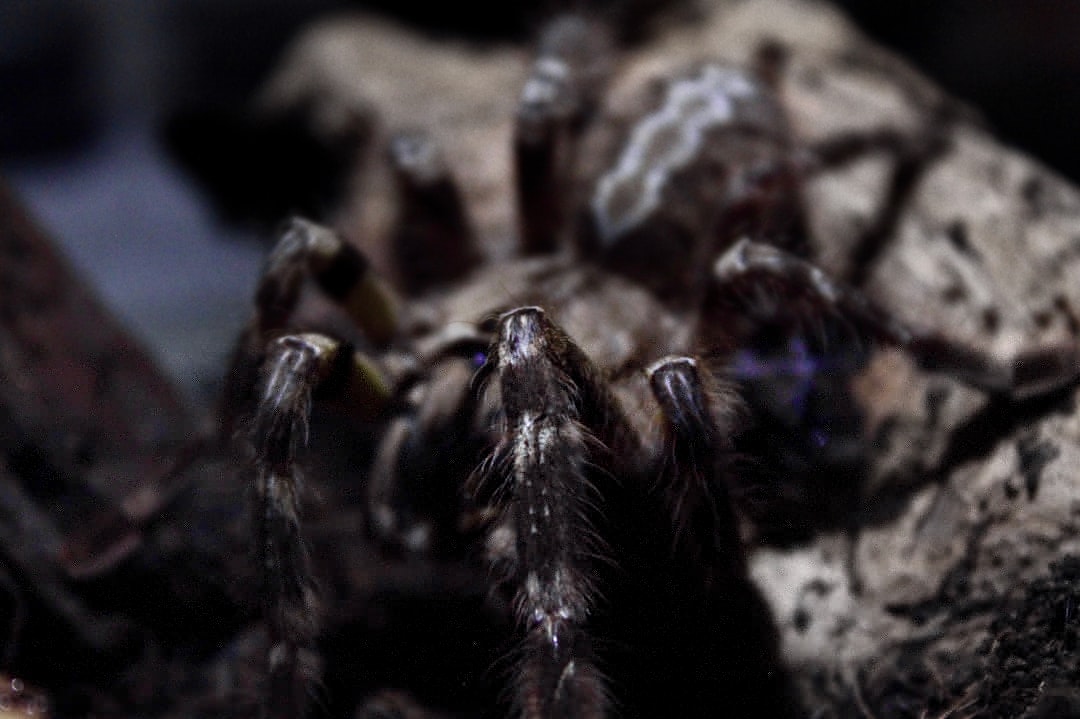
Both spiders and scorpions have conquered nearly every corner of the planet. You’ll find spiders in rainforests, deserts, mountains, and even underwater. Scorpions thrive in some of the planet’s harshest deserts and have even been spotted in snow. Their ability to adapt is legendary, rivaling that of their insect cousins. Yet, their unique traits mean they fit into their environments in ways insects never could.
Breathing: Book Lungs and Tracheae
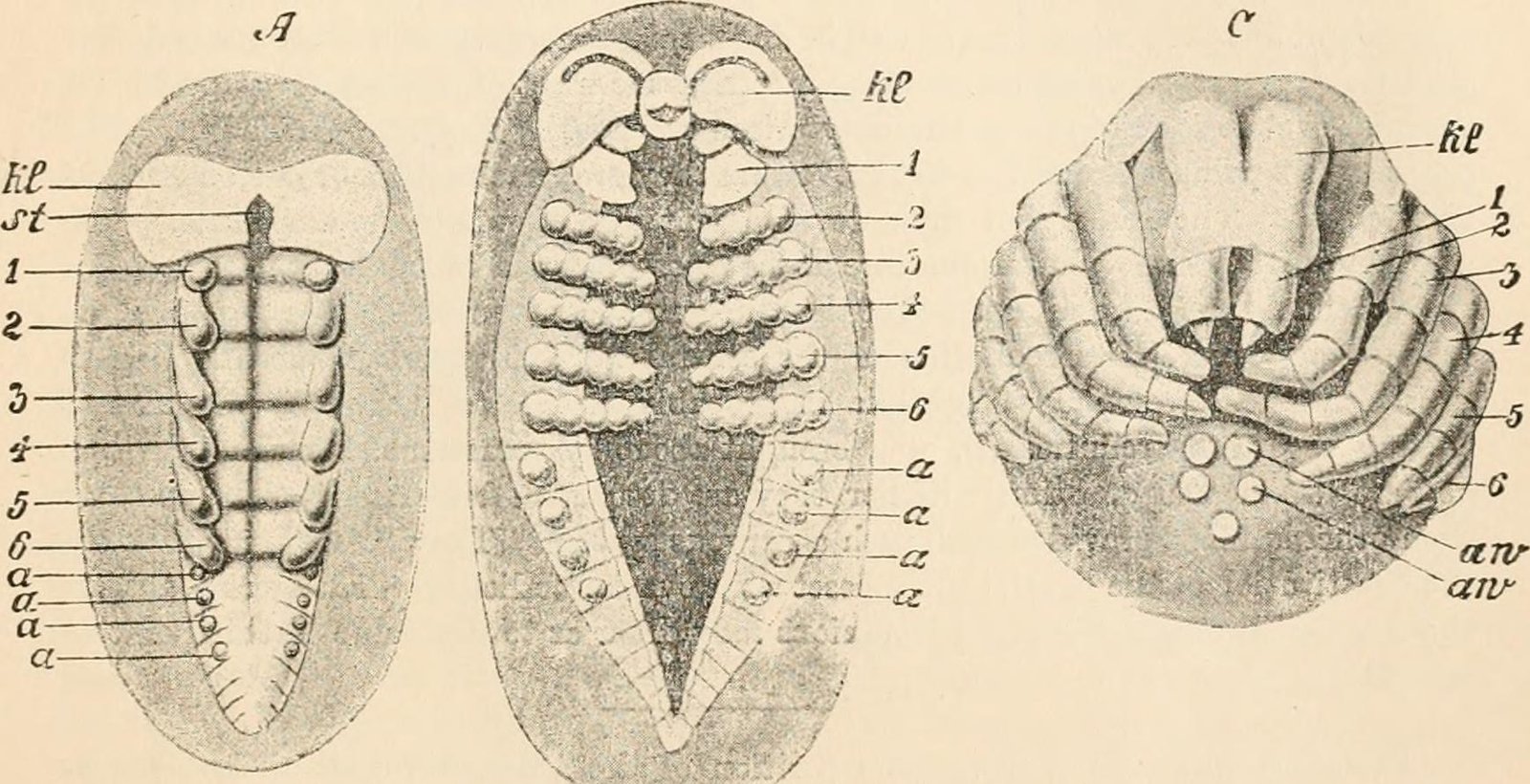
Breathing might seem simple, but even here, the difference is striking. Most insects breathe through small holes called spiracles that connect to a network of tiny tubes called tracheae. Many arachnids, like spiders and scorpions, breathe using book lungs — layered structures that look a bit like the pages of a book. This difference shows just how deep the divide runs between these groups.
Reproduction: Egg Sacs and Live Birth
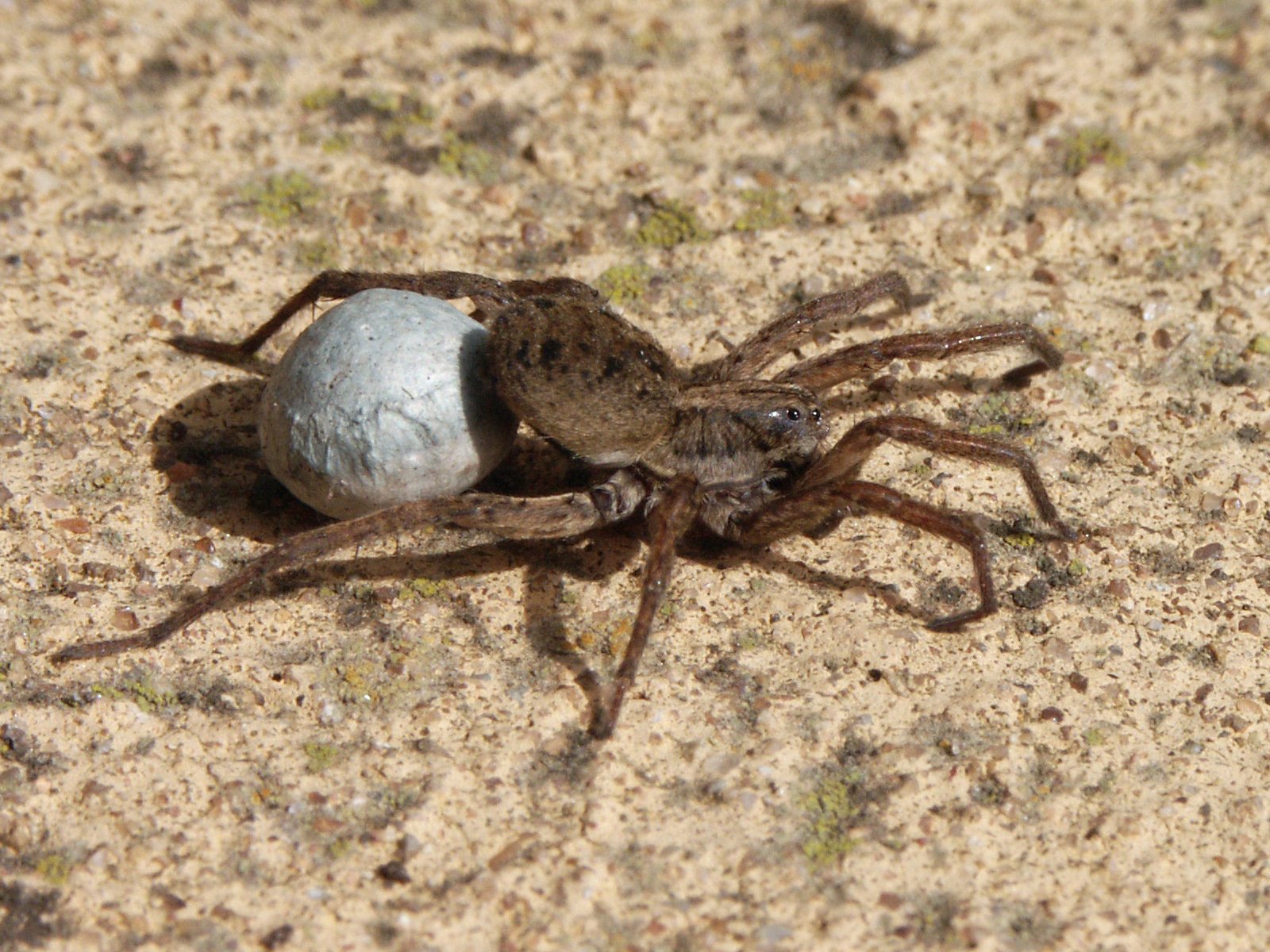
Spiders are famous for their silk-wrapped egg sacs. They guard their eggs or hide them away, ensuring the next generation’s survival. Scorpions, on the other hand, often give birth to live young, carrying their babies on their backs until they’re ready to face the world. Insects lay eggs too, but rarely show the same levels of parental care you see in some arachnids. These unique reproductive strategies reveal just how distinct spiders and scorpions really are.
Behavior: Lone Wolves and Social Butterflies
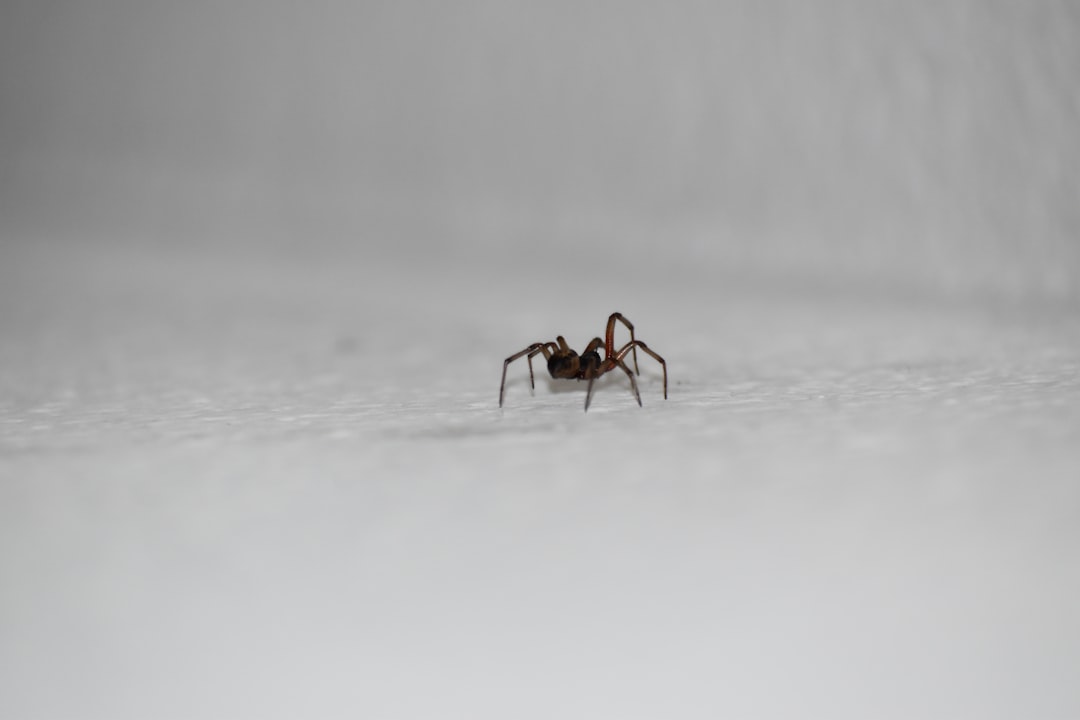
Most spiders and scorpions are solitary — they hunt alone and prefer their own company. Insects, however, often live in complex societies. Think of ants, bees, and termites, all working together in bustling colonies. While a few spider species show social behavior, it’s the exception, not the rule. These lifestyle differences shape everything from hunting to survival.
Defense: Camouflage, Speed, and Sting
Arachnids and insects both have creative ways to avoid becoming someone else’s meal. Spiders use camouflage, hide in burrows, or rely on speed. Scorpions wield their pincers and stingers with dramatic flair. Insects, meanwhile, use everything from chemical sprays to mimicry. Each group’s defenses reveal their evolutionary history, like a living museum of survival tactics.
Fossils: Tracing Ancient Origins
Fossil records show spiders and scorpions have been around for hundreds of millions of years. Ancient scorpions were among the first animals to step onto land. Spiders quickly followed, spinning their webs in the shadows of prehistoric forests. Insects appeared later and diversified explosively. The fossil trail is a time machine revealing how these creatures weathered mass extinctions and planetary changes.
Misconceptions: When Fear Clouds the Facts
It’s easy to mix up spiders, scorpions, and insects, especially when fear takes over. Popular culture rarely helps — movies and stories often paint all “creepy crawlies” with the same brush. But learning their differences can turn fear into fascination. The more you know, the more you see the beauty in their diversity. Spiders and scorpions aren’t just bugs — they’re living proof of evolution’s wild imagination.
Why It Matters: Respecting the Unseen World
Understanding the difference between spiders, scorpions, and insects isn’t just trivia — it changes how we see the natural world. These creatures each play vital roles in their ecosystems, from pest control to soil health. When we lump them all together, we lose sight of their unique contributions. By recognizing their individuality, we open our eyes to the hidden wonders beneath our feet and in the corners of our homes.