If you close your eyes and imagine a place where legends swirl beneath icy blue waters, where ancient cities once thrived and now slumber beneath the waves, you might just find yourself at the shores of Lake Titicaca. Resting high in the Andes, straddling the border of Peru and Bolivia, this vast, shimmering lake has entranced explorers, archaeologists, and storytellers for centuries. Its surface sparkles in the sunlight, but its true wonders are hidden beneath, where secrets older than empires await discovery. From submerged temples and mysterious artifacts to tales of sunken civilizations, Lake Titicaca’s underwater world offers one of the most tantalizing puzzles in all of archaeology—a puzzle that continues to grab hold of the imagination and refuses to let go.
A Lake Above the Clouds
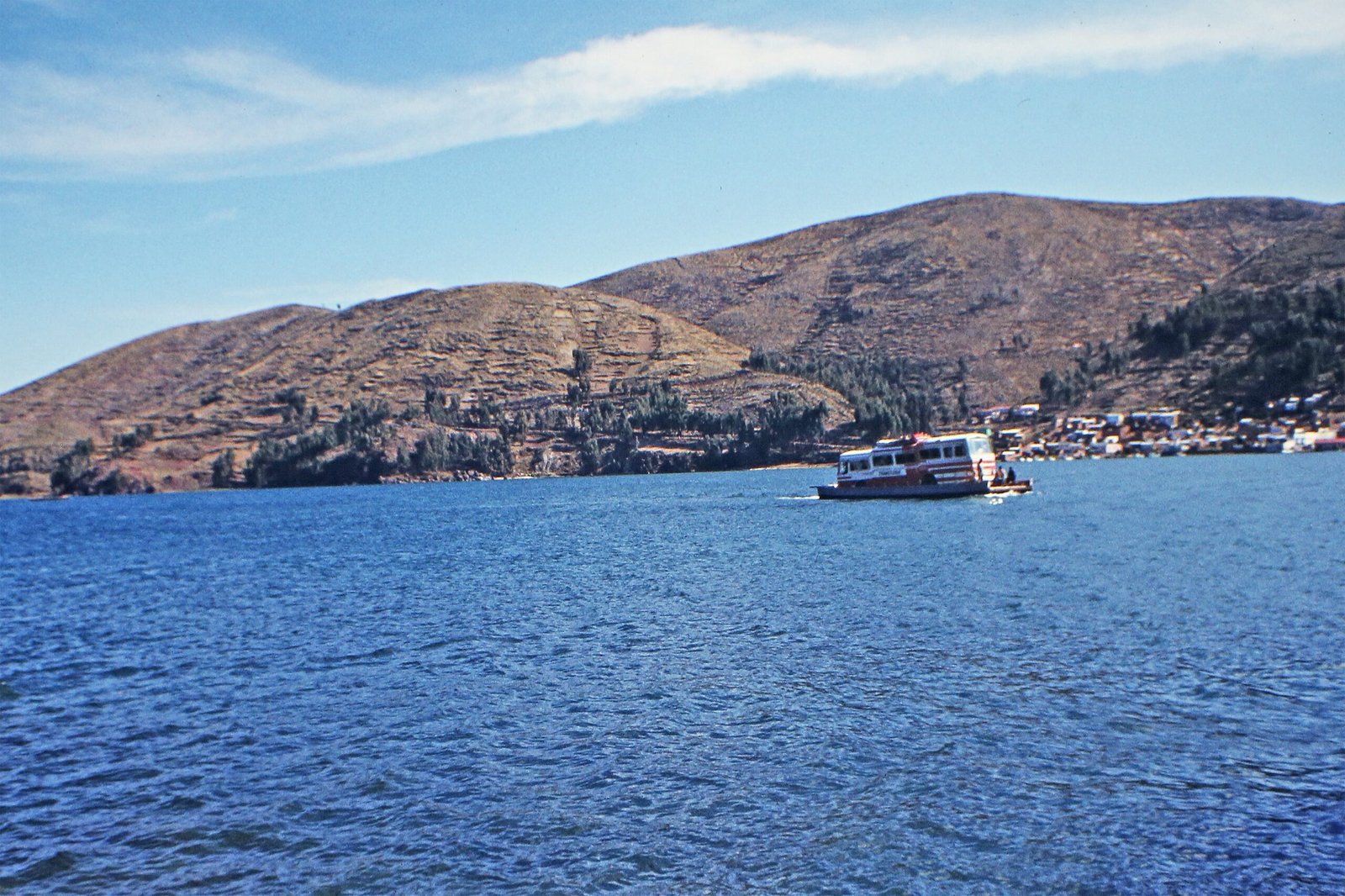
Lake Titicaca isn’t just another body of water—it’s the highest navigable lake in the world, sitting at a breathtaking 3,812 meters (12,507 feet) above sea level. This lofty altitude gives the lake a magical, almost surreal quality. The air is thin and crisp, the sky seems impossibly close, and the water glimmers with a clarity found nowhere else. Locals say the lake is the “birthplace of the sun,” and standing on its rocky shores, it’s easy to see why. It feels as if you’ve stepped out of time, into a world where nature’s wonders mingle with the echoes of lost civilizations.
Whispers of Lost Cities
Long before the Spanish conquistadors arrived, the people of the Andes told stories of cities swallowed by the lake. These weren’t just idle tales—legends like that of Wanaku, a city said to have sunk beneath the waves after angering the gods, have been passed down for generations. Some believe the lost city was so advanced that its disappearance changed the course of history in the region. The stories are full of emotion, awe, and a sense of longing for what once was, and they continue to inspire those searching for proof of these ancient places beneath the water’s surface.
The Mystique of the Submerged Temples
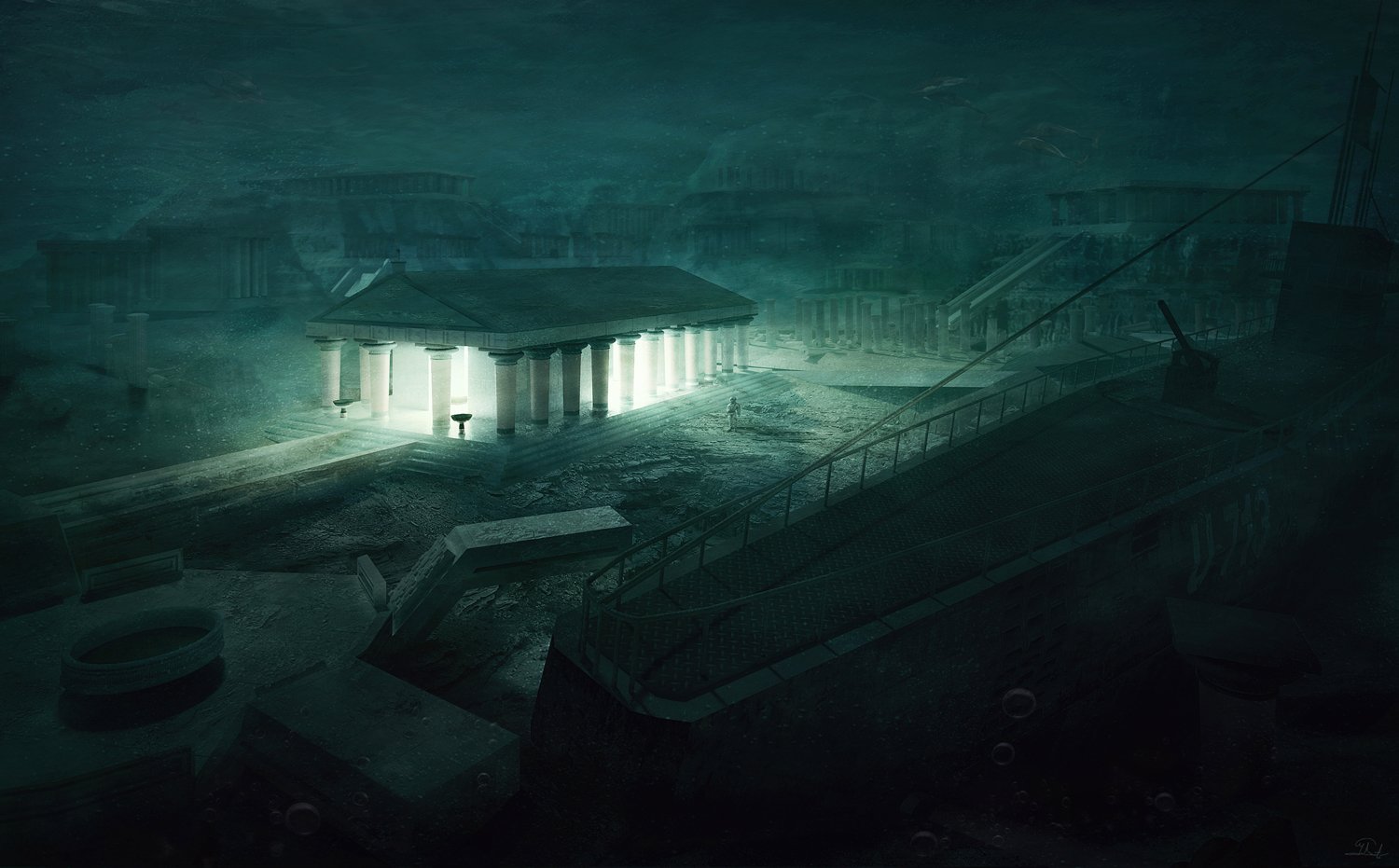
In the early 2000s, a team of underwater archaeologists made a discovery that electrified the world: they found the remains of a massive, submerged temple complex near the lake’s Bolivian shore. This structure, believed to be at least 1,000–1,500 years old, was built by the Tiwanaku people, one of the most mysterious ancient cultures in South America. Divers uncovered stone terraces, walls, and even roads leading into the lake. The sheer size and sophistication of the ruins hint at a civilization with knowledge and ambition to rival any in the ancient world.
Artifacts Frozen in Time
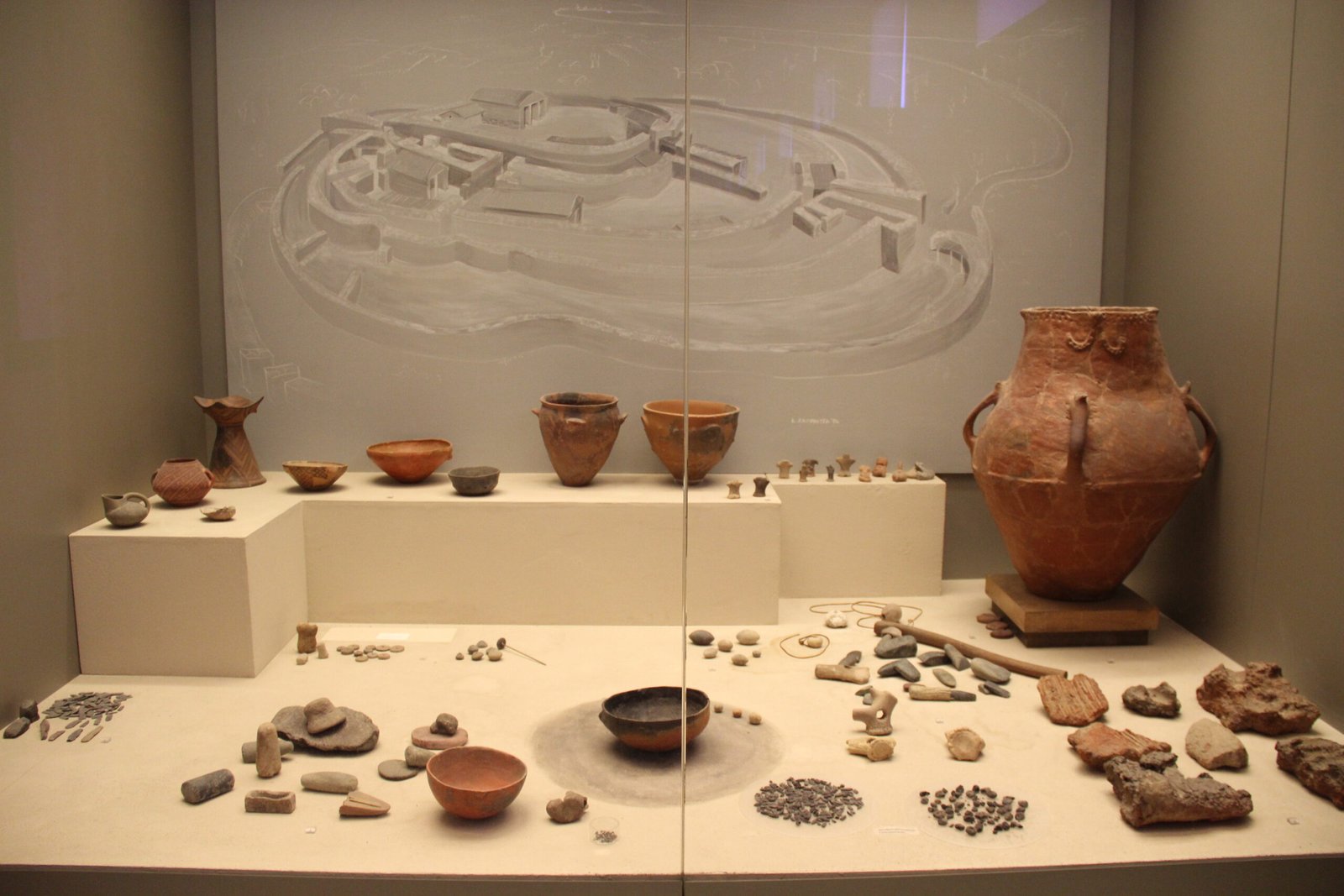
The cold, clear waters of Lake Titicaca act like a time capsule, preserving artifacts that have lain undisturbed for centuries. Archaeologists have retrieved ceramics, gold and silver ornaments, and even offerings to the gods—objects left behind in religious ceremonies. Some of these artifacts are so well-preserved, they look as if they could have been crafted yesterday. Each piece tells a story: a painted bowl might reveal the symbols of a vanished culture, while a golden figurine could represent a lost deity worshipped by people whose names are now forgotten.
The Tiwanaku Civilization’s Legacy
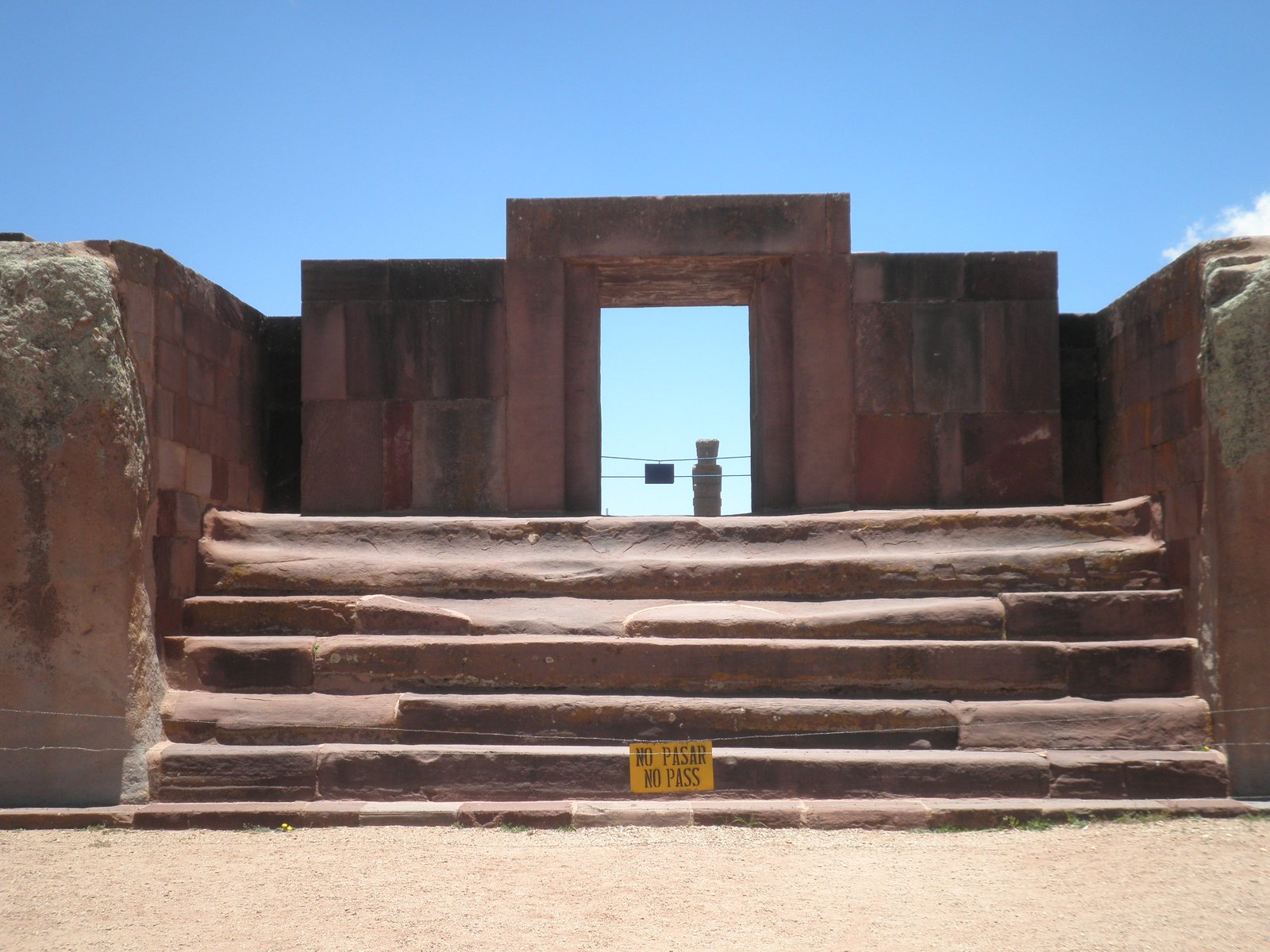
Tiwanaku, the ancient civilization that flourished around Lake Titicaca, is often overshadowed by the Inca, but it was equally fascinating. They built enormous monuments, mastered agriculture in a harsh environment, and created a network of roads and canals that still impress scientists today. The submerged structures in the lake show that the Tiwanaku people were willing to challenge nature itself, expanding their reach into the water. Their legacy is a reminder that human ingenuity knows no bounds—even in the face of immense challenges.
Offerings to the Gods: Sacred Rituals Underwater
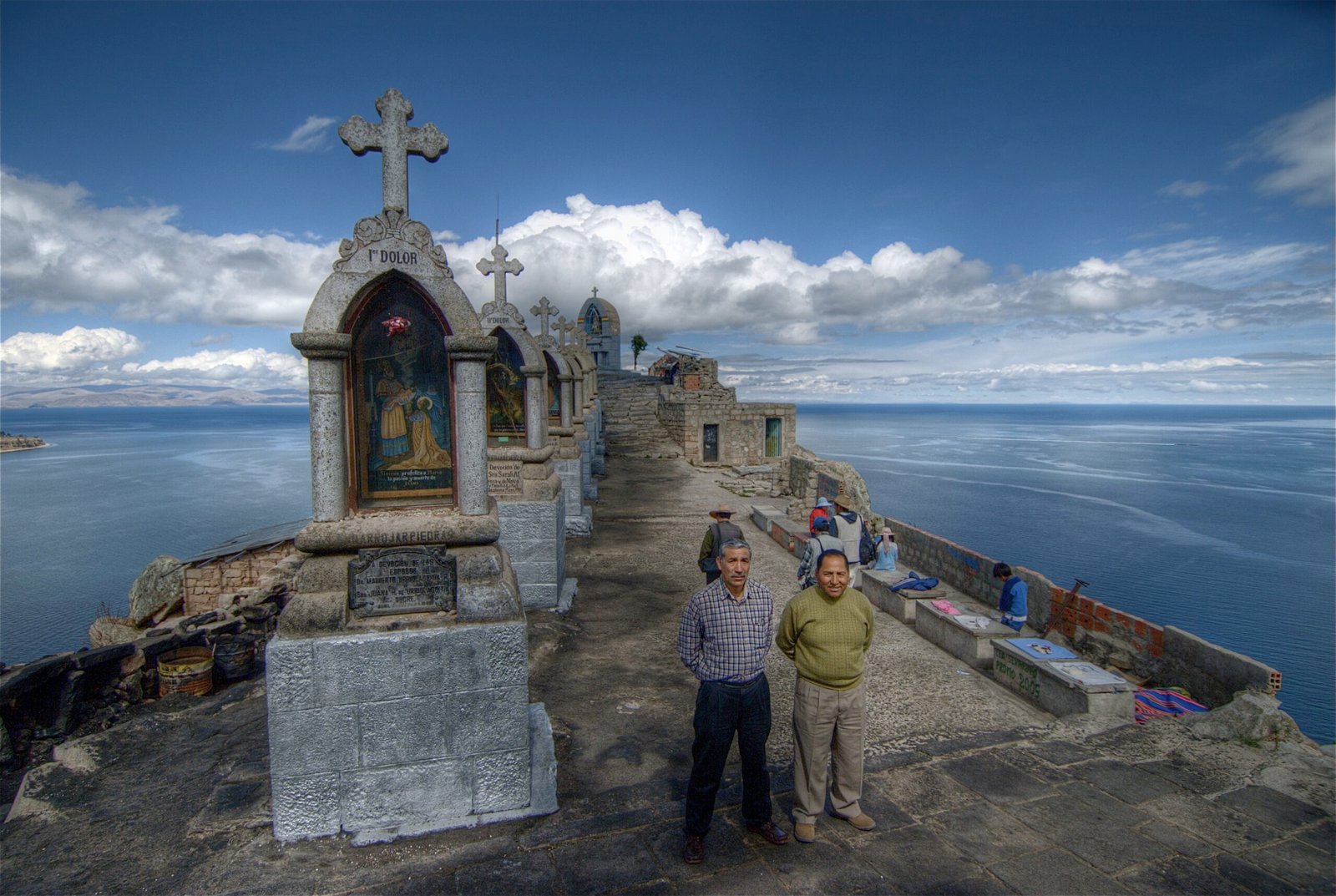
For thousands of years, Lake Titicaca has been a sacred place. The people who lived here believed the lake was the home of the gods, and they showed their reverence by making offerings—sometimes tossing precious objects into the depths. Divers have discovered everything from intricately carved statuettes to animal bones, all carefully placed as gifts to the divine. These rituals were acts of hope, gratitude, or even desperation, performed in the belief that the lake’s spirits could shape the fate of entire civilizations.
Underwater Exploration: Science Meets Legend
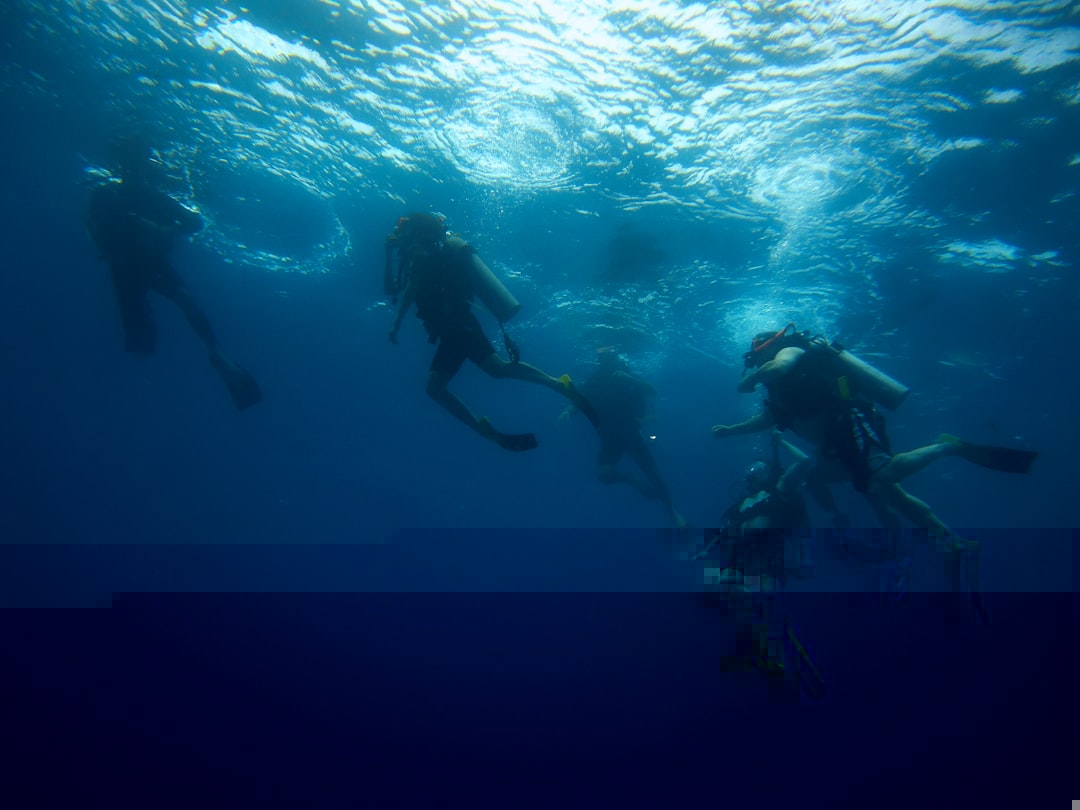
Exploring the depths of Lake Titicaca is no easy task. The water is icy cold, visibility is limited, and the altitude makes every dive a challenge. Yet, scientists and explorers keep coming, drawn by the promise of uncovering history’s greatest secrets. They use high-tech sonar, remote-operated vehicles, and old-fashioned scuba gear to map the lakebed and search for hidden ruins. Every discovery, no matter how small, adds a new piece to the puzzle and fuels the dreams of those who hope to find an entire lost city beneath the waves.
The Uros: Floating Islands and Ancient Ingenuity
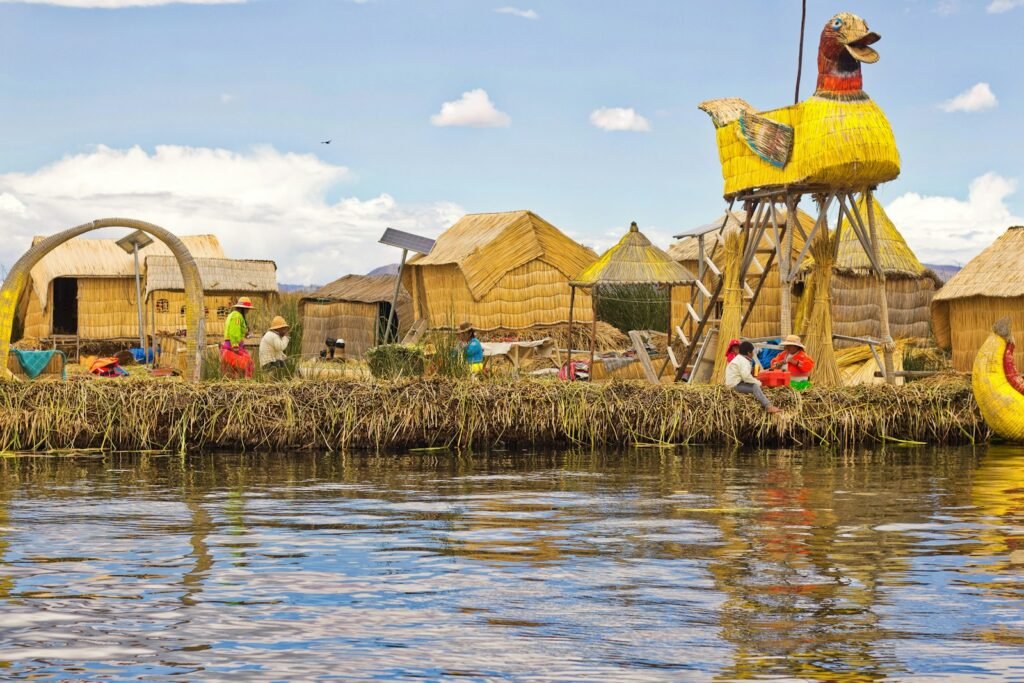
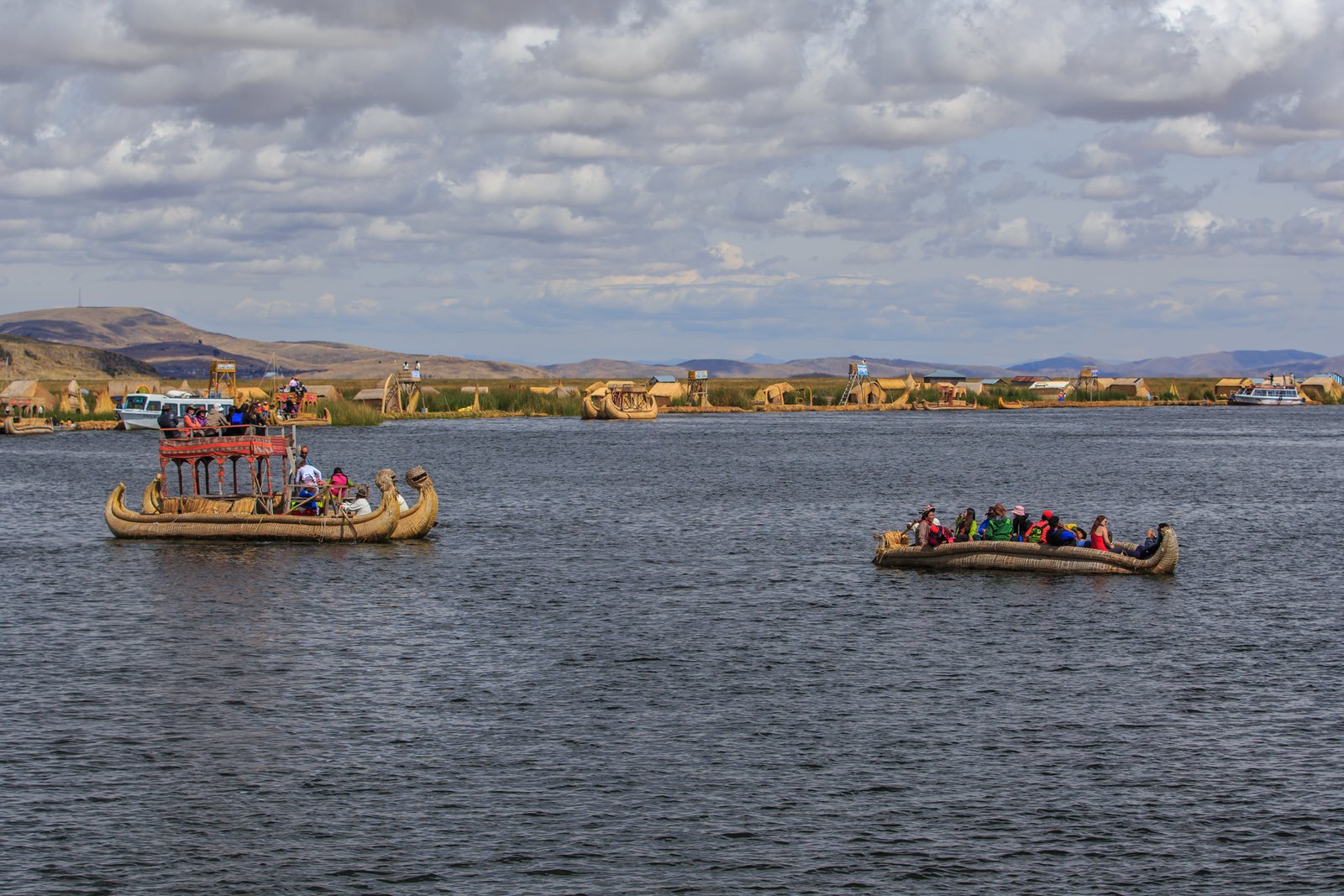
Not everything remarkable about Lake Titicaca lies beneath the surface. The Uros people, who still live on the lake today, build their homes on floating islands made from reeds. This tradition dates back centuries—perhaps as a way to escape enemies or adapt to the unpredictable lake environment. Their daily lives blend the ancient and the modern, as they paddle reed boats and use solar panels for electricity. The Uros are living proof that the lake’s mysteries aren’t all in the past; they’re part of a living, breathing culture that endures.
Legends of the Sun and Moon
The Inca believed that the creator god Viracocha rose from Lake Titicaca and brought forth the sun and moon from its depths. The Isla del Sol (Island of the Sun) and Isla de la Luna (Island of the Moon) are still revered as sacred places. These myths aren’t just pretty stories—they reflect the awe inspired by the lake’s natural beauty and its role as the spiritual heart of the Andes. Even today, visitors report feeling a strange energy on these islands, as if the boundary between myth and reality has become thin and transparent.
Modern-Day Discoveries: The Quest Continues

Despite decades of research, Lake Titicaca continues to surprise. In recent years, underwater mapping has revealed new anomalies—structures that look suspiciously like buildings or roads, but whose origins remain a mystery. Some researchers believe there may be entire settlements hidden beneath layers of sediment. Each new sonar scan brings excitement and anticipation, as scientists wonder: what will we find next? The sense of adventure is palpable, and the realization that so much remains undiscovered keeps the world watching.
Mysteries of the Underwater Geoglyphs
Some divers and archaeologists have reported discovering unusual patterns on the lakebed—lines and shapes that resemble geoglyphs, similar to the famous Nazca Lines. These markings, if confirmed, could be evidence of ceremonial or astronomical sites used by ancient peoples. The idea that the lake might hide secret messages from the past is thrilling, and it raises countless questions. Are these patterns natural, or the work of human hands? What purpose did they serve? The search for answers continues, fueled by curiosity and wonder.
The Role of Climate and Catastrophe
Lake Titicaca’s underwater structures may owe their fate to dramatic changes in the environment. Scientists have found evidence of sudden shifts in water levels, earthquakes, and even volcanic activity in the region’s past. These events could have inundated settlements or temples that once stood on dry land, turning bustling communities into watery graves. Understanding the lake’s history isn’t just about archaeology—it’s about reading the clues left behind by nature itself, and realizing how fragile even the mightiest civilizations can be.
Preservation Challenges: Protecting a Submerged Heritage

Keeping Lake Titicaca’s underwater treasures safe is a constant struggle. Pollution, illegal fishing, and climate change threaten both the natural beauty of the lake and its hidden archaeological sites. Artifacts are sometimes looted or damaged before scientists can study them. Local communities and governments are working to create protected areas and raise awareness, but the challenges are immense. Protecting this priceless heritage is a race against time—one that requires cooperation, innovation, and a shared sense of responsibility.
Cutting-Edge Technology in Underwater Archaeology
The quest to unlock the secrets of Lake Titicaca has inspired the use of advanced technology. Archaeologists now employ side-scan sonar, 3D mapping, and submersible drones to explore areas that were once inaccessible. These tools allow researchers to “see” beneath the mud and silt, revealing structures that would otherwise remain invisible. The use of technology doesn’t just speed up discoveries—it also helps preserve fragile sites by minimizing human disturbance. Each new breakthrough brings us closer to understanding the lake’s hidden world.
The Emotional Pull of Discovery
There’s something deeply moving about exploring the sunken world of Lake Titicaca. Every artifact recovered, every ancient wall glimpsed through murky water, is a tangible link to people who lived, loved, and dreamed in this extraordinary place. For many researchers, the work is more than just science—it’s a calling. They’re motivated by the hope of giving a voice to the silent past and by the thrill that comes with every new revelation. The lake’s mysteries tug at the heart as much as the mind.
Lake Titicaca in Popular Culture
The allure of Lake Titicaca’s sunken secrets extends far beyond the scientific community. The lake has inspired novels, films, and even video games, each playing with the idea of lost worlds and ancient treasures waiting to be found. Its legends have become part of global folklore, sparking imaginations from Tokyo to New York. Whether as the setting for an epic adventure or the backdrop for a quiet moment of reflection, Lake Titicaca continues to capture the creative spirit.
Learning from the Past: Lessons for the Future
The stories and discoveries of Lake Titicaca aren’t just fascinating—they also offer valuable lessons. They remind us of the resilience and adaptability of ancient peoples, who thrived in one of the world’s most challenging environments. They highlight the importance of respecting nature and understanding our place in a constantly changing world. Perhaps most importantly, they remind us that there is always more to learn, if we’re willing to look beneath the surface.
Connecting People Across Time and Space
Lake Titicaca’s mysteries have a unique power to bring people together. Local communities, scientists, and travelers from around the world all share a fascination with what lies beneath the waves. The search for answers has sparked international cooperation and inspired a new generation to care about history, culture, and the environment. In a world that often feels divided, the shared wonder of discovery is a rare and precious thing.
Echoes of the Sunken World

Standing at the edge of Lake Titicaca, watching the sunset turn the water to gold, you can almost hear the whispers of the past. The lake holds its secrets close, but every day brings us a little closer to understanding its mysteries. The sunken world of Lake Titicaca is a testament to the enduring power of legend, the thrill of discovery, and the unbreakable bond between people and the places they call home.
What hidden wonders might still be waiting beneath those tranquil, ancient waves?