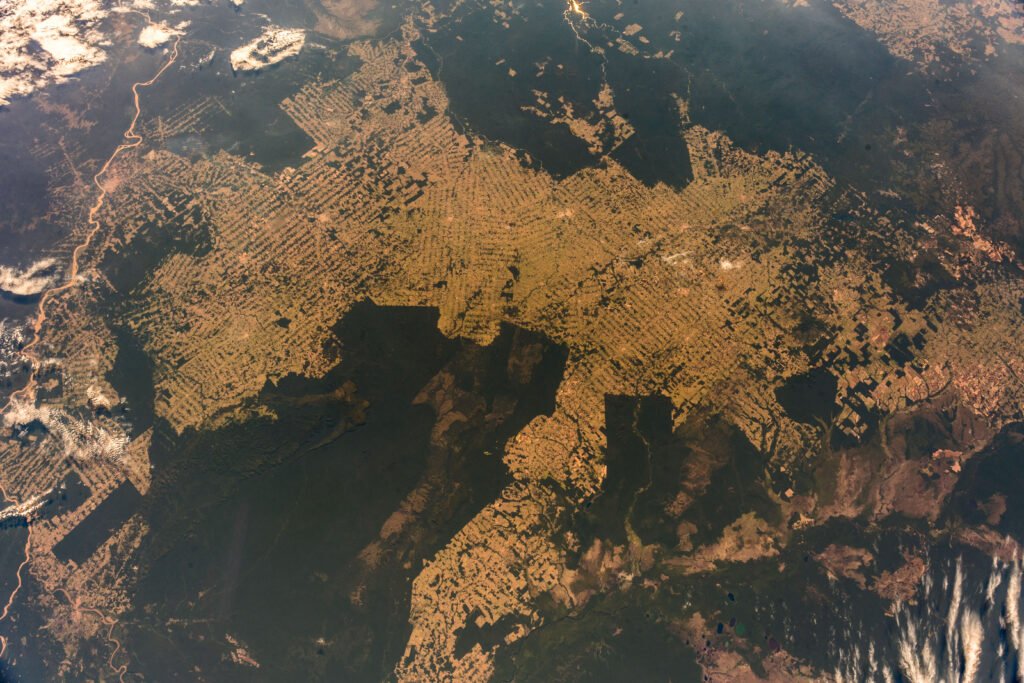

Imagine soaring high above the Amazon rainforest, peering down at a sea of endless green. But suddenly, the canopy breaks, revealing scars—long, jagged lines, islands of trees marooned in a patchwork of cleared land. This is not a scene from a dystopian novel; it’s the present reality, captured in chilling detail by satellites orbiting hundreds of miles above Earth. The Amazon, once hailed as the “lungs of the planet,” is unraveling before our eyes. With every new satellite image, the story becomes clearer and more urgent: the jungle is in decline, its vastness sliced and diced into fragments. This isn’t just an environmental tragedy; it’s a crisis with consequences for every living thing on the planet.
The Amazon: An Irreplaceable Tapestry of Life
The Amazon isn’t just a forest—it’s a living, breathing tapestry that weaves together millions of stories. Stretching across nine countries, it covers an area nearly the size of the continental United States. Within its bounds, scientists estimate that one in ten known species on Earth finds a home. The sheer diversity is staggering: from jaguars lurking in the shadows to neon-bright poison frogs, the Amazon is a world unto itself. But it’s not just the big, charismatic animals that matter; every plant, insect, and microbe plays a role in a delicate web of life. The forest’s richness supports not only wildlife, but also the people who have called it home for thousands of years.
How Satellites Became Our Eyes in the Sky
Long gone are the days when researchers had to trek for weeks to understand what was happening deep in the jungle. Today, satellites have transformed our ability to monitor the Amazon. High-resolution images snap new photos every day, revealing changes invisible from the ground. These “eyes in the sky” can detect everything from massive fires to tiny clearings. Scientists use this data to track deforestation, watch for illegal logging, and even monitor tree health. Satellite imagery has become an essential tool, allowing us to witness the slow unraveling of the Amazon almost in real time.
Measuring Fragmentation: More Than Just Lost Trees
When we talk about the Amazon’s fragmentation, it’s not just about losing trees—it’s about breaking apart a living whole. Imagine tearing a beautiful painting into pieces: the individual scraps are still there, but the masterpiece is lost. Fragmentation happens when roads, farms, and logging operations carve the forest into isolated patches. Satellite data shows that these patches are getting smaller and more scattered every year. This process disrupts animal migration, plant pollination, and the flow of water and nutrients, unraveling the very fabric of the ecosystem.
The Patchwork Forest: What the Data Reveals
A closer look at satellite images from the past decade is sobering. What was once a seemingly endless green expanse is now a patchwork of fragments. Large, unbroken tracts of forest are becoming rare. Instead, the Amazon resembles a jigsaw puzzle with missing pieces. Scientists have documented thousands of forest “islands” cut off from one another by roads, pastures, and plantations. The distance between these fragments is growing, making it harder for wildlife to move and for the forest to regenerate after disturbances.
Edge Effects: Life on the Border
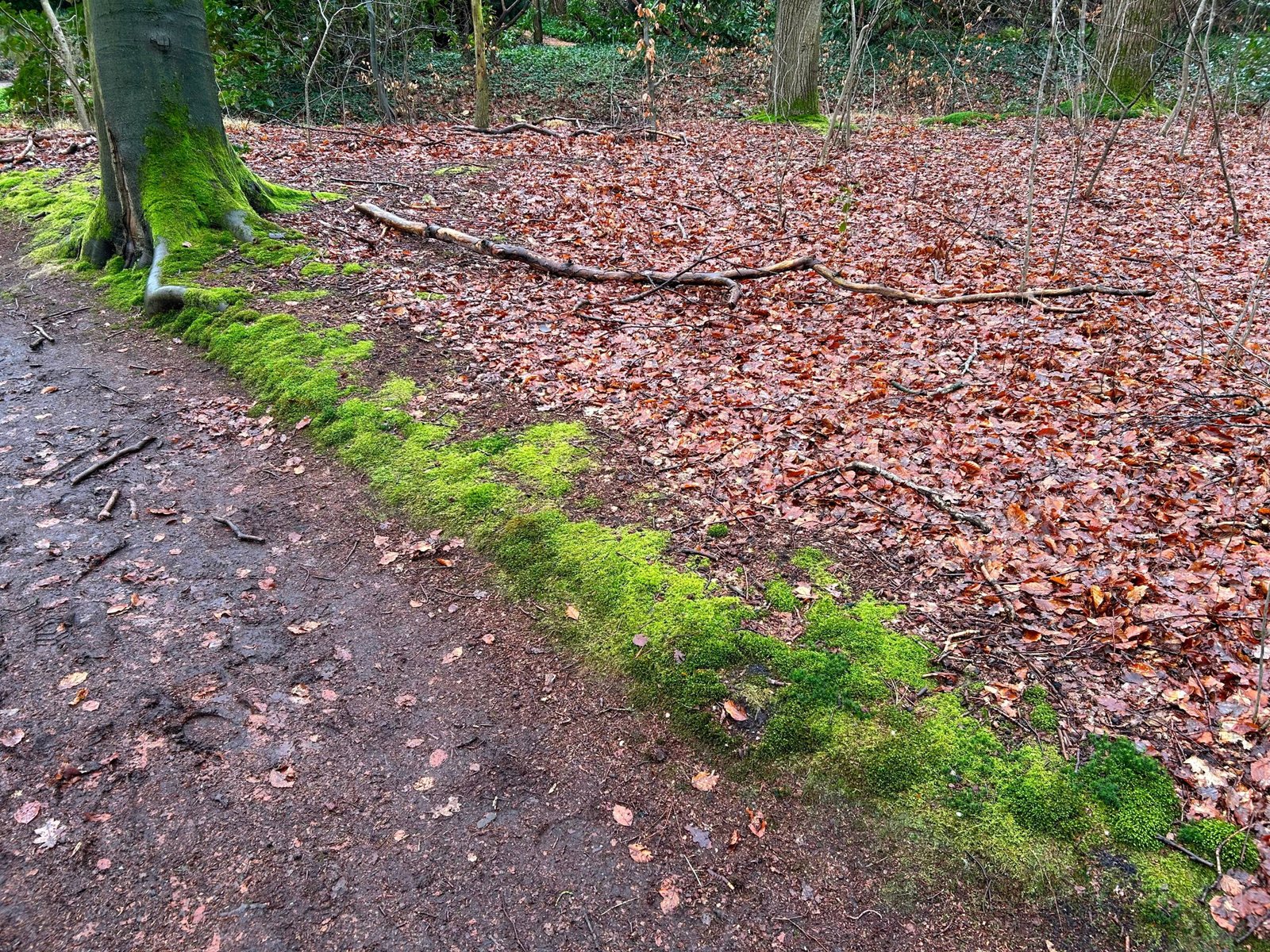
Fragmentation doesn’t just shrink the forest—it also creates new edges, and these are nothing like the lush heart of the jungle. Trees along the borders suffer intense heat, wind, and exposure. Studies using satellite data have shown that these “edge zones” can extend hundreds of meters into the forest, changing the microclimate and killing sensitive species. The Amazon’s famous humidity drops, and trees that once thrived in stable conditions become vulnerable to disease and drought. These edge effects ripple through the ecosystem, making the fragments less resilient and more prone to collapse.
Wildlife in Peril: Stranded in Small Patches
For animals, fragmentation can be a death sentence. Large species like jaguars and tapirs need vast territories to hunt and roam. When the forest is chopped into tiny pieces, these animals become marooned, unable to find food, mates, or safe passage. Satellite tracking of animal movements has revealed heartbreaking patterns: populations are shrinking, and genetic diversity is plummeting. Birds, monkeys, and even insects struggle to cross open fields or roads. Over time, isolated groups become more vulnerable to disease and extinction.
The Hidden Toll on Indigenous Communities
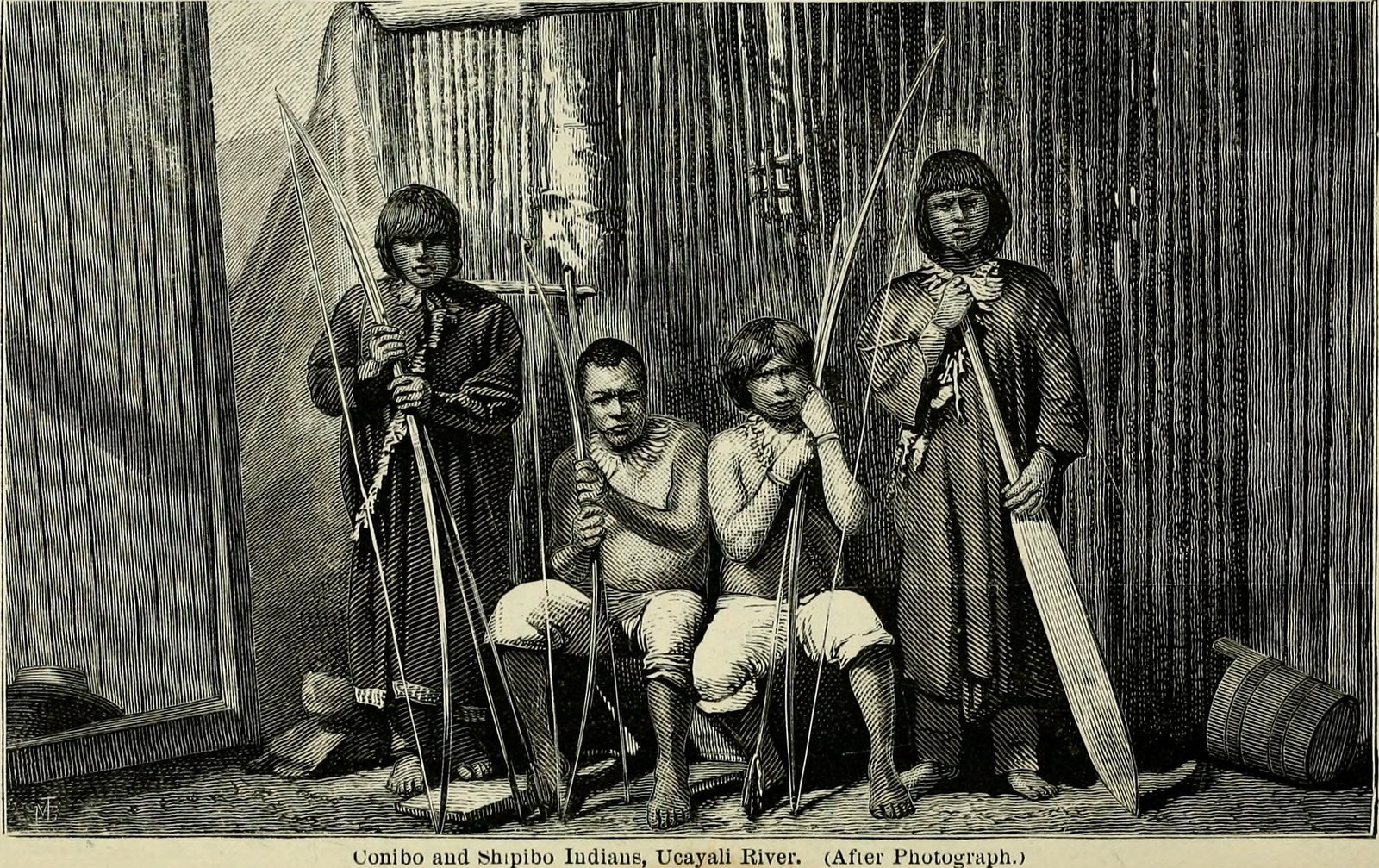
The Amazon isn’t just a wilderness; it’s home to hundreds of Indigenous peoples who depend on the forest for food, medicine, and cultural identity. Fragmentation threatens their way of life as much as it does the wildlife. Satellite data has helped Indigenous communities monitor illegal incursions and defend their territories, but the challenges are mounting. As the forest shrinks and fragments, traditional hunting grounds disappear, sacred sites are threatened, and the foundation of ancient cultures is shaken.
Fires and Fragmentation: A Vicious Cycle

Satellites have captured a worrying trend: as the forest fragments, it becomes more flammable. Newly created edges dry out quickly, making them easy targets for fire. Once a fire starts, it can leap from fragment to fragment, leaving devastation in its wake. The dry season of 2024 saw record-breaking blazes, many of which started along these new borders. Fires further fragment the forest, setting off a vicious cycle that is difficult to break.
Climate Change: The Amazon’s Fragile Balance
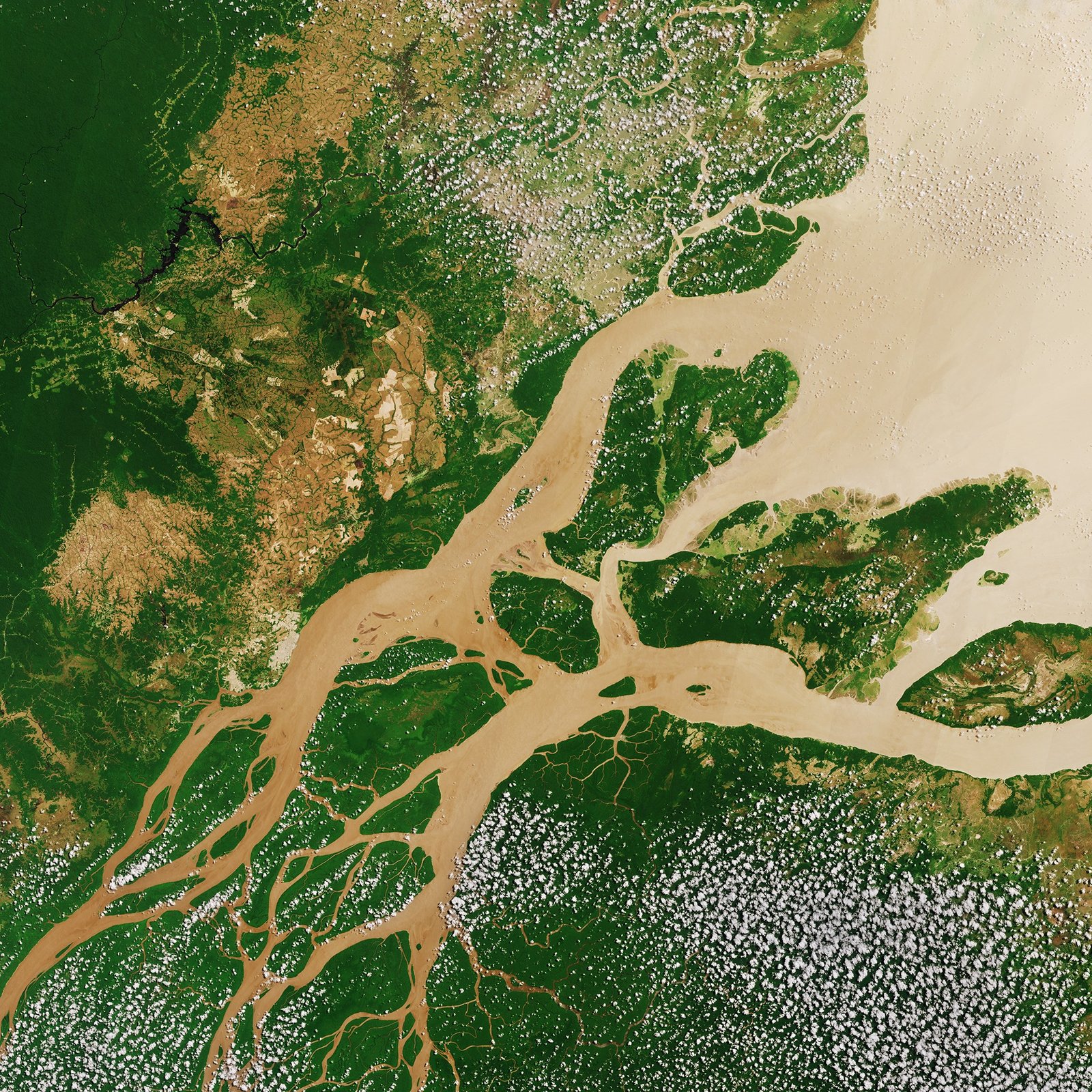
The Amazon plays a crucial role in regulating the Earth’s climate, absorbing billions of tons of carbon dioxide each year. But fragmentation threatens this balance. Satellite data has shown that smaller, isolated patches of forest store less carbon and are more likely to release it during droughts or fires. As the jungle breaks apart, its ability to act as a “carbon sink” diminishes, accelerating global warming and putting the planet at greater risk.
Illegal Logging: The Invisible Chainsaw
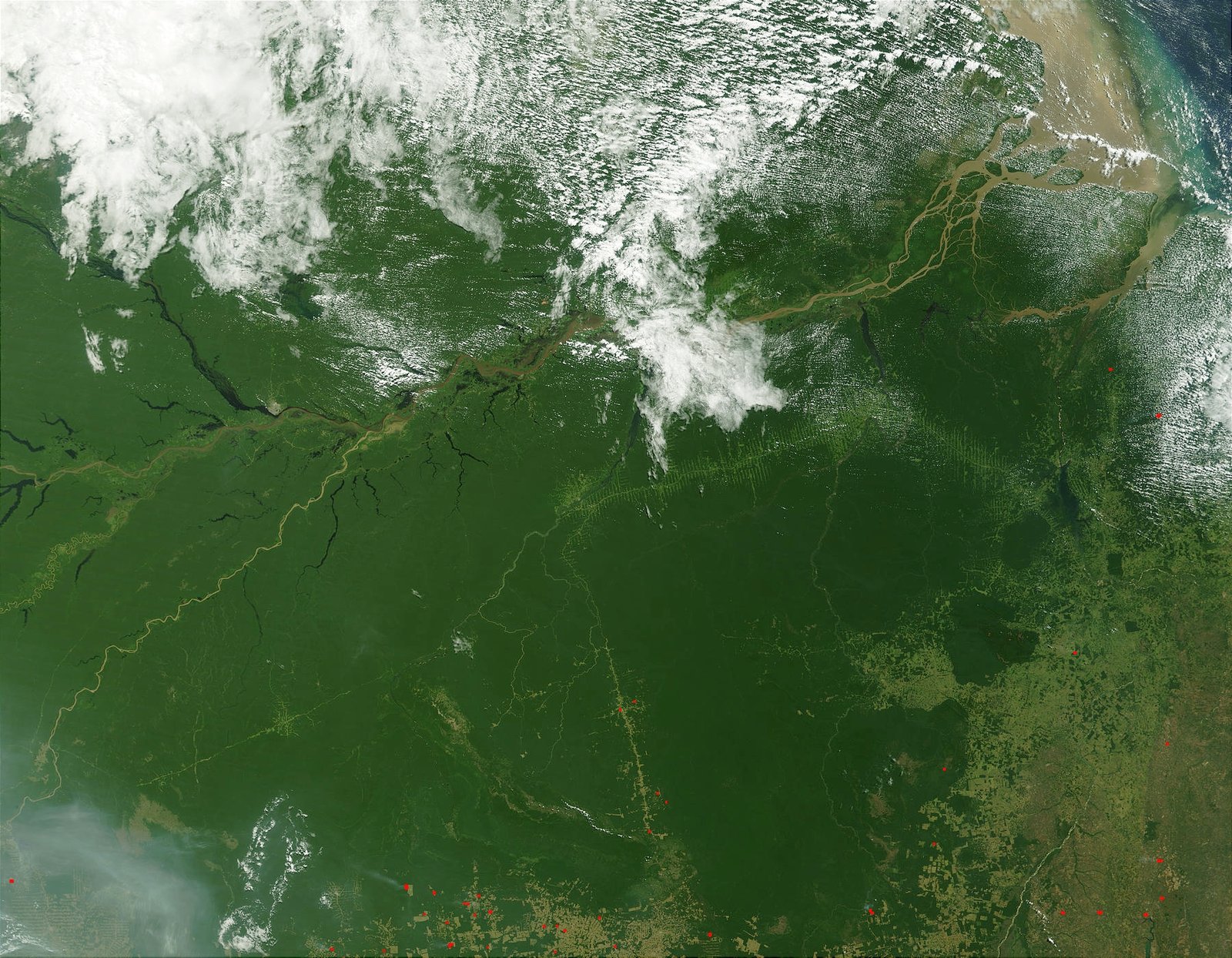
Some of the most damaging fragmentation isn’t visible to the naked eye, but satellites can spot it. Illegal logging operations often snake deep into the forest, leaving behind narrow roads and clearings. These activities create hidden fractures in the jungle, opening up new areas to exploitation. Satellite analysis has revealed the rapid expansion of these networks, often outpacing efforts at enforcement. The consequences ripple far beyond the initial cut, as new roads invite more settlers, hunters, and fires.
Roads to Nowhere: Highways Carving Up the Wild
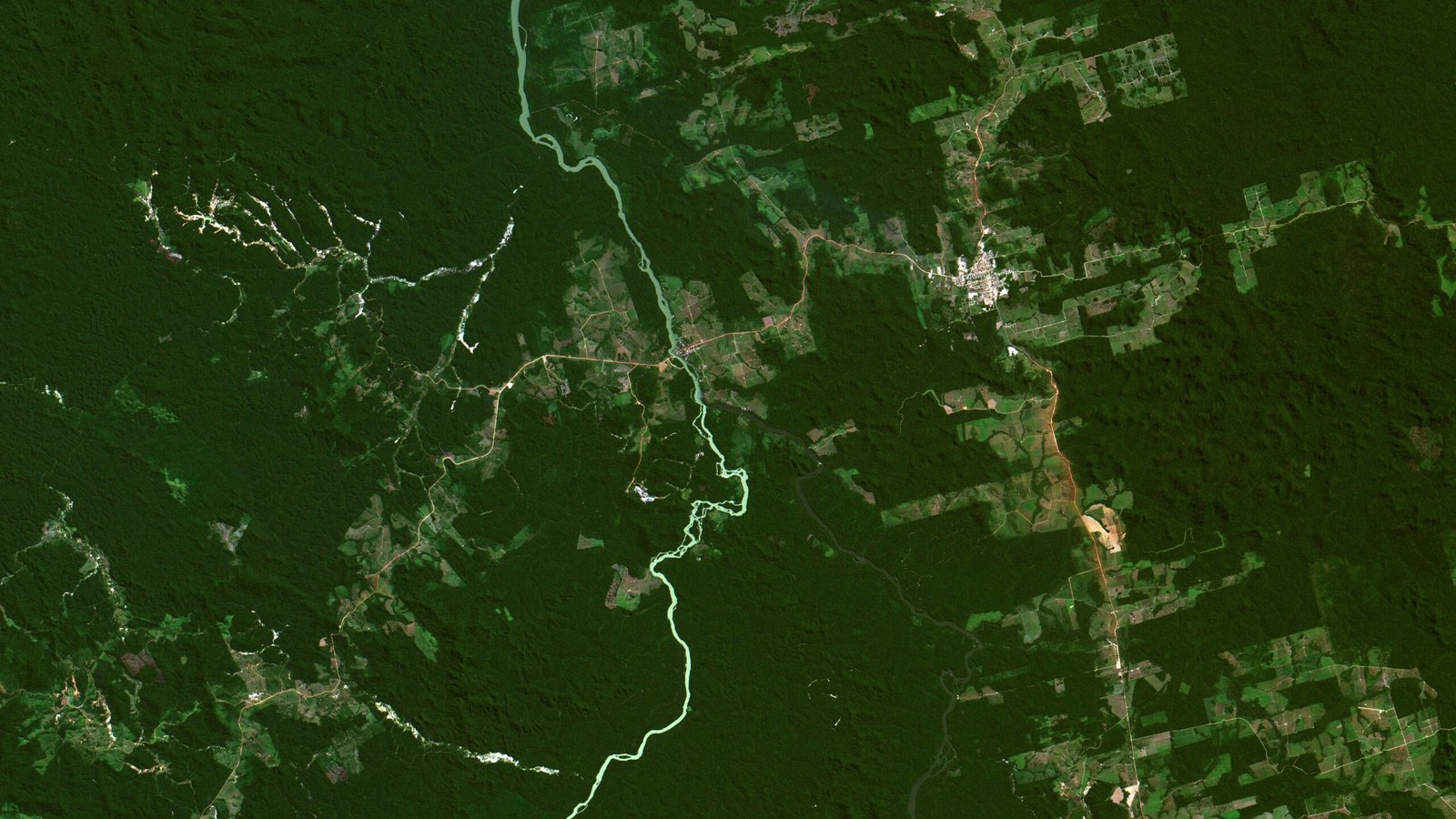
Few forces fragment the Amazon as dramatically as roads. Whether built for logging, mining, or agriculture, roads slice the forest into disconnected chunks. Satellite datasets have tracked the explosive growth of roads in the past twenty years, often running straight through some of the most pristine areas. These roads not only create physical barriers but also open the floodgates to further development, leading to more clearing and more fragmentation.
Agro-Expansion: Farms at the Forest’s Edge
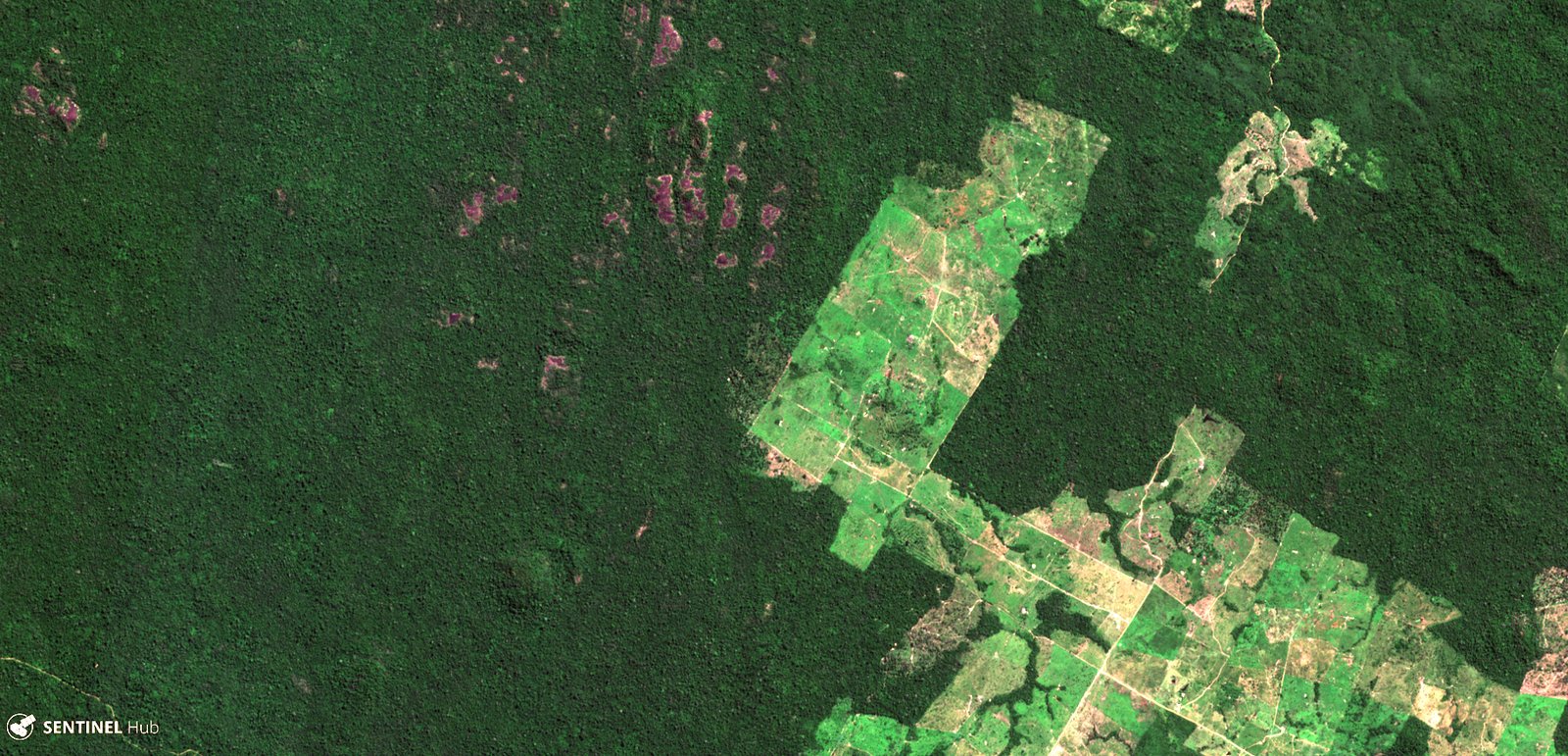
Agricultural expansion—especially for soy and cattle—has become a leading driver of Amazon fragmentation. Satellite imagery shows vast fields pushing right up against the remaining forest, sometimes leaving only thin strips of trees standing. These agricultural frontiers act like a slow-moving tsunami, swallowing up habitat and pushing wildlife into ever smaller refuges. The relentless advance of the plow and chainsaw is turning the once-continuous jungle into a series of isolated outposts.
Conservation Successes: Glimmers of Hope
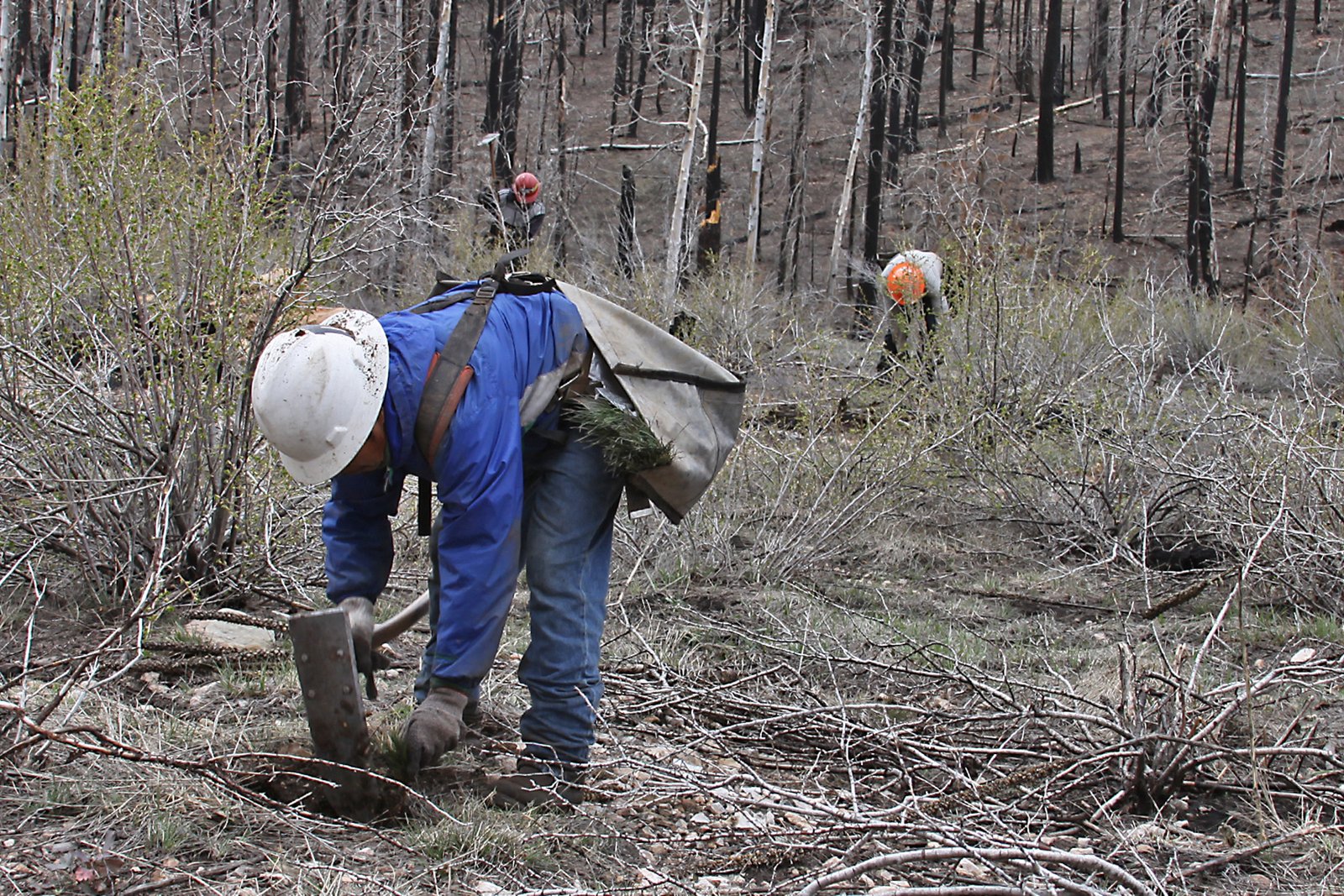
It’s not all doom and gloom. Some satellite images tell a story of resilience and recovery. Areas under strong protection, like national parks and Indigenous reserves, often appear as intact green oases amid the devastation. Conservation groups are using satellite data to identify the most vulnerable fragments and connect them through “biological corridors.” These corridors allow plants and animals to move between patches, boosting the odds of survival. In some cases, reforestation efforts have begun to stitch the forest back together.
Citizen Science: Power in the People’s Hands
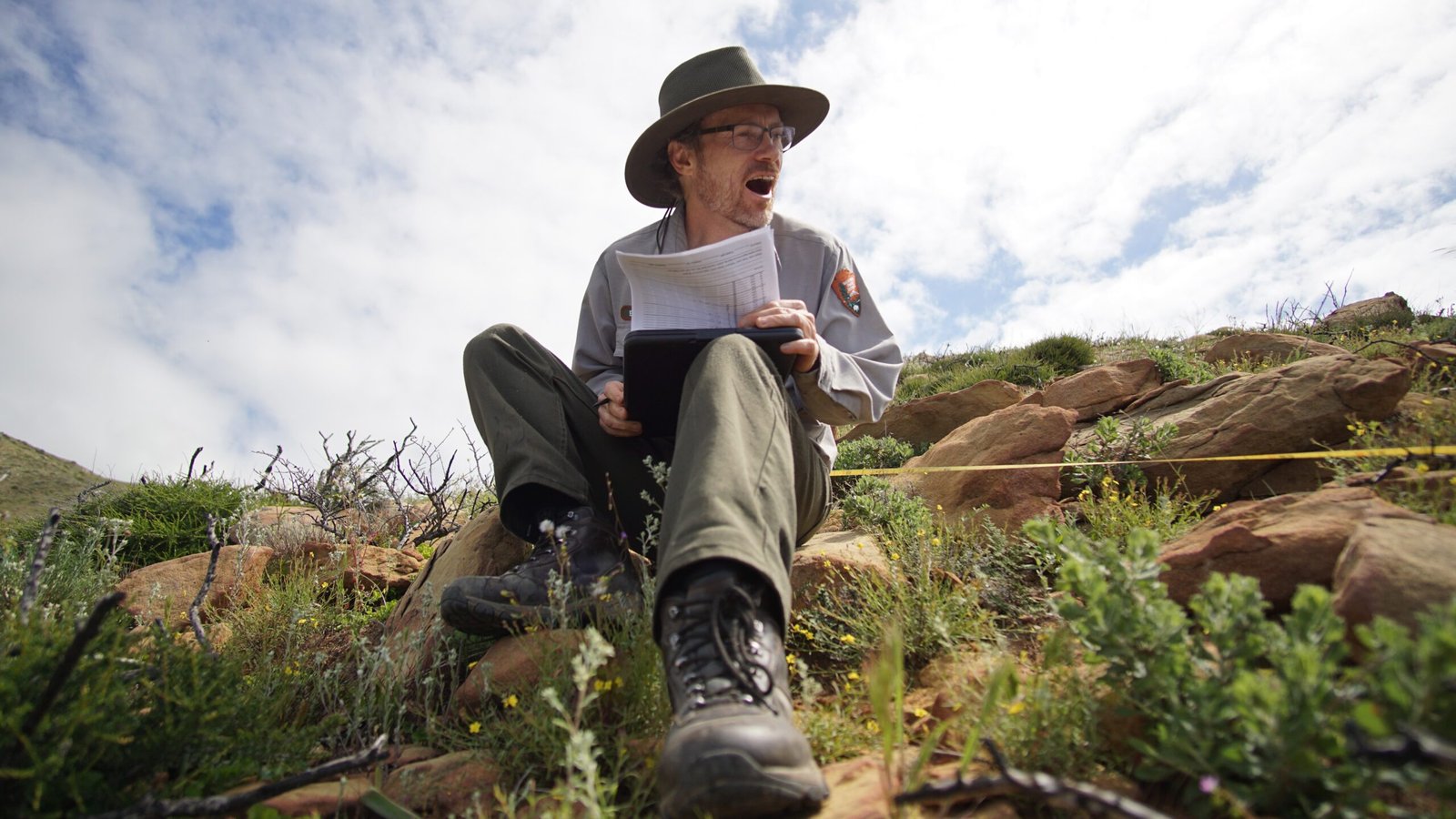
You don’t have to be a scientist to help protect the Amazon. Increasingly, researchers are inviting ordinary people to join the fight using satellite data. Online platforms let users monitor deforestation in near real-time, flagging suspicious activity and holding governments accountable. This democratization of data gives local communities, activists, and concerned citizens a powerful tool for advocacy. The jungle’s fate is no longer decided in secret; now, anyone with an internet connection can become a guardian of the green.
Lessons from the Amazon: A Warning for the World
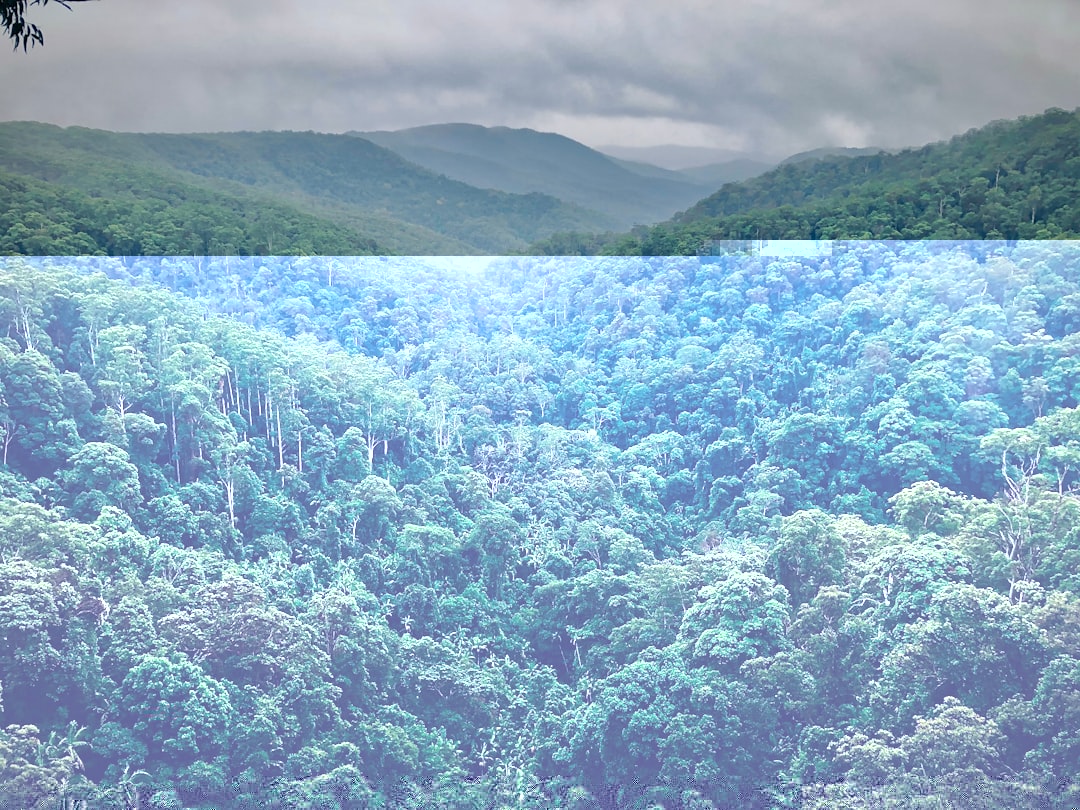
The Amazon’s story is a cautionary tale for forests everywhere. Fragmentation is not unique to South America; it’s happening in rainforests, woodlands, and savannas around the globe. The lessons learned from satellite monitoring in the Amazon are being applied to other threatened landscapes, helping conservationists anticipate trouble before it spirals out of control. The Amazon has become a global classroom, teaching us hard truths about the fragility of nature in the face of relentless human pressure.
A Call for Connection: Reimagining the Future
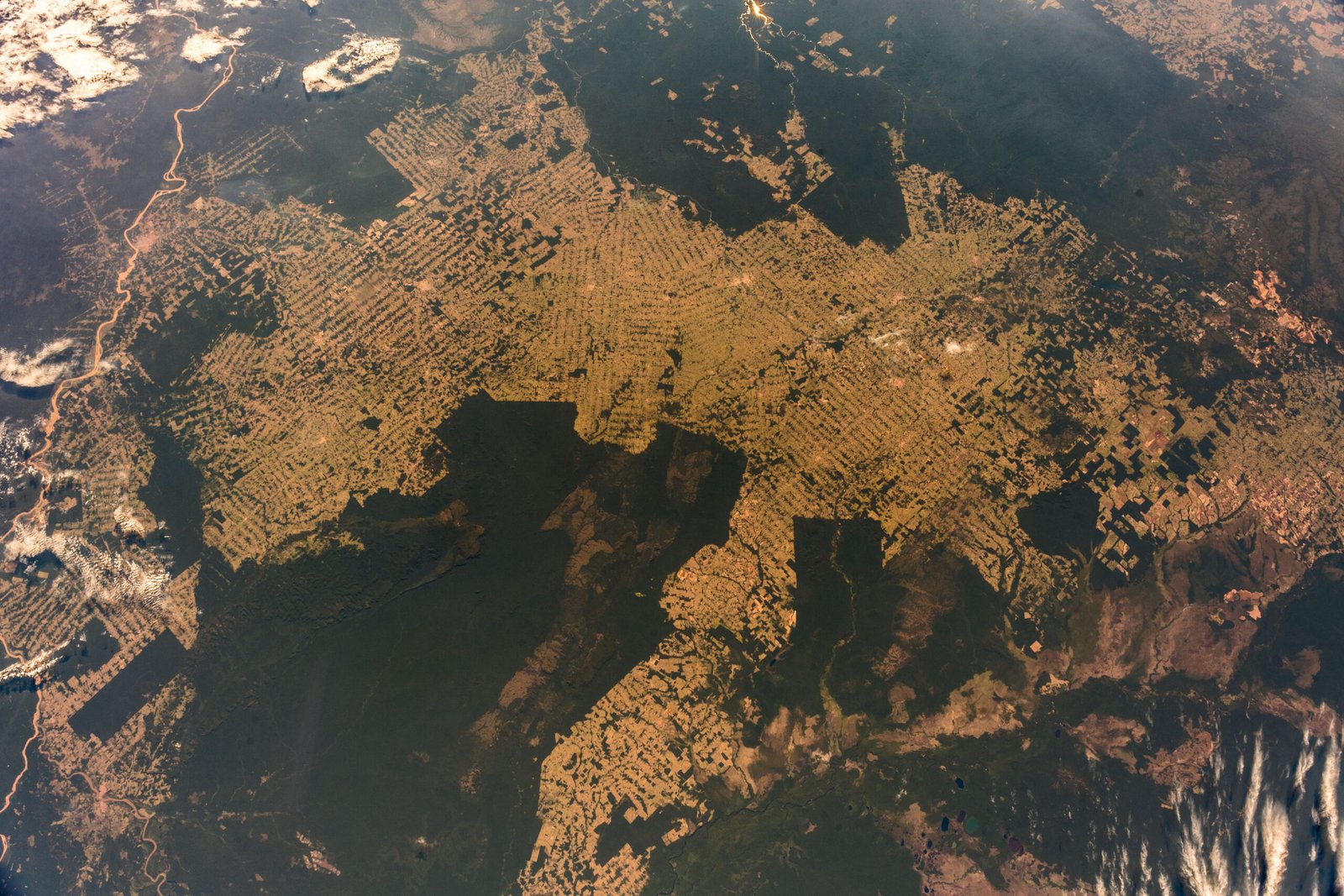
The satellite view of the Amazon is a sobering reminder of what’s at stake. Yet, it also offers a spark of hope. By revealing the patterns of fragmentation, satellite data is helping us imagine new ways to reconnect the jungle. From international treaties to local restoration projects, the path forward will require bold action and collective resolve. The fate of the Amazon—and by extension, our own future—depends on the choices we make today. Will we let the forest slip away piece by piece, or will we find the courage to weave its fragments back into a living whole?