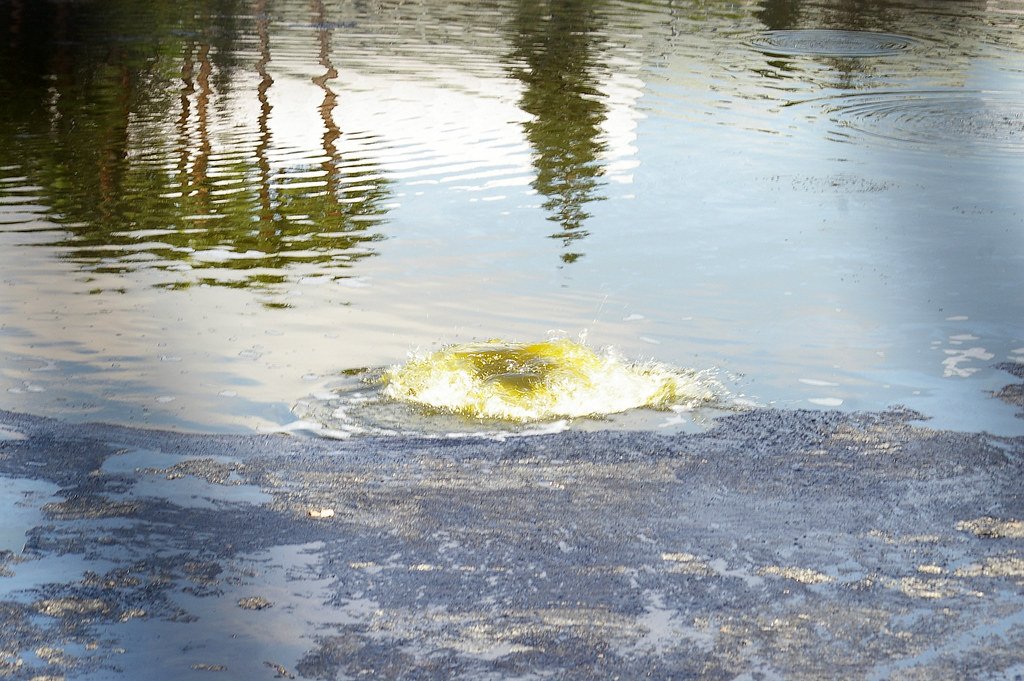

Have you ever stumbled across a lake that seemed to be alive, its surface pulsing and shimmering as if something mysterious lurked beneath? Imagine standing on the edge of such a lake, only to see bubbles—dozens, hundreds—rising constantly to the surface, bursting with a silent energy. This isn’t a scene from a fantasy novel. It’s a real phenomenon, and it’s happening right now on our planet. Methane-rich lakes are bubbling away in remote corners of the world, and their story is both astonishing and a little bit alarming. What’s brewing beneath these waters could shape the future of life on Earth, changing everything we know about our planet’s carbon balance.
The Strange Case of Methane Bubbles
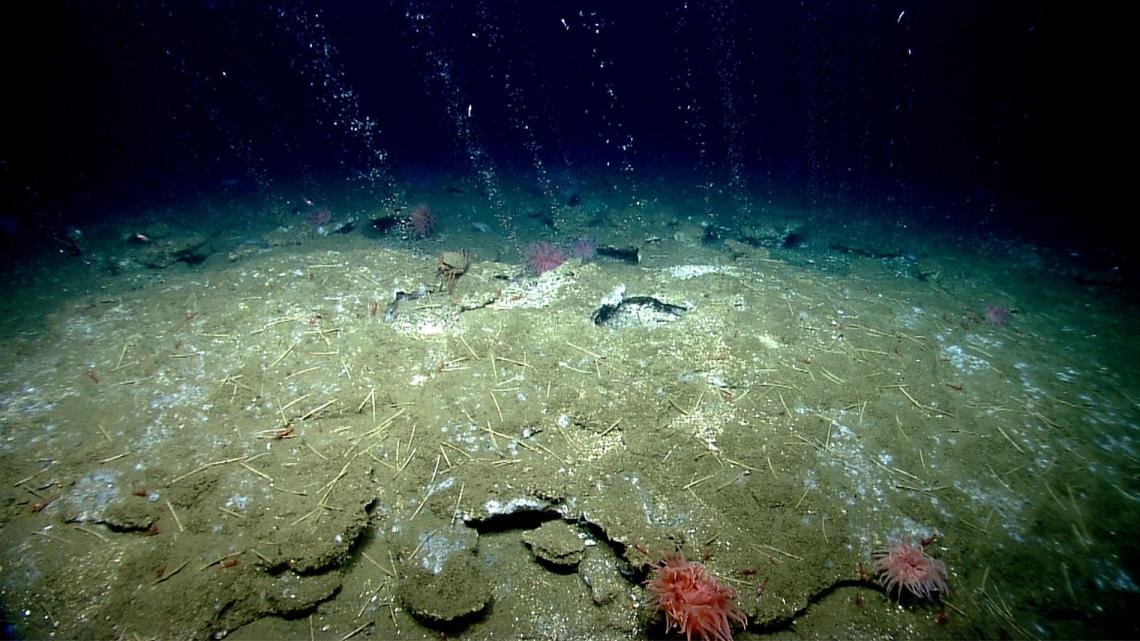
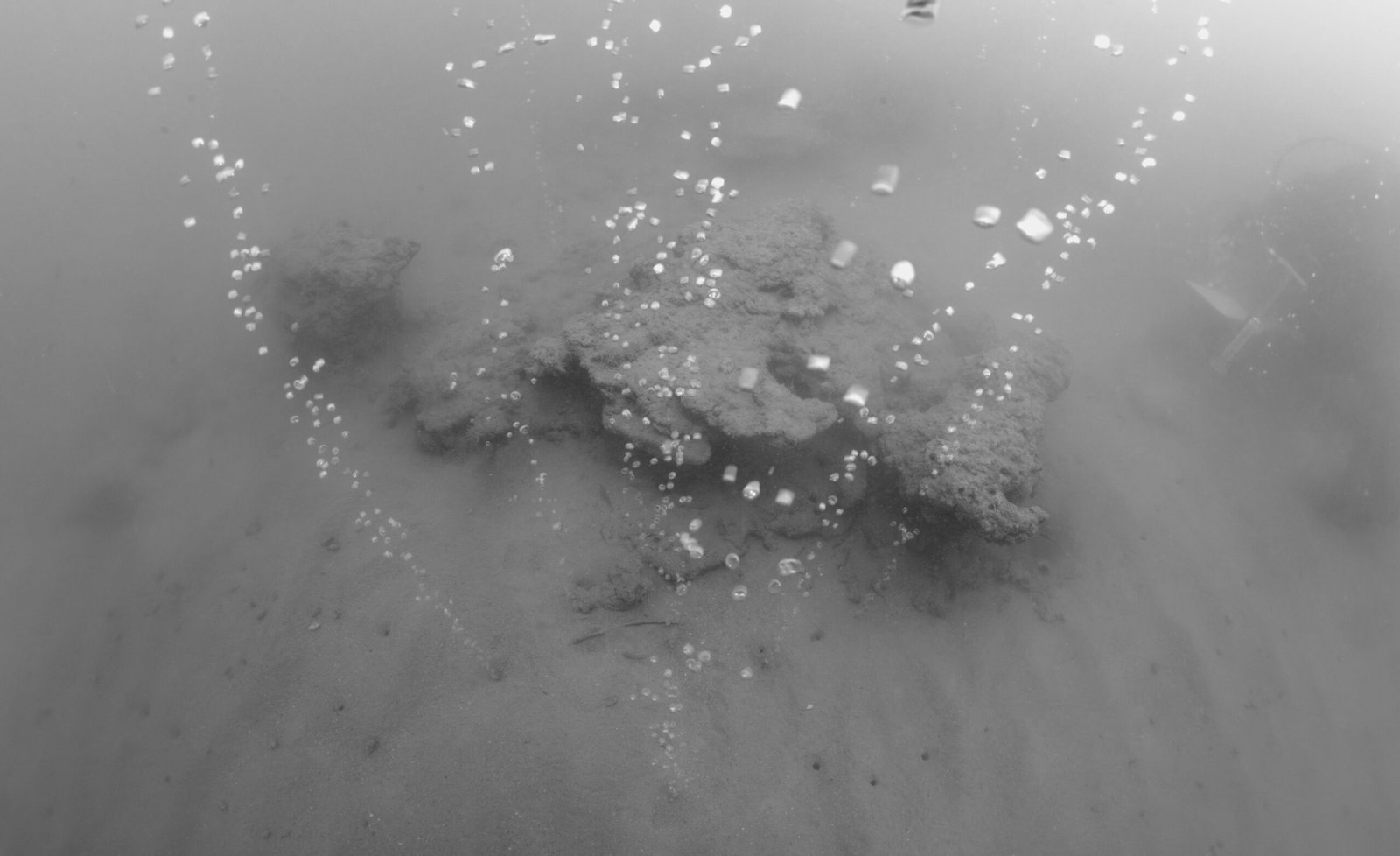
Methane bubbles rising from lake beds might sound harmless, but in reality, they’re a sign of something much bigger happening beneath the surface. As organic matter decays in oxygen-poor sediments at the lake bottom, microbes break it down and produce methane gas as a byproduct. This gas doesn’t always stay trapped; it escapes upwards, forming visible bubbles that pop at the water’s surface. In lakes across Siberia, Alaska, and even Africa, these bubbles can be so forceful that they create craters and eerie, fizzing sounds. The sight is mesmerizing but also a reminder that invisible processes can have world-changing effects.
What Is Methane and Why Should We Care?
Methane (CH4) is a colorless, odorless gas, but don’t let its simplicity fool you. It is over 25 times more potent at trapping heat in the atmosphere than carbon dioxide, making it a supercharged greenhouse gas. When released in large quantities, methane can dramatically speed up global warming. Unlike carbon dioxide, methane persists in the atmosphere for a shorter time—about a decade—but in that time, it packs a serious punch. That’s why every bubble that pops from a lake isn’t just a curiosity; it’s a tiny contributor to Earth’s warming climate.
The Origins of Bubbling Lakes
Lakes that bubble with methane aren’t new. They’ve been around for thousands of years, mainly in cold, northern regions where permafrost locks away ancient plant material. As the climate warms, permafrost thaws, and this organic matter becomes a buffet for microbes. In places like Siberia’s Lake Baikal or Alaska’s thawing tundra ponds, the release of stored methane is steadily increasing. Even tropical lakes like Lake Kivu in Africa show signs of methane bubbling, created by a different set of geological and biological processes.
Permafrost: The Frozen Fuse
Permafrost is ground that has stayed frozen for at least two years straight, often for centuries or millennia. It acts like a giant freezer, preserving ancient plants and animals. When this ground thaws due to rising temperatures, those preserved remains start to rot, releasing methane and carbon dioxide. The more the permafrost thaws, the more methane is set free into the atmosphere. This creates a feedback loop: warmer temperatures thaw permafrost, releasing methane, which then warms the planet even more.
Bubbles You Can Light on Fire
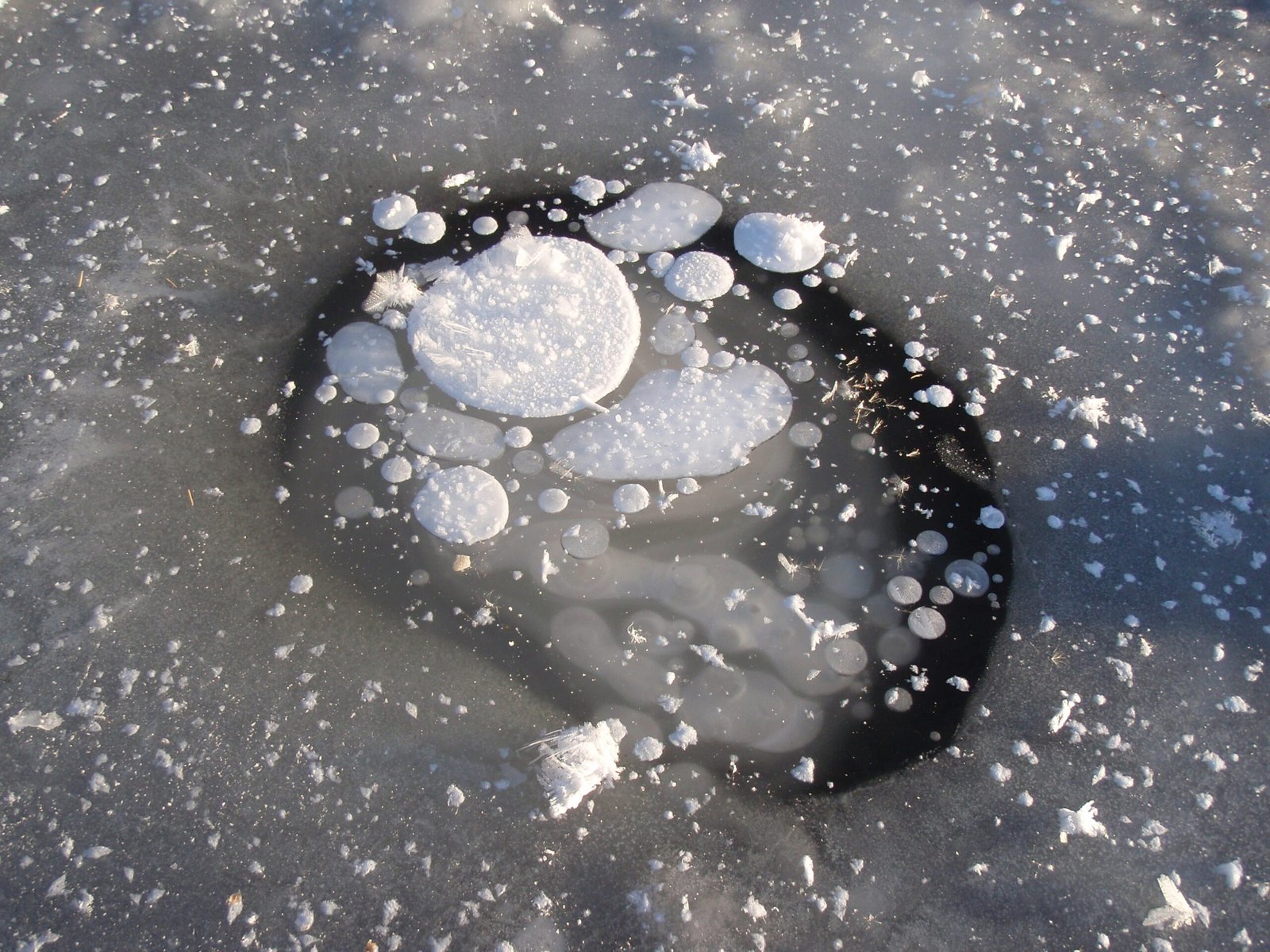
If you’ve ever seen a viral video of someone torching bubbles on a frozen lake, you’ve witnessed methane in action. In the dead of winter, methane gets trapped under sheets of ice, forming milky white disks that look almost magical. But when these bubbles are released and ignited, they burn with a ghostly blue flame. This isn’t just a party trick—it’s a dramatic demonstration of how much combustible gas is hiding beneath our feet. In places like Alberta’s Lake Abraham, these methane bubbles are both a tourist attraction and a stark warning.
A Natural Laboratory: Lake Kivu’s Peril
Lake Kivu, straddling the border between Rwanda and the Democratic Republic of Congo, holds an almost unimaginable volume of dissolved methane and carbon dioxide deep in its waters. Scientists call it a “killer lake” because if these gases ever escaped suddenly—a phenomenon known as a limnic eruption—it could suffocate entire communities nearby. The lake is monitored constantly, and special projects even siphon off methane for electricity, turning a deadly threat into a resource.
Microbes: The Hidden Methane Factories
The real architects of methane bubbling lakes are tiny, single-celled organisms called methanogens. These microbes thrive in oxygen-free environments at the bottom of lakes, digesting organic matter and belching out methane as waste. Their work is invisible to the naked eye, but the impact is colossal. Methanogens are ancient, dating back billions of years, and they’ve helped shape Earth’s atmosphere before humans ever walked the planet.
The Carbon Cycle’s Underwater Twist
We often think about the carbon cycle as something happening in forests or the sky, but lakes are an overlooked player. When plants and animals die, much of their carbon sinks to the lake bed. There, in the dark and cold, it can either get buried for eons or consumed by microbes, releasing methane or carbon dioxide. Lakes, especially those in northern regions, act as both carbon storage tanks and sources of greenhouse gases, depending on how much oxygen and warmth are available.
Climate Change: Turning Up the Bubble Rate
As global temperatures rise, lakes in Arctic and sub-Arctic regions are thawing faster than ever. This means more organic matter is available for microbes to feast on, and more methane is bubbling up. Satellite images have revealed new lakes forming where ice has melted, sometimes overnight. Scientists are racing to measure how much methane these lakes are releasing, but the numbers so far are unsettling—enough to potentially double estimates of natural methane emissions in the coming decades.
Under-Ice Time Bombs
Winter doesn’t stop the bubbling. In fact, when lakes freeze over, the ice traps methane, creating a pressurized layer of gas beneath. When the ice finally cracks in spring, there’s a sudden rush of methane into the air. Researchers have found that these “spring bursts” can release huge amounts of methane in just a few days, making them a key piece of the puzzle in understanding seasonal greenhouse gas emissions.
Measuring the Invisible: Science Gets Creative
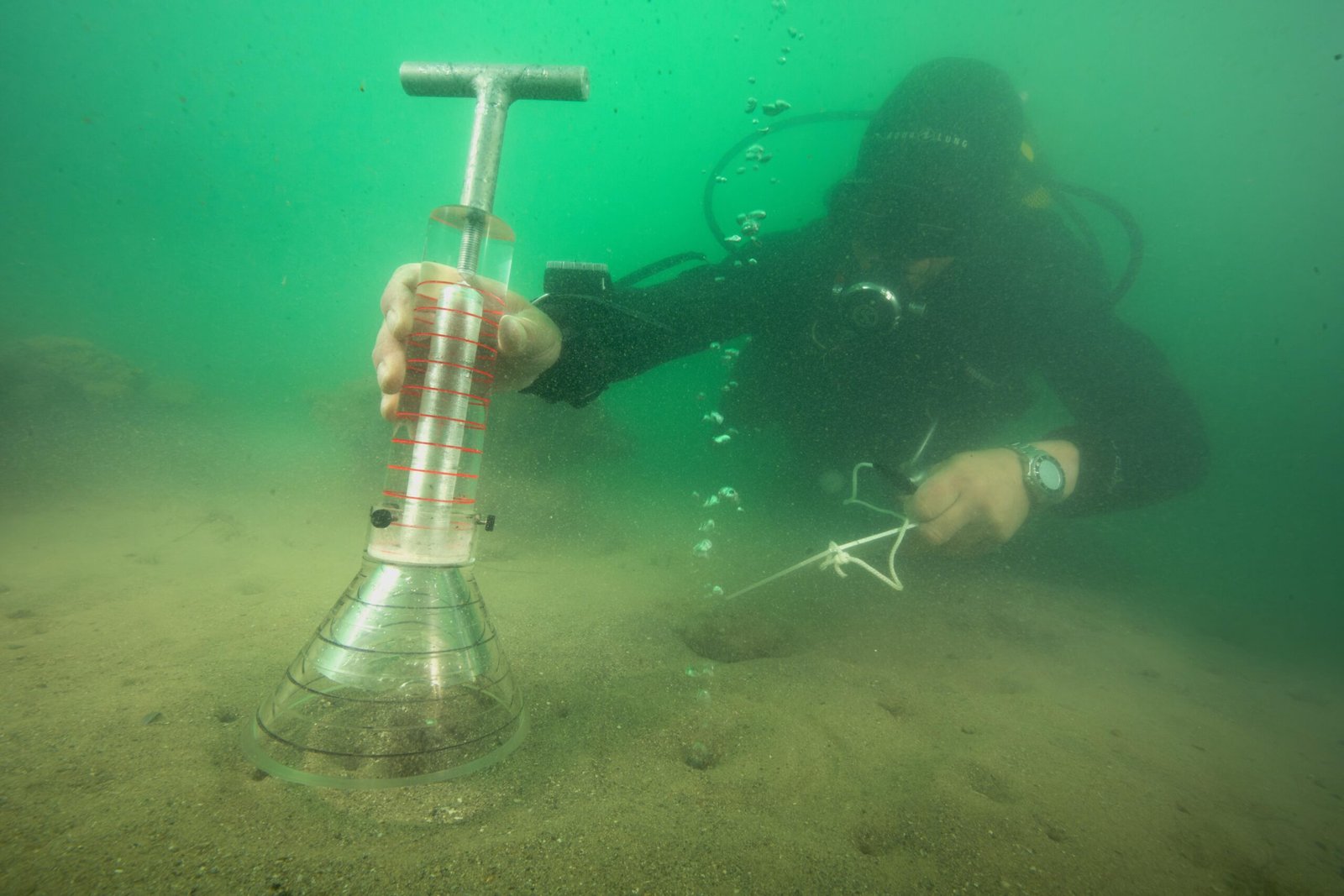
How do you measure something you can’t see? Scientists have gotten inventive, using everything from floating chambers to underwater robots to sniff out methane. Some researchers even drill holes in the ice to catch bubbles as they rise. New satellite technology is making it possible to spot methane hotspots from space, giving us a global map of where the biggest leaks are happening.
Human Activity Adds Fuel to the Fire
It’s not just nature that’s causing lakes to bubble more. Human activities—like draining wetlands, building dams, or even dumping organic waste—can alter the chemistry of lakes. These changes often make conditions even better for methane-making microbes. In some cases, artificial lakes and reservoirs now emit more methane than rice paddies or cattle farms, both infamous sources of the gas.
From Methane Lakes to the Global Climate Budget
All these bubbling lakes aren’t just a local issue—they feed into the global climate system. The amount of methane entering the atmosphere helps determine how fast the planet heats up. If lakes start releasing more methane than expected, scientists will need to revise climate models and predictions. This could mean that future warming happens faster than we think, with unpredictable consequences for weather, sea levels, and food security.
Unexpected Consequences: The Methane Feedback Loop
Methane from lakes is a textbook example of a feedback loop. As the planet warms, more methane is released, which then causes even more warming. This vicious cycle is hard to break. Unlike carbon dioxide, which can be absorbed by trees and oceans, methane emissions from lakes are much harder to control. The fear is that once these natural sources ramp up, they could overpower efforts to cut human-made emissions.
Wildlife in the Bubble Zone
Surprisingly, bubbling lakes aren’t just dangerous—they can also support unique forms of life. Some fish and insects have adapted to the low-oxygen environments created by methane production. Birds that feed on these lakes might be drawn by the abundance of certain insects. However, if gas releases become too intense, they can cause fish kills or turn the water toxic, disrupting entire food webs.
Can We Capture and Use Lake Methane?
Some scientists and engineers are exploring ways to turn this problem into an opportunity. In places like Lake Kivu, methane is being harvested to generate electricity, providing clean energy for local communities. While not every lake can be tapped this way, technologies are improving that might one day make it possible to capture and use methane from more locations. It’s a race against time to see if we can outsmart nature’s own emissions.
Are We Prepared for a Methane Surge?
The possibility of a sudden surge in methane emissions from lakes has caught many experts off guard. Emergency plans exist for places like Lake Kivu, but most bubbling lakes are remote and unmonitored. Policymakers are only beginning to grasp the risks, and global agreements rarely mention natural methane sources. As research continues, the scientific community is urging governments to keep a close eye on these invisible threats.
What Does This Mean for Our Carbon Future?
The story of methane-bubbling lakes is a wake-up call. It’s not just factories, cars, or power plants that shape our climate—nature itself has a few tricks up its sleeve. If we ignore these natural sources, we risk underestimating the scale of the challenge ahead. Protecting permafrost, restoring wetlands, and improving lake management might help slow the release, but the clock is ticking.
A Call to Curiosity and Action
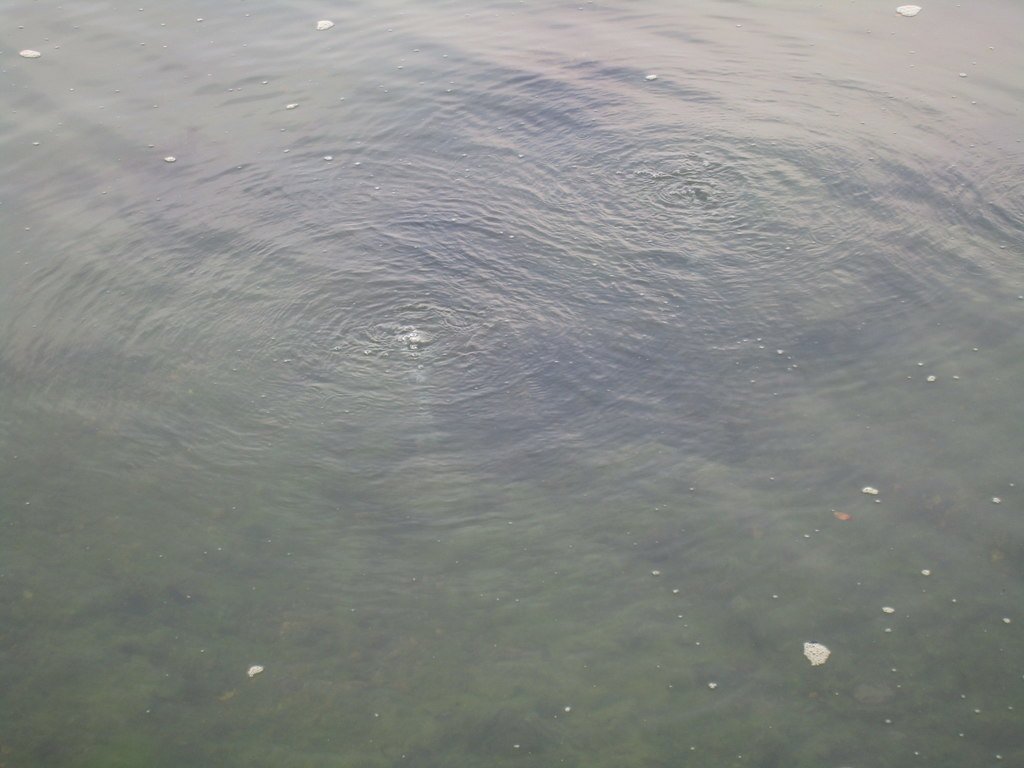
Standing on the shore of a bubbling lake, it’s easy to feel powerless. Yet, the more we learn, the better prepared we are to meet the challenges of a changing world. These lakes are not just scientific curiosities—they’re windows into Earth’s hidden workings and reminders of how fragile our balance really is. The next time you see a bubble rise to the surface, ask yourself: what stories do our lakes have left to tell?