Imagine standing in the heart of Los Angeles, surrounded by traffic and skyscrapers, only to realize that, hidden beneath your feet, a river once pulsed with life. It’s not just an urban legend or a forgotten myth—there truly was a powerful waterway carving its way through the city, shaping its destiny long before freeways and film studios took over. This is the astonishing story of LA’s lost river, a tale that reveals a wilder, wetter side of the city that most people never even guess exists. It’s a story of nature’s hidden hand, of how the landscape beneath our daily lives still whispers secrets from the past, and of how one mysterious river sculpted the fate of an entire metropolis.
A City Built on Water’s Edge
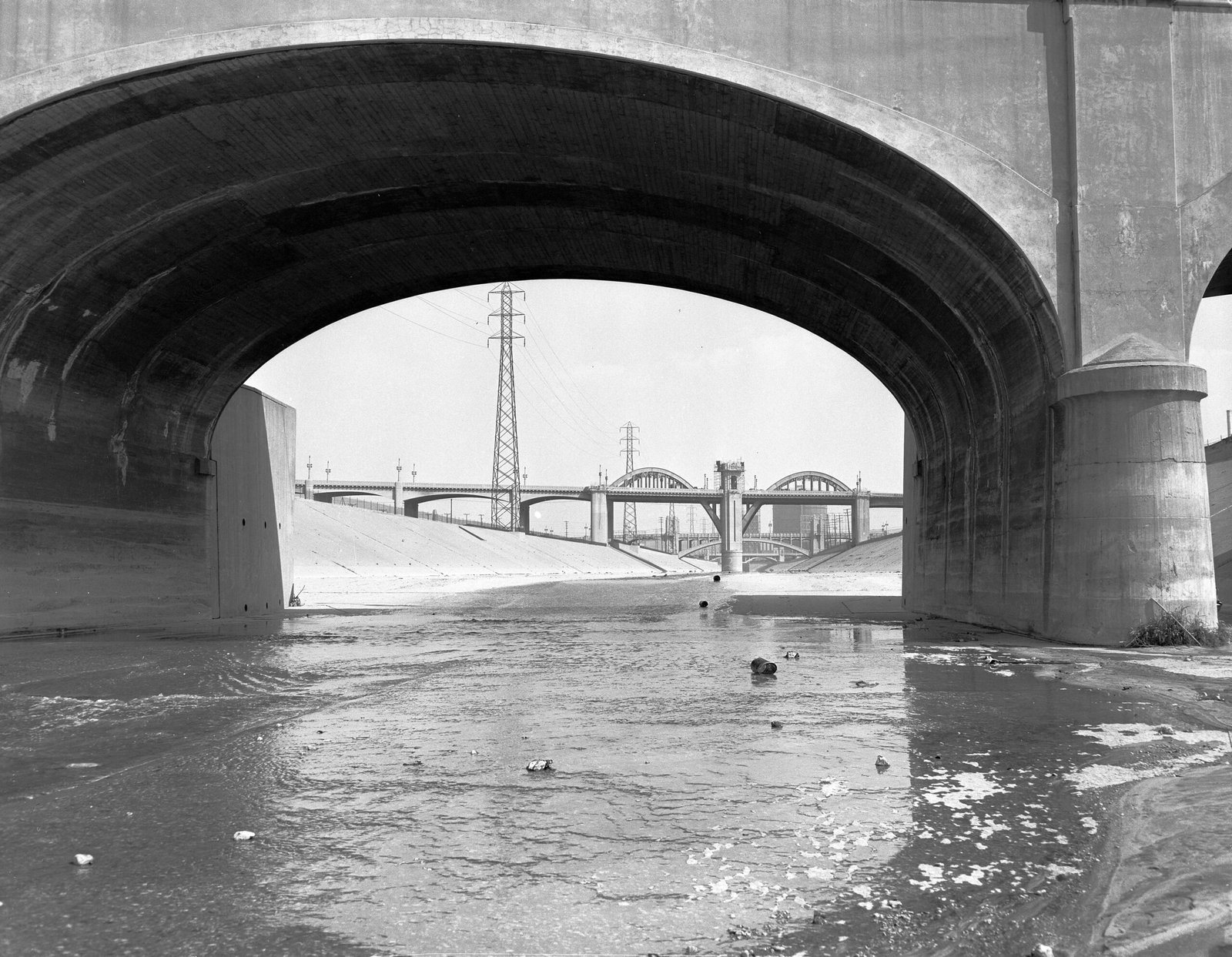
Los Angeles is often imagined as a dry, sun-baked expanse, but the city’s origins are intimately tied to water. Before a single movie reel spun or a freeway roared, indigenous peoples settled here because of the life-giving rivers that fed the landscape. The Los Angeles River, now mostly encased in concrete, was the city’s original lifeline. Early settlers relied on its unpredictable flow for farming, drinking, and transport. The presence of this river, and its many hidden tributaries, dictated where villages, missions, and eventually towns sprang up. Without this water source, it’s hard to imagine Los Angeles ever blooming into the world-famous city it is today.
The Forgotten Arroyo Seco
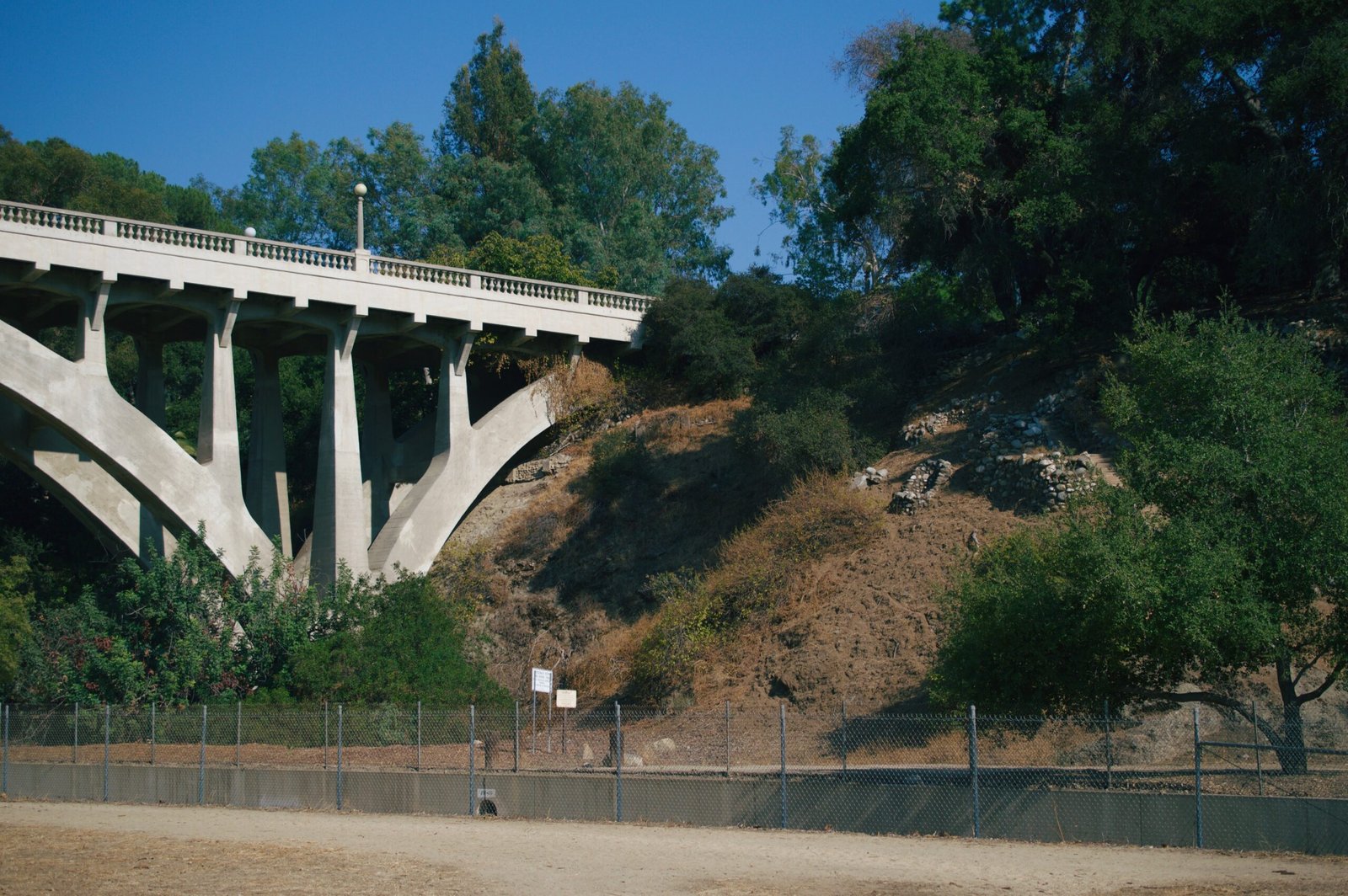
One of the most important yet overlooked waterways is the Arroyo Seco, whose name means “dry stream” in Spanish. This river isn’t dry by nature; rather, it once surged with seasonal floods that shaped the terrain. The Arroyo Seco meandered through what is now Pasadena and Highland Park, carving canyons and nourishing oak woodlands. Its unpredictable floods both nurtured life and threatened early settlements. Over time, as the city grew, this wild stream was tamed, straightened, and eventually covered—its natural path now hidden beneath pavement and suburbia.
The Indigenous Connection
Long before Spanish explorers, the Tongva people called the river and its tributaries home. They built villages along the banks, relying on the steady flow for fish, plants, and fresh water. The river was not only a source of sustenance but also a spiritual force woven into their culture and stories. The Tongva understood the rhythms of flood and drought, adapting their lives to the river’s moods. Even today, remnants of their settlements can be found near ancient riverbeds, silent witnesses to a civilization that thrived thanks to these forgotten streams.
The River’s Role in Spanish Colonization

When Spanish settlers arrived in the late 1700s, they quickly recognized the value of the hidden river system. The very site of El Pueblo de Los Angeles, the city’s historic core, was chosen for its proximity to reliable water. Spanish missions and ranchos sprang up along the river’s edge, using the water for irrigation and livestock. The river became the backbone of the early colonial economy, its waters diverted into acequias—hand-dug irrigation ditches—that supported orchards and vineyards. The city’s unique blend of cultures and cuisines owes much to these river-powered beginnings.
Nature’s Hand: Floods and Droughts
Los Angeles’s rivers have always been unpredictable. In some years, torrential rains would turn the gentle streams into raging torrents, sweeping away entire neighborhoods. In others, the river would shrink to a trickle, leaving the city parched. These cycles of flood and drought forced Angelenos to innovate, building levees, dams, and aqueducts. The river’s wild temperament also shaped the city’s landscape, carving out valleys and leaving behind rich, fertile soil that still supports lush gardens and parks.
The March of Concrete: Channelization and Loss

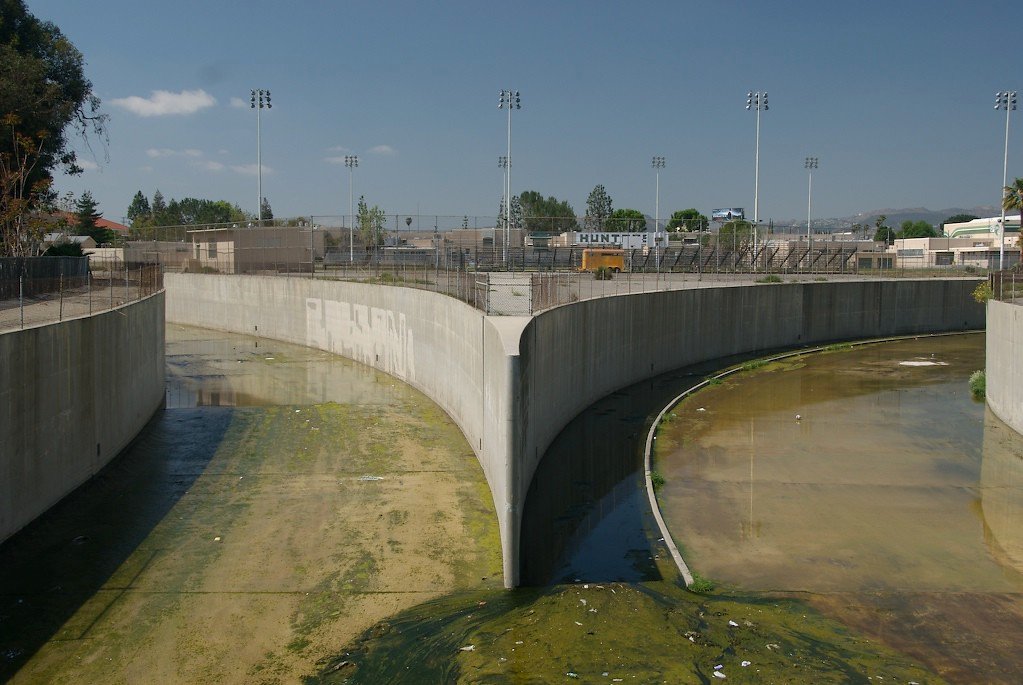
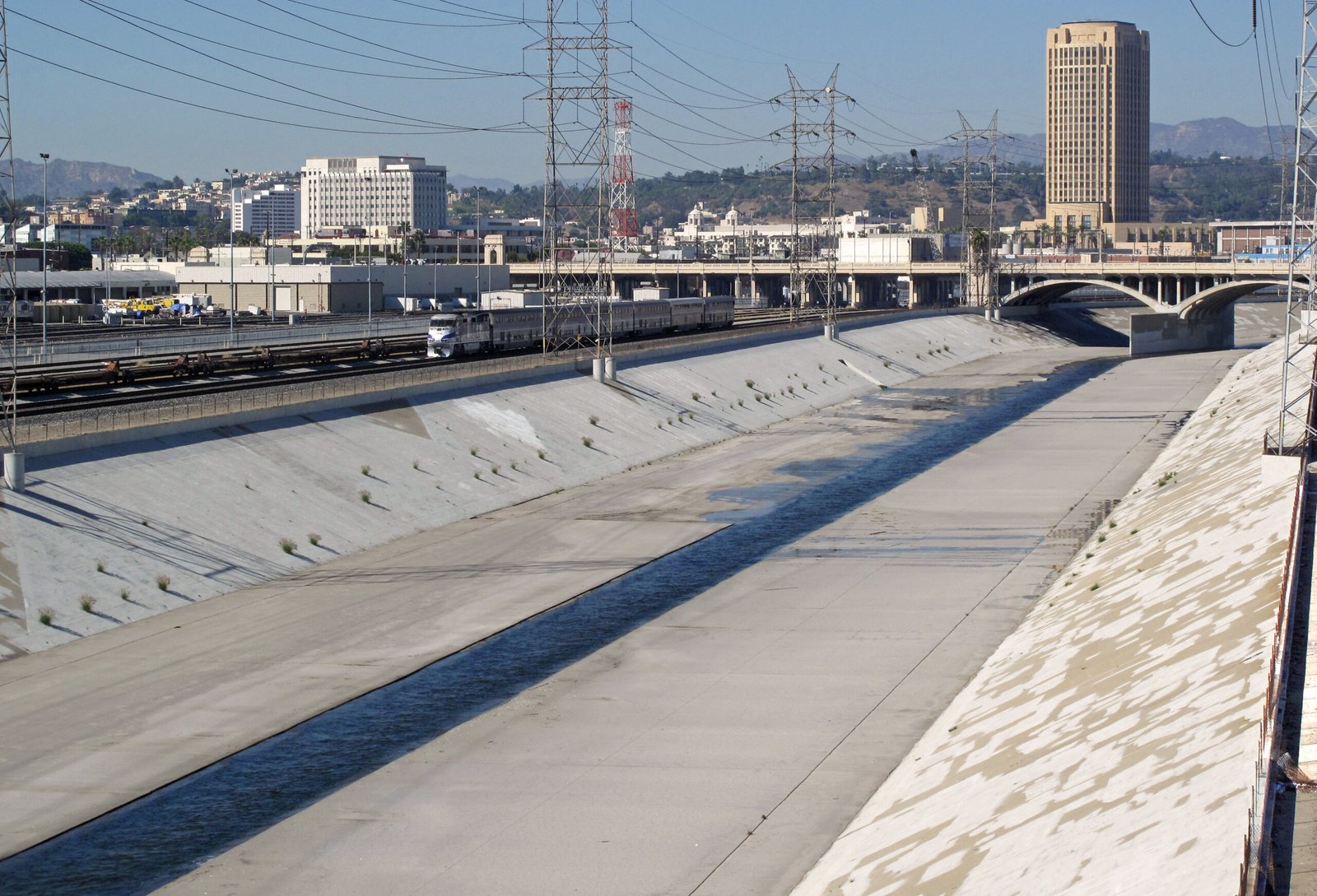
By the mid-20th century, city planners, desperate to control flooding, encased the Los Angeles River and its tributaries in concrete. What was once a living, winding waterway became a sterile, straight channel. Wildlife habitats vanished, and the river’s natural beauty was lost beneath tons of cement. Yet, even now, after decades of neglect, the river refuses to disappear. In heavy rains, its hidden currents surge back to life, reminding everyone that nature’s power can never be fully tamed.
Underground Mysteries: Subterranean Streams

Beneath the city’s bustling streets, a labyrinth of hidden streams still flows. Some are relics of the original river, now forced underground by roads and buildings. These ghostly waterways sometimes rise up during storms, flooding basements and subway tunnels. Scientists have mapped these forgotten channels, revealing an intricate web that still connects the city to its watery past. It’s a secret world most Angelenos never see, yet it shapes everything from the city’s architecture to its flood risk.
The River’s Ecological Legacy
Even after decades of concrete and pollution, the river’s legacy endures. Sections of the river have become unexpected havens for wildlife: herons, egrets, and turtles can be spotted in the patches of greenery that stubbornly resist urban sprawl. Activists and scientists are working to restore these habitats, proving that life finds a way, even in the heart of a megacity. The river’s rich soils still nourish community gardens and parks, connecting new generations to the natural world.
Water Wars and Political Power
The battle for control over LA’s hidden waterways has shaped local politics for over a century. The infamous “water wars” of the early 1900s saw powerful interests diverting water from distant rivers to fuel the city’s explosive growth. These conflicts inspired classic Hollywood tales like “Chinatown,” but the reality was even stranger. The struggle for water determined who grew rich and who was left behind, and echoes of those battles still influence debates over development, conservation, and justice.
Urban Legends and River Myths
The lost river has inspired countless legends and ghost stories. Some say the river is cursed, haunted by spirits displaced by concrete and steel. Others whisper of secret tunnels and hidden springs beneath iconic landmarks like Union Station. While many of these tales are pure imagination, they speak to a deeper truth: the river is woven into LA’s collective memory, a symbol of both loss and possibility.
The Science of Urban Hydrology

Hydrologists—scientists who study water movement—have long been fascinated by Los Angeles’s unique river system. Using satellite imagery and ground-penetrating radar, they map underground flows, revealing the city’s complex relationship with water. Their research helps predict floods, plan green spaces, and even track pollution as it moves through the city. It’s a field where ancient history meets cutting-edge technology, with new discoveries emerging every year.
Rediscovering Hidden Springs
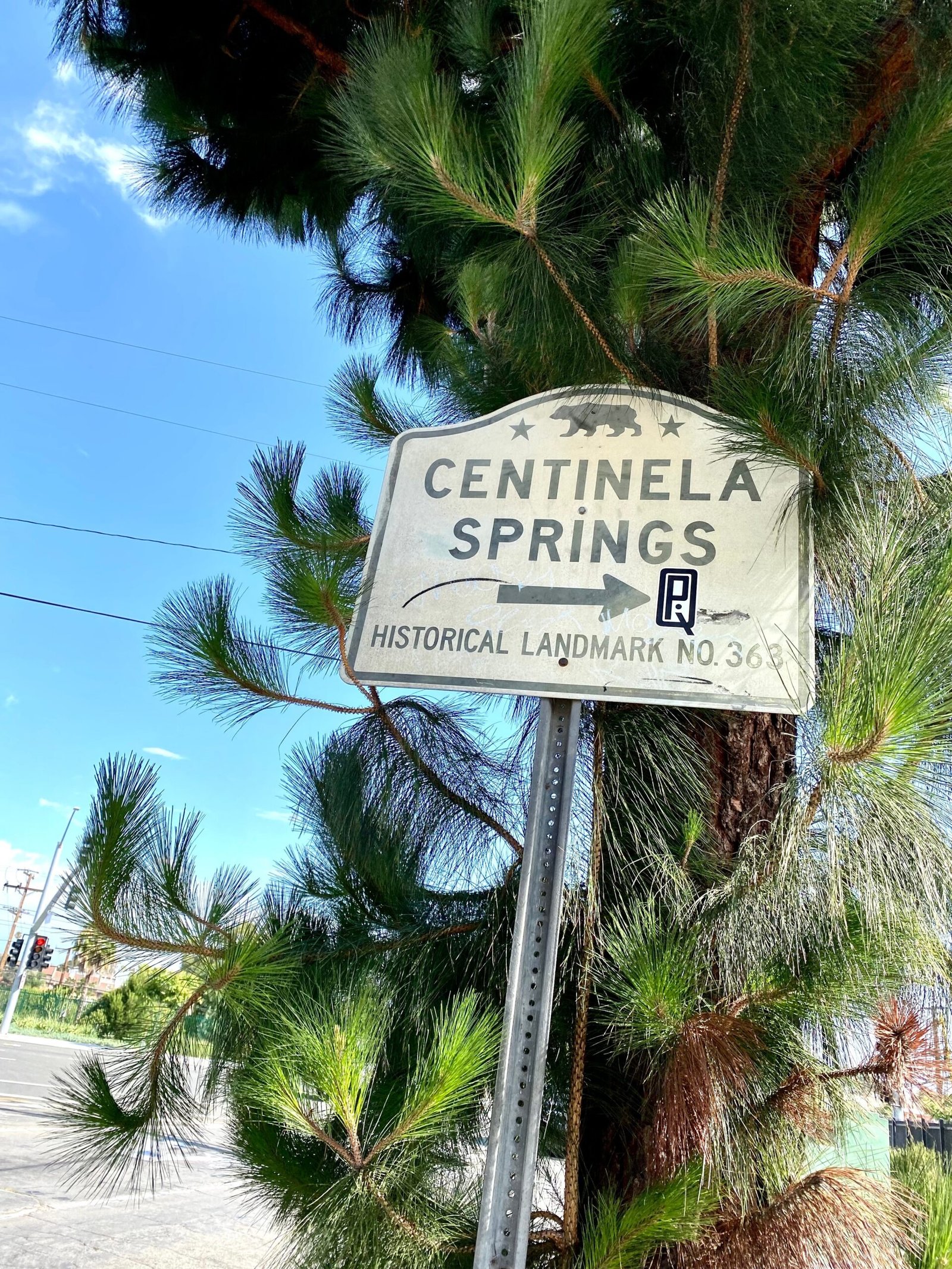
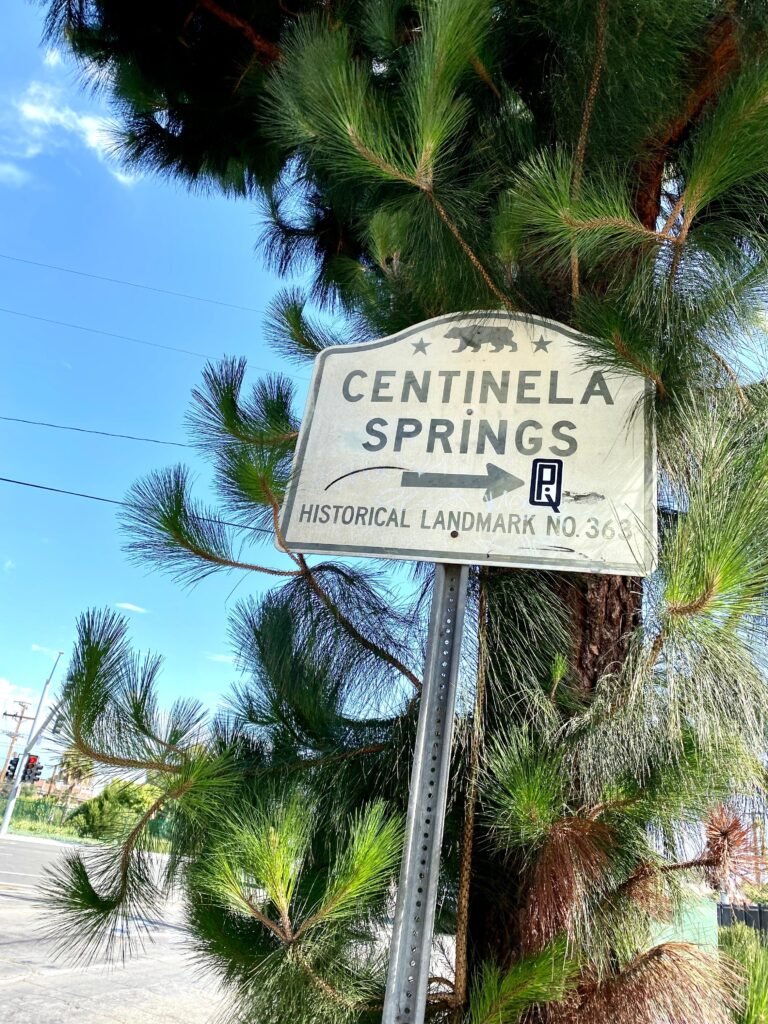
In recent years, explorers and environmentalists have sought out the last remaining natural springs fed by the lost river. These hidden oases, tucked away in forgotten corners of the city, offer a glimpse of what Los Angeles once was. Some have become cherished community spaces, while others quietly bubble away, unnoticed by the millions who pass by. Each spring is a living reminder that water, though hidden, still shapes the city’s destiny.
Reviving a River: Modern Restoration Efforts
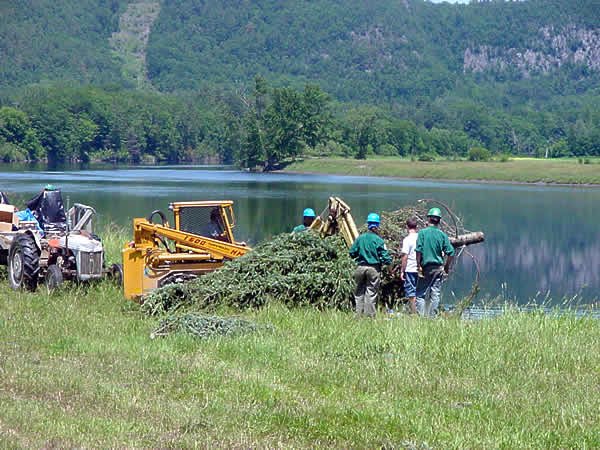
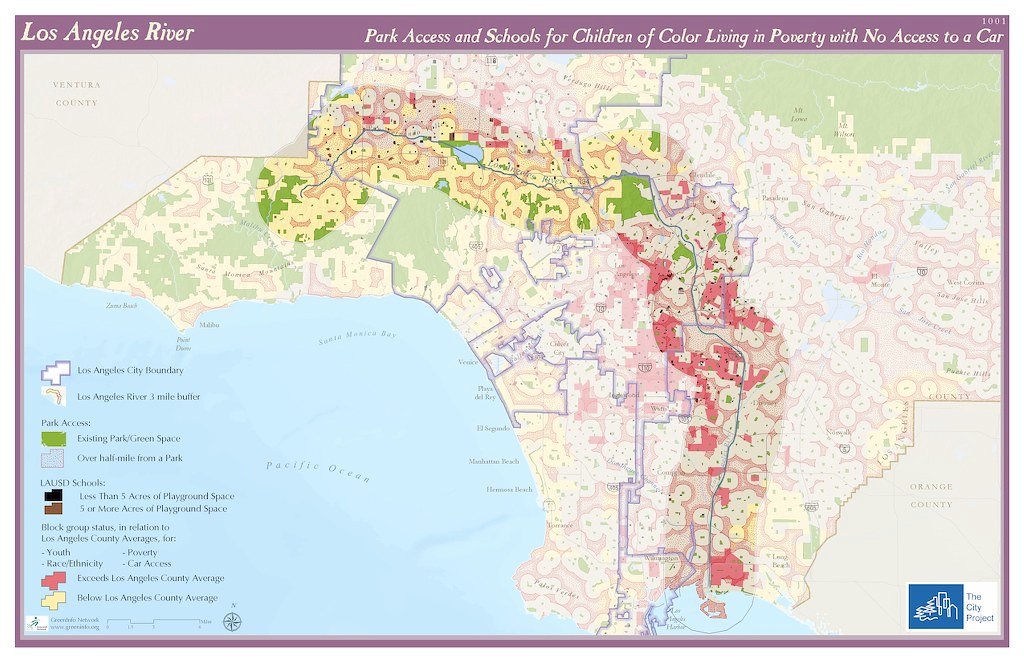
The last decade has seen a growing movement to restore parts of the lost river. Projects like the revitalization of the LA River aim to remove concrete, plant native trees, and bring back wildlife. It’s a massive challenge—one that requires balancing flood control, real estate, and ecology. But progress is being made: new parks, bike paths, and wetlands are transforming forgotten stretches into vibrant, living spaces. The dream of a wild river running through Los Angeles is beginning to seem possible again.
An Engine for Biodiversity
Wherever the river re-emerges, it sparks a burst of life. Native plants like willow and sycamore return, attracting birds, insects, and even coyotes. The river acts as a green corridor, allowing species to move through the city and connect fragmented habitats. For many Angelenos, spotting a great blue heron or a fox along the river’s edge is a magical reminder of the wildness that still lingers beneath the city’s surface.
Cultural Renaissance Along the River
The rediscovery of the river has inspired artists, musicians, and filmmakers. Murals now decorate riverbanks, and festivals celebrate the water’s return. The river has become a symbol of resilience, creativity, and hope—a muse for those who dream of a greener, more connected city. Community groups organize clean-ups, kayak tours, and outdoor concerts, bringing people together in celebration of the river’s rebirth.
Engineering Challenges and Innovations
Restoring a river in the middle of a city is no small feat. Engineers must balance the needs of millions of residents with the demands of nature. Innovative solutions—like permeable pavements and “green” infrastructure—are being used to capture rainwater, reduce flooding, and filter pollution. These projects show that cities and rivers don’t have to be enemies; with creativity and determination, they can thrive together.
Climate Change and the River’s Future
As temperatures rise and weather patterns shift, Los Angeles faces new challenges. More intense droughts and sudden storms threaten the delicate balance between city and river. Scientists warn that the future will require even smarter water management and stronger protections for natural habitats. The lost river, once hidden and forgotten, could become the city’s greatest asset in adapting to a changing climate.
Personal Stories: Growing Up by the River
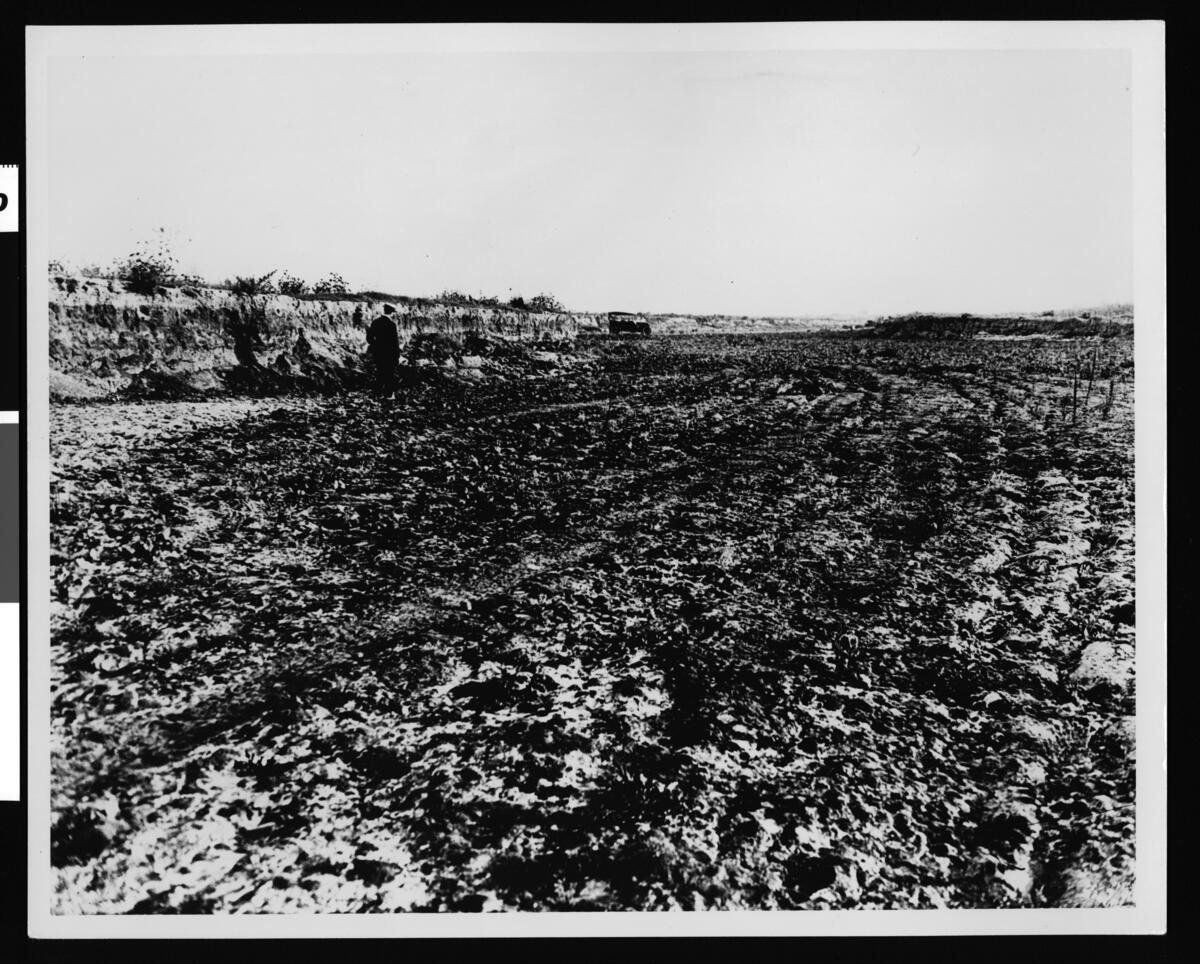
For many longtime residents, the river is more than history—it’s part of their lives. Some remember fishing or catching tadpoles in its waters as children. Others recall floods that swept through neighborhoods, or peaceful walks along shady banks. These personal connections fuel a passionate movement to reclaim and protect the river for future generations. The river, though hidden, is a thread that binds Angelenos to their city’s past and to each other.
An Invitation to Explore
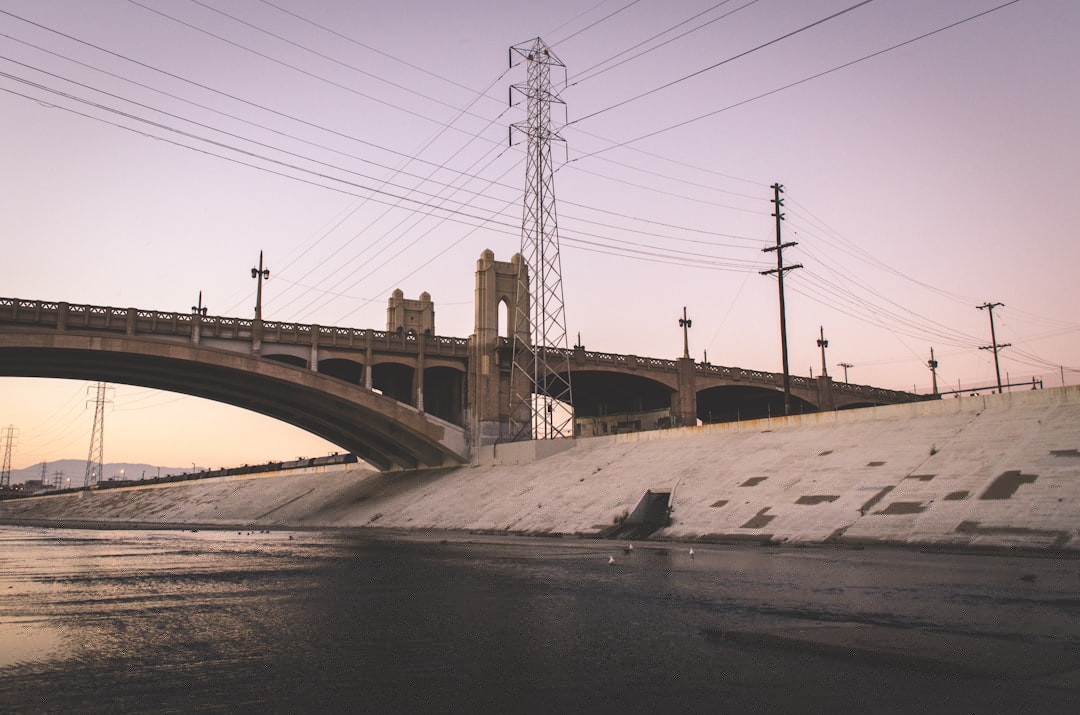
Today, the lost river beckons to anyone curious enough to look for its traces. A walk along certain bike paths may reveal a sudden glimmer of water, a stand of old willows, or the sound of frogs after rain. Maps and apps help urban explorers find forgotten springs and hidden creek beds. Even in the heart of the city, the river’s presence can be felt—a reminder that Los Angeles is, and always has been, a city shaped by water.
The lost river beneath Los Angeles is not just a relic of the past; it’s a living force, shaping the city’s future in ways both visible and invisible. Its story is one of resilience, adaptation, and hope—a reminder that even in the most unlikely places, nature endures. What other secrets might your city be hiding right under your feet?