Imagine standing on the sun-drenched prairies of Alberta, gazing up at the towering Rocky Mountains. It’s hard to believe that, millions of years ago, this land was covered not by grass and trees, but by a vast, shimmering sea filled with marine monsters and ancient reptiles. The ground beneath your feet holds stories older than the mountains themselves—stories told by footprints frozen in stone and the delicate remains of creatures that once ruled both land and water. Alberta’s dinosaur tracks and marine fossils aren’t just relics; they’re windows into a world lost to time, waiting to be discovered by anyone curious enough to look. If you’ve ever wondered what secrets lie beneath those rugged peaks, you’re about to journey into a world stranger and more fascinating than any fantasy.
The Shifting Face of Alberta: From Sea to Summit
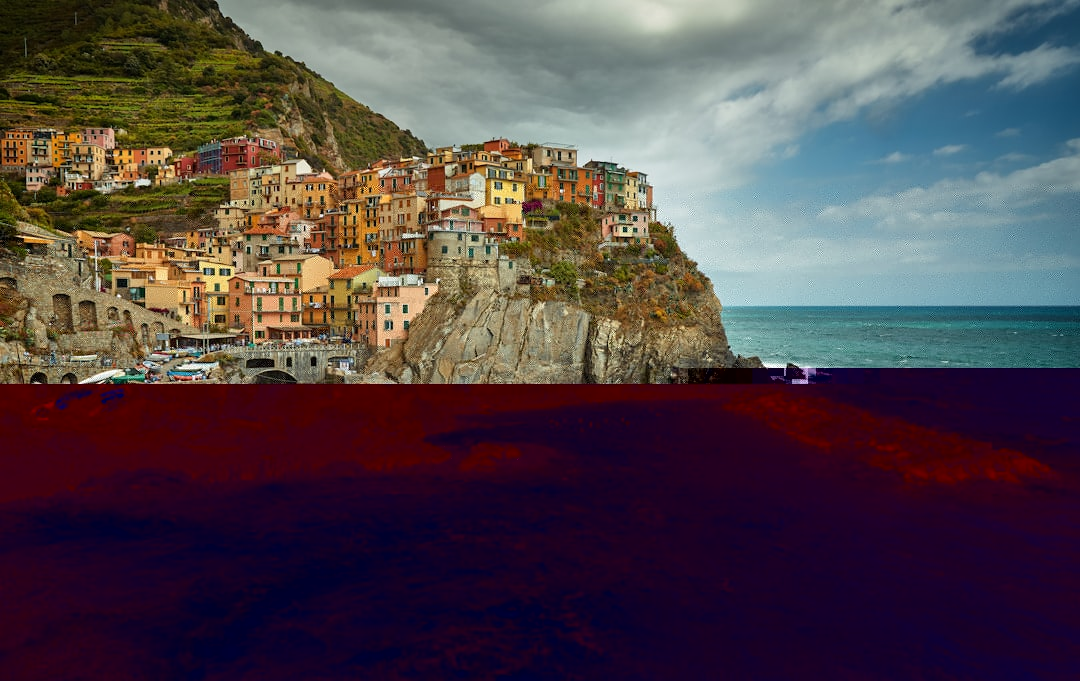
Long before the Rockies scraped the sky, Alberta’s landscape was a completely different scene. Over 100 million years ago, much of what is now prairie and mountain was covered by a warm, shallow sea called the Western Interior Seaway. This vast body of water stretched from the Arctic down to the Gulf of Mexico, splitting North America in two. Imagine standing where Calgary is today and seeing nothing but endless, salty waves. Over millions of years, tectonic forces pushed up the land, draining the seas and giving rise to the mountains. The transformation was slow but relentless, like watching a time-lapse of the planet itself breathing and changing. This ancient sea set the stage for Alberta’s rich fossil legacy, preserving the remains of countless creatures in its muddy depths.
Discovering Alberta’s Dinosaur Trackways
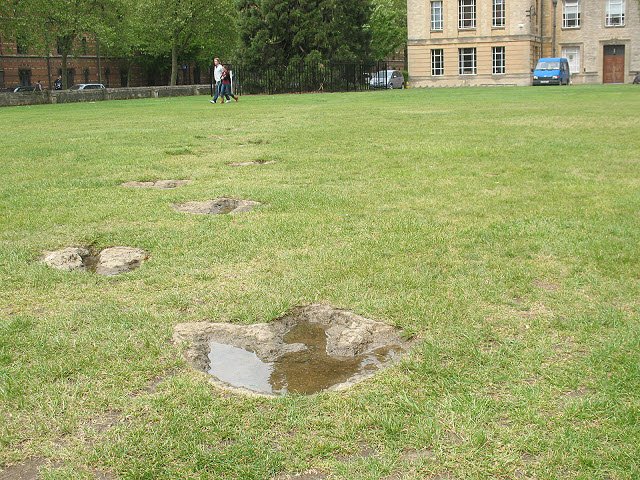
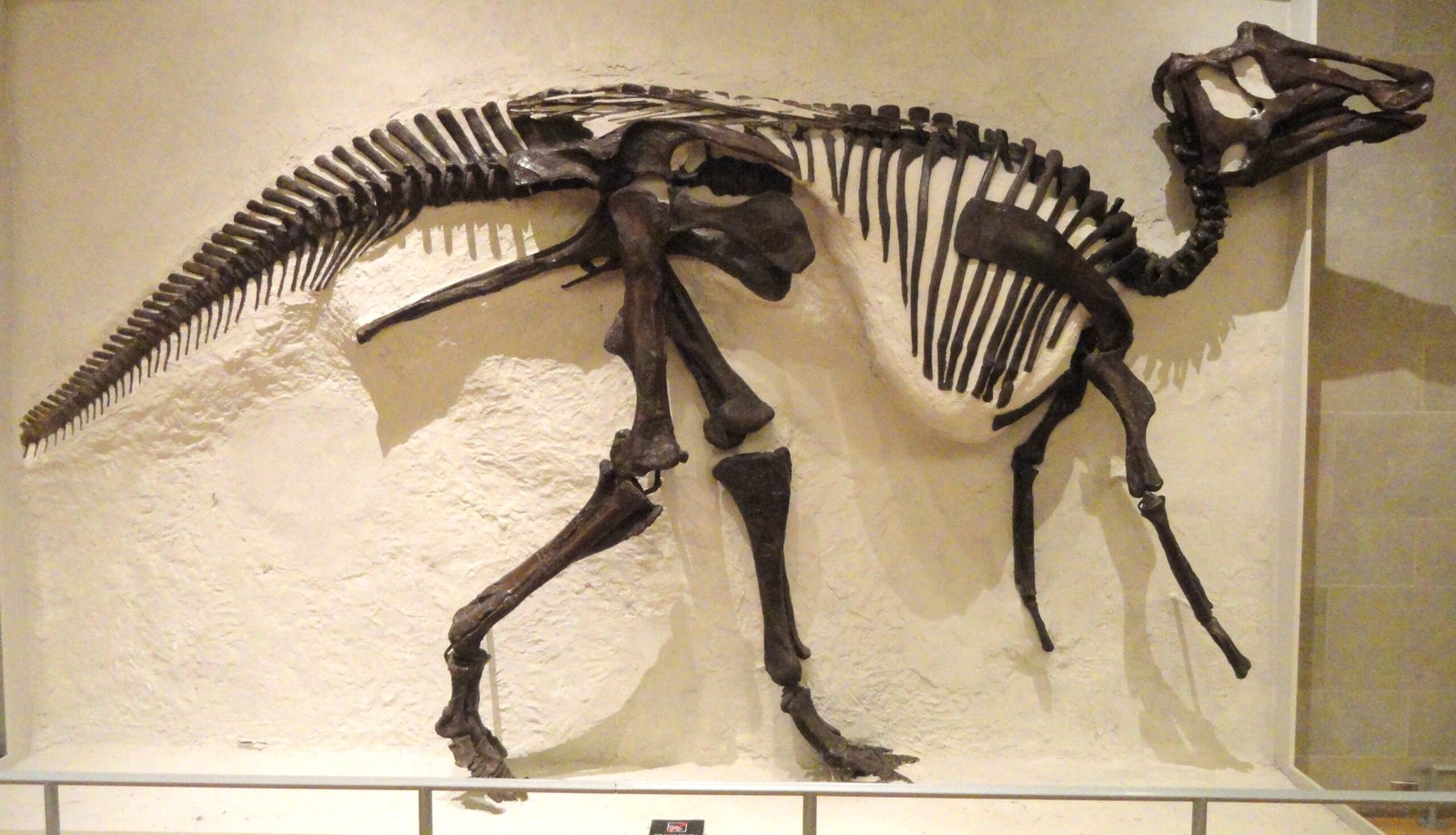
Walking through parts of Alberta, you might stumble upon strange, three-toed impressions pressed into stone. These are dinosaur tracks—some so perfectly preserved that you can almost imagine the creatures that made them racing past. Places like the Grande Cache trackways hold thousands of these fossilized footprints, left by herds of duck-billed dinosaurs and fearsome predators. Each track tells a story: how fast the dinosaur was moving, whether it was alone or part of a group, and even what the weather was like on that long-ago day. These footprints offer a rare, intimate glimpse into the daily lives of dinosaurs, almost like snapshots from a prehistoric photo album.
The Western Interior Seaway: Alberta’s Ancient Ocean

The Western Interior Seaway was no ordinary ocean. Picture a vast, tropical lagoon teeming with life, sometimes only a few meters deep and at other times dropping off into dark, cold depths. This sea was home to some of the most bizarre and ferocious marine reptiles ever to exist. Mosasaurs—giant, snake-like predators—patrolled its waters, while plesiosaurs glided with their long necks and paddle-shaped limbs. The seaway’s ever-changing shoreline created a patchwork of habitats, from sunlit reefs to muddy tidal flats, each preserving its own unique array of fossils. The rocks beneath Alberta still whisper of these ancient tides.
Marine Fossils: Time Capsules from the Deep
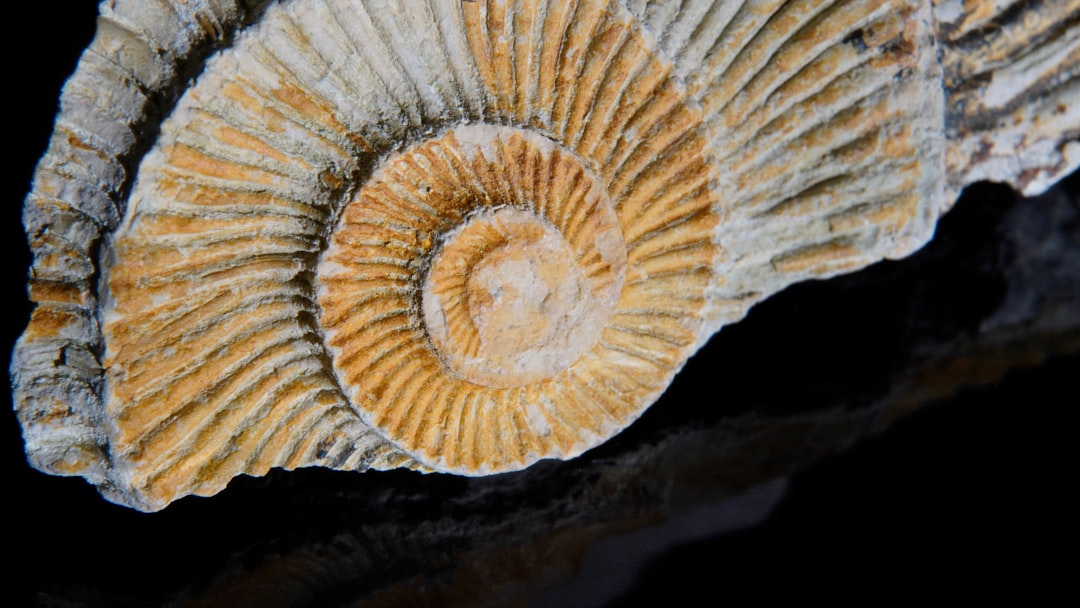
Beneath Alberta’s surface, the rocks are packed with marine fossils, each one a tiny time capsule. Ammonites—spiral-shelled relatives of today’s squid—are especially common, their pearly shells sometimes as big as a car tire. You can also find belemnites, which look like bullet-shaped fossils, and the remains of ancient fish with armored plates and jaws full of teeth. These fossils help scientists piece together what life was like in Alberta’s ancient seas. Each discovery adds another piece to the puzzle, showing us how these creatures lived, hunted, and eventually vanished as the seas dried up.
Dinosaur Tracks: Clues to Behavior and Ecosystems
Dinosaur tracks do more than just show us who was walking where—they reveal how dinosaurs lived and interacted with their environment. By studying the distance between footprints and their depth, paleontologists can estimate the size and speed of the dinosaurs. Some trackways show herds moving together, suggesting complex social behaviors. There are even sites where the tracks of predators and prey cross paths, hinting at ancient chases and dramatic moments frozen in time. These traces help us understand not just what dinosaurs looked like, but how they survived in a world that was constantly changing.
Ancient Predators: Mosasaurs and Pliosaurs

If you think dinosaurs were scary, wait until you meet the marine reptiles that ruled Alberta’s ancient seas. Mosasaurs, often called the “T-Rex of the sea,” grew longer than a school bus and had jaws lined with razor-sharp teeth. Their powerful tails propelled them through the water like underwater rockets. Pliosaurs, with their massive heads and short necks, were built for brute force, able to crush almost anything in their jaws. Fossil remains of these creatures found in Alberta reveal just how diverse and terrifying prehistoric marine life could be. Their bones tell of epic underwater battles and a food chain that was anything but peaceful.
Gentle Giants: The Plesiosaurs of Alberta

Not all marine reptiles were terrifying predators. Plesiosaurs, with their long necks and small heads, looked almost graceful as they glided through the ancient seas. These gentle giants likely fed on fish and small marine creatures, using their flexible necks to snatch prey from the water. Some species grew as long as a city bus, yet their fossils show delicate, bird-like bones. Discoveries of plesiosaur skeletons in Alberta have helped scientists understand how these animals swam, hunted, and even gave birth to live young—a rare trait among reptiles. Their story adds another layer of wonder to Alberta’s fossil record.
The Ammonite Enigma: Alberta’s Ancient Jewels
Ammonites are among the most beautiful and mysterious fossils found in Alberta. Their spiral shells, often shimmering with iridescent colors, have been prized by collectors for centuries. But these creatures were more than just pretty faces—they were fierce predators and quick swimmers, using their jet-propelled bodies to chase down prey. Ammonite fossils can tell scientists about ancient ocean temperatures and chemistry, acting like ancient weather reports. Some indigenous groups in Alberta even consider ammonites, or “Iniskim,” to be sacred stones with special powers, connecting the past to the present in ways science can’t fully explain.
Fossil Fish: Survivors of a Lost World
The ancient seas of Alberta teemed with fish unlike anything alive today. Some were armored like tanks, covered in thick plates that protected them from predators. Others had bizarre jaws that could crush shells or snap up smaller fish in a flash. Fossil beds near places like Drumheller have revealed entire schools of these ancient swimmers, frozen in time by sudden mudslides or changes in sea level. Studying these fossils reveals how fish evolved to survive in a world where danger lurked at every turn, from giant marine reptiles above to lurking predators below.
Trace Fossils: More Than Bones and Shells
Not all fossils are bones or shells. Trace fossils—like burrows, feeding marks, and feces—offer a different kind of window into the past. In Alberta, these traces are everywhere, hinting at the daily routines of ancient creatures. Worm burrows crisscross the rocks, showing where animals once hid from predators. Ripple marks and mud cracks reveal how tides rose and fell, shaping the seafloor. Even fossilized dung, called coprolites, can tell scientists what prehistoric creatures ate. It’s a bit like finding someone’s diary and realizing how much you can learn from the details they left behind.
The Drumheller Valley: Alberta’s Fossil Hotspot
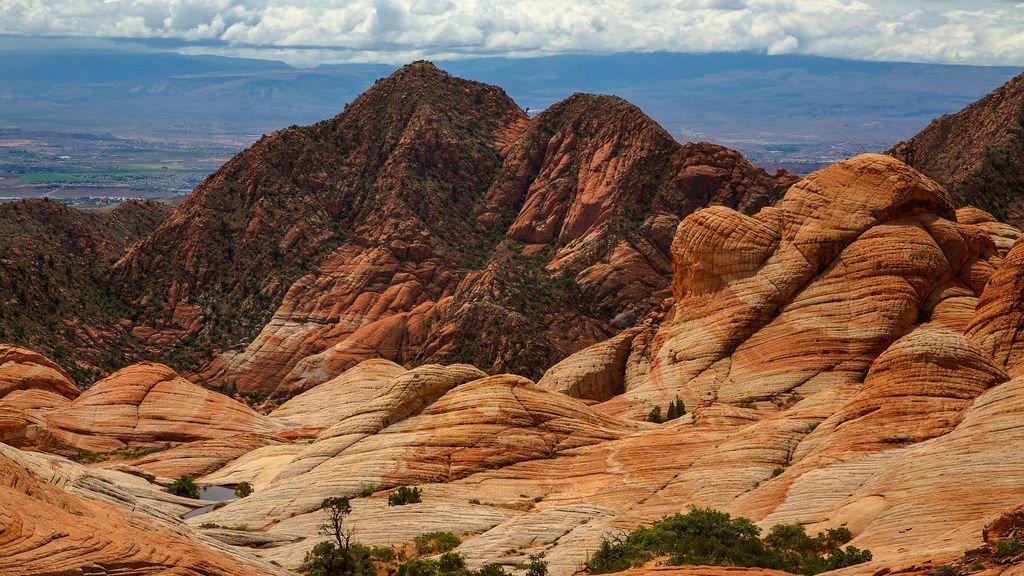
If there’s a heart to Alberta’s fossil country, it’s the Drumheller Valley. This region is a treasure trove of dinosaurs, marine reptiles, and prehistoric plants, all eroded out of the soft, colorful badlands. The Royal Tyrrell Museum, perched on the edge of this valley, houses one of the largest collections of fossils in the world. Walking through the valley, visitors can spot bones and shells poking out of the ground, each one a piece of ancient history waiting to be uncovered. The valley’s stark beauty and rich fossil deposits have made it famous around the globe.
Dinosaur Provincial Park: A World Heritage Wonder
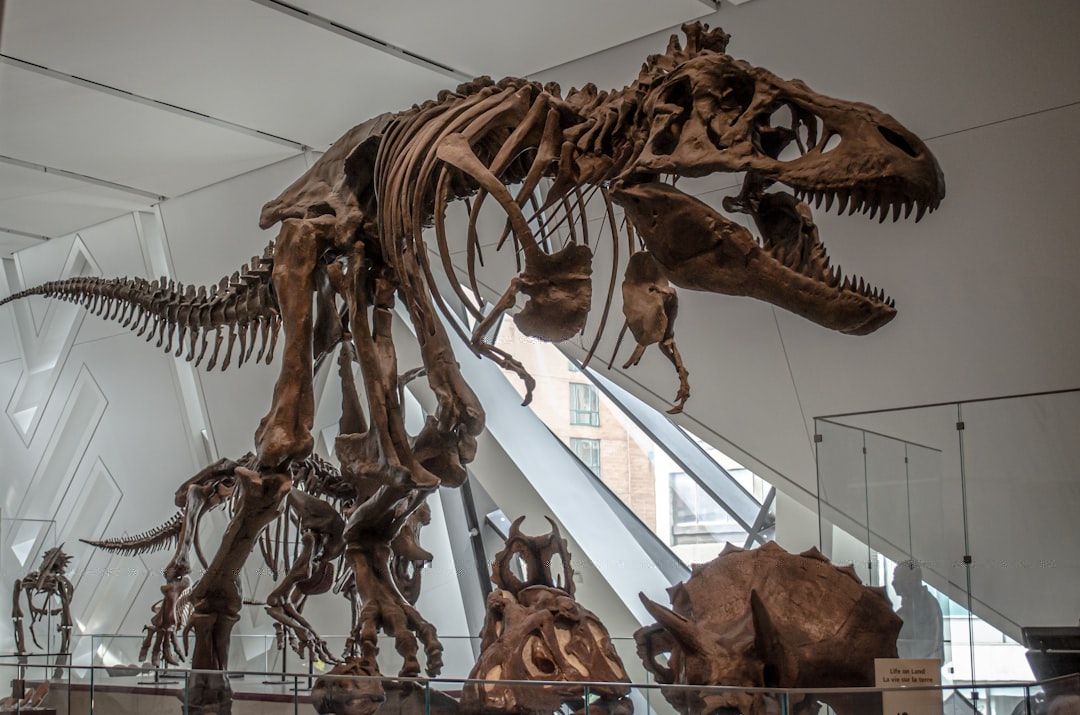
Dinosaur Provincial Park is more than just a beautiful landscape—it’s a UNESCO World Heritage Site, recognized for its staggering diversity of fossils. Here, scientists have unearthed more than 40 species of dinosaurs, along with marine reptiles, turtles, and the occasional fossilized tree. The park’s badlands are a maze of canyons and hoodoos, each layer of rock preserving a different chapter in Alberta’s ancient story. Guided tours and educational programs bring visitors face-to-face with fossils, making the park a living classroom for anyone fascinated by life’s prehistoric past.
What Fossils Reveal About Ancient Climates
Fossils aren’t just cool to look at—they’re also powerful tools for understanding Earth’s ancient climate. By studying the types of plants and animals found in Alberta’s rocks, scientists can reconstruct what the environment was like millions of years ago. Ammonites, for example, only lived in certain temperature ranges, so their presence tells us about sea temperatures. Fossilized pollen and plant remains show that Alberta was once a lush, subtropical paradise, a far cry from today’s chilly winters. These discoveries help us understand how climate change shaped the land and its inhabitants.
Mass Extinctions: Alberta’s Fossil Graveyards
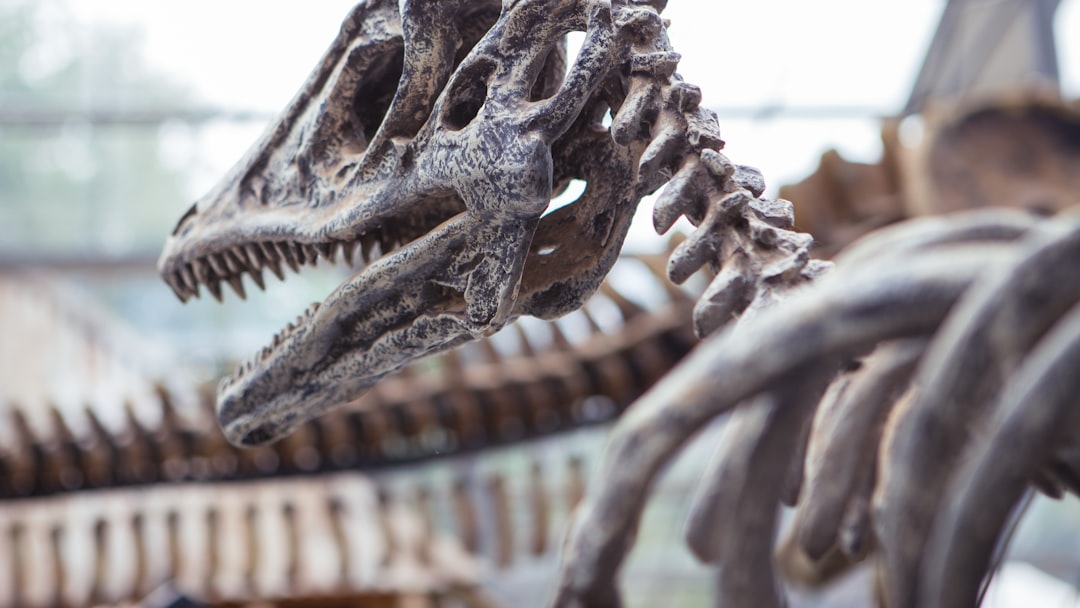
Not all stories in the fossil record are happy ones. Alberta’s rocks bear witness to several mass extinction events—times when life nearly vanished from the planet. The end of the Cretaceous period, about 66 million years ago, saw the sudden disappearance of dinosaurs and many marine creatures. In some layers, you can see this devastation firsthand: a band of clay rich in iridium, marking the fallout from a massive asteroid impact. These fossil graveyards remind us of how fragile life can be and how quickly the world can change.
Ice Age Overprints: Fossils in a Changing Landscape
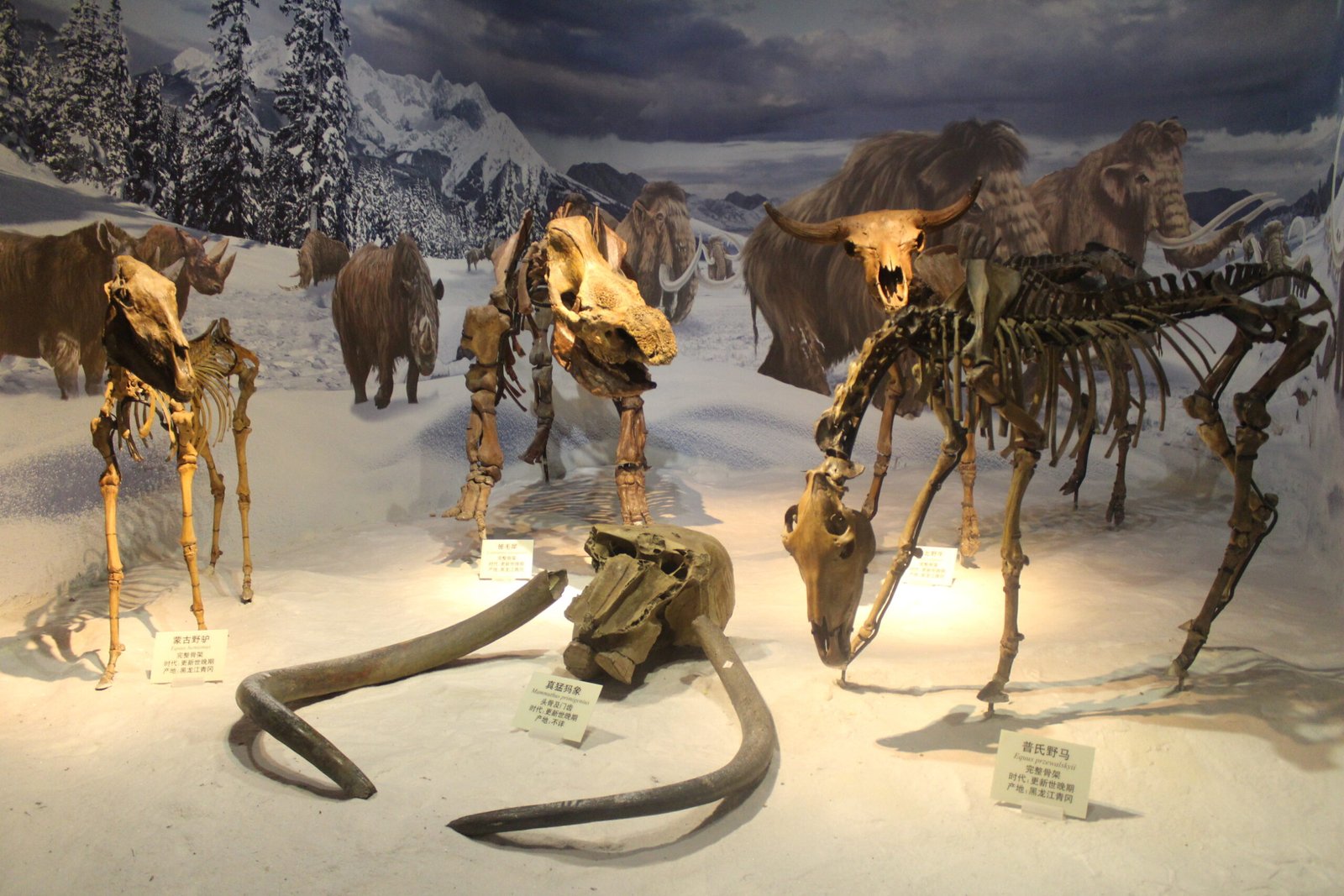
After the dinosaurs were gone and the seas drained away, Alberta’s landscape was still far from settled. During the Ice Age, massive glaciers scraped across the land, carving valleys and moving rocks for hundreds of kilometers. Sometimes, these glaciers exposed new fossils or buried old ones under thick layers of gravel. The constant reshaping of the land means that new discoveries are being made all the time—sometimes in the most unexpected places, like a farmer’s field or a construction site. The interplay between ancient seas and recent ice has created a fossil record that’s both rich and complex.
Modern Science Meets Ancient Mysteries

Today, paleontologists use cutting-edge technology to study Alberta’s fossils in ways early explorers could only dream of. CT scans and 3D modeling let scientists peer inside bones without breaking them, revealing details about muscle attachments, blood vessels, and even diseases. Chemical analysis can uncover what ancient creatures ate or how they grew. These tools are helping to solve old mysteries—like why some dinosaurs walked on two legs, or how marine reptiles gave birth. The more we learn, the more we realize how much we still don’t know about Alberta’s ancient seas.
Indigenous Knowledge and the Land’s Stories
Long before paleontologists arrived, Indigenous peoples in Alberta recognized the significance of fossils. Stories about “thunder lizards” and sacred stones have been passed down through generations, connecting the land’s ancient past to its present. The Blackfoot people, for example, have long used ammonite fossils in ceremonies, believing them to hold spiritual power. Collaborative efforts between scientists and Indigenous communities are now bringing new perspectives to fossil discoveries, honoring both scientific and cultural knowledge. These partnerships are helping to preserve Alberta’s paleontological heritage for future generations.
The Ongoing Hunt: Citizen Scientists and New Discoveries
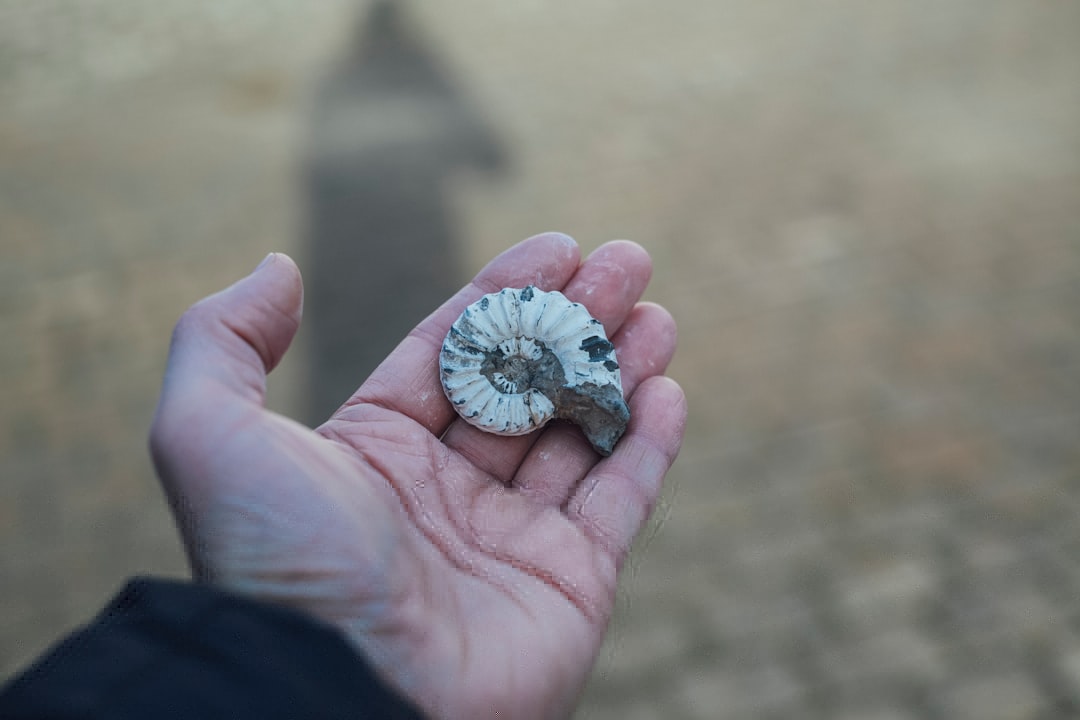
You don’t have to be a professional scientist to make an important fossil discovery in Alberta. Every year, hikers, farmers, and even schoolchildren stumble upon ancient bones and shells. The province encourages citizen scientists to report finds, and some of the most spectacular fossils have been uncovered by ordinary people. These discoveries show that Alberta’s ancient seas still have secrets to share, waiting just beneath the surface. The thrill of uncovering a piece of prehistory is something anyone can experience—sometimes all it takes is a keen eye and a bit of luck.
What Alberta’s Fossils Teach Us About Change
Standing in Alberta’s fossil-rich badlands, it’s impossible not to feel a sense of awe at the sheer scale of change that has shaped this land. The rocks hold the echoes of vanished seas, lost worlds, and creatures that defy imagination. Each fossil is a reminder that nothing stays the same forever—not mountains, not oceans, not even the climate. Alberta’s dinosaur tracks and marine fossils don’t just teach us about the past; they remind us to look closer at the world around us, to cherish its mysteries, and to never stop asking questions about the forces that shape our planet.