Once upon a time, before the dazzling skyscrapers and the bustling harbor, Singapore’s shores shimmered with a very different kind of wonder—an ancient coral coastline teeming with brilliant life. Imagine turquoise waters lapping against a labyrinth of vibrant coral reefs, home to swirling schools of fish, mysterious sea turtles, and starlike sea urchins. This is not a fantasy, nor the distant memory of a far-off land. It is Singapore’s own lost heritage, long buried beneath today’s highways, high-rises, and shipping lanes. As you stroll along Marina Bay today, it’s almost impossible to picture the wild, living tapestry that once lay beneath your feet. But what really happened to Singapore’s prehistoric coral coastline? And what are we still learning about the hidden natural foundation that urbanization has so dramatically transformed?
The Ancient Coral Wonderland Beneath Singapore
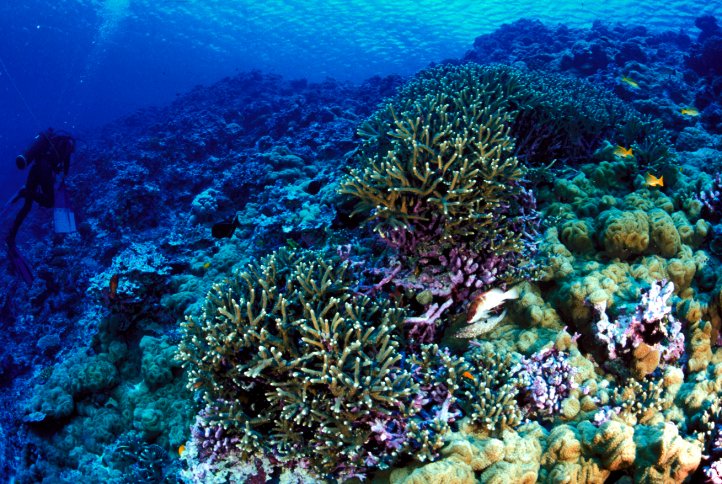
Long before the first humans set foot on the island, Singapore was ringed by a spectacular coral reef system stretching across its southern and eastern coasts. These reefs formed over thousands of years, their skeletons built by tiny coral polyps working together like a colony of architects. Lush seagrass beds and mangrove forests flourished nearby, creating a complex, bustling ecosystem. Fish darted between the coral heads, while dugongs and dolphins glided through the shallows. Scientists have found fossilized corals and ancient shells in the limestone beneath Singapore, painting a vivid picture of this tropical paradise. The coral coast was not just beautiful—it was a vital heartbeat that shaped the island’s identity.
How Coral Reefs Built the Foundations of Singapore
It’s astonishing to realize that much of Singapore’s original landmass was literally built by coral. Over time, as corals died and new ones grew atop old skeletons, thick limestone beds formed beneath shallow waters. Early settlers even quarried this coral limestone for building temples and homes. In fact, some of the oldest structures in Singapore have coral blocks nestled in their foundations! This natural architecture provided stability against waves and storms, keeping the coastline secure. In a sense, modern Singapore still stands on the silent bones of its ancient reefs, even as they’ve disappeared from view.
The Arrival of Humans: A Shifting Shoreline
As humans began to settle in Singapore centuries ago, the coastline started to change. People relied on the reefs for fish, shells, and even medicinal sea creatures. However, with each passing generation, the pressures increased. Small fishing villages and harbors began to carve away at the coast’s natural defenses. Mangroves were cut down for firewood, and corals were harvested for lime. By the time colonial powers arrived, Singapore’s shoreline was already in flux—caught between the needs of nature and the ambitions of people.
Singapore’s Boom: Urbanization Unleashed
Fast forward to the 19th and 20th centuries, and the pace of change exploded. Singapore’s strategic location turned it into a global port, sparking a frenzy of construction, land reclamation, and industry. To make room for warehouses, docks, and factories, vast stretches of coral and mangrove were dredged, filled, or simply buried under concrete. The pristine coral gardens vanished, replaced by breakwaters and seawalls. The natural coast was rapidly overwritten, and the reefs’ incredible biodiversity faded with it. Urbanization was unstoppable, but it came at a breathtaking ecological cost.
The Disappearing Act: Coral Reefs Lost Beneath the City
Today, it’s hard to believe that coral reefs once thrived where traffic now roars and cargo ships glide by. Research shows that up to 60% of Singapore’s original coastline has been altered or erased. In places like Marina Bay and Keppel Harbour, what lies beneath is not just reclaimed land, but a graveyard of forgotten reefs. The loss of these habitats sent shockwaves through the local ecosystem, erasing entire communities of marine life. Scientists are still uncovering the full extent of what was lost.
The Science of Fossil Corals: Clues from the Past
If you dig deep enough into Singapore’s soil, you might stumble upon the fossilized remains of those ancient reefs. Geologists and paleontologists have studied coral fossils and limestone layers, revealing stories written in stone. These remnants tell us about ancient sea levels, climate patterns, and the types of coral that once flourished here. By analyzing the growth rings of fossil corals, scientists can even reconstruct what the ocean was like thousands of years ago. Each piece of fossilized coral is a time capsule, unlocking secrets of Singapore’s long-lost wilderness.
Coral Biodiversity: More Than Just Pretty Colors
Coral reefs are not just scenic underwater gardens—they are bustling cities of the sea. Every nook and cranny of a reef teems with life, from clownfish hiding among anemones to octopuses camouflaged in crevices. Singapore’s prehistoric reefs supported an astonishing range of creatures, many of which are now rare or locally extinct. These reefs acted like nurseries for young fish and feeding grounds for migratory birds. Losing them meant losing not only beauty, but also the backbone of a thriving coastal ecosystem.
How Urbanization Changed Coastal Waters
With the rise of shipping, industry, and dense urban settlements, Singapore’s coastal waters grew murky and polluted. Sediment from construction choked the remaining reefs, while chemicals and waste disrupted delicate marine balances. The once-clear waters turned cloudy, making it hard for sunlight to reach any surviving corals. Overfishing and the introduction of invasive species added new stresses. The transformation was swift and, in many cases, irreversible—a price paid for progress.
Hidden Remnants: Where Coral Survives Today
Surprisingly, not all of Singapore’s coral heritage has vanished. A few pockets of reef still cling to life on islands like Sisters’ Islands, St. John’s Island, and Pulau Hantu. Here, amidst the shadows of container ships and city lights, coral polyps continue their ancient dance, building new skeletons atop old. Marine biologists carefully monitor these fragments, searching for signs of recovery and resilience. These surviving reefs serve as living reminders of what once was, and what might still be possible.
The Role of Land Reclamation in Redrawing the Coast
Land reclamation—a process where land is created from the sea—has been a defining force in Singapore’s growth. Since the 1960s, the nation’s land area has expanded by nearly 25%, thanks to massive reclamation projects. Sand, rock, and fill material buried large swaths of the prehistoric coast, sealing away coral reefs forever. While this engineering feat enabled housing, business, and infrastructure, it also erased intricate natural habitats. The new coastline is sharper, straighter, and more predictable, but it lacks the wild, organic beauty of the past.
Forgotten Mangroves: The Other Lost Coastline
Alongside coral reefs, mangrove forests once lined Singapore’s shores, acting as nurseries for fish, crabs, and countless birds. These tangled roots trapped sediment and protected the land from erosion. As urbanization swept through, mangroves were cleared for development, their vital role largely overlooked. Today, only a tiny fraction of the original mangrove swamps remain, mostly in protected areas like Sungei Buloh. The loss of mangroves is deeply intertwined with the disappearance of coral reefs—a double blow to coastal resilience.
Climate Clues Hidden in Coral Skeletons

Coral skeletons are like nature’s logbooks, recording changes in the environment year after year. Scientists can analyze chemical signatures in ancient corals to track shifts in sea temperature, rainfall, and even pollution levels. This research helps us understand how Singapore’s climate and ocean conditions have changed since prehistoric times. These insights are crucial for predicting future changes, especially as global warming threatens the last surviving reefs. Coral fossils, long forgotten, are now powerful tools for science.
Urban Planning and the Quest for Balance

Singapore’s transformation from coral coast to urban marvel is a story of ambition and ingenuity. Yet, as the city races toward the future, there’s growing recognition of the need for balance. Urban planners and conservationists are working together to protect what’s left of the natural coast. New developments often include green spaces, artificial reefs, and restored mangroves. The challenge is to honor the past while building a sustainable future—a delicate dance between concrete and coral.
Restoration Dreams: Bringing the Coral Back
In recent years, there’s been a surge of interest in coral restoration projects across Singapore’s southern islands. Scientists and volunteers transplant young corals, nurture them in underwater nurseries, and monitor their growth. It’s a slow and uncertain process, but early results are promising. These efforts offer hope that, with care and patience, fragments of the ancient reef can be revived. Restoration is about more than science; it’s about reconnecting with a lost heritage and giving nature a second chance.
Lessons from the Past: What the Prehistoric Coastline Teaches Us
Looking back at Singapore’s prehistoric coral coastline reveals important lessons. Nature’s designs—complex, resilient, and interconnected—offer solutions for modern challenges like flooding, erosion, and biodiversity loss. By studying how coral reefs and mangroves once protected the island, urban planners can design cities that work with, rather than against, natural systems. The past becomes a guidebook for the future, reminding us that progress need not mean erasure.
Echoes in Local Culture and Stories

The memory of Singapore’s coral coast still lingers in local myths, place names, and family histories. Stories of legendary sea creatures, pearl divers, and fishermen’s fortunes speak to a time when the ocean was both friend and provider. Even today, elders recall gathering shells or watching dolphins leap offshore. These cultural echoes are precious—they keep the spirit of the lost coastline alive, even as the physical landscape has changed.
Wildlife on the Edge: Endangered Species and Urban Survival

Many of the animals that once thrived on Singapore’s coral coast are now rare or endangered. Sea turtles, dugongs, and giant clams teeter on the brink, struggling to survive in a city that barely remembers their names. Conservation groups work tirelessly to protect nesting beaches, rescue stranded creatures, and educate the public. Each success story is a reminder that, even in a metropolis, wildness can persist—if we choose to make space for it.
Innovative Solutions: Artificial Reefs and Urban Marine Parks
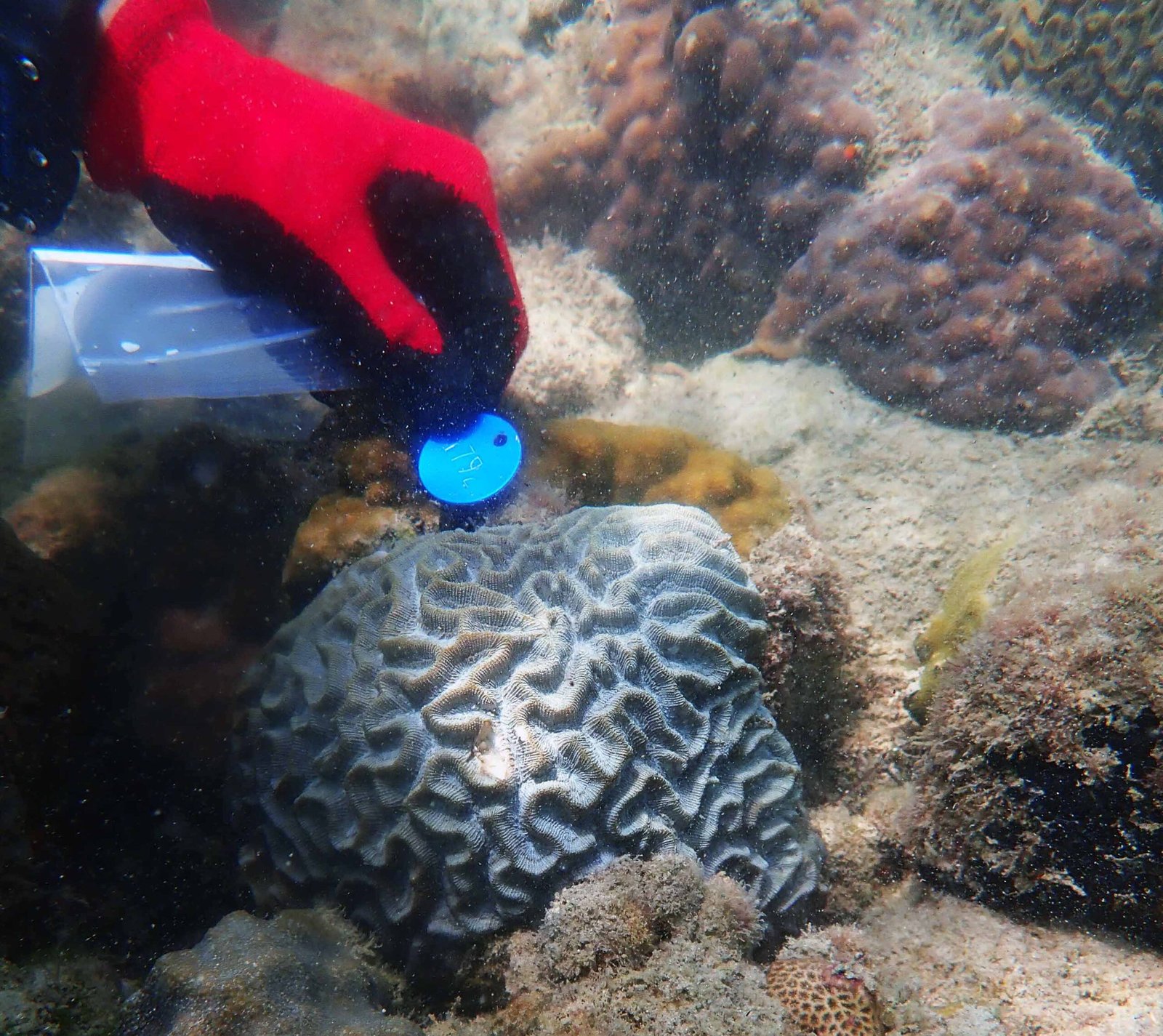
Singapore is experimenting with creative ways to blend city life and marine conservation. Artificial reefs made from concrete blocks or recycled materials are being deployed in shallow waters, offering new homes for coral and fish. Urban marine parks, like the Sisters’ Islands Marine Park, invite people to explore and appreciate the underwater world. These innovations are small steps, but they show how cities can become stewards rather than destroyers of nature.
Community Action: How Ordinary People Make a Difference

The story of Singapore’s coral coastline is not just about scientists and policymakers—it’s also about everyday people. Volunteers organize beach clean-ups, citizen science projects, and educational tours. Young people campaign for marine protection, while local artists celebrate the ocean’s beauty through music and murals. Every action, no matter how small, helps keep the memory of the coral coast alive and inspires hope for its renewal.
Reflections on a Hidden Heritage
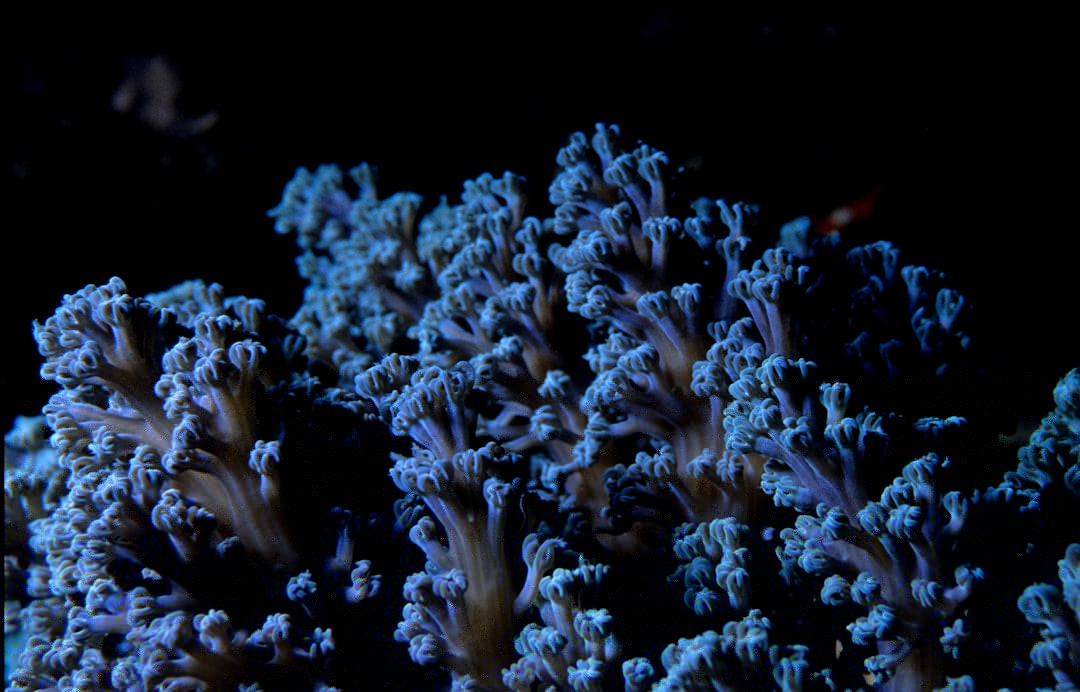
Beneath the glass and steel of modern Singapore lies a world that once pulsed with color and life. The prehistoric coral coastline is gone, but its legacy remains—a silent foundation, a spark for imagination, and a warning about the cost of forgetting nature. As Singapore looks to the future, the lessons of its lost reefs urge us to build with humility, respect, and a deep sense of wonder. Would you have guessed that so much beauty once lay hidden beneath your feet?