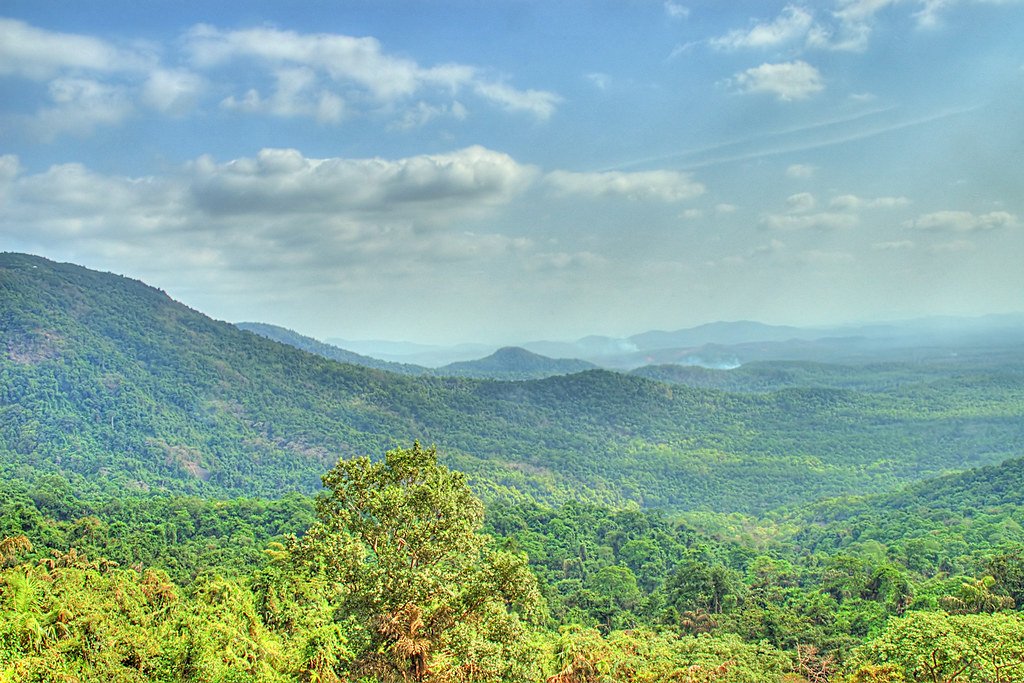
If you’ve ever wandered into a dense, misty forest where the air is sweet with the scent of earth and the chorus of birds blurs the line between dream and reality, you might have found yourself in the Western Ghats. Stretching along the western edge of India, this ancient mountain range is more than just a scenic wonder — it’s a living, breathing treasure chest of life. The Western Ghats have earned their reputation as one of the world’s most significant biodiversity hotspots, but behind their lush green curtain, an urgent story unfolds: their future is hanging by a thread. What makes this region so special, and what exactly is at risk when its balance teeters? Let’s step into the wild heart of the Ghats to uncover their wonders and their woes.
Where Are the Western Ghats?
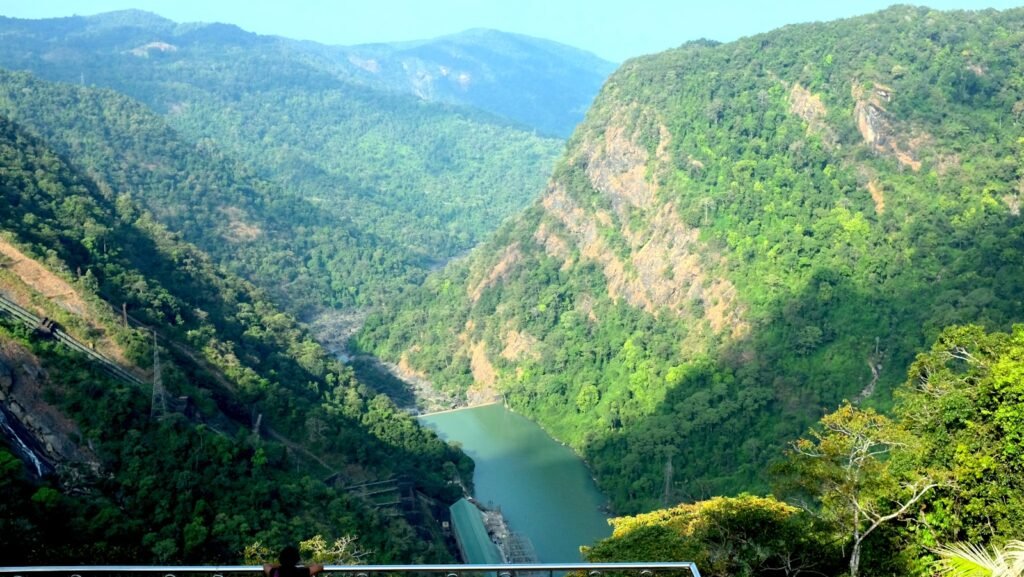
The Western Ghats are a 1,600-kilometer-long chain of mountains running parallel to India’s west coast, from Gujarat in the north to Tamil Nadu in the south. These mountains rise sharply from the coastal plain and form a natural barrier for the monsoon winds, creating a climate that’s uniquely humid and lush. Unlike the towering Himalayas, the Ghats are older and worn down, but their rolling hills and deep valleys are home to countless ecosystems. The range passes through six states, including Maharashtra, Goa, Karnataka, Kerala, and Tamil Nadu, touching the lives of millions who live alongside them. For many locals, the Ghats aren’t just scenery — they’re the water towers, the medicine cabinets, and the spiritual backbone of the region. This combination of natural beauty and human connection makes the Western Ghats unlike anywhere else on Earth.
A Treasure Trove of Life
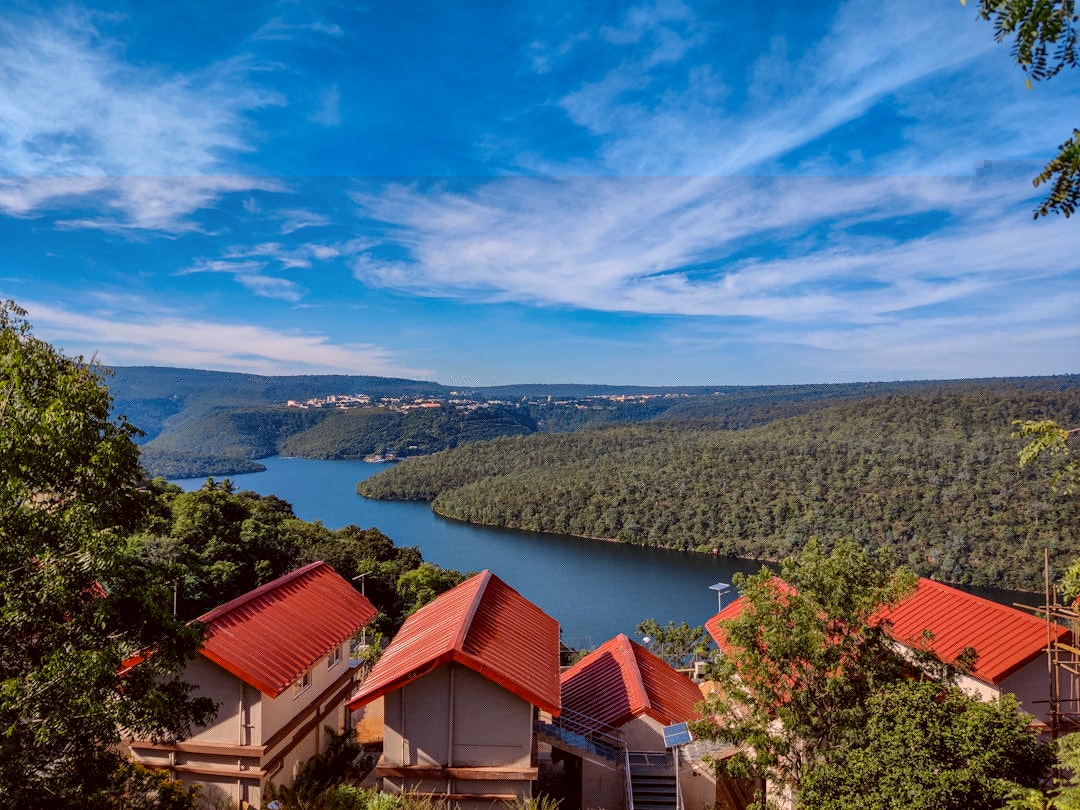
Imagine a place where every step could reveal a new species — that’s the Western Ghats. Scientists have recorded more than 7,400 species of flowering plants, 500 bird species, 139 mammals, 179 amphibians, and countless insects and reptiles. What’s truly astonishing is that many of these plants and animals exist nowhere else in the world. For example, the Nilgiri tahr, a nimble mountain goat, or the vibrant Malabar parakeet, are found only here. New species are discovered almost every year, making the Ghats a living laboratory for biologists and explorers alike. This overwhelming diversity has earned it a place among the world’s “hottest” biodiversity hotspots, alongside the Amazon and Madagascar.
The Ancient Origins of the Ghats
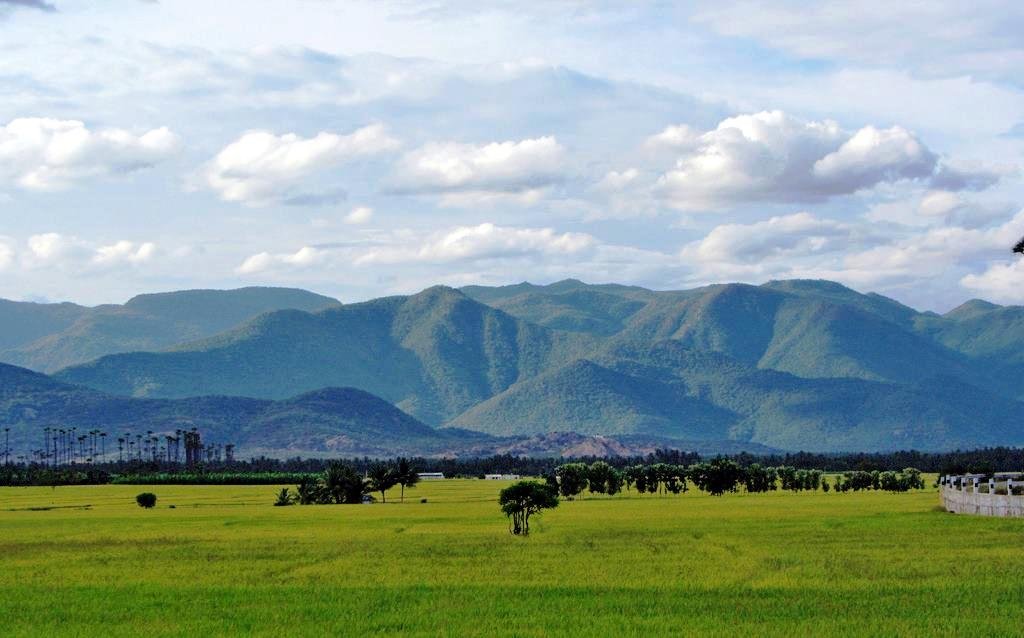
The Western Ghats are ancient — in fact, they’re older than the Himalayas. Formed over 150 million years ago, they’ve survived the march of time, witnessing continents drift apart and climates shift. Their age has allowed evolution to work its magic, giving rise to an abundance of endemic species. The deep valleys, rugged cliffs, and isolated plateaus have acted like natural laboratories, allowing species to adapt and evolve in unique ways. The Ghats’ age is like a wise old storyteller — every rock and tree has a tale of survival, adaptation, and resilience. This ancient pedigree makes the region not just a feast for the eyes, but a living archive of Earth’s biological history.
The Powerhouse of Endemism
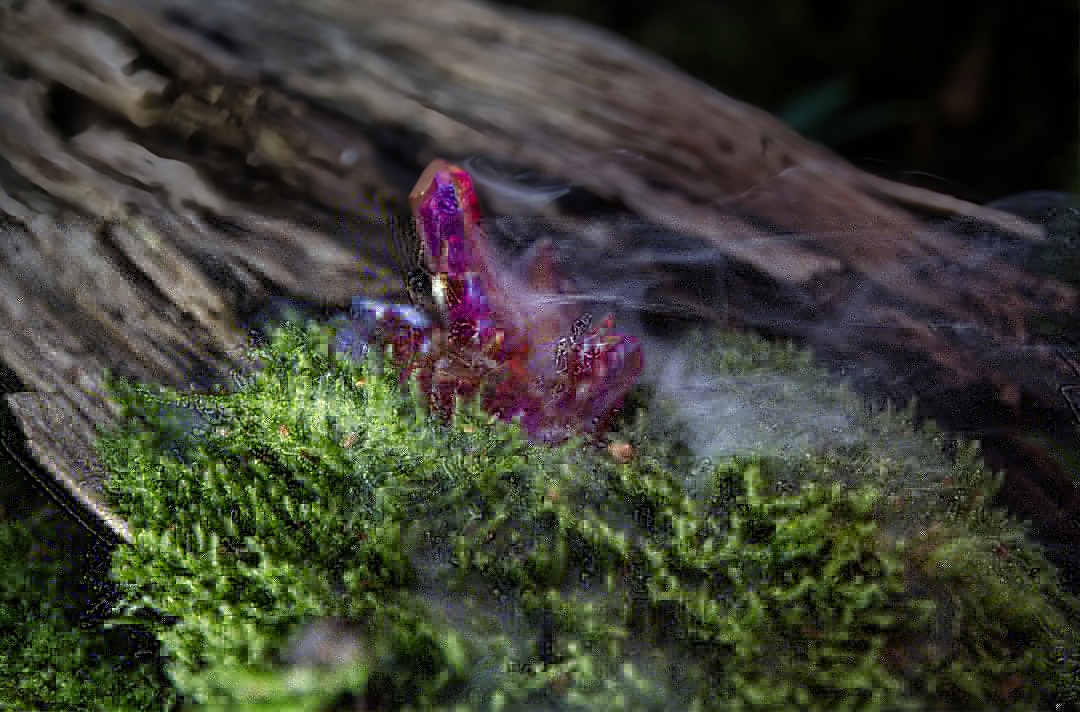
Endemism is a fancy word for species that live only in one place, and the Western Ghats are packed with them. Nearly half of all plant species here are found nowhere else on the planet. The same goes for many amphibians, reptiles, and even fish. Take the purple frog, for example — it spends most of its life underground and only emerges to breed during the monsoon. Or the lion-tailed macaque, a striking monkey with a silvery mane found only in the rainforests of the Ghats. This level of endemism is rare and makes the region absolutely irreplaceable. Losing even a small patch of forest here could mean the disappearance of species we haven’t even discovered yet.
Rainforests: The Lungs of the Western Ghats
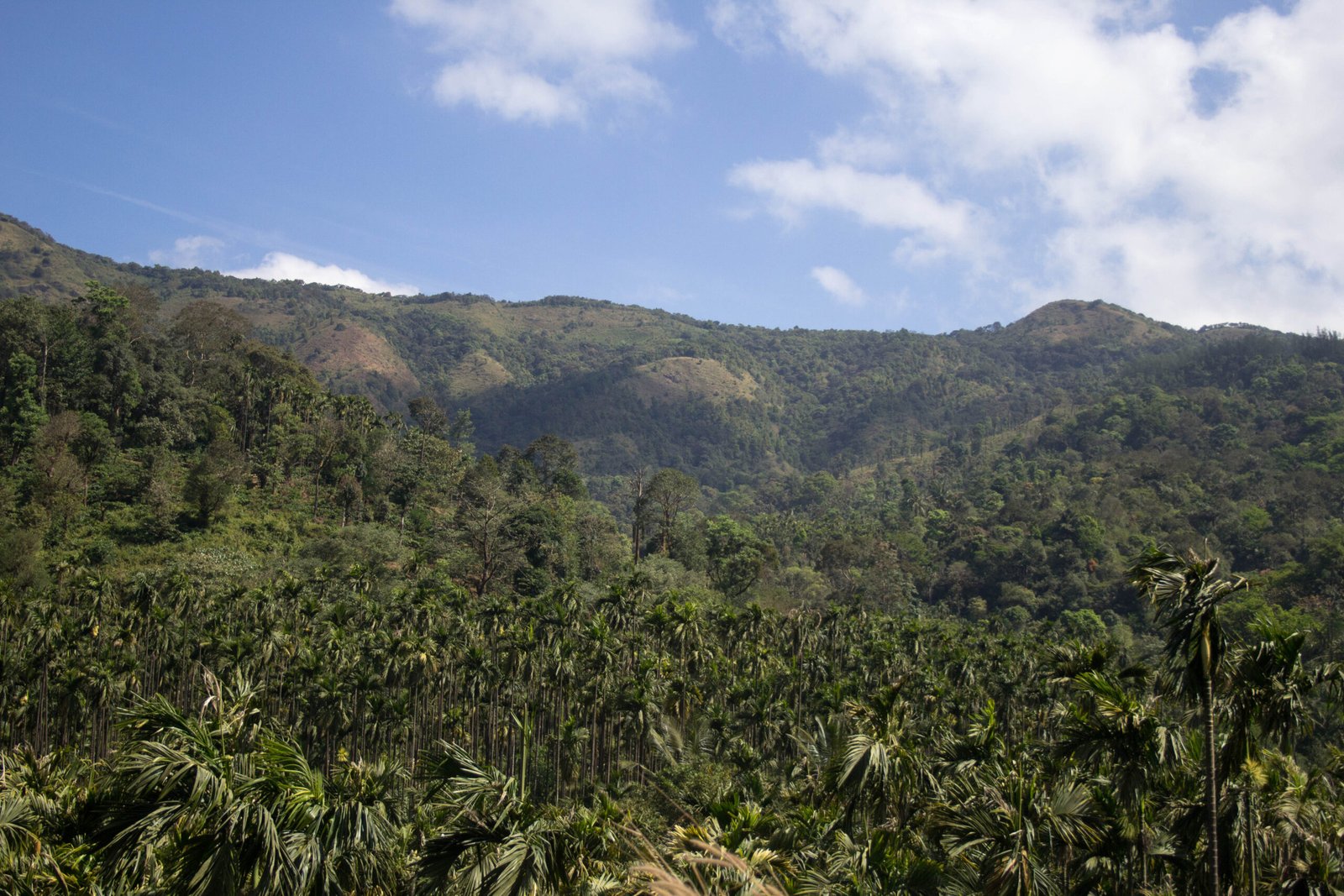
The Western Ghats are home to some of the last surviving tracts of tropical rainforests in India. These forests are thick, green, and alive with movement at every level — from giant trees towering overhead to tiny mushrooms sprouting on the forest floor. The rainforests soak up carbon dioxide, cool the air, and generate life-giving oxygen, acting like the lungs of the region. They’re also sponges for rainwater, slowing down the flow and feeding rivers that millions depend on. Some forests are so dense that sunlight barely touches the ground, creating a world of mystery where leopards prowl and butterflies dance. If you’ve ever wondered what true wilderness feels like, step into the Ghats’ rainforests and listen to the heartbeat of nature.
Monsoon Magic: The Lifeblood of the Ghats
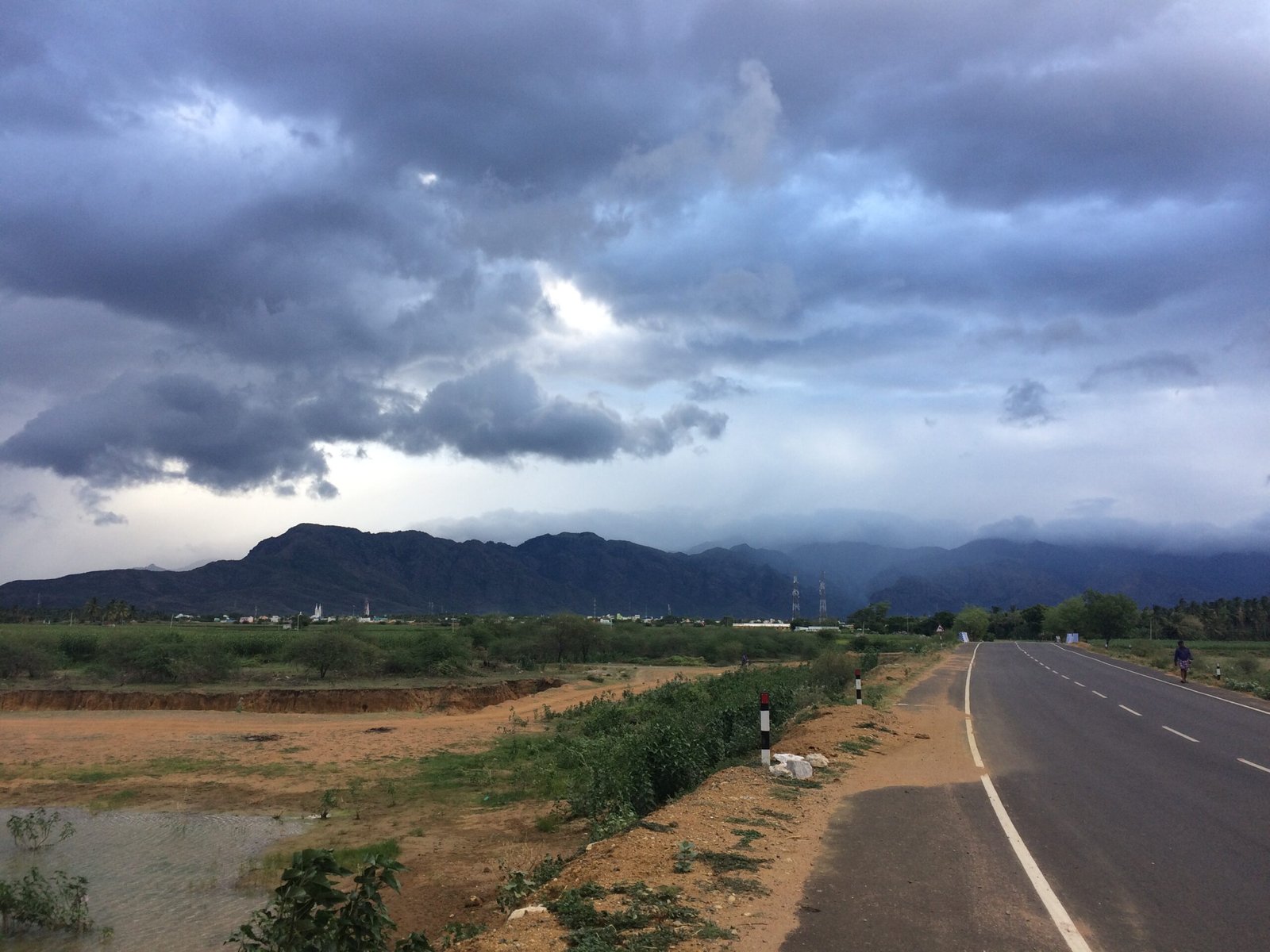
The annual monsoon is the Ghats’ greatest gift and challenge. When the rains arrive, the mountains transform almost overnight — dry streams swell into torrents, waterfalls roar to life, and every living thing seems to burst with color and energy. This predictable rhythm of wet and dry has shaped the plants and animals here in extraordinary ways. Many frogs and insects time their entire life cycles around the monsoon, and some plants flower only after the first heavy rains. For people, the monsoon is both a blessing and a threat, bringing water for crops but also the risk of floods and landslides. The Ghats’ unique relationship with the monsoon is a dance as old as the hills themselves.
Wildlife Icons of the Western Ghats
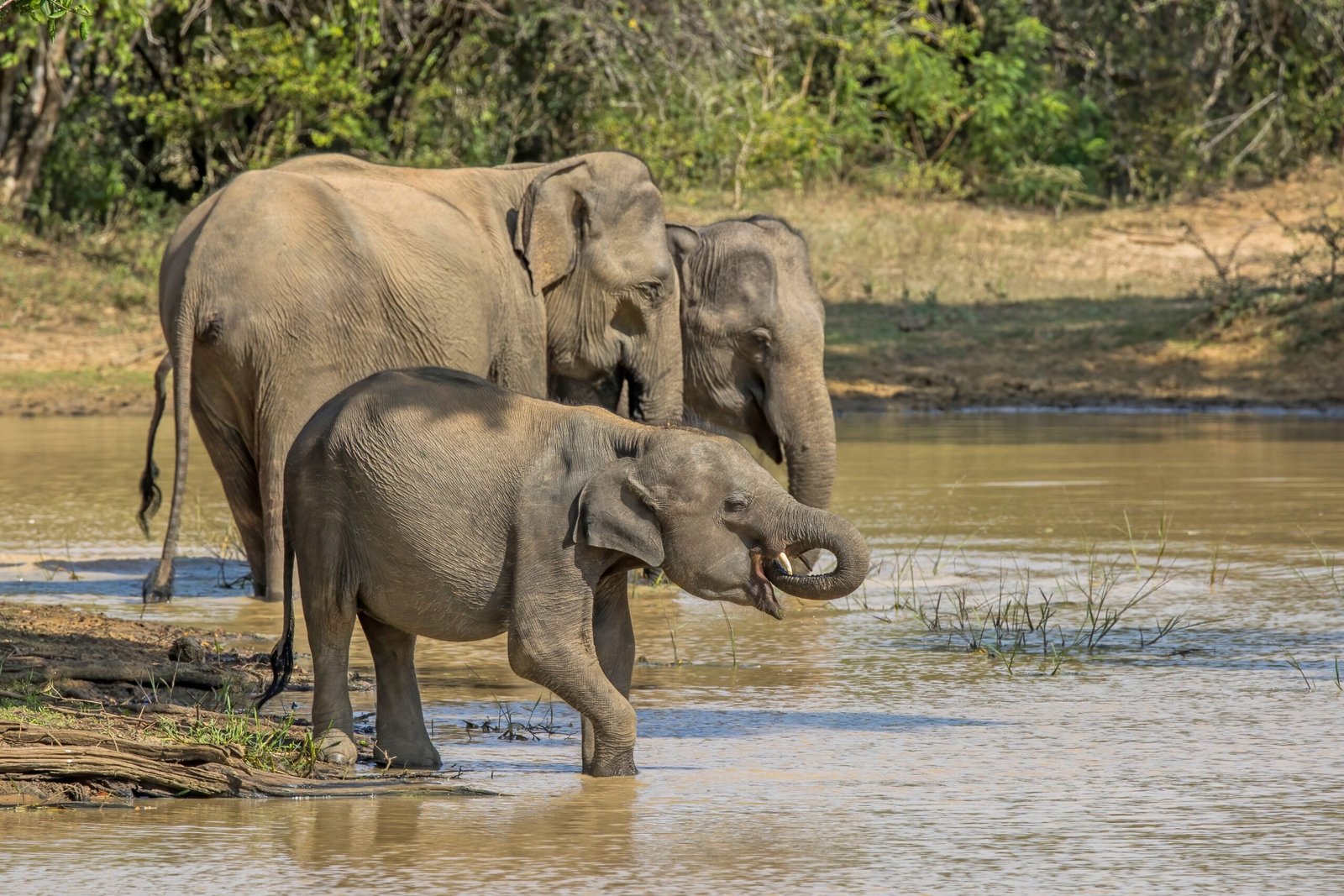
The Western Ghats are home to some of India’s most iconic and endangered animals. Picture a herd of Asian elephants moving silently through the mist, or a tiger stalking its prey in the shadowy undergrowth. The elusive leopard, the slender loris with its giant eyes, and the dazzling king cobra all call these forests home. Even the rivers are teeming with life, from the endangered mahseer fish to playful otters. These animals aren’t just beautiful — they’re vital to the health of the ecosystem, keeping prey populations in check and dispersing seeds. Each creature, big or small, plays a role in the delicate web of life that makes the Ghats so extraordinary.
Plants With a Purpose
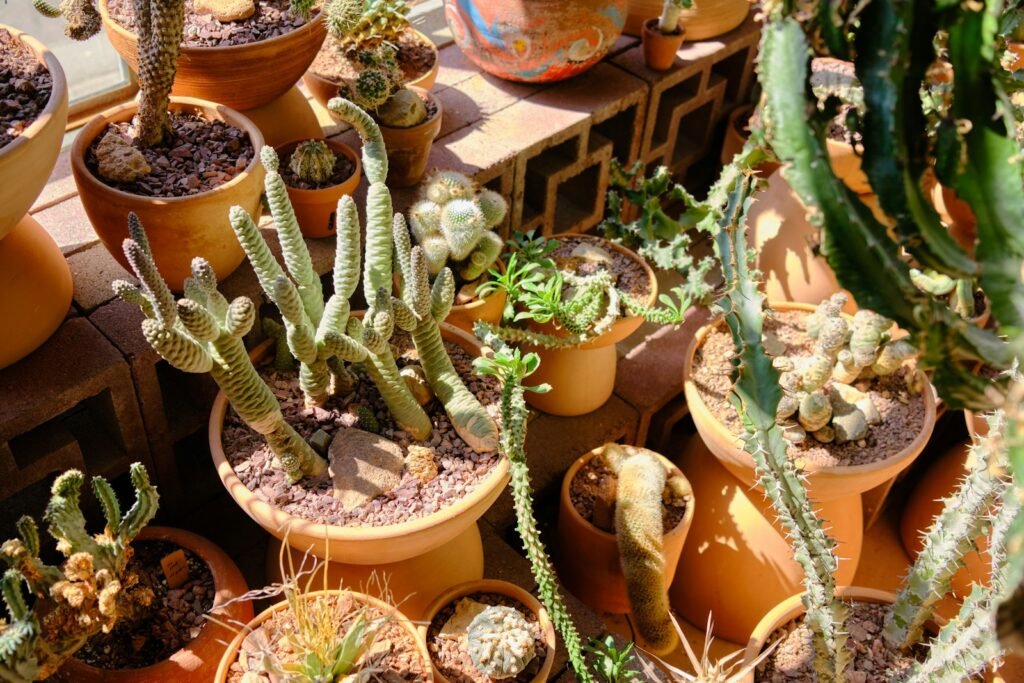
It’s not just the animals that make the Western Ghats special — the plants are just as fascinating. Many of the region’s trees and shrubs are used in traditional medicine, with knowledge passed down through generations. The forests are home to wild relatives of crops like rice, ginger, and pepper, making them crucial for food security and resilience against climate change. There are even trees, like the rare Agasthya tree, that are so sacred they’re worshipped by local communities. The diversity of plant life here is a living pharmacy, a pantry, and a source of spiritual inspiration all rolled into one.
People and Culture: Living With Nature

Millions of people live in and around the Western Ghats, including Indigenous communities whose cultures are deeply intertwined with the land. For the Adivasi people, the forests are not just resources but relatives, with stories and rituals honoring every river, hill, and tree. Local festivals celebrate the arrival of the monsoon, and ancient temples nestle in the shadows of giant banyans. Traditional farming practices, like shifting cultivation and sacred groves, have helped protect biodiversity for centuries. Yet, as the world changes, so do these traditions, creating both challenges and opportunities for conservation.
The Threat of Deforestation
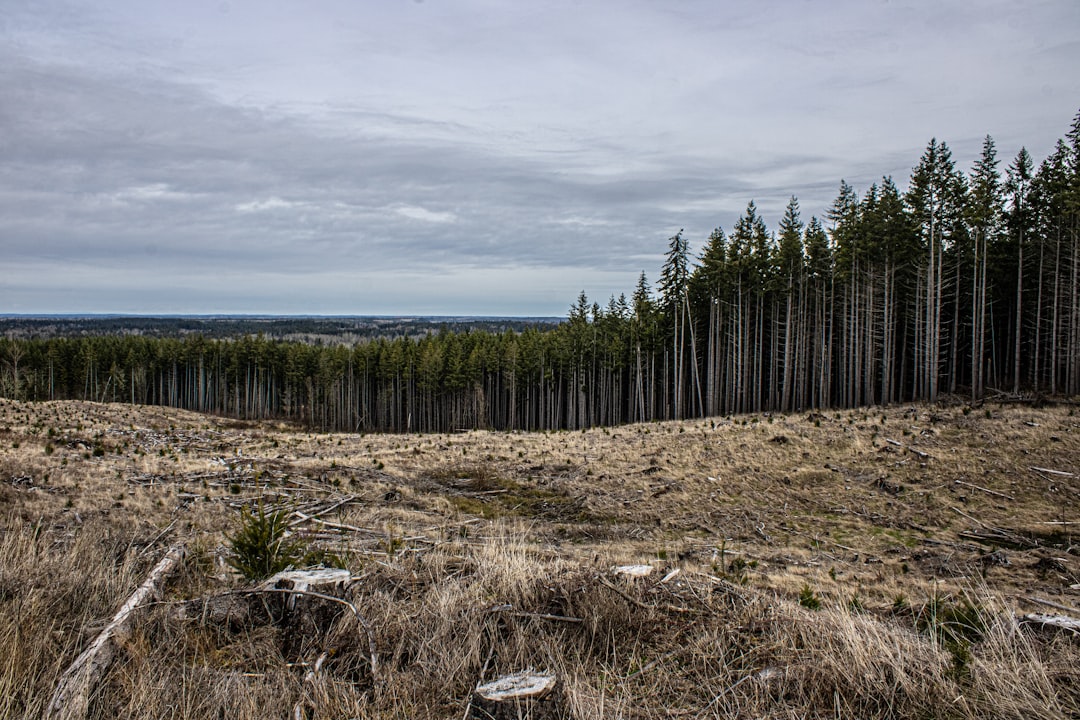
Despite their richness, the forests of the Western Ghats are shrinking at an alarming rate. Logging, agriculture, and plantation crops like tea, coffee, and rubber have eaten away at vast swathes of native forest. Roads slice through wilderness, fragmenting habitats and making it harder for animals to survive. Illegal mining and poaching add to the pressure, putting rare species at risk. Every year, precious forest is lost to the march of progress, and with it, the secrets and stories of the Ghats fade a little more. The threat of deforestation isn’t just about trees — it’s about losing a piece of ourselves.
Climate Change: A Looming Shadow
The Western Ghats are highly sensitive to changes in temperature and rainfall. Climate change is already altering the monsoon patterns, making rains less predictable and more intense. This puts plants and animals under stress, especially species that are highly specialized or have nowhere else to go. Forest fires, once rare, are becoming more common, destroying fragile habitats and pushing wildlife to the brink. The cascading effects are felt by people too, as water sources dry up or floodwaters rise. The Ghats are a frontline in the battle against climate change, and their survival is tied to ours.
Invasive Species: Unwelcome Guests
Not all threats to the Western Ghats come from chainsaws and bulldozers. Invasive species — plants and animals brought in from elsewhere — are quietly changing the face of the forests. Lantana, an ornamental shrub, now chokes out native plants, making it harder for wildlife to find food. The spread of non-native fish in rivers disrupts delicate aquatic ecosystems. Even diseases, like chytrid fungus in frogs, have arrived from distant lands, devastating local populations. These invaders can be harder to fight than any human threat, as they slip under the radar and transform the landscape from within.
Conservation Success Stories
It’s not all doom and gloom in the Western Ghats. Across the region, passionate individuals and organizations are fighting to protect this precious land. National parks and wildlife sanctuaries, like Silent Valley and Periyar, have become safe havens for endangered species. Community-led initiatives are reviving sacred groves and replanting native trees. Ecotourism projects offer alternatives to destructive development, giving locals a stake in preserving their natural heritage. These successes prove that with creativity and determination, it’s possible to turn the tide, one forest at a time.
Science and Discovery: New Species Every Year
The Western Ghats are a hotspot for scientific discovery, with new species being described almost every year. In recent years, researchers have found new types of frogs, snakes, and even tiny fish with glowing bodies. These discoveries aren’t just exciting for scientists — they’re reminders of how much we still have to learn. Sometimes, the most extraordinary creatures are hiding in plain sight, waiting for someone to notice. Every new species is like finding a new chapter in a never-ending story, and the Ghats are a book we’ve barely begun to read.
Water Towers of Southern India
The rivers that begin in the Western Ghats are the lifeblood of southern India. The Godavari, Krishna, Kaveri, and countless smaller streams all start here, providing water for drinking, farming, and industry. Without the forests to capture rain and feed springs, these rivers would run dry, turning fertile plains into dust bowls. Dams and diversions have already altered many rivers, sometimes with disastrous results. Protecting the Ghats isn’t just about saving wildlife — it’s about safeguarding water for millions.
Medicinal Marvels and Hidden Cures

For centuries, healers and herbalists have turned to the Western Ghats for medicines. The forests are a pharmacy of rare plants with the power to heal everything from fevers to snake bites. Some species are now being studied for their potential to fight cancer, diabetes, and other modern diseases. Yet, as forests vanish, so does this ancient knowledge. The loss of even a single plant could mean the loss of a cure we haven’t yet discovered. The Ghats remind us that nature’s secrets can sometimes be more valuable than gold.
Tourism: Boon or Bane?
Tourism in the Western Ghats is a double-edged sword. On one hand, it brings much-needed income and raises awareness about the beauty of the region. On the other, unchecked tourism can damage fragile habitats, disturb wildlife, and generate mountains of waste. The key is responsible tourism — visiting with respect, supporting local communities, and leaving no trace. When done right, tourism can be a force for good, turning travelers into allies for conservation.
Restoring What’s Lost: Rewilding the Ghats
Efforts are underway to restore damaged parts of the Western Ghats through rewilding — bringing back native plants and letting nature heal itself. These projects are slow and challenging, but they offer hope. In some places, abandoned plantations have been transformed back into thriving forests, and wildlife is returning. Rewilding isn’t just about trees; it’s about reviving the spirit of the land and reconnecting people with nature. It’s a reminder that even the most scarred landscapes can heal, given time and care.
What’s at Stake for the World
The Western Ghats aren’t just important for India — they matter to the whole world. They’re a storehouse of genetic diversity, a buffer against climate change, and a source of inspiration for scientists and storytellers alike. Their forests store carbon, their rivers feed millions, and their creatures remind us of nature’s endless creativity. If we lose the Ghats, we lose a piece of our shared global heritage. The choices we make today will echo for generations, shaping the world we leave behind.