
Imagine drifting through the infinite blue, where sunlight barely pierces the darkness and oddities reign supreme. Down here, in the crushing silence of the deep ocean, a creature so bizarre it almost feels like a myth glides through the water. This is the deep ocean jellyfish that crafts its own house—not from shells or stones, but from something altogether stranger: mucus. Yes, you read that right. It builds a shimmering mansion of slime, a delicate bubble that defies the harshness of its world. If you think you know what a jellyfish is, get ready to have your mind blown. This story isn’t just about a jellyfish—it’s about invention, survival, and the magic that hides far below the waves.
A Hidden World Beneath the Waves
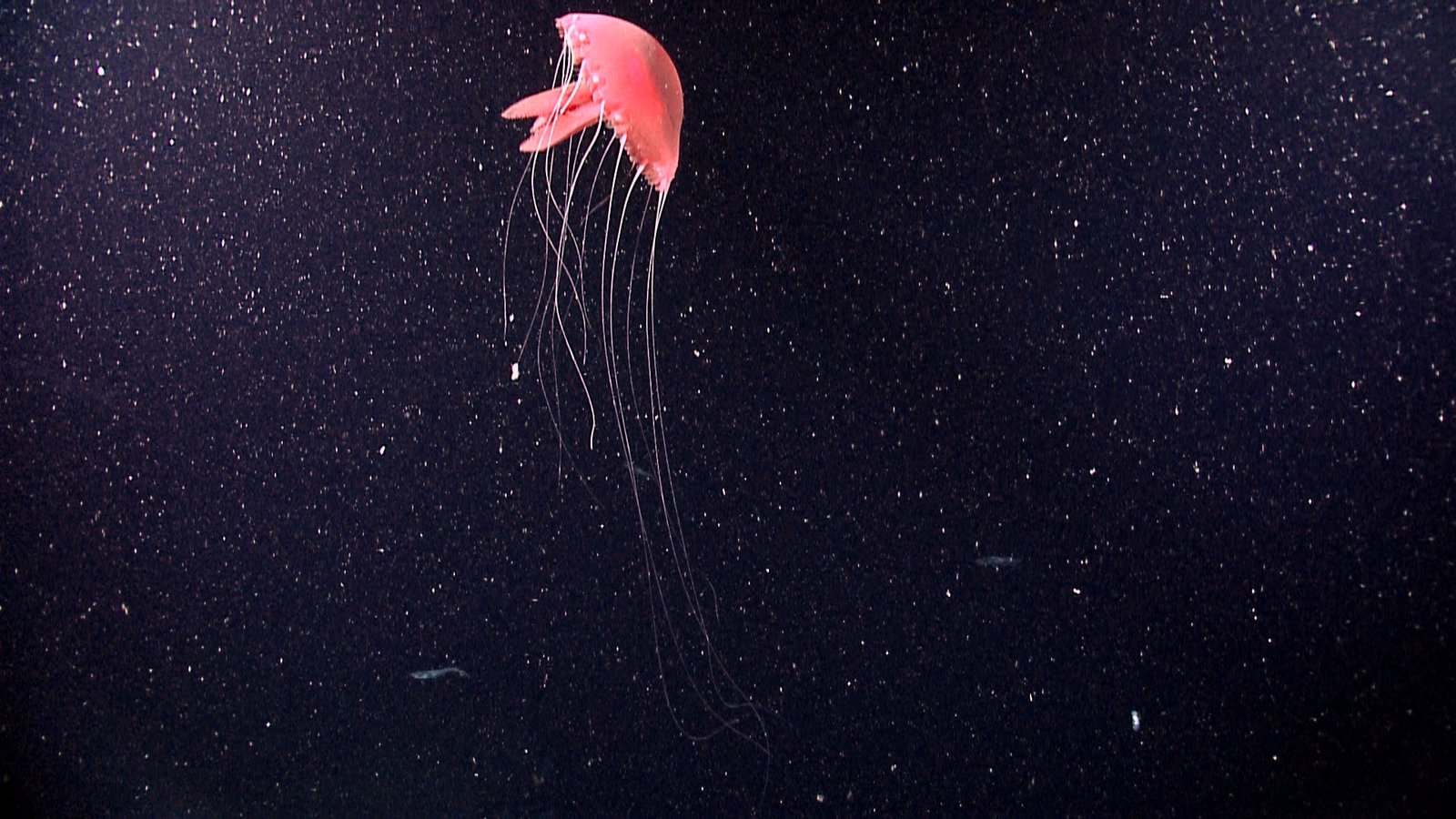
The deep ocean is a place most of us will never see with our own eyes. It’s so remote, strange, and mysterious that scientists still call it the planet’s final frontier. Temperatures are freezing. The pressure would crush a car flat. In this alien world, light is a rare visitor, and life has to get creative to survive. Many animals here use camouflage, bioluminescence, or even weird body shapes to thrive. The jellyfish that builds a house of mucus is just one of the many spectacular surprises this realm holds, but it stands out for its quirky engineering skills.
Meet the Ingenious Deep-Sea Jellyfish
Not all jellyfish are created equal. Some float on the surface, stinging unlucky swimmers. Others, like the deep-sea species known as the “giant larvacean,” live in the twilight and midnight zones, thousands of meters below. Giant larvaceans aren’t true jellyfish, but they look a lot like them, with their transparent, gelatinous bodies. What sets them apart is their strange habit of building houses—enormous, fragile bubbles made entirely of mucus. These structures can be so big that a person could fit inside, and they’re as delicate as a soap bubble.
The Mucus Mansion: A Marvel of Nature
It sounds gross, but mucus is a miracle material for the deep-sea jellyfish. The house isn’t just a random blob—it’s a finely tuned machine, complete with filters, tunnels, and trapdoors. The jellyfish uses special cells to squirt out mucus, then waves its body to inflate and stretch it into complicated shapes. Once finished, it climbs inside and starts “living” in its mucus mansion. From inside, the jellyfish can filter food, hide from predators, and even travel with the currents, all while staying protected.
How Does the Mucus House Work?
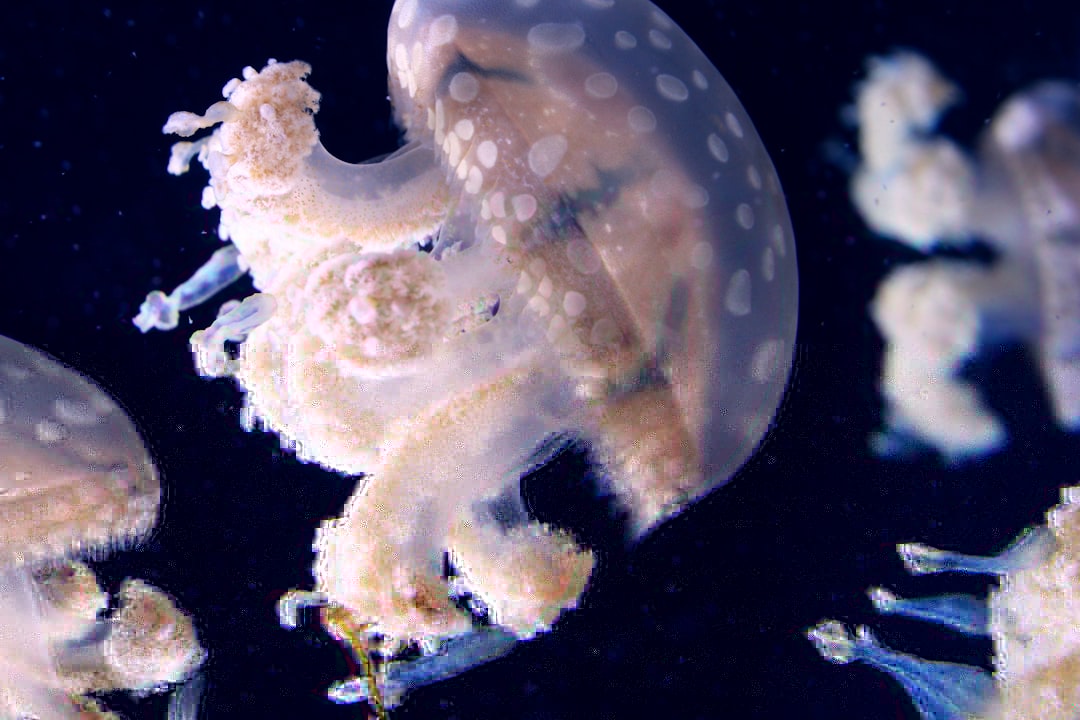
The jellyfish’s mucus house acts like a giant sieve. Tiny holes and channels in the mucus trap plankton and organic particles drifting through the water. The jellyfish wiggles its tail to create currents, drawing food inside the house while keeping bigger, dangerous things out. It’s like having a fishing net and a fortress rolled into one. If the house gets clogged with debris, the jellyfish simply wriggles free, abandons the old house, and builds a brand-new one. This happens every day or two, making the mucus mansion a short-lived but essential shelter.
Why Build with Mucus?
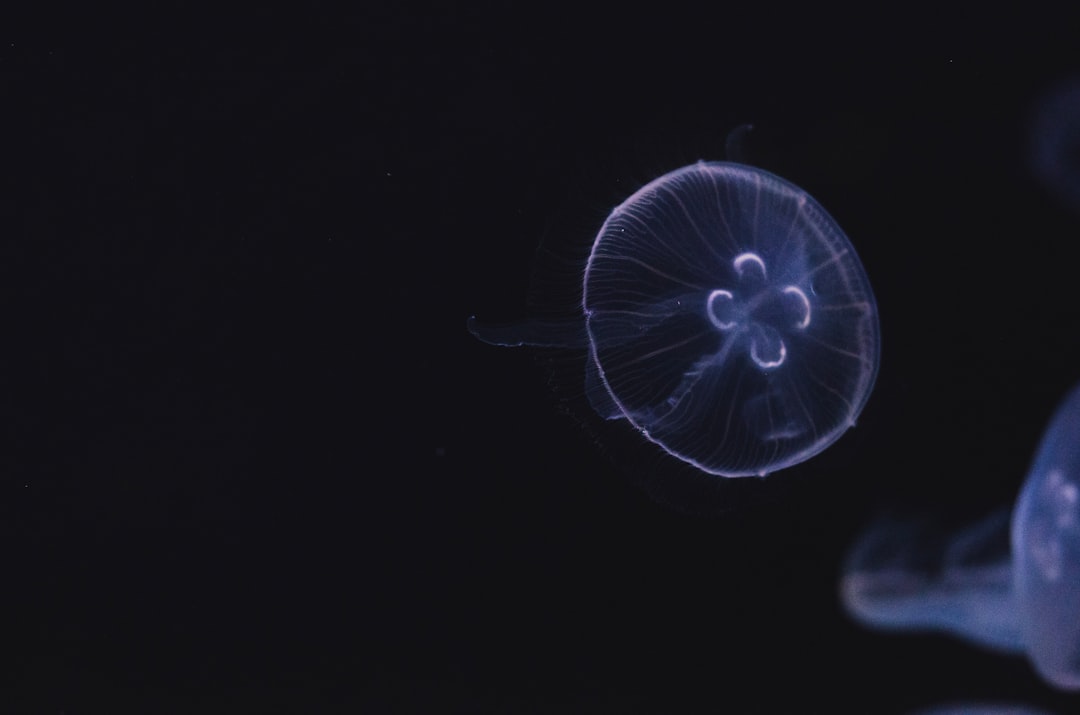
You might wonder, why use mucus? In the deep ocean, there aren’t many building materials lying around. Mucus is cheap, easy to make, and perfectly suited for life in water. It’s flexible, see-through, and sticky enough to catch food. Plus, it dissolves quickly, so it doesn’t clutter up the ocean floor for long. For the jellyfish, mucus is like a Swiss Army knife—a tool that can be shaped and reshaped as needed, with no waste.
A Masterclass in Adaptation
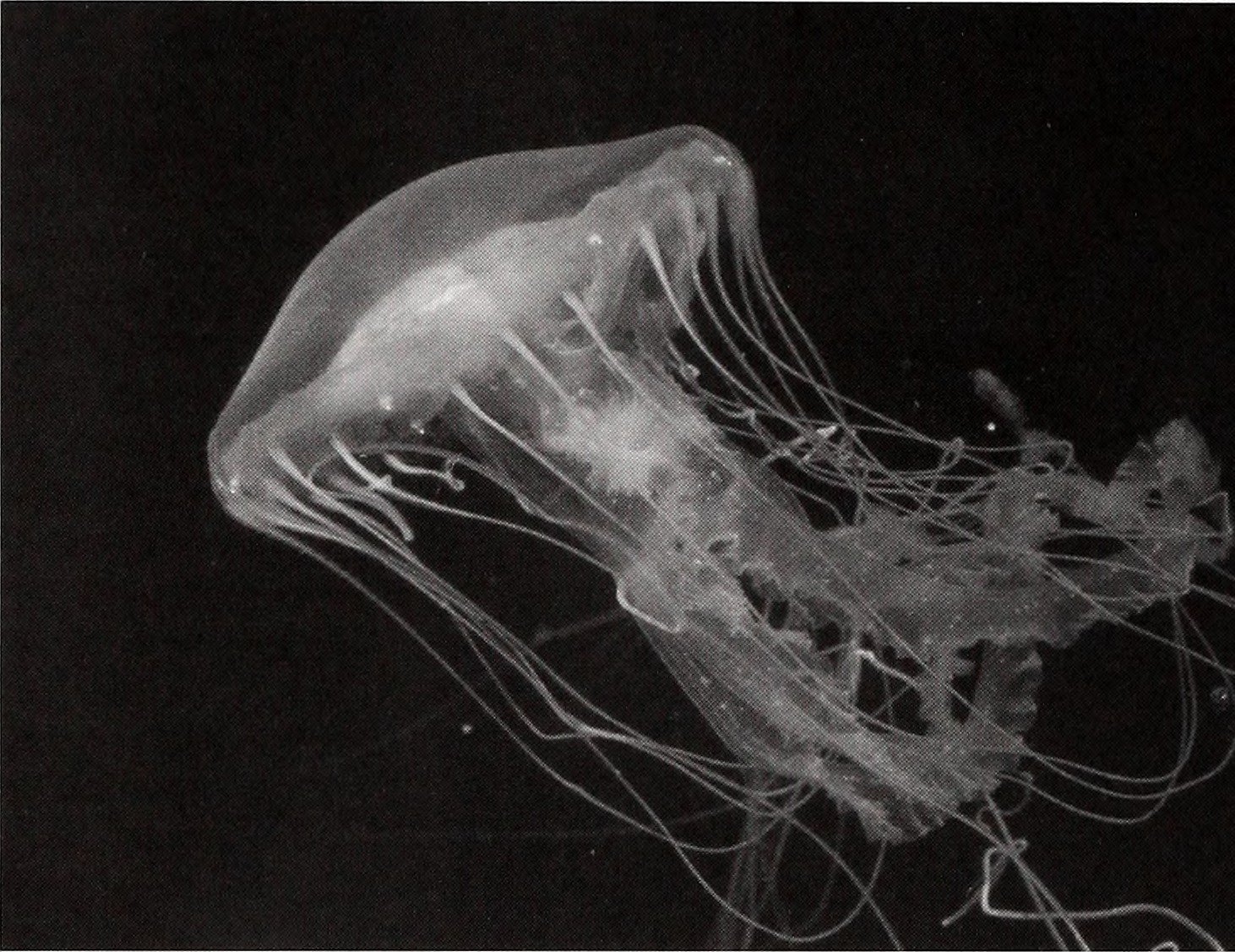
Survival in the deep sea is all about finding creative solutions. The jellyfish’s mucus house is a perfect example of adaptation. Instead of spending energy searching for food, it lets the ocean bring dinner to the front door. The house offers protection from predators that might otherwise gobble up the jellyfish. It even shields the animal from dangerous currents and particles that could damage its delicate body. In a world where every advantage counts, this clever construction is a winning strategy.
Giant Larvaceans: The Architects of the Deep
Giant larvaceans, the most famous mucus house-builders, are truly the architects of the abyss. They can build houses up to a meter across—huge, compared to their small jelly-like bodies. These houses have inner and outer chambers, each with specialized filters. When researchers first saw these structures using underwater robots, they could hardly believe an animal could create something so complex with just its body. This discovery changed how scientists think about life in the deep ocean and the role of these “architects” in the ecosystem.
Life Inside a Bubble
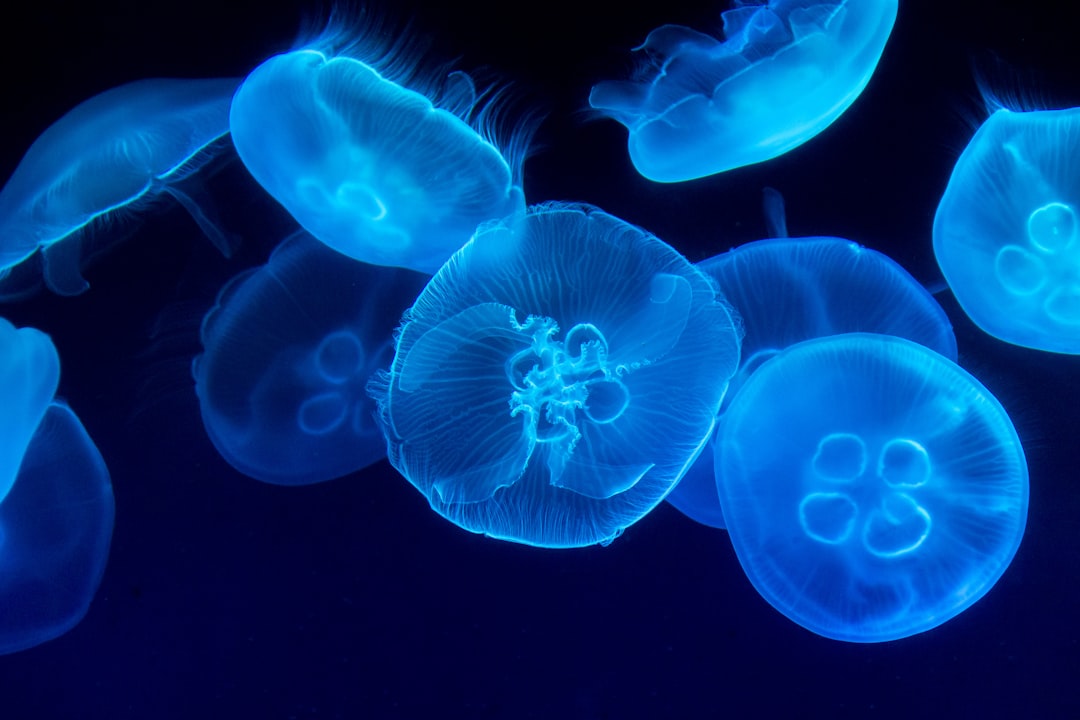
Imagine living in a floating bubble, drifting wherever the currents take you. That’s the daily reality for the deep-sea jellyfish. The mucus house is both home and hunting ground. From inside, the jellyfish can sense vibrations in the water, alerting it to passing prey or predators. It can tweak the shape of its house by wiggling or contracting, making repairs on the fly. This life inside a bubble might sound lonely, but it’s surprisingly effective. The jellyfish is always surrounded by a feast of tiny creatures, all trapped by its clever design.
A Feast From the Sea
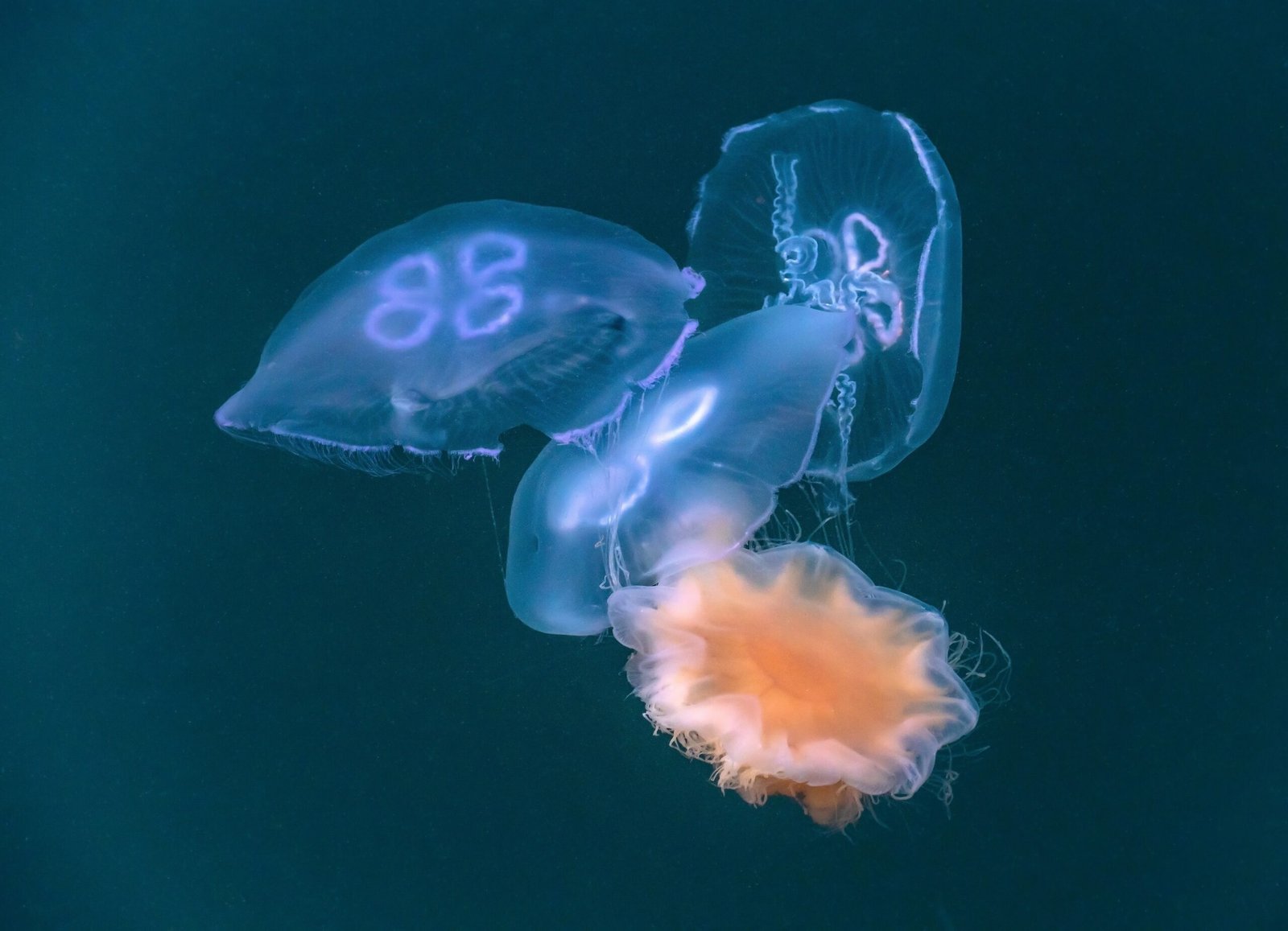
Food in the deep ocean is scarce, so the jellyfish has to make every meal count. Its mucus house acts like a high-tech vacuum cleaner, sweeping up everything from tiny plankton to bits of organic debris. The animal’s filters sort food by size, trapping the tastiest morsels and letting useless particles drift away. Some scientists compare it to a fine-meshed fishing net, constantly gathering whatever the ocean has to offer. This efficient feeding strategy helps the jellyfish survive in a place where most animals go hungry.
The Role of Mucus Houses in the Marine Ecosystem
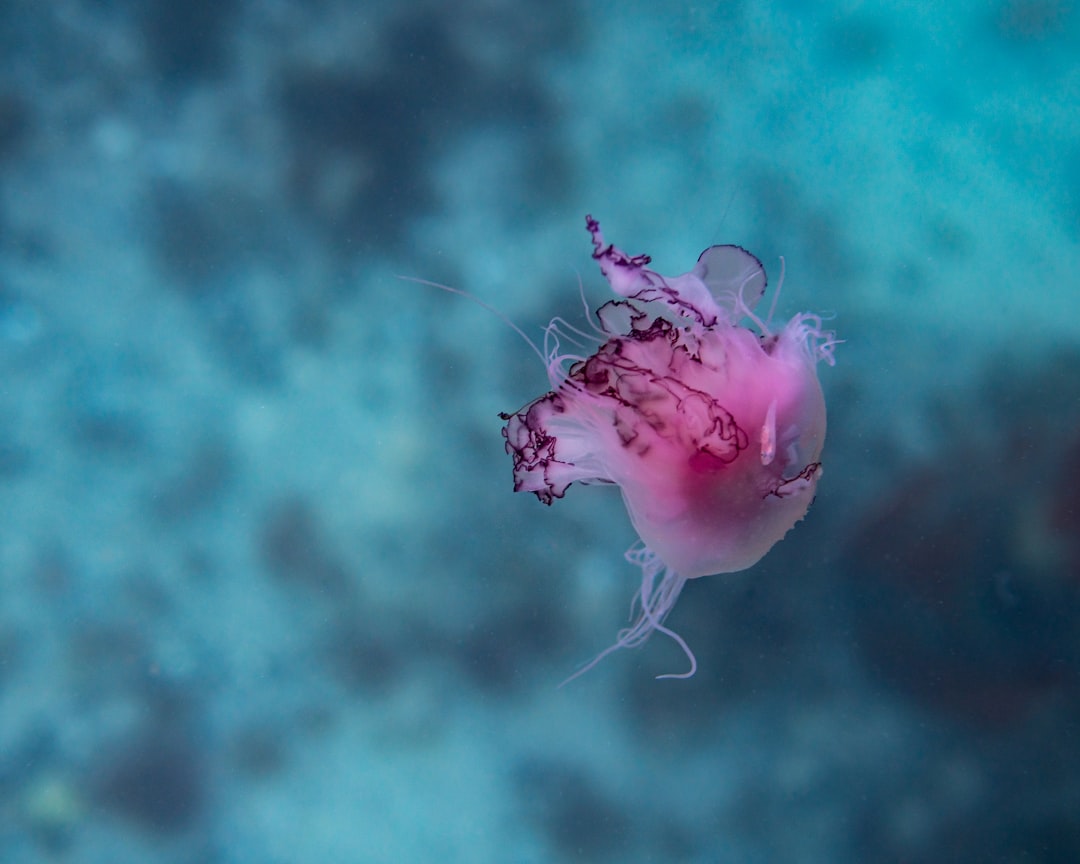
The jellyfish’s mucus houses aren’t just important to the builder—they also play a big part in the ocean’s health. When a jellyfish abandons its house, the empty bubble sinks to the seafloor, carrying with it all the trapped food and debris. This process, called “marine snow,” helps move nutrients from the surface to the deep ocean, feeding countless other creatures. In a way, the jellyfish is like a gardener, fertilizing the ocean’s darkest gardens with every house it builds and discards.
Challenges of Deep-Sea Life
Life in the deep ocean is a daily struggle against the odds. The jellyfish’s mucus house offers some protection, but dangers still lurk. Predators, sudden changes in water conditions, and even human pollution threaten these delicate animals. Strong currents can tear houses apart, and if the jellyfish can’t build a new one quickly, it may starve. Yet, despite these risks, the jellyfish’s unique approach gives it a fighting chance in one of the harshest places on Earth.
Discovering the Mucus Engineers
It wasn’t until the last few decades that scientists truly understood the jellyfish’s mucus house-building skills. Using remotely operated vehicles and submersibles, researchers captured stunning footage of giant larvaceans at work. These discoveries caused a sensation, with many biologists stunned by the complexity and beauty of the mucus houses. Even now, each new dive into the deep ocean uncovers more surprises—and more questions about these enigmatic animals.
The Science of Slime
Mucus might seem like a simple substance, but it’s actually a marvel of chemistry. The jellyfish’s mucus is made of long chains of sugars and proteins, creating a sticky, stretchy mesh. Scientists are fascinated by how this material can be both strong and delicate, tough enough to catch food but gentle enough to float in the currents. Some researchers are even studying jellyfish mucus for clues to new materials or medical breakthroughs, hoping to borrow nature’s tricks for human technology.
Comparisons With Other Ocean Builders
Jellyfish aren’t the only animals that build. Coral polyps make reefs, beavers build dams, and spiders spin webs. But the jellyfish’s mucus house is unique—a temporary, disposable home, built from the body itself. While other animals use hard materials like rock or wood, the jellyfish relies on something soft, flexible, and renewable. This approach is surprisingly effective in the ever-changing, unpredictable world of the deep sea.
A Dance of Light and Slime
Some deep-sea jellyfish and larvaceans add another twist to their mucus houses: bioluminescence. In the darkness, their homes glow with eerie blue or green light, creating a ghostly spectacle. Scientists believe these glowing houses might help attract prey, communicate with other jellyfish, or even confuse predators. Watching a jellyfish in its shining mucus bubble is like seeing a tiny spaceship drifting through the galaxy—strange, beautiful, and utterly mesmerizing.
Threats From Above: The Impact of Human Activity
Even in the ocean’s depths, the jellyfish’s world isn’t safe from humans. Pollution, microplastics, and climate change all threaten these creatures and their mucus homes. Tiny plastic particles can clog the jellyfish’s filters or damage its delicate tissues. Changes in temperature and ocean chemistry may make it harder for the jellyfish to survive and reproduce. As we learn more about these amazing animals, it’s clear that protecting their environment is crucial for the health of the entire ocean.
What We Can Learn From the Mucus Masters
Studying the deep ocean jellyfish isn’t just about satisfying curiosity. Their mucus houses offer lessons in adaptation, resilience, and creativity. By finding new ways to survive in a hostile world, these animals remind us that innovation can come from the most unexpected places. Scientists hope that by understanding how jellyfish build and use mucus, we might develop better materials, smarter filters, or new solutions to human problems.
The Future of Deep-Sea Exploration
With every dive, scientists uncover more about the secret lives of deep-sea jellyfish. New technologies, like advanced cameras and robotic submersibles, are making it possible to study these fragile creatures without disturbing their homes. There’s still so much we don’t know—about the jellyfish, their mucus houses, and the mysterious world they inhabit. Each discovery brings new questions and new possibilities for understanding our planet.
An Unforgettable Oddity of the Ocean
The jellyfish that builds a house out of mucus is more than just a curiosity—it’s a symbol of the ocean’s endless creativity. Against all odds, it has turned something as simple as mucus into a survival superpower. Its shimmering houses are a reminder that life finds a way, even in the darkest corners of Earth. The next time you think of jellyfish, remember the architect of the deep, quietly building its shimmering, slimy fortress in the unseen blue. Isn’t nature full of surprises?