Picture this: beneath the sun-soaked streets of Naples, ancient forces stir, quietly shaping the fate of millions. The air sometimes smells faintly of rotten eggs, and the ground beneath your feet is not as stable as it seems. This is a place where fire meets earth, where history and geology collide in a thrilling dance of beauty and danger. Naples isn’t just about pizza, history, and colorful chaos. It sits atop one of the planet’s most remarkable and potentially devastating natural wonders: the Campi Flegrei, or the Burning Fields—a sleeping supervolcano that has changed the course of civilizations and could, one day, do so again. Are you ready to venture into the heart of the earth’s most mysterious giants?
The Fiery Heart Beneath Naples
What lies beneath Naples is not just ordinary rock or dirt—it’s a simmering cauldron of molten rock, gas, and energy. The Campi Flegrei caldera stretches over 13 kilometers, an underground giant that last erupted in 1538. Locals often call it the “burning fields” for good reason: steam escapes from cracks, and the earth sometimes rumbles in protest. Unlike the iconic cone of Mount Vesuvius, Campi Flegrei is mostly hidden, its vastness disguised by neighborhoods, parks, and the bustling life of Naples. This invisible threat makes it both fascinating and terrifying, a true ticking clock beneath everyday life.
The Ancient Origins of the Campi Flegrei
Long before pizza and ancient ruins, the Campi Flegrei began forming over 39,000 years ago. Back then, a series of colossal eruptions sculpted the land, leaving behind a patchwork of craters, lakes, and steaming vents. The most notorious blast, known as the Campanian Ignimbrite eruption, was so powerful it darkened skies across Europe and may have played a role in the disappearance of Neanderthals. Modern Naples sits atop layers of ash and pumice, a city literally built on the bones of ancient cataclysms. Every hill and hollow is a reminder of the explosive past that still lingers, just out of sight.
Sulfur: The Smell of the Earth’s Breath
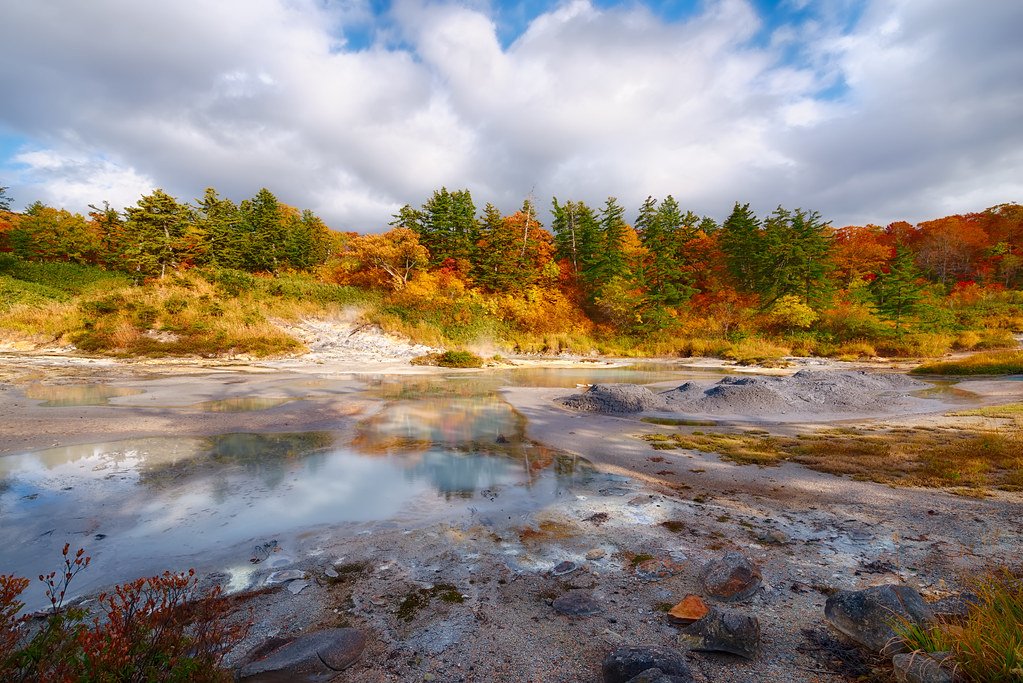
If you ever visit the Solfatara crater, you’ll notice the unmistakable scent—sulfur, sharp and pungent, tickling your nose and burning your throat. This “rotten egg” smell is the earth’s breath, a sign that gases are escaping from deep within the magma chamber. Sulfur vents, or fumaroles, dot the landscape, hissing and steaming like a giant kettle left on the stove. Ancient Romans believed these gases were the gateway to the underworld, and it’s easy to see why. The yellow crystals that form around the vents tell a story of chemical reactions that have been playing out for millennia, a natural alchemy happening just beneath our feet.
Living in the Shadow of Supervolcanoes
Imagine waking up every day knowing that the ground beneath you has the power to change the world in a single moment. For Neapolitans, this is reality. The Campi Flegrei isn’t just a local threat—it’s a supervolcano, capable of eruptions thousands of times more powerful than typical volcanoes. Scientists estimate that over 500,000 people live directly above the caldera, with millions more in the danger zone. Despite the risks, life here pulses with energy and resilience. Families have lived on these lands for generations, embracing the beauty and danger as part of their identity.
Vesuvius: The Famous Neighbor
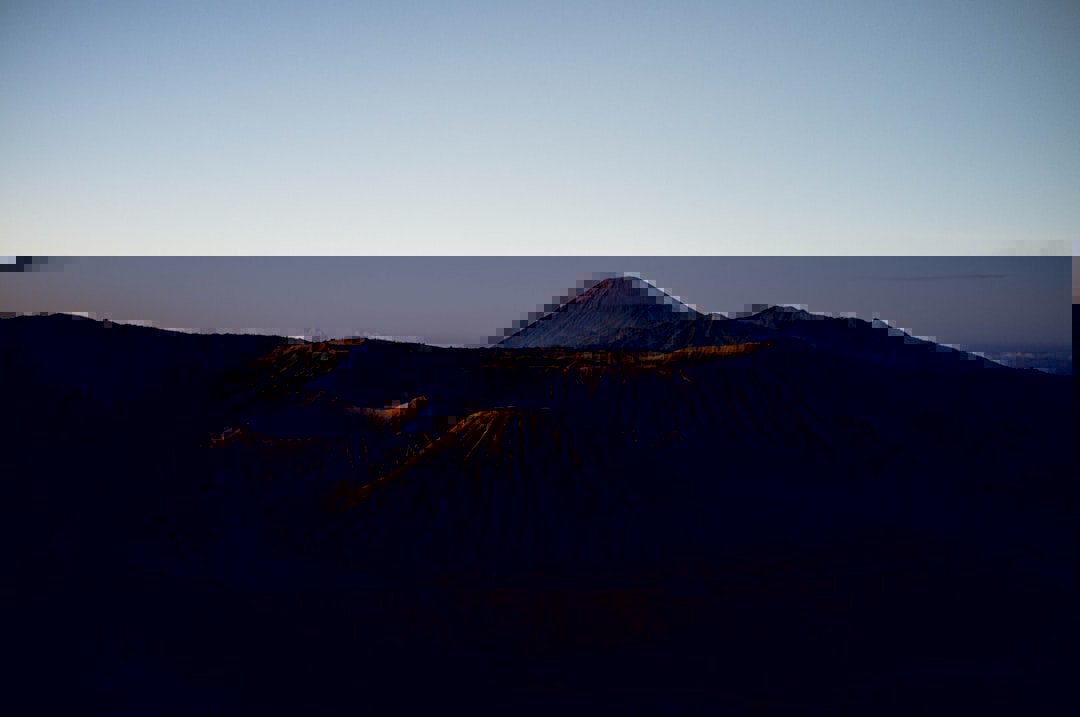
When people think of volcanoes near Naples, Mount Vesuvius usually steals the spotlight. Its catastrophic eruption in 79 AD famously buried Pompeii and Herculaneum under ash, preserving them for eternity. Yet, while Vesuvius is a classic volcano with a dramatic profile, Campi Flegrei is a different beast altogether—wider, hidden, and potentially even more dangerous. The two volcanoes share a geological lineage, both part of the same restless system. Their fates are intertwined, and what happens beneath one can affect the other, creating a volatile partnership in the belly of the earth.
The Hidden Landscape: Craters, Lakes, and Fumaroles
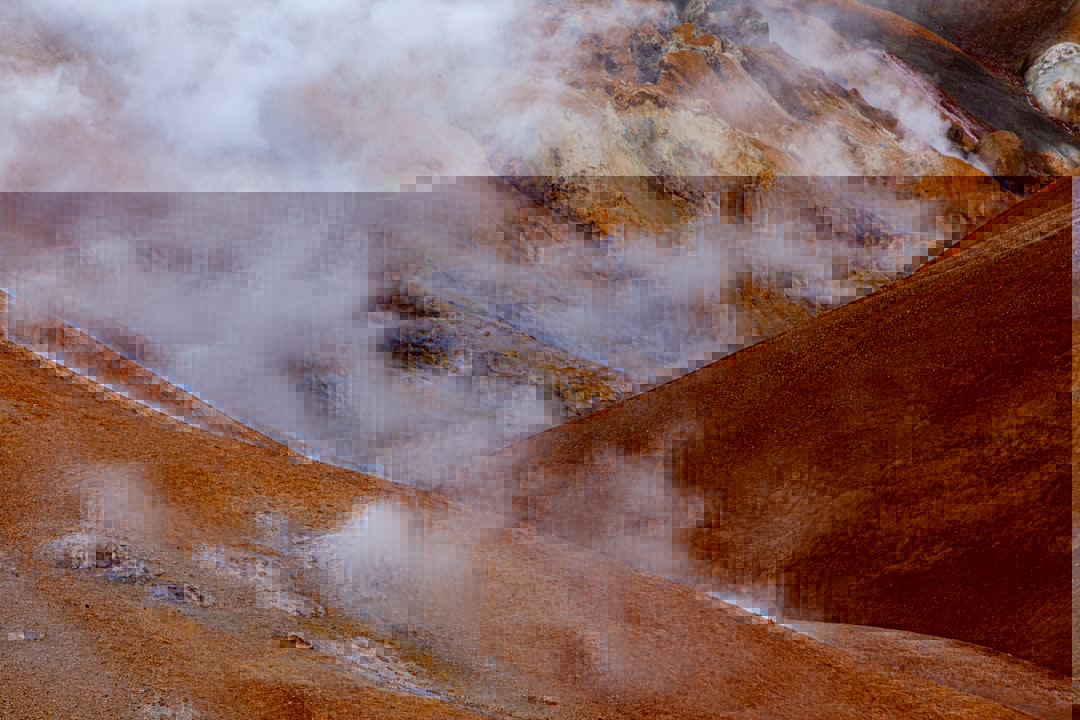
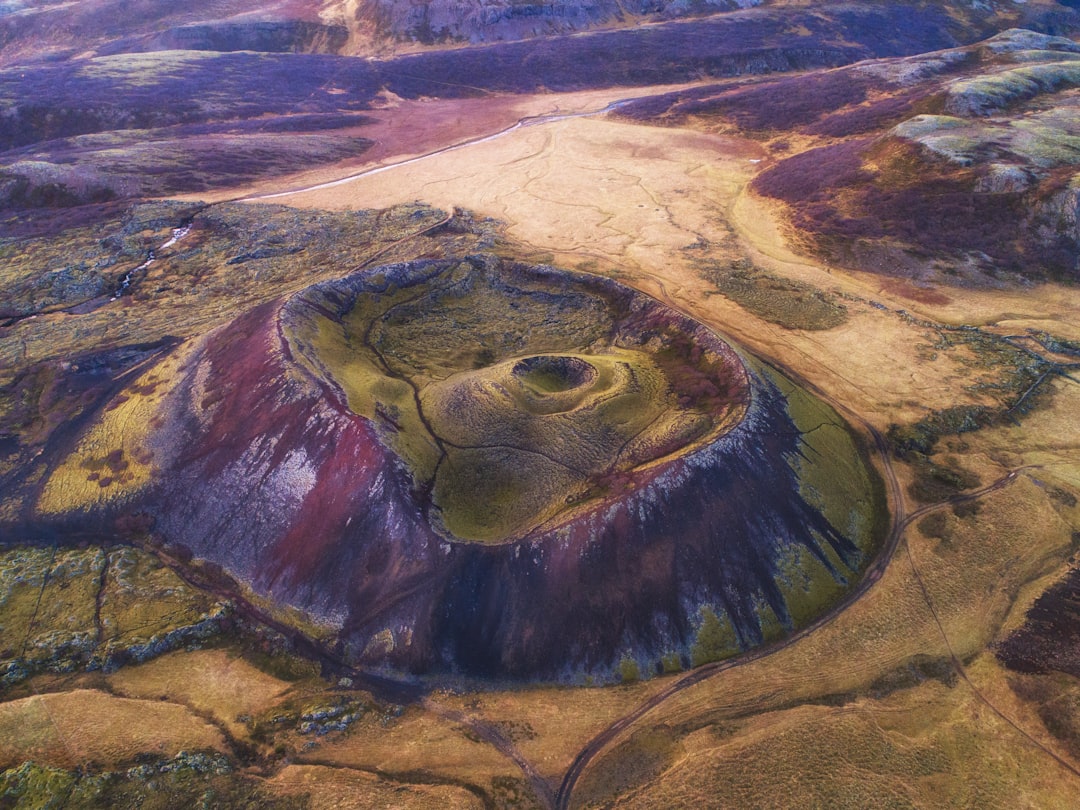
The Campi Flegrei isn’t just a single crater—it’s a sprawling landscape of more than twenty distinct volcanic features. Craters like the Astroni and the tranquil waters of Lake Avernus dot the region, each with its own story. Some craters are filled with lush vegetation, others with bubbling mud pots or steaming fumaroles. Lake Avernus was once believed by the Romans to be the entrance to Hades. Walking through the area, you’re met with an eerie combination of natural beauty and quiet menace. The land feels alive, humming with the energy of its hidden heart.
Supervolcanoes: What Makes Them Different?
Not all volcanoes are created equal. Supervolcanoes like the Campi Flegrei are rare giants, defined by their ability to produce eruptions with more than 1,000 cubic kilometers of material—enough to bury entire continents in ash. Unlike their more famous, conical cousins, supervolcanoes often form massive calderas rather than tall peaks. Their eruptions can disrupt global climate, block out sunlight, and trigger mass extinctions. The Campi Flegrei is one of just a handful on Earth, putting Naples in the company of Yellowstone and Lake Toba—places where the ground itself is a sleeping monster.
The Science of Magma Chambers
Deep below the Campi Flegrei, a vast chamber of magma churns and bubbles, constantly evolving. Scientists use a combination of seismic sensors, satellite imagery, and chemical analysis to peer into this mysterious underworld. Changes in the amount of gas, temperature, and ground deformation help volcanologists predict possible eruptions. But the exact size, shape, and behavior of the magma chamber remain elusive—a puzzle that keeps experts up at night. The balance of pressure, heat, and chemical reactions is delicate. A small change could be all it takes to wake the sleeping giant.
Monitoring the Sleeping Giant
Keeping tabs on the Campi Flegrei is a full-time job for Italian and international scientists. Dozens of monitoring stations track every tremor, gas emission, and shift in the ground. In recent years, the caldera has shown signs of increasing activity—ground uplift, small earthquakes, and heightened gas emissions. These warning signals are like a heartbeat, telling us that the volcano is restless but not (yet) ready to explode. Scientists walk a fine line, balancing public safety with the reality that predicting volcanic eruptions is still more art than science.
Historical Eruptions and Their Impact
Throughout history, the Campi Flegrei has left its mark on the world. The eruption that formed the caldera nearly 40,000 years ago was one of the largest ever recorded, sending ash as far as Russia. Later eruptions, like the one in 1538 that created Monte Nuovo, were smaller but still transformed the landscape, burying villages and altering coastlines. Each eruption reshaped human settlement, forcing people to adapt or move. These moments are etched into local memory, retold as cautionary tales and reminders of nature’s unpredictable power.
The Psychology of Living with Danger
How do people cope with living on top of a supervolcano? Surprisingly, most Neapolitans go about their lives with a sense of humor and defiance. Danger is woven into the fabric of the city—just another part of life, like traffic or soccer. Some say that knowing disaster could strike at any moment makes people more resilient, even more passionate about living fully. There’s a kind of collective acceptance, mixed with a belief that history will repeat itself but not today. This attitude, half bravado and half fatalism, is a testament to the human spirit.
Volcanic Soil: The Silver Lining

It’s not all doom and gloom. The very forces that threaten Naples have also blessed it with some of the richest soil in Italy. Volcanic ash and minerals create a fertile landscape, ideal for vineyards, orchards, and olive groves. Local wines, tomatoes, and lemons are famous for their flavor—a gift from the earth’s fiery heart. Farmers here have learned to work with the land, harvesting the bounty that comes from ancient destruction. In a way, every glass of wine or bite of pizza is a celebration of this unique relationship between people and volcano.
Myths and Legends of the Burning Fields
With so much drama beneath the surface, it’s no wonder the Campi Flegrei inspired countless myths. Ancient Greeks and Romans believed the area was home to the entrance of the underworld, a place where heroes and gods descended into darkness. The Sibyl’s Cave, near Lake Avernus, was said to be the dwelling of a famous oracle. Even today, stories of spirits and hidden worlds linger in the local imagination. These legends remind us that science and myth often walk hand in hand, each trying to make sense of the unknown.
Modern Naples: A City of Contrasts
Naples is a city where the ancient and modern collide at every turn. You’ll find Roman ruins next to bustling markets, high fashion beside crumbling facades, and laughter echoing above streets built on volcanic stone. This contrast is part of the city’s charm—and its challenge. Urban planners and emergency services must juggle the demands of a vibrant, crowded city with the ever-present risk of volcanic disaster. Life here is a constant balancing act, a dance on the edge of history and geology.
The Role of Technology in Volcanic Safety
In today’s world, technology is a powerful ally in the fight to keep Naples safe. Remote sensing, drones, and artificial intelligence help scientists monitor changes in real time. Early warning systems can alert residents to evacuate if danger looms. Mobile apps and public education campaigns ensure that everyone knows what to do in an emergency. While technology can’t prevent an eruption, it gives people a fighting chance—turning centuries of uncertainty into a measure of preparedness.
The Global Risk of Supervolcanoes
What happens in Naples doesn’t stay in Naples. A major eruption at Campi Flegrei could have consequences far beyond Italy’s borders. Ash clouds could disrupt air travel across Europe, while climate effects might be felt around the globe. Supervolcanoes are rare, but their impact is anything but local. For this reason, scientists from all over the world watch the Burning Fields, sharing data and expertise in hopes of understanding—and possibly preventing—catastrophe.
Tourism and Curiosity: Exploring the Burning Fields
Despite the risks, or maybe because of them, tourists flock to the Campi Flegrei every year. Guided tours take visitors to craters, fumaroles, and ancient ruins. Some come for the science, others for the thrill. Standing at the edge of Solfatara, feeling the heat of the earth and smelling the sulfur, is an unforgettable experience. Local guides share stories of past eruptions and future possibilities, turning fear into fascination. It’s a reminder that curiosity and courage often go hand in hand.
Lessons from the Past, Warnings for the Future
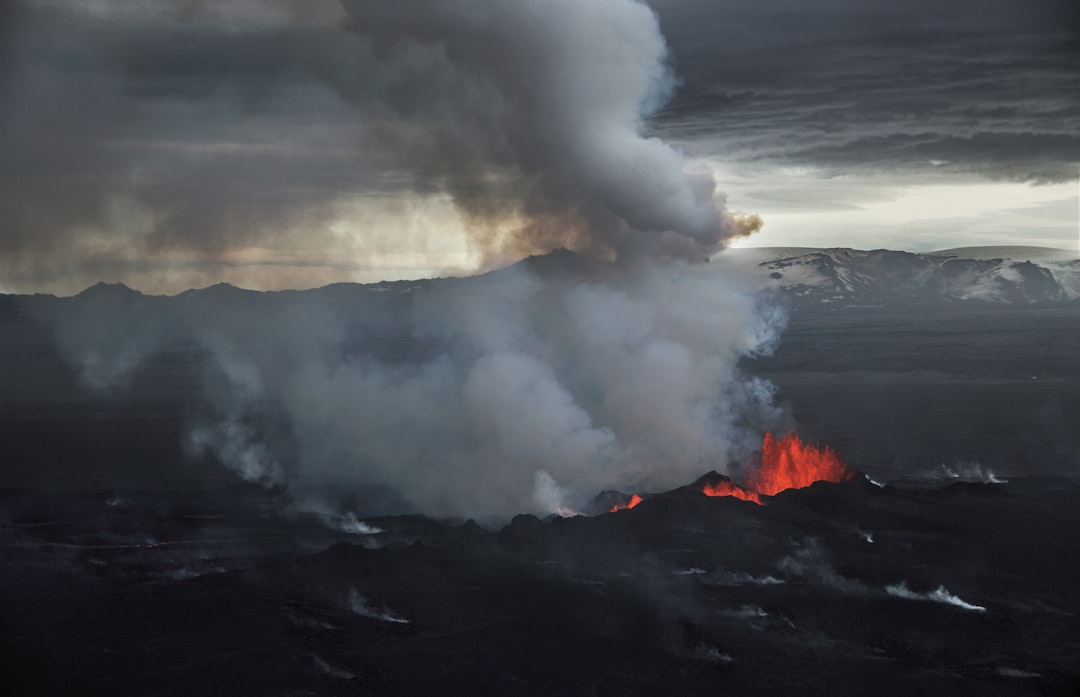
History is a stern teacher. The ruins of Pompeii and the scars of past eruptions remind us that the earth’s power is not to be underestimated. Scientists and city officials use these lessons to plan for the future—mapping evacuation routes, building stronger infrastructure, and educating the public. The hope is that, when the sleeping giant stirs again, Naples will be ready. But as any local will tell you, nothing is guaranteed when you live on the edge of a volcano.
The Human Connection to the Earth’s Forces

There’s something deeply humbling about living so close to a force of nature. The Campi Flegrei is a reminder that, for all our technology and ambition, we are still at the mercy of the planet’s rhythms. This connection can inspire awe, fear, or gratitude—sometimes all at once. People here don’t just endure the risk; they celebrate it, weaving it into the fabric of daily life. It’s a relationship built on respect, caution, and a dash of bravado.
What Lies Ahead for Naples and Its Sleeping Giants?
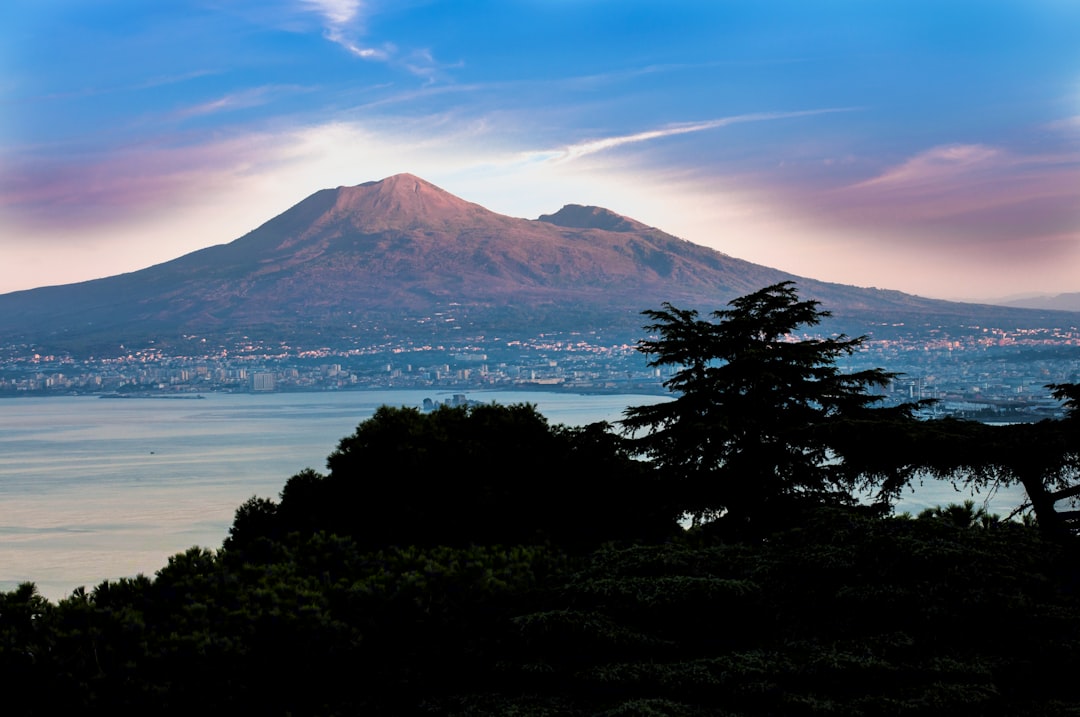
The future of Naples and the Campi Flegrei is a story still being written. Will the supervolcano sleep for another thousand years, or will it wake within our lifetimes? Scientists, residents, and visitors alike keep a watchful eye on the signs—the trembling ground, the rising steam, the shifting earth. Living here is an act of faith, hope, and acceptance. The burning fields may one day roar to life again, but until then, Naples continues to thrive in the shadow of giants, its fate forever entwined with the restless heart beneath its feet.