
Picture a forest at dawn, mist curling between ancient oaks, when suddenly a shadow glides through the undergrowth—a lynx, silent and mysterious, slipping back into a land it once called home. The idea is more than a fairy tale. Across the UK, a wild debate is raging: Should we bring back the mighty wolf, the elusive lynx, or even the great European bison to British landscapes? These animals shaped the land and its people for millennia. Now, with biodiversity in crisis, their return could spark a revolution—one that challenges our very relationship with the wild. Are we brave enough to let these lost giants walk among us once more?
The Lost Giants of Britain: A Glimpse into the Past
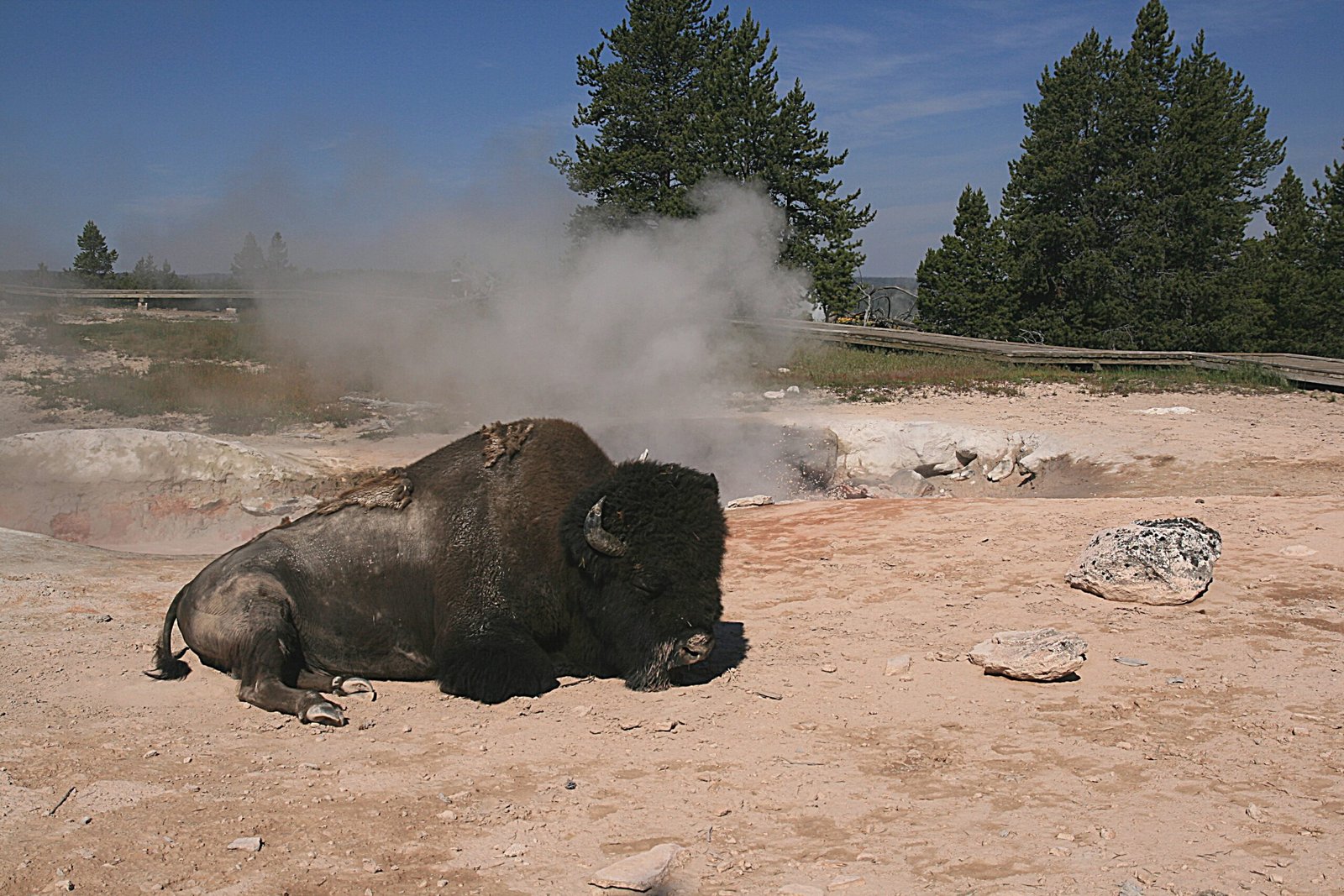
Before motorways, farms, and sprawling cities, the British Isles were teeming with large animals. Wolves howled from the Scottish Highlands, lynx padded through dense woodlands, and herds of wild bison thundered across grassy plains. These creatures weren’t just background characters; they shaped the very fabric of Britain’s ecosystems. Over centuries, hunting, deforestation, and expanding settlements pushed them to extinction. The last wolf was likely killed in the 18th century, while the bison and lynx vanished much earlier. Their absence left a silent void that many conservationists now dream of filling.
Why Reintroduce? The Case for Ecological Healing
Reintroducing lost species isn’t just about romantic nostalgia. Ecologists argue that large predators and herbivores play crucial roles in maintaining healthy landscapes. Wolves keep deer populations in check, preventing overgrazing. Lynx help control smaller mammals and foster woodland regeneration. Bison act like living bulldozers, creating space for wildflowers and insects. Without these animals, ecosystems can become unbalanced, leading to fewer plant and animal species. By bringing them back, we might just kickstart a chain reaction of renewal—nature’s very own domino effect.
The Lynx: Ghost Cat of the Forest
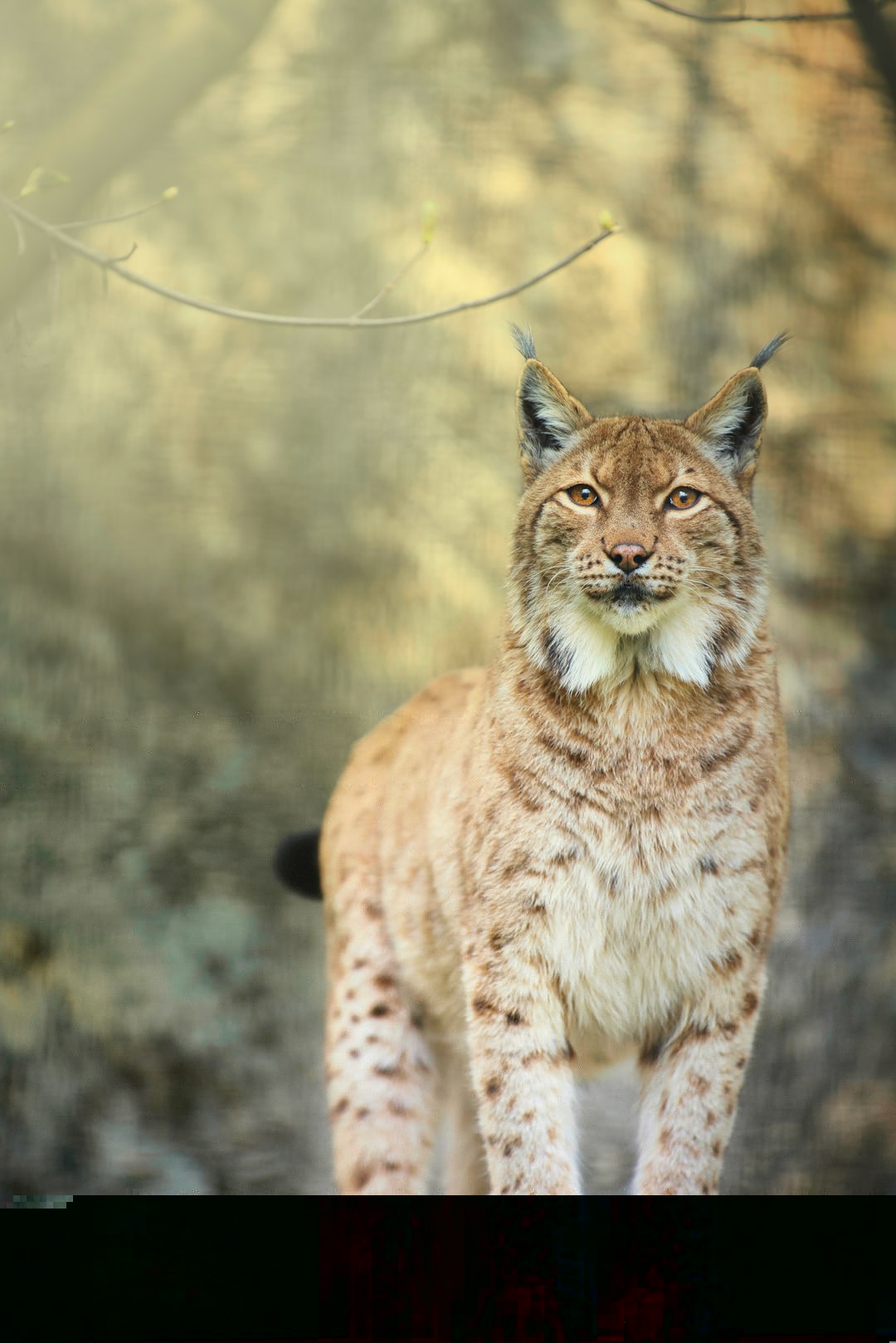
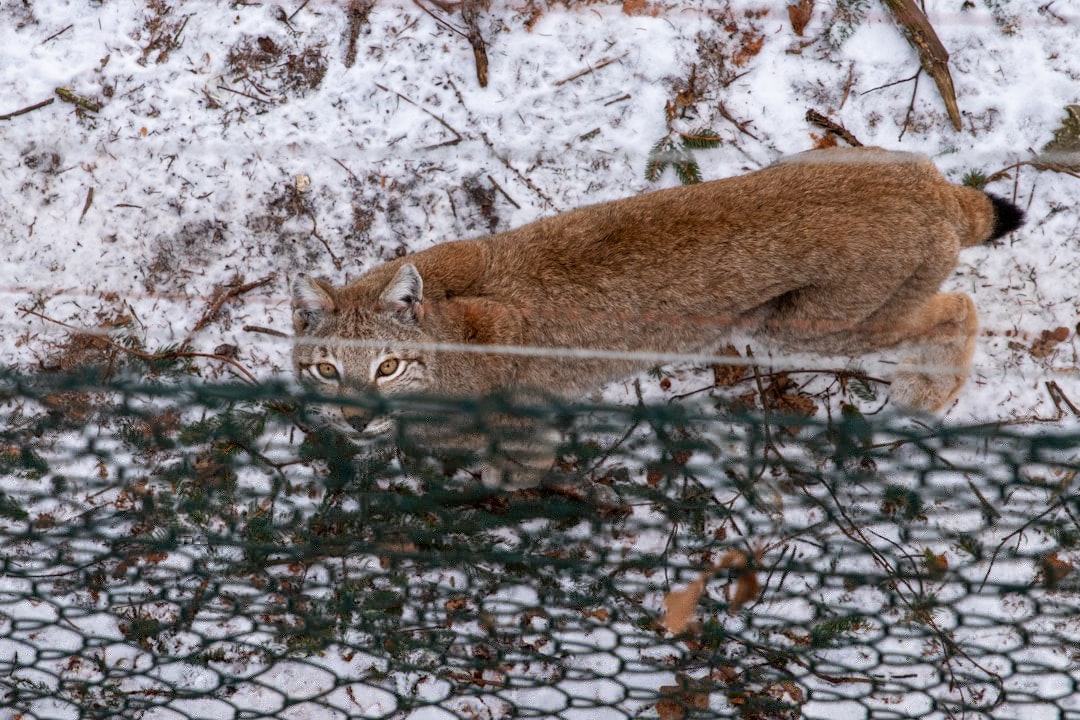
The Eurasian lynx, with its tufted ears and amber eyes, once roamed the forests of Britain. About the size of a large dog, it’s a master of stealth, preying on deer and rabbits. Advocates for its return say lynx would help control deer numbers, letting young trees grow and boosting forest biodiversity. Yet, many farmers worry about livestock, even though lynx rarely attack sheep. In countries like Germany and Switzerland, reintroduced lynx have blended into the landscape, rarely seen but always present—a ghost cat, wild and free, haunting the heart of the forest.
The Wolf: Fear, Fascination, and Fact
No animal sparks as much passion—or fear—as the wolf. To some, wolves are the ultimate symbol of wilderness and freedom. To others, they conjure nightmares of livestock attacks and Red Riding Hood legends. Scientific evidence offers a more balanced view. Wolves can significantly reduce overpopulated deer herds, allowing forests to recover and rivers to run clearer. Yet, their reintroduction would require vast territories and careful management. In places like Yellowstone in the US, wolves have transformed landscapes and inspired awe, but the UK’s patchwork of farms and towns presents unique challenges.
The European Bison: Britain’s Biggest Hope?
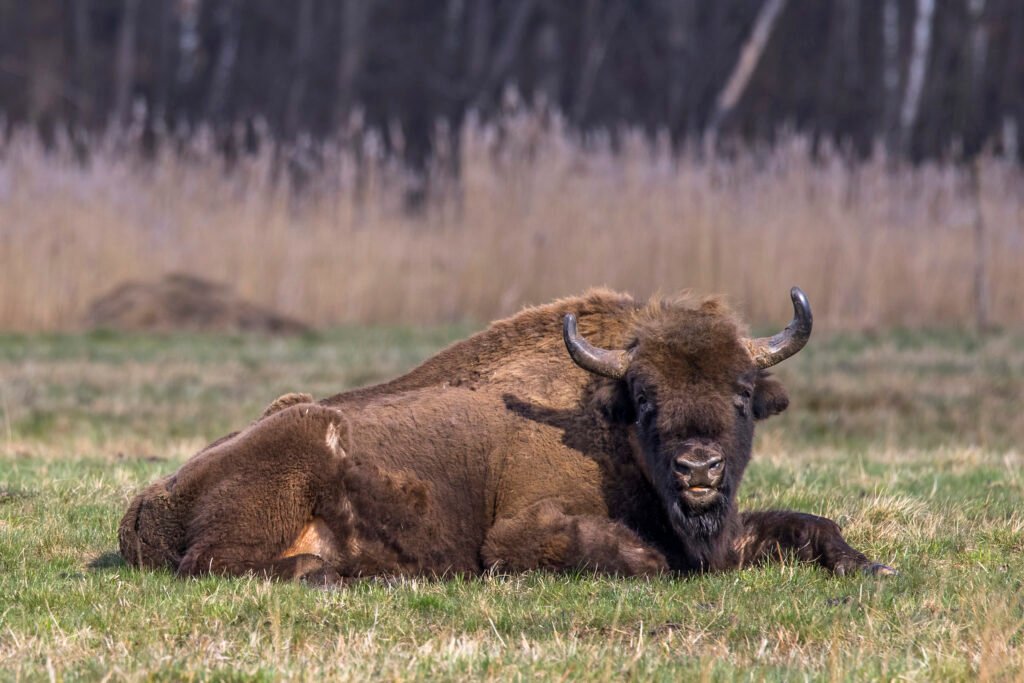
Imagine a shaggy, hulking bison lumbering through Kent’s woodlands. It sounds unbelievable, yet in 2022, a small group of European bison was released in England—the first time in thousands of years. These gentle giants are ecosystem engineers, breaking branches, trampling brambles, and creating clearings for wildflowers and butterflies. Early results are promising, with new habitats emerging and rare insects returning. The bison’s quiet revolution has become a symbol of hope, proving that even the most unlikely reintroductions can work wonders.
Public Opinion: Dreamers vs. Doubters
The British public is split. Some people thrill at the idea of seeing wild animals return, craving a deeper connection to nature. Others worry about safety, farming, and the loss of control over the countryside. Community meetings can get heated, with passionate voices on both sides. Surveys suggest that support for lynx and bison is growing, while wolves remain more controversial. The debate is about more than animals—it’s about identity, tradition, and the future we want to build.
Farming and Rural Life: Navigating Conflict
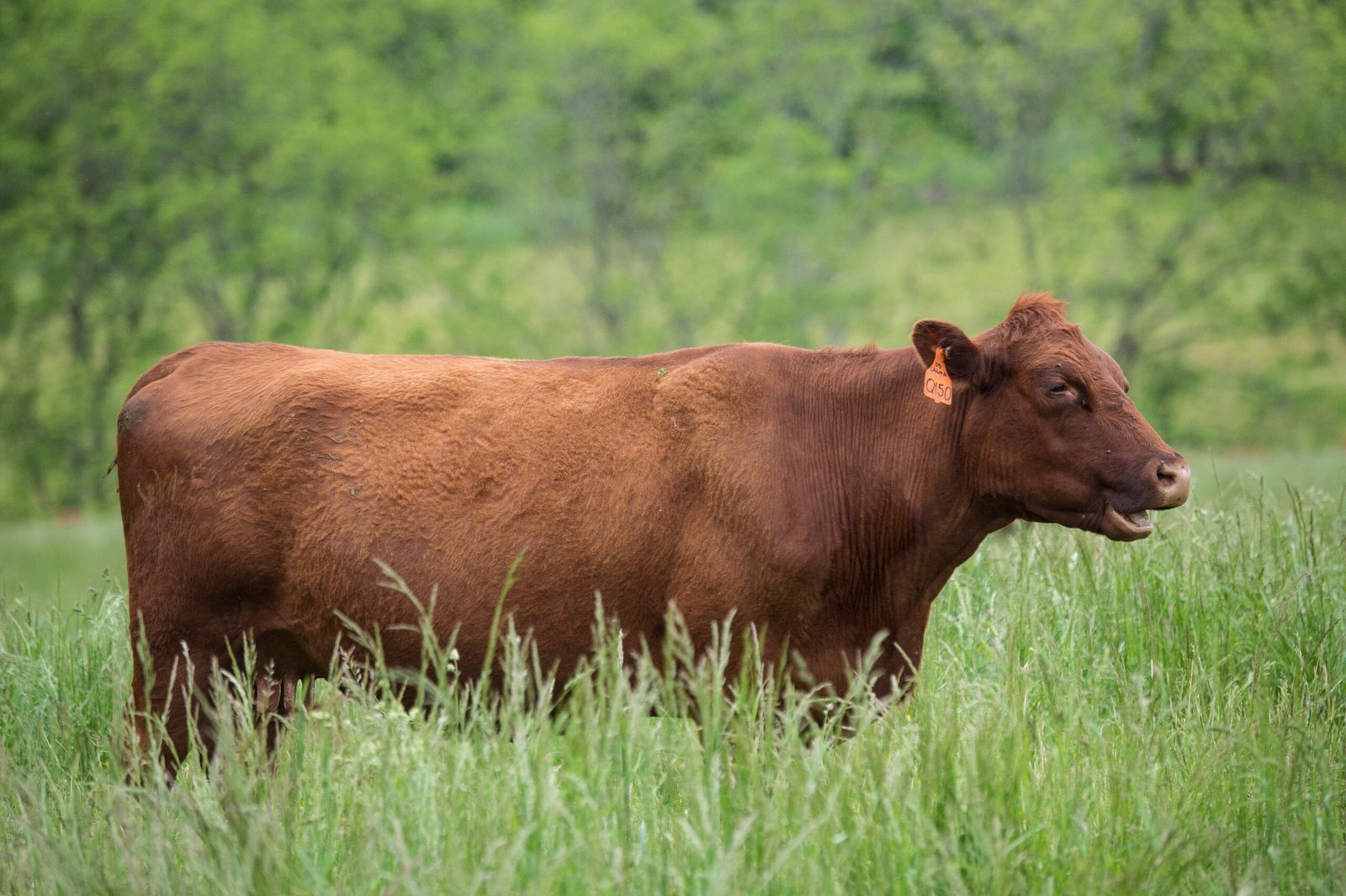
Farmers are at the heart of the rewilding debate. Many worry about livestock losses and changing landscapes. In countries where wolves or lynx have returned, farmers sometimes receive government compensation for lost animals and invest in better fencing or guard dogs. These solutions aren’t perfect, but they show that coexistence is possible. Some British farmers have even started to champion rewilding, seeing it as a way to diversify income through wildlife tourism or conservation grants. The conversation is slowly shifting from conflict to compromise.
Ecotourism: Economic Boom or Bust?
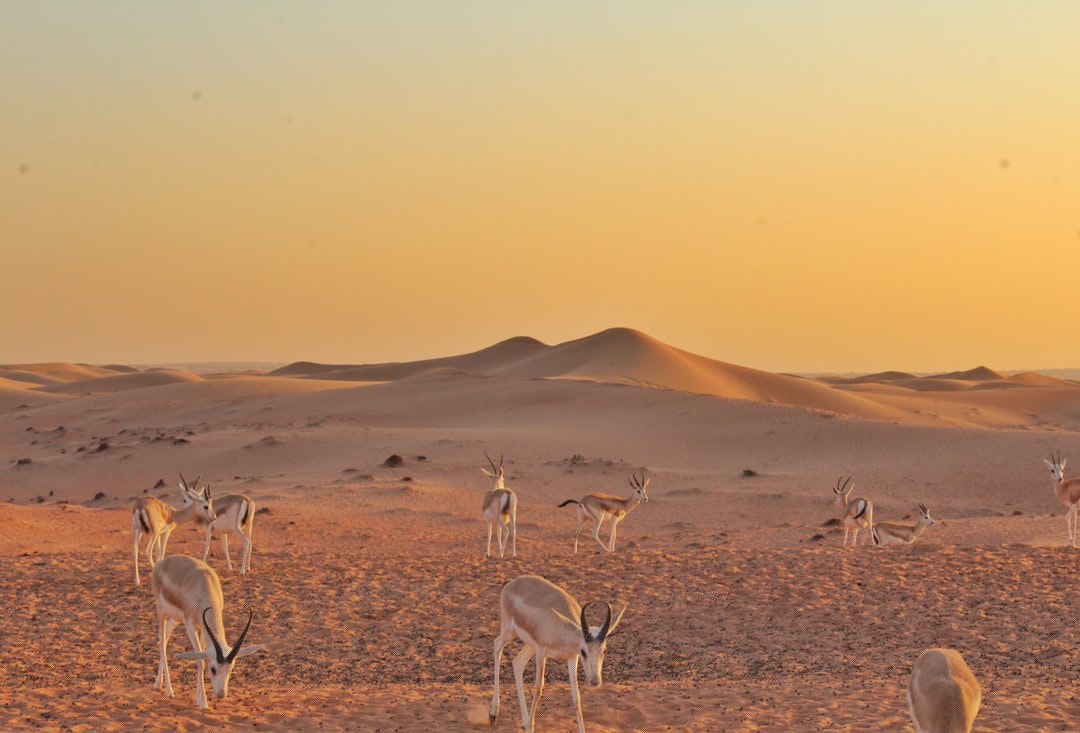
Wildlife brings more than just beauty—it can bring business. In parts of Europe where lynx or wolves have returned, ecotourism has flourished. Visitors flock to see paw prints in the snow or hear a distant howl. In Scotland and Wales, rewilding projects have already sparked local economies, drawing birdwatchers, hikers, and families with a taste for adventure. But there’s a risk: over-promising or mismanaging wildlife tourism could backfire, disturbing animals or disappointing visitors. Success depends on careful planning and honest storytelling.
Learning from Europe: Successes and Setbacks
The UK isn’t alone in dreaming of wild returns. Across Europe, more than 50 lynx populations have been reestablished, and wolves have spread naturally into countries like France and the Netherlands. These reintroductions haven’t been without problems—there have been livestock attacks, public protests, and political battles. But in many places, wildlife and people have found a new balance. These stories offer both cautionary tales and blueprints for British rewilding, showing that patience and flexibility are key.
Habitat: Is Britain Wild Enough?
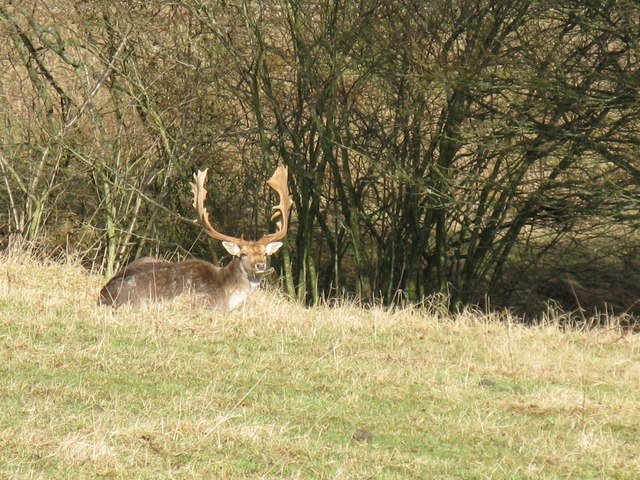
One of the biggest questions is whether the UK still has enough wild space for large animals. Centuries of farming, industry, and urban growth have fragmented forests and grasslands. But there are glimmers of hope: large national parks in Scotland, remote Welsh valleys, and ambitious rewilding estates like Knepp in Sussex. Creating wildlife corridors—green highways linking isolated habitats—could give animals room to roam. Restoring lost woodlands and meadows is a massive job, but every new tree and wildflower counts.
The Science of Reintroduction: Not Just Wishful Thinking
Rewilding isn’t a leap in the dark—it’s grounded in science. Ecologists use models to predict how reintroduced animals will behave, where they’ll roam, and what impact they’ll have. They tag and track animals, monitor plant growth, and measure changes in insect numbers. The data can be surprising: in Poland, lynx helped forests recover faster than expected, while in Italy, wolves avoided towns and stuck to wild areas. Good science means mistakes can be caught early, and successes can be celebrated.
Genetics and Animal Welfare: Getting It Right
Bringing back a species isn’t as simple as opening a cage. Conservationists must choose animals with healthy, diverse genes to avoid inbreeding problems. They need to make sure animals are fit for the wild—able to hunt, hide, and survive harsh weather. Sometimes, young bison or lynx are raised in semi-wild enclosures before release, learning the skills they need from their mothers. Animal welfare is at the heart of every step, and mistakes can mean heartbreak for both people and wildlife.
Regulation and Red Tape: The Legal Labyrinth
Reintroducing wolves or lynx isn’t just a matter of dumping them in the woods. The UK has strict laws about wildlife management, animal welfare, and land use. Projects must win approval from government and conservation agencies, consult with local communities, and plan for every possible problem. Public inquiries, environmental impact assessments, and risk analyses can take years. Critics say the rules can be stifling, but supporters argue they protect both people and animals from rushed decisions.
Climate Change: A New Wild Card
The world is warming, and Britain’s landscapes are changing faster than ever. Climate change brings new challenges for both wildlife and people—drought, floods, shifting forests, and disappearing species. Yet rewilding could make ecosystems more resilient, giving them the strength to survive and adapt. Wolves, lynx, and bison all thrive in diverse habitats, shaping the land in ways that help other species cope with change. In a world of uncertainty, wild animals could become unexpected allies.
Cultural Shifts: Rewilding the Mind
Perhaps the biggest change isn’t on the land, but in our hearts. For centuries, British culture has been about taming the wild, bending nature to human will. Now, a new generation is questioning that story. Young people, inspired by David Attenborough and Greta Thunberg, are demanding more wildness, more wonder. Artists, writers, and filmmakers are reimagining the countryside with wolves and bison as heroes, not villains. The reintroduction debate is reshaping not just landscapes, but imaginations.
Risks and Unknowns: Embracing Uncertainty

No revolution comes without risk. Reintroducing large animals means accepting some uncertainty—about how they’ll behave, what they’ll eat, and how people will respond. There are fears about disease, road accidents, or predators wandering into towns. Yet, living with risk is part of the wild bargain. Carefully designed pilot projects, ongoing research, and honest communication can help manage the unknowns. Sometimes, the only way to learn is by trying—and being ready to adapt.
Voices from the Wild: Stories of Hope and Challenge
Visit the Knepp Estate in Sussex and you’ll hear nightingales singing where cattle once grazed. In Scotland’s Highlands, landowners are planting trees, rewetting bogs, and dreaming of lynx. In Kent, children gasp as they spot bison tracks in the mud. These stories are more than anecdotes—they are living proof that change is possible, even in the most unlikely places. At the same time, there are setbacks, disappointments, and hard lessons. The reintroduction revolution is a journey, not a destination.
Education and Engagement: Bringing Everyone Along
If the rewilding revolution is to succeed, it needs everyone—farmers, townsfolk, schoolchildren, and skeptics. Education is key. School programs, wildlife safaris, and community events can turn fear into fascination. Social media spreads stories and photos, making wild animals feel closer than ever. But true engagement means listening as well as teaching—hearing the doubts, worries, and hopes of every stakeholder. Only by building trust can rewilding move from an idea to a reality.
Technology and Innovation: Tools for a Wilder Future
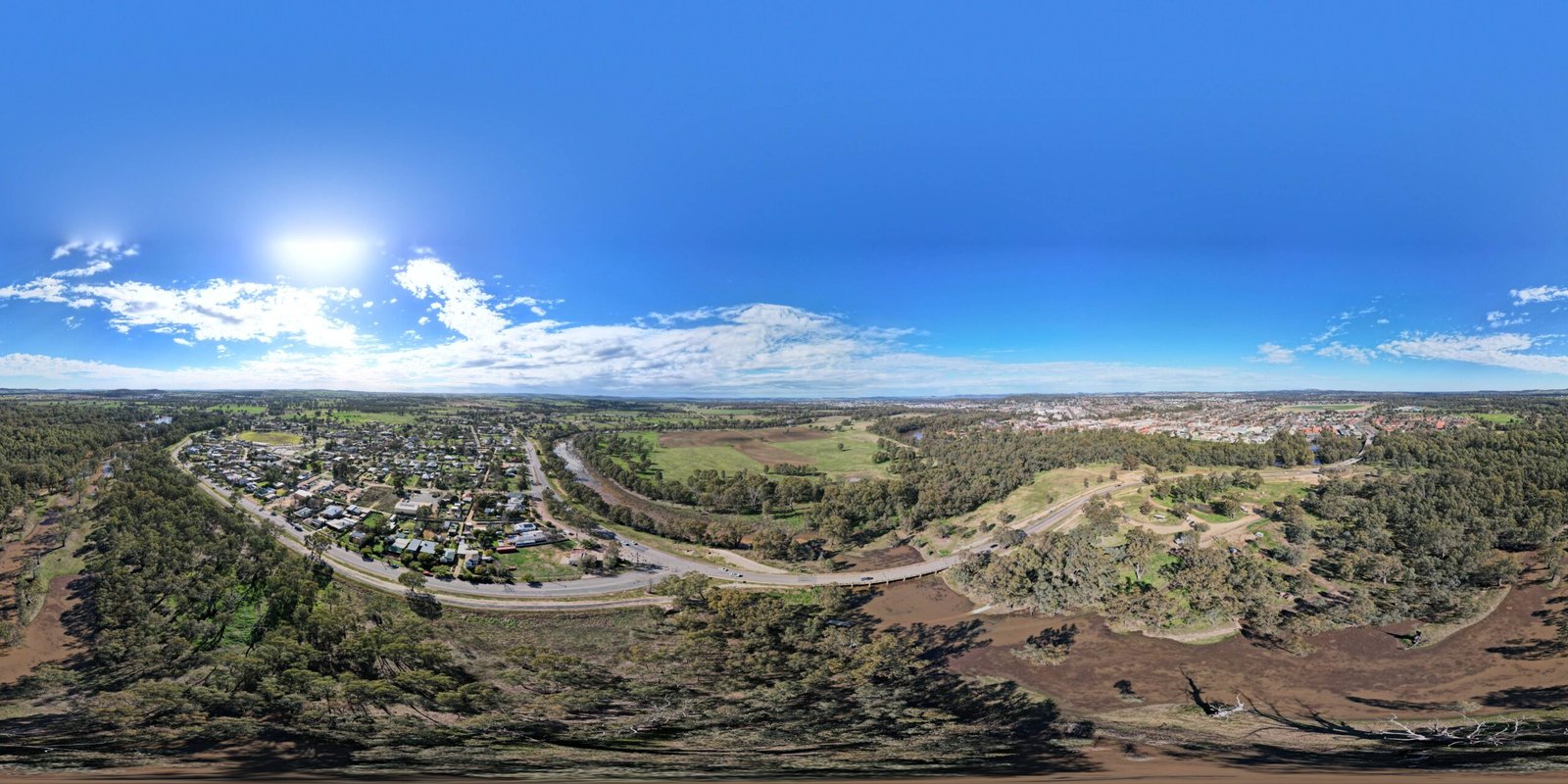
Drones monitor bison herds from above. GPS collars track the secret lives of lynx. Apps let hikers report wildlife sightings or help with habitat restoration. New technology is transforming conservation, making it possible to gather data, solve problems, and tell stories like never before. But technology is only a tool—what matters most is the vision behind it. Used wisely, these innovations can help bridge the gap between wild animals and the people who share their world.
Looking Forward: A Land Changed Forever?
The question isn’t just whether we can bring back lynx, wolves, or bison—it’s whether we should. The reintroduction revolution asks us to imagine a new relationship with the land, one that honors both history and hope. It means accepting complexity, compromise, and a touch of wild magic. As Britain stands at this crossroads, the decision will shape generations to come. If you walked through a British wood and saw a lynx’s pawprint, would you feel fear, awe, or a bit of both?