Imagine a world where life looked nothing like today—where bizarre, alien-like creatures swam through ancient seas, and nature’s wildest experiments flourished. That world is not a distant fantasy; it’s carefully preserved in the towering mountains of British Columbia, tucked away in rocks over half a billion years old. The Burgess Shale isn’t just a fossil site—it’s a portal into the Cambrian explosion, a time when life’s diversity exploded in ways that still leave scientists awestruck. If you’ve ever wondered what Earth’s earliest animals really looked like, or how evolution first spun its wheel of creativity, the Burgess Shale is your backstage pass to one of nature’s greatest shows.
A Geological Treasure Hidden in the Rockies
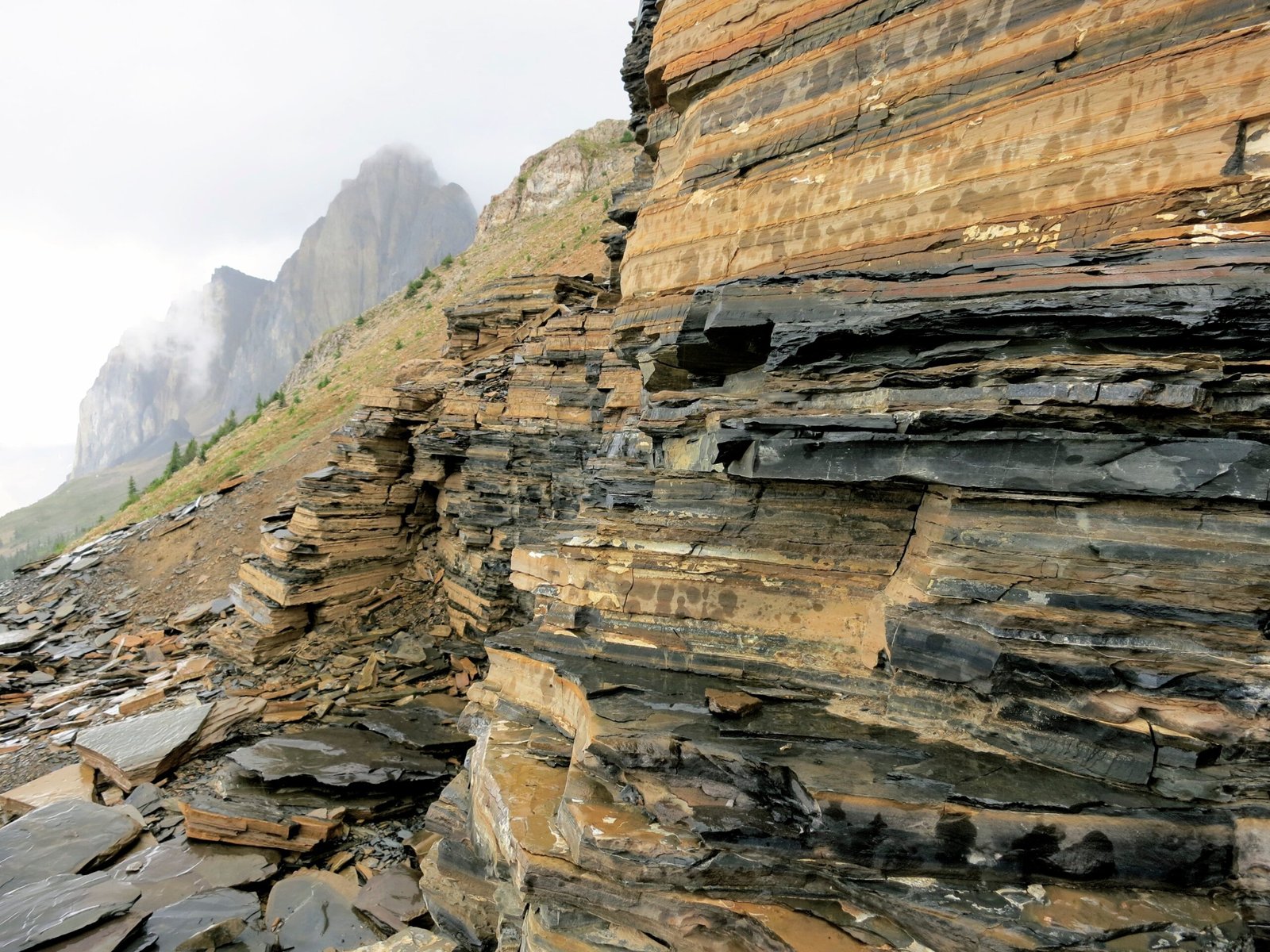
The Burgess Shale sits high in the Canadian Rockies, far from the ocean that once covered it. In the early 20th century, paleontologists stumbled upon this treasure chest of fossils, not realizing at first how extraordinary their find was. Layers of shale rock, stacked like the pages of an ancient book, hold the remains of creatures long extinct. These rocks date back about 508 million years, to a period known as the Middle Cambrian. The area’s dramatic uplift, thanks to mountain-building forces, eventually brought these secrets to light, allowing scientists to uncover a story written in stone. It’s almost poetic—ancient seabeds now soaring above the clouds.
The Cambrian Explosion: Evolution’s Big Bang
The Burgess Shale’s greatest claim to fame is its window into the Cambrian explosion, a period when life on Earth diversified at a pace never seen before or since. Before this era, most living things were simple and small. Suddenly, in a geologic blink, complex creatures with eyes, legs, and armor appeared. The Burgess Shale captures this moment of experimentation, showing us animals with body plans so strange that many seem like science fiction. The sheer diversity is staggering—sponges, worms, arthropods, and completely unique body forms that defy modern categories. The Cambrian explosion is often called evolution’s “Big Bang,” and the Burgess Shale is its fossilized snapshot.
Unraveling the Mystery of Exceptional Preservation
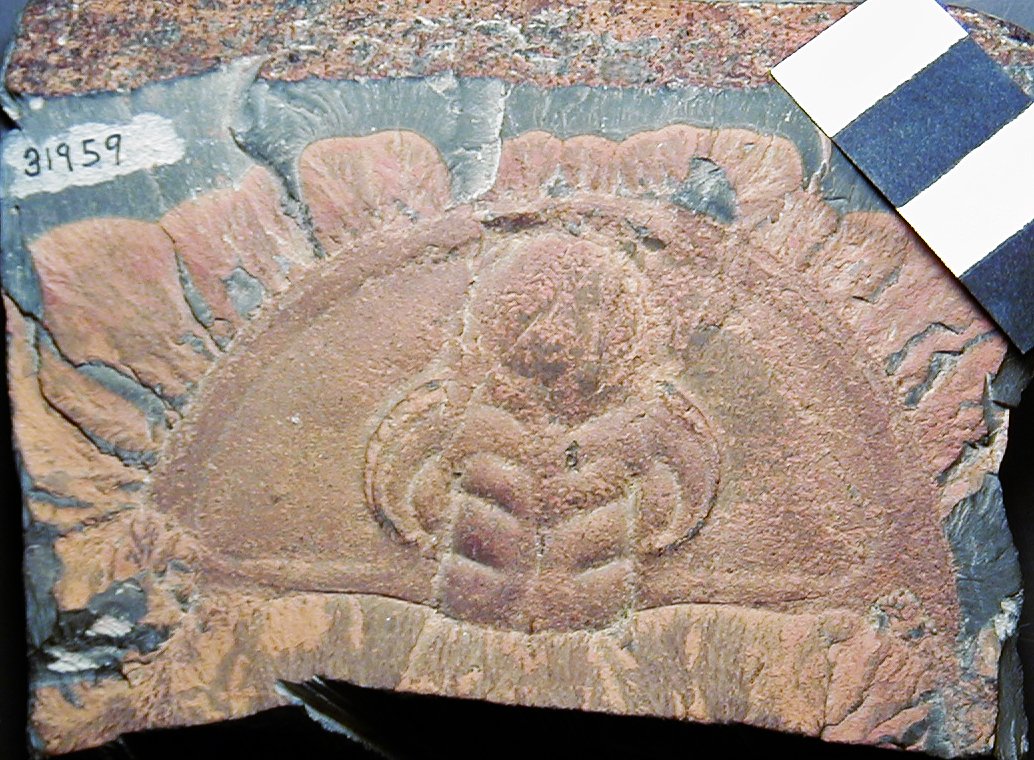
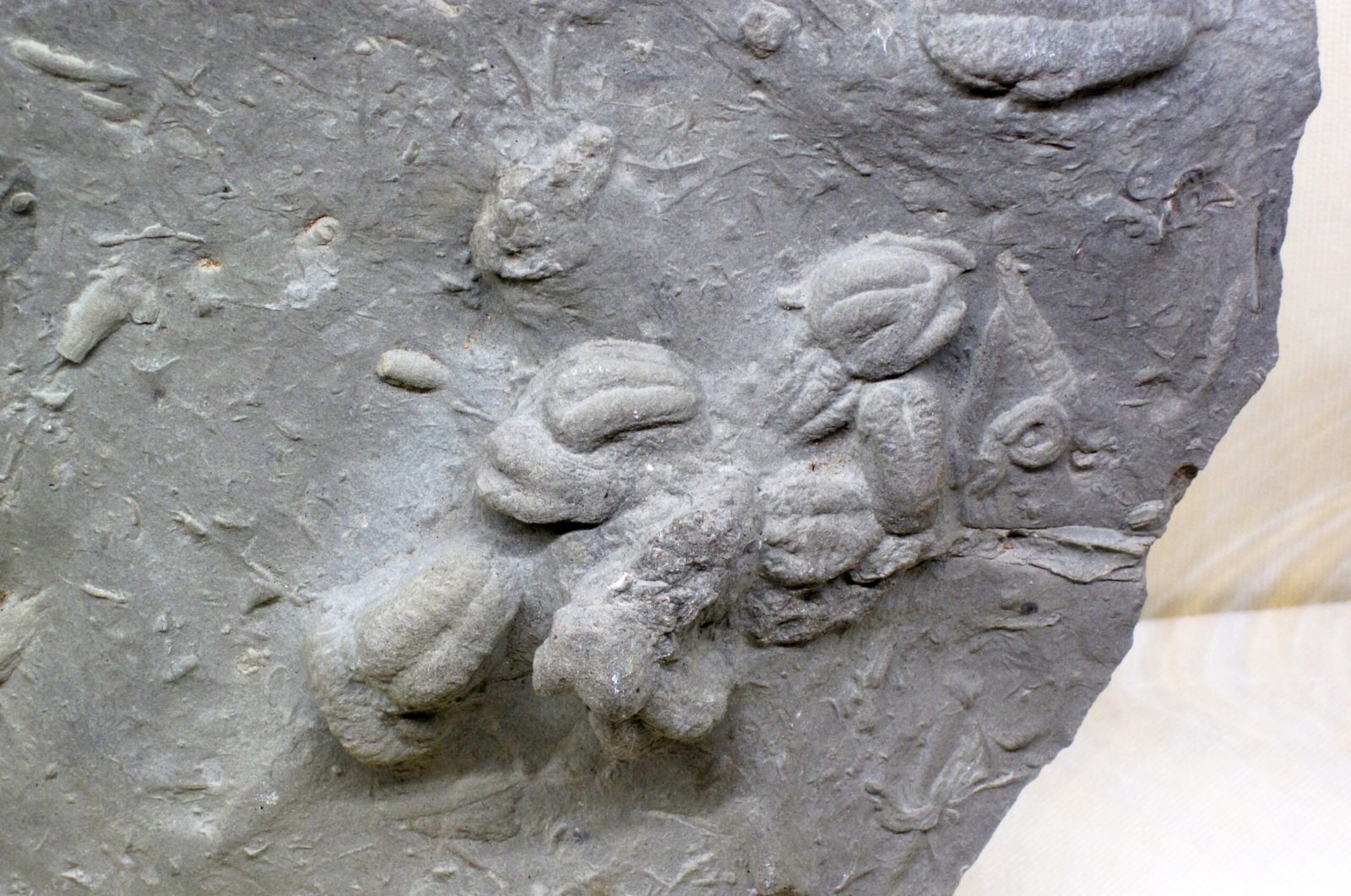
One of the most astonishing features of the Burgess Shale is the way it preserved even the softest parts of its creatures. Ordinarily, soft tissues rot away quickly, leaving only bones or shells behind. But here, rapid underwater mudslides buried animals so quickly that oxygen couldn’t reach them, halting decay. Fine-grained mud captured every detail—muscles, guts, even eyeballs—like a prehistoric photograph. This exceptional preservation lets scientists reconstruct ancient animals in incredible detail, revealing anatomy that would have otherwise vanished forever. It’s as if time itself decided to pause and let us peek into a world long gone.
Charles Doolittle Walcott: The Man Behind the Discovery
The story of the Burgess Shale would be incomplete without Charles Doolittle Walcott, the American paleontologist who first recognized its importance in 1909. Hiking through the Rocky Mountains, Walcott found strange fossils unlike any he had seen before. He spent years painstakingly collecting and cataloging thousands of specimens, often accompanied by his family. Walcott’s meticulous work laid the foundation for decades of research, though many of his interpretations would later be challenged as new techniques emerged. His legacy endures, both in the fossils he unearthed and in the curiosity he sparked for generations of scientists.
A Gallery of Prehistoric Oddities
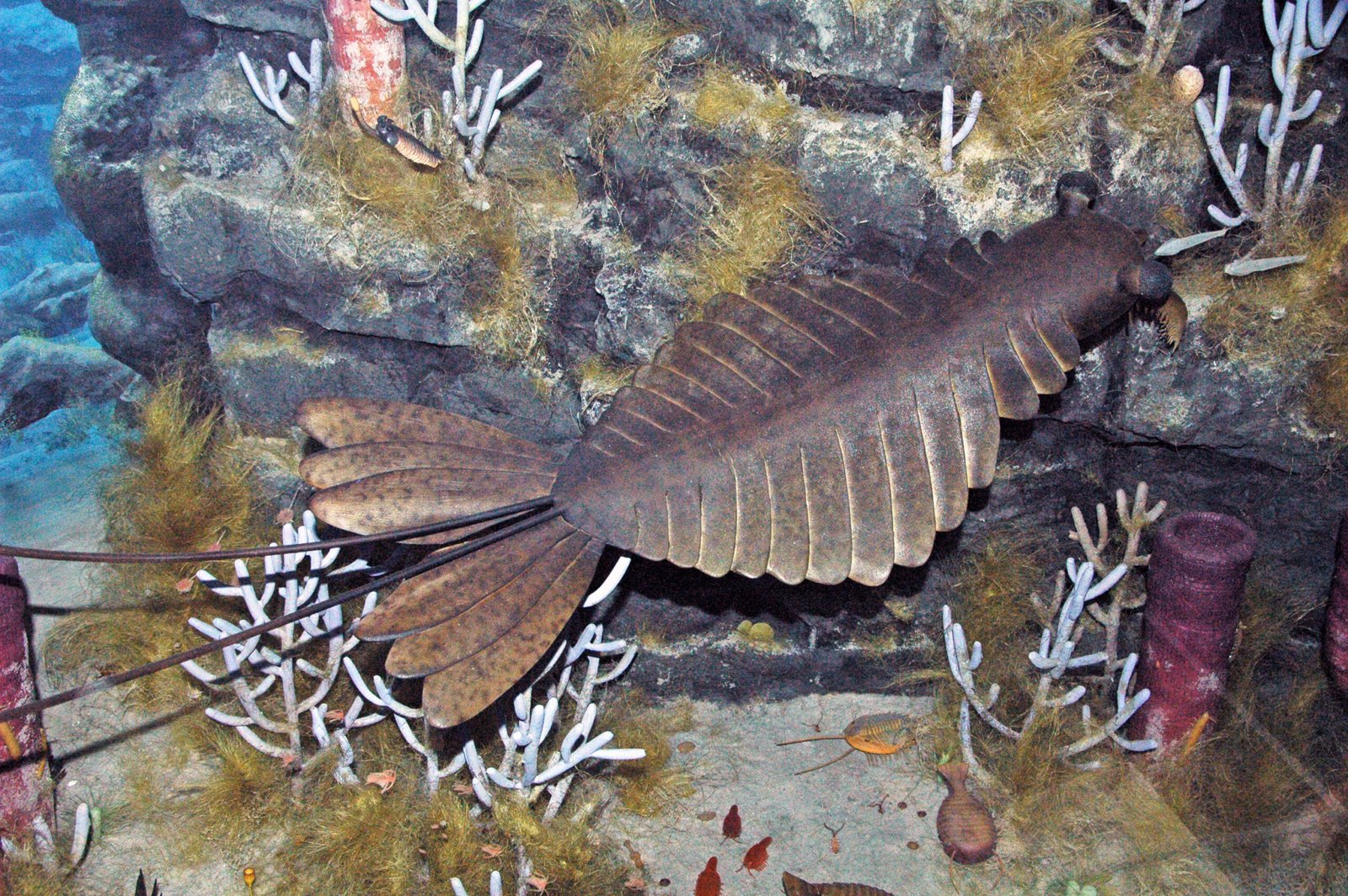
Open the pages of the Burgess Shale, and you’ll meet creatures so odd they seem to come from another planet. There’s Hallucigenia, a spiny worm that walks on stilts; Anomalocaris, a predator with eyes on stalks and spiked graspers; and Opabinia, with five eyes and a vacuum-like nozzle for a mouth. These animals don’t fit neatly into our modern classification system. Some look like nightmares, others like cartoons—each a testament to evolution’s creativity. The Burgess Shale is a showcase of life’s experiments, some successful, others evolutionary dead ends.
The Puzzle of Hallucigenia
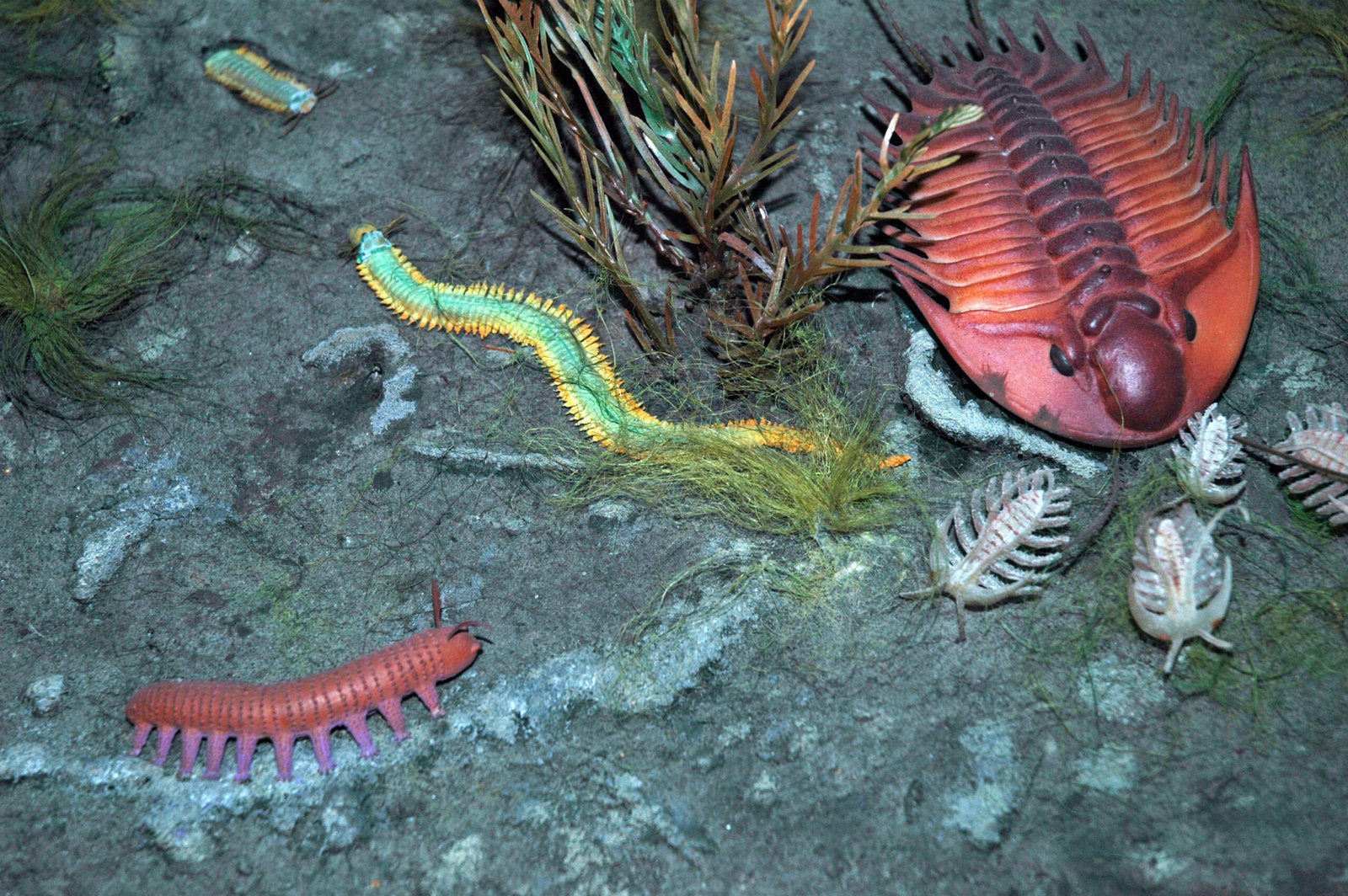
Hallucigenia is perhaps the most bewildering animal in the Burgess Shale. For years, scientists couldn’t even figure out which way was up or down. Was it walking on its spines, or did those spines protect its back? With its worm-like body and rows of spikes, Hallucigenia looks like something out of a fever dream. Only recently, with new fossil scans, did researchers understand its true anatomy—a reminder that even after a century, these fossils keep surprising us. Hallucigenia’s strange design challenges our ideas of what an animal can be, and its name says it all: it truly is a “hallucination” from the past.
Anomalocaris: The Top Predator of Its Time
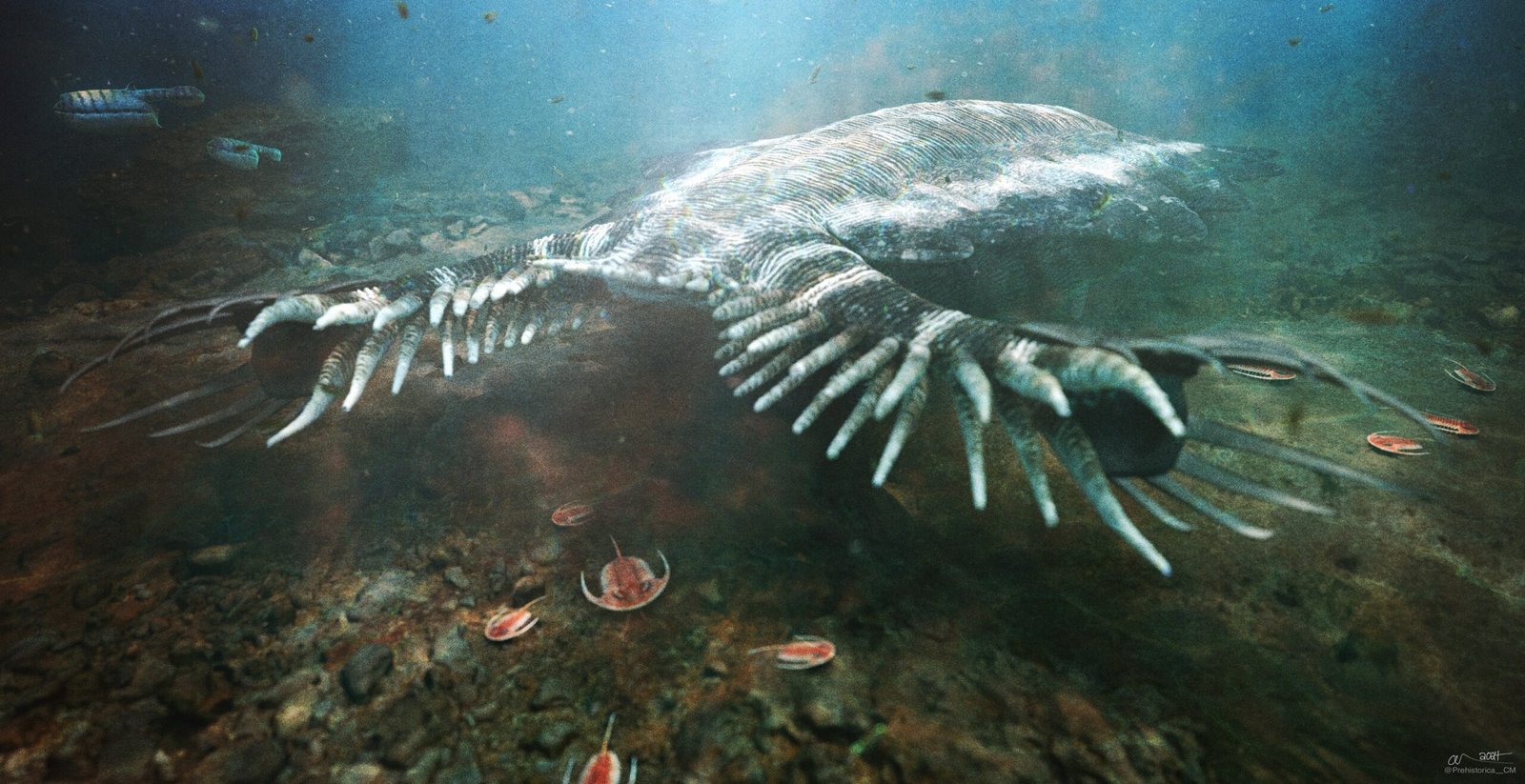
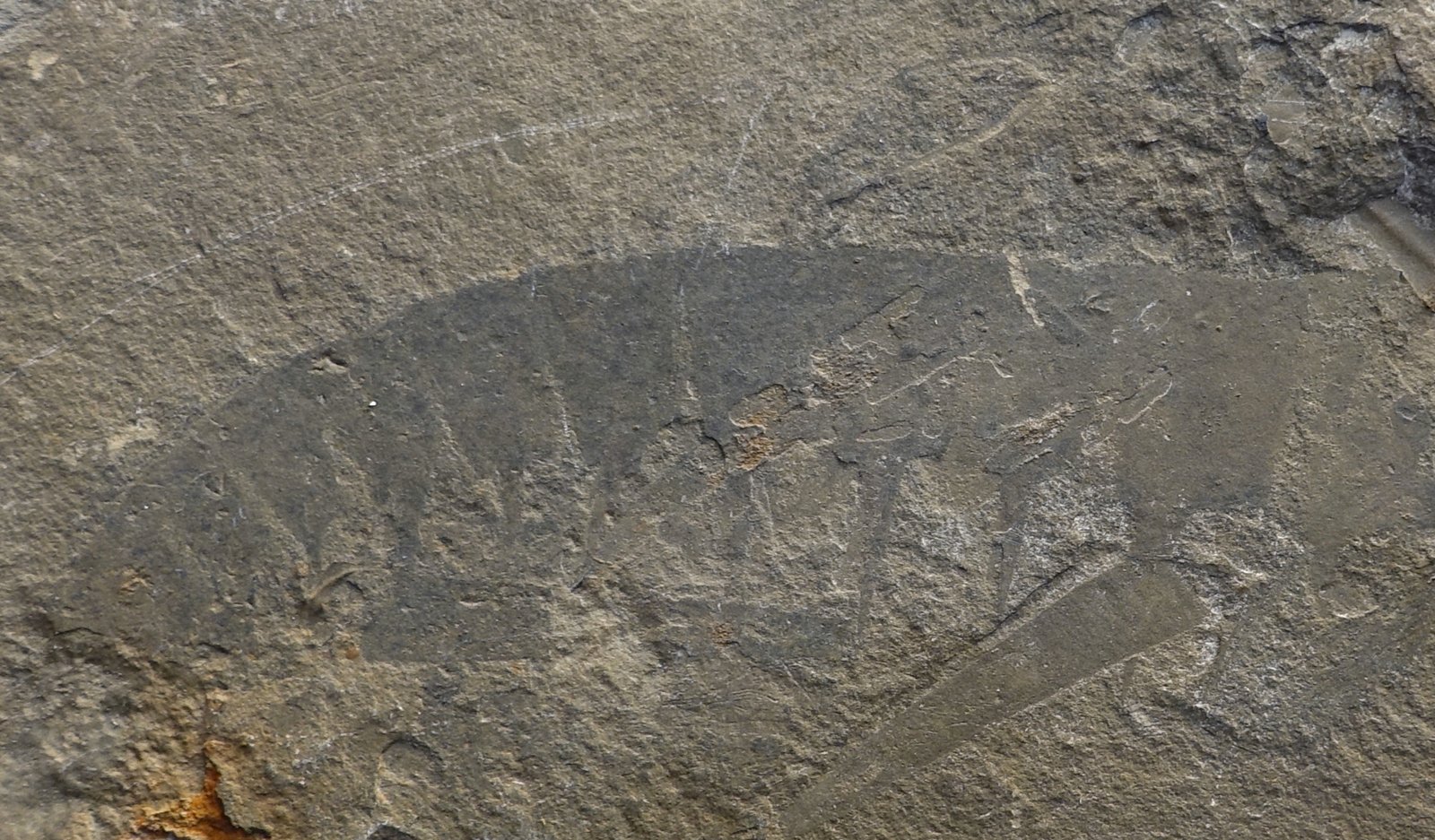
Imagine a creature that dominated its environment with speed, size, and weirdness. That’s Anomalocaris, which means “odd shrimp.” At over half a meter long, it was a giant among its peers. It hunted with spiny, grasping arms and a circular, serrated mouth—like a living blender. With eyes perched atop stalks, Anomalocaris could scan the ocean for prey, making it the terror of the Cambrian seas. For years, scientists thought its parts belonged to different animals, until they realized they all fit together into this one, bizarre predator. It’s a reminder that top predators have always pushed the boundaries of what’s possible.
Opabinia: Five Eyes and a Flexible Snout
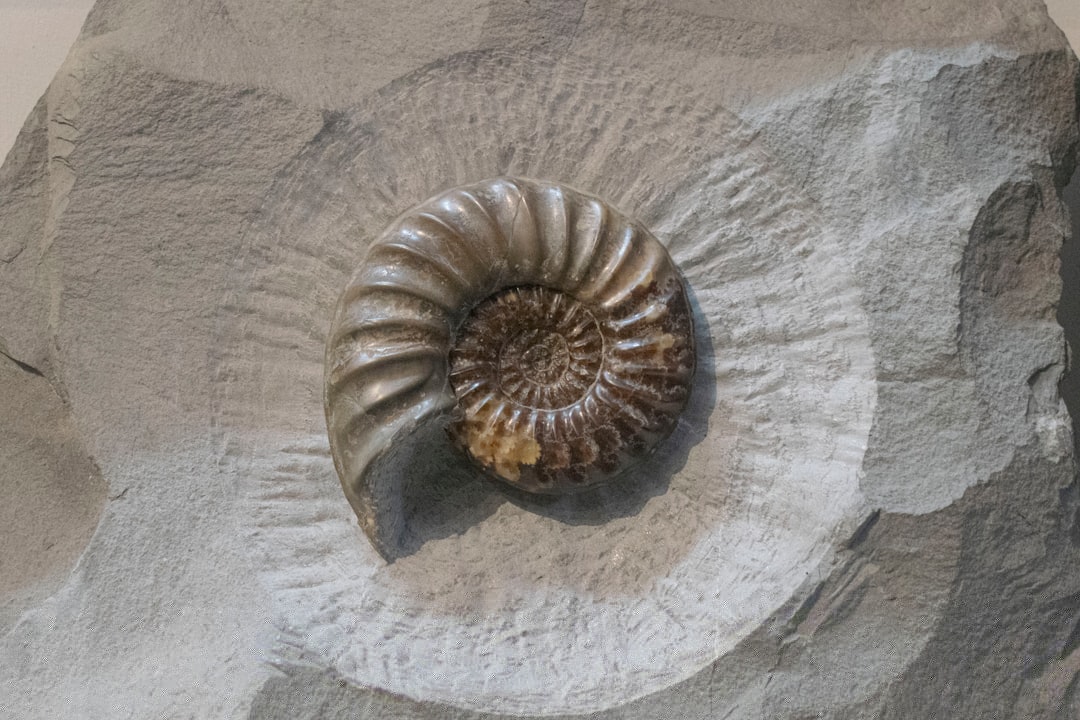
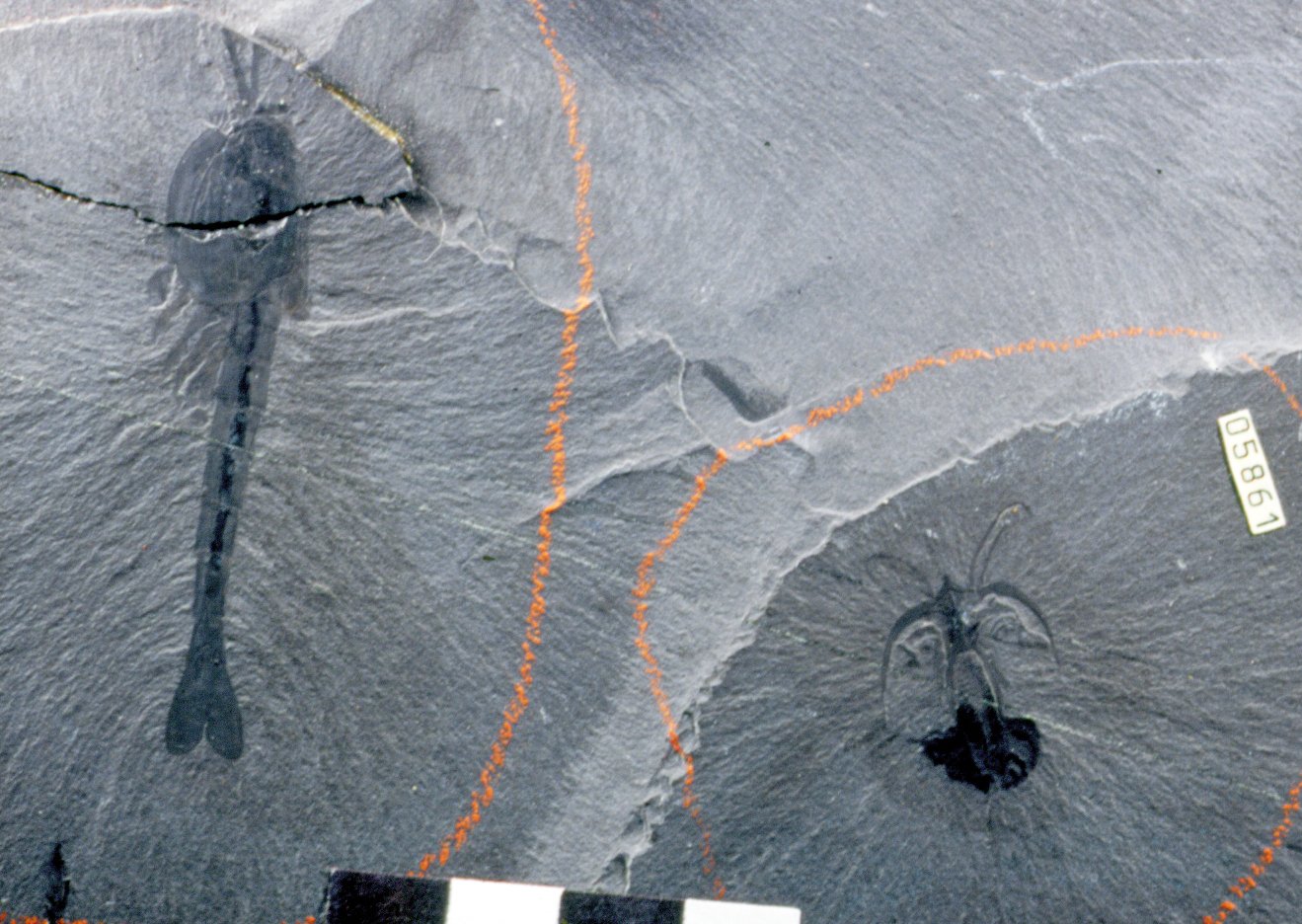
No animal today looks quite like Opabinia, one of the Burgess Shale’s most iconic residents. Its body was segmented and flattened, ideal for scooting along the seafloor. But what really sets Opabinia apart are its five eyes—yes, five—and a long, flexible proboscis ending in a claw. Imagine a vacuum cleaner crossed with a crab, and you’re getting close. Scientists still debate how Opabinia lived or what it ate, but it’s clear that evolution was trying out some wild shapes. This animal’s odd design fascinates researchers and makes it a favorite among fossil fans.
Marrella: The “Lace Crab” That Defies Classification
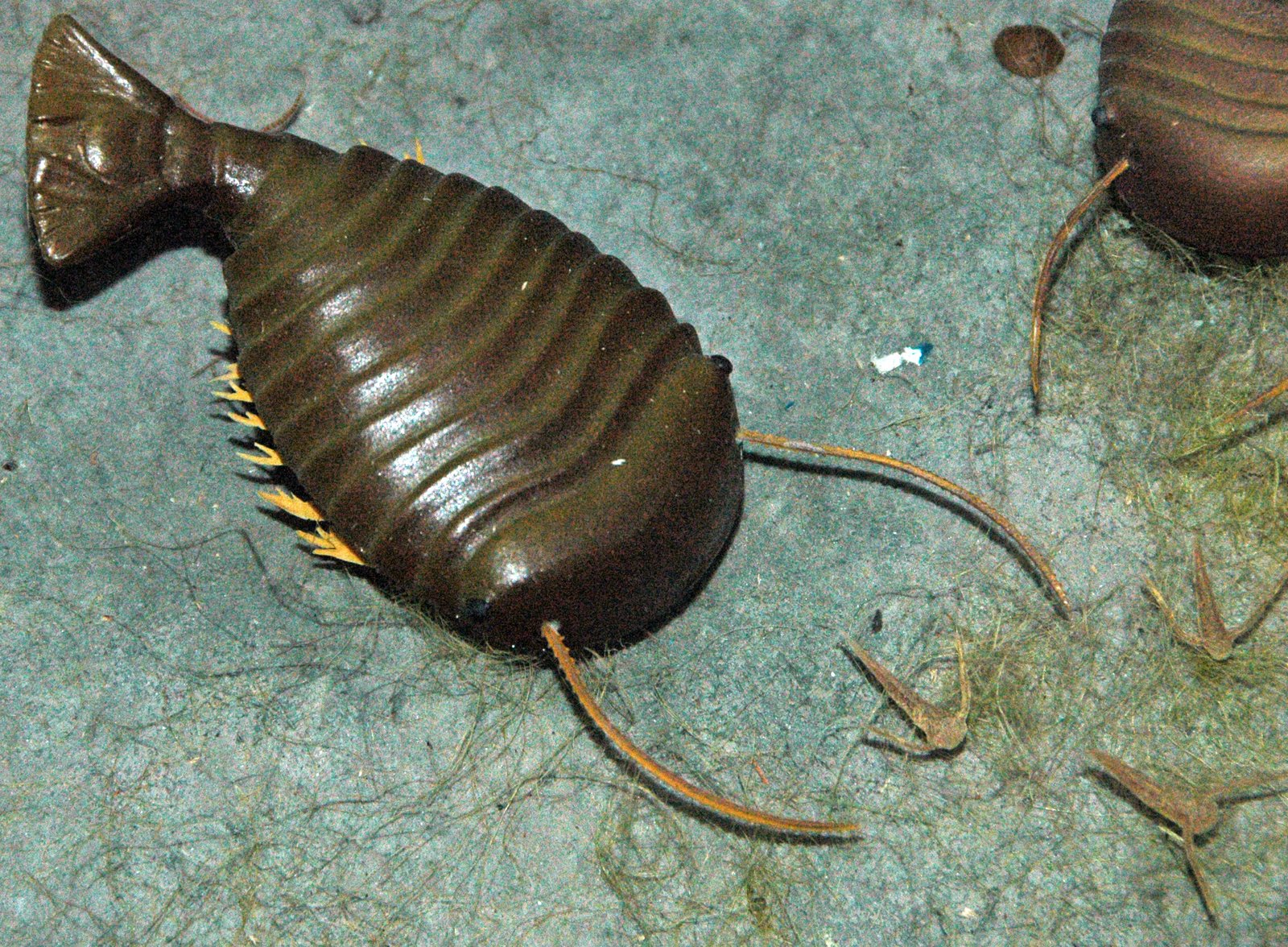
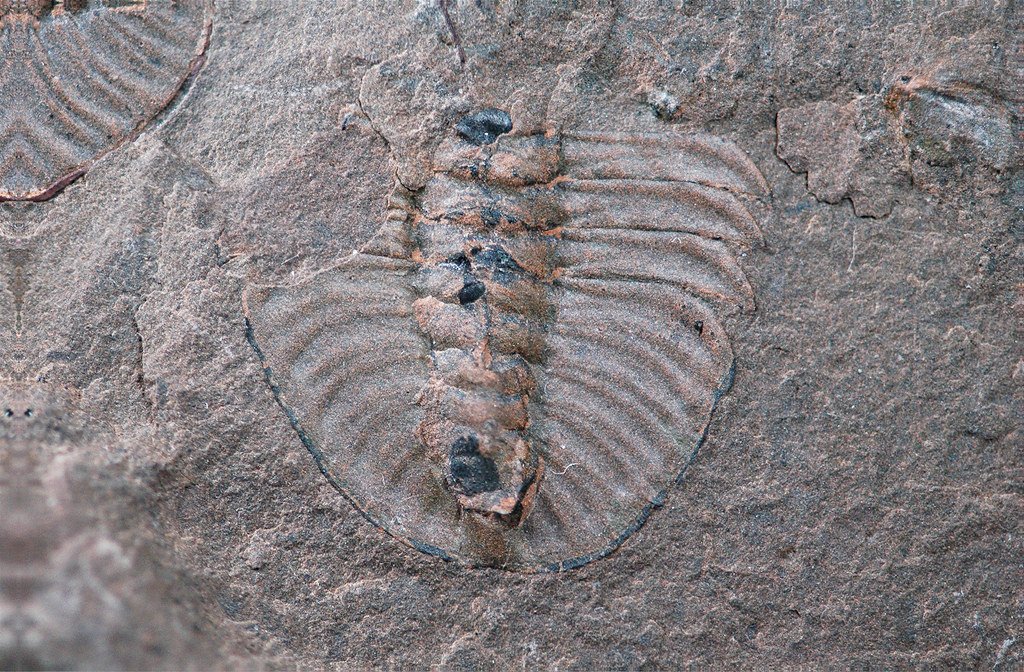
Marrella, sometimes called the “lace crab,” is one of the most abundant fossils in the Burgess Shale. Despite its abundance, it doesn’t fit into any modern group of arthropods. With its intricate head spines, delicate limbs, and segmented body, Marrella looks delicate yet alien. Scientists have spent years trying to place it on the tree of life, but it stubbornly resists easy classification. Its beauty and mystery have made it a symbol of the Burgess Shale’s enigma—a reminder that not all of evolution’s branches led to familiar forms.
Wiwaxia: A Living Armored Blanket
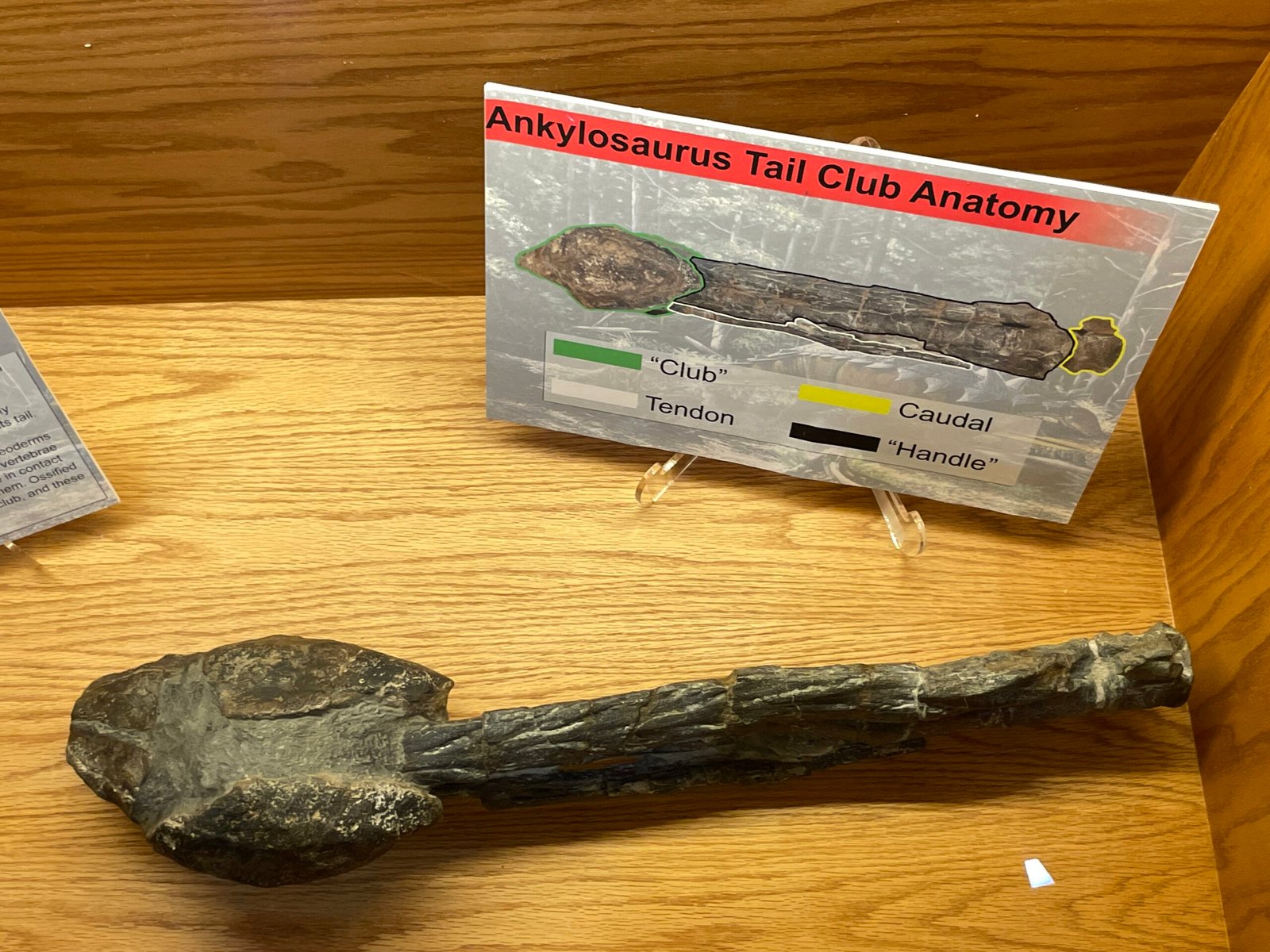
Picture a soft-bodied animal covered in overlapping scales and long, fearsome spines—this is Wiwaxia. Resembling a cross between a slug and a medieval weapon, Wiwaxia likely crawled along the seafloor, using its armor for protection from predators. Its mouthparts were adapted for scraping food from rocks, hinting at its lifestyle. Scientists still debate whether Wiwaxia is related to mollusks or annelid worms, but its unique appearance makes it a standout among the Burgess Shale’s cast of characters. It’s an excellent example of how ancient animals armed themselves in the struggle for survival.
The Enigmatic Pikaia: Early Chordate Clues
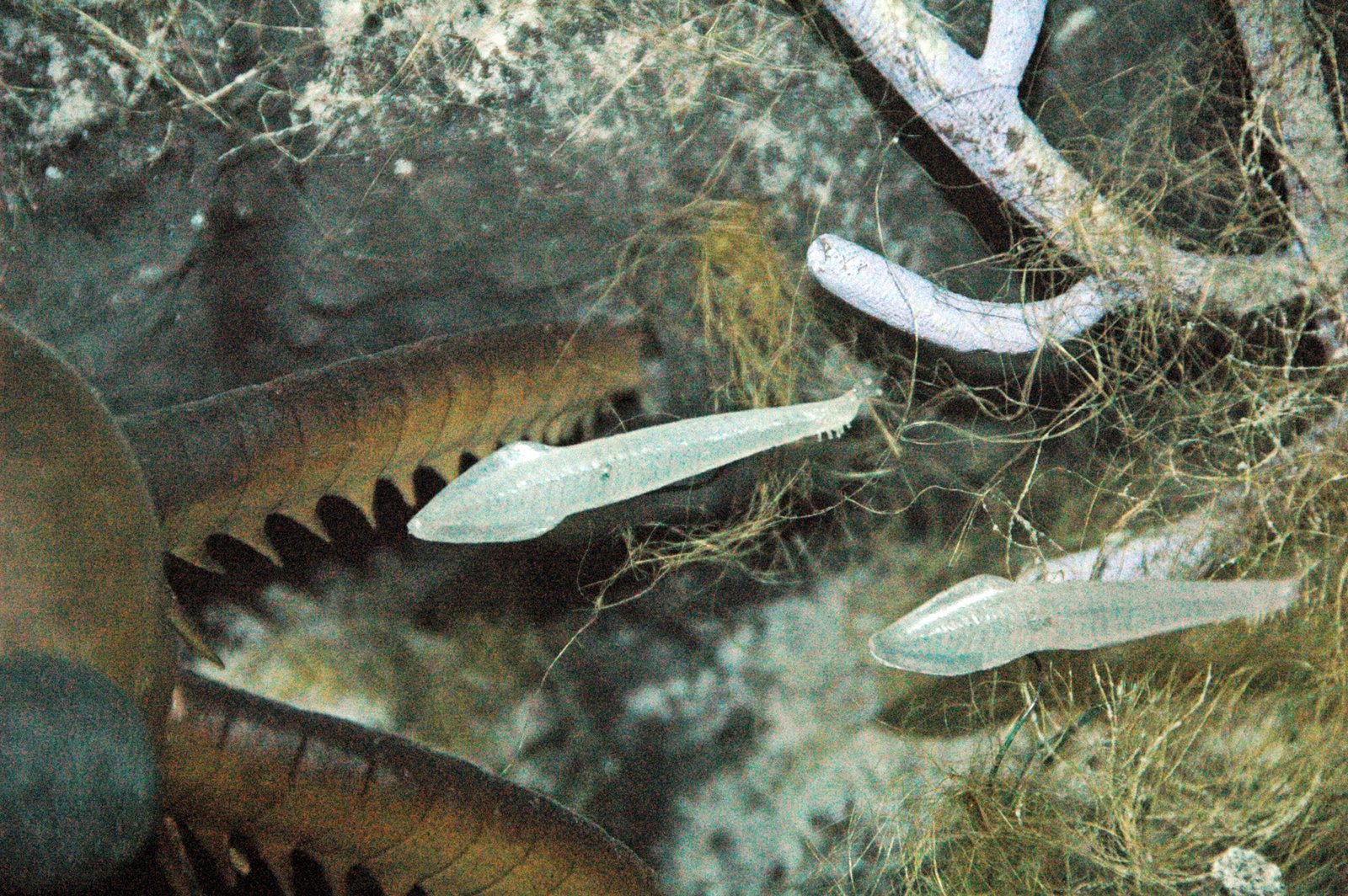
Among all the oddities, Pikaia holds a special place for anyone interested in human ancestry. This small, fish-like animal is one of the earliest known chordates—creatures with a notochord, the precursor to our own spinal columns. Pikaia’s discovery suggests the roots of our lineage stretch back to the Cambrian seas. It had a simple, flexible body and a muscle structure that hints at the first steps toward more complex vertebrates. In a way, Pikaia is a distant cousin of every creature with a backbone, making the Burgess Shale personally relevant to all of us.
Soft-Bodied Preservation: Unlocking Ancient Anatomy
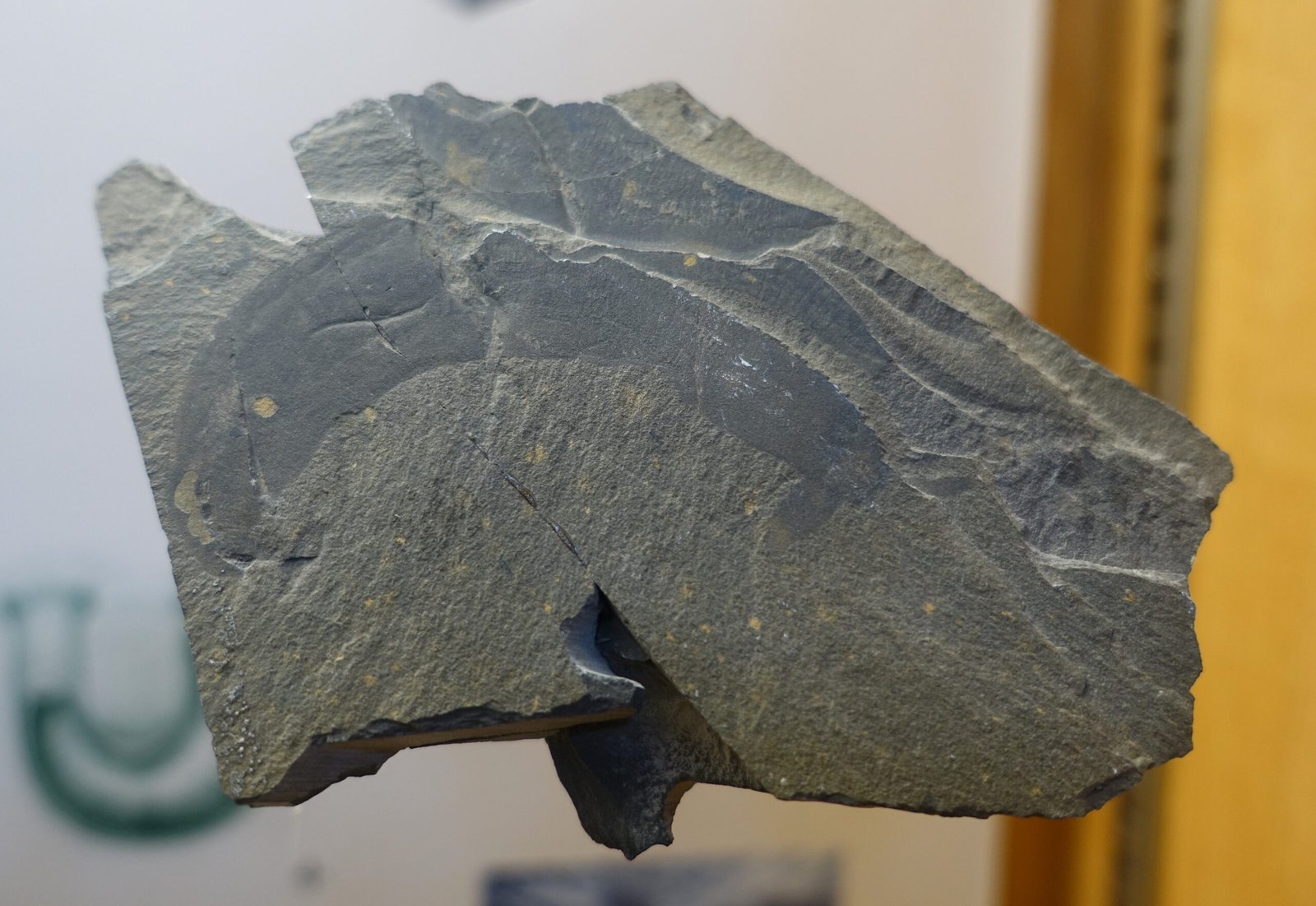
The Burgess Shale’s unique preservation isn’t just a lucky accident; it’s a scientific goldmine. Soft tissues—muscles, digestive tracts, even nervous systems—are rarely fossilized. Here, they’re so well preserved that researchers can study them under microscopes, reconstructing how these animals moved, fed, and sensed their world. This level of detail is almost unheard of in paleontology. It allows scientists to ask deeper questions about the evolution of organs and body plans, offering clues that skeletons alone can’t provide. The Burgess Shale turns ancient mud into a time capsule of biology.
Rewriting the Tree of Life
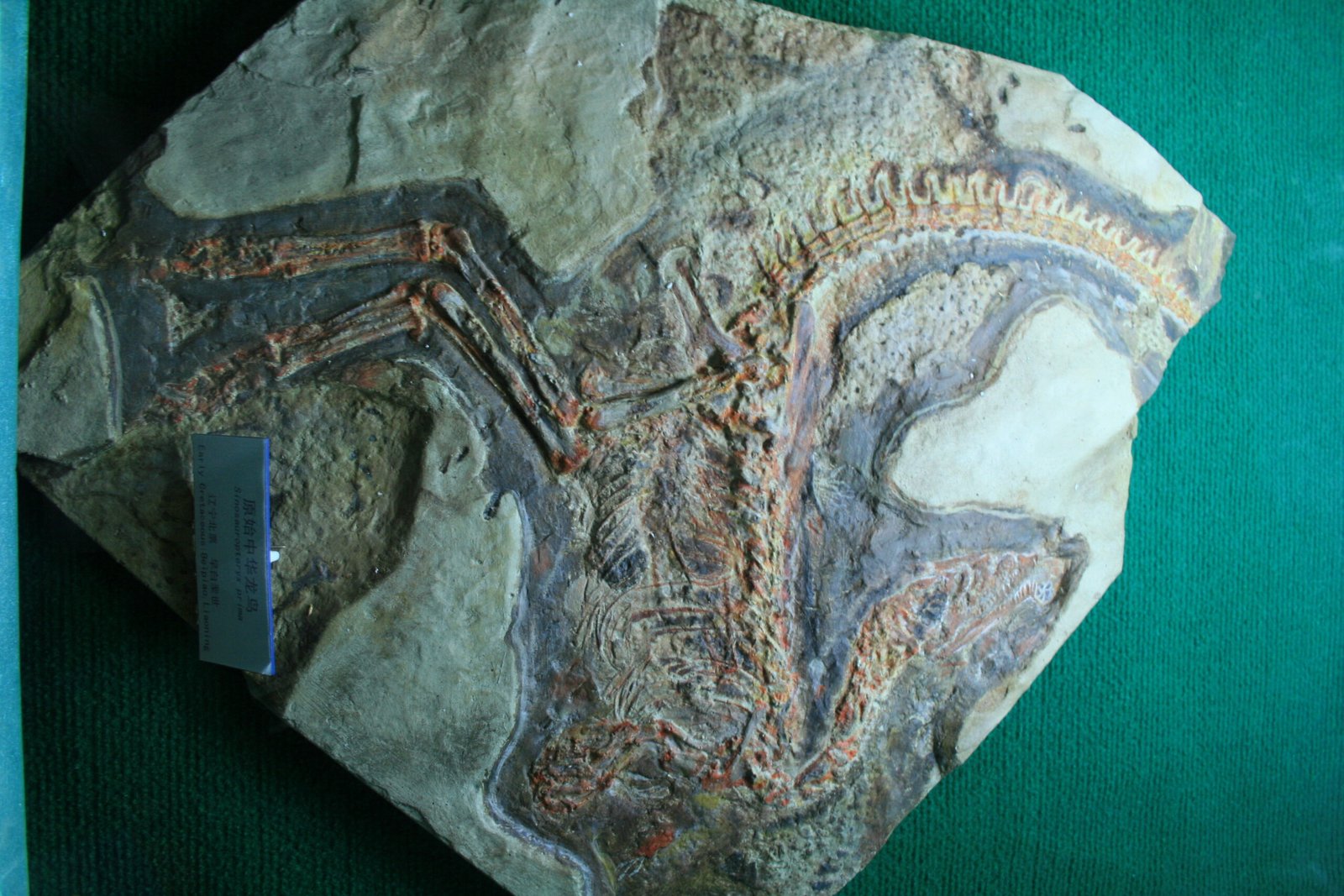
Discoveries from the Burgess Shale have forced scientists to rethink how animals are related. Many creatures found here don’t fit easily into modern categories—some are “stem groups,” ancestors of today’s animals, while others are evolutionary experiments that went extinct. The fossils challenge the idea that evolution is a straight line from simple to complex. Instead, life’s history is more like a tangled bush, with branches that twist, turn, and sometimes end abruptly. Every new find raises questions about where we came from and how life diversified so rapidly.
Modern Techniques Bring New Insights
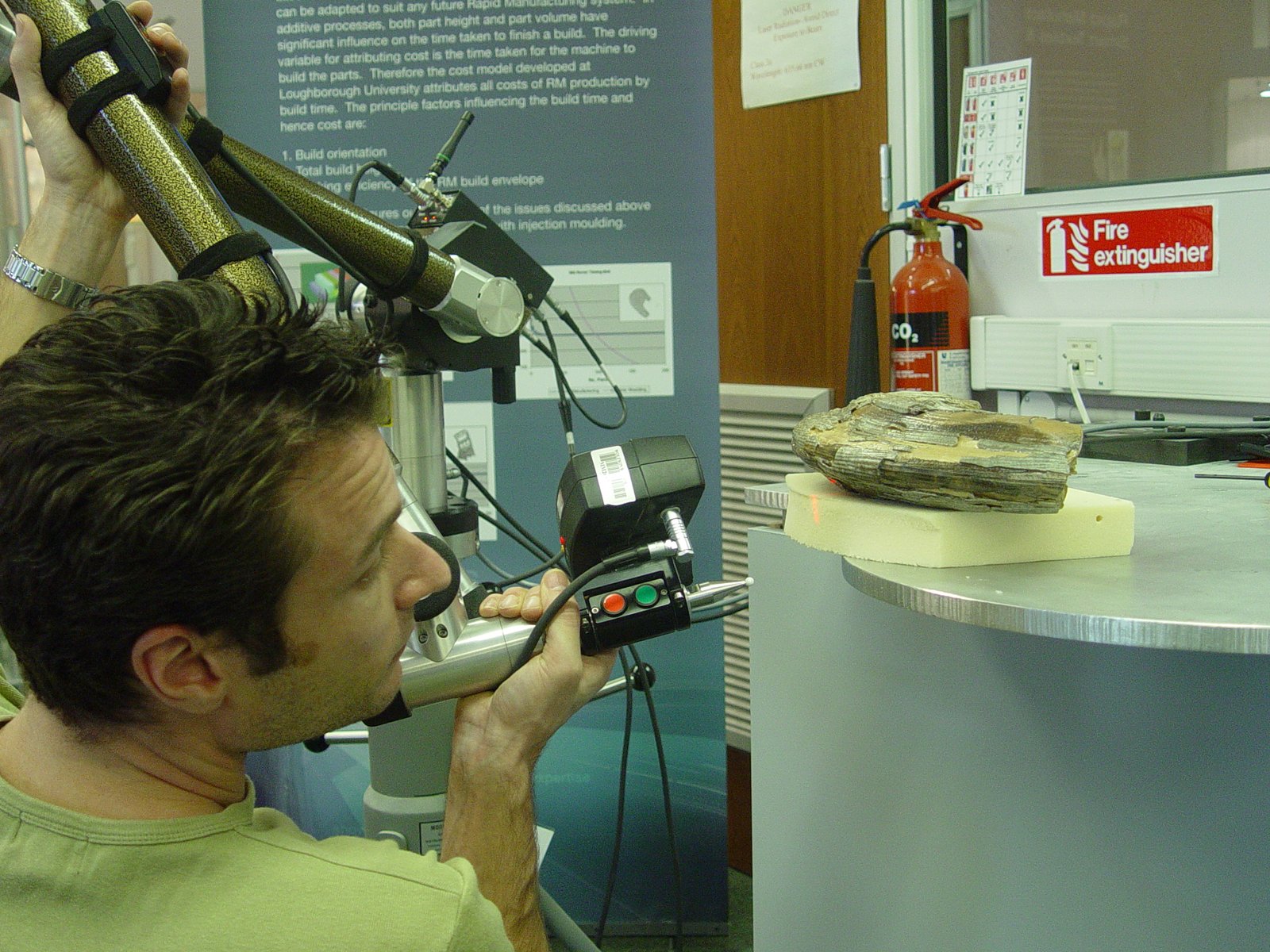
In recent years, advances in technology have breathed new life into Burgess Shale research. High-resolution imaging, scanning electron microscopes, and computer reconstructions let scientists see details that were once invisible. Digital models can reveal how muscles attached to skeletons or how eyes focused light. These techniques sometimes overturn old ideas—animals thought to be headless turn out to have hidden sensory organs, for example. As our tools improve, so does our understanding of this ancient world. It’s a reminder that science is always evolving, just like the creatures it studies.
Controversies and Debates: The Ongoing Story
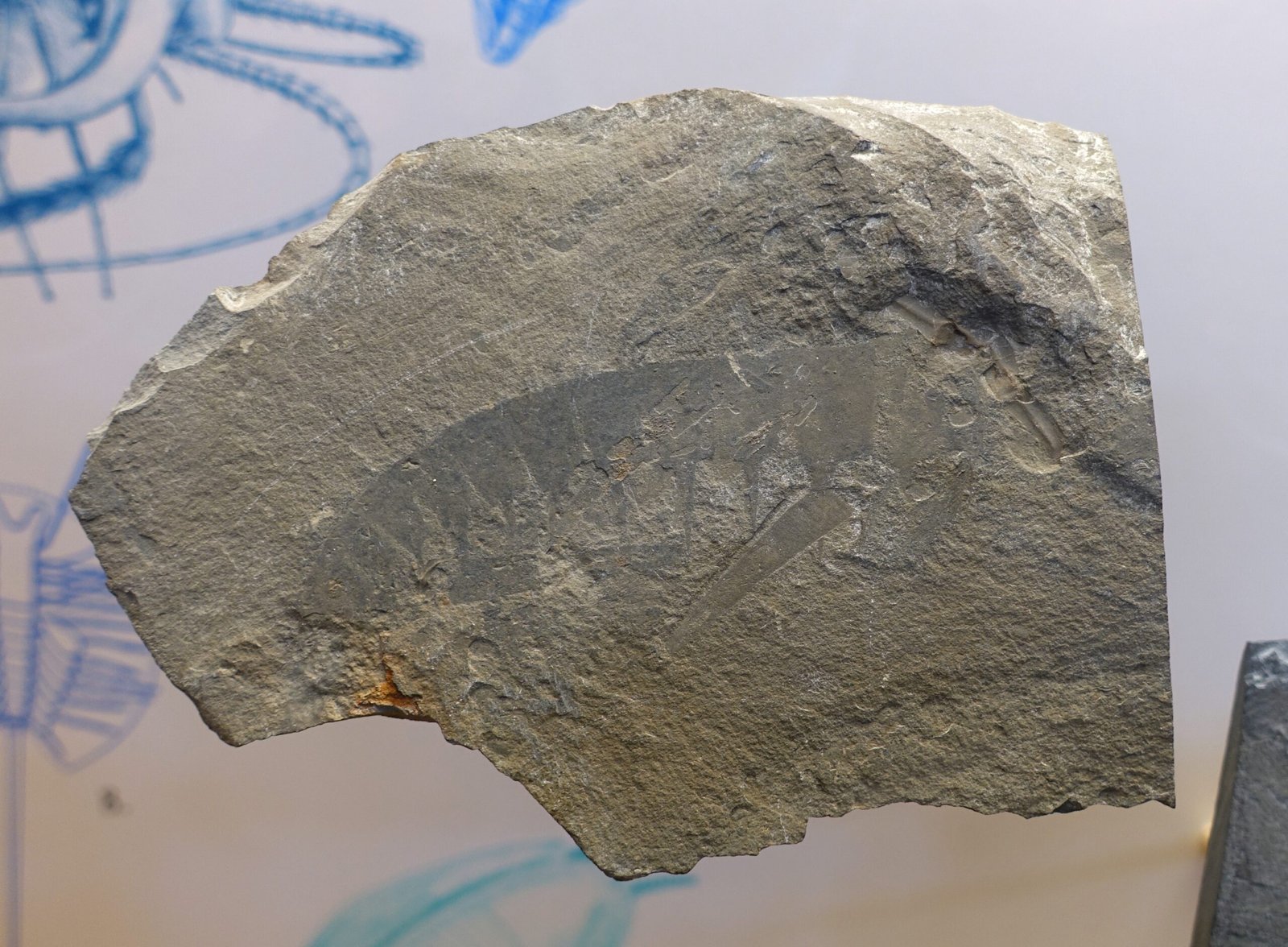
The Burgess Shale has sparked fierce debates among scientists. What exactly do these animals tell us about evolution? Are they direct ancestors of modern groups, or just evolutionary side experiments? How did so many weird designs emerge, only to disappear? Some researchers see the Burgess Shale as evidence of life’s unpredictability, while others think it shows a logical progression toward modern forms. The fossils challenge dogmas and inspire new theories. In science, controversy isn’t a problem—it’s fuel for discovery, and the Burgess Shale keeps the fire burning.
The Human Side: Awe, Wonder, and Imagination
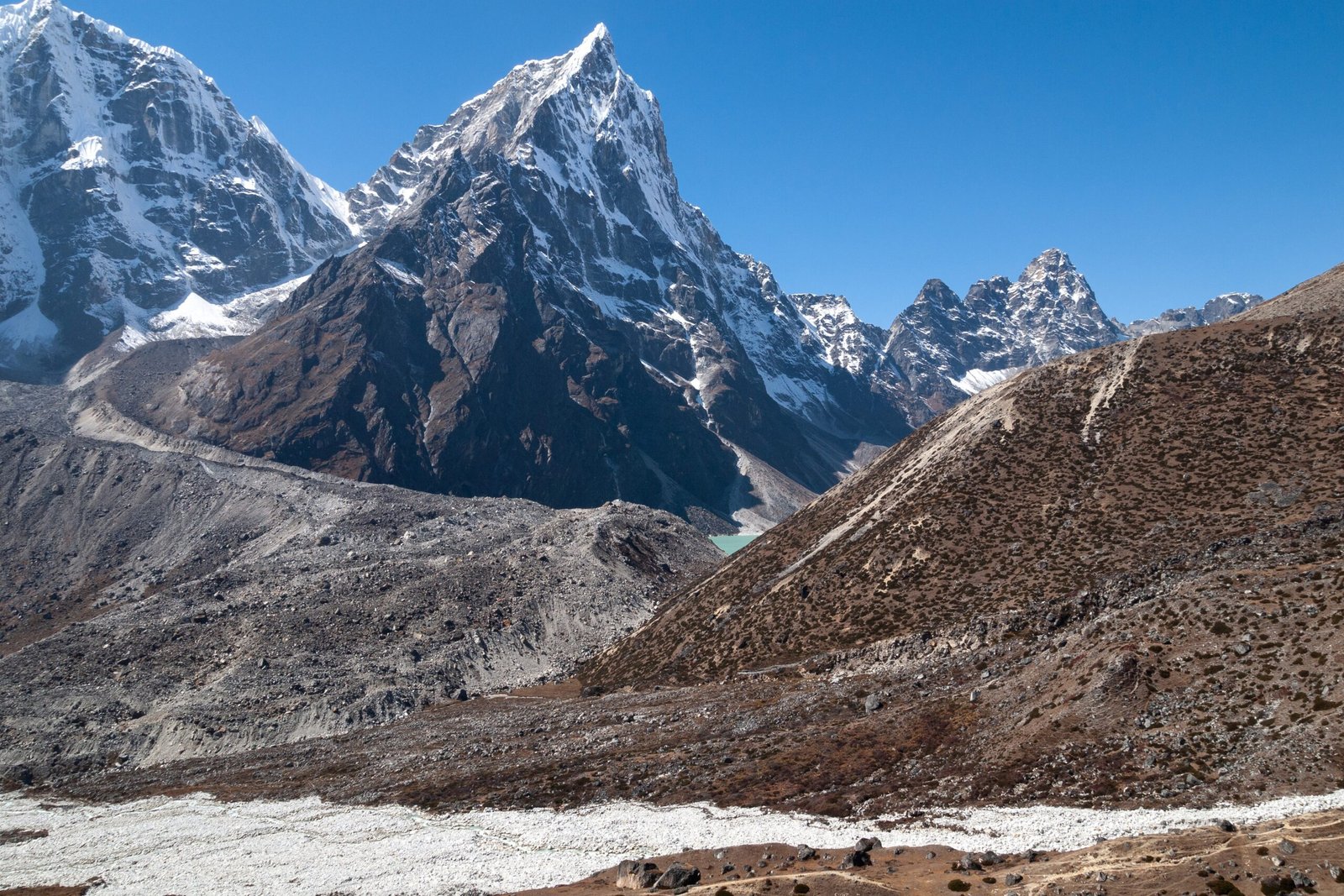
Standing among the jagged peaks of British Columbia, it’s impossible not to feel a sense of wonder. The Burgess Shale isn’t just a scientific site; it’s a place that inspires awe and curiosity. Artists, writers, and dreamers have all been captivated by its strange fossils, turning them into paintings, stories, and even museum exhibits. The site reminds us how much of Earth’s history remains hidden, waiting for someone to look closer. It’s a testament to human imagination—the same spark that drove Walcott to climb those mountains and the same spark that makes us ask, “What else is out there?”
Conservation Efforts: Protecting a Natural Wonder
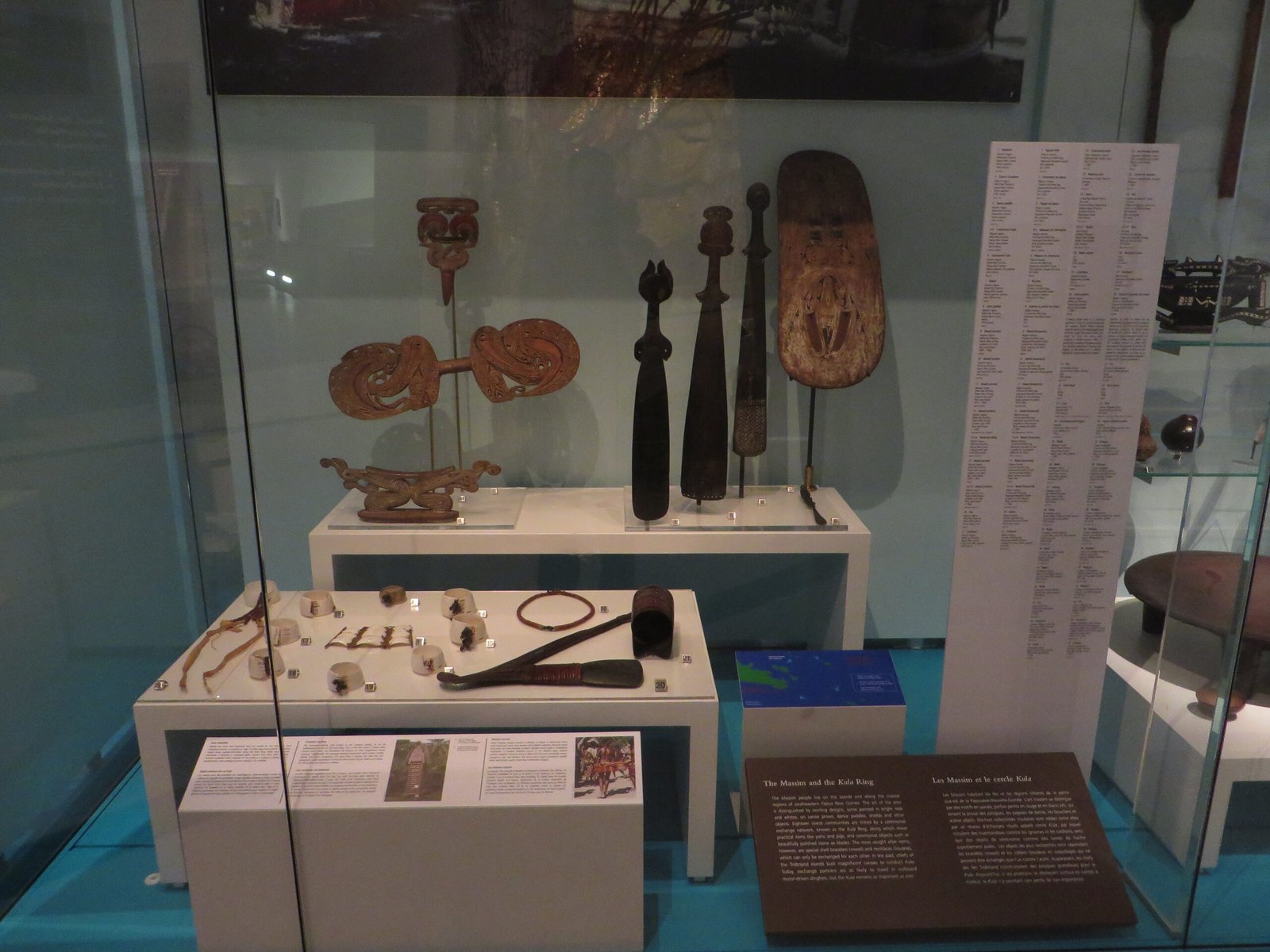
With fame comes responsibility. The Burgess Shale is now a UNESCO World Heritage Site, protected from casual collectors and careless exploitation. Scientists must follow strict guidelines to excavate fossils, ensuring that the site is preserved for future generations. Educational programs help spread awareness, so visitors can appreciate the site without damaging it. Conservation isn’t just about the rocks—it’s about preserving a story that belongs to all of us. As more people learn about the Burgess Shale, the hope is that its lessons will inspire respect for Earth’s deep history.
A Living Legacy in Modern Science
The impact of the Burgess Shale reaches far beyond paleontology. Its fossils have shaped how we understand evolution, extinction, and the origins of animal life. Science textbooks, documentaries, and museum displays all draw from its discoveries. Researchers around the world use its data to build evolutionary trees, compare ancient and modern ecosystems, and even search for life on other planets. The Burgess Shale’s legacy is alive every time a young scientist opens a fossil or an artist imagines a creature that once was. In this way, the site continues to inspire and educate, connecting past and present in a single story.
Visiting the Burgess Shale: A Journey Through Time
For those lucky enough to visit, hiking to the Burgess Shale is like stepping into a time machine. Guided tours take small groups up steep trails into the heart of Yoho National Park, where they can see the fossil beds firsthand. Along the way, visitors learn not just about ancient life, but about geology, conservation, and the thrill of discovery. Standing where Walcott once stood, it’s easy to imagine the ancient sea that once covered this land—and the bizarre creatures that called it home. It’s a reminder that Earth’s history is written all around us, if we know where to look.
The Burgess Shale’s Enduring Mystery
Even after a century of study, the Burgess Shale remains full of unanswered questions. New fossils are still being found, new analyses are rewriting old stories, and new generations of scientists are drawn in by its mysteries. The site is a symbol of both how much we know and how much we have left to discover. The creatures of the Burgess Shale challenge our imaginations and remind us that the natural world is stranger and more wonderful than we could ever invent. Who knows what secrets are still waiting to be revealed in those ancient rocks?