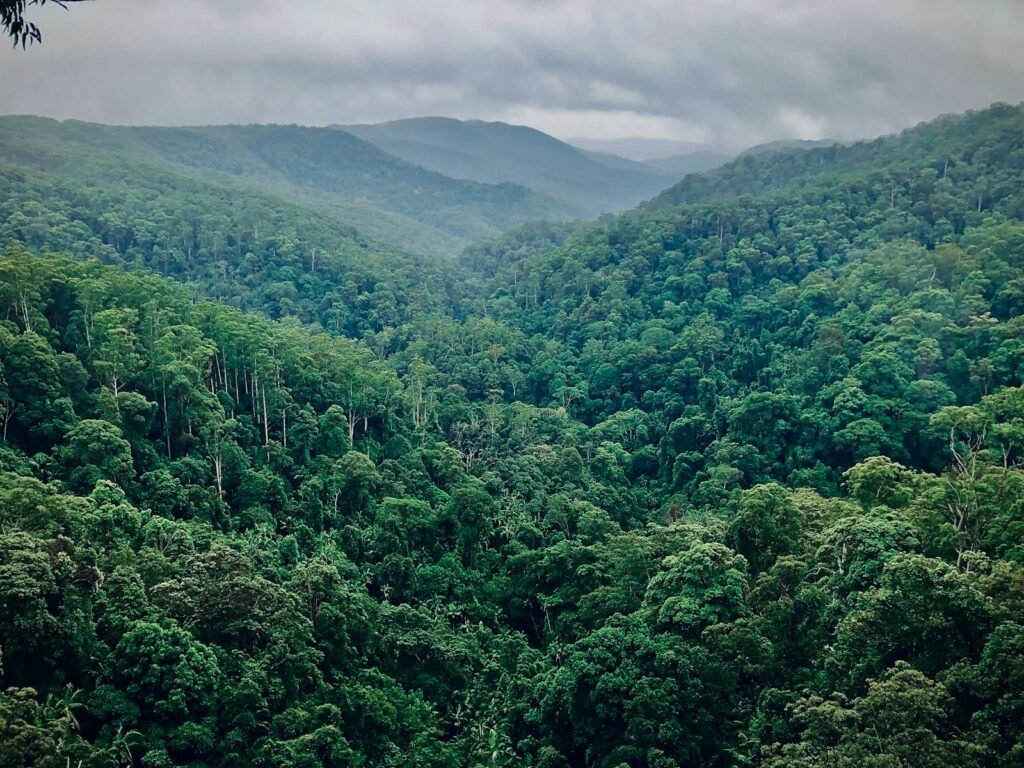
Imagine walking through the lush, tangled jungles of the Amazon, where every breath is thick with the scent of rain and earth. Now, picture a secret world below your feet—a vast, unseen river flowing silently beneath the rainforest, carrying life-giving water through ancient stone. It’s a hidden treasure more precious than gold or oil, and it could hold the key to the planet’s future. The Amazon’s aquifers are quietly shaping life above ground, nurturing some of the richest biodiversity on Earth. Yet, few people know these underground lakes and rivers exist, let alone how critical they are. What if the greatest wealth of the Amazon isn’t its trees or wildlife, but the water hidden deep below the surface?
The Amazon’s Secret Underground Rivers
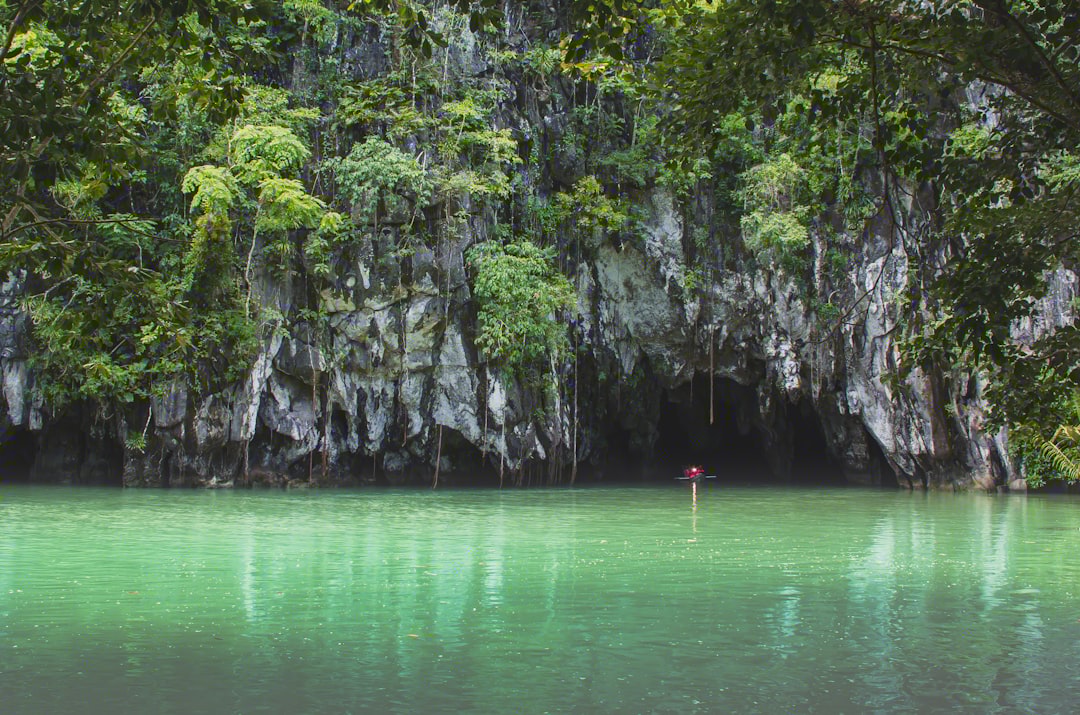
Beneath the riotous green of the Amazon lies a network of aquifers—rocky reservoirs filled with freshwater that have been collecting for thousands of years. These underground rivers, sometimes called “invisible giants,” can stretch for hundreds of miles, silently moving water below the surface. Scientists have compared the scale of these aquifers to the mighty Amazon River itself, suggesting that as much water might flow beneath the ground as above it. The idea that such vast rivers exist where no eyes can see is both mind-boggling and awe-inspiring. It’s as if the Amazon harbors a double life: one thriving in sunlight, the other in shadow. This hidden network could be the rainforest’s best-kept secret.
How Aquifers Form in the Amazon Basin
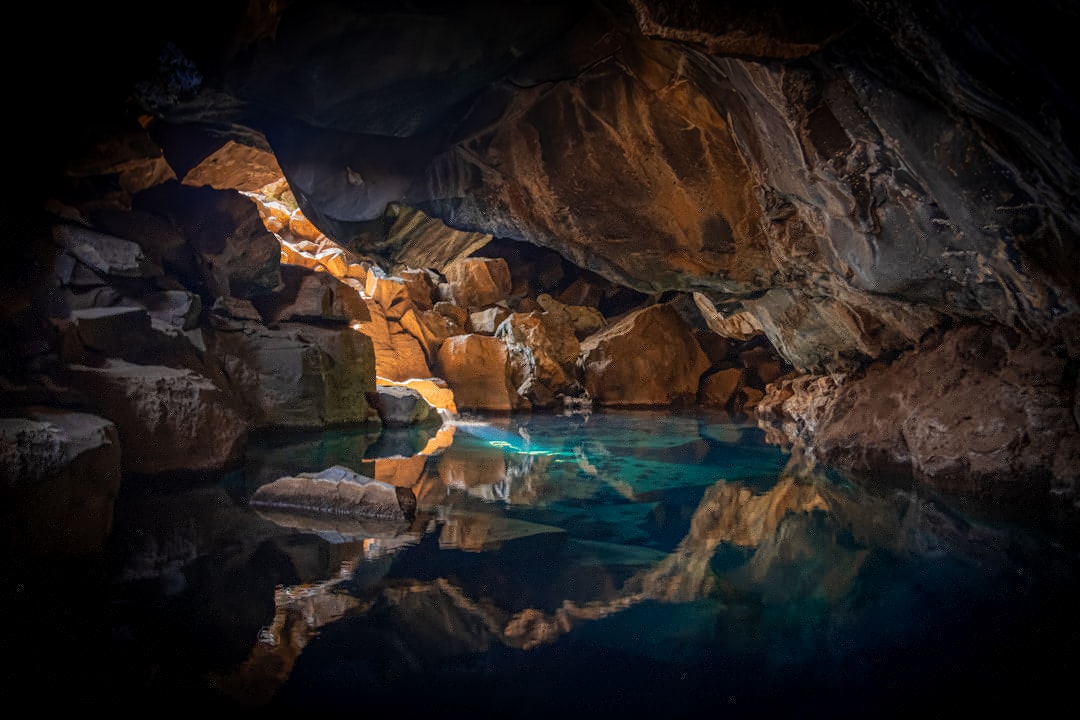
Aquifers in the Amazon are born over centuries, as rainwater seeps through layers of porous soil and rock. The Amazon’s heavy rainfall—sometimes over three meters per year—slowly percolates downwards, filling cracks and spaces in sandstone, limestone, and ancient volcanic rock. Over time, these pockets of water grow into sprawling reservoirs. The unique geology of the basin helps trap water, allowing it to accumulate in colossal underground chambers. Unlike surface water, which evaporates quickly in the tropical sun, aquifer water is protected from heat and contamination, making it a remarkably reliable resource. It’s like nature’s own water bank, quietly storing life for drier days.
The Scale of the Amazon’s Aquifers
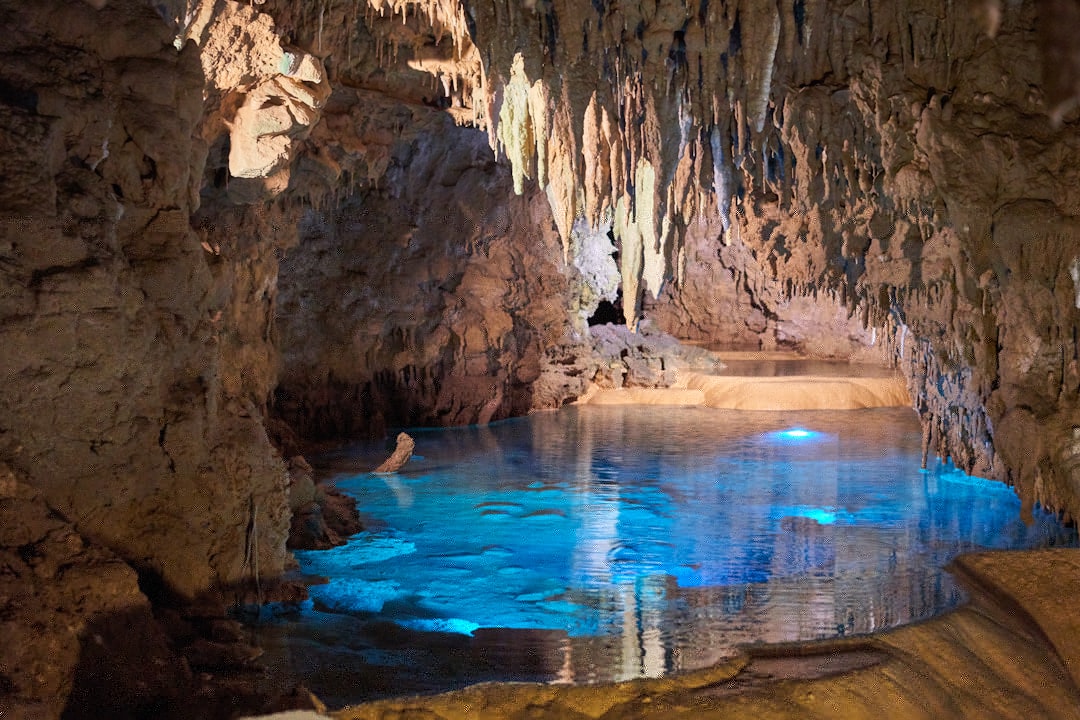
Researchers have discovered that the Amazon’s aquifers could hold up to thousands of cubic kilometers of freshwater—enough to fill millions of Olympic-sized swimming pools. Some estimates suggest that the Alter do Chão aquifer, one of the largest in the world, contains more freshwater than the mighty Guarani aquifer to the south. This sheer scale is hard to comprehend. Imagine a city-sized lake, but hidden a mile underground, stretching beneath forests and rivers. For the people and animals living above, this water is a silent guardian, buffering against droughts and climate extremes. The Amazon’s hidden aquifers are not just big—they’re colossal, dwarfing most other underground water systems on the planet.
Why Water Is the Amazon’s Most Valuable Asset
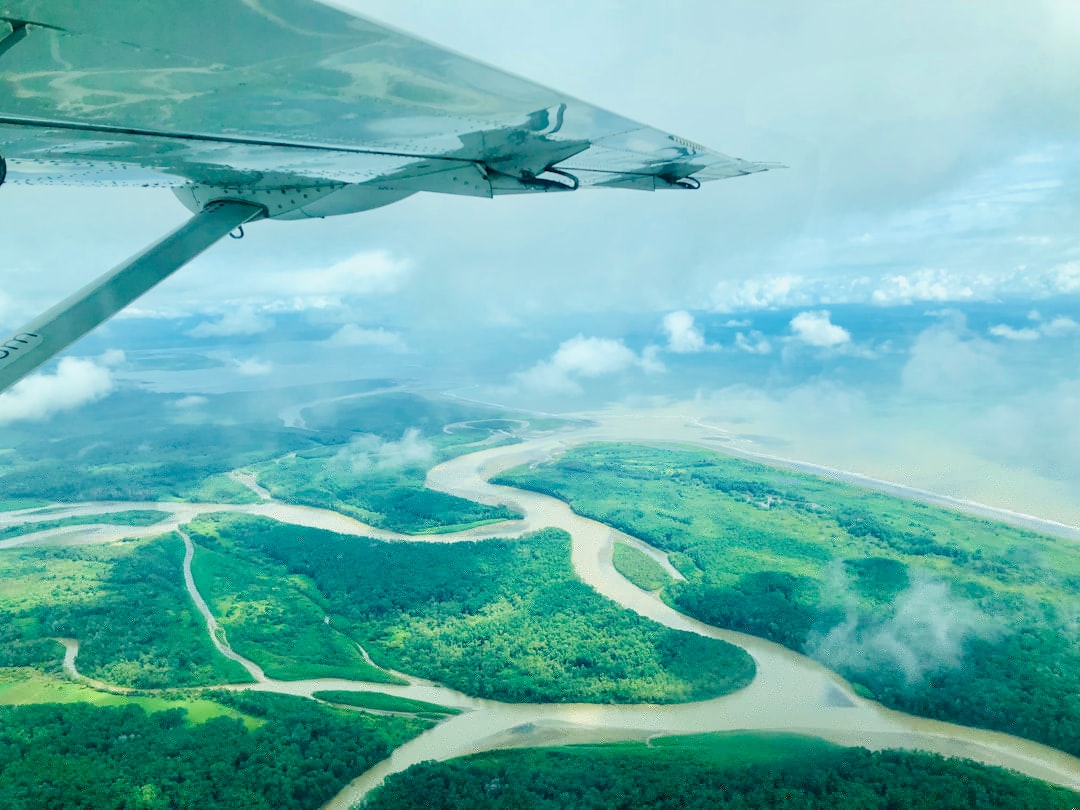
Many people think of the Amazon as a treasure chest of rare animals, towering trees, and valuable minerals. But water is the silent force behind it all. Without its underground aquifers, the rainforest would wither during dry seasons, unable to sustain its dizzying diversity of life. Water supports everything—from the tiniest insects to the largest jaguars. In a world increasingly threatened by drought and water scarcity, the Amazon’s hidden reservoirs could become more valuable than any other resource. This water doesn’t just nurture the forest; it could also sustain millions of people in South America as surface supplies become less reliable. In the end, water may be the Amazon’s true gold.
The Role of Aquifers in Sustaining Rainforest Life
During the Amazon’s dry season, when rivers shrink and rain is scarce, trees and plants tap into groundwater stored in aquifers. Their deep roots act like straws, pulling up water to stay green and alive. This secret supply keeps the forest lush even when the sky is cloudless for weeks. Animals, too, benefit from the steady flow of springs and streams fed by aquifers. Without this backup reservoir, much of the Amazon would turn brown and brittle, its famous biodiversity at risk. The aquifers are like a hidden life-support system, quietly working behind the scenes to keep the rainforest’s vibrant web intact.
Indigenous Knowledge of the Underground Waters
Long before scientists mapped the Amazon’s aquifers, Indigenous communities understood their importance. Many tribes have stories and spiritual beliefs tied to underground rivers, often seen as the veins of the earth. Some Indigenous groups use traditional wells and springs that tap directly into aquifer water, passing down knowledge of their locations for generations. Their careful stewardship has helped preserve these resources, sometimes even more effectively than modern conservation efforts. Listening to their wisdom, we learn that these waters are not just a physical resource—they’re part of the Amazon’s living soul, woven into culture and identity.
Modern Science Unveils the Depths
In recent decades, scientists have used cutting-edge technologies to map and measure the Amazon’s aquifers. Ground-penetrating radar, satellite imaging, and deep drilling have revealed vast reservoirs once thought impossible. Researchers track how water moves underground, how it connects to surface rivers, and how climate change might threaten its stability. The discovery of the Alter do Chão aquifer, for example, sparked headlines worldwide and highlighted just how little we know about the world beneath our feet. Each new discovery feels like opening a treasure chest—a reminder that Earth still holds secrets waiting to be uncovered.
The Changing Climate and Aquifer Security
Climate change is bringing longer droughts and unpredictable weather to the Amazon, making its underground water reserves more important than ever. As surface rivers dry up during heatwaves, communities and wildlife turn to aquifers for survival. But this hidden resource isn’t immune to threats. Over-extraction, pollution, and deforestation can damage the delicate balance that feeds and protects these reservoirs. If the aquifers are depleted faster than they can recharge, the consequences could be dire—think of a savings account that’s drained without replenishment. Protecting the Amazon’s water underground is just as urgent as saving its forests above.
The Threat of Deforestation to Aquifers
When trees are cut down, the land loses its natural sponge. Without roots to hold soil and slow rainfall, water runs off quickly, causing erosion and reducing the amount that recharges aquifers. Deforestation can also lead to pollution, as chemicals and waste seep into the ground, contaminating the once-pristine water below. In some areas, illegal logging and land clearing threaten to disrupt this ancient system. The health of the Amazon’s aquifers is inextricably linked to the fate of its forests. Every tree lost is a blow to the water cycle, both above and below the ground.
Aquifers as a Lifeline for Amazonian Communities

Millions of people live in the Amazon basin, many relying on wells and springs fed by underground water. During droughts or river pollution events, these aquifers become a lifeline, providing clean drinking water when surface sources are compromised. In remote villages, families draw water from deep wells that have served them for generations. The security of this supply means the difference between hardship and survival. As cities in the region grow, demand for water is rising, putting more pressure on these ancient reserves. The future of Amazonian communities is closely tied to the fate of their hidden aquifers.
The Global Importance of Amazonian Water
It’s easy to forget that the Amazon’s aquifers don’t just matter locally—they’re vital for the entire planet. The rainforest acts like a “water pump,” cycling moisture through the atmosphere and helping regulate weather patterns across South America and beyond. Scientists believe that disruptions to the Amazon’s water cycle could lead to droughts in far-off places, affecting food production and weather worldwide. In this sense, the aquifers are not just a regional asset, but a global safeguard. Protecting them isn’t just about saving the rainforest; it’s about safeguarding the planet’s future.
The Hidden Biodiversity in Amazonian Springs
Some of the Amazon’s most unique life forms are found not in trees or rivers, but in the springs that bubble up from aquifers. These hidden oases are home to rare fish, tiny crustaceans, and even new species yet to be named by science. These creatures have adapted to the cool, stable conditions of underground water, forming miniature ecosystems that are fragile and easily disrupted. Studying these hidden worlds gives scientists insight into evolution, resilience, and the interconnectedness of life. It’s a reminder that the Amazon’s greatest mysteries often lie just out of sight.
The Economic Value of Hidden Waters

Beyond their ecological importance, the Amazon’s aquifers have enormous economic potential. Water is essential for agriculture, industry, and daily life, and as surface supplies come under threat, underground reserves become increasingly valuable. Some experts warn that future conflicts could be fought over water, not oil or minerals. The Amazon’s aquifers could become a strategic asset, shaping geopolitics in South America and beyond. For now, they remain mostly untapped, but their value is rising every year as populations grow and climates change.
Potential for Sustainable Water Management
With careful management, the Amazon’s aquifers could provide a sustainable supply of water for generations. Scientists and policymakers are exploring ways to monitor extraction, prevent pollution, and recharge depleted reservoirs. Simple solutions—like protecting forests, reducing pesticide use, and encouraging water conservation—can make a big difference. There’s also hope in blending Indigenous knowledge with modern science, creating systems that respect both nature and human needs. The goal is to use this hidden wealth wisely, ensuring it’s available not just today but for centuries to come.
Cultural and Spiritual Significance
For many Amazonian peoples, water is more than a resource—it’s a sacred gift. Rivers and springs are woven into myths, rituals, and daily life. Some believe that spirits guard the underground waters, and that harming them brings misfortune. This deep respect has helped protect aquifers for centuries, offering a lesson in humility and stewardship. In a world that often sees nature as a commodity, the Amazon’s cultural traditions remind us that water is life, and its value goes far beyond money or science.
Risks of Overextraction and Pollution

As demand for water rises, there’s a growing risk that aquifers could be overdrawn. Drilling too many wells or pumping too much water can lower the water table, causing springs to dry up and land to sink. Pollution from mining, agriculture, and urban waste can seep into the ground, contaminating water that’s taken millennia to collect. Once damaged, aquifers are slow to recover—sometimes taking hundreds or thousands of years to refill. The challenge is to balance human needs with the limits of nature, protecting this hidden asset before it’s too late.
Innovative Technologies for Aquifer Monitoring

New tools are making it easier to study and protect the Amazon’s underground water. Drones, satellites, and smart sensors track changes in groundwater levels, helping scientists spot problems early. Computer models predict how aquifers will respond to climate change or increased use. These technologies are like flashlights in a dark cave, revealing patterns and risks that would otherwise go unnoticed. By combining high-tech monitoring with on-the-ground knowledge, there’s hope for smarter, more sustainable management.
Education and Advocacy for Aquifer Protection

Raising awareness about the Amazon’s hidden water is crucial for its survival. Schools, community groups, and environmental organizations are working to teach people about the value and vulnerability of aquifers. Storytelling, art, and local campaigns help connect people to the invisible world below their feet. The more people understand what’s at stake, the more likely they are to demand action from leaders and businesses. Protecting the Amazon’s water is a shared responsibility, and it starts with knowledge.
What the Future Holds for Amazonian Aquifers
Looking ahead, the fate of the Amazon’s aquifers hangs in the balance. Will they remain a hidden treasure, quietly supporting life above? Or will rising pressures push them to the brink? The choices we make today—about forests, water use, and conservation—will shape the story of these underground giants for generations. The hidden aquifers of the Amazon remind us that the most precious things are often those we cannot see. What else might be waiting, just out of sight, to change the world?