What if the humble potato held the secret to feeding our planet as it heats up? Every year, the International Day of Potato arrives with little fanfare, but beneath the surface lies a powerful story—one that’s as rich, layered, and surprising as the soil that cradles this extraordinary crop. In a world teetering on the edge of climate change, food insecurity, and vanishing biodiversity, the potato stands as both a symbol of resilience and a beacon of hope. Science shows us that the challenges ahead are daunting, but the solutions might just be buried in the fields we’ve overlooked. Grab a seat at the table—this journey into the potato’s past, present, and future might change the way you see your next meal.
The Potato’s Astonishing Journey Across Continents
The potato’s story began high in the Andes mountains thousands of years ago, nurtured by the hands of ancient civilizations. From this cradle of diversity in South America, potatoes traveled across oceans with European explorers, quietly revolutionizing diets and economies. In Ireland, potatoes became a staple so vital that a single blight led to devastating famine in the 19th century. Today, they’re found in every corner of the globe, bridging cultures and cuisines. Imagine a world without French fries, samosas, or gnocchi—the potato’s journey is inseparable from our own. Its adaptability helped it conquer mountains, deserts, and cities alike.
Why We Celebrate the International Day of Potato
This special day is more than a quirky celebration—it’s a global reminder of the potato’s role in fighting hunger, poverty, and malnutrition. The United Nations established the International Day of Potato to spotlight its importance as a staple food and economic lifeline for millions. It’s a day for farmers and scientists, chefs and children, to reflect on how this crop sustains communities worldwide. Events range from cooking competitions to educational workshops, each highlighting the potato’s versatility and significance. The day also encourages innovation in sustainable agriculture, pushing us to think bigger about food security. Who knew such a simple spud could inspire such worldwide admiration?
Climate Change and the Challenge for Crops
As the planet warms, crops everywhere face unprecedented threats. Heat waves, droughts, and unpredictable weather patterns put food systems under severe strain. Potatoes, like many crops, are sensitive to extreme temperatures and water scarcity. Scientists warn that yields could plummet in some regions, leading to food shortages and higher prices. But this isn’t just a distant problem—farmers are already adapting their practices to cope with shifting seasons and harsher conditions. The question looms: can the potato, with all its strengths, hold its ground against climate change? Its future may be a bellwether for the fate of other staple crops.
Potato: The Resilient Superfood of Tomorrow
Don’t let its unassuming appearance fool you—the potato is a nutritional powerhouse. Packed with vitamins, minerals, and complex carbohydrates, it provides essential energy and nutrients with minimal fat. Its high yield per hectare makes it a key player in feeding growing populations, especially where land and water are scarce. Scientists are exploring ways to boost its resilience through selective breeding and biotechnology, aiming to develop varieties that thrive in harsher climates. The potato’s ability to adapt and endure could make it a star player in the fight against hunger as our world grows hotter and more unpredictable.
The Science Behind Potato Adaptation
Researchers are racing to uncover the potato’s secrets to survival. By studying wild relatives that grow in extreme altitudes or arid soils, scientists hope to transfer traits like drought tolerance and disease resistance into cultivated varieties. Genetic mapping and modern breeding techniques are accelerating this process, creating potatoes that can withstand heat, pests, and poor soils. Some experiments even focus on potatoes that grow faster or require less water—traits that could be game-changers in a warming world. It’s a race against time, but the progress is nothing short of inspiring, blending ancient wisdom with cutting-edge science.
Global Potato Diversity: A Treasure Trove
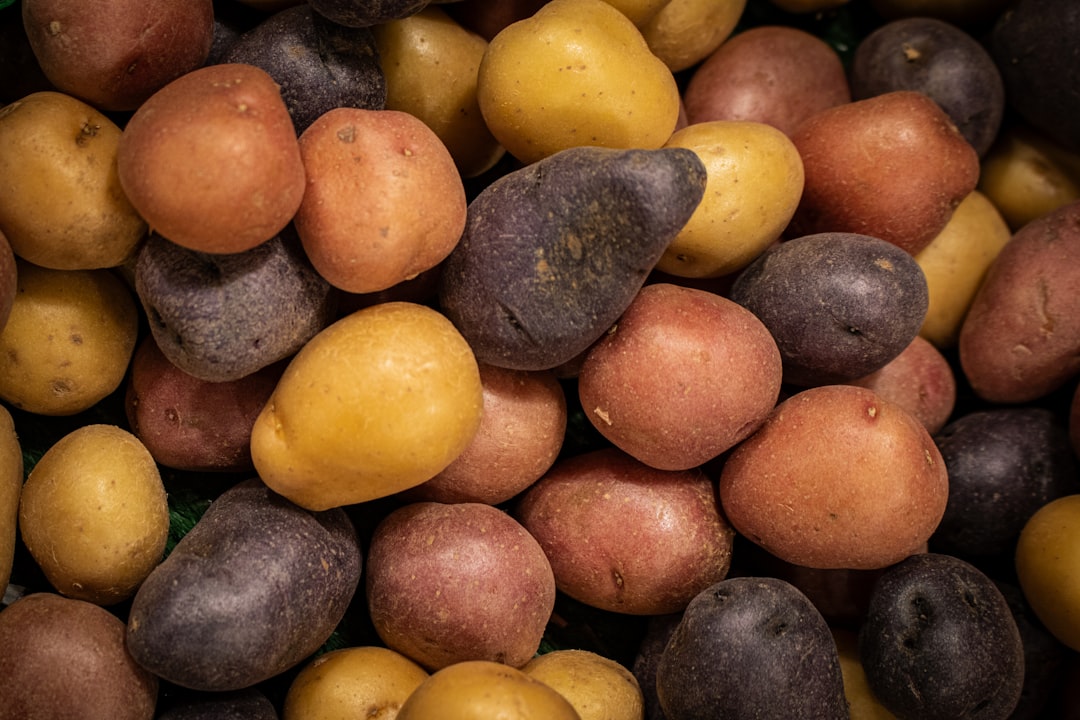
The sheer diversity of potatoes is staggering—there are over 4,000 edible varieties, each with unique colors, flavors, and textures. In the Andes, potatoes come in hues of purple, red, and gold, with tastes ranging from earthy to sweet. Preserving this genetic diversity matters more than ever, as it provides the raw material for breeding climate-resilient crops. Seed banks and conservation projects work tirelessly to protect rare varieties from extinction. This living library of potatoes might just hold the key to food security, offering options for every type of soil, climate, and kitchen. It’s a reminder that diversity is our best insurance policy against an uncertain future.
Potatoes and Water: A Delicate Relationship
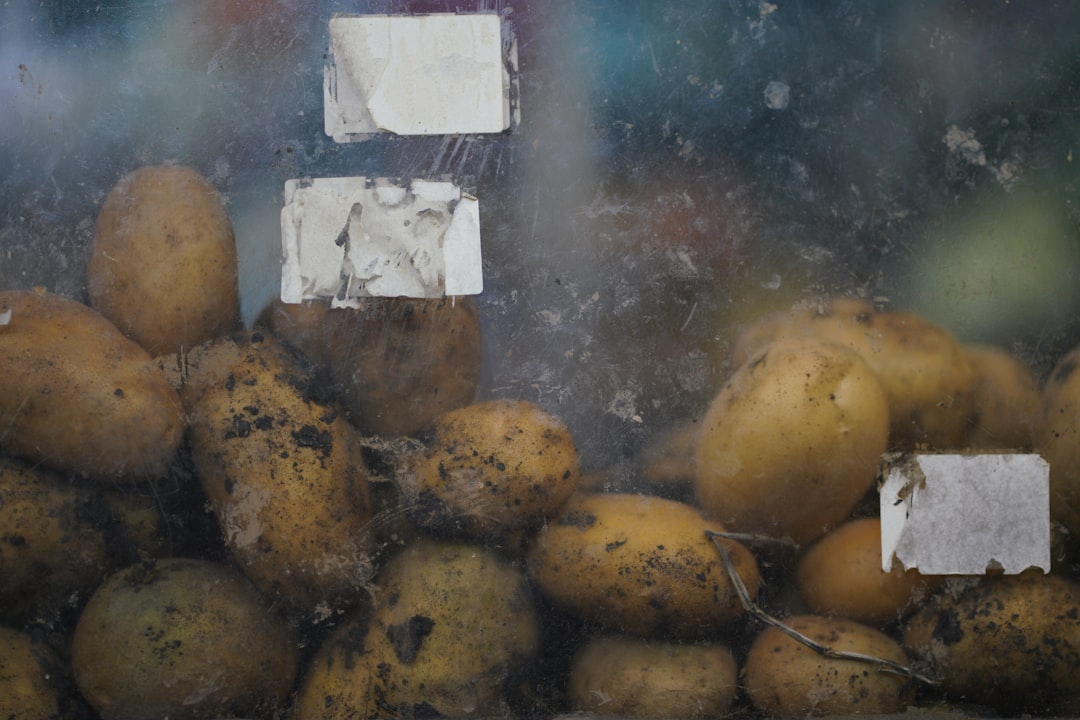
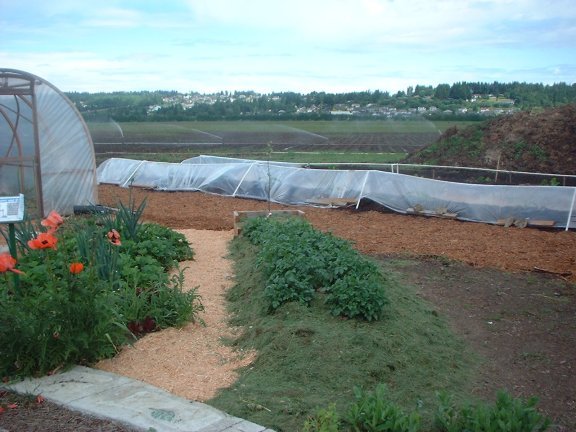
Water is life for any crop, but potatoes are particularly sensitive to drought and flooding alike. In some regions, farmers rely on irrigation systems to ensure consistent yields, but water scarcity is becoming a pressing issue. Innovative farming techniques—like drip irrigation and mulching—are helping to stretch every drop. Researchers are also developing potato varieties that need less water or can survive in drier conditions. The relationship between potatoes and water is a microcosm of global agriculture: finding ways to do more with less is crucial as natural resources dwindle.
Potatoes in Urban Agriculture
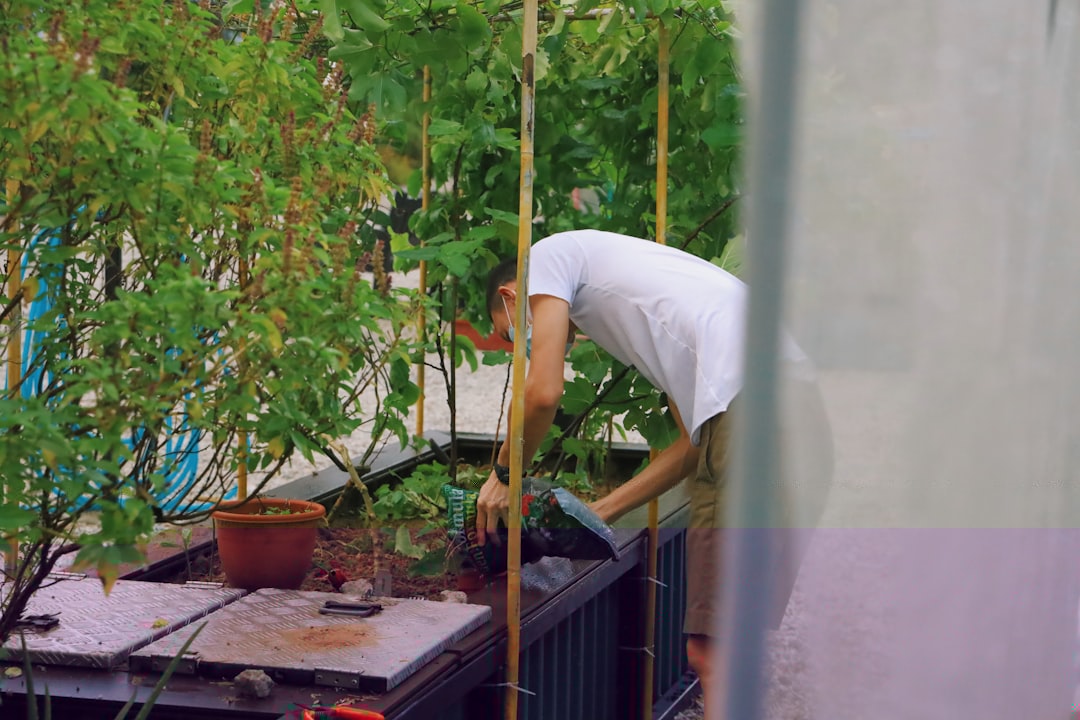
As more people flock to cities, urban agriculture is gaining momentum—and potatoes are surprisingly well-suited to these environments. They can be grown in containers, rooftop gardens, and even vertical farms, making them accessible to city dwellers with limited space. Innovative projects in cities like Nairobi and New York are teaching families how to grow their own potatoes, boosting food security and nutrition. Urban potatoes may not look as picturesque as their countryside cousins, but they pack just as much flavor and sustenance. In a concrete jungle, a potato plant can feel like a small act of rebellion and hope.
The Potato’s Role in Food Security
Potatoes are more than comfort food—they’re a lifeline for more than a billion people worldwide. As populations swell, especially in regions vulnerable to hunger, potatoes offer a reliable source of calories and nutrients. Unlike grains, they mature quickly and can be harvested several times a year in some climates. This rapid turnaround makes them a strategic crop for communities facing food shortages. Governments and NGOs are investing in potato research and distribution, seeing it as a practical solution to feed people in tough times. The potato’s role in food security is growing, especially as old certainties about food supplies are shaken by climate change.
Innovative Farming for a Changing Planet
The future of potato farming is taking shape in labs and fields around the world. Farmers are experimenting with agroecological methods, like crop rotation and integrated pest management, to reduce chemical use and build healthier soils. Smart technologies—sensors, drones, and AI-driven monitoring—are helping farmers spot problems before they escalate. In Peru, potato farmers are blending traditional knowledge with modern science to adapt to unpredictable weather. These innovations aren’t just making farming more sustainable—they’re also empowering farmers to take control of their futures. The potato, once seen as old-fashioned, is now at the cutting edge of agricultural science.
Potato Diseases: An Invisible Threat

Beneath the surface, potatoes face a constant barrage of diseases. Late blight, the fungus that triggered the Irish famine, remains a global menace. New pathogens and pests emerge as climates change, threatening crops in unexpected ways. Researchers are developing disease-resistant varieties and exploring eco-friendly ways to protect potato fields without heavy chemical use. Farmers must stay vigilant, learning to recognize early warning signs and adapt their practices. The battle against potato diseases is ongoing, reminding us that food security is never guaranteed—it’s a delicate balance that requires constant attention and innovation.
Potatoes and Nutrition: Beyond the Carbs
Potatoes have an unfair reputation as “empty carbs,” but nothing could be further from the truth. A medium potato is packed with vitamin C, potassium, fiber, and antioxidants—all crucial for a healthy diet. For many communities, potatoes fill nutritional gaps left by other staple foods. Scientists are even working to boost the micronutrient content of potatoes through biofortification, creating varieties richer in iron and zinc. This makes the humble potato a powerful tool in the fight against hidden hunger—nutrient deficiencies that aren’t always visible but have lasting effects on health and development.
Potatoes as a Source of Livelihood
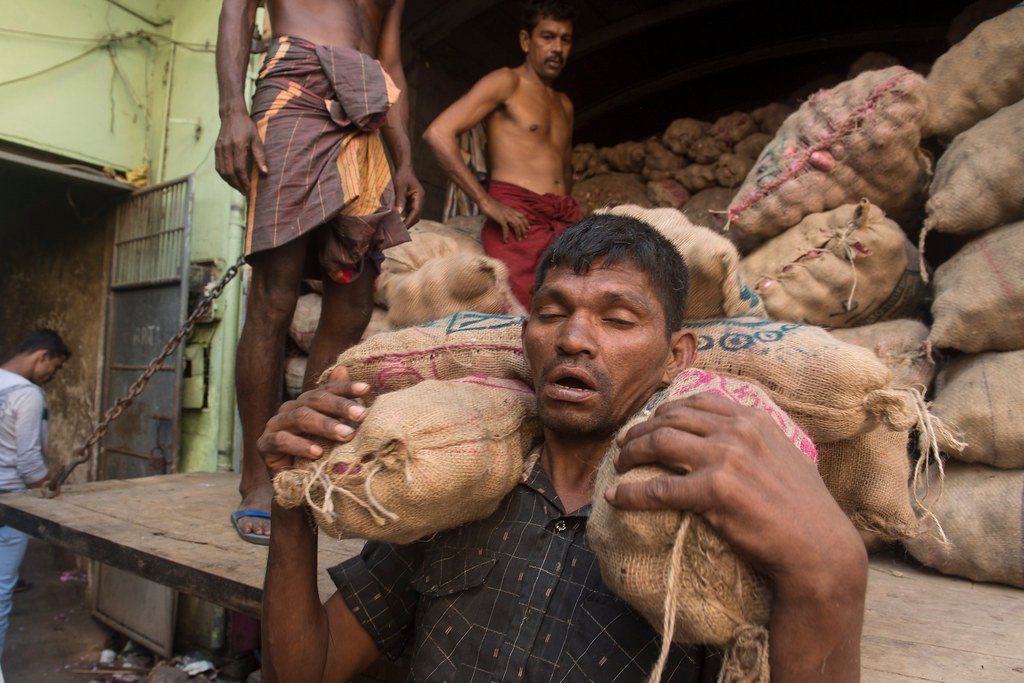
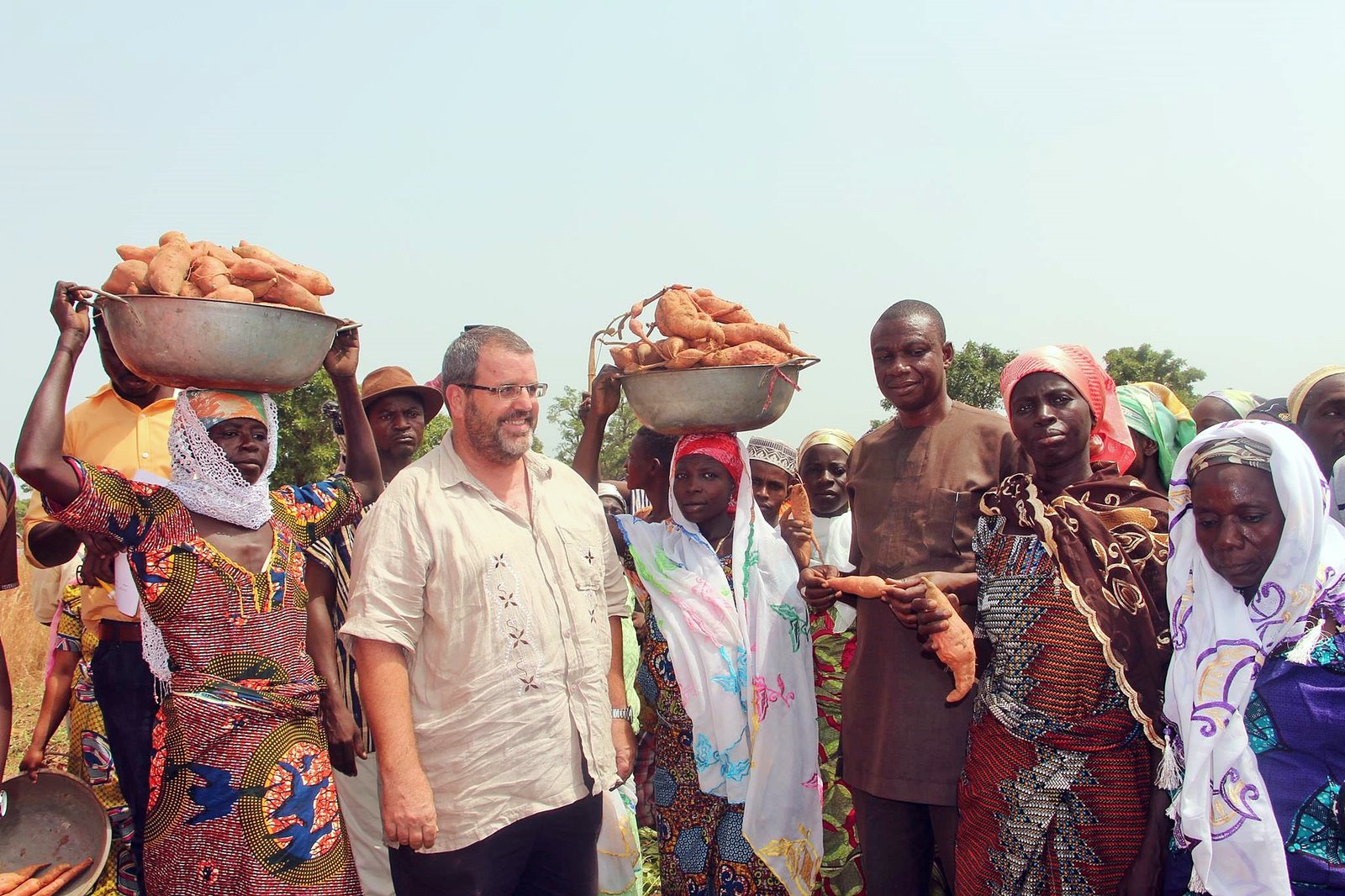
For millions of farmers, potatoes are more than a crop—they’re a way of life. From smallholders in Africa to large-scale producers in Europe and Asia, the potato economy supports families and communities. Potatoes create jobs not just on farms, but in processing, transport, and retail. Women, in particular, play a vital role in potato production and marketing, often using the income to support education and health for their children. As the world changes, supporting small farmers with training, resources, and fair markets is essential to keep the potato’s promise alive.
Potatoes and Cultural Identity
Potatoes have woven themselves into the fabric of countless cultures, inspiring traditions, festivals, and even folklore. In Peru, the annual Potato Festival is a vibrant celebration of heritage, with parades, music, and a dazzling array of native varieties. In Russia, potatoes are a staple of beloved dishes like vodka and blini. From Irish colcannon to Indian aloo tikki, the potato adapts to every palate and story. Food isn’t just fuel—it’s memory, identity, and connection. The potato’s journey through kitchens and cultures reveals how deeply food shapes who we are.
Cooking with Potatoes: Endless Possibilities
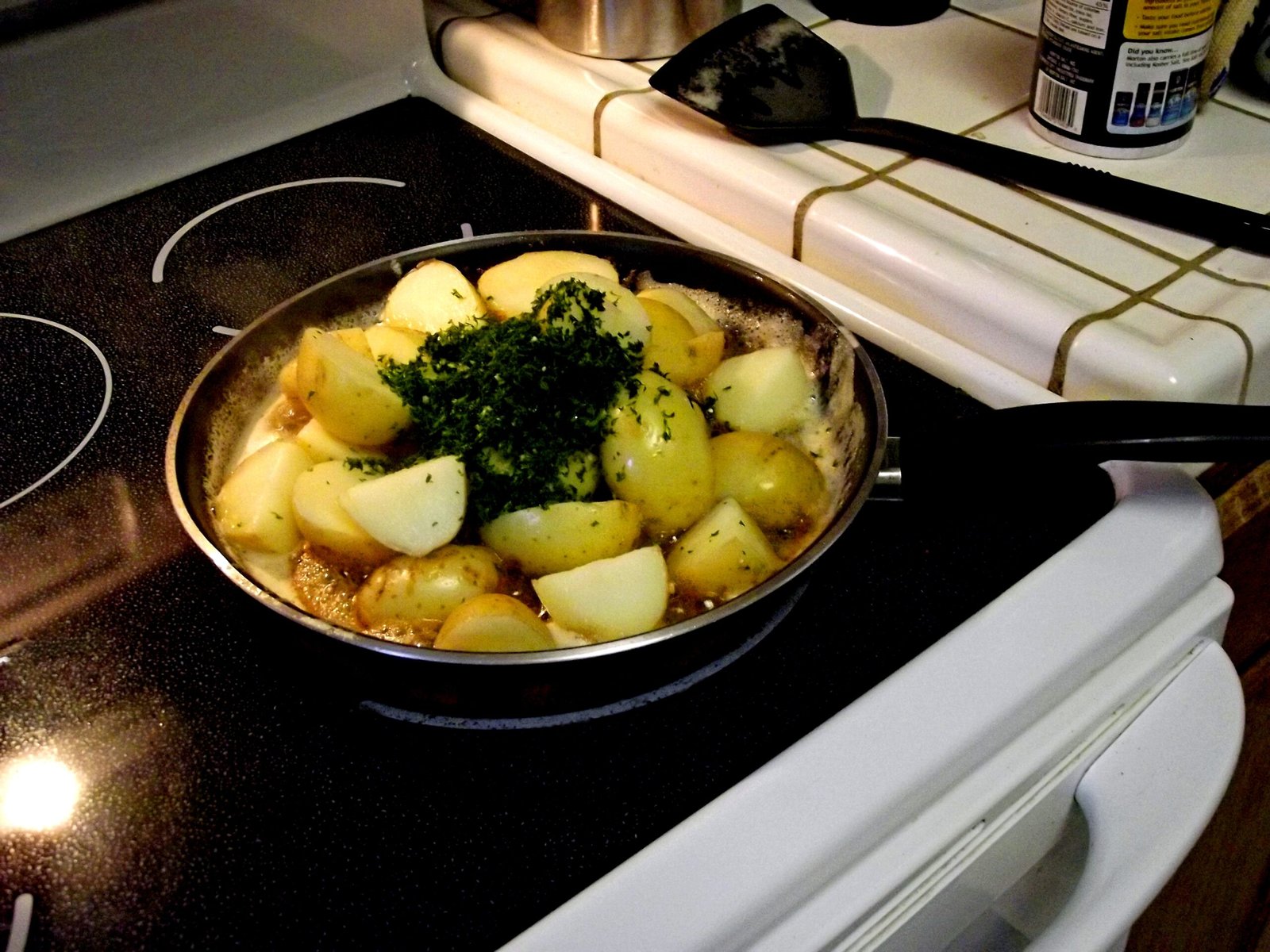
If you’ve ever been comforted by a warm bowl of mashed potatoes or dazzled by crispy French fries, you know the potato’s magic. Its versatility in the kitchen is legendary—boiled, baked, roasted, or fried, it takes on flavors and textures like a culinary chameleon. Chefs around the world are pushing the boundaries, creating potato-based delicacies that would have amazed our ancestors. Home cooks find endless ways to reinvent old favorites, making potatoes the star of the table in every season. Its humble roots remind us that extraordinary things can come from the simplest ingredients.
Potatoes and the Circular Economy
Sustainability is no longer a buzzword—it’s a necessity. Potatoes fit naturally into circular economy models, where nothing goes to waste. Potato peels become livestock feed or compost, while processing byproducts are turned into biofuel or biodegradable packaging. In some countries, potato starch is used in eco-friendly plastics and adhesives. Creative entrepreneurs are finding new uses for every part of the potato, turning waste into wealth. This closed-loop approach not only reduces environmental impact but also creates new opportunities and income streams for communities.
The Potato in Space: Farming Beyond Earth
It sounds like science fiction, but potatoes might be the first crop humans grow on Mars. NASA and other space agencies have experimented with growing potatoes in controlled environments, seeing them as ideal candidates for future space missions. Their compact size, nutritional value, and fast growth make them perfect for life beyond our planet. The 2015 film “The Martian” brought this idea to the big screen, but real-life experiments are ongoing. These cosmic potatoes remind us that innovation often starts with the familiar, and that the solutions to big challenges can come from unexpected places.
Potatoes and the Next Generation
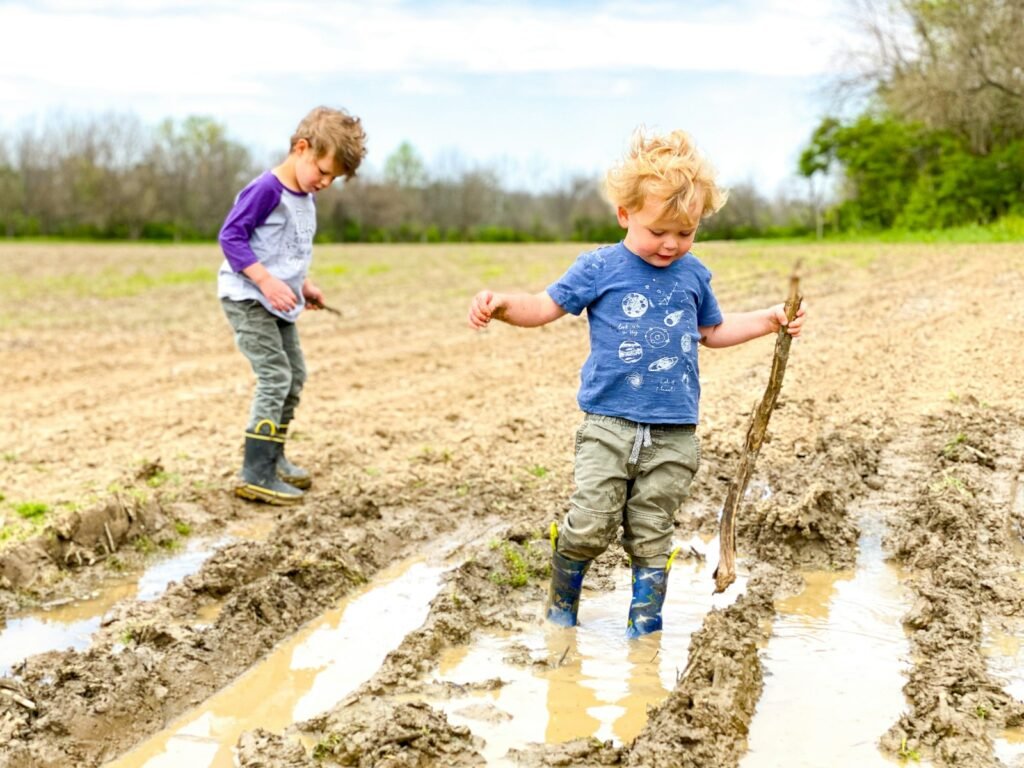
Inspiring young people to care about food, farming, and the environment is more important than ever. School gardens, science projects, and interactive workshops use potatoes as a gateway to bigger conversations about sustainability and health. Kids discover the magic of watching a sprout turn into a hearty plant, learning lessons that last a lifetime. Potatoes are simple enough for a child to understand, yet complex enough to spark curiosity and wonder. Engaging the next generation ensures that the potato’s story—our story—keeps growing.
Innovations in Potato-Based Foods
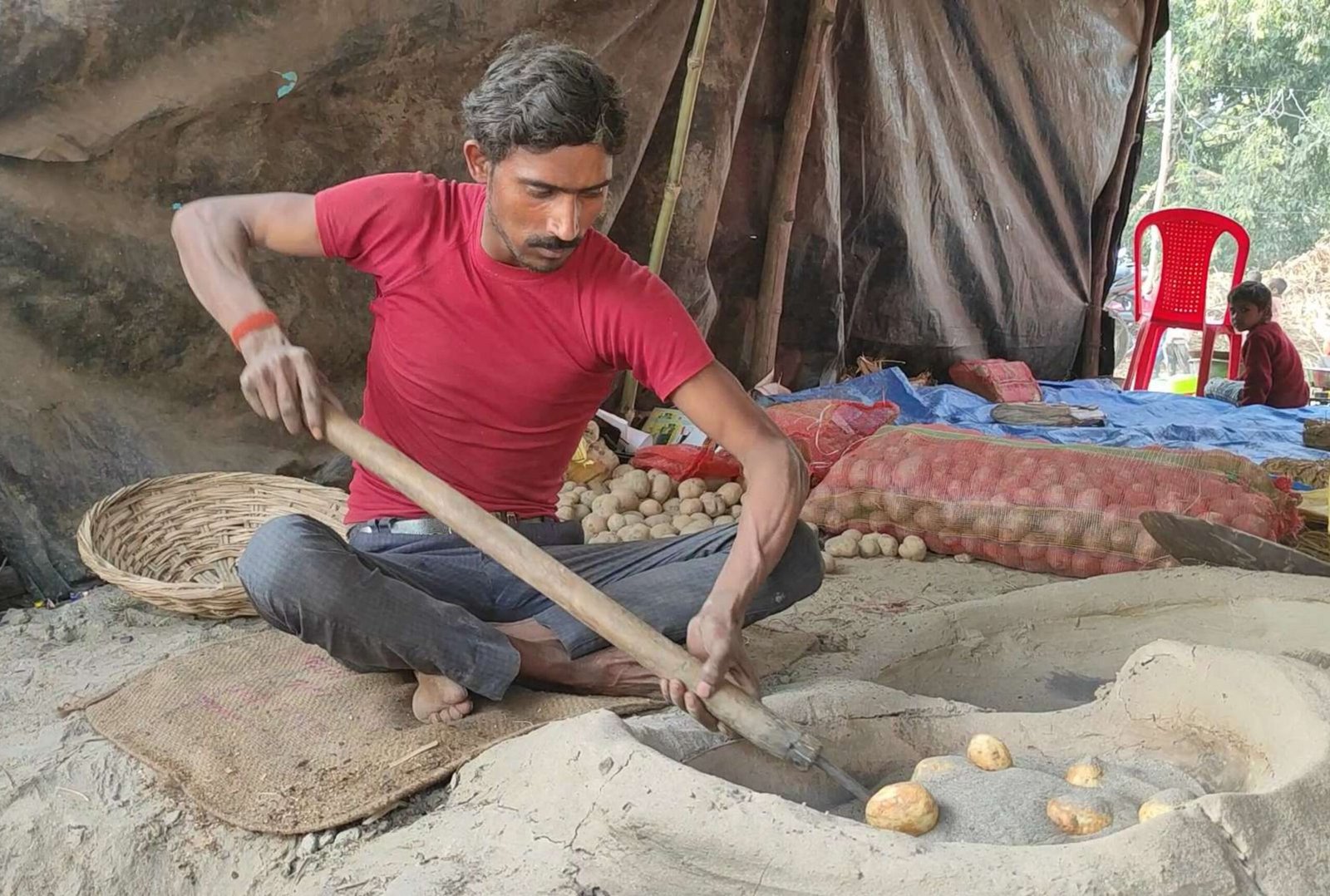
Food innovation is booming, and potatoes are at the center of the action. Plant-based diets are on the rise, with potatoes starring in everything from dairy-free cheese to gluten-free pasta. Creative chefs and food scientists are reimagining the potato’s potential, developing snacks and ingredients that cater to changing tastes and health needs. Potato milk, for example, is gaining traction as a sustainable alternative to dairy. These trends show that the potato is anything but old-fashioned—it’s a canvas for creativity in a rapidly evolving food landscape.
The Global Potato Community: Working Together
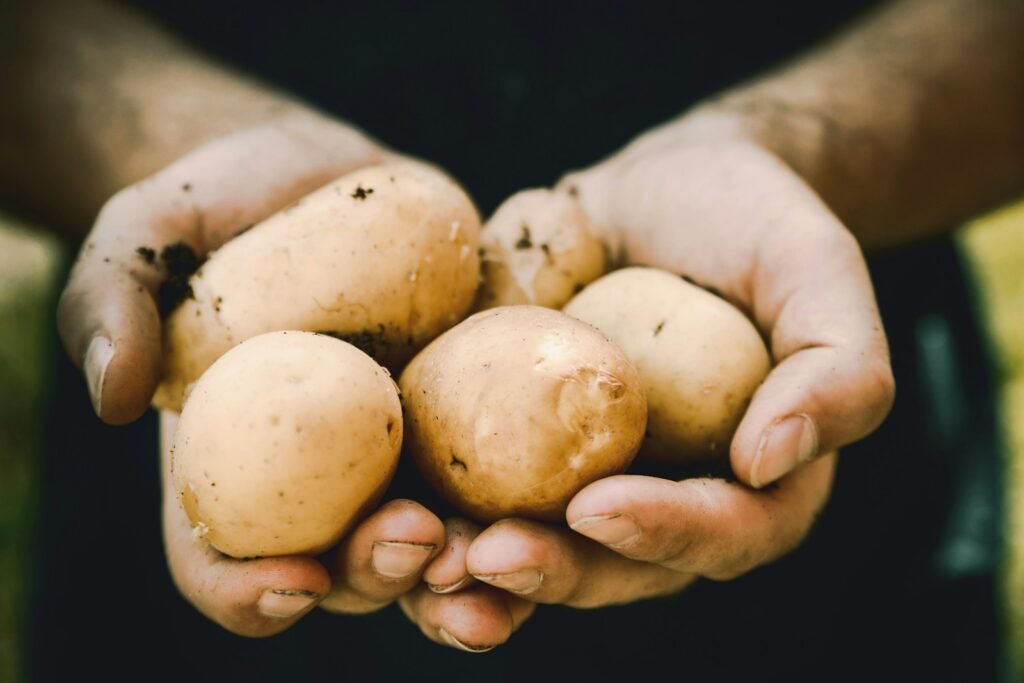
No crop exists in isolation. Around the world, farmers, scientists, policymakers, and consumers are joining forces to secure the future of the potato. International collaborations share knowledge, resources, and technology, helping communities adapt to climate change and market shifts. Farmer cooperatives and advocacy groups give a voice to those who grow our food, ensuring their needs are heard. The potato community is united by a shared belief: that a small tuber can make a world of difference when we work together.
Looking Toward a Potato-Powered Tomorrow
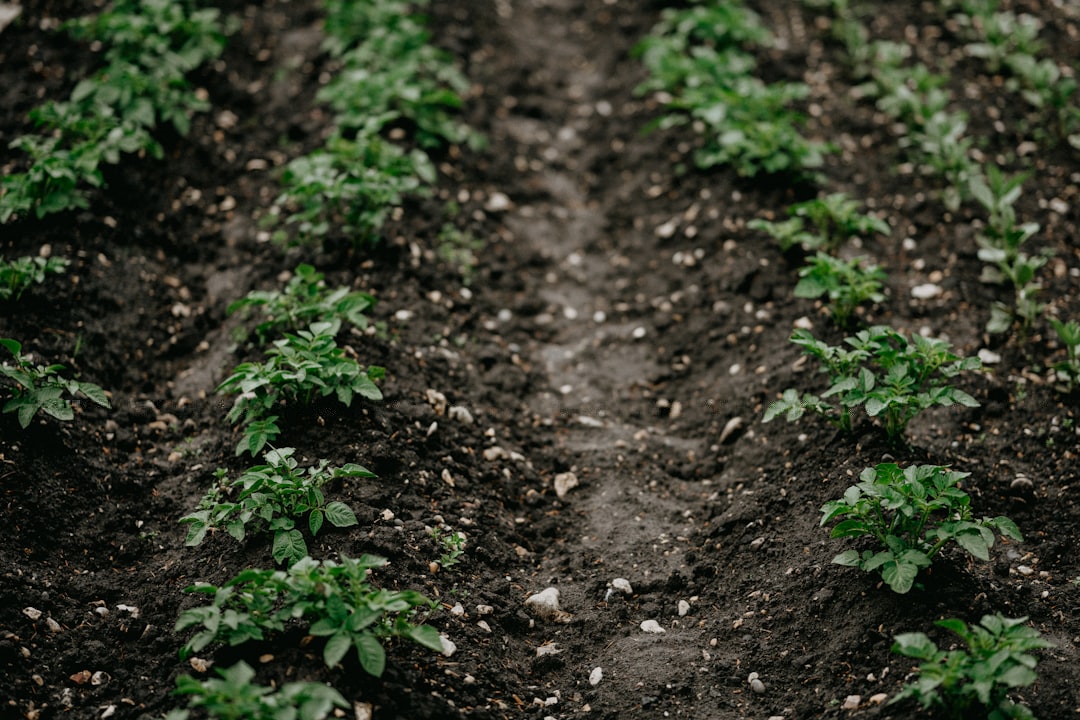
As the world changes, the potato’s enduring resilience and adaptability offer a blueprint for hope. Its journey from ancient mountain terraces to city rooftops, from famine to abundance, is a testament to human ingenuity and nature’s generosity. Facing a warming world, we find inspiration and solutions in this unassuming crop—proof that sometimes, the answers to our biggest questions are right under our feet. Will you ever look at a potato the same way again?